
Climate through Earth history Cenozoic cooling Ice Age

- Slides: 27
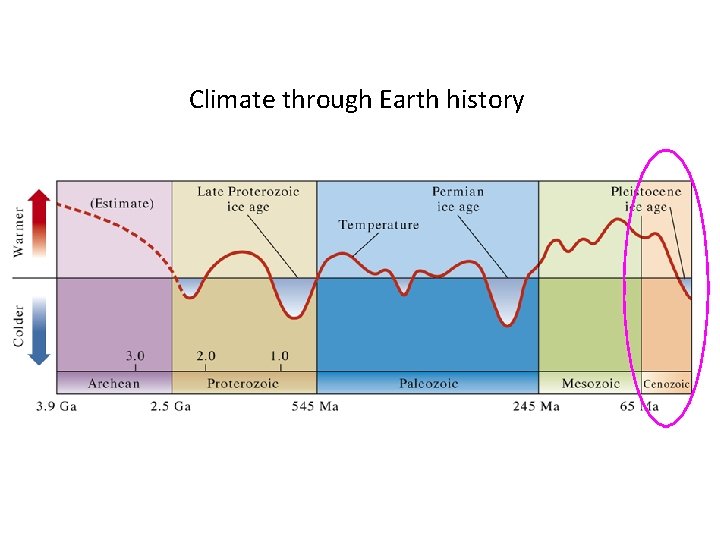
Climate through Earth history
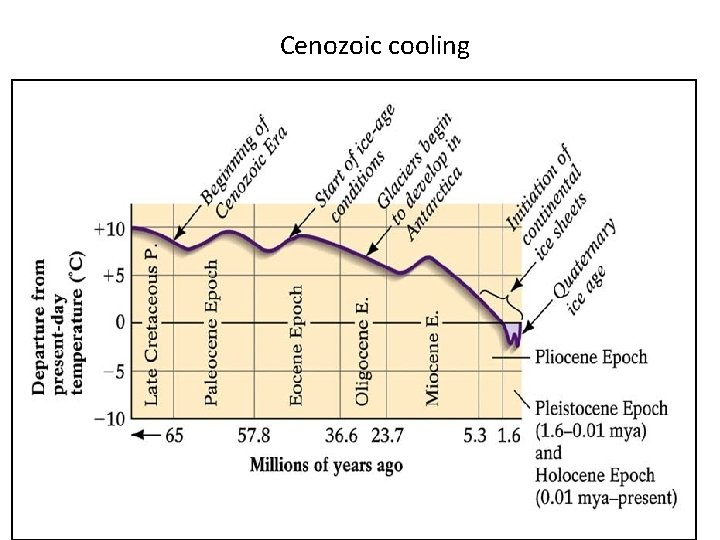
Cenozoic cooling
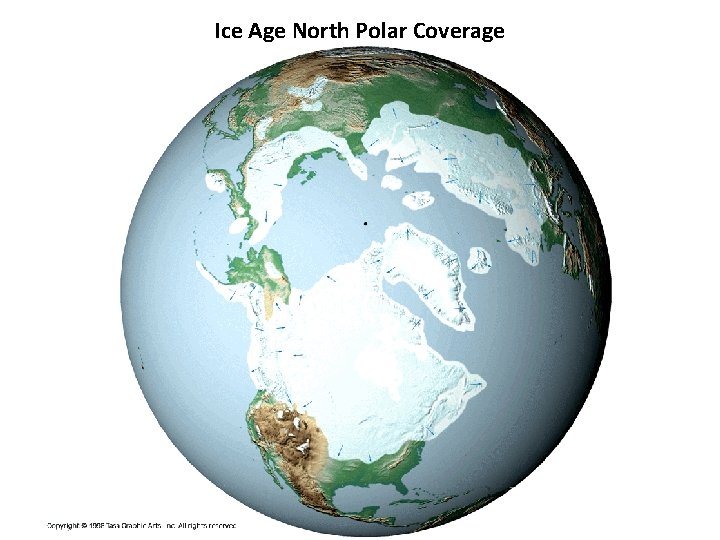
Ice Age North Polar Coverage
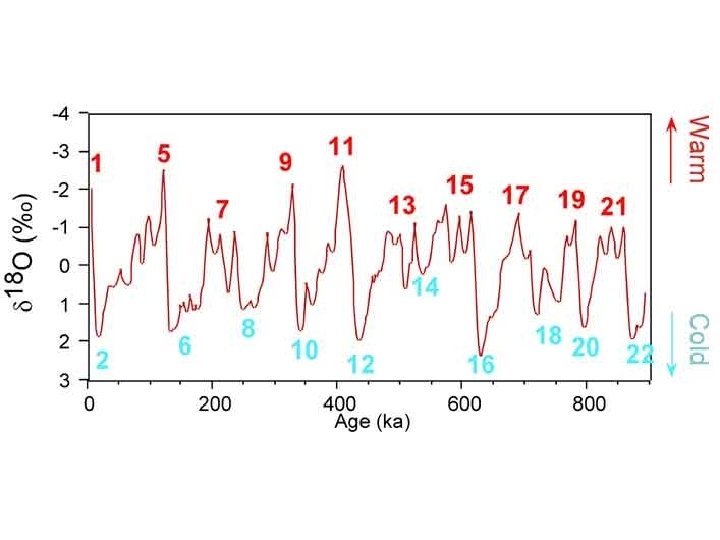
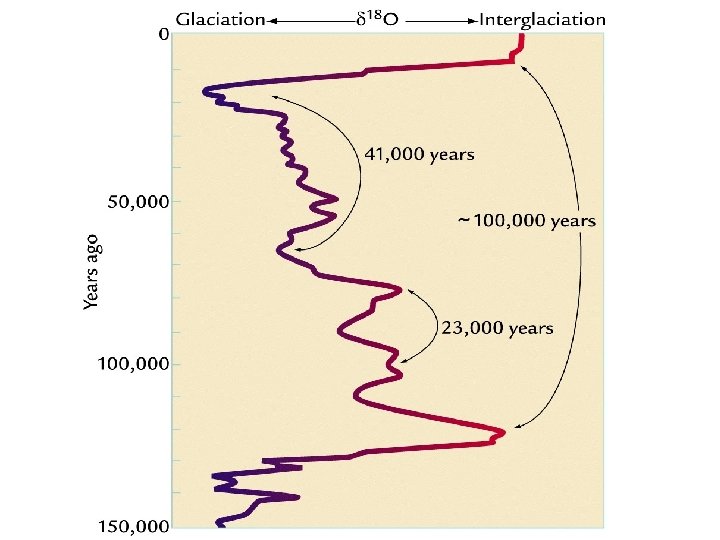
Q. : How do we know the details of temperature changes during the ice ages?
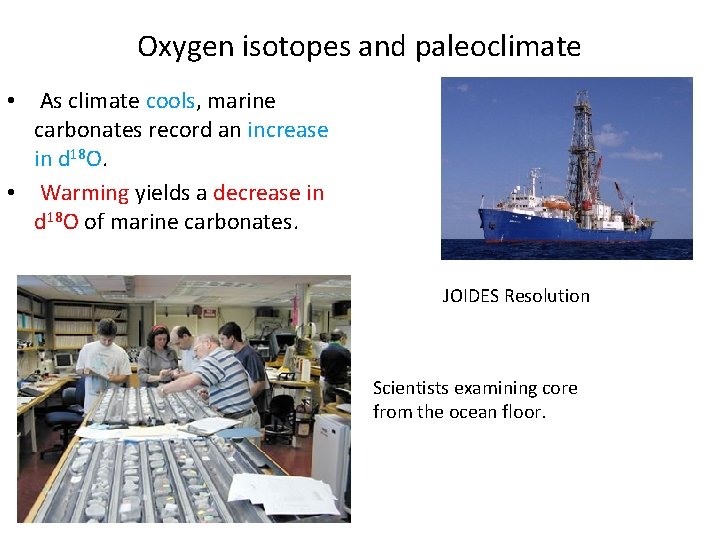
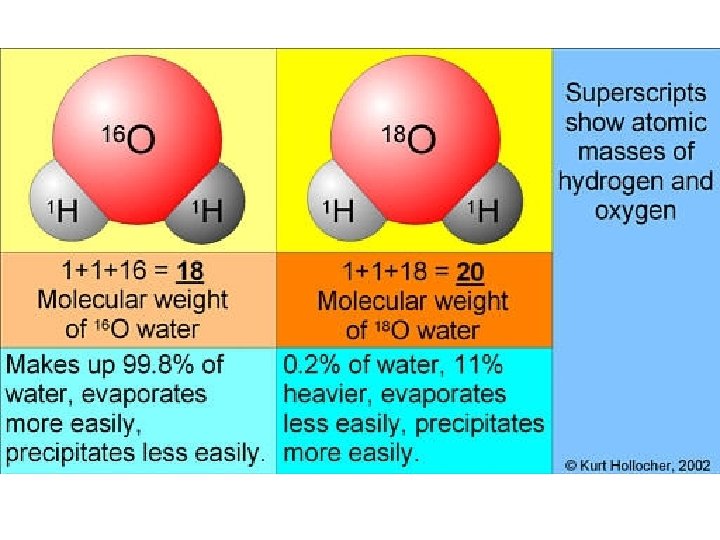
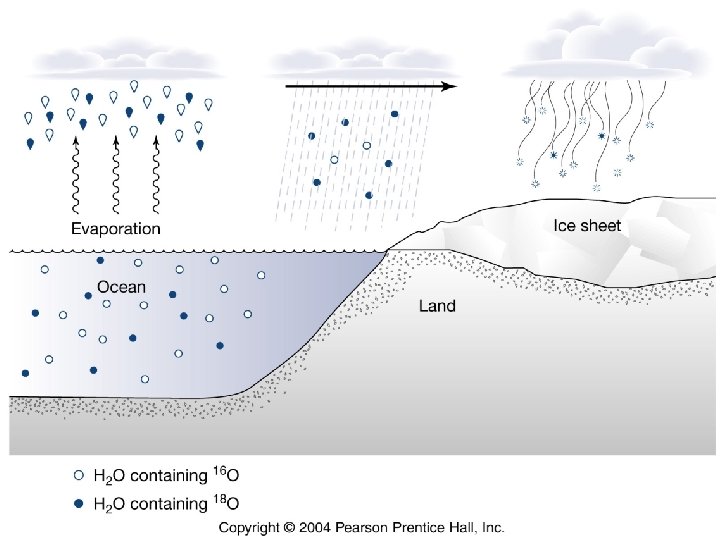
Oxygen isotopes and paleoclimate • As climate cools, marine carbonates record an increase in d 18 O. • Warming yields a decrease in d 18 O of marine carbonates. JOIDES Resolution Scientists examining core from the ocean floor.
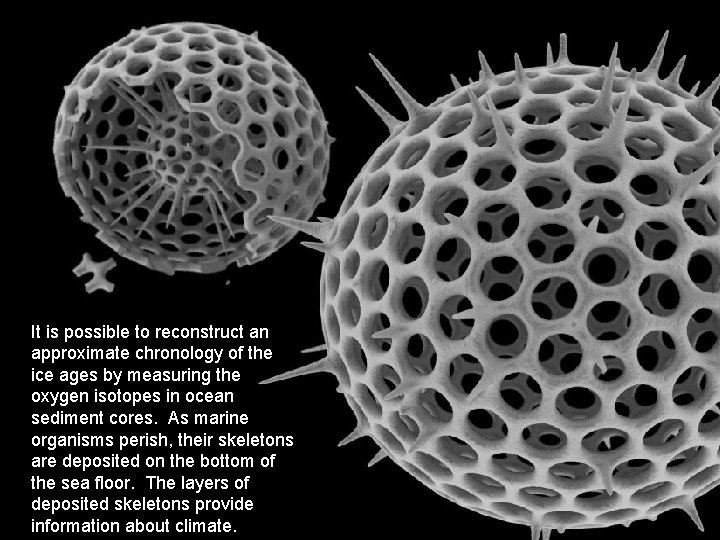
It is possible to reconstruct an approximate chronology of the ice ages by measuring the oxygen isotopes in ocean sediment cores. As marine organisms perish, their skeletons are deposited on the bottom of the sea floor. The layers of deposited skeletons provide information about climate.
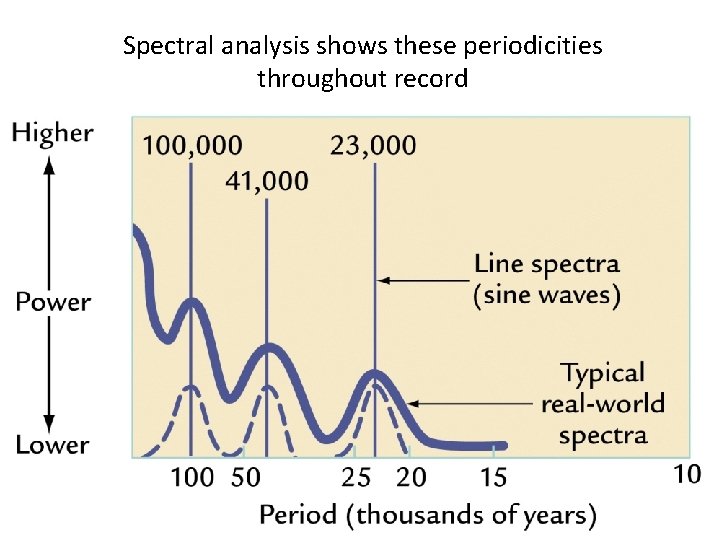
Q. : Are there any patterns in the data?
Spectral analysis shows these periodicities throughout record
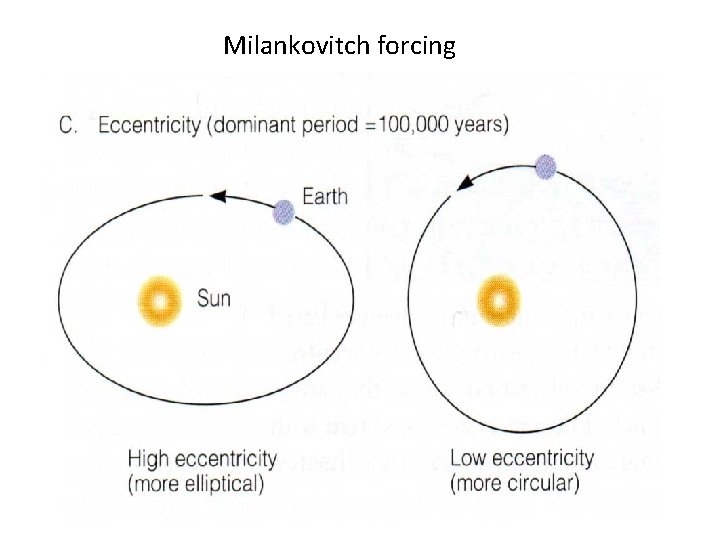
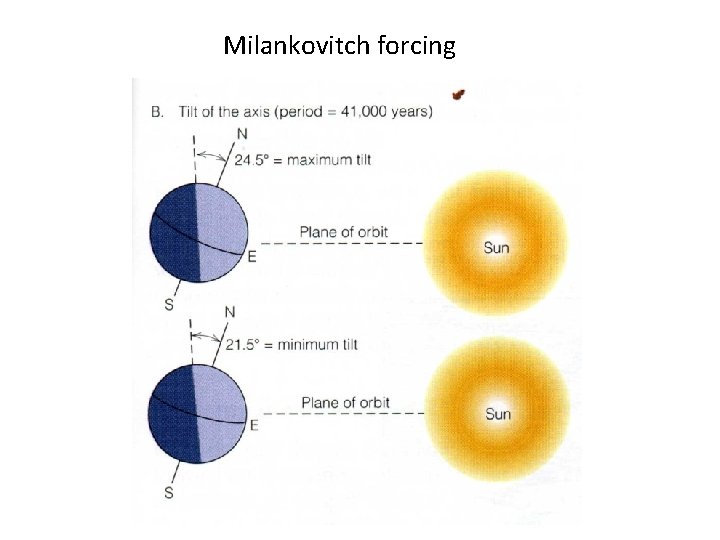
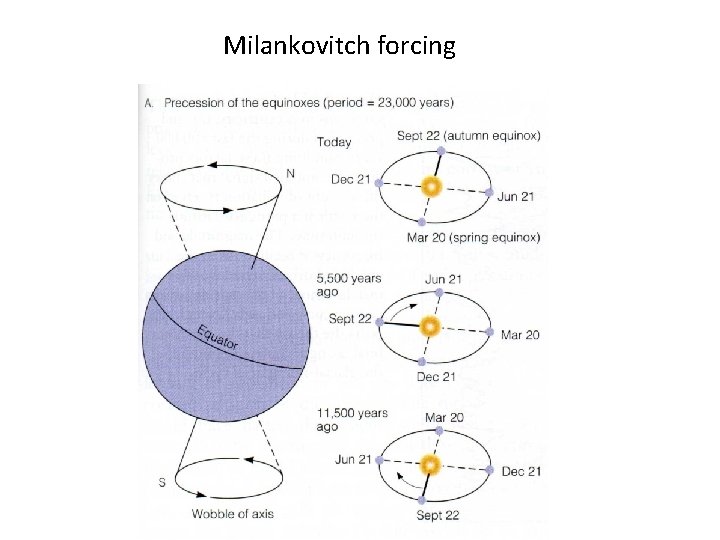
Milankovitch forcing
Milankovitch forcing
Milankovitch forcing
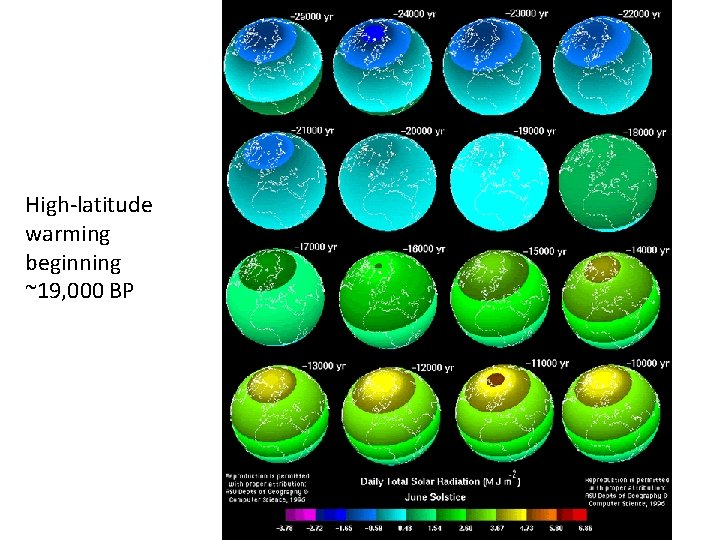
High-latitude warming beginning ~19, 000 BP
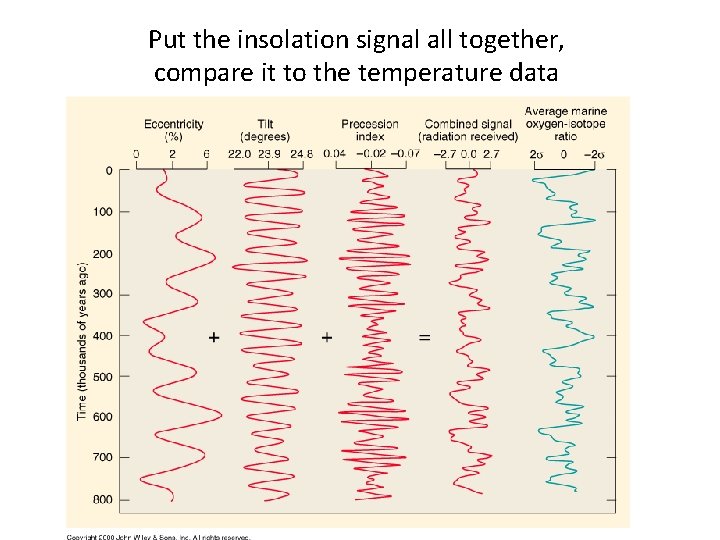
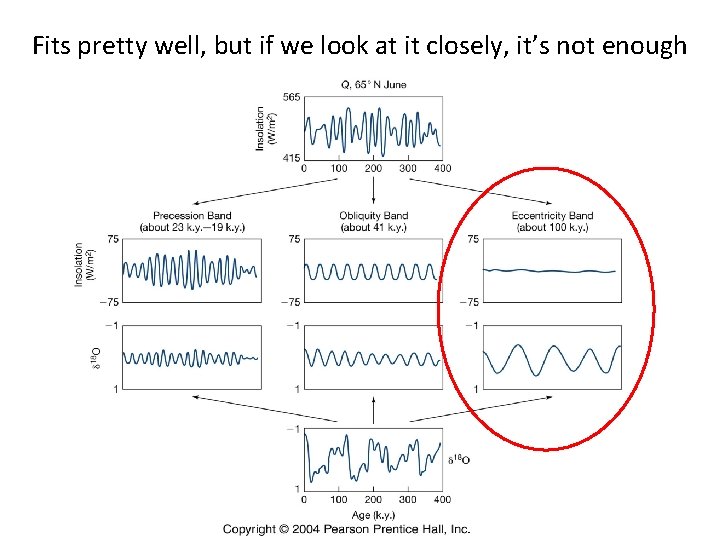
Put the insolation signal all together, compare it to the temperature data
Fits pretty well, but if we look at it closely, it’s not enough
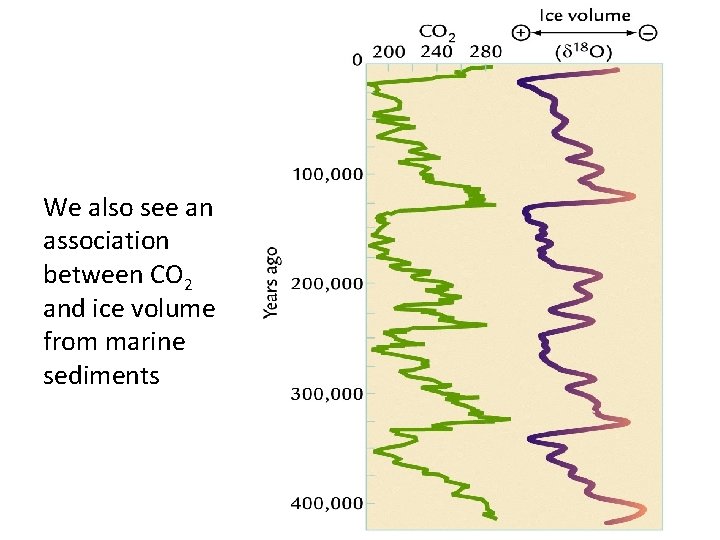
We also see an association between CO 2 and ice volume from marine sediments
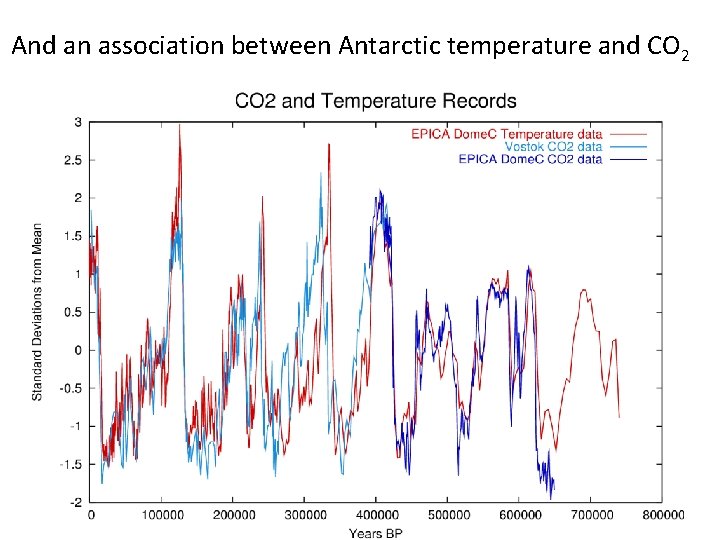
And an association between Antarctic temperature and CO 2
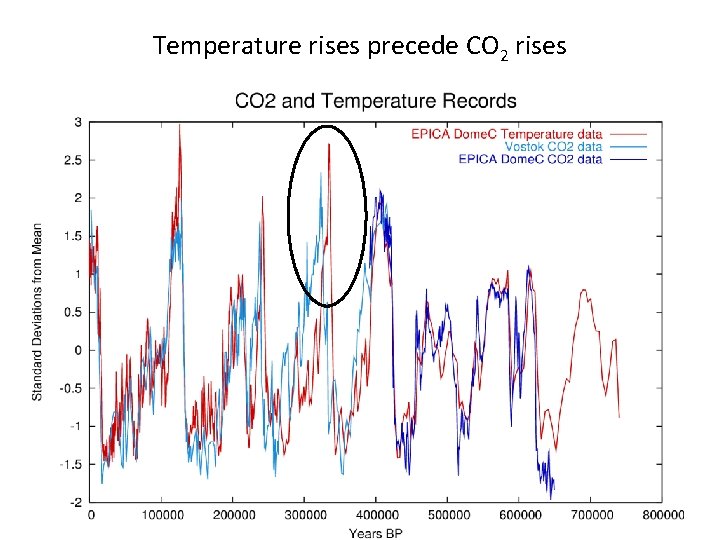
Temperature rises precede CO 2 rises
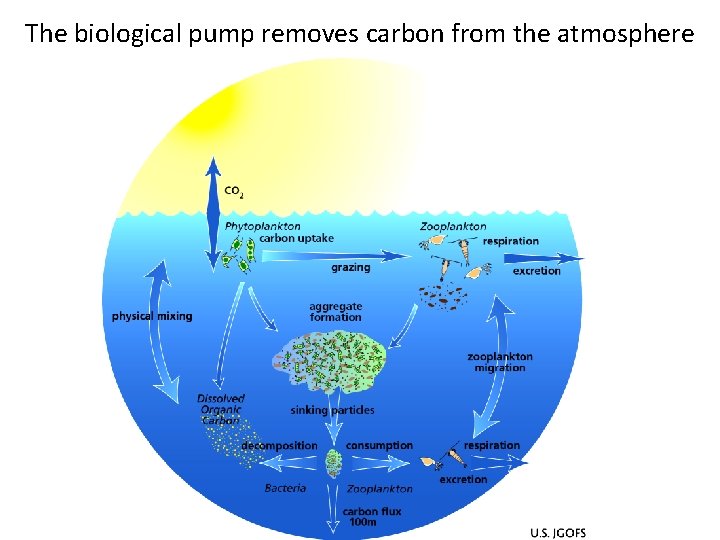
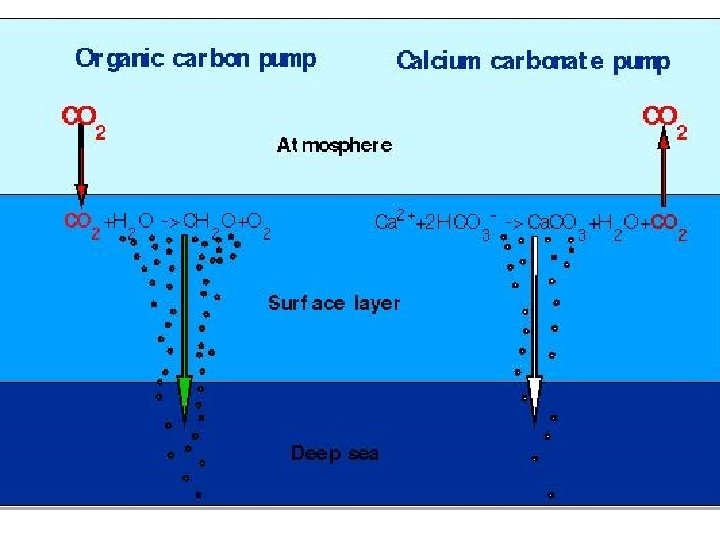
The biological pump removes carbon from the atmosphere
Q. : Was the biological pump stronger during the cold periods? How would we know?
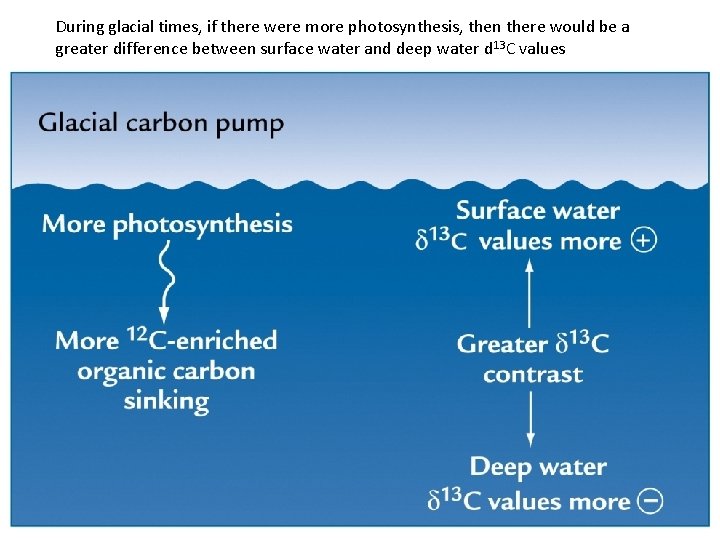
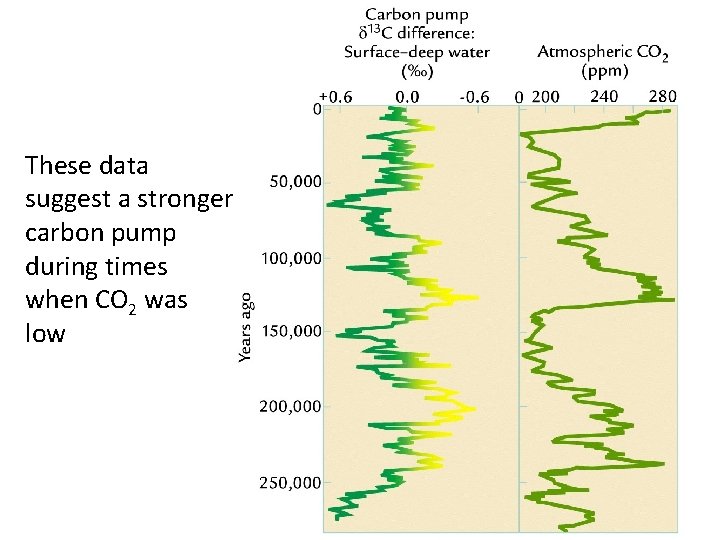
During glacial times, if there were more photosynthesis, then there would be a greater difference between surface water and deep water d 13 C values
These data suggest a stronger carbon pump during times when CO 2 was low
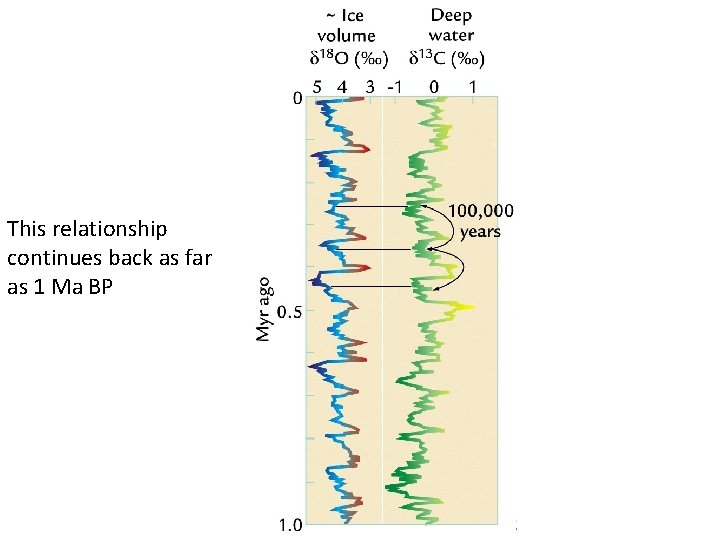
This relationship continues back as far as 1 Ma BP