
Climate Change in the Boston Harbor Islands national
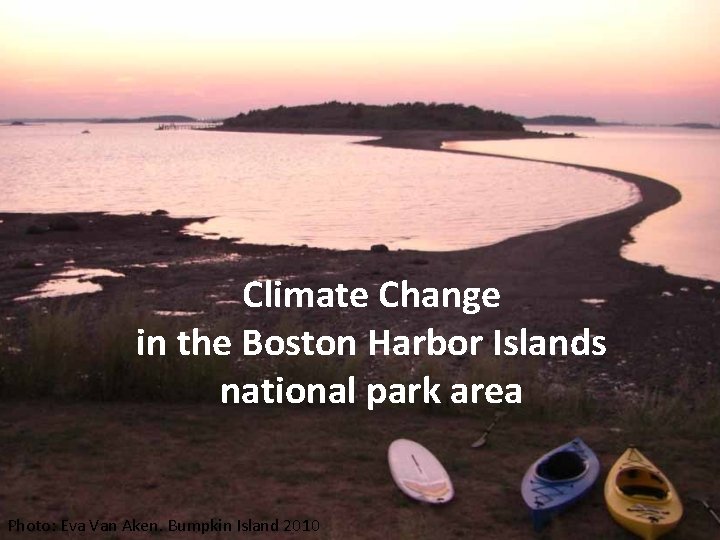
Climate Change in the Boston Harbor Islands national park area Photo: Eva Van Aken. Bumpkin Island 2010
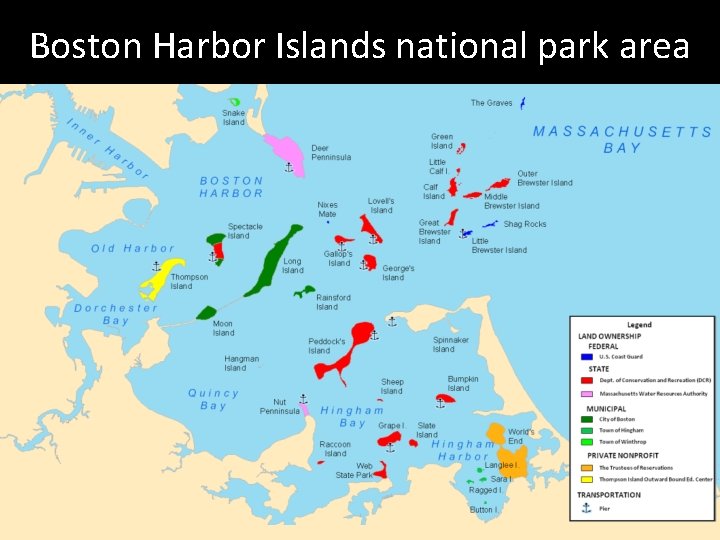
Boston Harbor Islands national park area
To begin this brief video, please advance the slide to begin; then click when complete Unit I. Climate Change Science
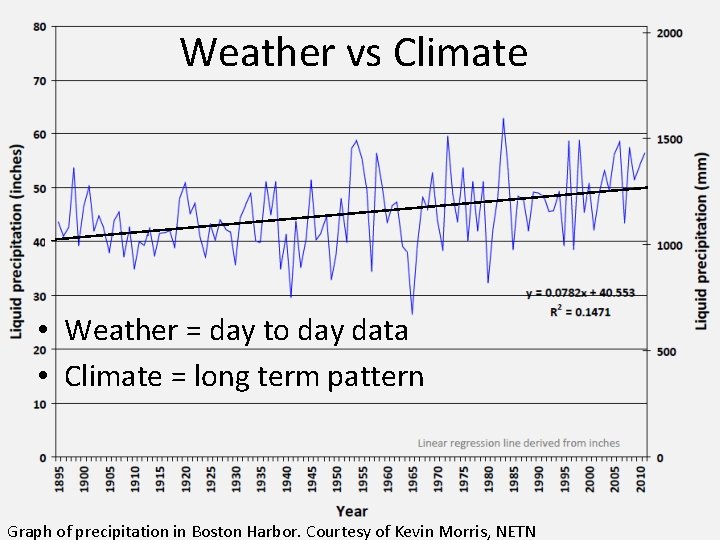
Weather vs Climate • Weather = day to day data • Climate = long term pattern Graph of precipitation in Boston Harbor. Courtesy of Kevin Morris, NETN
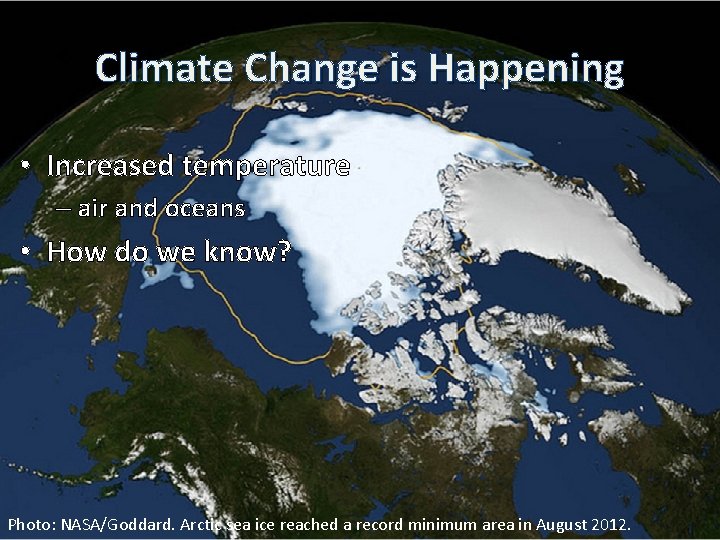
Climate Change is Happening • Increased temperature – air and oceans • How do we know? Photo: NASA/Goddard. Arctic sea ice reached a record minimum area in August 2012.
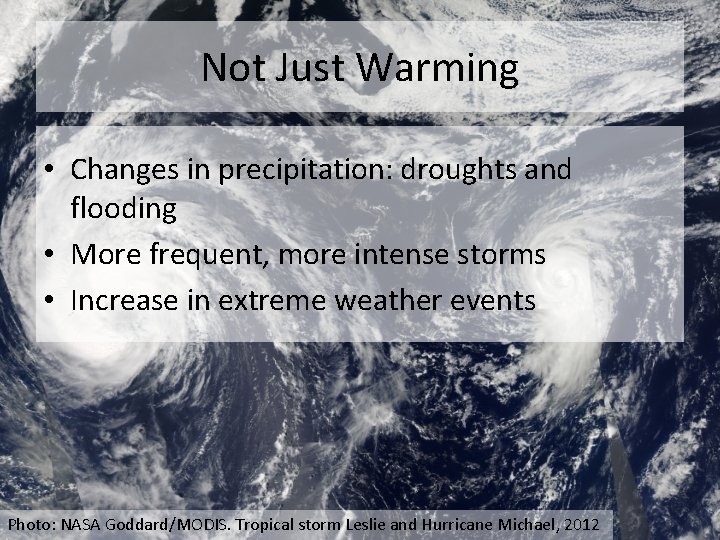
Not Just Warming • Changes in precipitation: droughts and flooding • More frequent, more intense storms • Increase in extreme weather events Photo: NASA Goddard/MODIS. Tropical storm Leslie and Hurricane Michael, 2012
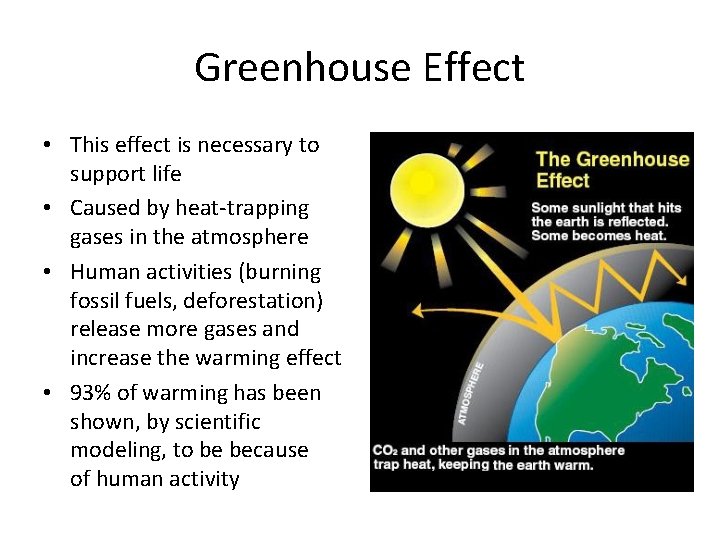
Greenhouse Effect • This effect is necessary to support life • Caused by heat-trapping gases in the atmosphere • Human activities (burning fossil fuels, deforestation) release more gases and increase the warming effect • 93% of warming has been shown, by scientific modeling, to be because of human activity
Questions • Which of these events are evidence of climate change? Cold winter, major snow storm, heat wave, hot decade, hurricane, increased storms • What contributes to the greenhouse effect?
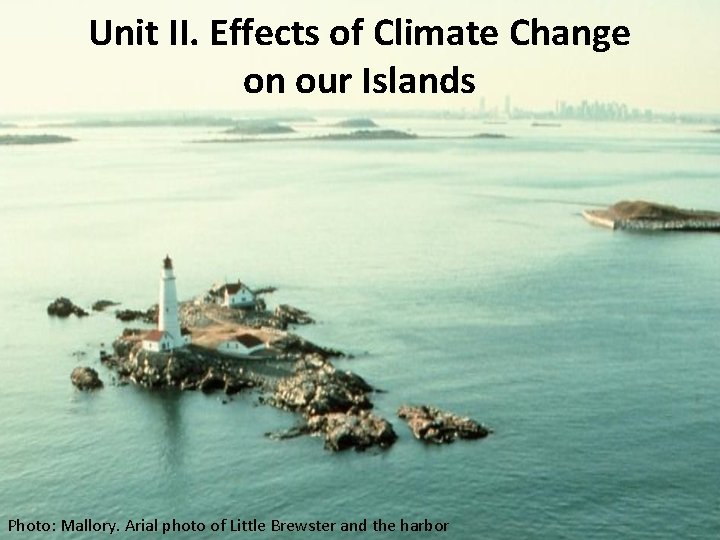
Unit II. Effects of Climate Change on our Islands Photo: Mallory. Arial photo of Little Brewster and the harbor
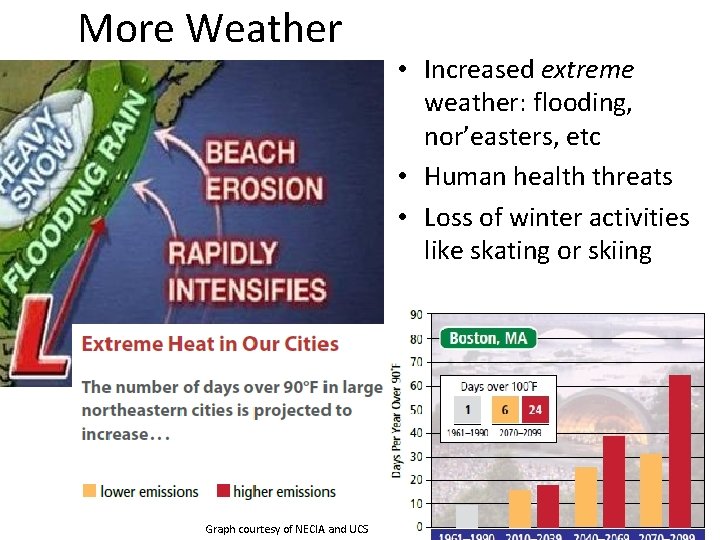
More Weather Graph courtesy of NECIA and UCS • Increased extreme weather: flooding, nor’easters, etc • Human health threats • Loss of winter activities like skating or skiing
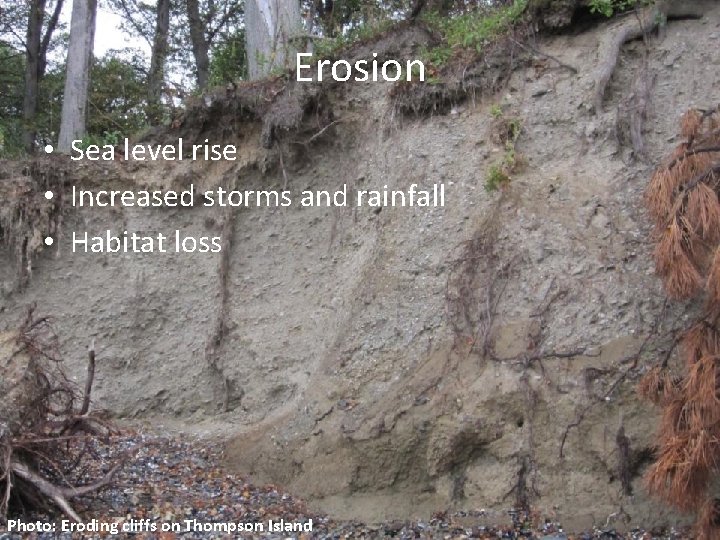
Erosion • Sea level rise • Increased storms and rainfall • Habitat loss Photo: Eroding cliffs on Thompson Island
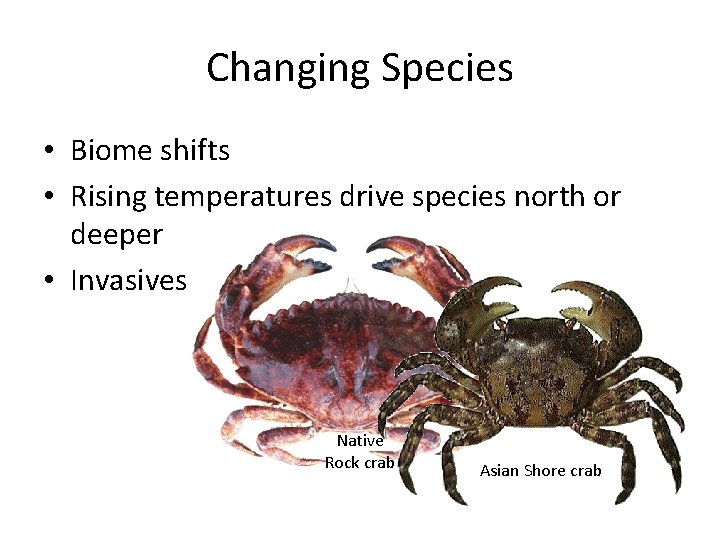
Changing Species • Biome shifts • Rising temperatures drive species north or deeper • Invasives Native Rock crab Asian Shore crab
Questions • Why does the greenhouse effect increase the number and severity of storms? • What are some factors that contribute to erosion? • How does warming affect species’ habitats?
Unit III. What is the NPS Doing?
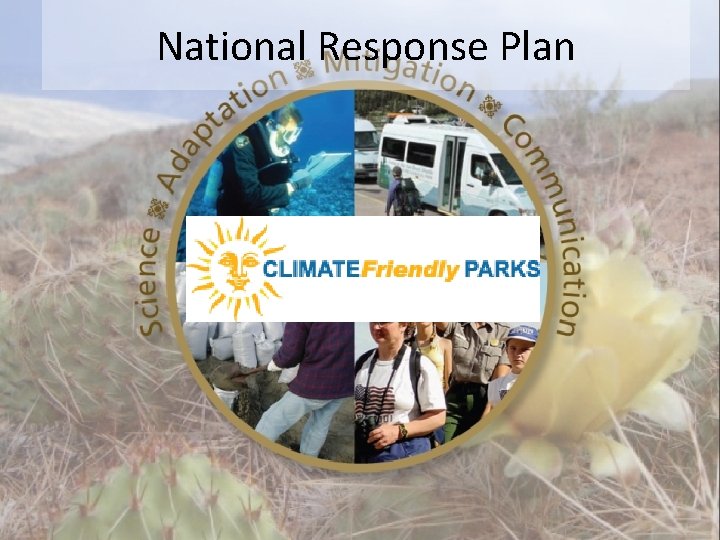
National Response Plan
Our Carbon Footprint • Deer Island: PV panels, wind, hydroelectric • Management/facilities • Transportation
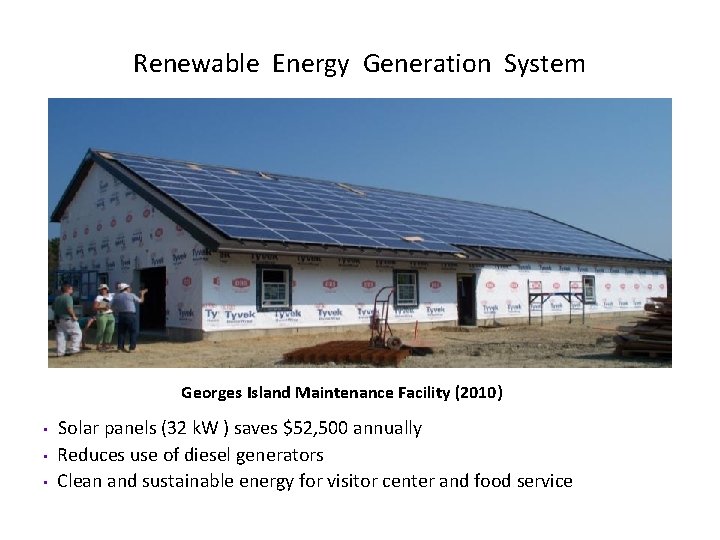
Renewable Energy Generation System Georges Island Maintenance Facility (2010) • • • Solar panels (32 k. W ) saves $52, 500 annually Reduces use of diesel generators Clean and sustainable energy for visitor center and food service
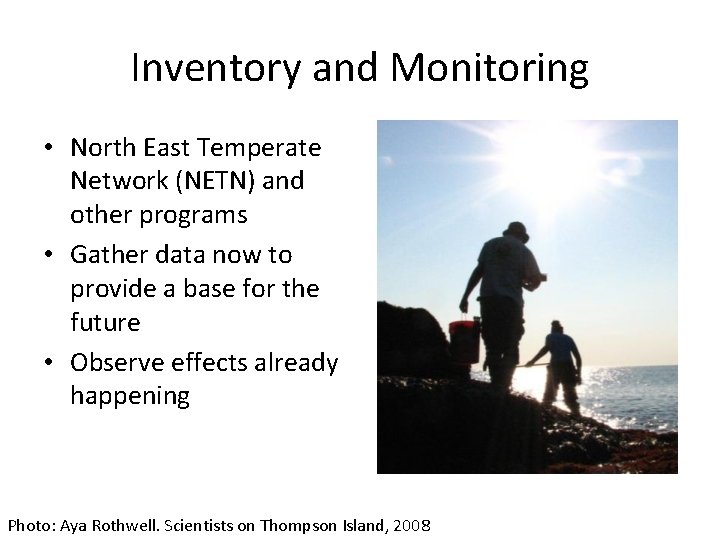
Inventory and Monitoring • North East Temperate Network (NETN) and other programs • Gather data now to provide a base for the future • Observe effects already happening Photo: Aya Rothwell. Scientists on Thompson Island, 2008
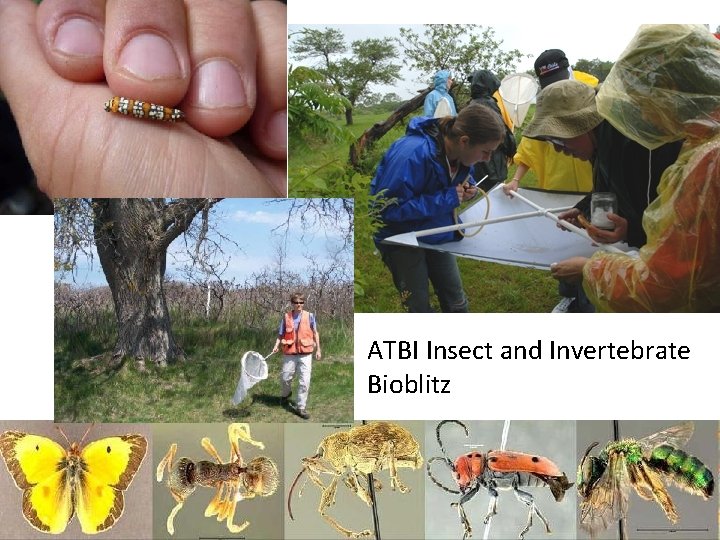
ATBI Insect and Invertebrate Bioblitz
Questions • What are the 4 parts of the NPS Climate Change Response? • What is our park doing to reduce energy use? • How does monitoring contribute to the NPS CCRP goals?
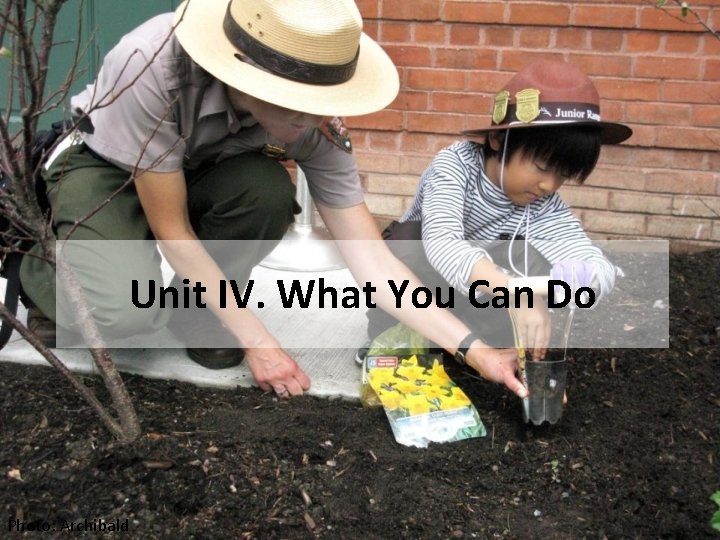
Unit IV. What You Can Do Photo: Archibald
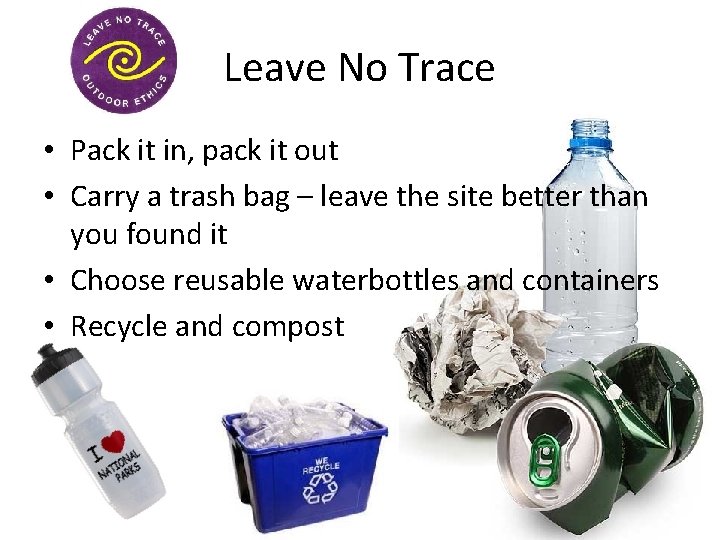
Leave No Trace • Pack it in, pack it out • Carry a trash bag – leave the site better than you found it • Choose reusable waterbottles and containers • Recycle and compost
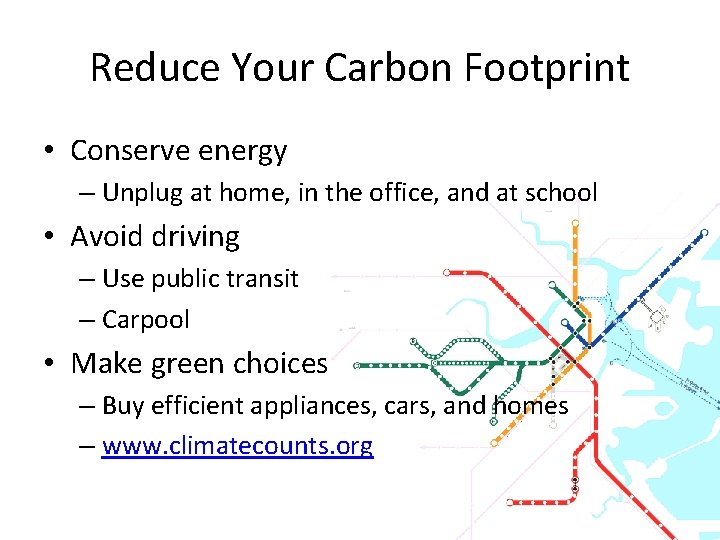
Reduce Your Carbon Footprint • Conserve energy – Unplug at home, in the office, and at school • Avoid driving – Use public transit – Carpool • Make green choices – Buy efficient appliances, cars, and homes – www. climatecounts. org
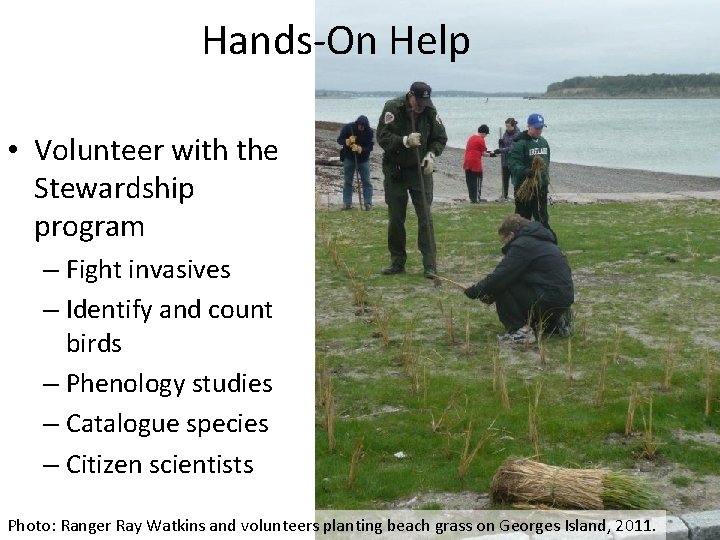
Hands-On Help • Volunteer with the Stewardship program – Fight invasives – Identify and count birds – Phenology studies – Catalogue species – Citizen scientists Photo: Ranger Ray Watkins and volunteers planting beach grass on Georges Island, 2011.
Questions • What is Leave No Trace? • How can you use less energy at home? • What do volunteer stewards do on the islands?
Unit V. Communicating

Frame the Issue • Pick your angle • Connect to the visitor’s ‘group’ identity

A Variety Of Styles • Use metaphors and universal images
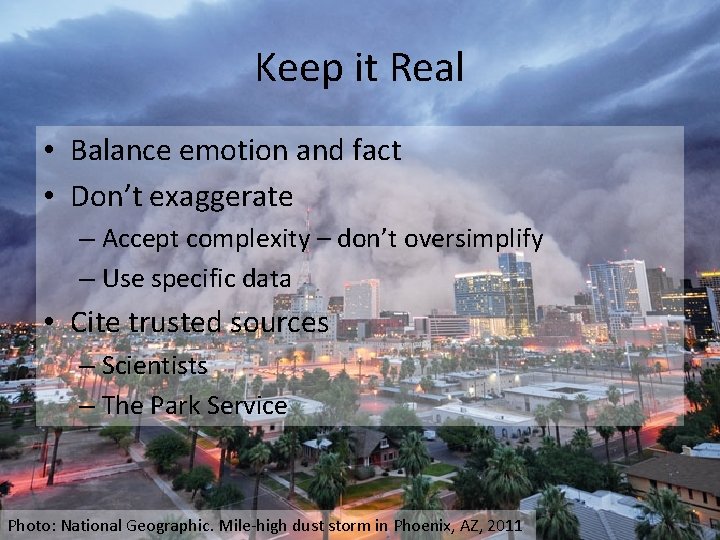
Keep it Real • Balance emotion and fact • Don’t exaggerate – Accept complexity – don’t oversimplify – Use specific data • Cite trusted sources – Scientists – The Park Service Photo: National Geographic. Mile-high dust storm in Phoenix, AZ, 2011
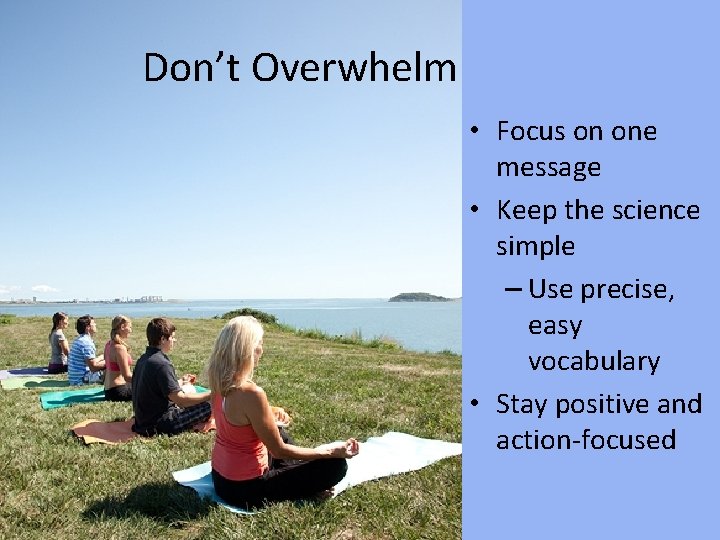
Don’t Overwhelm • Focus on one message • Keep the science simple – Use precise, easy vocabulary • Stay positive and action-focused
Questions • What strategies make your communication more effective? • What is your goal when interpreting climate change for visitors?
Resources/Links • NPS, Climate Change Response http: //nature. nps. gov/climatechange • NPCA http: //staging. doyourpartparks. org/ • EPA http: //www. epa. gov/climatechange • Blue Planet http: //www. liveblueinitiative. org/ • NASA http: //climate. nasa. gov/ • Northeast Climate Impact Assessment http: //climatechoices. org/ne/
- Slides: 32