
Climate Change and the Future of Planet Earth





- Slides: 53
Climate Change and the Future of Planet Earth Eugene S. Takle, Ph. D, CCM Professor of Atmospheric Science Professor of Agricultural Meteorology Iowa State University Ames, Iowa 50011 gstakle@iastate. edu Chemical Engineering 302, 9 February 2006 PROJECT TO INTERCOMPARE REGIONAL CLIMATE SIMULATIONS
Outline Changes in atmospheric carbon dioxide Radiative forcing Simulations of global climate and future climate change “Dangerous anthropogenic interference with the climate system”? “Climate surprises” Summary PROJECT TO INTERCOMPARE REGIONAL CLIMATE SIMULATIONS
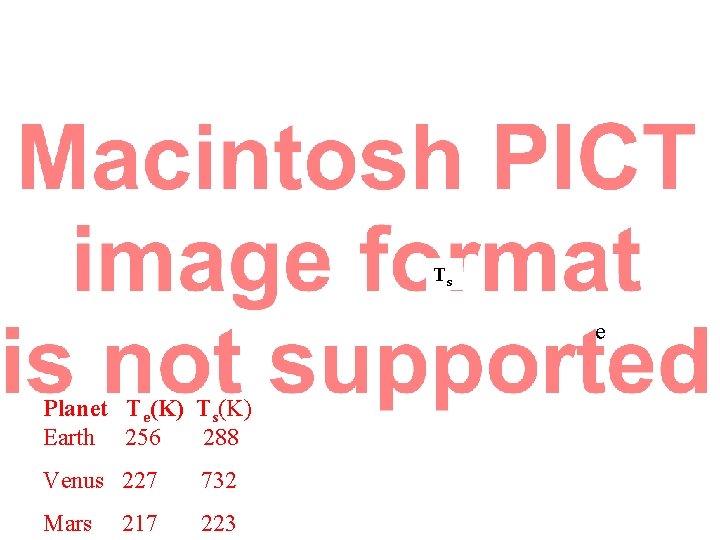
Ts e Planet Te(K) Ts(K) Earth 256 288 Venus 227 732 Mars 223 217
PROJECT TO INTERCOMPARE REGIONAL CLIMATE SIMULATIONS
Carbon Dioxide and Temperature
Carbon Dioxide and Temperature 2006
Carbon Dioxide and Temperature 2040 480 ppm 2006 380 ppm
Carbon Dioxide and Temperature Stabilization at 550 ppm
Carbon Dioxide and Temperature “Business as Usual” (fossil intensive) 2100 (950 ppm)
“Nobody believes that the US economy can still be petroleum based in 2050, yet there is no national plan” Mark Kushner, Dean Iowa State University College of Engineering President’s Council Meeting 13 January 2006 PROJECT TO INTERCOMPARE REGIONAL CLIMATE SIMULATIONS
PROJECT TO INTERCOMPARE REGIONAL CLIMATE SIMULATIONS
PROJECT TO INTERCOMPARE REGIONAL CLIMATE SIMULATIONS
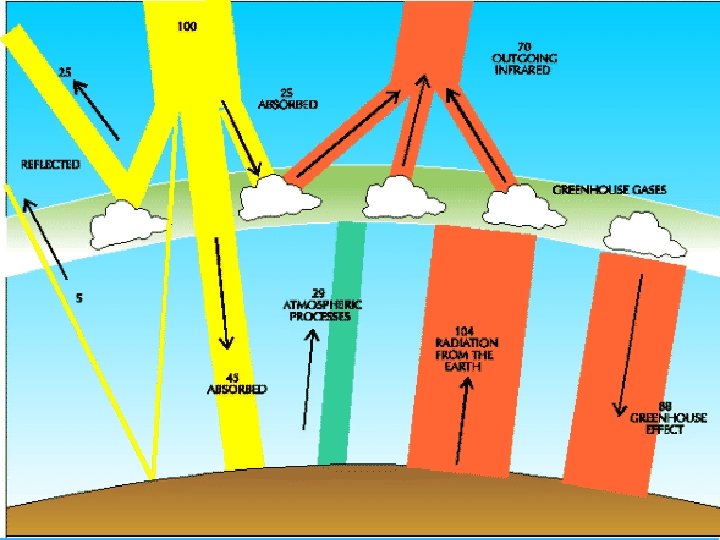
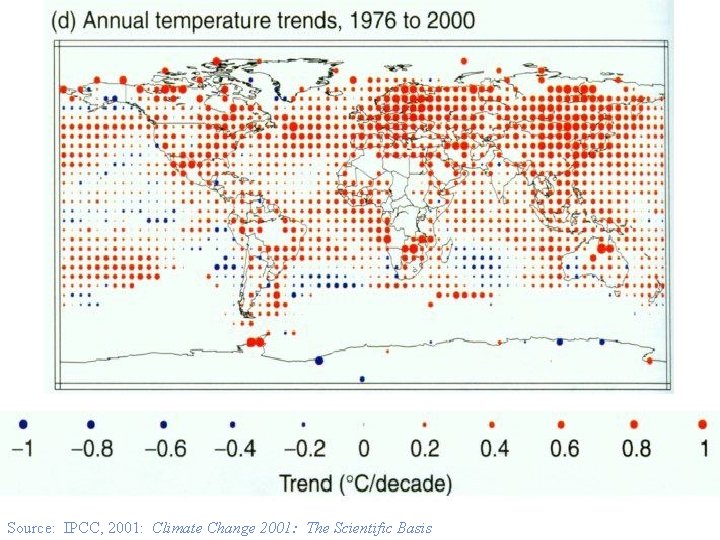
Source: IPCC, 2001: Climate Change 2001: The Scientific Basis
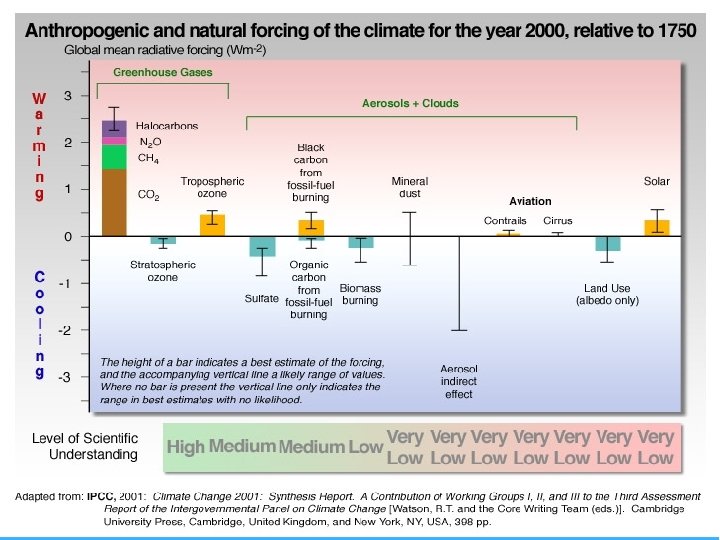
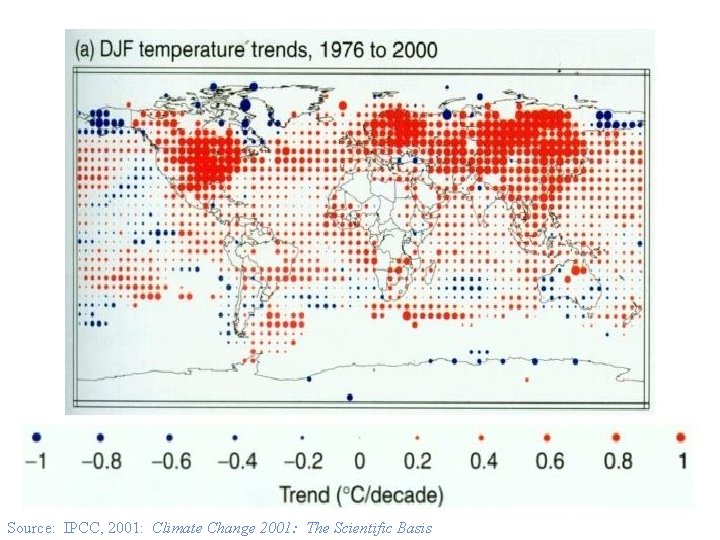
Source: IPCC, 2001: Climate Change 2001: The Scientific Basis
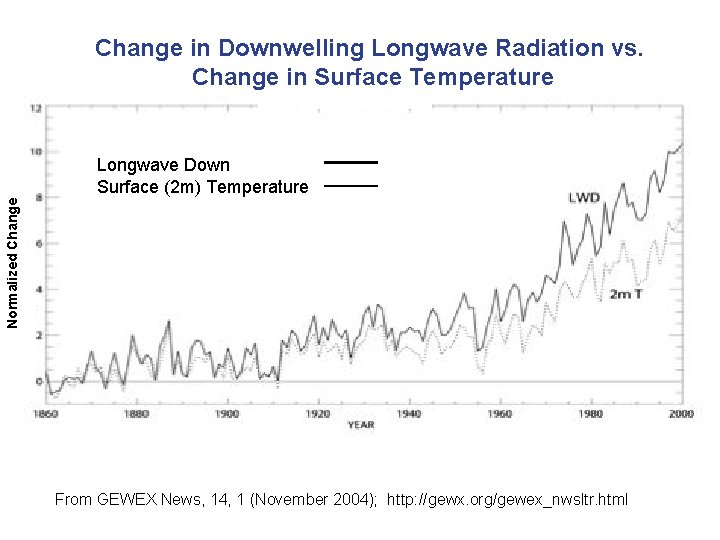
Change in Downwelling Longwave Radiation vs. Change in Surface Temperature Normalized Change Longwave Down Surface (2 m) Temperature From GEWEX News, 14, 1 (November 2004); http: //gewx. org/gewex_nwsltr. html
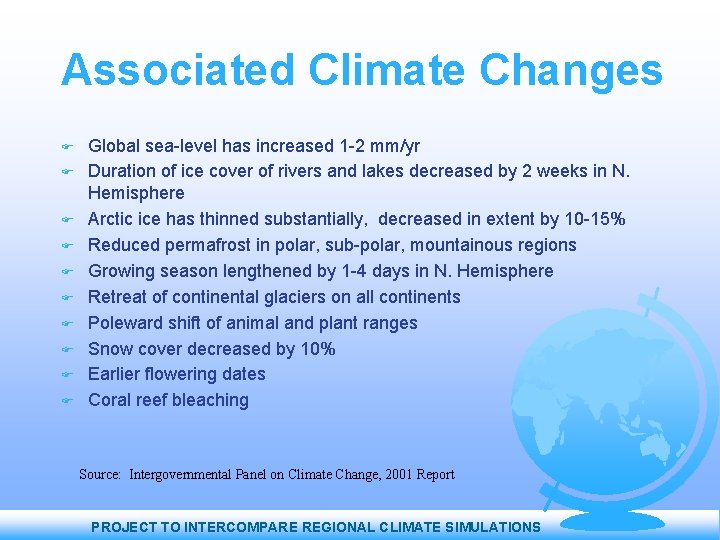
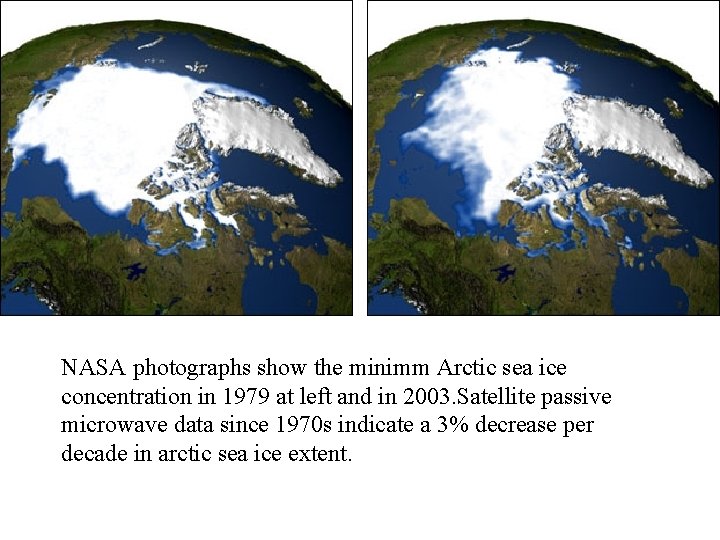
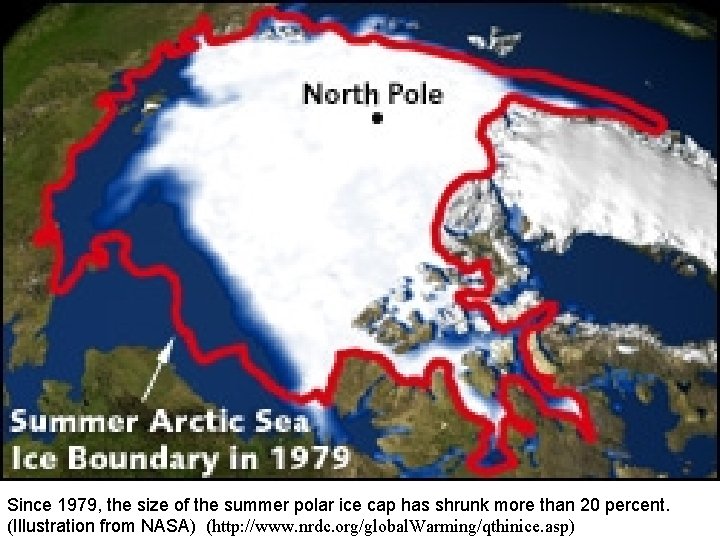
Associated Climate Changes Global sea-level has increased 1 -2 mm/yr Duration of ice cover of rivers and lakes decreased by 2 weeks in N. Hemisphere Arctic ice has thinned substantially, decreased in extent by 10 -15% Reduced permafrost in polar, sub-polar, mountainous regions Growing season lengthened by 1 -4 days in N. Hemisphere Retreat of continental glaciers on all continents Poleward shift of animal and plant ranges Snow cover decreased by 10% Earlier flowering dates Coral reef bleaching Source: Intergovernmental Panel on Climate Change, 2001 Report PROJECT TO INTERCOMPARE REGIONAL CLIMATE SIMULATIONS
NASA photographs show the minimm Arctic sea ice concentration in 1979 at left and in 2003. Satellite passive microwave data since 1970 s indicate a 3% decrease per decade in arctic sea ice extent.
Since 1979, the size of the summer polar ice cap has shrunk more than 20 percent. (Illustration from NASA) (http: //www. nrdc. org/global. Warming/qthinice. asp)
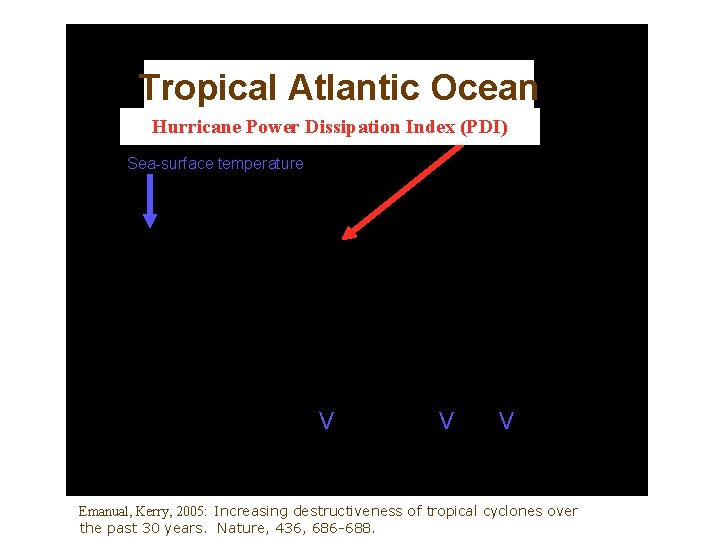
Tropical Atlantic Ocean Hurricane Power Dissipation Index (PDI) Sea-surface temperature V V V Emanual, Kerry, 2005: Increasing destructiveness of tropical cyclones over the past 30 years. Nature, 436, 686 -688.
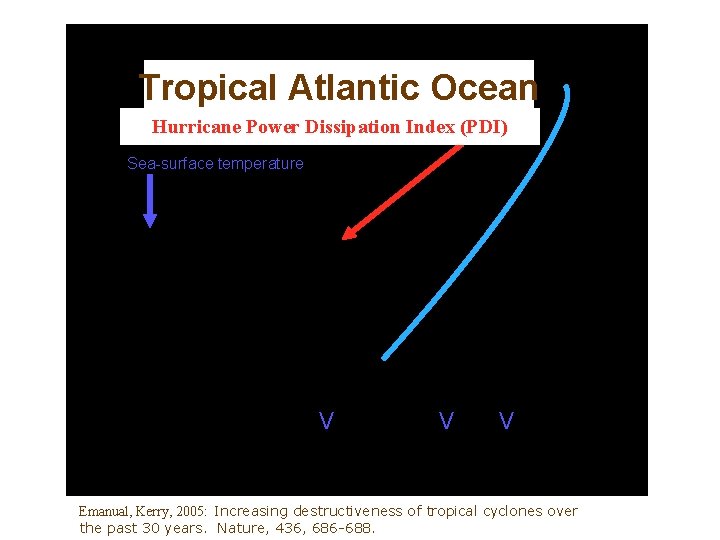
Tropical Atlantic Ocean Hurricane Power Dissipation Index (PDI) Sea-surface temperature V V V Emanual, Kerry, 2005: Increasing destructiveness of tropical cyclones over the past 30 years. Nature, 436, 686 -688.
PROJECT TO INTERCOMPARE REGIONAL CLIMATE SIMULATIONS
Tropical Weather Underground: http: //www. wunderground. com/tropical/
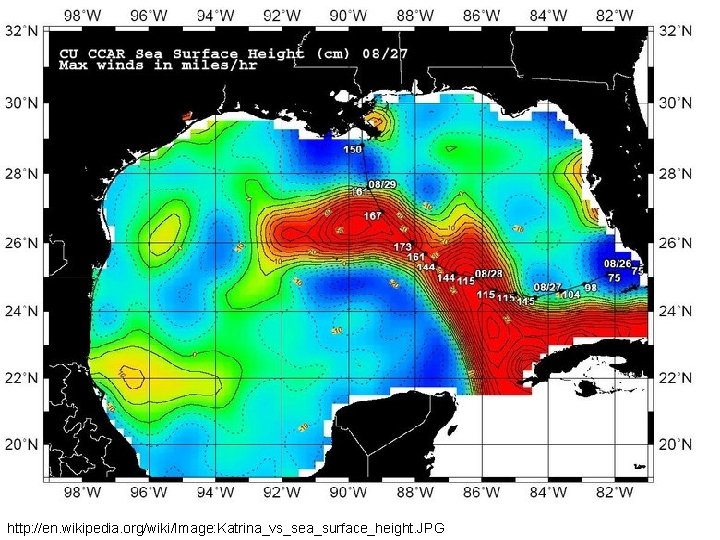
http: //en. wikipedia. org/wiki/Image: Katrina_vs_sea_surface_height. JPG
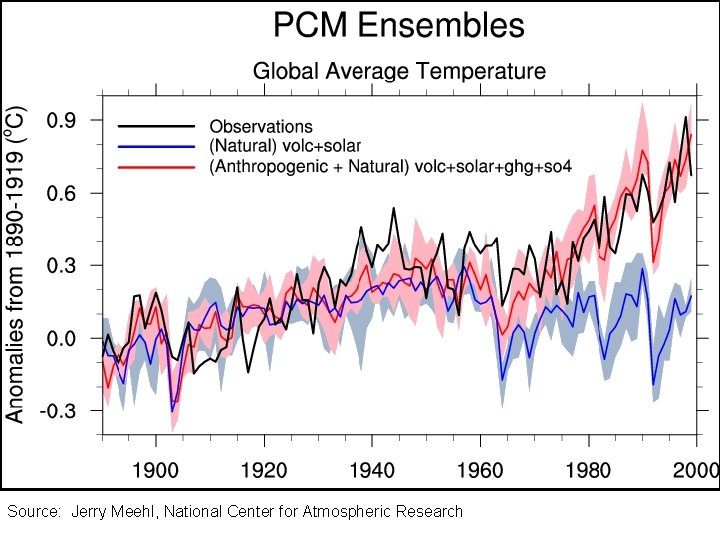
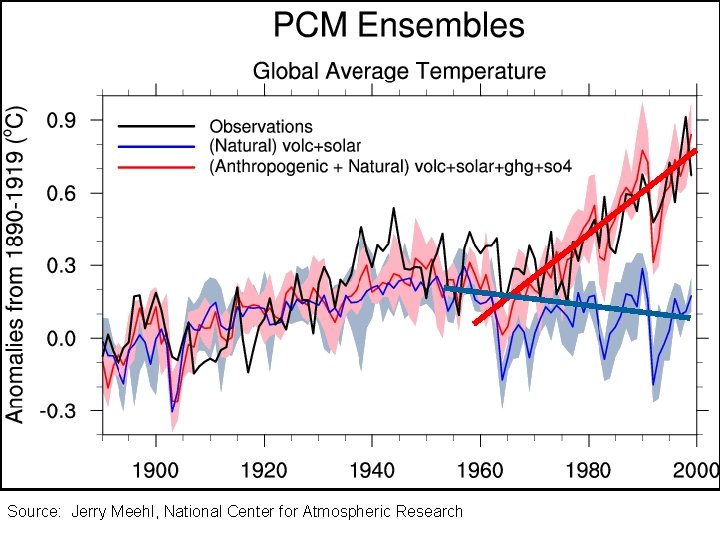
Source: Jerry Meehl, National Center for Atmospheric Research
Source: Jerry Meehl, National Center for Atmospheric Research
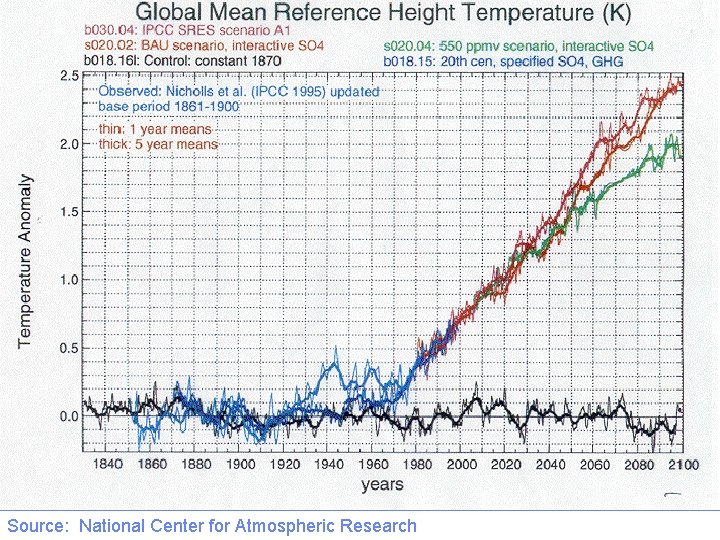
Source: National Center for Atmospheric Research
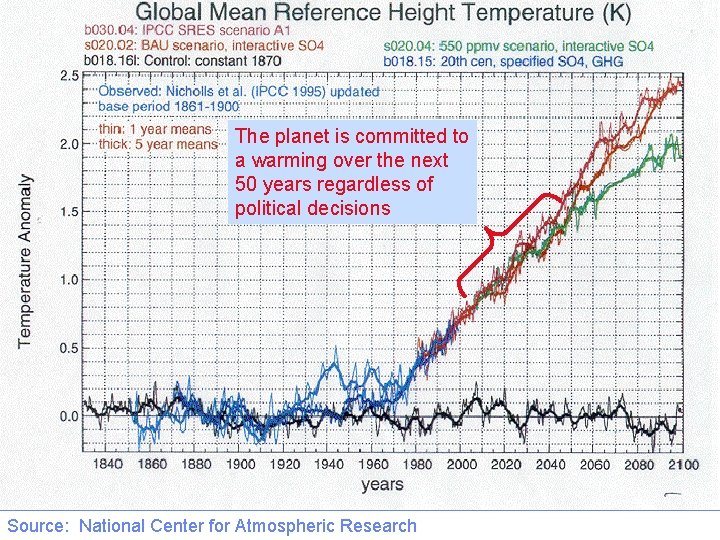
The planet is committed to a warming over the next 50 years regardless of political decisions Source: National Center for Atmospheric Research
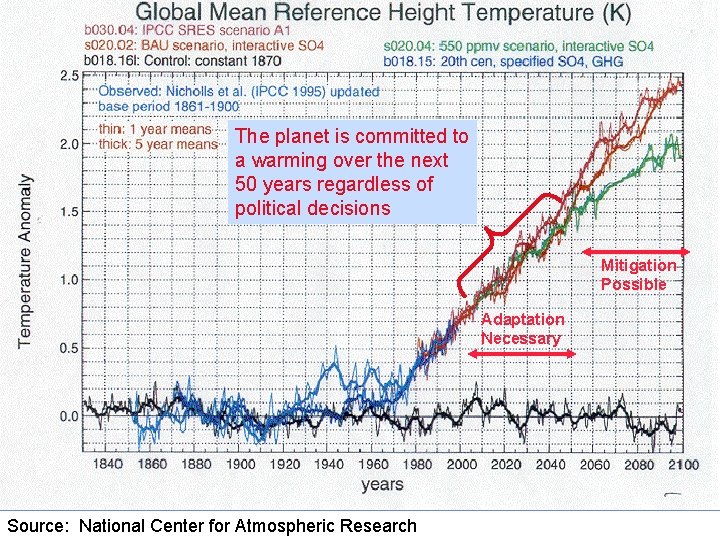
The planet is committed to a warming over the next 50 years regardless of political decisions Mitigation Possible Adaptation Necessary Source: National Center for Atmospheric Research
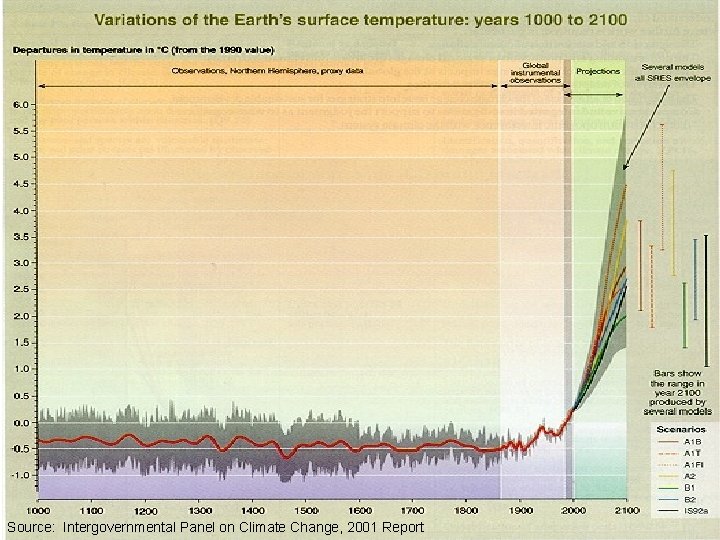
Source: Intergovernmental Panel on Climate Change, 2001 Report
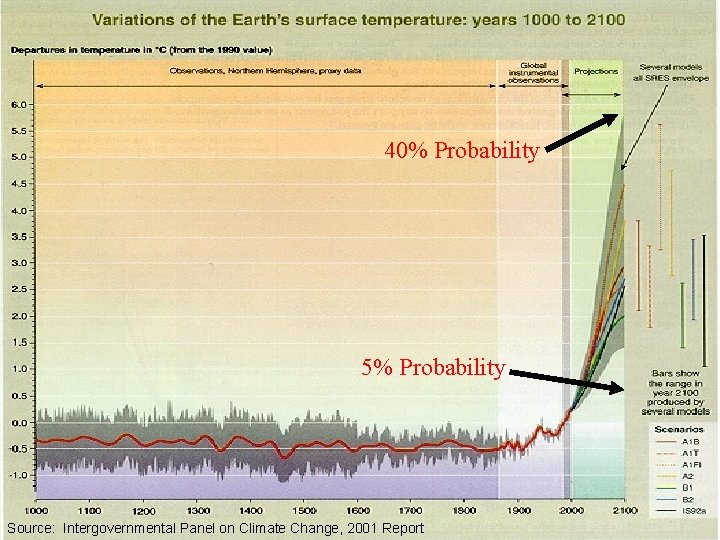
40% Probability 5% Probability Source: Intergovernmental Panel on Climate Change, 2001 Report
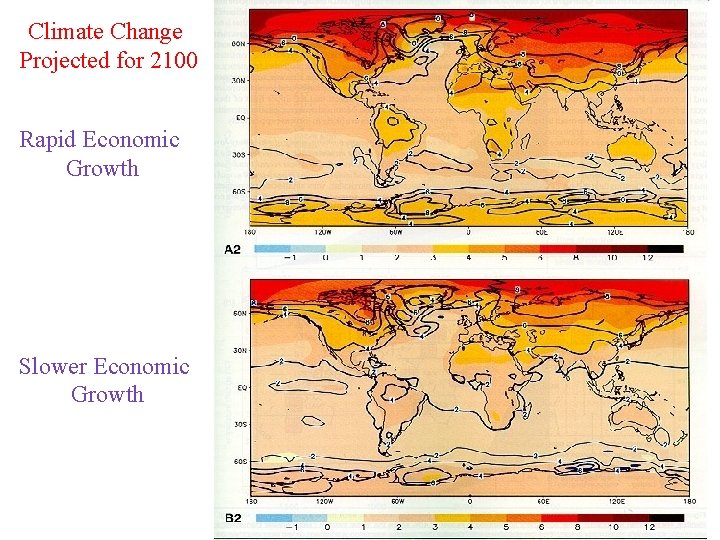
Climate Change Projected for 2100 Rapid Economic Growth Slower Economic Growth
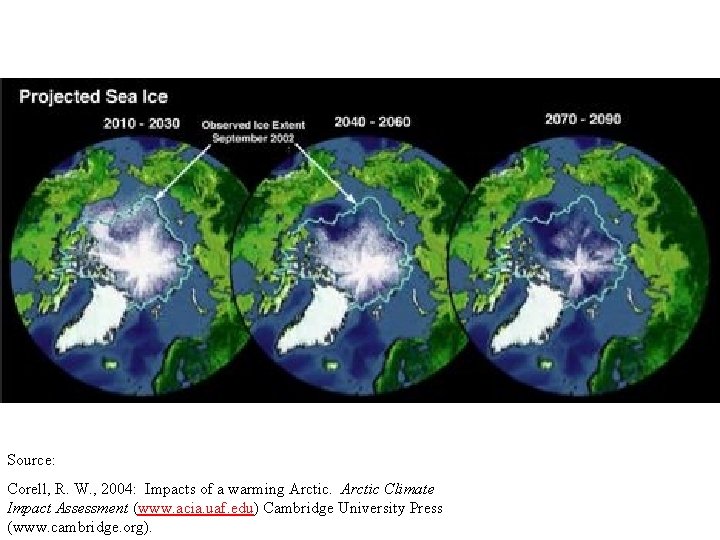
Source: Corell, R. W. , 2004: Impacts of a warming Arctic Climate Impact Assessment (www. acia. uaf. edu) Cambridge University Press (www. cambridge. org).
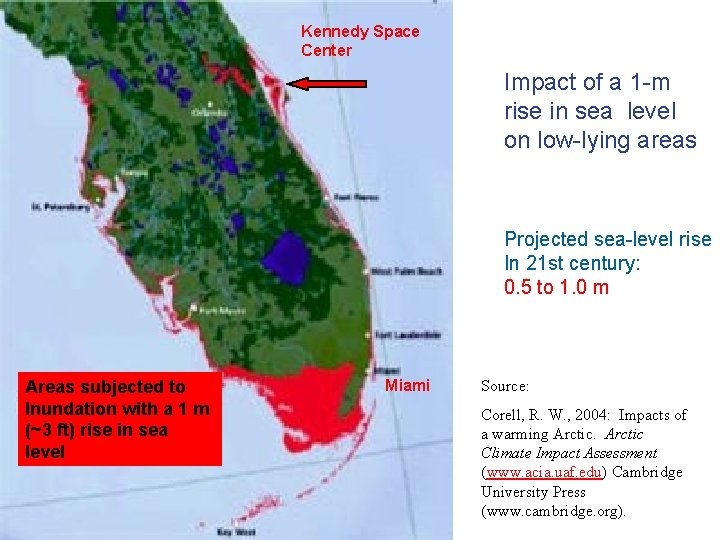
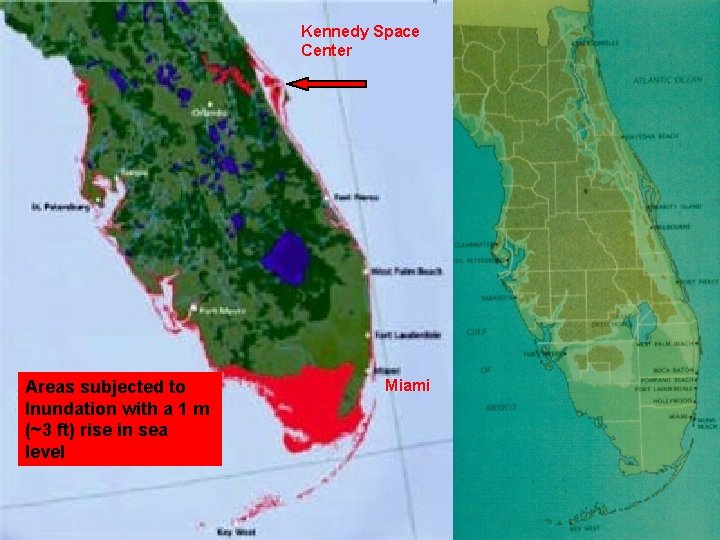
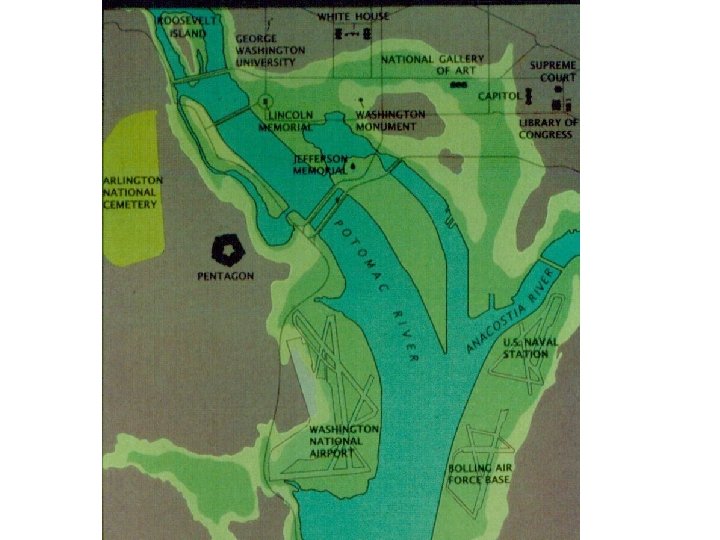
Kennedy Space Center Impact of a 1 -m rise in sea level on low-lying areas Projected sea-level rise In 21 st century: 0. 5 to 1. 0 m Areas subjected to Inundation with a 1 m (~3 ft) rise in sea level Miami Source: Corell, R. W. , 2004: Impacts of a warming Arctic Climate Impact Assessment (www. acia. uaf. edu) Cambridge University Press (www. cambridge. org).
IPCC Summary for Policy Makers An increasing body of observations gives a collective picture of a warming world and other changes in the climate system Emissions of greenhouse gases and aerosols due to human activities continue to alter the atmosphere in ways that are expected to affect the climate
IPCC Summary for Policy Makers, cont’d There is new and stronger evidence that most of the warming observed over the last 50 years is attributable to human activities Anthropogenic climate change will persist for many centuries
For the Midwest Warming will be greater for winter than summer Warming will be greater at night than during the day A 3 o. F rise in summer daytime temperature triples the probability of a heat wave Growing season will be longer (8 -9 days longer now than in 1950) More precipitation Likely more soil moisture in summer More rain will come in intense rainfall events Higher stream flow, more flooding
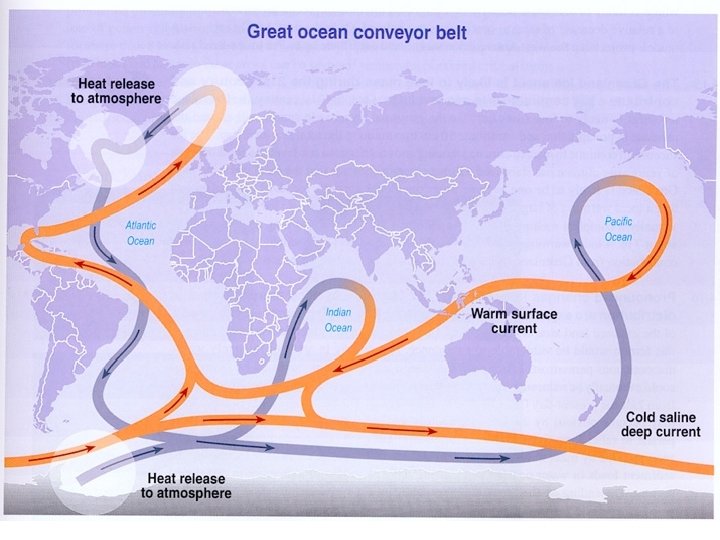
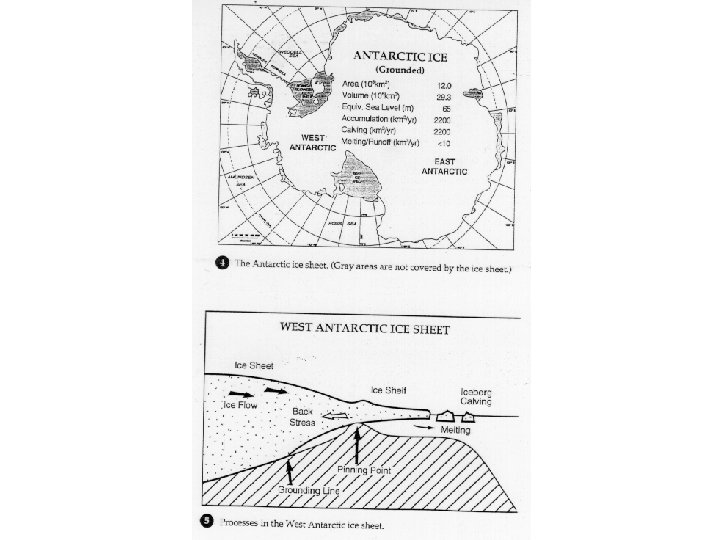
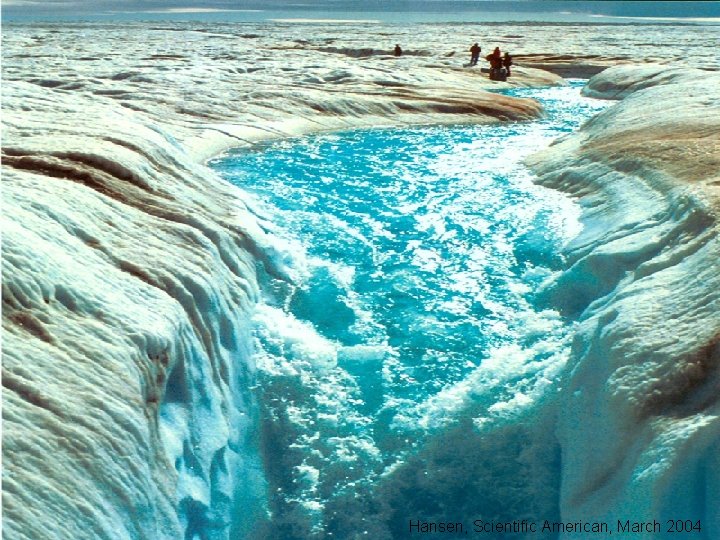
Climate Surprises Breakdown of the ocean thermohaline circulation (Greenland melt water) Break-off of the West Antarctic Ice Sheet PROJECT TO INTERCOMPARE REGIONAL CLIMATE SIMULATIONS
Kennedy Space Center Areas subjected to Inundation with a 1 m (~3 ft) rise in sea level Miami PROJECT TO INTERCOMPARE REGIONAL CLIMATE SIMULATIONS
What Constitutes “Dangerous Anthropogenic Interference with the Climate System”? James Hansen, Director of the NASA Goddard Institute for Space Studies: * Radiative forcing limit: 1 Watt/ m 2 * 1 o. C additional rise in global mean temperature PROJECT TO INTERCOMPARE REGIONAL CLIMATE SIMULATIONS
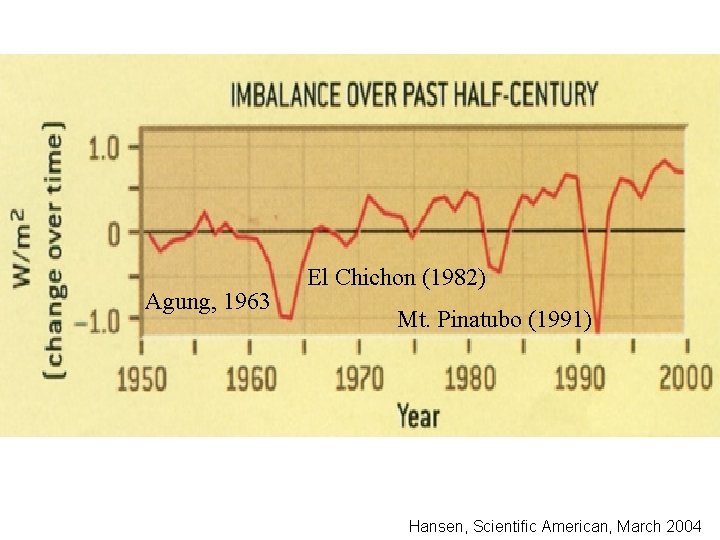
Agung, 1963 El Chichon (1982) Mt. Pinatubo (1991) Hansen, Scientific American, March 2004
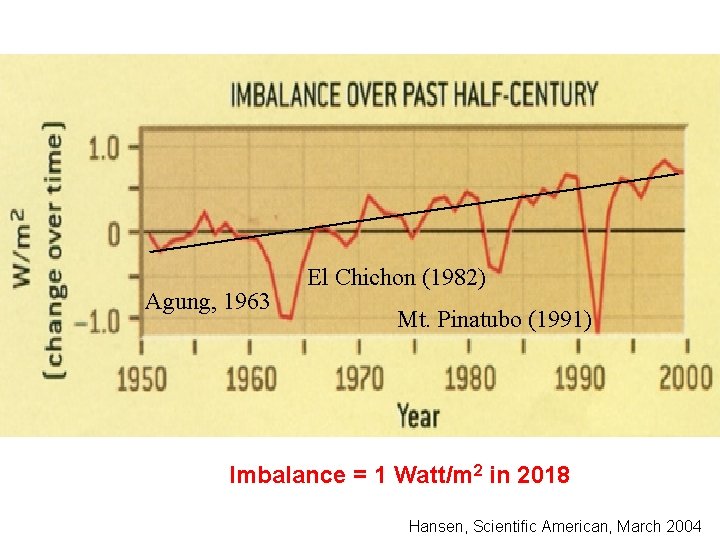
Agung, 1963 El Chichon (1982) Mt. Pinatubo (1991) Imbalance = 1 Watt/m 2 in 2018 Hansen, Scientific American, March 2004
Hansen, Scientific American, March 2004 PROJECT TO INTERCOMPARE REGIONAL CLIMATE SIMULATIONS
PROJECT TO INTERCOMPARE REGIONAL CLIMATE SIMULATIONS
Summary Climate change is real and we need to be doing something about it to prevent “dangerous anthropogenic interference with the climate system” Mitigation will have no effect for 50 years, so we need to develop adaptation strategies for the short term The longer we wait, the fewer our options Regional patterns of warming will be complicated Climate surprises can’t be discounted We need dialog between scientists and the private sector to develop both adaptation and mitigation strategies PROJECT TO INTERCOMPARE REGIONAL CLIMATE SIMULATIONS
For More Information For peer-reviewed evidence supporting everything you have seen in this presentation, see my online Global Change course: http: //www. meteor. iastate. edu/gccourse Contact me directly: gstakle@iastate. edu PROJECT TO INTERCOMPARE REGIONAL CLIMATE SIMULATIONS