
Climate Change and Sustainable Agricultural Intensification Mark New
Climate Change and Sustainable Agricultural Intensification Mark New
Approaches to Intensification • Grow crops in new areas • Improve productivity in existing areas – Multiple cropping – Improved or different crop varieties – Enhanced inputs – irrigation, fertiliser, etc. – Better farm management – Economic and institutional incentives • Climate change may limit or enable intensification
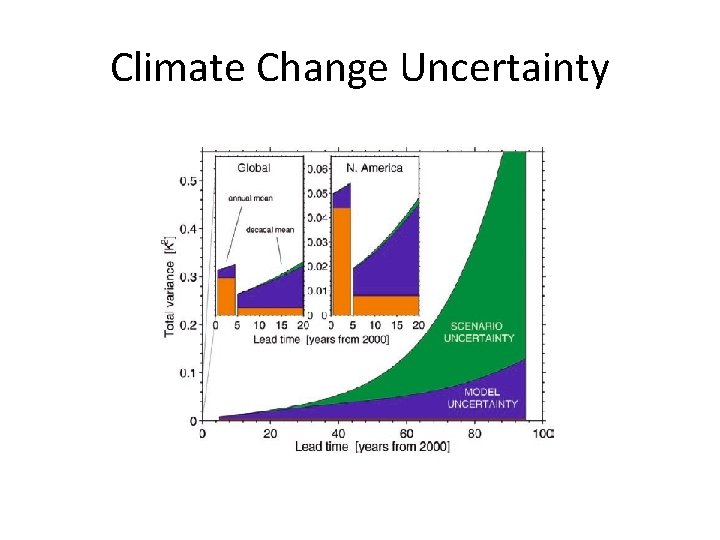
Climate Change Uncertainty
Uncertainty Increases as Function of… • Spatial scale – Global -> regional -> local • Temporal scale – Decadal -> annual -> monthly -> daily – Means -> variance -> extreme events • Process complexity – Temperature -> humidity -> precipitation – Tropics -> mid-latitudes -> sub-tropics
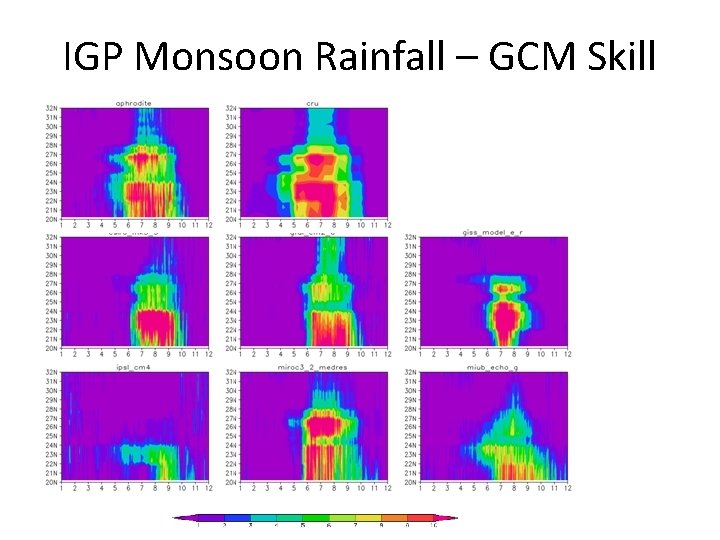
IGP Monsoon Rainfall – GCM Skill
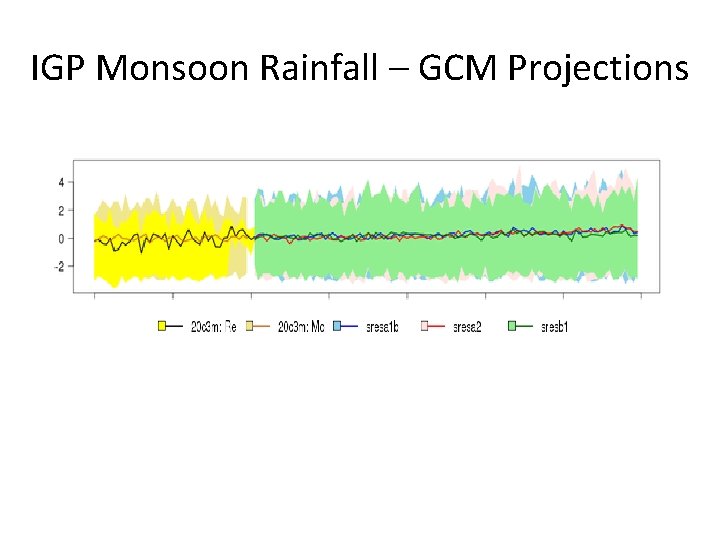
IGP Monsoon Rainfall – GCM Projections
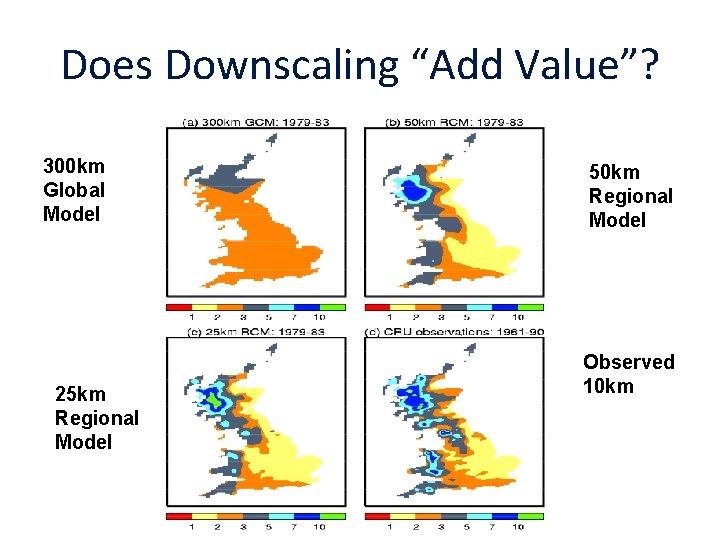
Does Downscaling “Add Value”? 300 km Global Model 25 km Regional Model 50 km Regional Model Observed 10 km
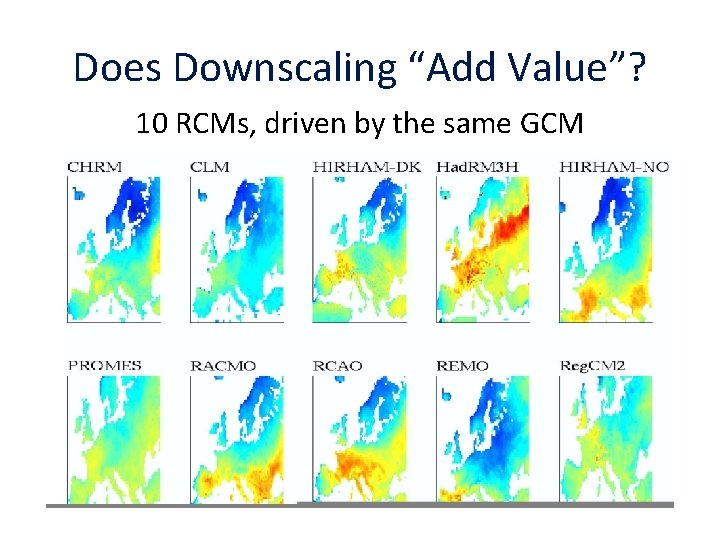
Does Downscaling “Add Value”? 10 RCMs, driven by the same GCM
Climate Uncertainty is Here to Stay • In the near term – Internal variability – Model uncertainty • Longer term – Scenario / forcing uncertainty – Model uncertainty • Downscaling – Improved understanding of uncertainty?
So What are the Options? Climate Compatible Intensification • Strategies that are robust across climate uncertainties – Portfolios of crop varieties or generalist crops – Flexibility in options to avoid maladaptation – Enhance resilience / productivity to current climate stresses – Risk management – learning from seasonal forecasting • Informed by appropriate analysis of climate model data
Better Analysis of Climate Model Data • Model evaluation and filtering with agriculturally relevant indices
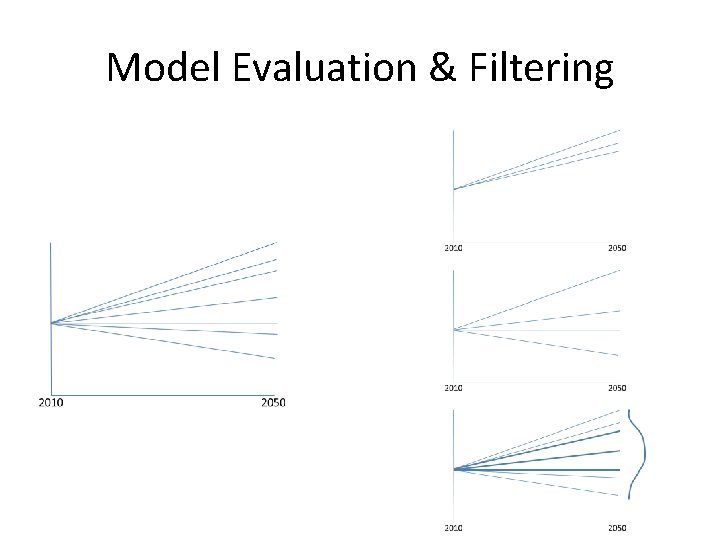
Model Evaluation & Filtering
Analysis of New Climate Model Data • New Centennial GCM Projections • Multi GCM-RCM ensembles – CORDEX • New decadal forecasts
- Slides: 13