
CLF PreTeach Session 4 Pedagogy Chris Baker CLF
CLF Pre-Teach Session 4 – Pedagogy Chris Baker CLF Professional Development Lead Chris. baker@clf. uk
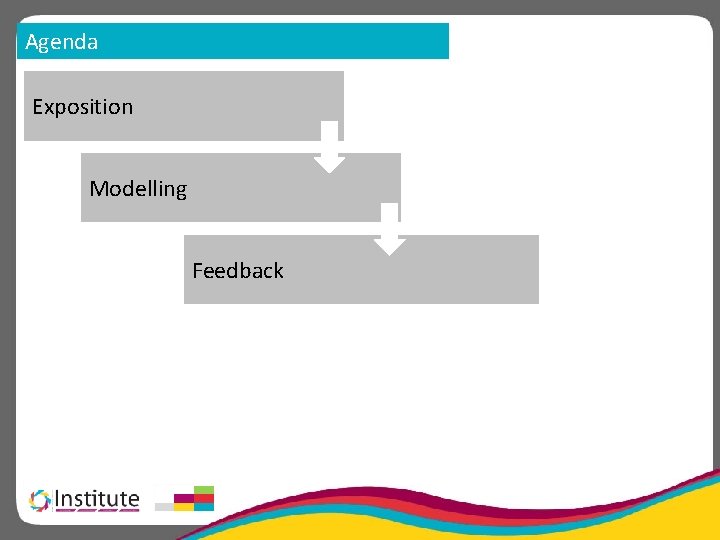
Agenda Exposition Modelling Feedback
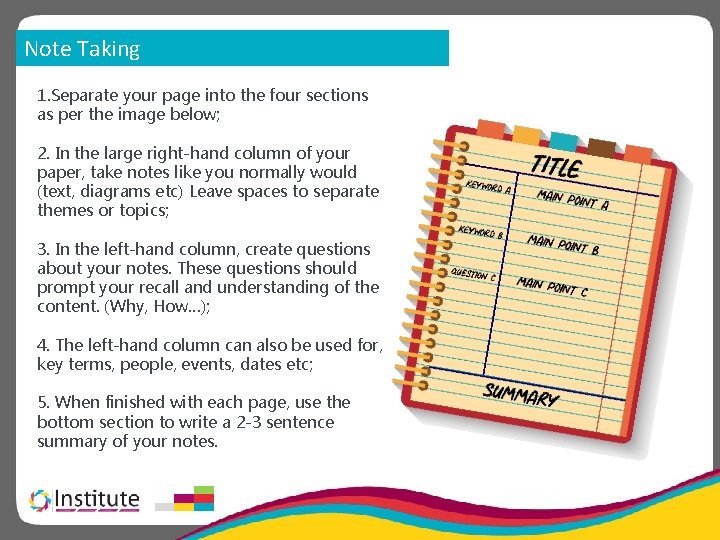
Note Taking 1. Separate your page into the four sections as per the image below; 2. In the large right-hand column of your paper, take notes like you normally would (text, diagrams etc) Leave spaces to separate themes or topics; 3. In the left-hand column, create questions about your notes. These questions should prompt your recall and understanding of the content. (Why, How…); 4. The left-hand column can also be used for, key terms, people, events, dates etc; 5. When finished with each page, use the bottom section to write a 2 -3 sentence summary of your notes.
Agenda Exposition Modelling Feedback
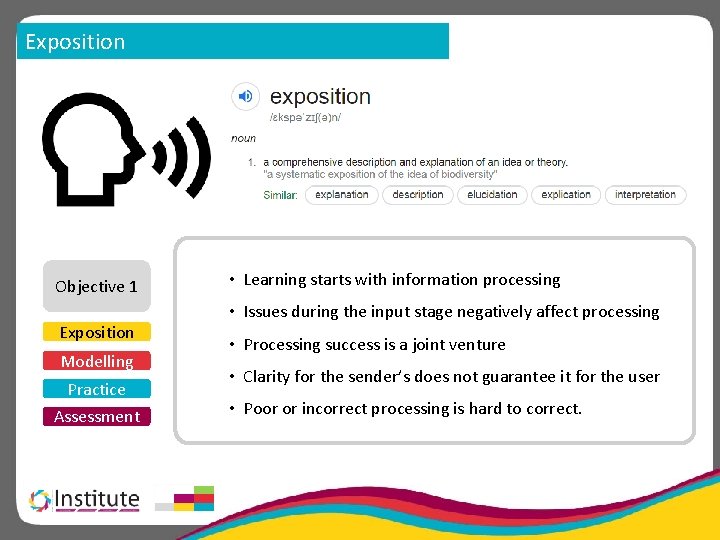
Exposition Objective 1 Exposition Modelling Practice Assessment • Learning starts with information processing • Issues during the input stage negatively affect processing • Processing success is a joint venture • Clarity for the sender’s does not guarantee it for the user • Poor or incorrect processing is hard to correct.
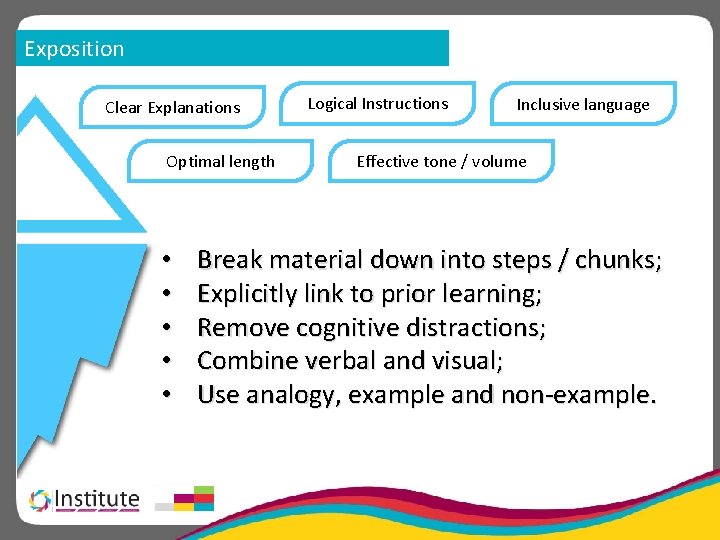
Exposition Clear Explanations Optimal length • • • Logical Instructions Inclusive language Effective tone / volume Break material down into steps / chunks; Explicitly link to prior learning; Remove cognitive distractions; Combine verbal and visual; Use analogy, example and non-example.
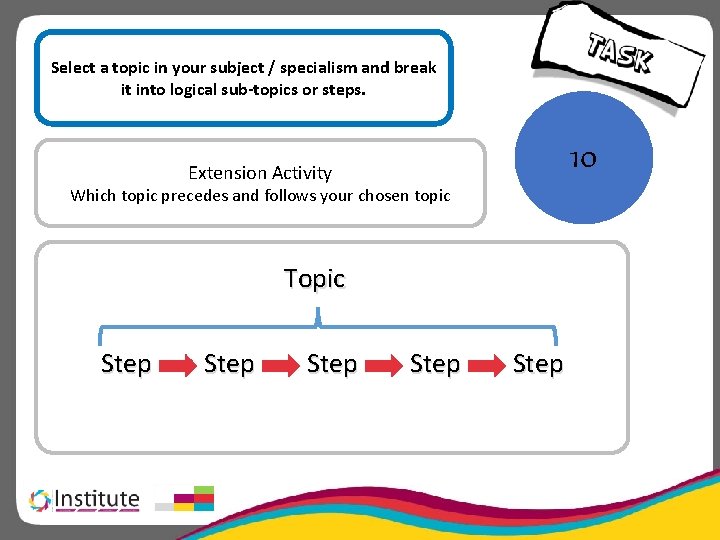
Select a topic in your subject / specialism and break it into logical sub-topics or steps. 10 694785321 Finish Extension Activity Which topic precedes and follows your chosen topic Topic Step Step
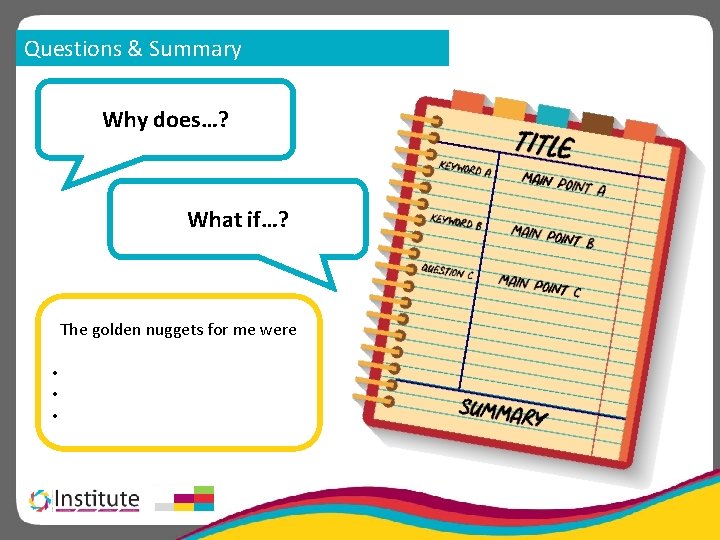
Questions & Summary Why does…? What if…? The golden nuggets for me were • • •
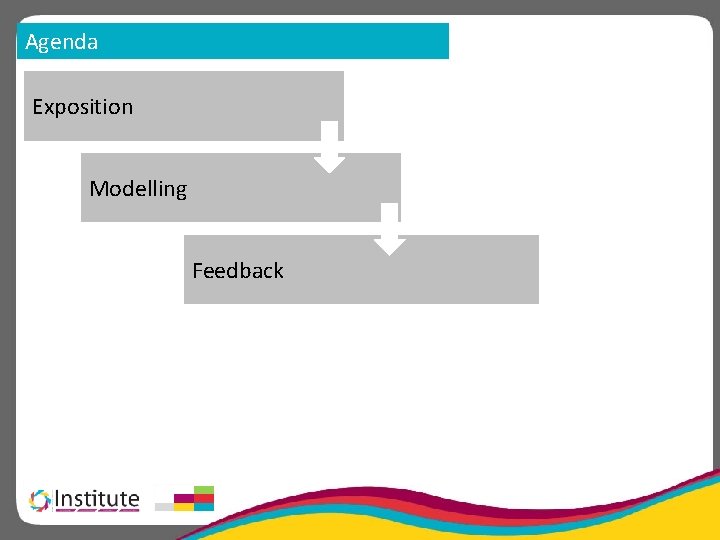
Agenda Exposition Modelling Feedback
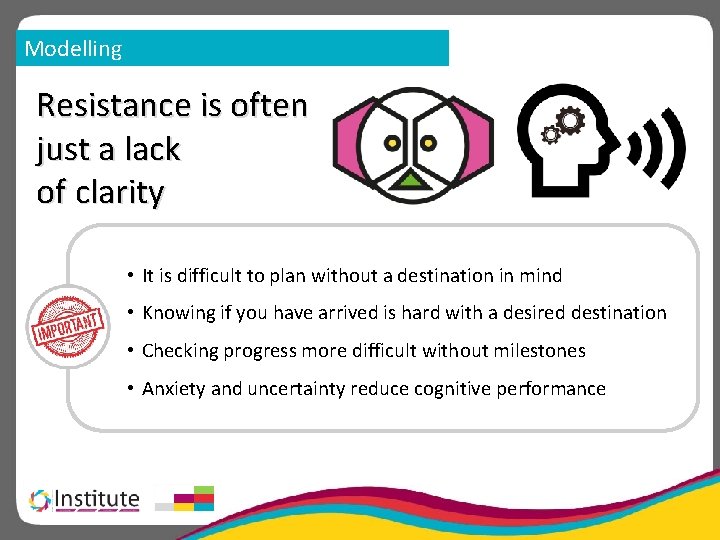
Modelling Resistance is often just a lack of clarity • It is difficult to plan without a destination in mind • Knowing if you have arrived is hard with a desired destination • Checking progress more difficult without milestones • Anxiety and uncertainty reduce cognitive performance
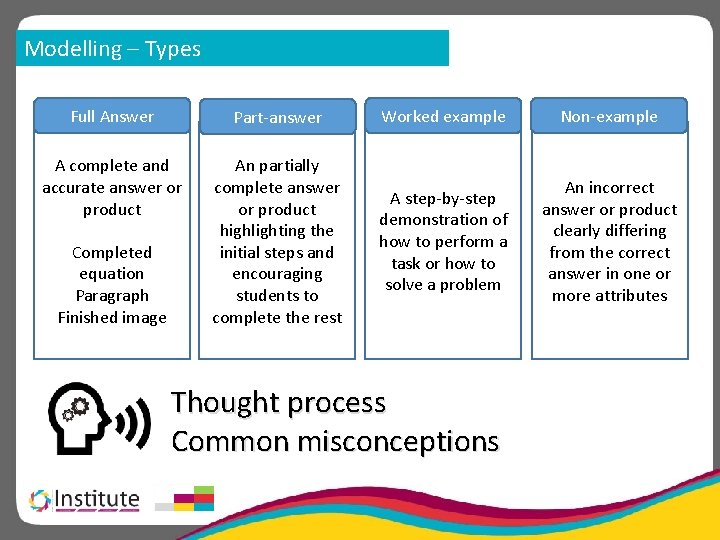
Modelling – Types Full Answer Part-answer Worked example Non-example A complete and accurate answer or product An partially complete answer or product highlighting the initial steps and encouraging students to complete the rest A step-by-step demonstration of how to perform a task or how to solve a problem An incorrect answer or product clearly differing from the correct answer in one or more attributes Completed equation Paragraph Finished image Thought process Common misconceptions
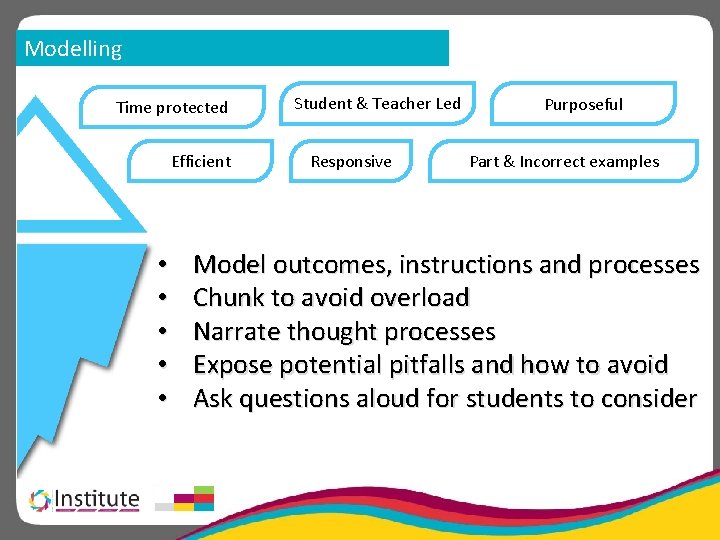
Modelling Time protected Efficient • • • Student & Teacher Led Responsive Purposeful Part & Incorrect examples Model outcomes, instructions and processes Chunk to avoid overload Narrate thought processes Expose potential pitfalls and how to avoid Ask questions aloud for students to consider
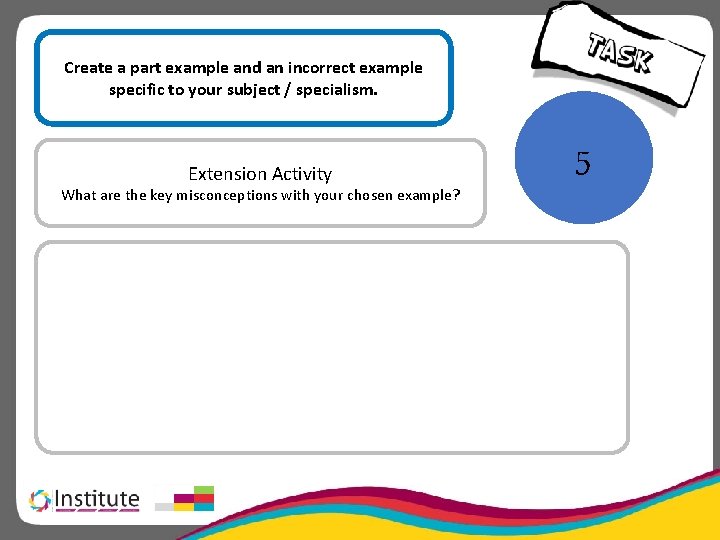
Create a part example and an incorrect example specific to your subject / specialism. Extension Activity What are the key misconceptions with your chosen example? 45321 Finish
Questions & Summary Why does…? What if…? The golden nuggets for me were • • •
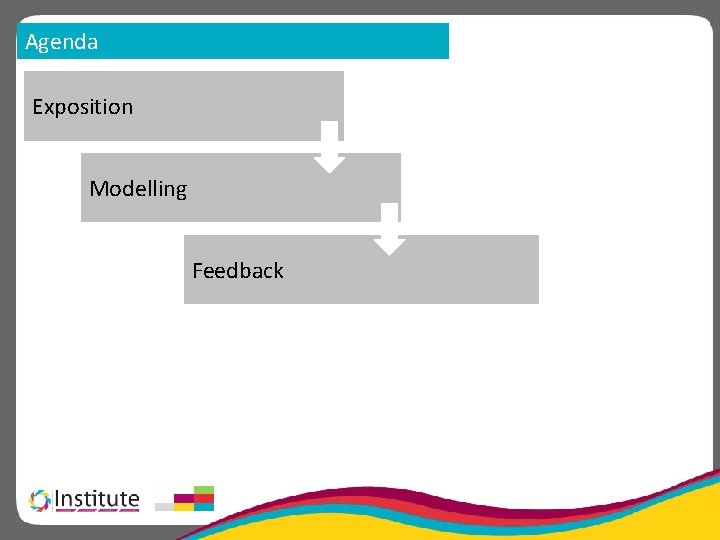
Agenda Exposition Modelling Feedback
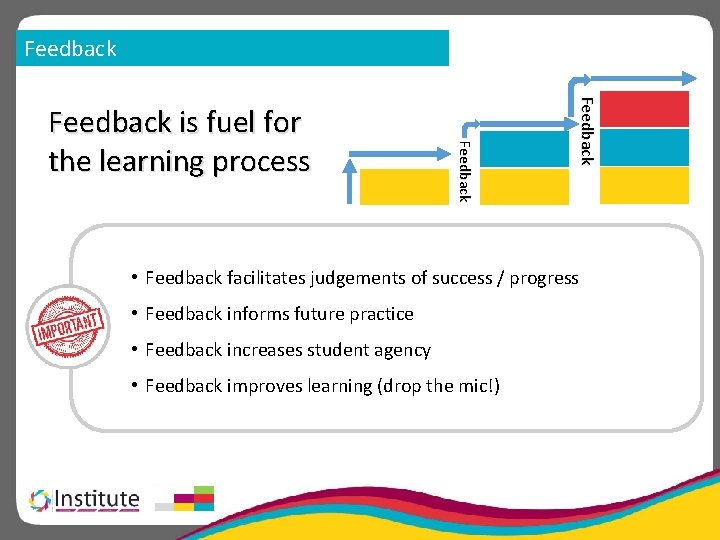
Feedback is fuel for the learning process • Feedback facilitates judgements of success / progress • Feedback informs future practice • Feedback increases student agency • Feedback improves learning (drop the mic!)
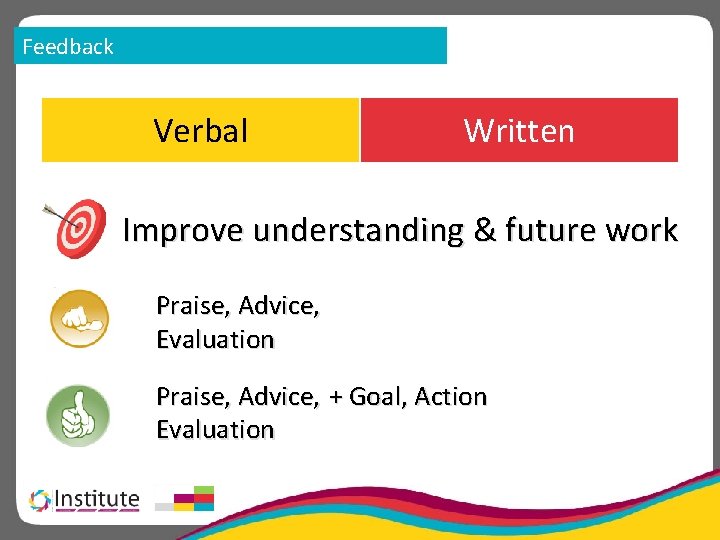
Feedback Verbal Written Improve understanding & future work Praise, Advice, Evaluation Praise, Advice, + Goal, Action Evaluation
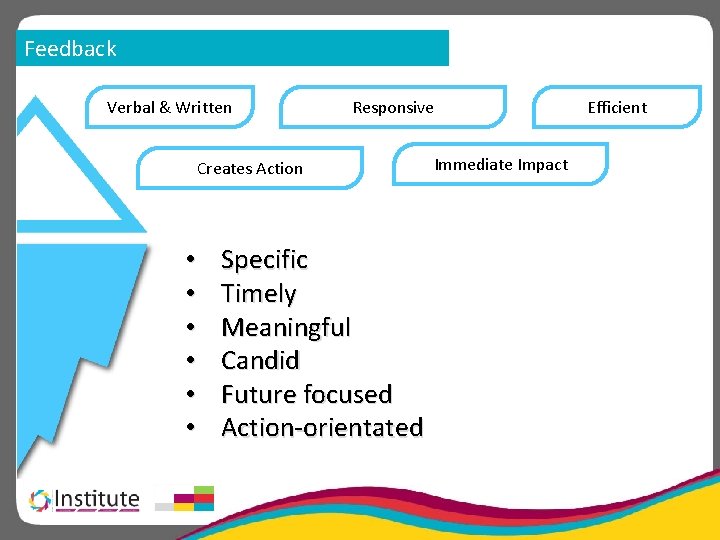
Feedback Verbal & Written Responsive Creates Action • • • Specific Timely Meaningful Candid Future focused Action-orientated Immediate Impact Efficient
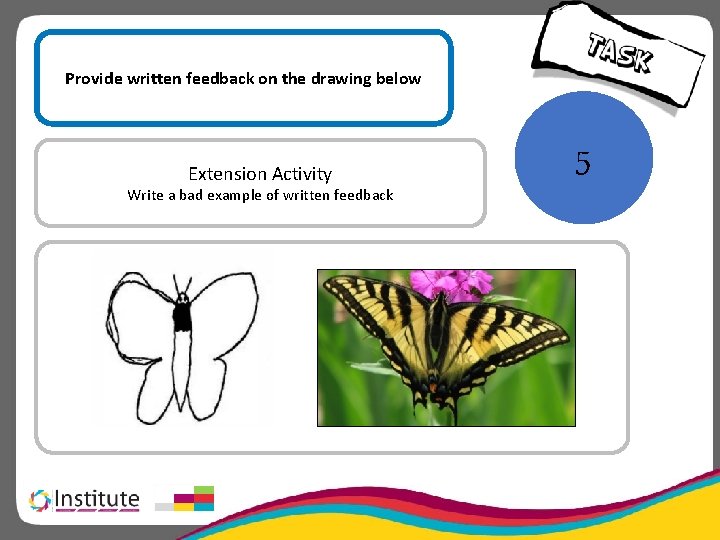
Provide written feedback on the drawing below Extension Activity Write a bad example of written feedback 45321 Finish
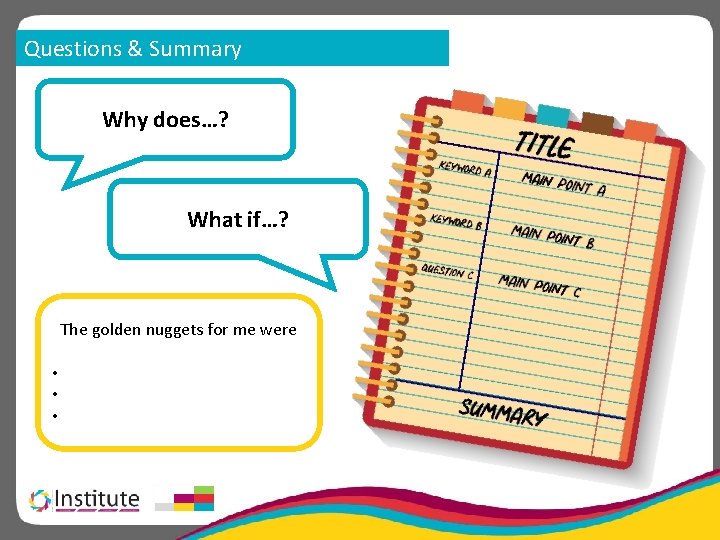
Questions & Summary Why does…? What if…? The golden nuggets for me were • • •
CLF Pre-Teach Session 4 – Pedagogy Chris Baker CLF Professional Development Lead Chris. baker@clf. uk
- Slides: 22