
Cleft lip cleft palate and craniofacial syndromes Dr


- Slides: 44
Cleft lip, cleft palate and craniofacial syndromes Dr Madhubari Vathulya Associate professor Department of Burns and Plastic Surgery
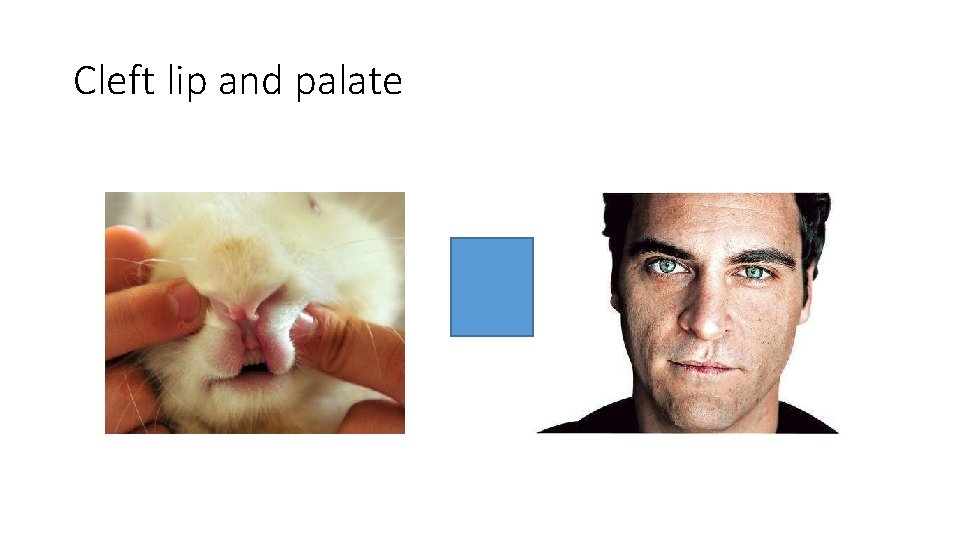
Cleft lip and palate
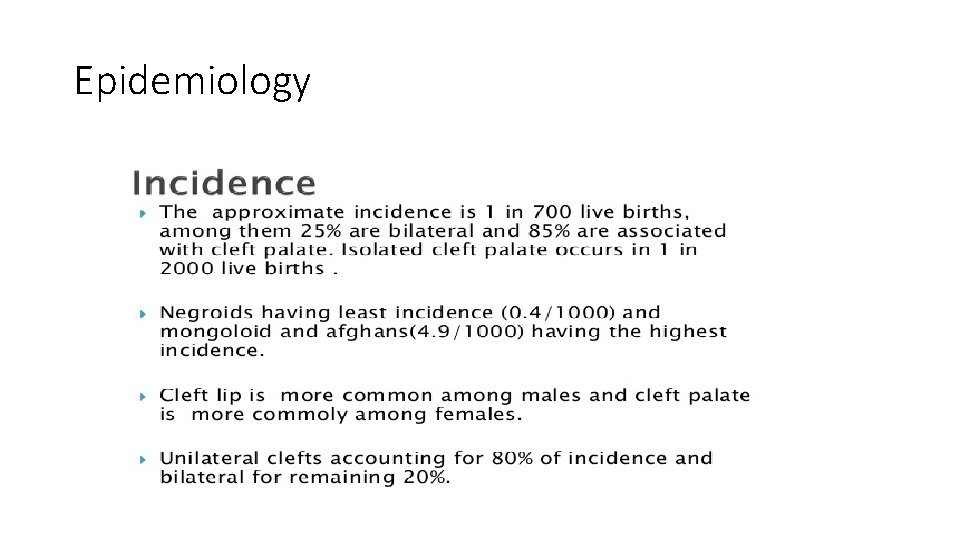
Epidemiology
Embryology
• Face starts forming by 4 rth week and completed by 8 th week • Palate formation is completed by 10 th week
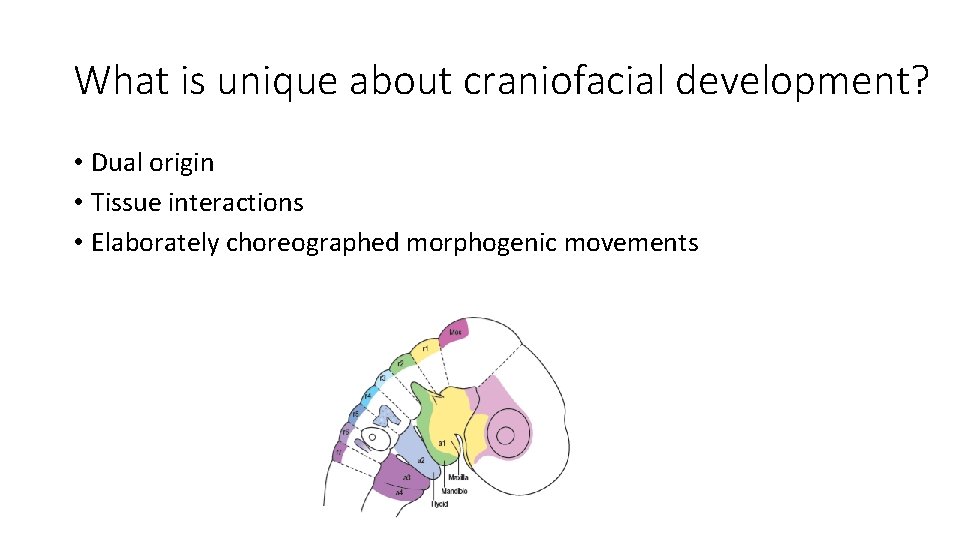
What is unique about craniofacial development? • Dual origin • Tissue interactions • Elaborately choreographed morphogenic movements
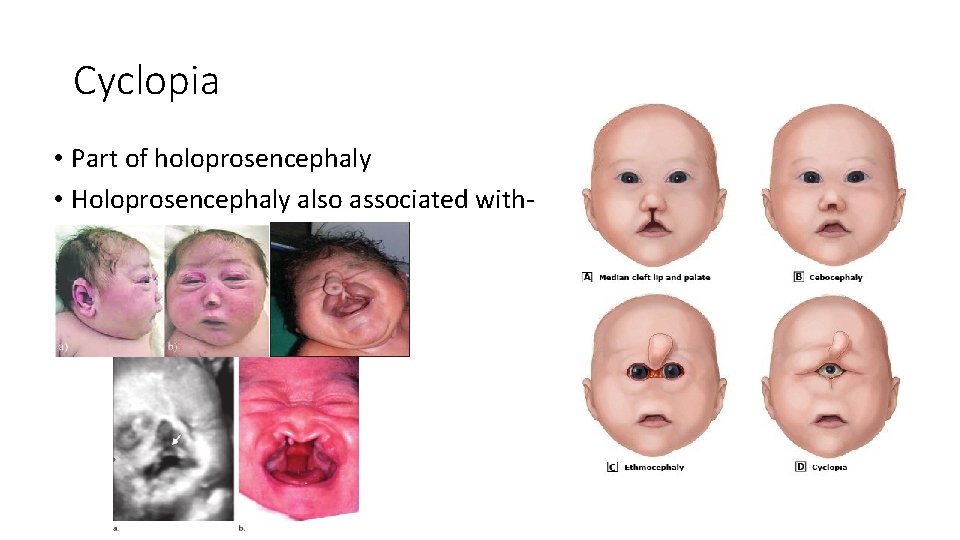
Cyclopia • Part of holoprosencephaly • Holoprosencephaly also associated with-
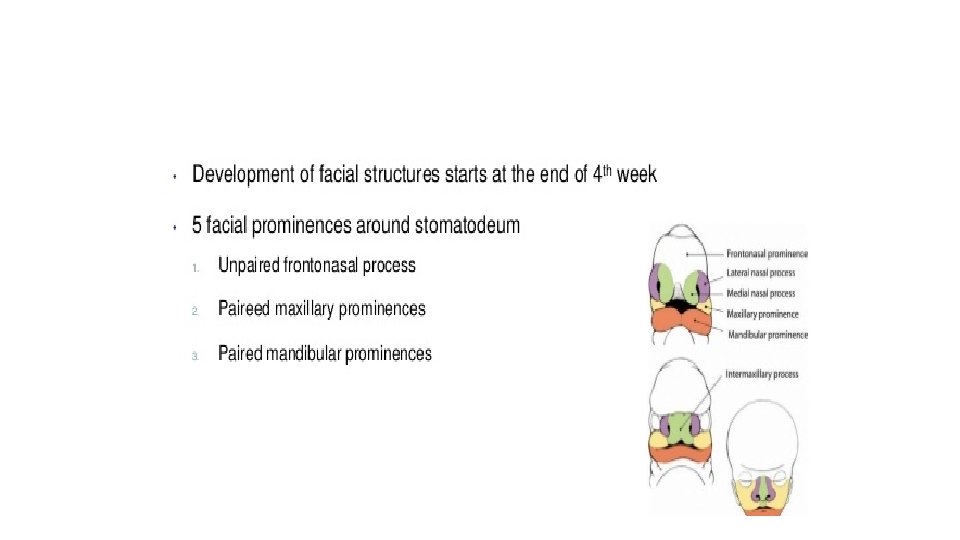
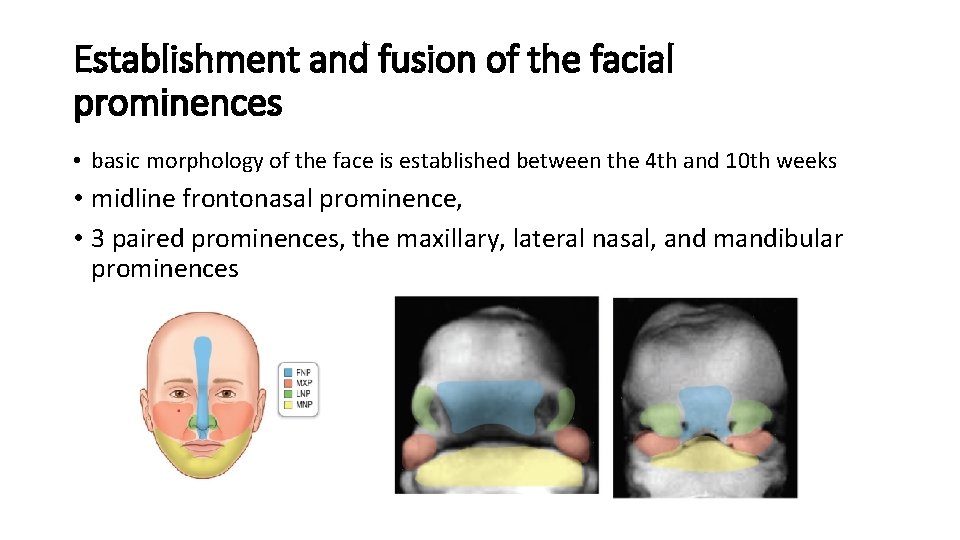
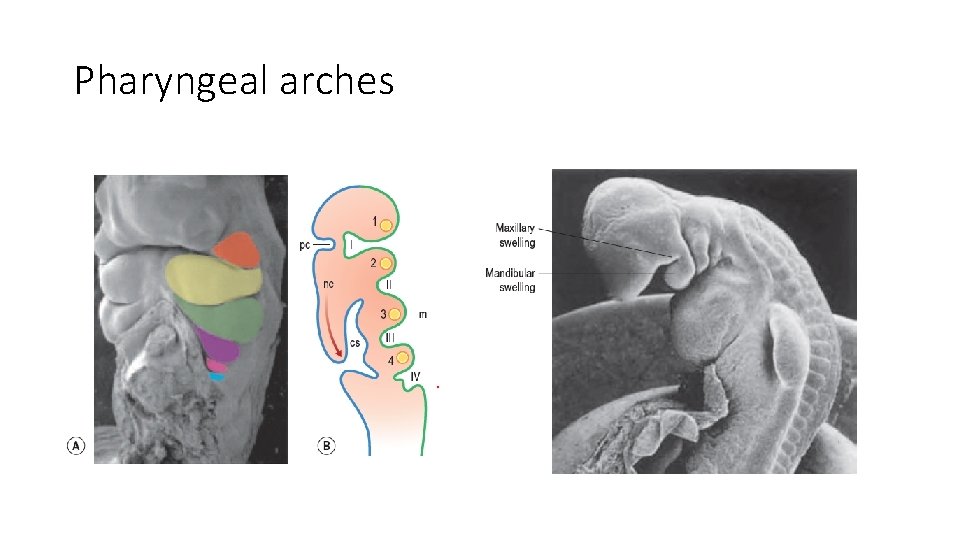
Establishment and fusion of the facial prominences • basic morphology of the face is established between the 4 th and 10 th weeks • midline frontonasal prominence, • 3 paired prominences, the maxillary, lateral nasal, and mandibular prominences
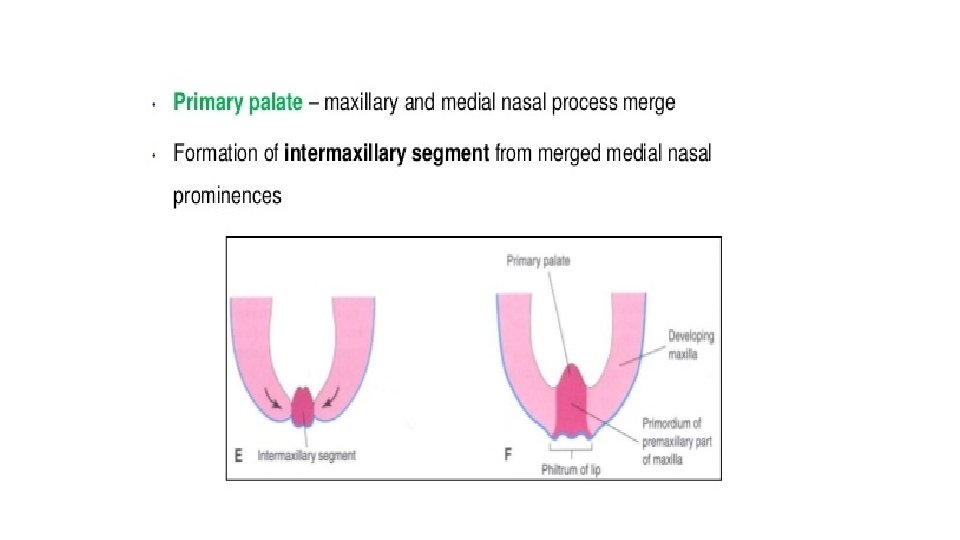
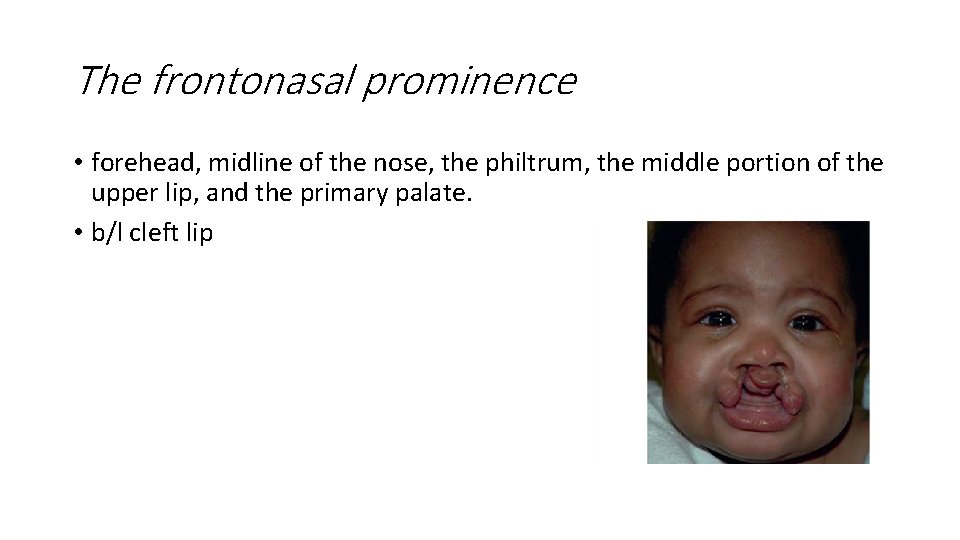
The frontonasal prominence • forehead, midline of the nose, the philtrum, the middle portion of the upper lip, and the primary palate. • b/l cleft lip
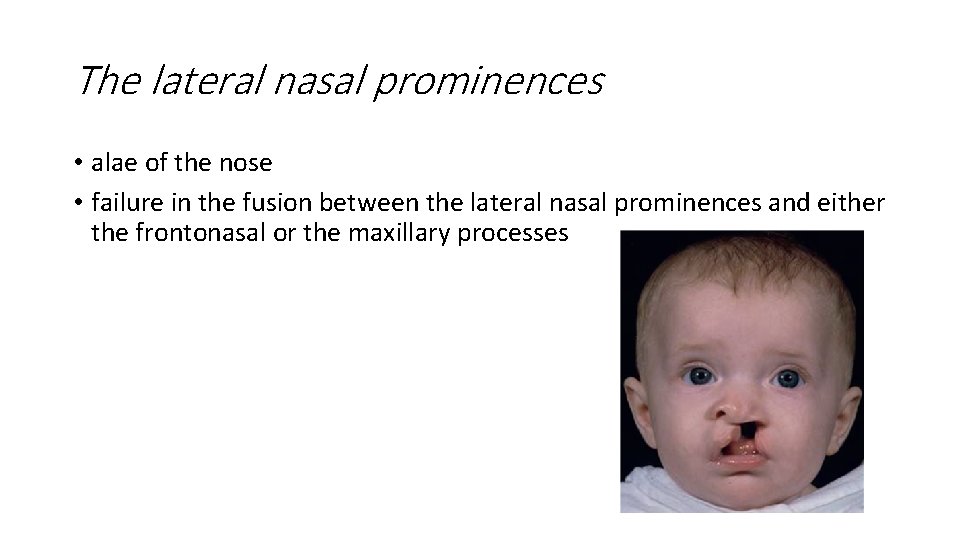
The lateral nasal prominences • alae of the nose • failure in the fusion between the lateral nasal prominences and either the frontonasal or the maxillary processes
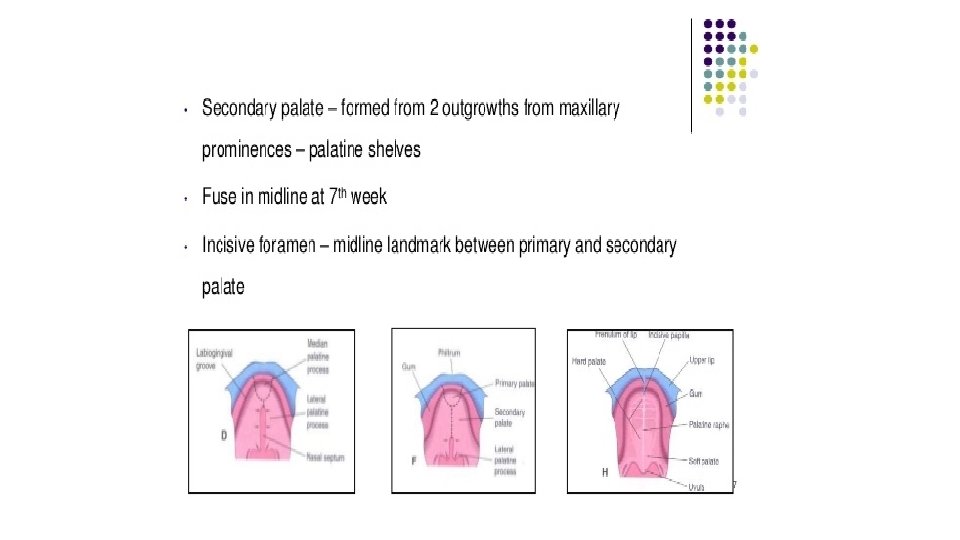
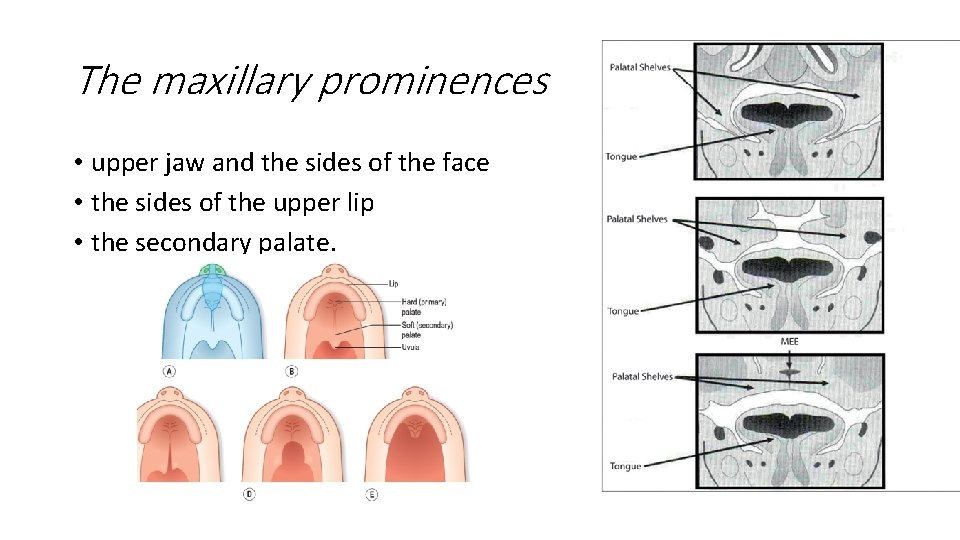
The maxillary prominences • upper jaw and the sides of the face • the sides of the upper lip • the secondary palate.
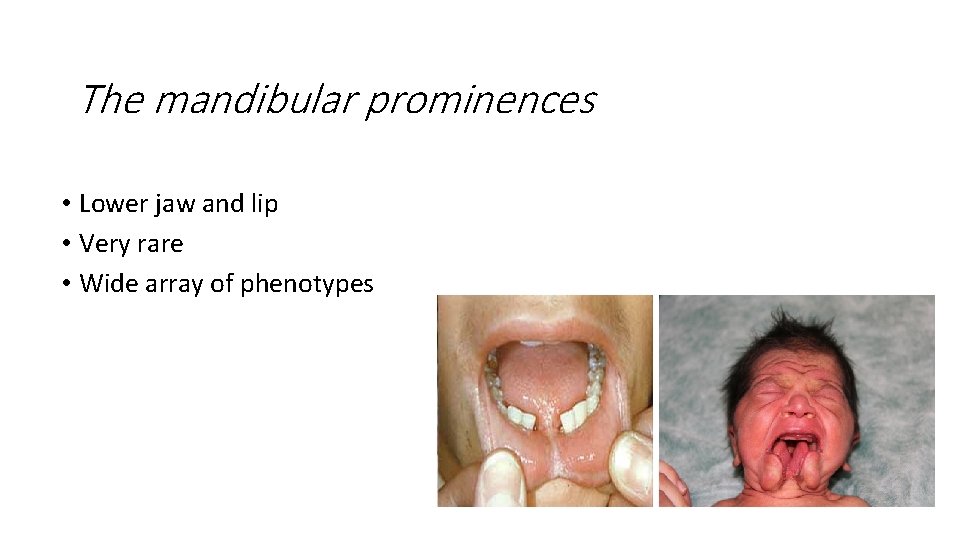
The mandibular prominences • Lower jaw and lip • Very rare • Wide array of phenotypes
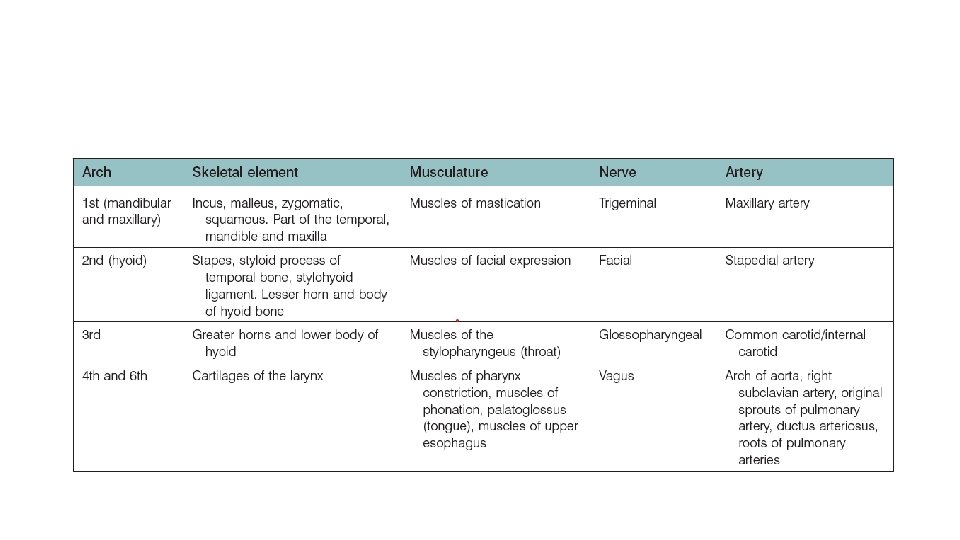
Pharyngeal arches
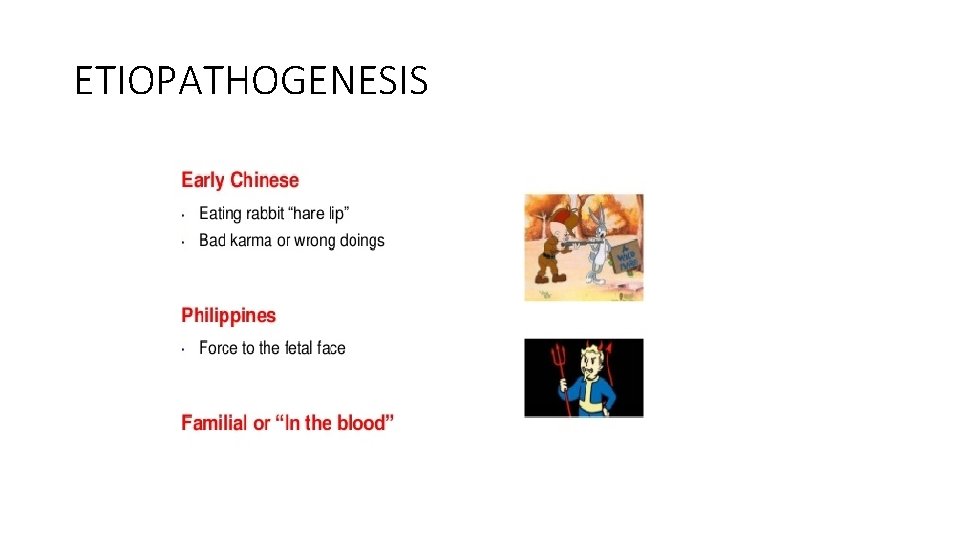
ETIOPATHOGENESIS
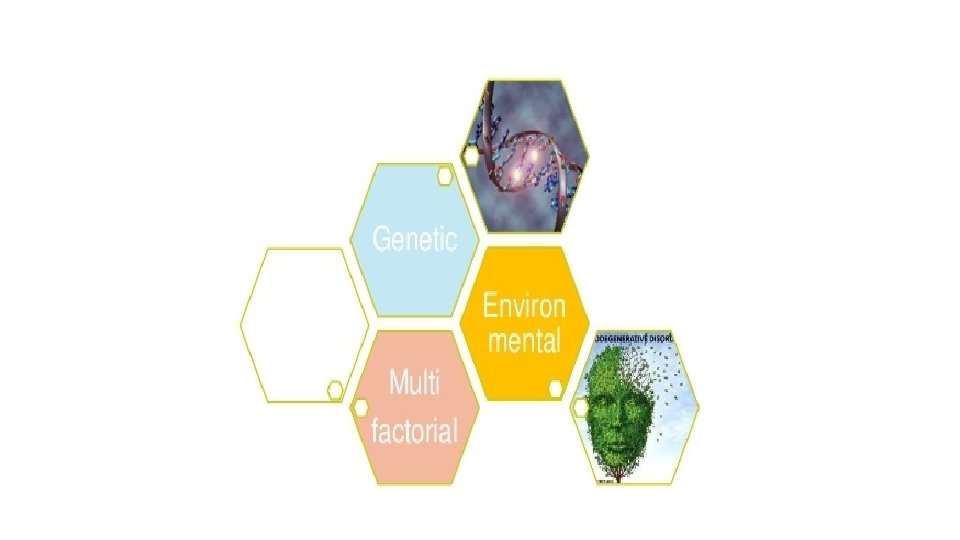
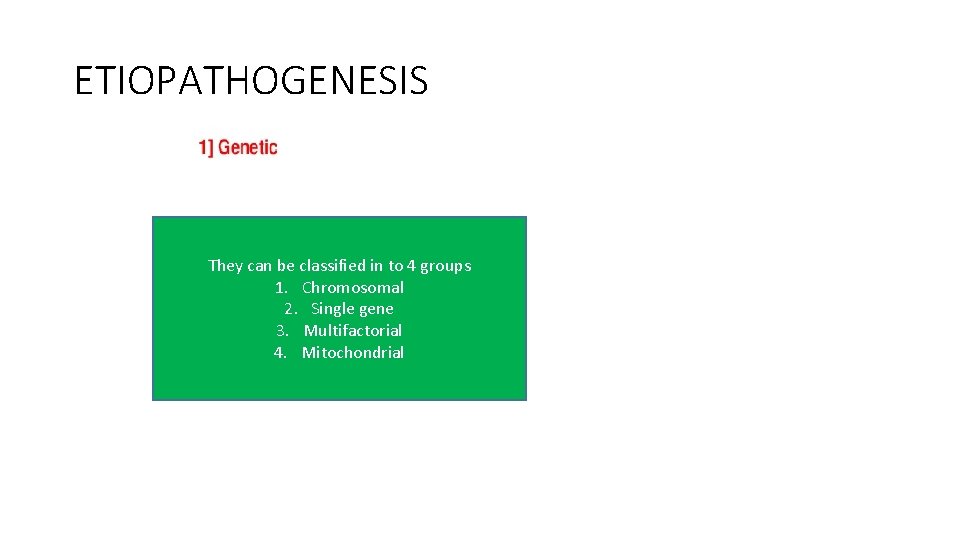
ETIOPATHOGENESIS They can be classified in to 4 groups 1. Chromosomal 2. Single gene 3. Multifactorial 4. Mitochondrial
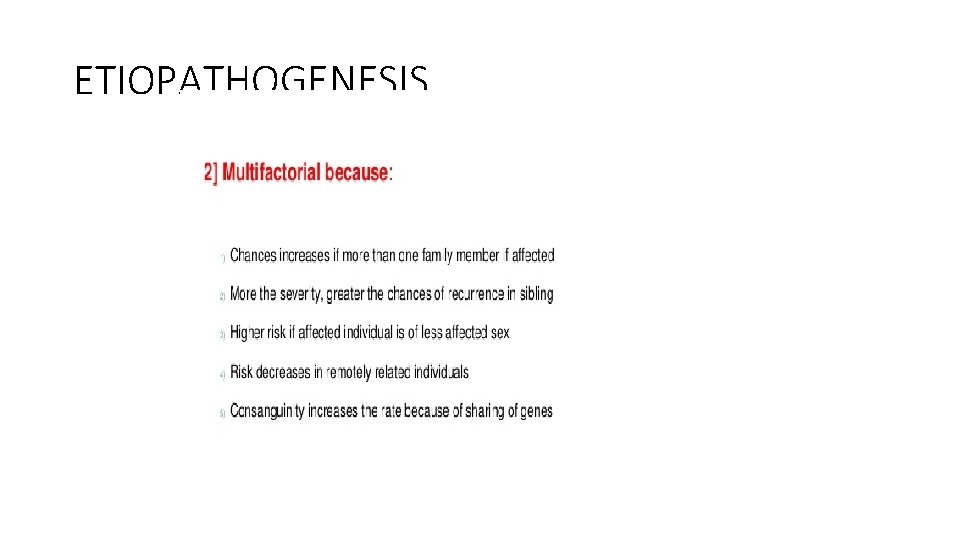
ETIOPATHOGENESIS
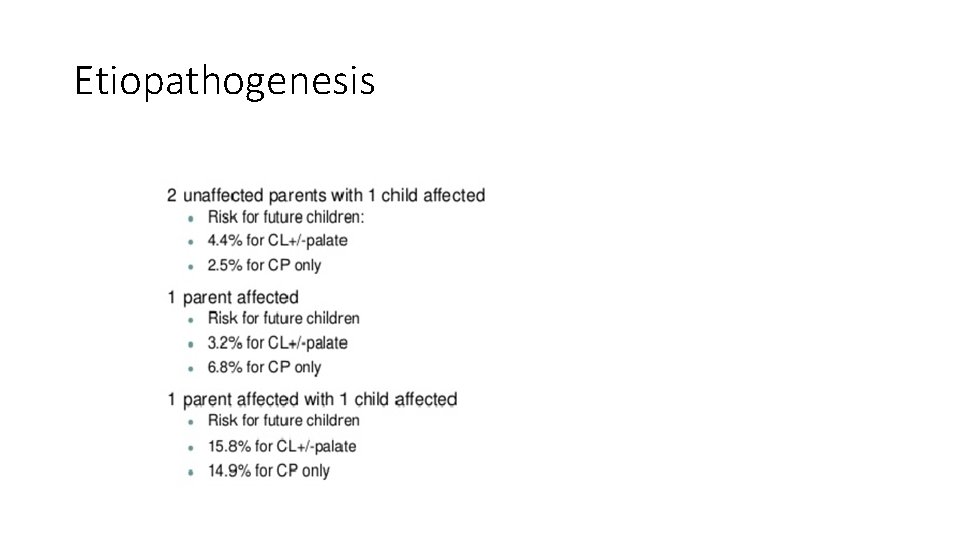
Etiopathogenesis
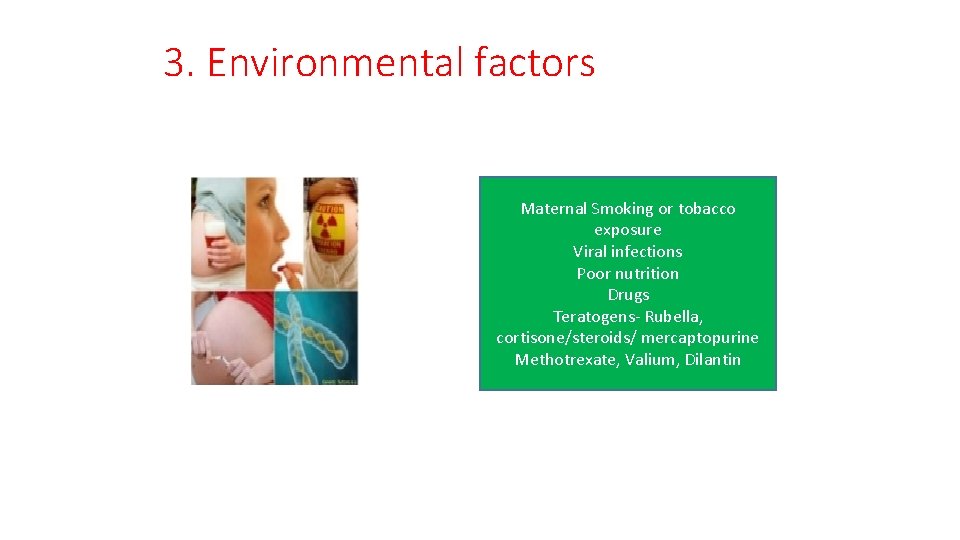
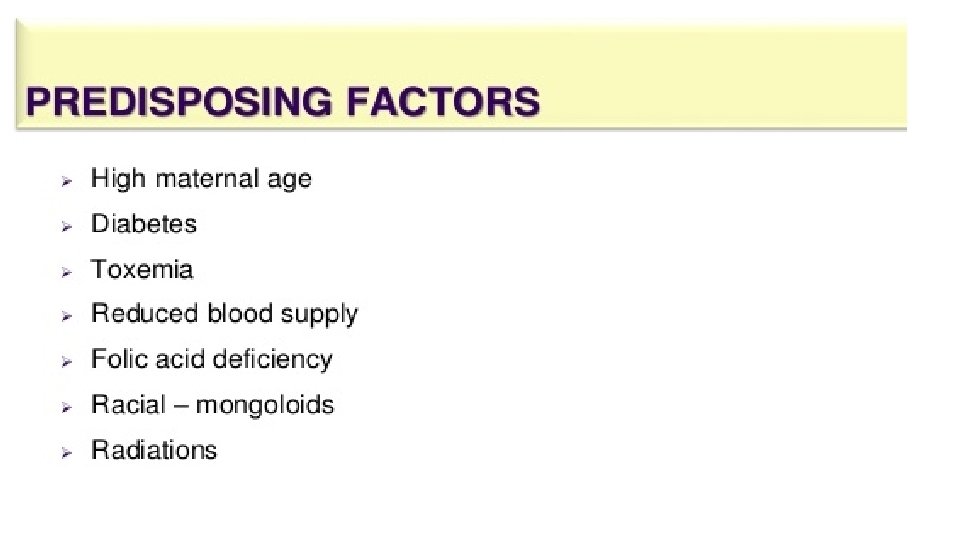
3. Environmental factors Maternal Smoking or tobacco exposure Viral infections Poor nutrition Drugs Teratogens- Rubella, cortisone/steroids/ mercaptopurine Methotrexate, Valium, Dilantin
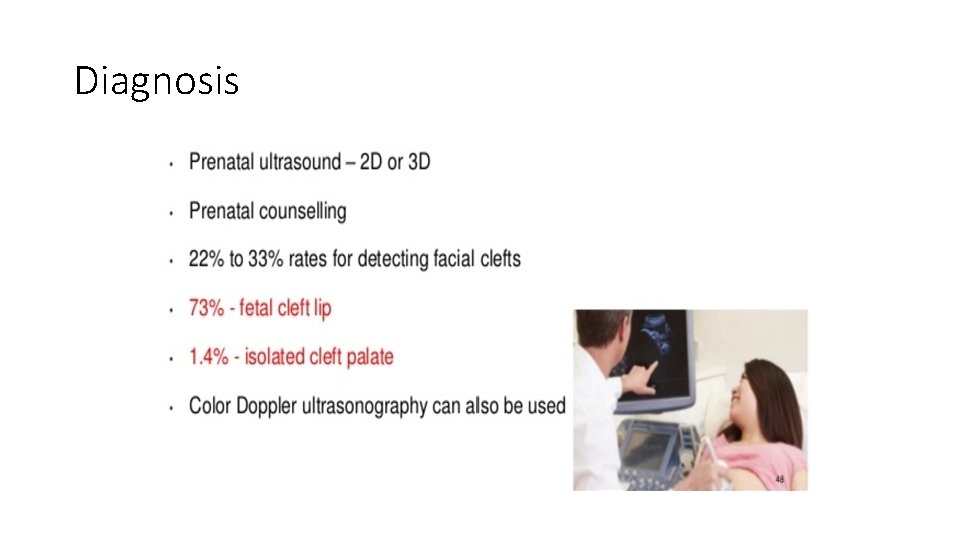
Diagnosis
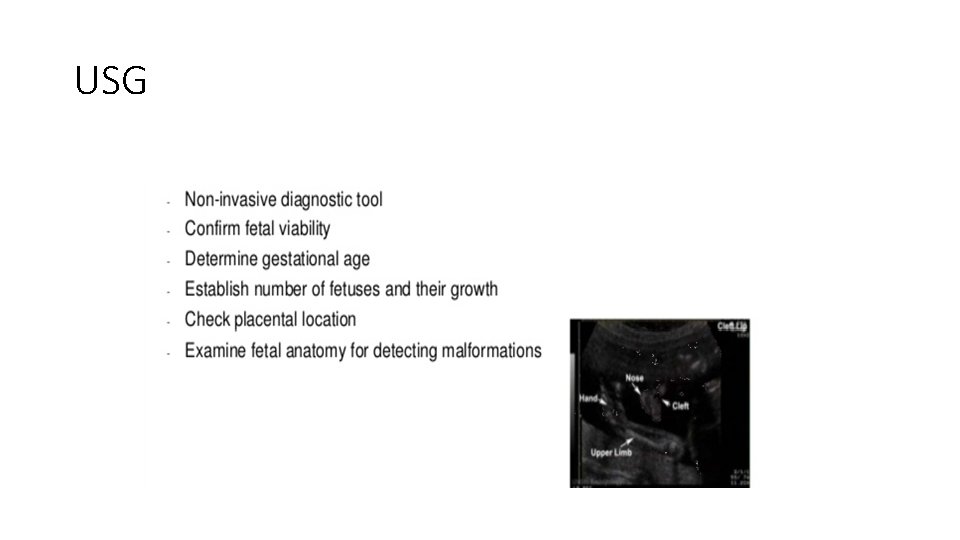
USG
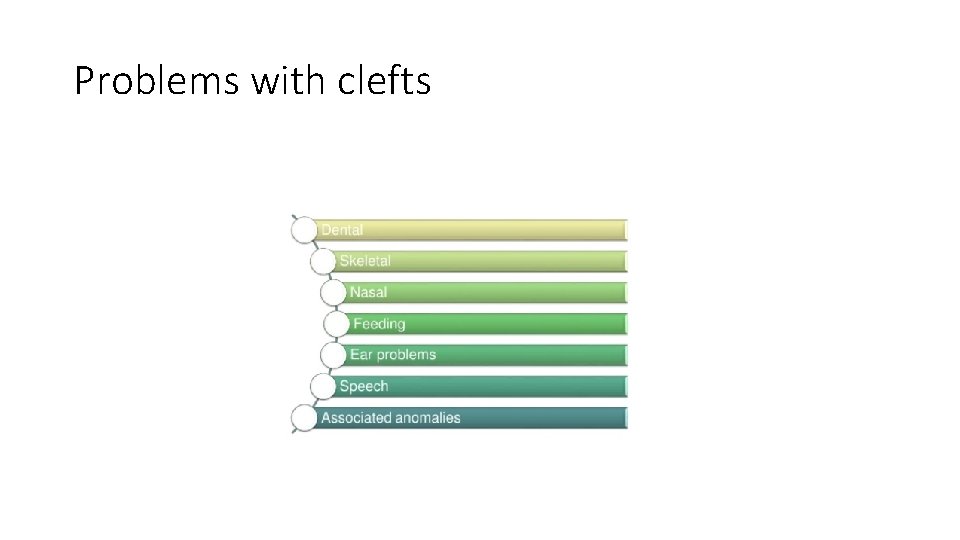
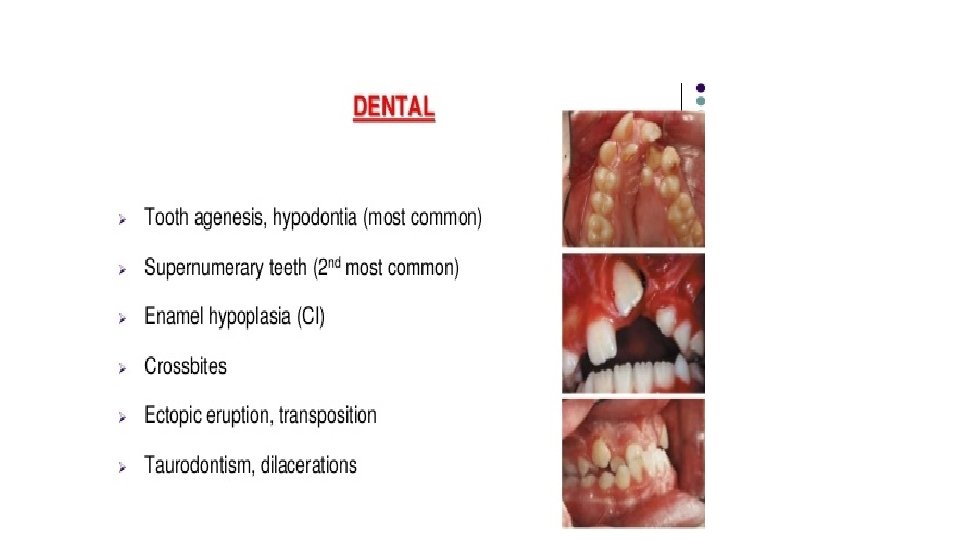
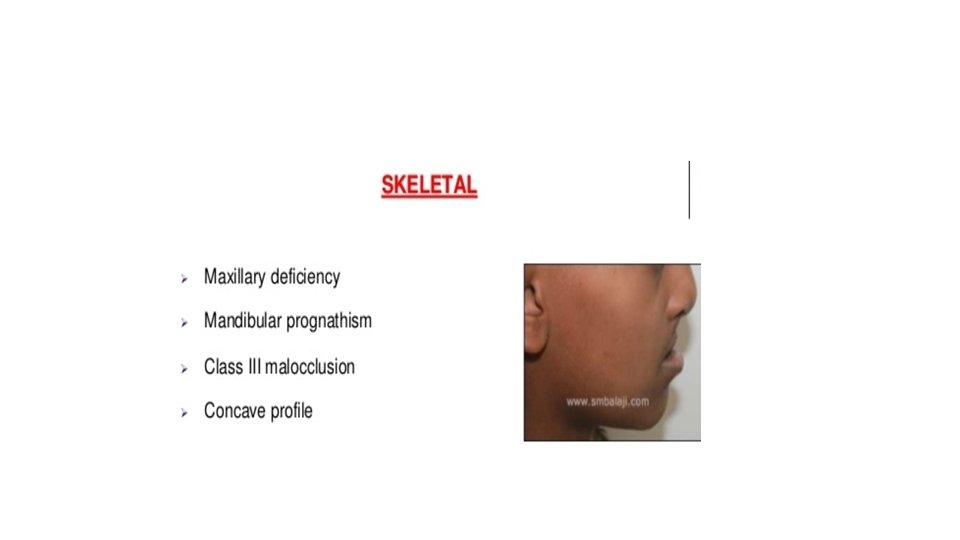
Problems with clefts
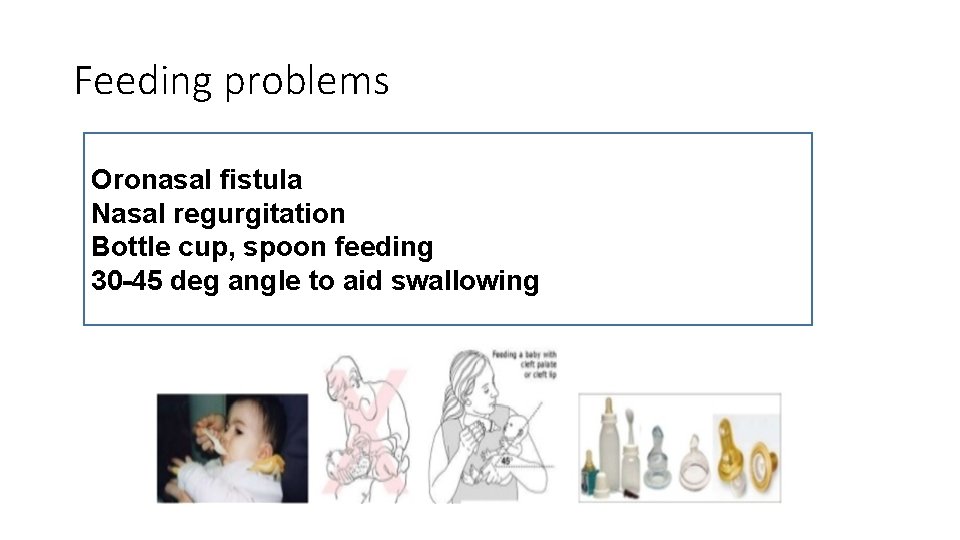
Feeding problems Oronasal fistula Nasal regurgitation Bottle cup, spoon feeding 30 -45 deg angle to aid swallowing
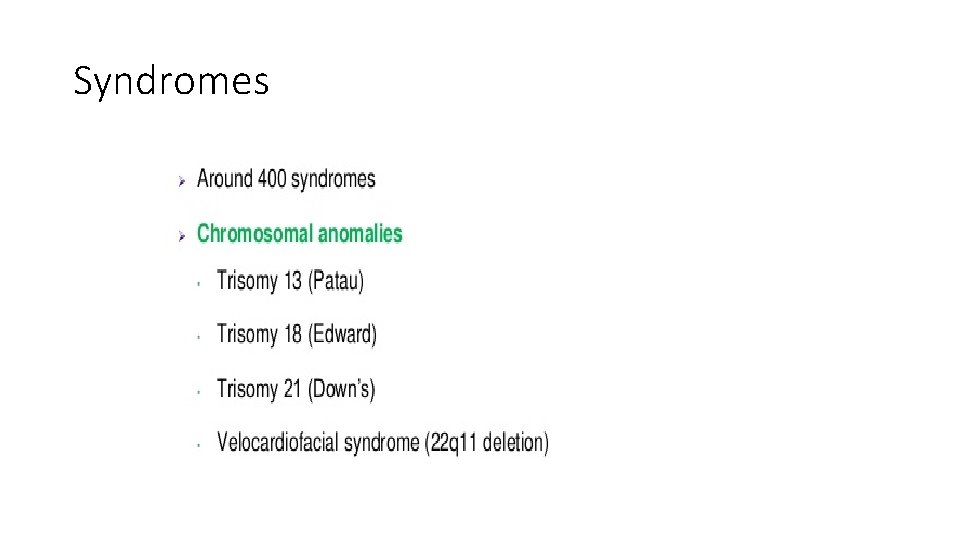
Syndromes
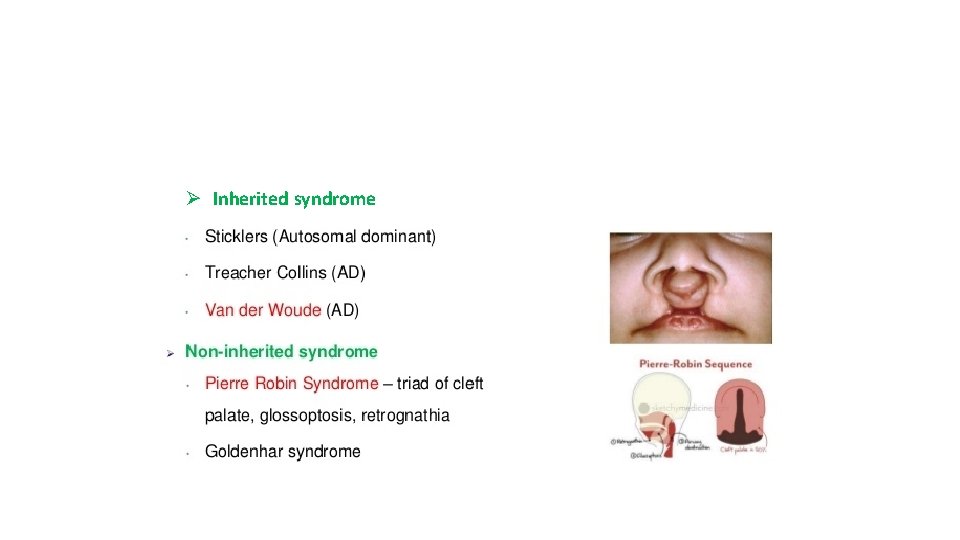
Ø Inherited syndrome
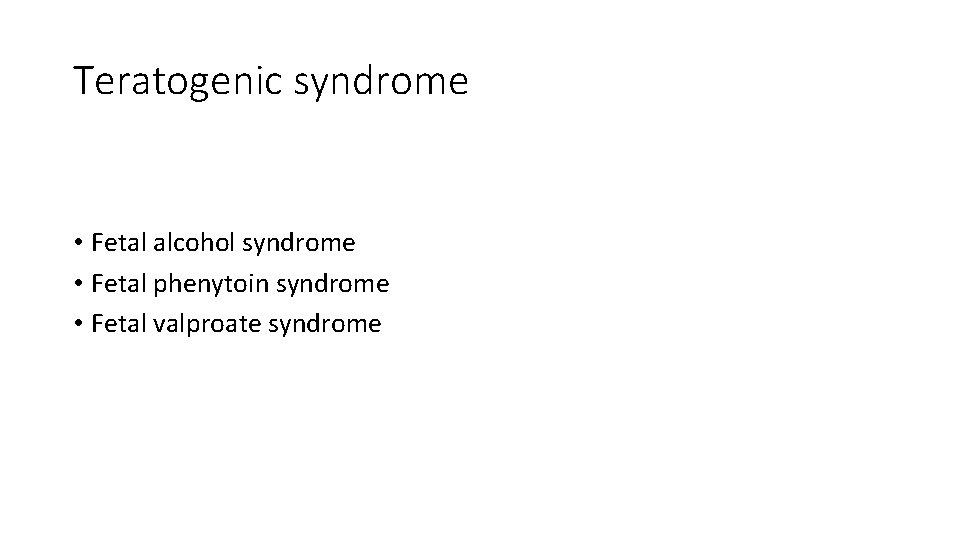
Teratogenic syndrome • Fetal alcohol syndrome • Fetal phenytoin syndrome • Fetal valproate syndrome
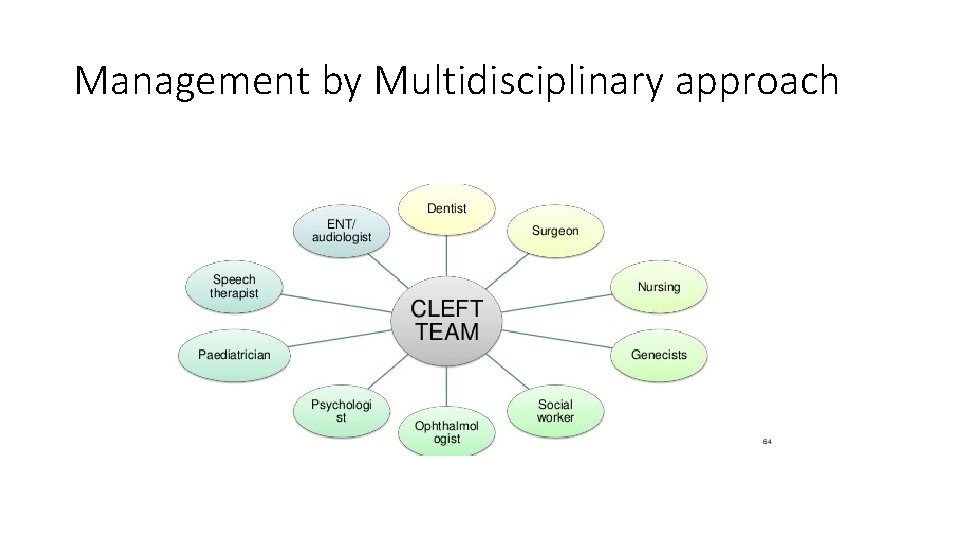
Management by Multidisciplinary approach
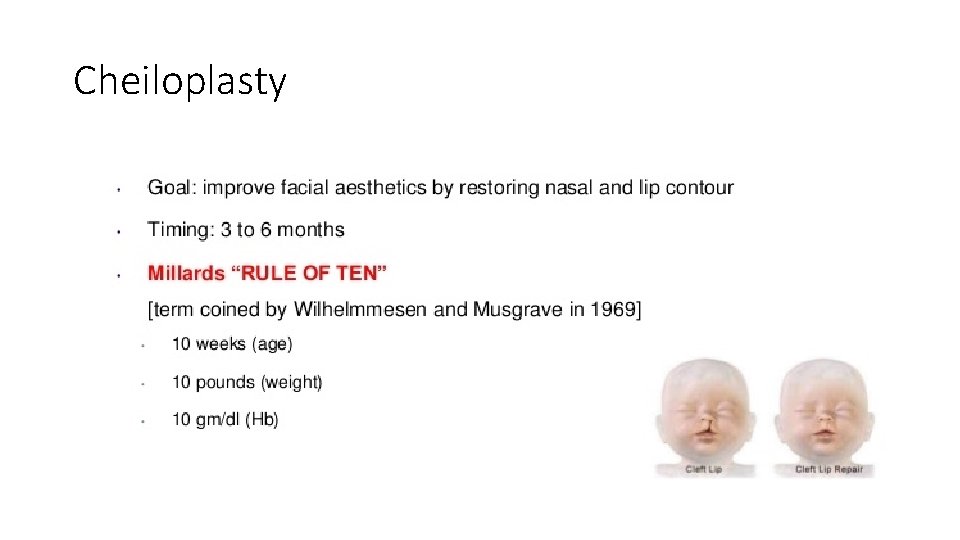
Cheiloplasty
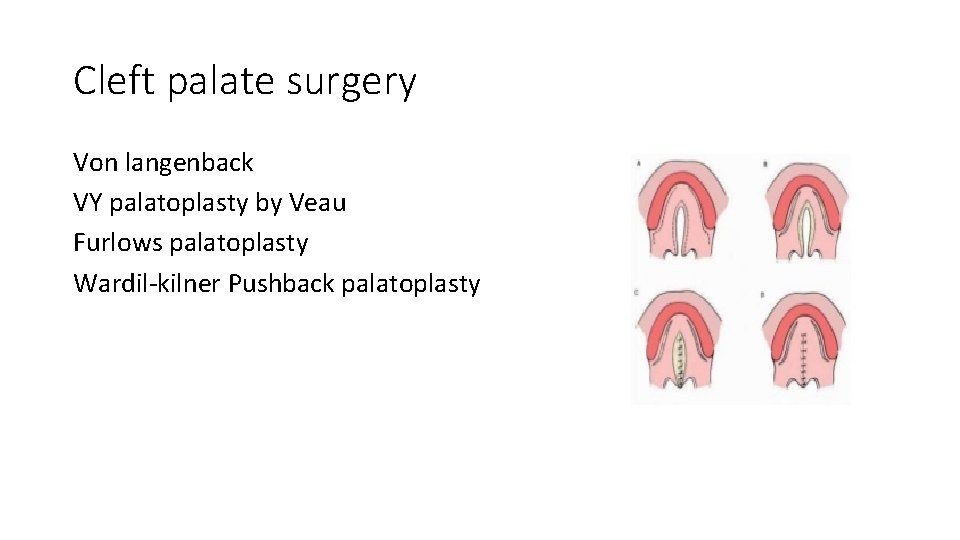
Cleft palate surgery Von langenback VY palatoplasty by Veau Furlows palatoplasty Wardil-kilner Pushback palatoplasty
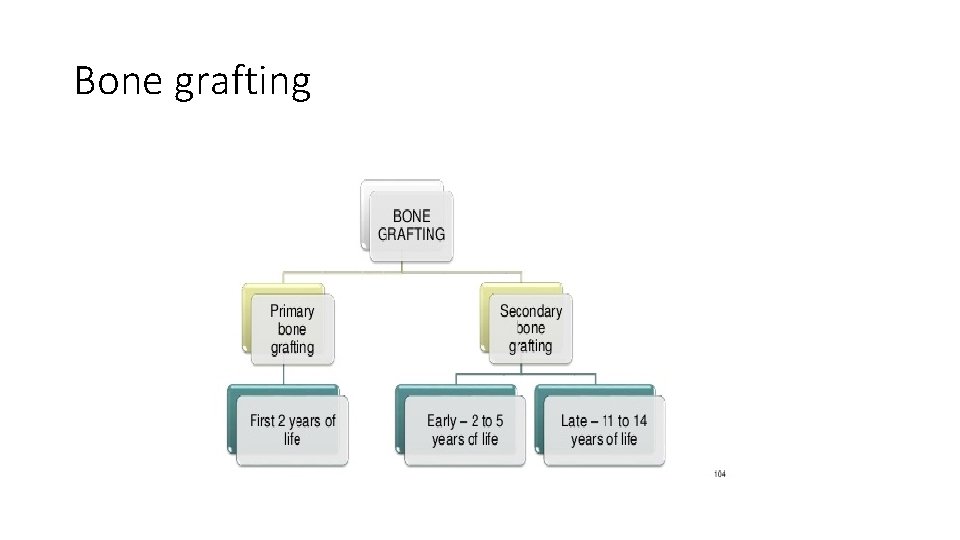
Bone grafting
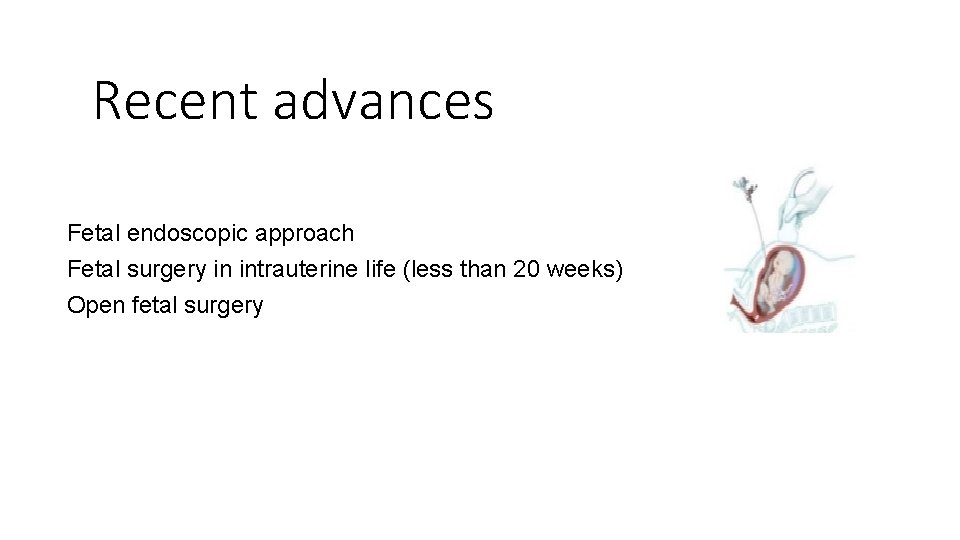
Recent advances Fetal endoscopic approach Fetal surgery in intrauterine life (less than 20 weeks) Open fetal surgery
Conclusion • Second most common congenital anomaly • Embryogenesis and etiology to be kept in mind • Team approach • Research to be aimed at Epigenetic modification
Thank You