
Claudia S Miller M D M S Professor



- Slides: 27
Claudia S. Miller, M. D. , M. S. Professor, Family & Community Medicine The University of Texas Health Science Center at San Antonio millercs@uthscsa. edu
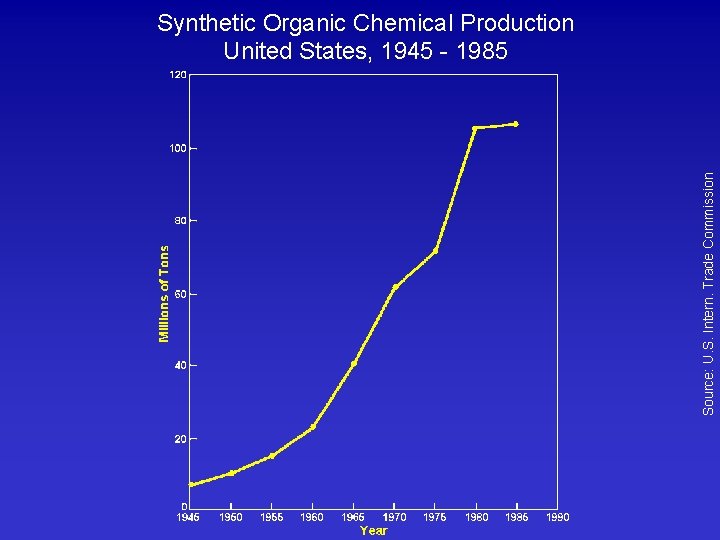
Source: U. S. Intern. Trade Commission Synthetic Organic Chemical Production United States, 1945 - 1985
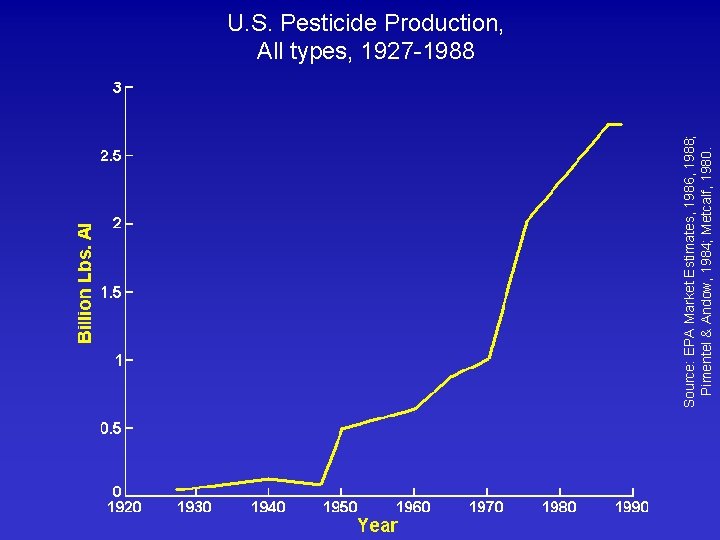
Source: EPA Market Estimates, 1986, 1988; Pimentel & Andow, 1984; Metcalf, 1980. U. S. Pesticide Production, All types, 1927 -1988
90% of Americans Spend 90% of the Day Indoors Our Boxes: • Home • Workplace • School • Vehicles
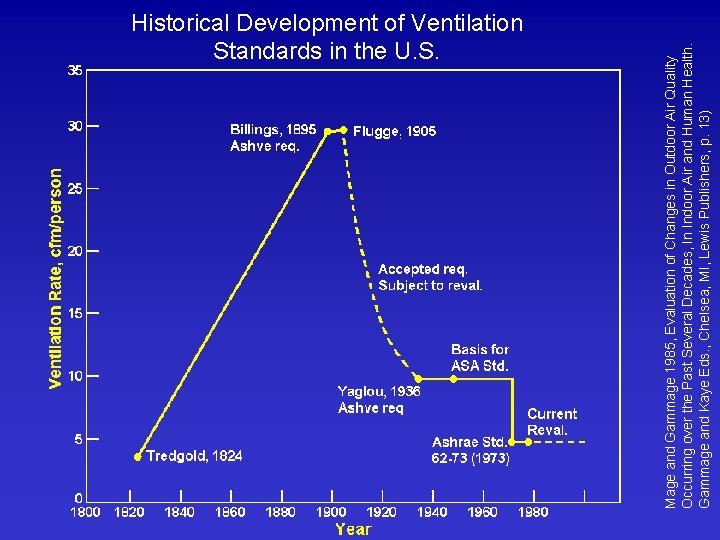
Mage and Gammage 1985, Evaluation of Changes in Outdoor Air Quality Occurring over the Past Several Decades, In Indoor Air and Human Health. Gammage and Kaye Eds. , Chelsea, MI, Lewis Publishers, p. 13) Historical Development of Ventilation Standards in the U. S.
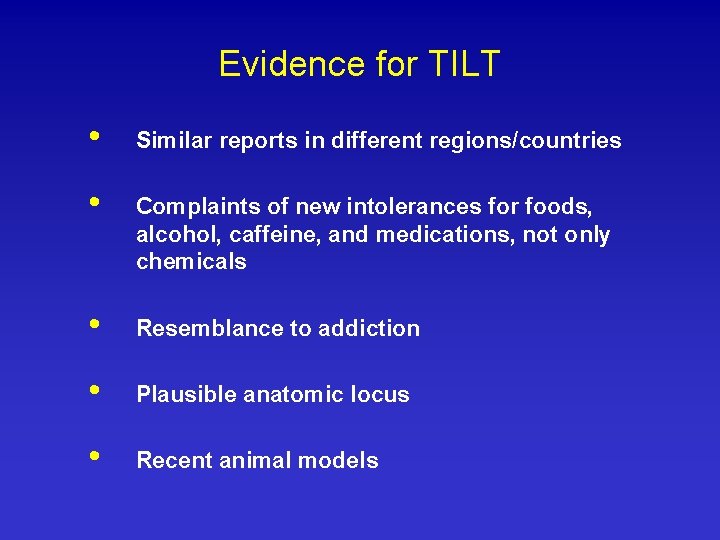
Evidence for TILT • • Similar reports in different regions/countries Complaints of new intolerances for foods, alcohol, caffeine, and medications, not only chemicals • Resemblance to addiction • Plausible anatomic locus • Recent animal models
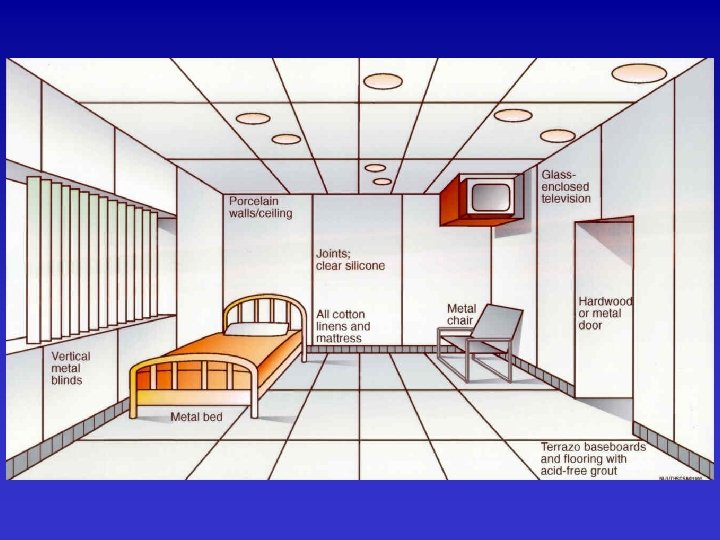
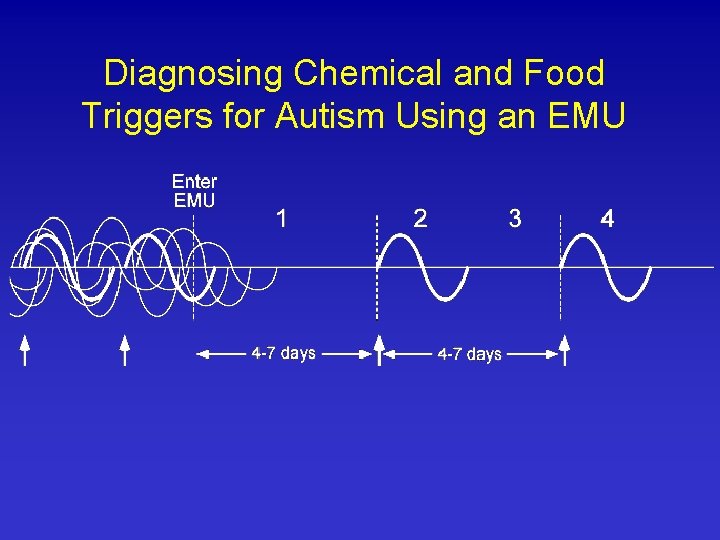
Diagnosing Chemical and Food Triggers for Autism Using an EMU
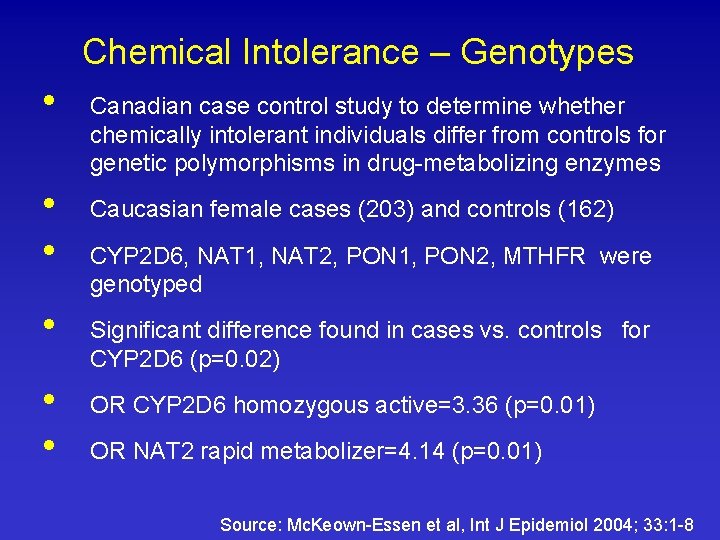
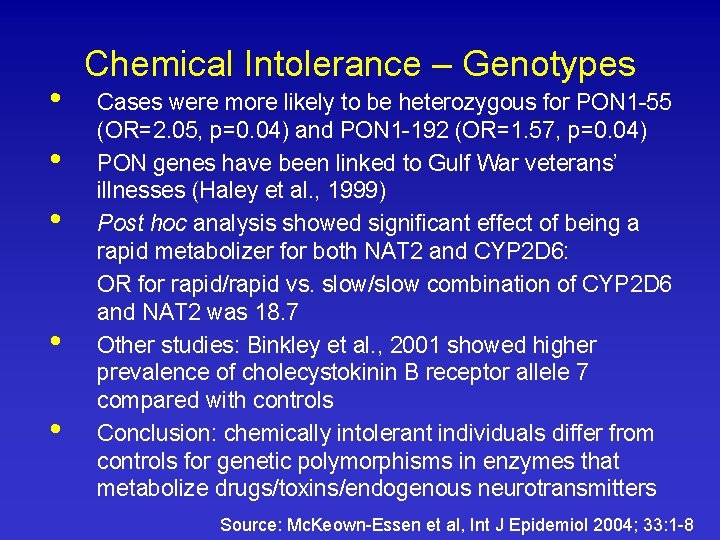
Chemical Intolerance – Genotypes • • • Canadian case control study to determine whether chemically intolerant individuals differ from controls for genetic polymorphisms in drug-metabolizing enzymes Caucasian female cases (203) and controls (162) CYP 2 D 6, NAT 1, NAT 2, PON 1, PON 2, MTHFR were genotyped Significant difference found in cases vs. controls for CYP 2 D 6 (p=0. 02) OR CYP 2 D 6 homozygous active=3. 36 (p=0. 01) OR NAT 2 rapid metabolizer=4. 14 (p=0. 01) Source: Mc. Keown-Essen et al, Int J Epidemiol 2004; 33: 1 -8
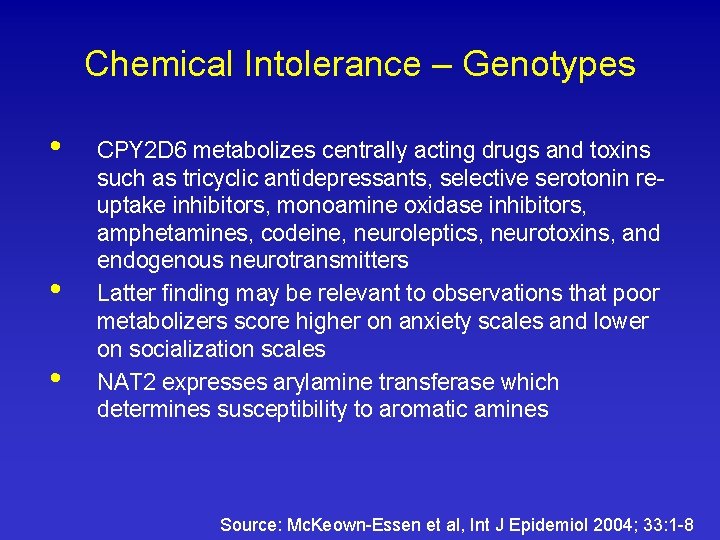
Chemical Intolerance – Genotypes • • • CPY 2 D 6 metabolizes centrally acting drugs and toxins such as tricyclic antidepressants, selective serotonin reuptake inhibitors, monoamine oxidase inhibitors, amphetamines, codeine, neuroleptics, neurotoxins, and endogenous neurotransmitters Latter finding may be relevant to observations that poor metabolizers score higher on anxiety scales and lower on socialization scales NAT 2 expresses arylamine transferase which determines susceptibility to aromatic amines Source: Mc. Keown-Essen et al, Int J Epidemiol 2004; 33: 1 -8
• • • Chemical Intolerance – Genotypes Cases were more likely to be heterozygous for PON 1 -55 (OR=2. 05, p=0. 04) and PON 1 -192 (OR=1. 57, p=0. 04) PON genes have been linked to Gulf War veterans’ illnesses (Haley et al. , 1999) Post hoc analysis showed significant effect of being a rapid metabolizer for both NAT 2 and CYP 2 D 6: OR for rapid/rapid vs. slow/slow combination of CYP 2 D 6 and NAT 2 was 18. 7 Other studies: Binkley et al. , 2001 showed higher prevalence of cholecystokinin B receptor allele 7 compared with controls Conclusion: chemically intolerant individuals differ from controls for genetic polymorphisms in enzymes that metabolize drugs/toxins/endogenous neurotransmitters Source: Mc. Keown-Essen et al, Int J Epidemiol 2004; 33: 1 -8
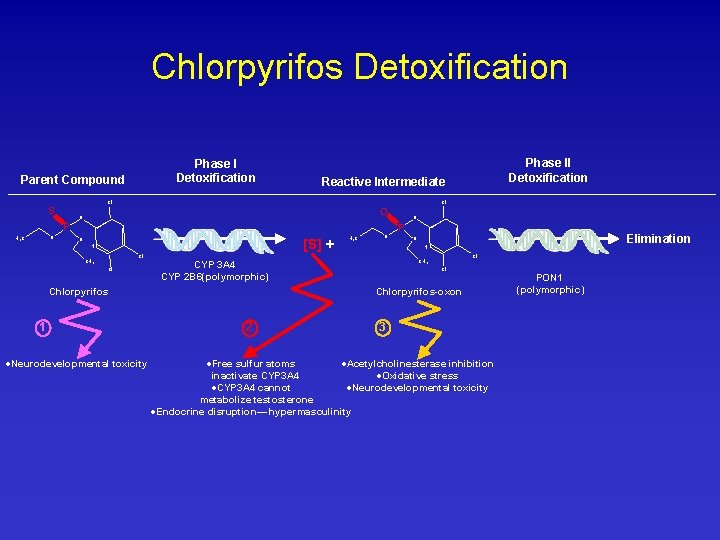
Chlorpyrifos Detoxification Phase I Detoxification Parent Compound Reactive Intermediate CI CI S O O P O H 3 C Phase II Detoxification O P O [S] + N CI CH 3 CI ·Neurodevelopmental toxicity O Elimination O N CI CH 3 CYP 3 A 4 CYP 2 B 6(polymorphic) Chlorpyrifos 1 H 3 C CI Chlorpyrifos-oxon 2 3 ·Free sulfur atoms ·Acetylcholinesterase inhibition inactivate CYP 3 A 4 ·Oxidative stress ·CYP 3 A 4 cannot ·Neurodevelopmental toxicity metabolize testosterone ·Endocrine disruption— hypermasculinity PON 1 (polymorphic)
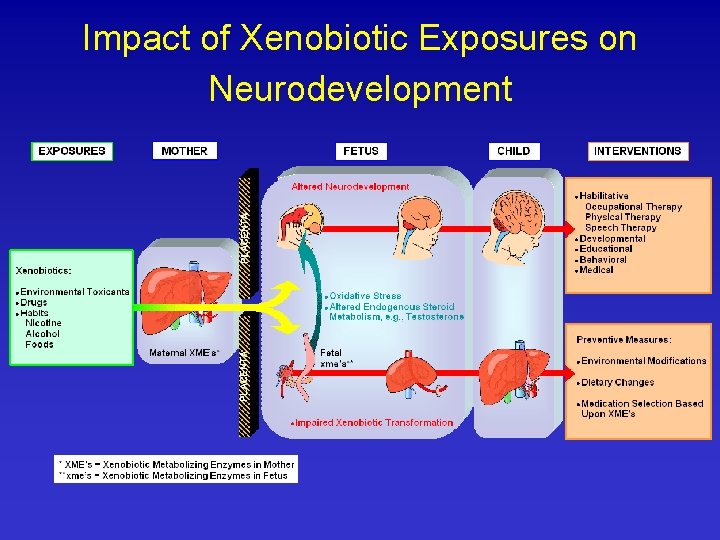
Impact of Xenobiotic Exposures on Neurodevelopment
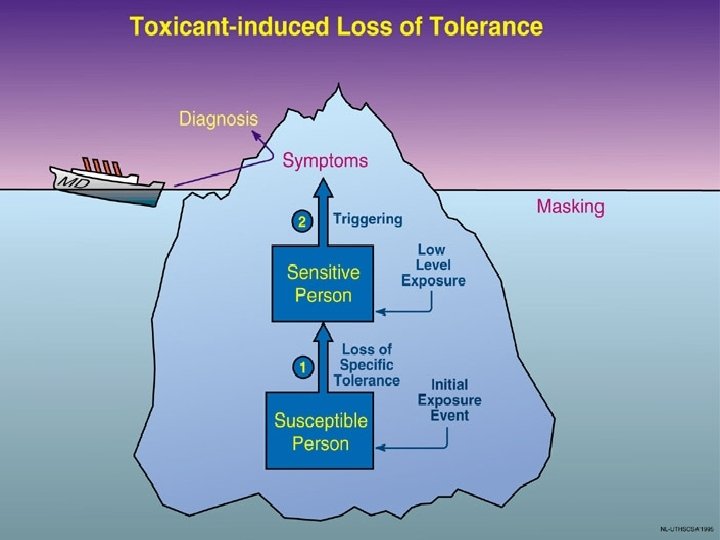
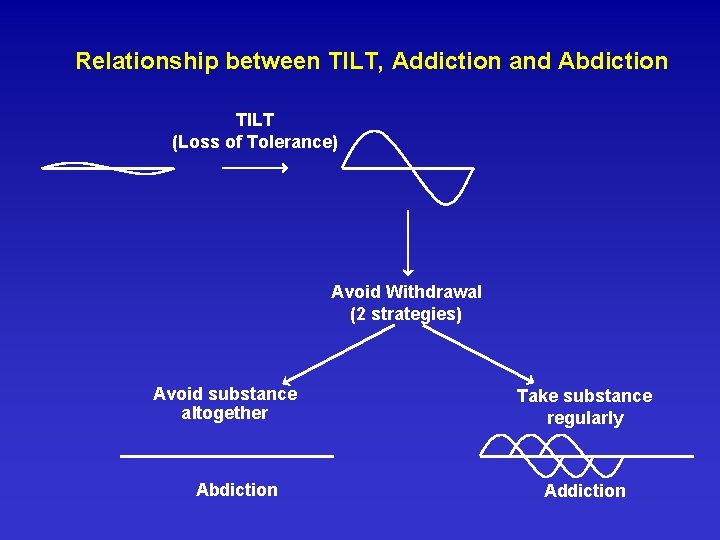
Relationship between TILT, Addiction and Abdiction TILT (Loss of Tolerance) Avoid Withdrawal (2 strategies) Avoid substance altogether Abdiction Take substance regularly Addiction
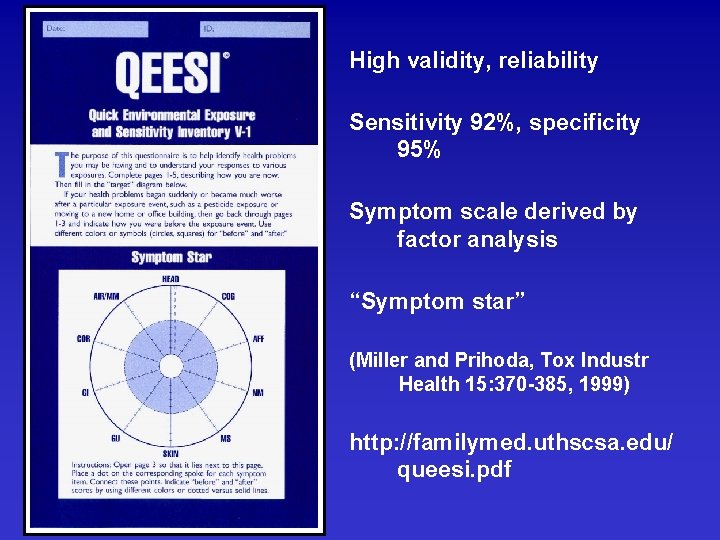
High validity, reliability Sensitivity 92%, specificity 95% Symptom scale derived by factor analysis “Symptom star” (Miller and Prihoda, Tox Industr Health 15: 370 -385, 1999) http: //familymed. uthscsa. edu/ queesi. pdf
• Online Autism Survey http: //familymed. uthscsa. edu/autismsurvey/ • Currently over 400 participants – Family histories – Environmental exposures – Chemical intolerances
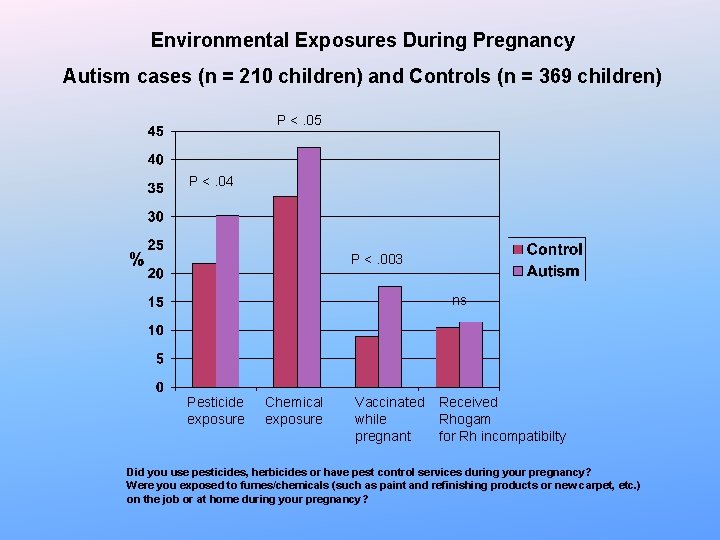
Environmental Exposures During Pregnancy Autism cases (n = 210 children) and Controls (n = 369 children) P <. 05 P <. 04 P <. 003 ns Pesticide exposure Chemical exposure Vaccinated while pregnant Received Rhogam for Rh incompatibilty Did you use pesticides, herbicides or have pest control services during your pregnancy? Were you exposed to fumes/chemicals (such as paint and refinishing products or new carpet, etc. ) on the job or at home during your pregnancy?
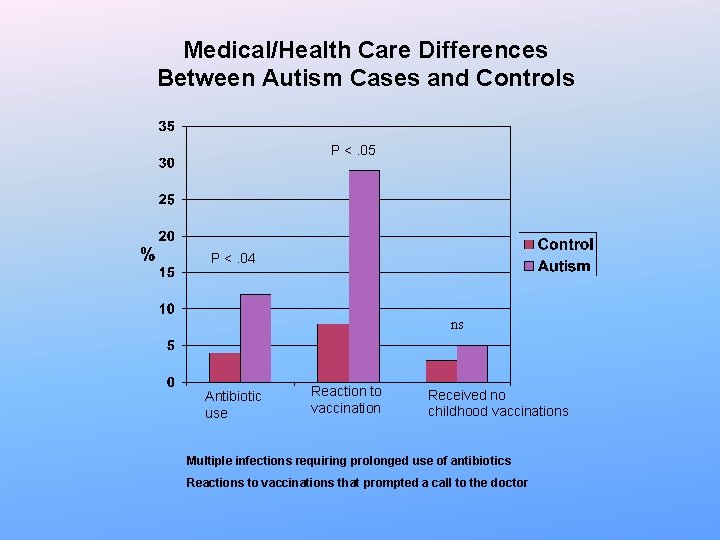
Medical/Health Care Differences Between Autism Cases and Controls P <. 05 P <. 04 ns Antibiotic use Reaction to vaccination Received no childhood vaccinations Multiple infections requiring prolonged use of antibiotics Reactions to vaccinations that prompted a call to the doctor
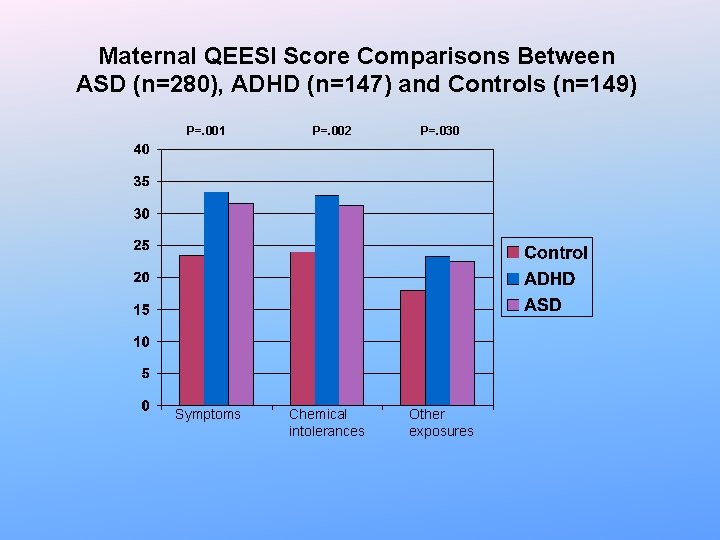
Maternal QEESI Score Comparisons Between ASD (n=280), ADHD (n=147) and Controls (n=149) P=. 001 Symptoms P=. 002 Chemical intolerances P=. 030 Other exposures
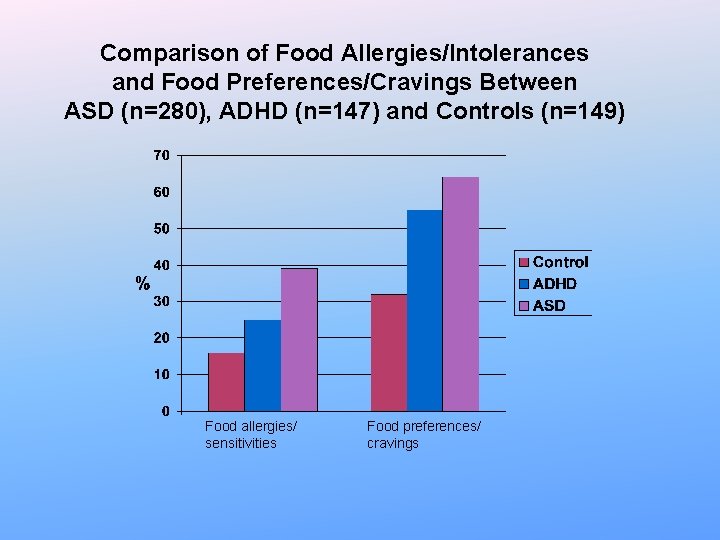
Comparison of Food Allergies/Intolerances and Food Preferences/Cravings Between ASD (n=280), ADHD (n=147) and Controls (n=149) Food allergies/ sensitivities Food preferences/ cravings
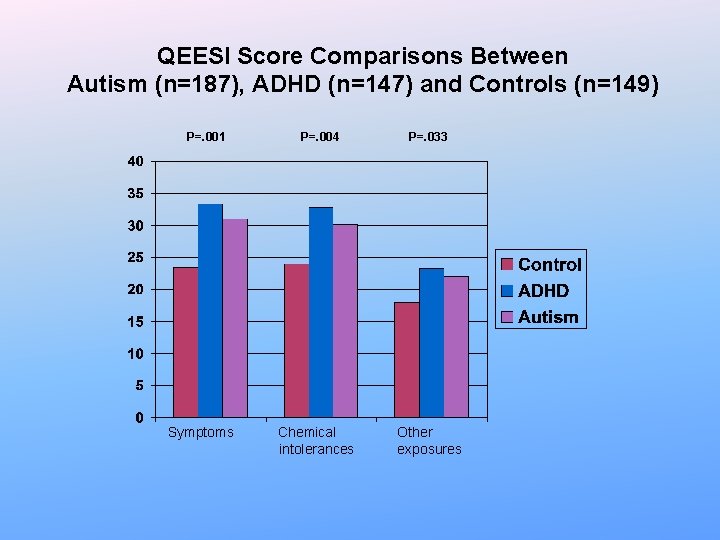
QEESI Score Comparisons Between Autism (n=187), ADHD (n=147) and Controls (n=149) P=. 001 Symptoms P=. 004 Chemical intolerances P=. 033 Other exposures
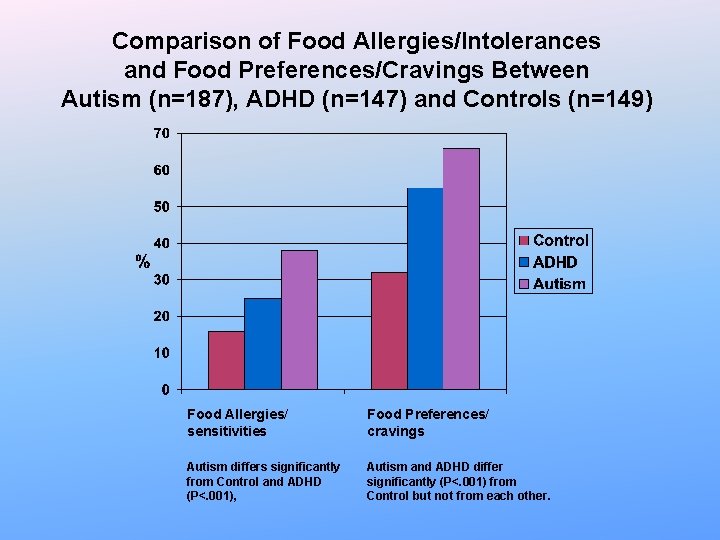
Comparison of Food Allergies/Intolerances and Food Preferences/Cravings Between Autism (n=187), ADHD (n=147) and Controls (n=149) Food Allergies/ sensitivities Food Preferences/ cravings Autism differs significantly from Control and ADHD (P<. 001), Autism and ADHD differ significantly (P<. 001) from Control but not from each other.
http: //steer. uthscsa. edu /