
Classification Zoological classification is the ordering of animals

- Slides: 21
Classification Zoological classification is the ordering of animals into groups (or sets) on the basis of their relationship. (Simpson, 1961)
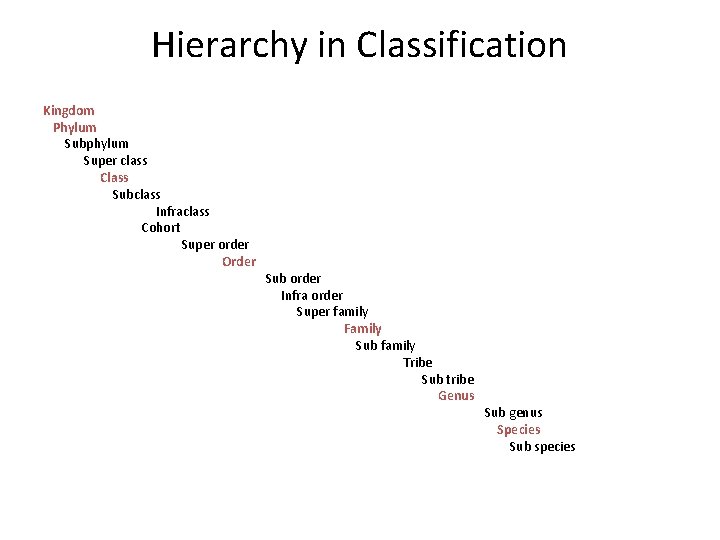
Hierarchy in Classification Kingdom Phylum Subphylum Super class Class Subclass Infraclass Cohort Super order Order Sub order Infra order Super family Family Sub family Tribe Sub tribe Genus Sub genus Species Sub species
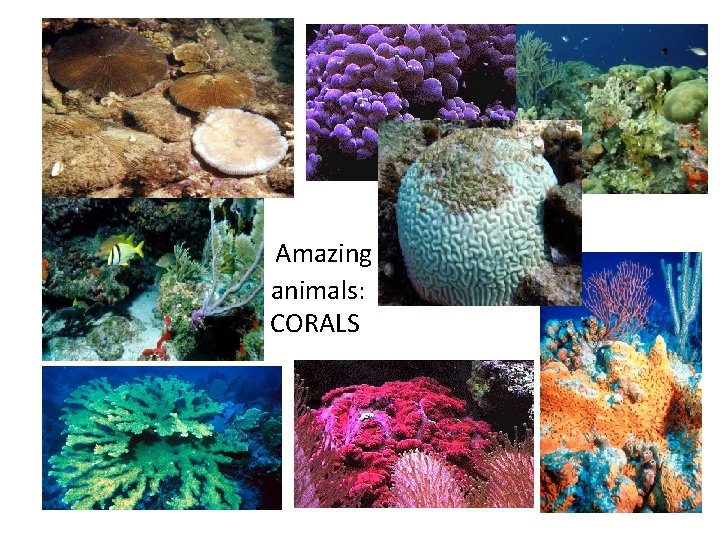
Amazing animals: CORALS
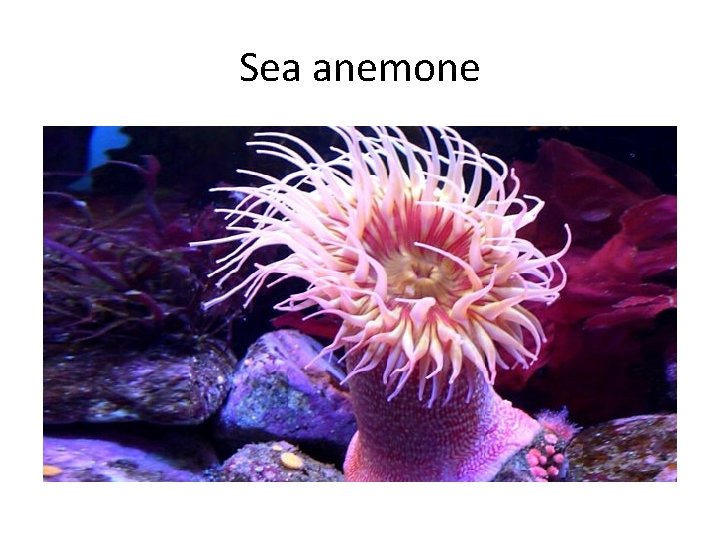
Sea anemone
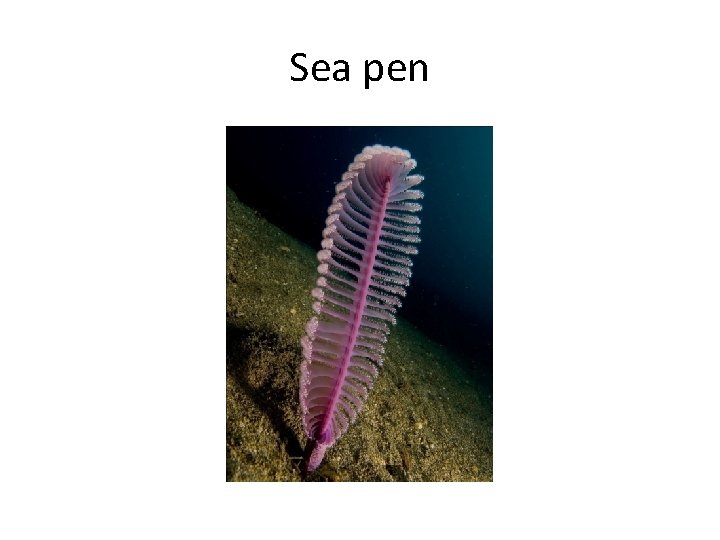
Sea pen
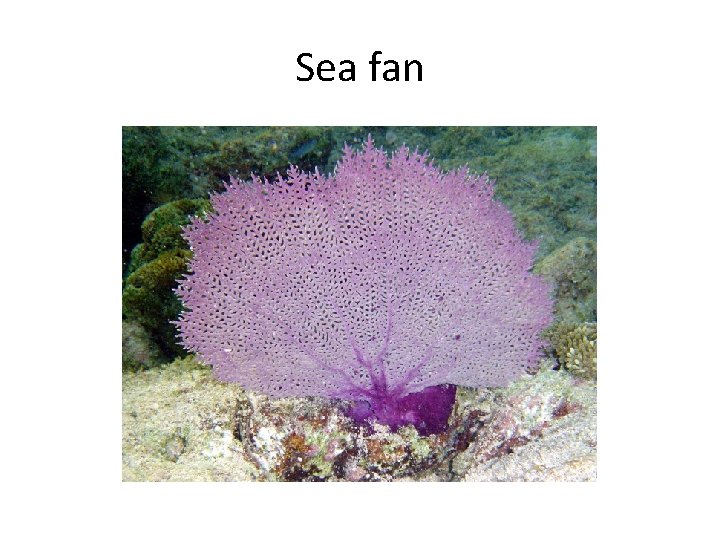
Sea fan
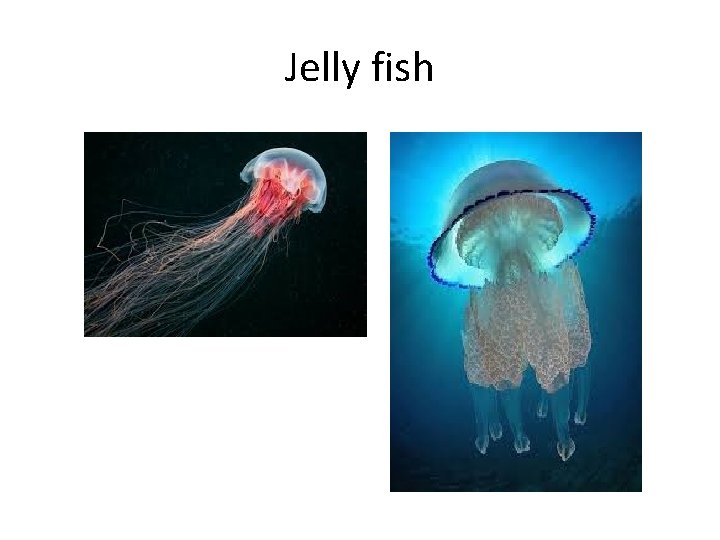
Jelly fish
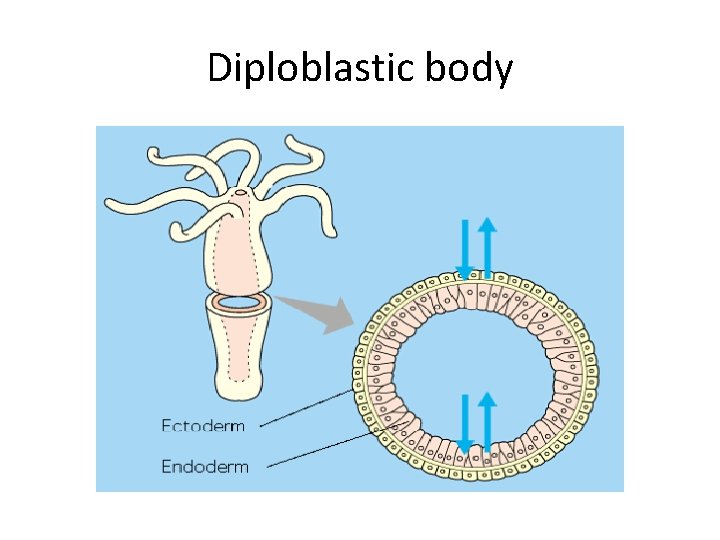
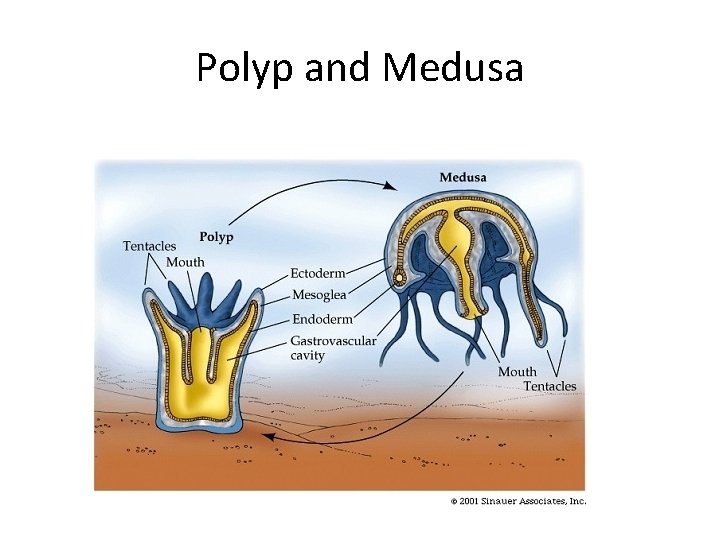
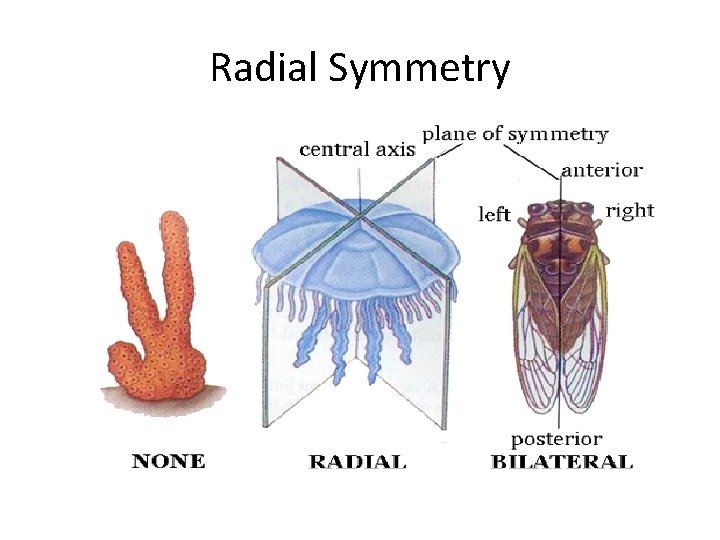
Phylum Cnidaria • Aquatic, mostly marine • Diploblastic body: ectoderm and endoderm separated by loose mesoglea • Two different forms: Medusa (sexual phase) and polyp (asexual phase): POLYMORPHISM • Radial symmetry
Diploblastic body
Polyp and Medusa
Radial Symmetry
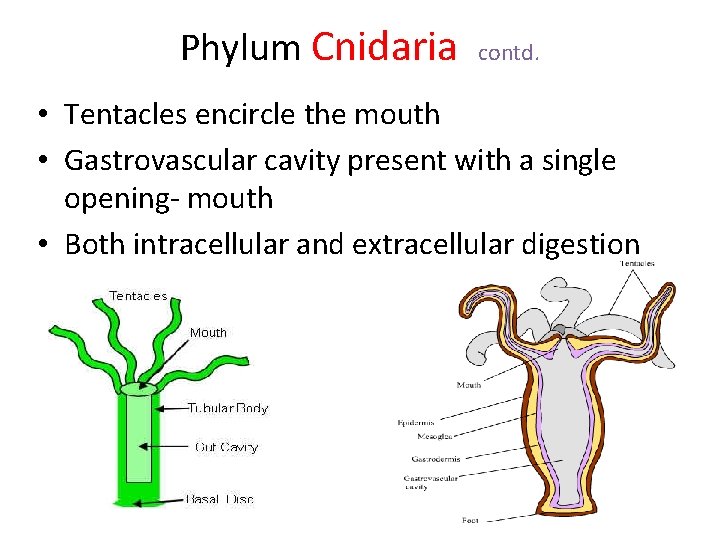
Phylum Cnidaria contd. • Tentacles encircle the mouth • Gastrovascular cavity present with a single opening- mouth • Both intracellular and extracellular digestion
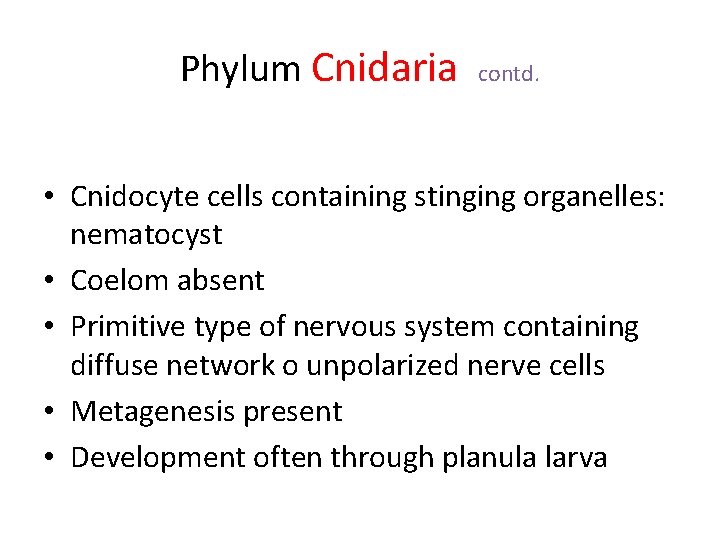
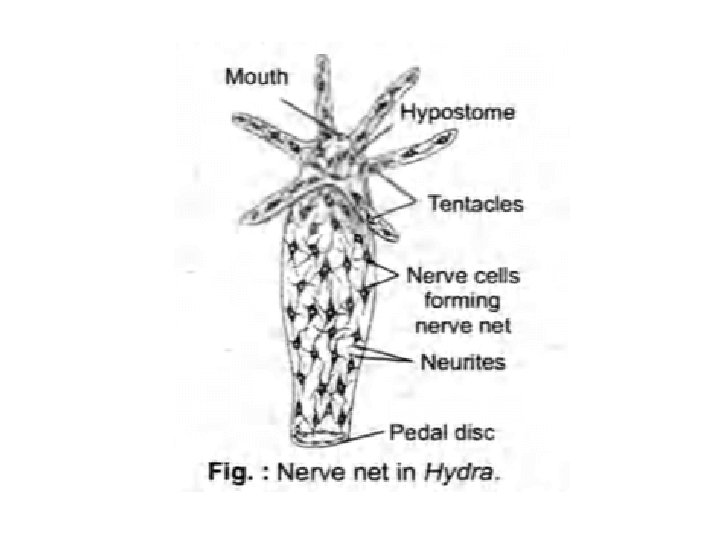
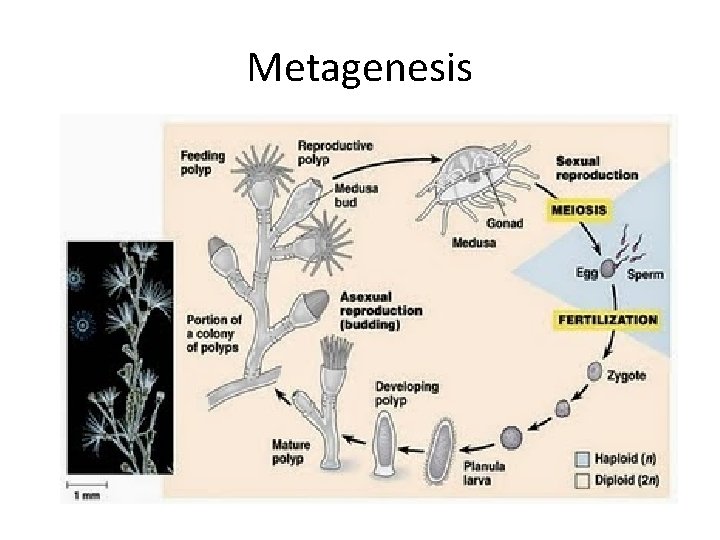
Phylum Cnidaria contd. • Cnidocyte cells containing stinging organelles: nematocyst • Coelom absent • Primitive type of nervous system containing diffuse network o unpolarized nerve cells • Metagenesis present • Development often through planula larva
Cnidocyte cells with nematocyst
Metagenesis
Phylum Cnidaria • Class: • • Hydrozoa Cubozoa Scyphozoa Anthozoa
Class Hydrozoa • • Coelenteron undivided without stomodaeum Either polypoid, or medusoid or both Mesoglea acellular Gonad ectodermal e. g. Hydra sp Obelia sp
Class Cubozoa • Medusoid form • Velum present along margin of medusa • Four tentacles e. g. Tripedalia sp
Class Scyphozoa • • Medusoid form dominant Velum absent Mesoglea cellular Gonad endodermal e. g. Aurelia sp
Class Anthozoa • • Only polypoid form Mesoglea cellular Gonad endodermal Stomodaeum present e. g. Gorgonia sp, Sea anemone, Corals.