
Classification Why Classify To study the great diversity


- Slides: 21
Classification
Why Classify? – To study the great diversity of organisms, biologists must give each organism a name. – Biologists must also attempt to organize living things into groups that have biological meaning.
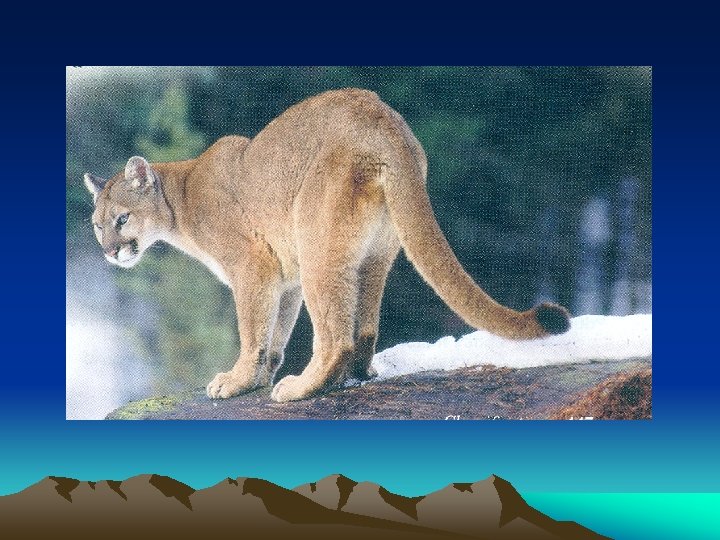
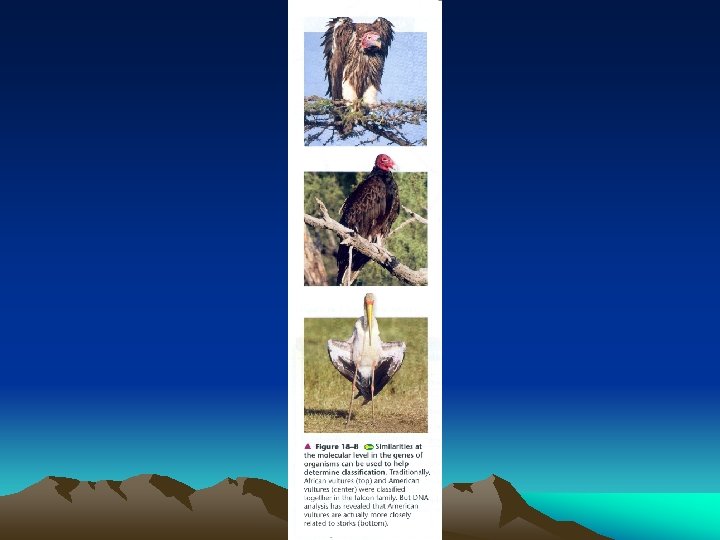
Assigning Scientific Names – History • 18 th century scientists recognized problem with naming organisms by their common names – – cougar, puma, panther, mountain lion UK: buzzard hawk, US: buzzard vulture
Why all the weird names? • 18 th century scientists understood Latin and Greek
Early efforts at naming organisms • 1 st attempts at naming organisms often described physical characteristics – PROBLEMS • some names were 20 words long • Different scientists described different characteristics
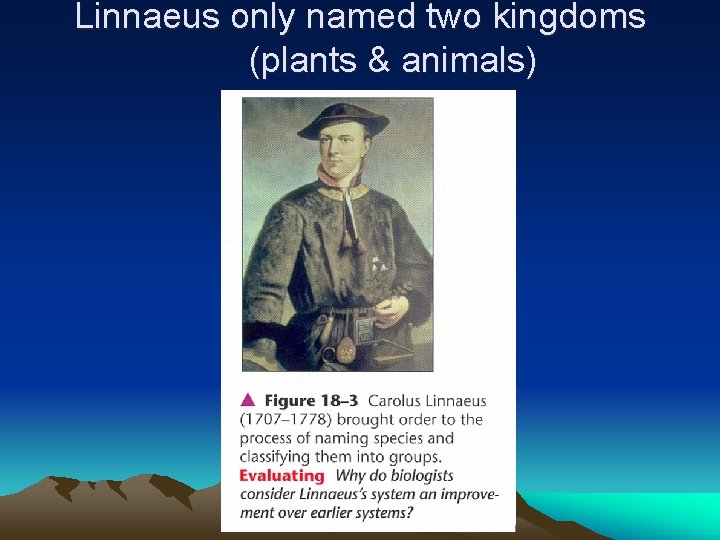
Binomial Nomenclature – (Carolus Linnaeus ~ Swedish botanist) • Two word naming system – – 1 st word is capitalized, 2 nd is lowercased and italicized 1 st part GENUS / 2 nd part special character or location
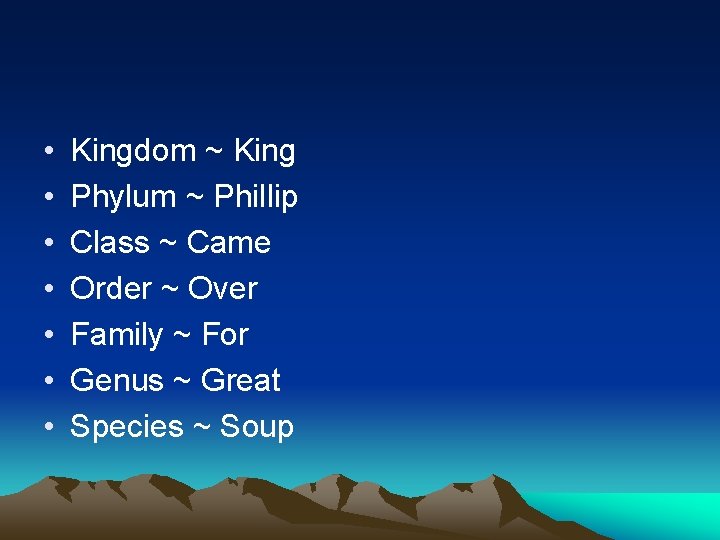
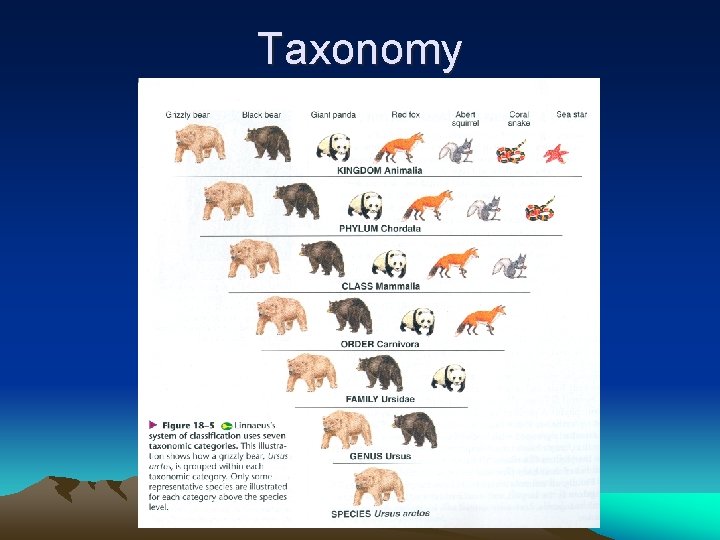
Linnaeus’s System of Classification – • • Taxonomy taxonomic levels or taxon (taxa: plural) Seven levels: Kingdom Phylum Class Order Family Genus Species
• • Kingdom ~ King Phylum ~ Phillip Class ~ Came Order ~ Over Family ~ For Genus ~ Great Species ~ Soup
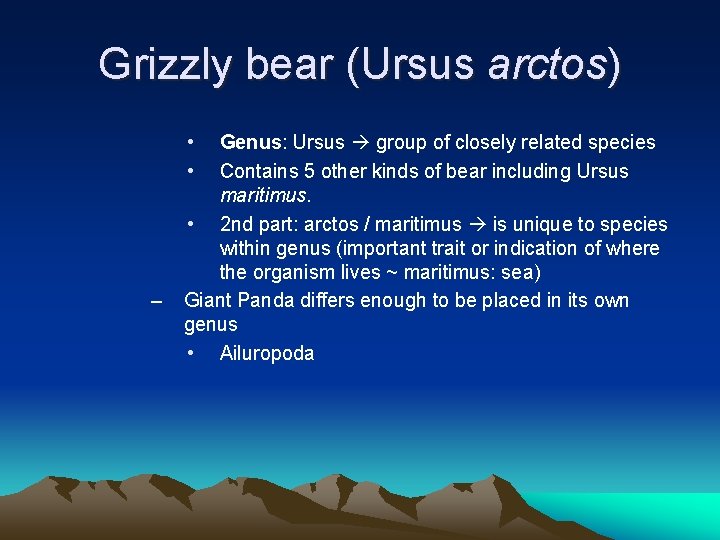
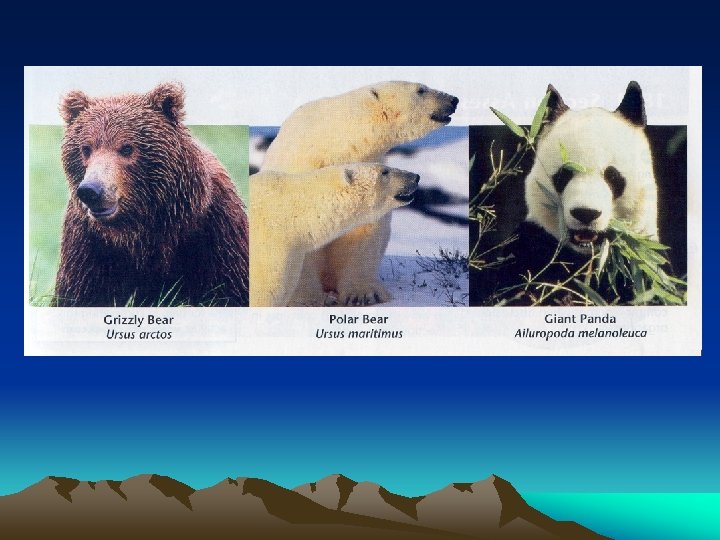
Grizzly bear (Ursus arctos) • • – Genus: Ursus group of closely related species Contains 5 other kinds of bear including Ursus maritimus. • 2 nd part: arctos / maritimus is unique to species within genus (important trait or indication of where the organism lives ~ maritimus: sea) Giant Panda differs enough to be placed in its own genus • Ailuropoda
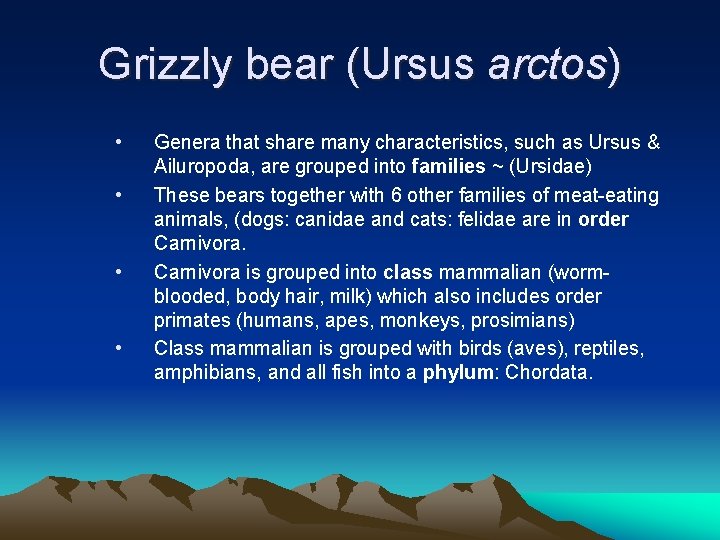
Grizzly bear (Ursus arctos) • • Genera that share many characteristics, such as Ursus & Ailuropoda, are grouped into families ~ (Ursidae) These bears together with 6 other families of meat-eating animals, (dogs: canidae and cats: felidae are in order Carnivora is grouped into class mammalian (wormblooded, body hair, milk) which also includes order primates (humans, apes, monkeys, prosimians) Class mammalian is grouped with birds (aves), reptiles, amphibians, and all fish into a phylum: Chordata.
Taxonomy
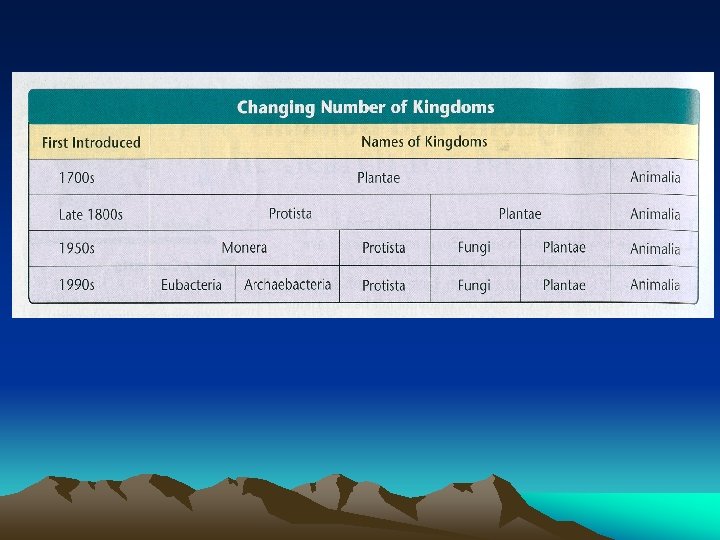
Linnaeus only named two kingdoms (plants & animals)
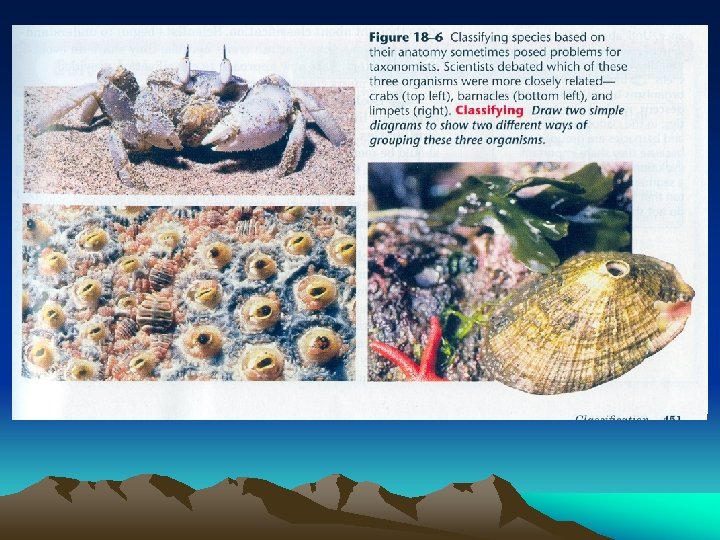
Modern Evolutionary Classification – Problems with traditional classification • • – Dolphins fish or mammals Barnacle, limpet, crab Because of convergent evolution, sometimes organisms that are very different evolve similar body structures
Evolutionary Classification • Darwin’s theory of evolution changed the entire way that biologist thought about classification • scientists began to understand that organisms share certain traits because of their evolutionary history • Biologists group organisms into categories that represent lines of evolutionary descent, not just physical similarities.