
Classification System Dichotomous Key with Harry Potter Crayfish


- Slides: 25
Classification System Dichotomous Key with Harry Potter
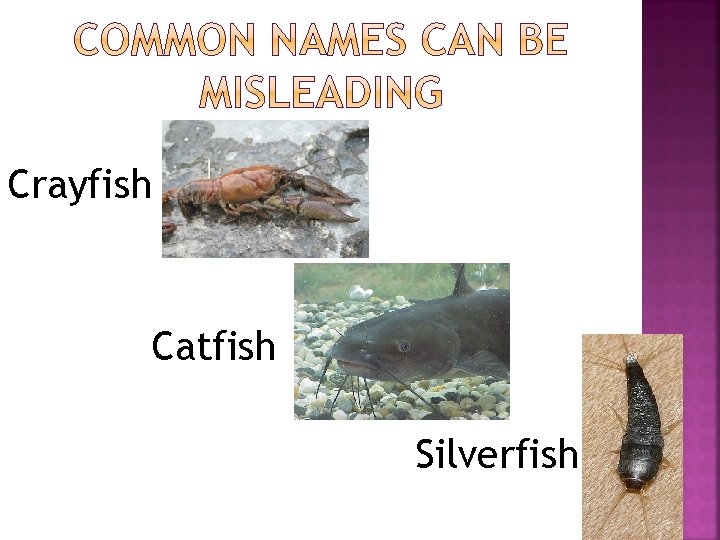
Crayfish Catfish Silverfish
Taxonomy: classifying organisms & giving them a universally accepted name Lets classify some goblins!
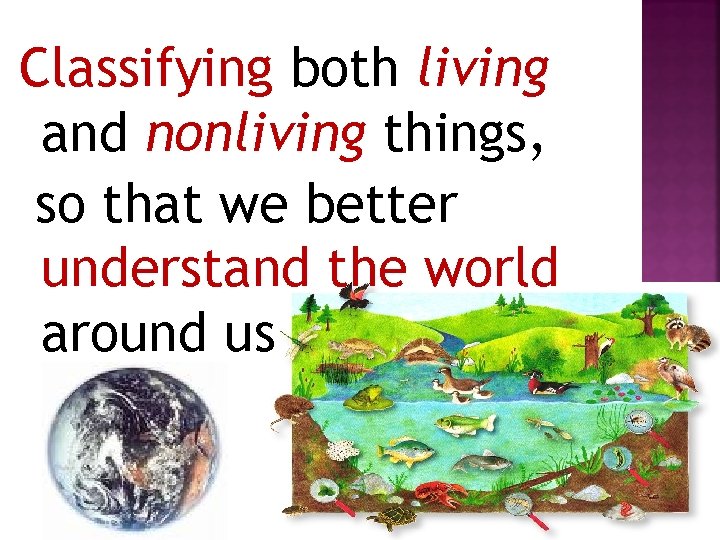
Classifying both living and nonliving things, so that we better understand the world around us
Carolus Linnaeus Botanist & Father of taxonomy gave them all Latin names Came up with the system in the 1700 s that is still used today
Organisms are classified by their: * physical structure (how they look) * evolutionary relationships (phylogeny) * genetic similarities (DNA) * biochemical similarities
Binomial nomenclature: each species is assigned a two-part scientific name Two-part: Genus & Species Genius!!
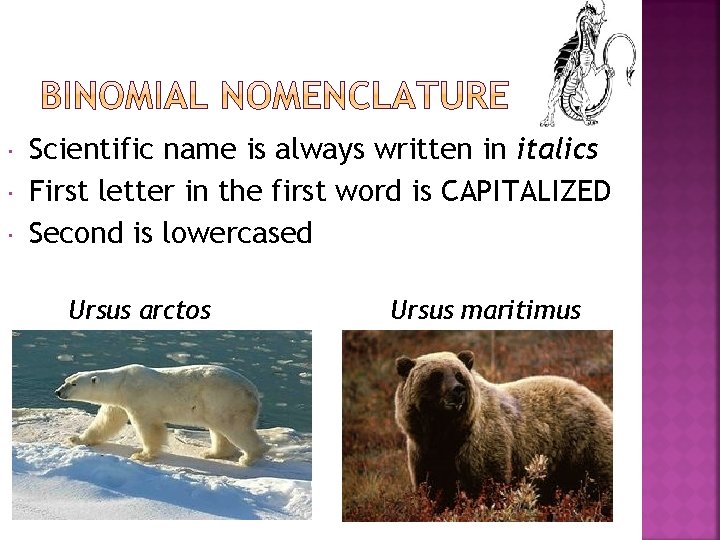
Scientific name is always written in italics First letter in the first word is CAPITALIZED Second is lowercased Ursus arctos Ursus maritimus
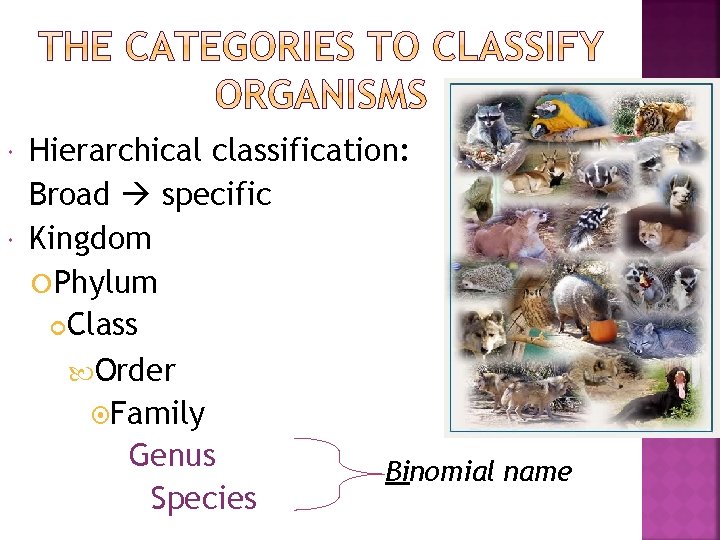
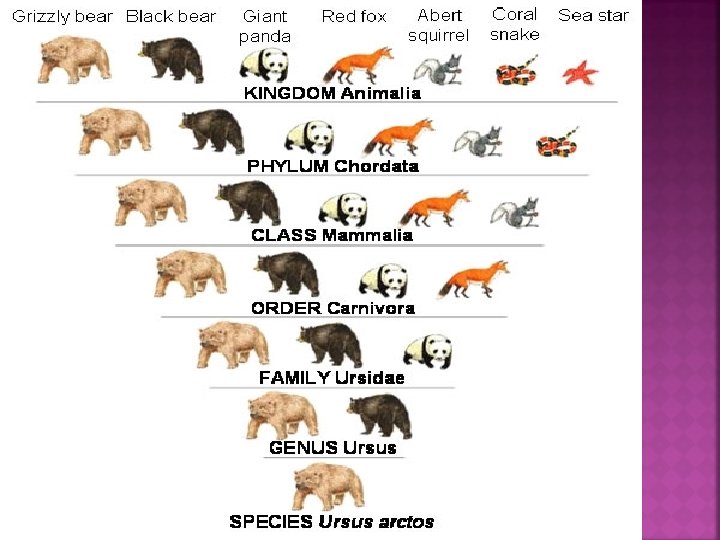
Hierarchical classification: Broad specific Kingdom Phylum Class Order Family Genus Binomial name Species
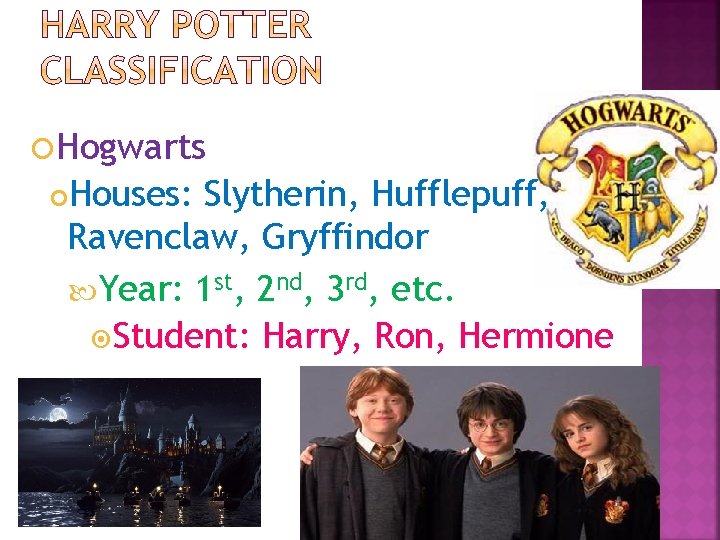
Hogwarts Houses: Slytherin, Hufflepuff, Ravenclaw, Gryffindor Year: 1 st, 2 nd, 3 rd, etc. Student: Harry, Ron, Hermione
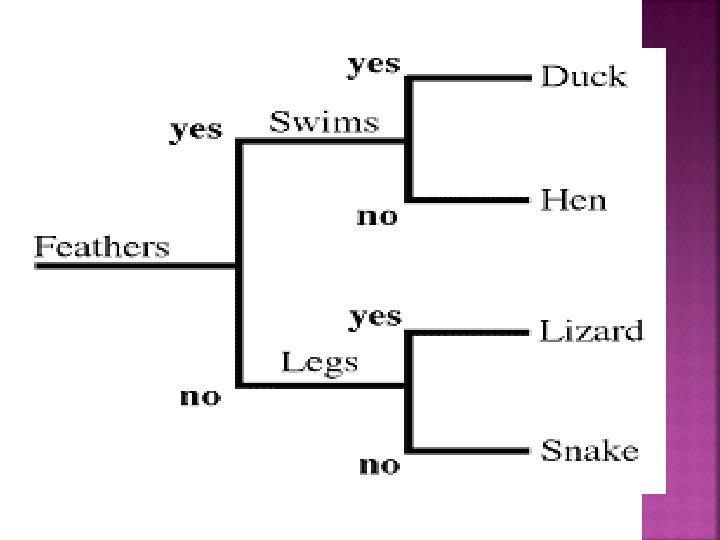
Dichotomous Keys use Taxonomy to identify the species name by the organisms physical attributes A step-by-step guide to identify an organism Each step gives a choice of two descriptions. Check The descriptions have to be opposites Ex. Leaves round vs. leaves not round out my moon walk
8 goblins Why would we want to classify these goblins?
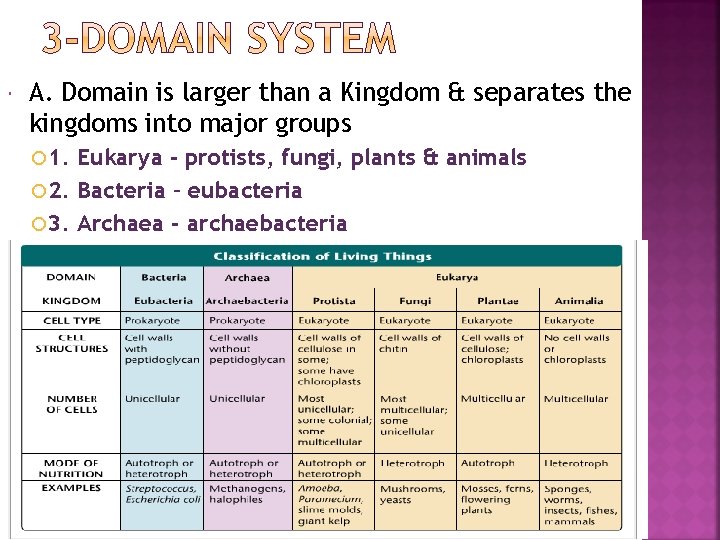
A. The classification has changed since Linnaeus’s time with new evolutionary findings B. At 1 st living organisms were classified as either plant or animal, today there are more precise classifications producing 6 main Kingdoms based on cell structure, # of cells, how they get their food & movement 1. Eubacteria 2. Archaebacteria 3. Protista 4. Fungi 5. Plantae 6. Animalia
A. Domain is larger than a Kingdom & separates the kingdoms into major groups 1. Eukarya - protists, fungi, plants & animals 2. Bacteria – eubacteria 3. Archaea - archaebacteria
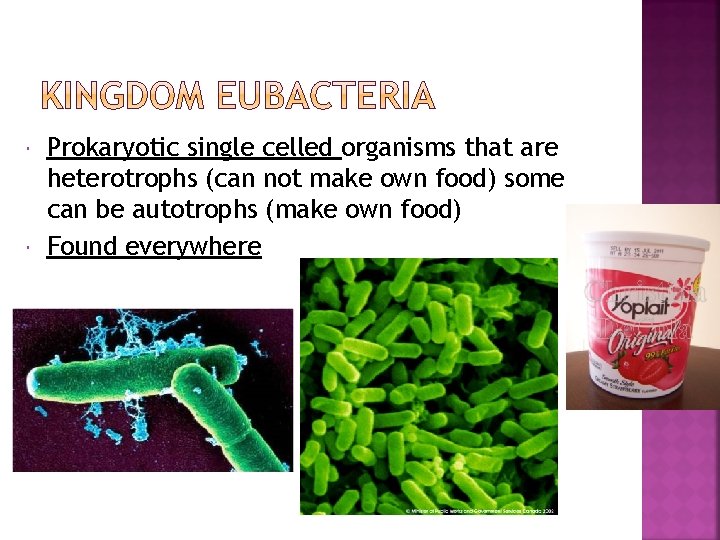
Prokaryotic single celled organisms that are heterotrophs (can not make own food) some can be autotrophs (make own food) Found everywhere
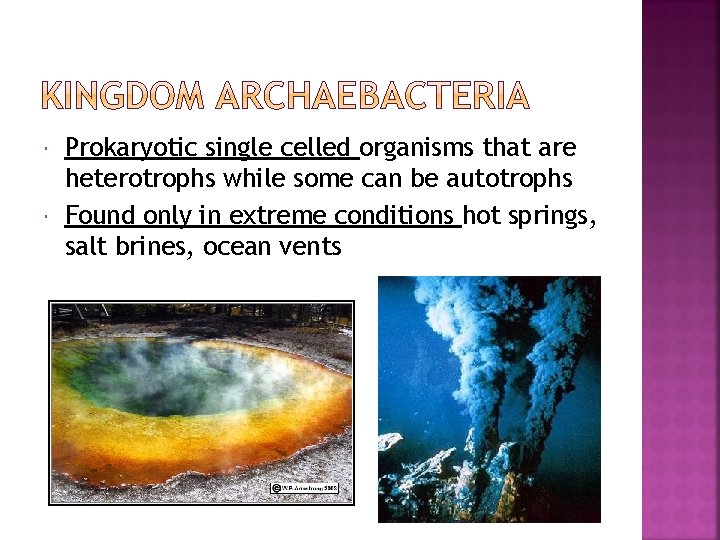
Prokaryotic single celled organisms that are heterotrophs while some can be autotrophs Found only in extreme conditions hot springs, salt brines, ocean vents
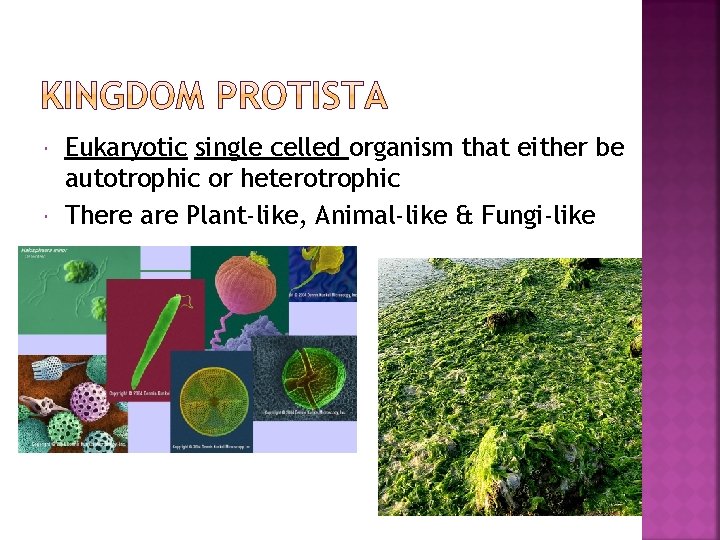
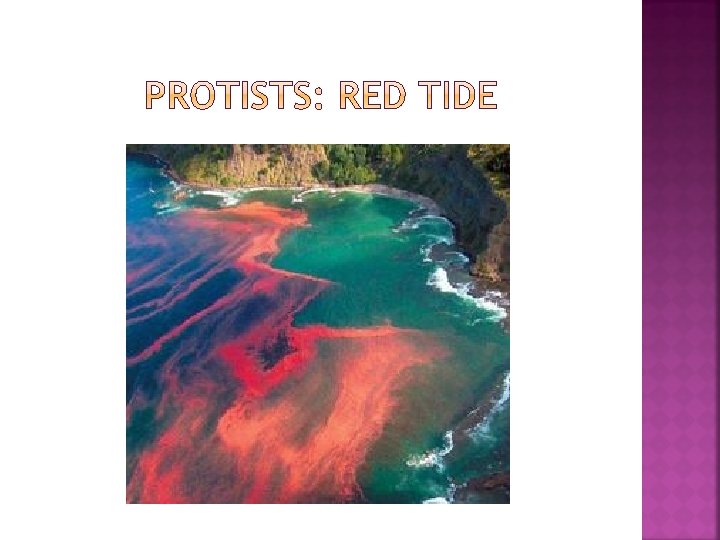
Eukaryotic single celled organism that either be autotrophic or heterotrophic There are Plant-like, Animal-like & Fungi-like
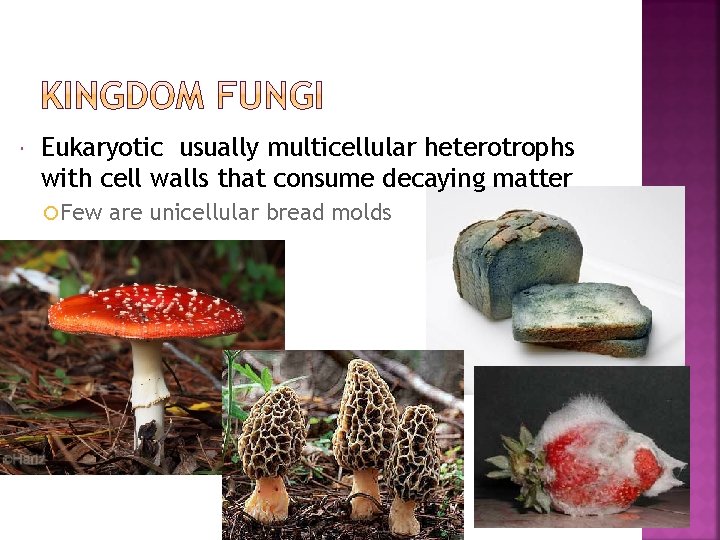
Eukaryotic usually multicellular heterotrophs with cell walls that consume decaying matter Few are unicellular bread molds
Eukaryotic multicellular autotroph (photosynthesis) organisms with cell walls
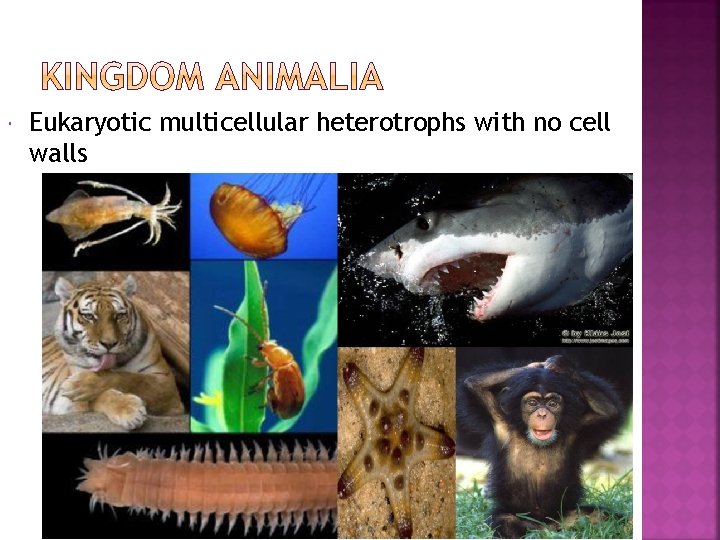
Eukaryotic multicellular heterotrophs with no cell walls