
Classification of proteins I Simple proteins i e
- Slides: 15
Classification of proteins I- Simple proteins: i. e. on hydrolysis gives only amino acids , Examples: 1 - Albumin and globulins: present in egg, milk and blood. They are proteins of high biological value i. e. contain all essential amino acids and easily digested.
Types of globulins: α 1 globulin: e. g. antitrypsin: trypsin inhibitor serum protein α 2 globulin: e. g. hepatoglobin: protein that binds hemoglobin to prevent its excretion by the kidney β-globulin: e. g. transferrin: protein that transport iron γ-globulins = Immunoglobulins (antibodies) : responsible for immunity.
2 - Globins (Histones): They are basic proteins rich in histidine amino acid. They are present in : a - combined with DNA b - combined with heme to form hemoglobin of RBCs. 3 - Gliadines are the proteins present in cereals. 4 - Scleroproteins: They are structural proteins, not digested. include: keratin, collagen and elastin.
a- α-keratin: protein found in hair, nails, enamel of teeth and outer layer of skin. It is rich in cysteine and hydrophobic (non polar) amino acids so it is water insoluble.
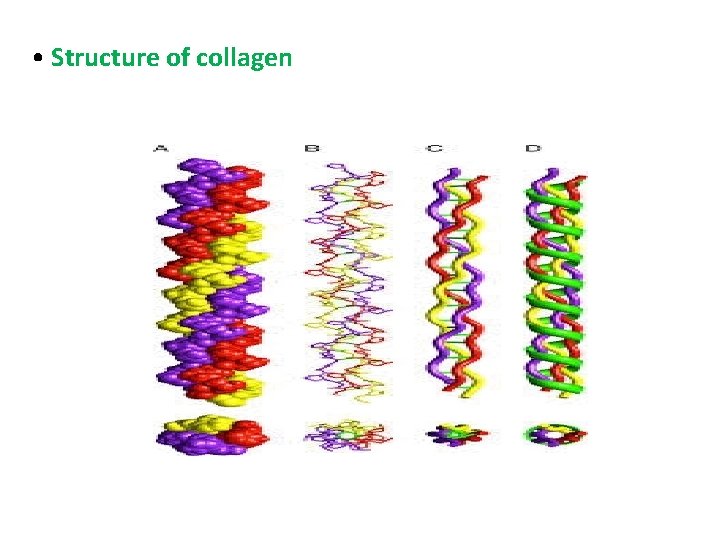
b- collagens: protein of connective tissues found in bone, teeth , cartilage, tendons, skin and blood vessels. Collagen may be present as gel e. g. in extracellular. matrix or in vitreous humor of the eye. Collagens are the most important protein in mammals. They form about 30% of total body proteins. There are more than 20 types of collagens, the most common type is collagen I which constitutes about 90% of cell collagens.
• Structure of collagen
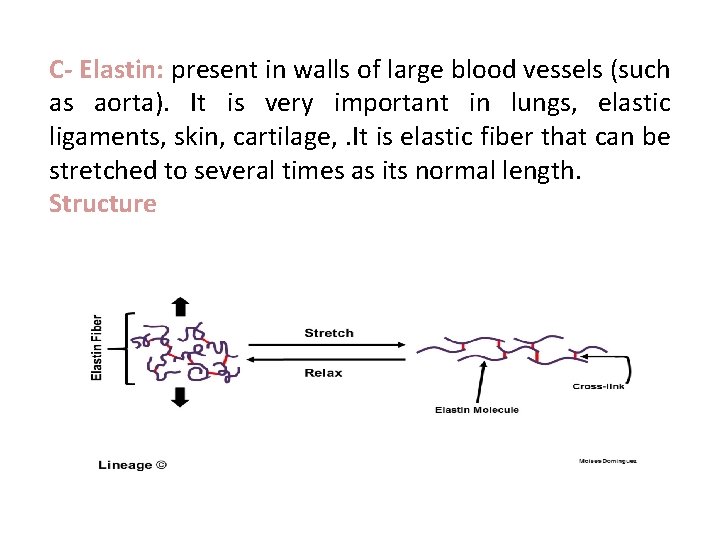
C- Elastin: present in walls of large blood vessels (such as aorta). It is very important in lungs, elastic ligaments, skin, cartilage, . It is elastic fiber that can be stretched to several times as its normal length. Structure
Conjugated proteins contain prosthetic groups(metal ions, co-factors, lipids, carbohydrates) Example: Hemoglobin : Heme Lipoproteins: proteins conjugated with lipids. Phosphoproteins: protein+ phosphate
Another protein classification depending on the shape Fibrous polypeptides arranged in long strands or sheets water insoluble (lots of hydrophobic AA’s) strong but flexible Structural (keratin, collagen)
Globular polypeptide chains folded into spherical or globular form water soluble contain several types of secondary structure diverse functions (enzymes, regulatory proteins)
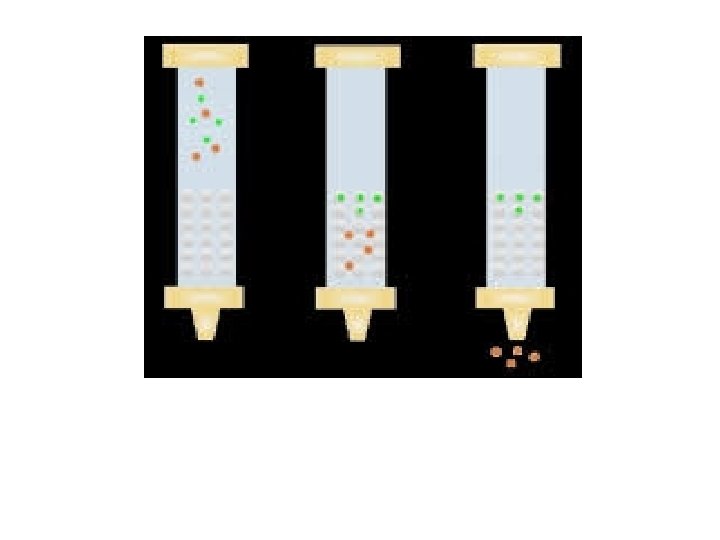
Purification of a protein is an essential step in elucidating its structure and function. Purification involves the fractionation or separation of proteins from each other in mixture and evaluation of their level of purity following each step of purification used. Typically, to completely purify a protein from all others in a complex mixture requires a number of step. Purified = homogeneous (starting from cell extract the protein mixture is heterogeneous)
Proteins can be separated for analysis or characterization on the basis of size solubility charge binding affinity
Diseases caused by changes in protein structure Sickle Cell Anemia – single amino acid change in hemoglobin related to disease. Osteoarthritis – single amino acid change in collagen protein causes joint damage