
Classification of organisms n 3 Domains Bacteria n
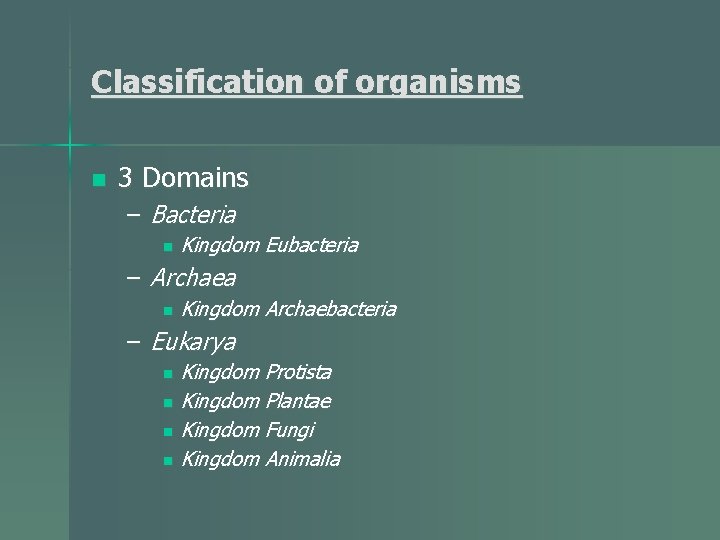
Classification of organisms n 3 Domains – Bacteria n Kingdom Eubacteria – Archaea n Kingdom Archaebacteria – Eukarya n n Kingdom Protista Kingdom Plantae Kingdom Fungi Kingdom Animalia
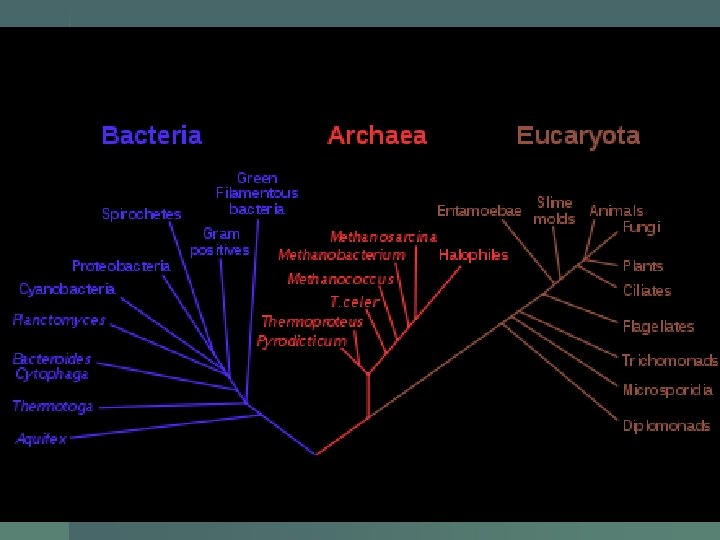

6 Kingdoms Overview
Eubacteria: True bacteria Found most everywhere Prokaryotic n Unicellular n Asexual reproduction n Heterotrophs: Decomposers OR Autotrophs : some do photosynthesis n
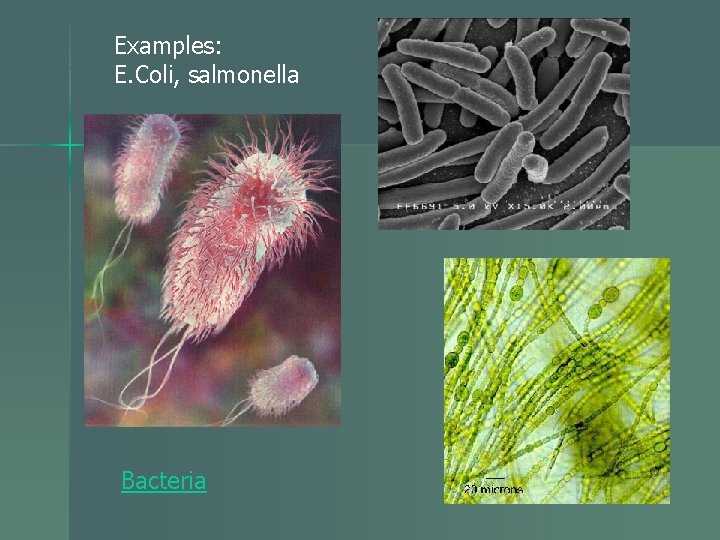
Examples: E. Coli, salmonella Bacteria
Archaebacteria: Extreme environment Prokaryotic n Unicellular n Asexual reproduction n Autotrophs ( use chemicals like methane to make food) and heterotrophs n Examples: heat loving ( hot springs), salt loving ( Dead sea) n
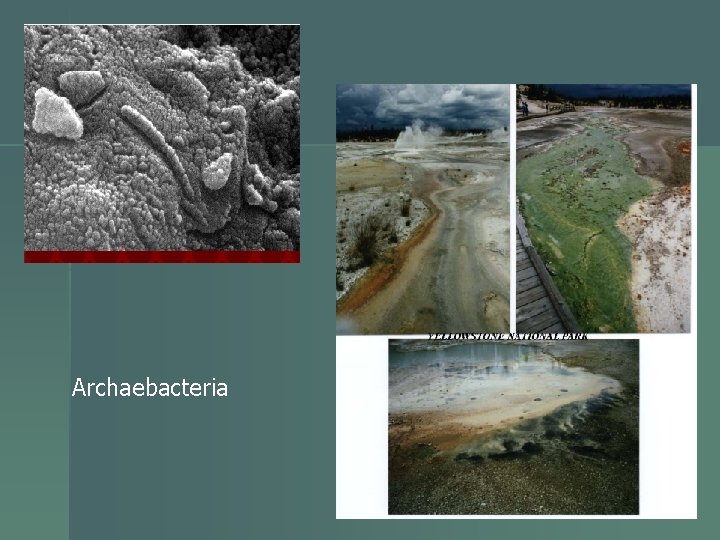
Archaebacteria
Protista: Eukaryotic n Unicellular OR multicellular n Asexual OR sexual reproduction n Autotrophs (Producers) Or Heterotrophs (Consumers) n Examples: paramecium, euglena, slime molds n
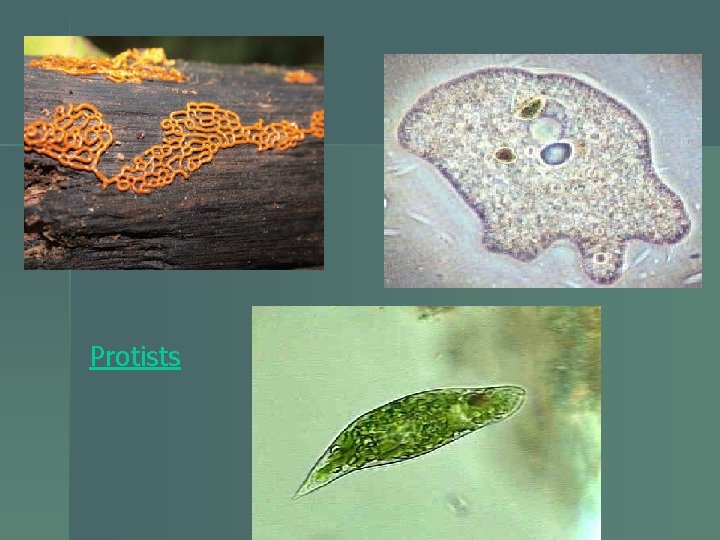
Protists
Fungi: Stationary(nonmotile) Eukaryotic n Unicellular OR Multicellular n Asexual OR sexual n Heterotrophs: All decomposers n Examples: mushroom, mold, yeast n
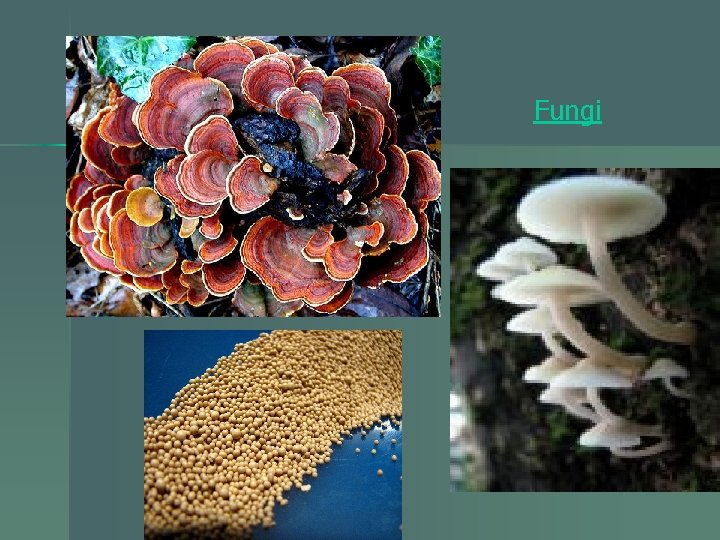
Fungi
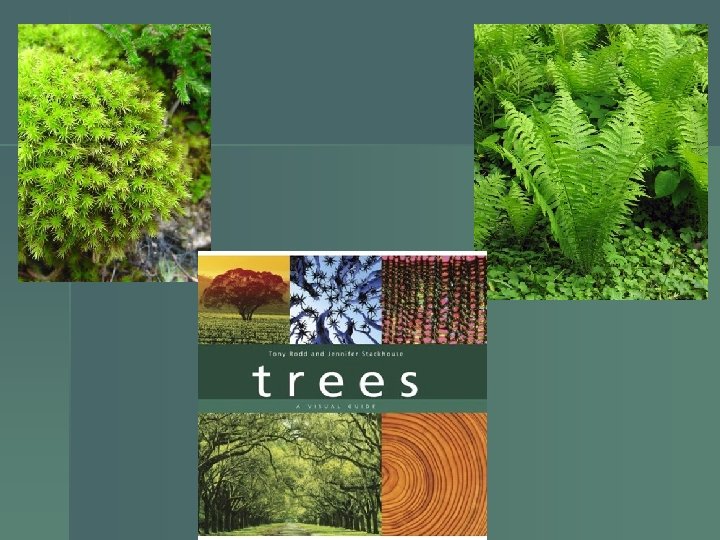
Plantae: Non- motile Eukaryotic n Multicellular n Asexual and Sexual reproduction n AUTOTROPHS: Photosynthesize!! n Examples: ferns, trees, moss etc n
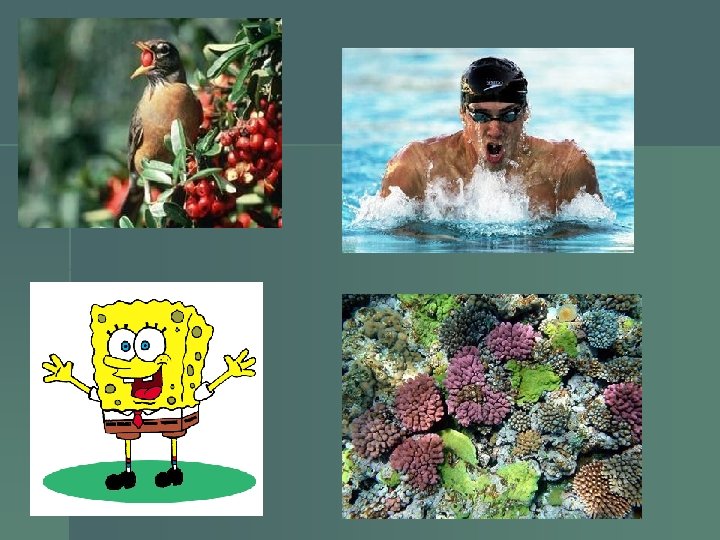
Animalia: Motile Eukaryotic n Multicellular n Asexual and Sexual Reproduction n Heterotrophs: Consumers n Examples: birds, jellyfish, sponges, insects, humans n
SUMMARIZER 1. Which kingdoms have only unicellular organisms? 2. Identify the kingdoms with multicellular organisms. 3. Fungi, Protists, Plants and Animals are eukaryotic. What does this mean? 3. What two kingdoms are made up only of prokaryotes? 4. Compare and contrast the following: Fungi and Protist Kingdoms.
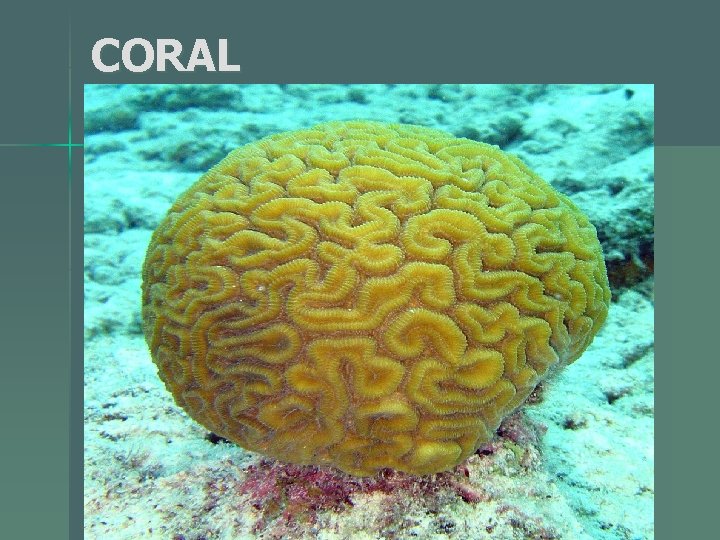
CORAL
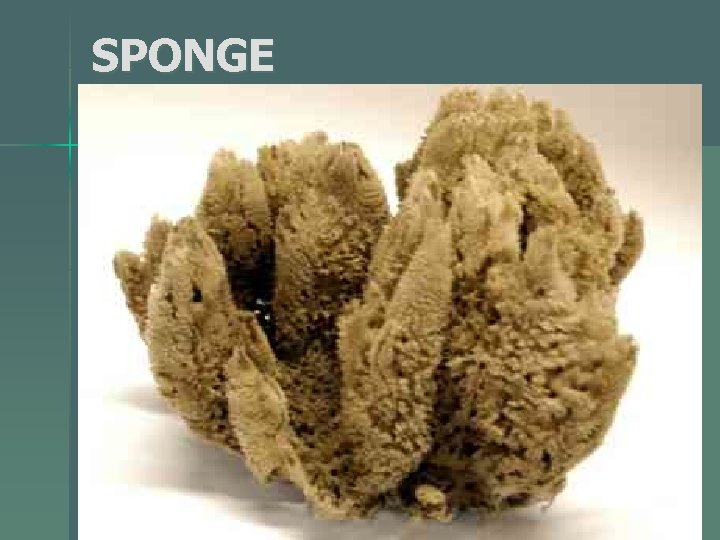
SPONGE
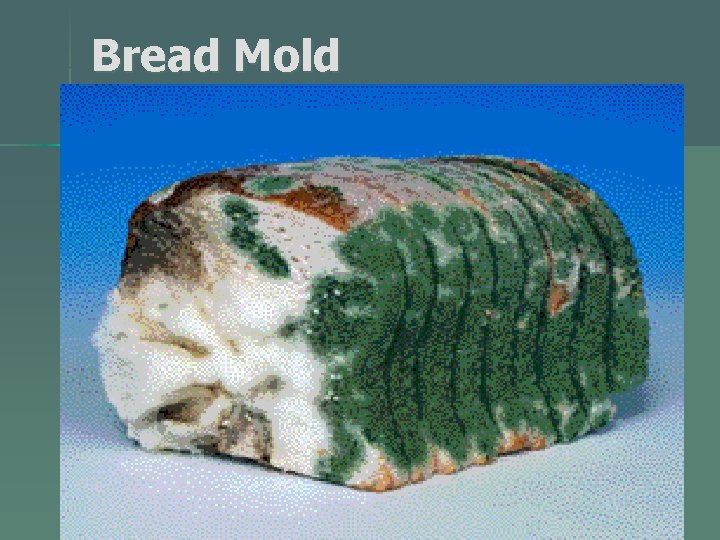
Bread Mold
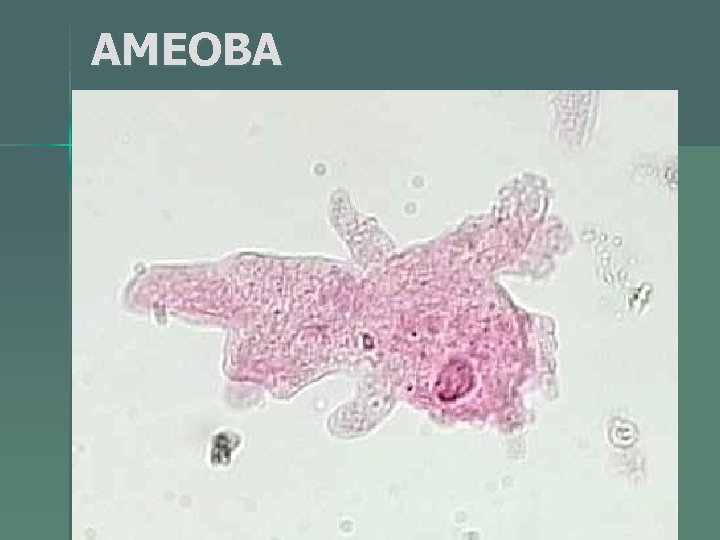
AMEOBA
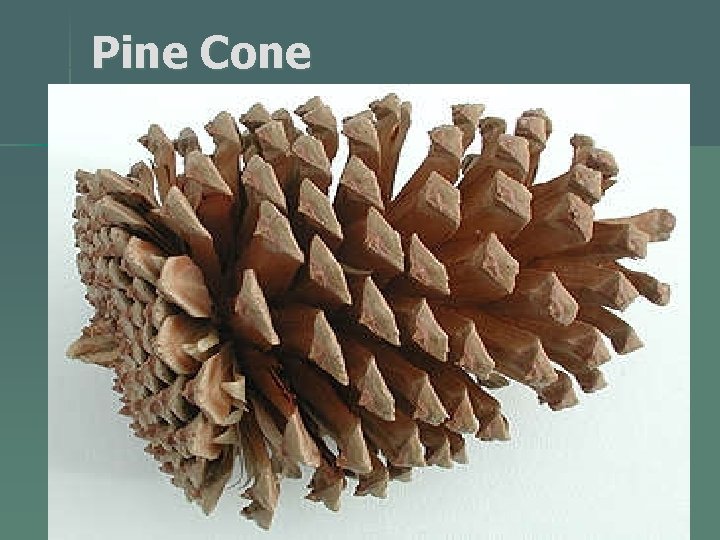
Pine Cone
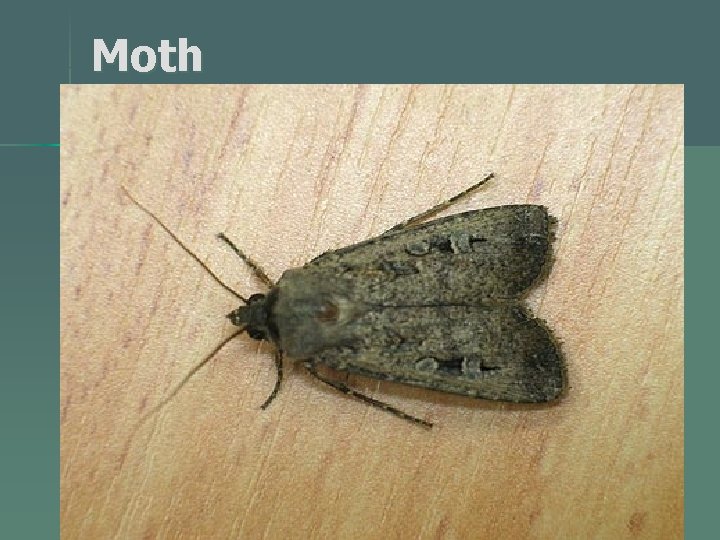
Moth
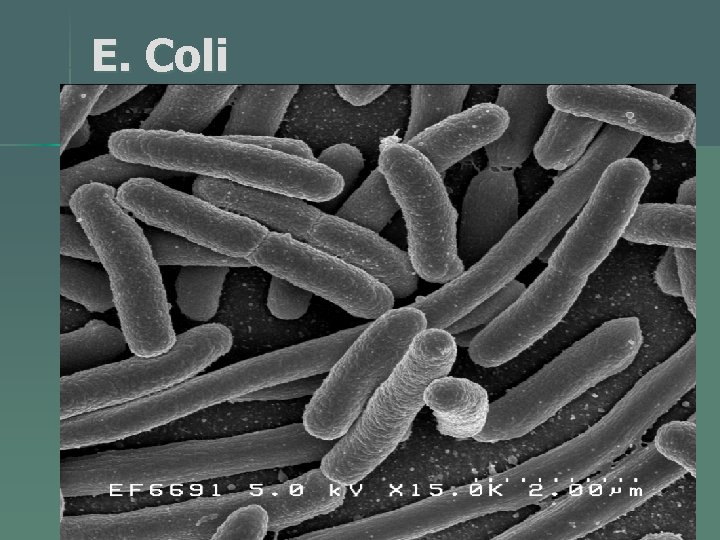
E. Coli

Worm
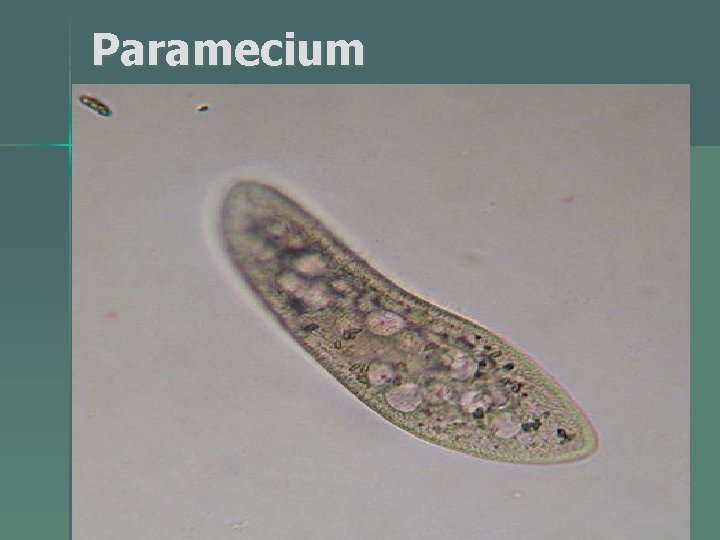
Paramecium
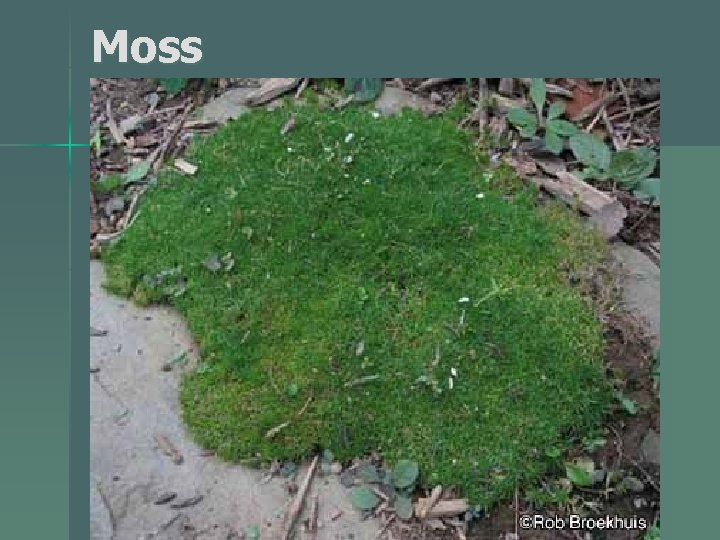
Moss
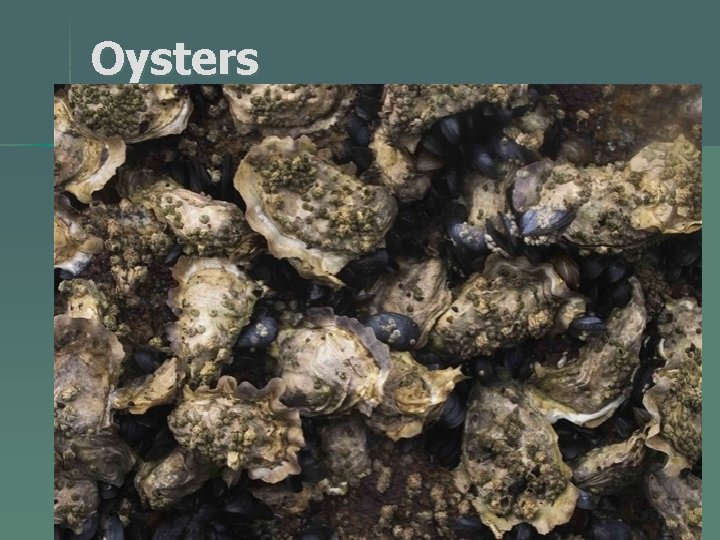
Oysters

Yeast
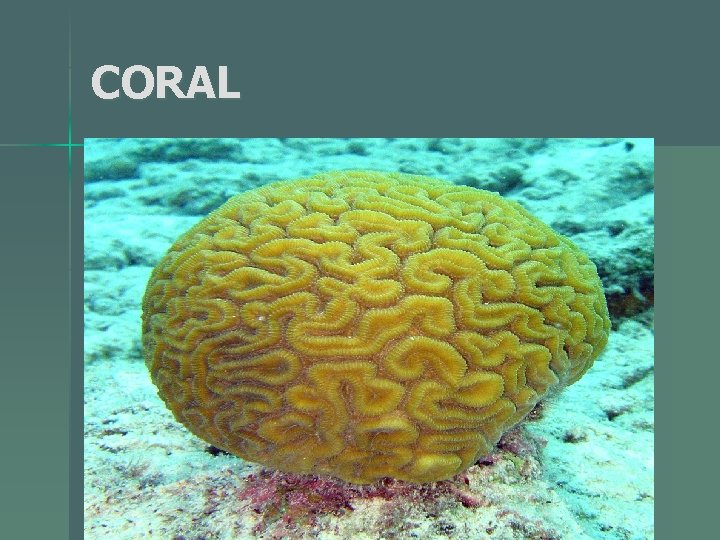
CORAL
- Slides: 29