
Classification of Organisms and Body plans Unit 1
Classification of Organisms and Body plans Unit 1
How many different species inhabit earth? • Around 1. 2 – 1. 3 million species are known • 86% of Earth's current species have yet to be fully described- the planet is home to approximately 8. 7 million species. - National Geographic Society – less than 10 percent of the life-forms in the world's oceans has been identified. – Each year, researchers identify and report more than 15, 000 new species
Why classify living things? • Easier to learn about organisms – Organisms in the same group have the same traits • Tell which organisms are closely related – The more groups organisms have in common the closer related they are • For the scientific name – Two of the classification groups are used for the scientific name of an organism
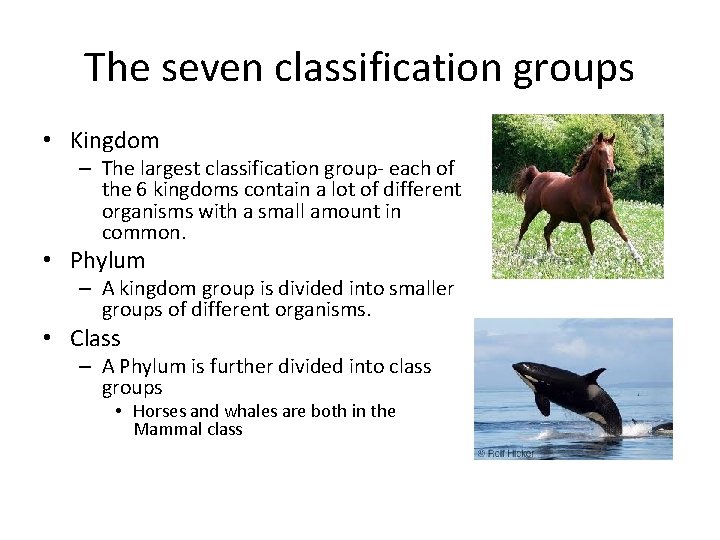
The seven classification groups • Kingdom – The largest classification group- each of the 6 kingdoms contain a lot of different organisms with a small amount in common. • Phylum – A kingdom group is divided into smaller groups of different organisms. • Class – A Phylum is further divided into class groups • Horses and whales are both in the Mammal class
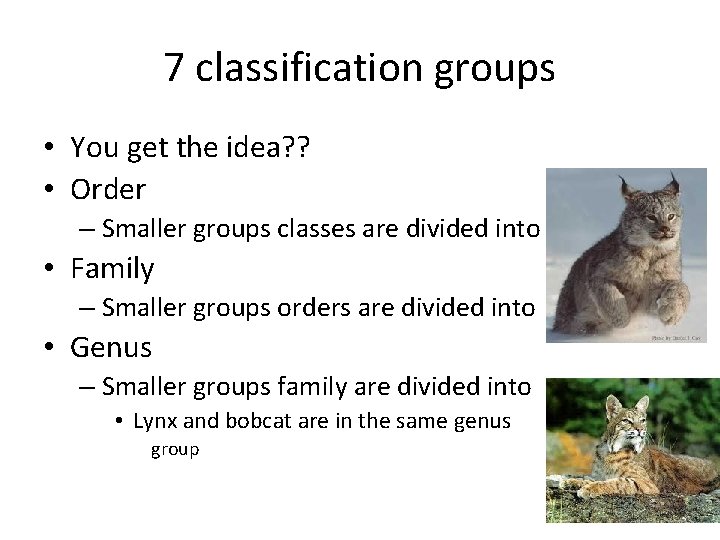
7 classification groups • You get the idea? ? • Order – Smaller groups classes are divided into • Family – Smaller groups orders are divided into • Genus – Smaller groups family are divided into • Lynx and bobcat are in the same genus group
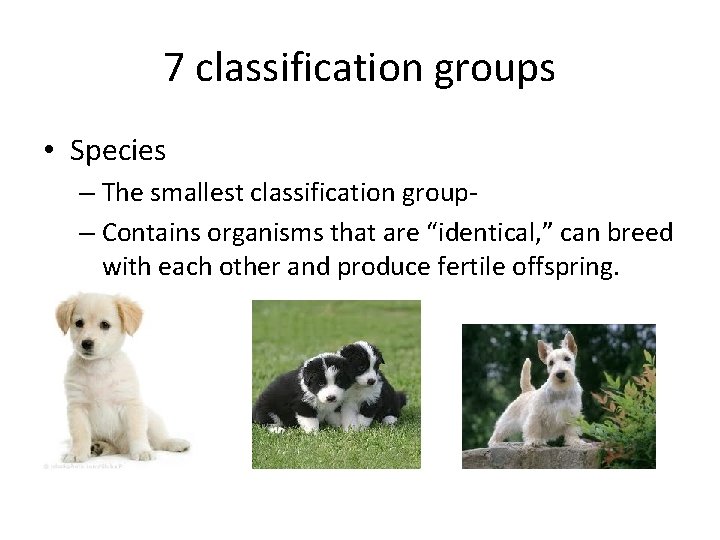
7 classification groups • Species – The smallest classification group– Contains organisms that are “identical, ” can breed with each other and produce fertile offspring.

Examples of Taxa (classification) groups- humans and armadillos Kingdom: Phylum: Class: Order: Family: Genus: Species: Animalia Chordata Mammal Primates Hominidae Homo sapiens Animalia Chordata Mammal Cingulates Dasypodidae Dasypus novemcinctus
How will I ever remember the classification groups? Kids Playing Chicken On Freeways Get Squished Or Kings Play Chess On Furry Green Squares
Common names vs Scientific names • Common names– Locally known – Misleading “polecat” “star fish” • Scientific name – Known all over the world – Comes the genus groups name and the species group name
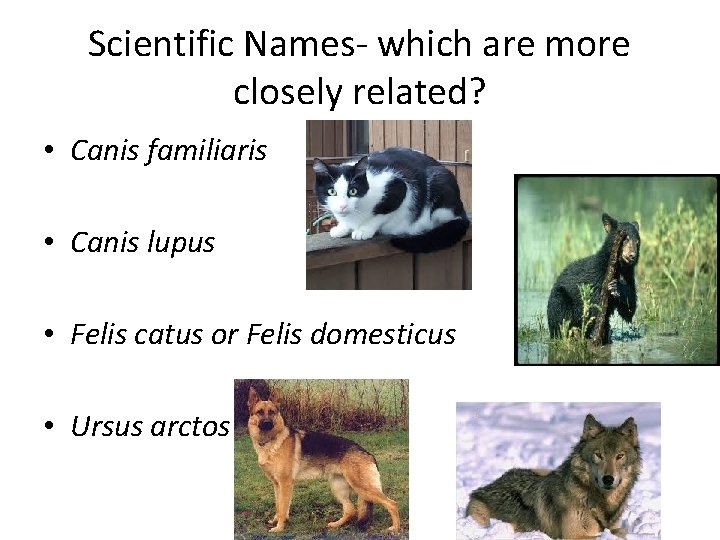
Scientific Names- which are more closely related? • Canis familiaris • Canis lupus • Felis catus or Felis domesticus • Ursus arctos

Time and classification systems • Since people are always learning new information, classification systems can change. • Some scientists today use: – 3 domain system of life – 5 kingdoms – 6 kingdoms
Dichotomous keys • A tool used to identify organisms • Called “dichotomous” because at each step in the key you are given 2 choices and you select the choice that “fits” the organism you are trying to ID
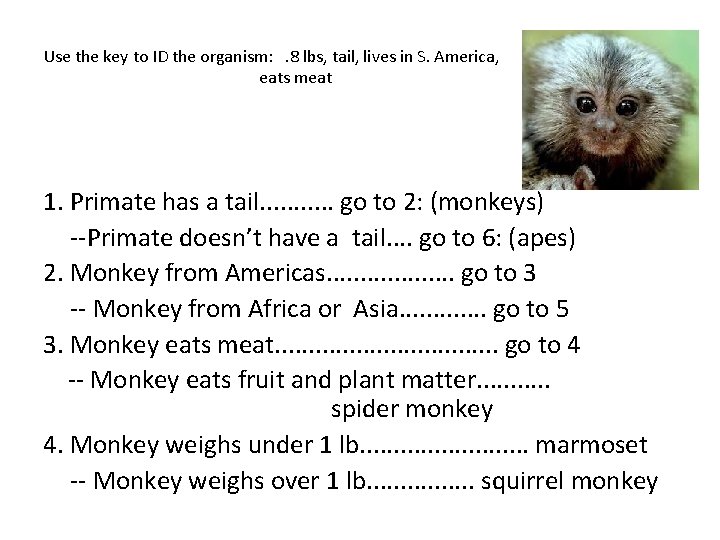
Use the key to ID the organism: . 8 lbs, tail, lives in S. America, eats meat 1. Primate has a tail. . . go to 2: (monkeys) --Primate doesn’t have a tail. . go to 6: (apes) 2. Monkey from Americas. . . . . go to 3 -- Monkey from Africa or Asia. . . go to 5 3. Monkey eats meat. . . . go to 4 -- Monkey eats fruit and plant matter. . . spider monkey 4. Monkey weighs under 1 lb. . . marmoset -- Monkey weighs over 1 lb. . . . squirrel monkey
How to use an dichotomous key • Start at the top and look at the two choices • Read both choices carefully. Although the first description may seem to fit your sample, the second may apply even better. • Look at the end of the description that fits the organism and move to the step indicated. • If you are unsure of which choice (which of the 2 to choose) follow both forks (one at a time) and see if the next choices fit.
6 Kingdoms • Archeobacteria • Eubacteria • These two kingdoms used to be combined in the Monera kingdom
6 Kingdoms • Protist • Fungi
6 Kingdoms • Plant • Animal
A little review of some terms • • Prokaryote Eukaryote Unicellular Multicellular Heterotroph Autotroph Lacking vascular tissue
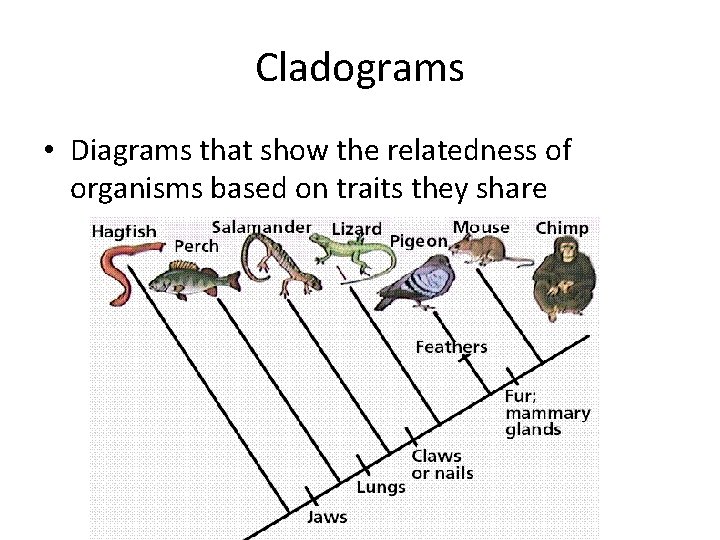
Cladograms • Diagrams that show the relatedness of organisms based on traits they share
Animal Kingdom • What traits do all animals have?
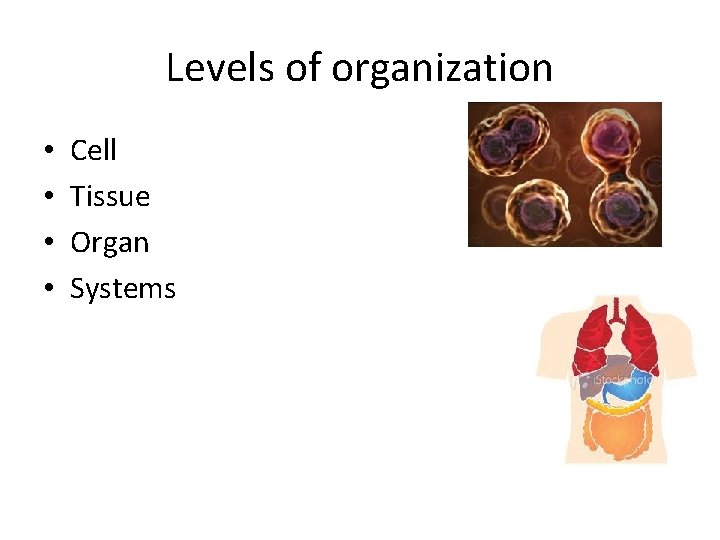
Levels of organization • • Cell Tissue Organ Systems
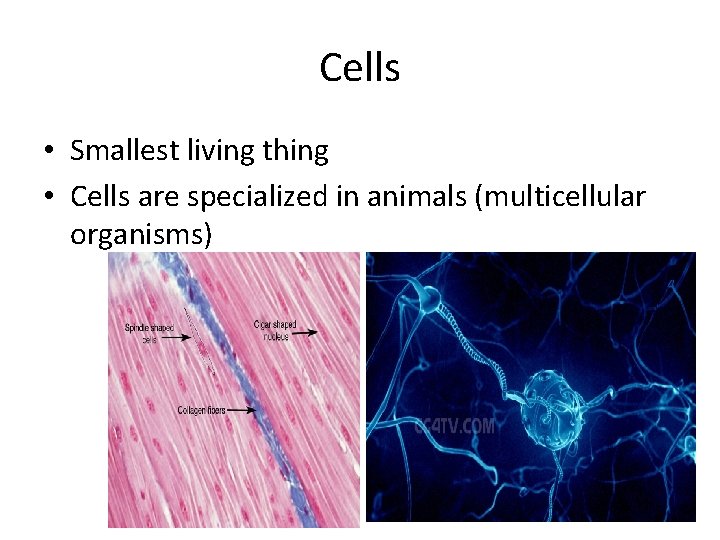
Cells • Smallest living thing • Cells are specialized in animals (multicellular organisms)
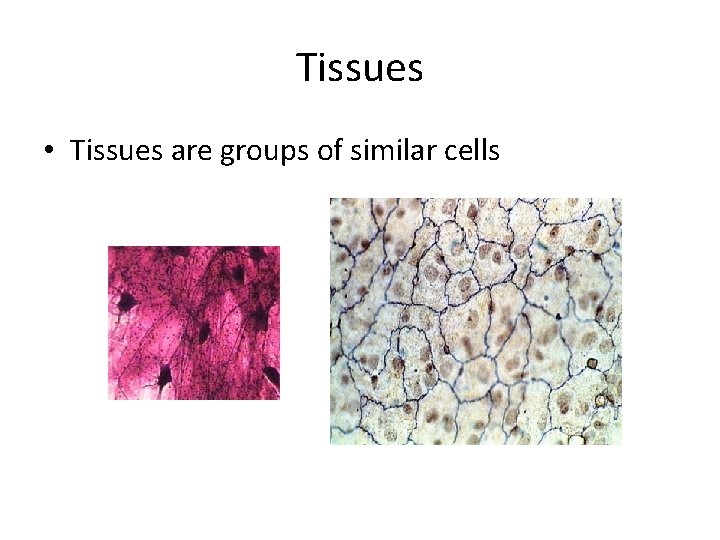
Tissues • Tissues are groups of similar cells
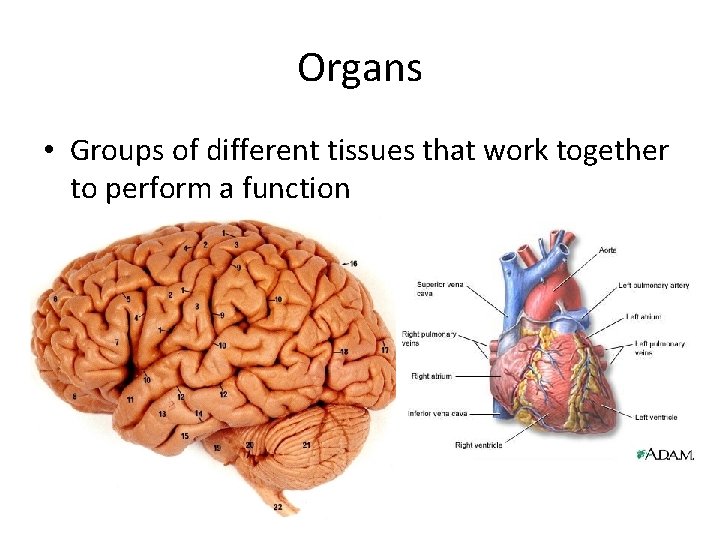
Organs • Groups of different tissues that work together to perform a function
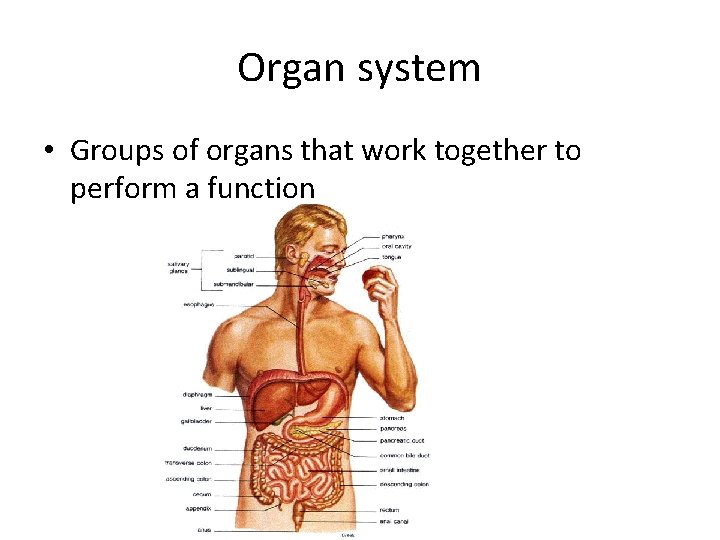
Organ system • Groups of organs that work together to perform a function
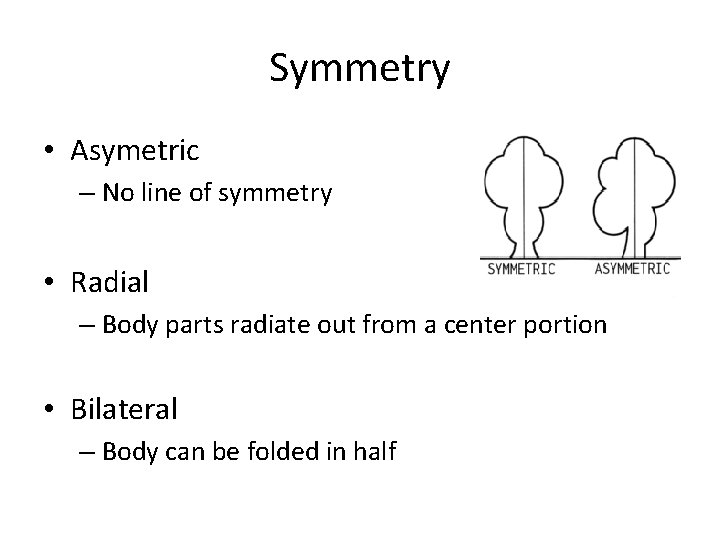
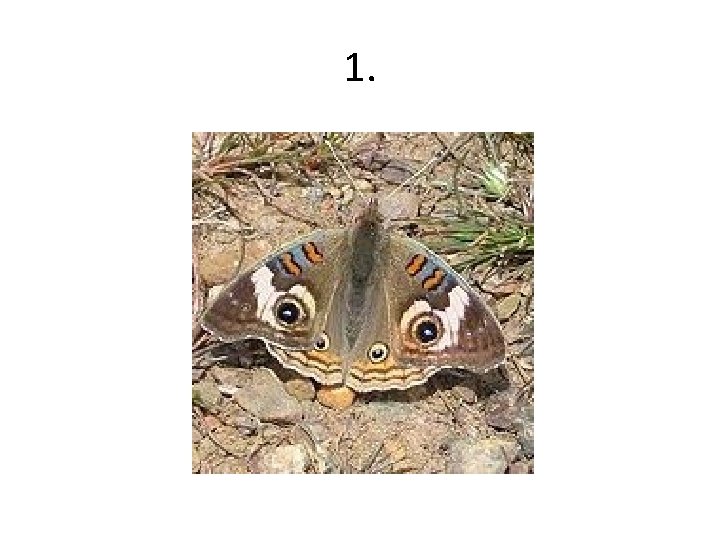
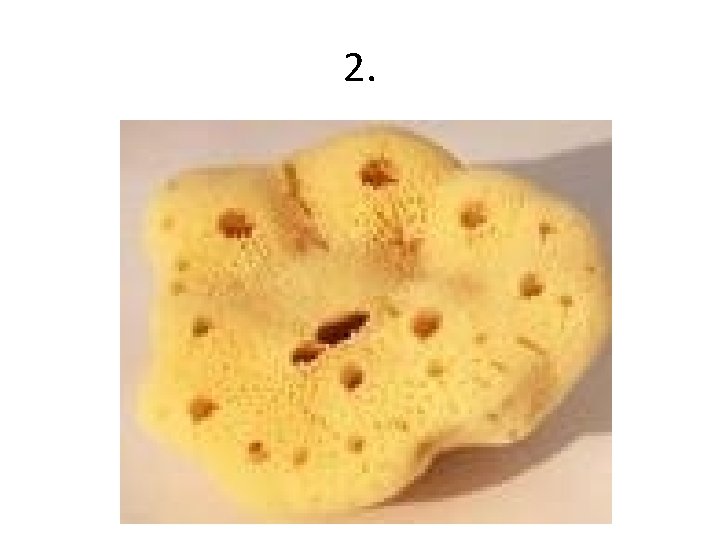
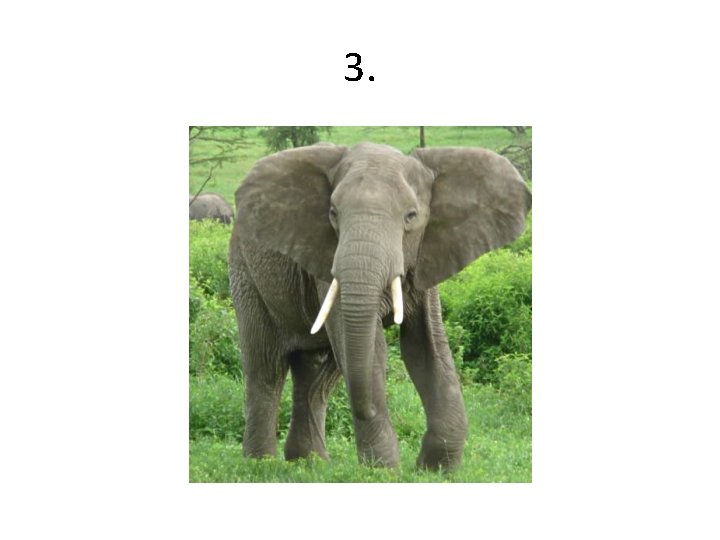
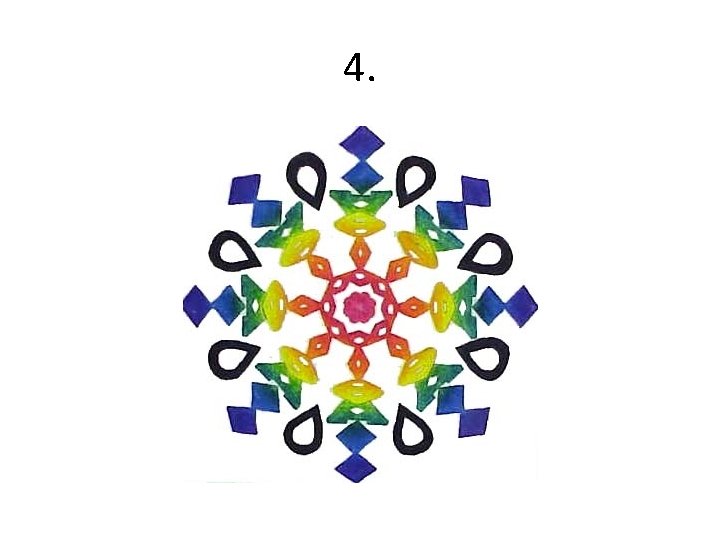
Symmetry • Asymetric – No line of symmetry • Radial – Body parts radiate out from a center portion • Bilateral – Body can be folded in half
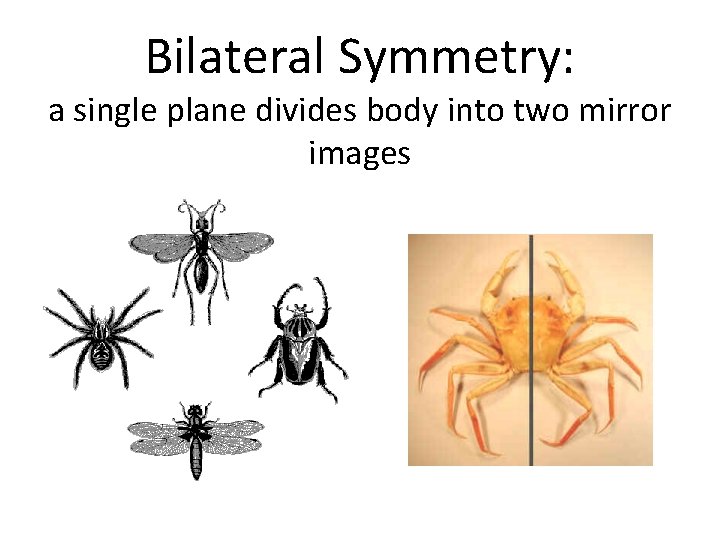
Bilateral Symmetry: a single plane divides body into two mirror images
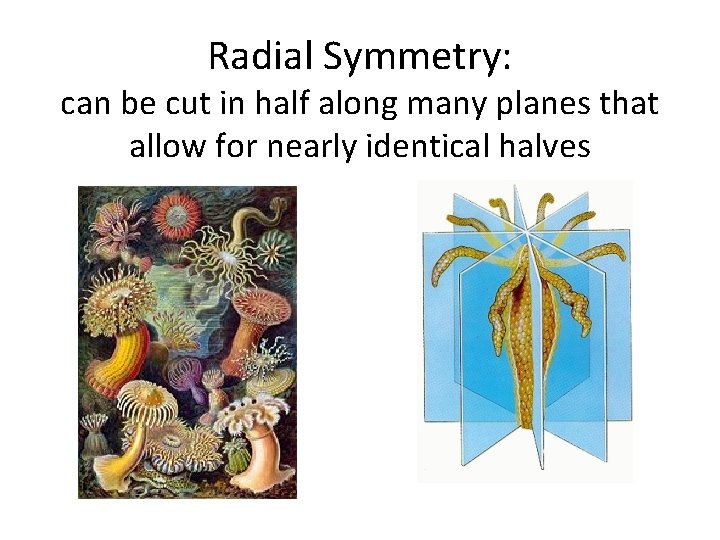
Radial Symmetry: can be cut in half along many planes that allow for nearly identical halves
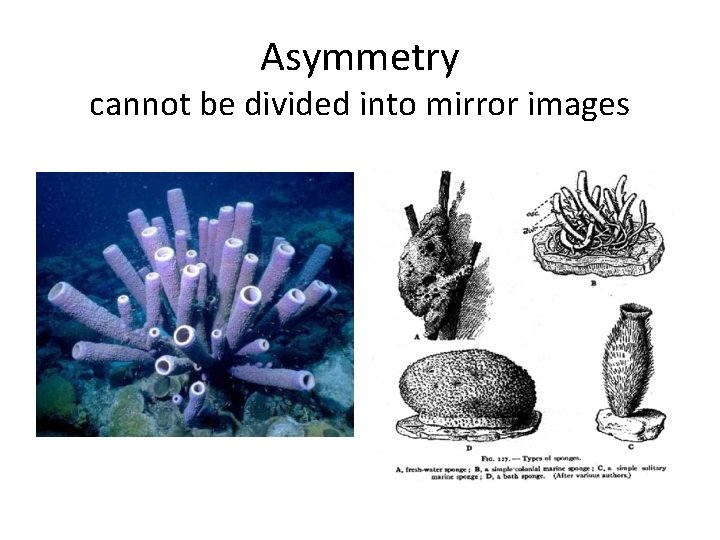
Asymmetry cannot be divided into mirror images
What type of symmetry do each of the following exhibit?
1.
2.
3.
4.
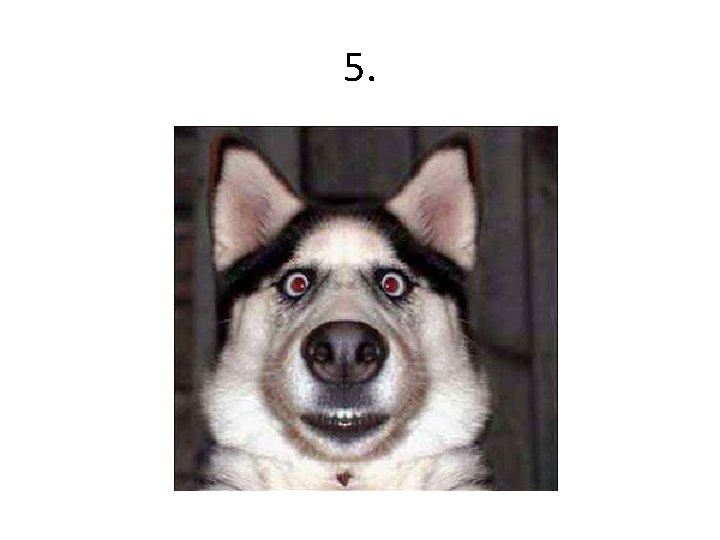
5.
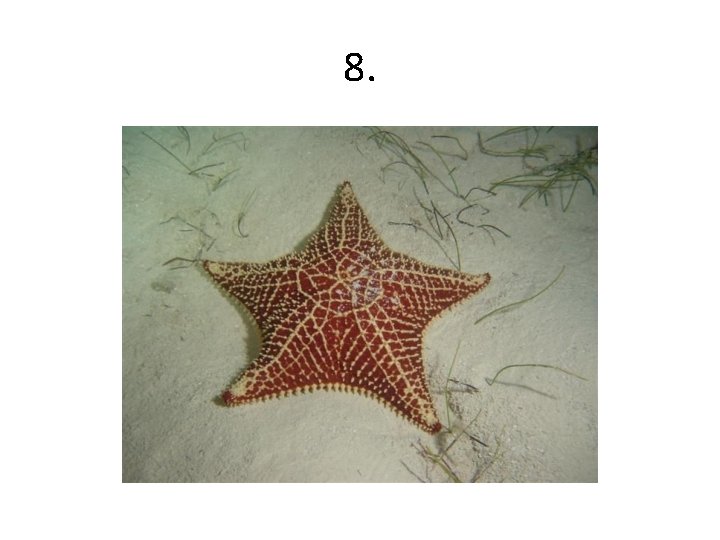
8.
Germ layers in an embryo • What’s a germ layer? A germ layer is a group of cells, formed during animal development. Germ cells are “stem” cells that have the potential to develop into other types of cells. The 3 types of germ layers are: ectoderm, mesoderm and endoderm layers. Some simple animal phyla do not have a mesoderm layer.
Ectoderm germ layer • The ectoderm is tissue that first forms on the outer part of the embryo. • Cells from this layer will develop into – Brain, spinal cord, the lens of the eye, the epidermis, hair, and mammary glands.
Mesoderm • The embryo of most animals have a middle germ layer called the mesoderm • Cells from the mesoderm layer will develop into: – skeletal muscle, the skeleton, the dermis of skin, connective tissue, the excretory organs (kidney), the heart, blood, and the spleen.
Endoderm germ layer The endoderm is the innermost layer in an embryo. • The endoderm forms: the stomach, the colon, the liver, the pancreas, the urinary bladder, the lining of the urethra, the epithelial parts of trachea, the lungs, the pharynx, the thyroid, the parathyroid, and the intestines.
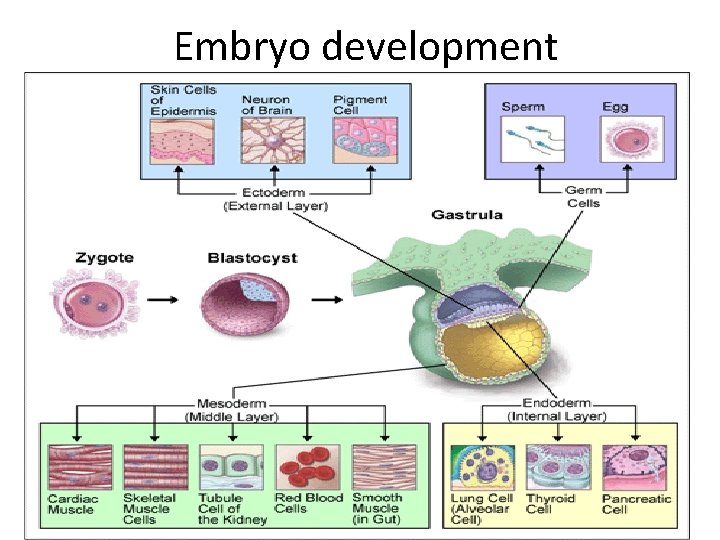
Embryo development
Body Cavities • There are 3 types of “body cavities” that an organism can have These are: Acoelomate Psuedocoelomate Eucoelomate
• A body cavity is the space, located between an animal’s outer covering and the outer lining of the gut cavity, where internal organs develop.
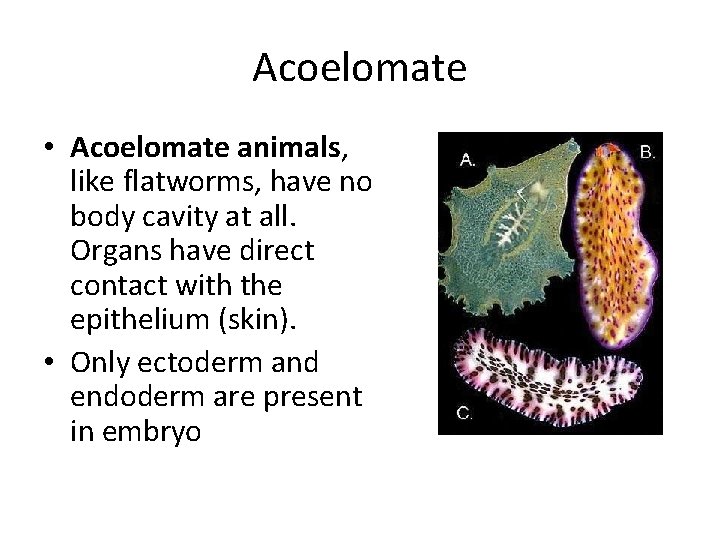
Acoelomate • Acoelomate animals, like flatworms, have no body cavity at all. Organs have direct contact with the epithelium (skin). • Only ectoderm and endoderm are present in embryo
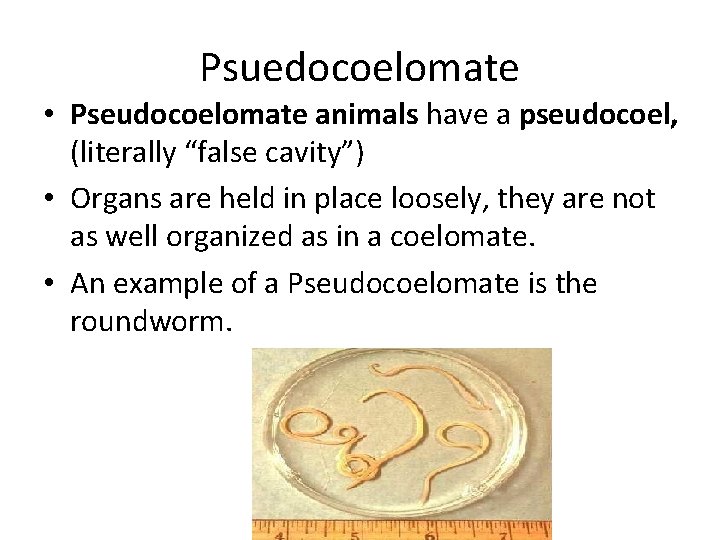
Psuedocoelomate • Pseudocoelomate animals have a pseudocoel, (literally “false cavity”) • Organs are held in place loosely, they are not as well organized as in a coelomate. • An example of a Pseudocoelomate is the roundworm.
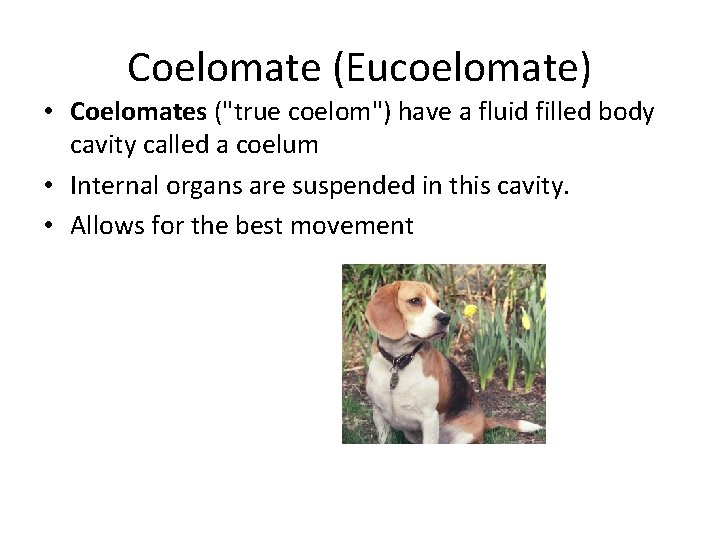
Coelomate (Eucoelomate) • Coelomates ("true coelom") have a fluid filled body cavity called a coelum • Internal organs are suspended in this cavity. • Allows for the best movement
- Slides: 46