
CLASSIFICATION OF CELLS Lecture 2 What is exactly

- Slides: 36
CLASSIFICATION OF CELLS Lecture 2
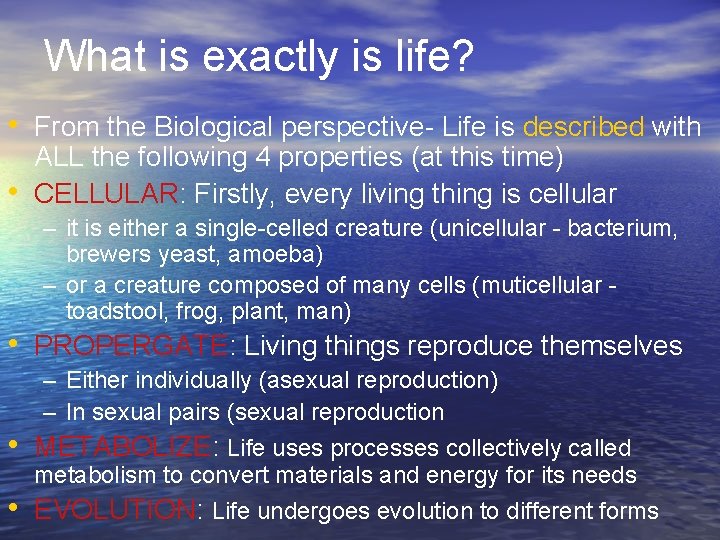
What is exactly is life? • From the Biological perspective- Life is described with • ALL the following 4 properties (at this time) CELLULAR: Firstly, every living thing is cellular – it is either a single-celled creature (unicellular - bacterium, brewers yeast, amoeba) – or a creature composed of many cells (muticellular toadstool, frog, plant, man) • PROPERGATE: Living things reproduce themselves • • – Either individually (asexual reproduction) – In sexual pairs (sexual reproduction METABOLIZE: Life uses processes collectively called metabolism to convert materials and energy for its needs EVOLUTION: Life undergoes evolution to different forms
LIFE • • There is no hard and fast definition of life! Scientists are manipulating life at this time! New life is being created in test tubes! NASA is looking for new life forms at this time – Was Mc. Coy right when he found silicon based life-forms?
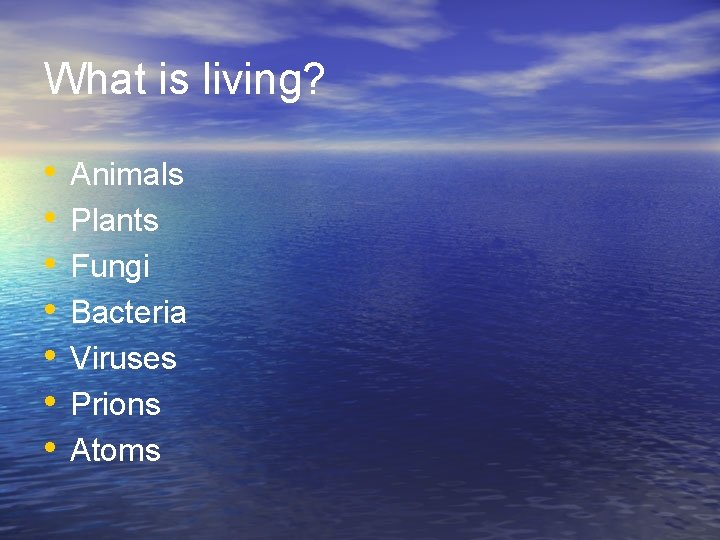
What is living? • • Animals Plants Fungi Bacteria Viruses Prions Atoms
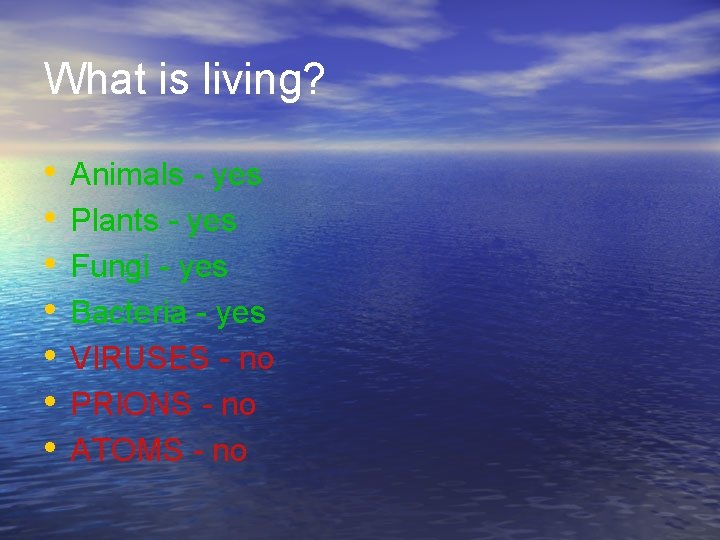
What is living? • • Animals - yes Plants - yes Fungi - yes Bacteria - yes VIRUSES - no PRIONS - no ATOMS - no
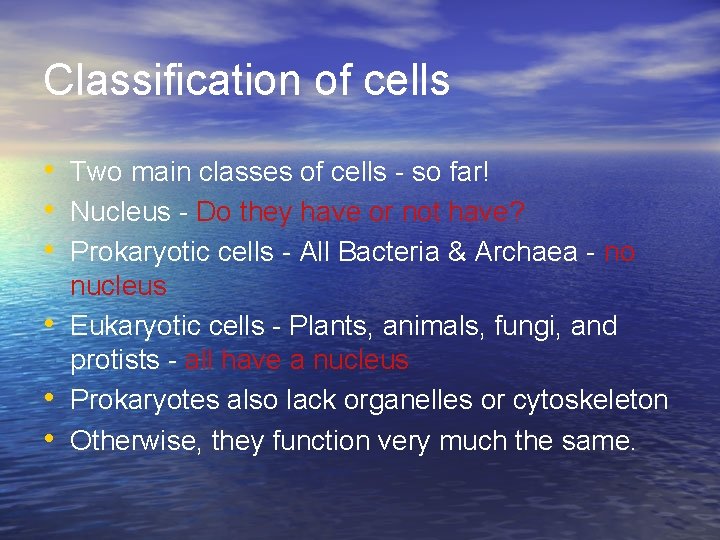
Classification of cells • Two main classes of cells - so far! • Nucleus - Do they have or not have? • Prokaryotic cells - All Bacteria & Archaea - no • • • nucleus Eukaryotic cells - Plants, animals, fungi, and protists - all have a nucleus Prokaryotes also lack organelles or cytoskeleton Otherwise, they function very much the same.
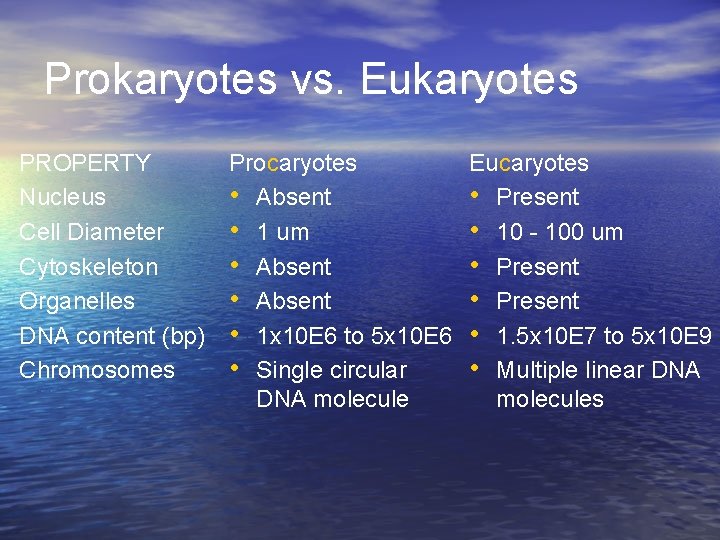
Prokaryotes vs. Eukaryotes PROPERTY Nucleus Cell Diameter Cytoskeleton Organelles DNA content (bp) Chromosomes Procaryotes Eucaryotes • Absent • Present • 1 um • 10 - 100 um • Absent • Present • 1 x 10 E 6 to 5 x 10 E 6 • 1. 5 x 10 E 7 to 5 x 10 E 9 • Single circular • Multiple linear DNA molecules
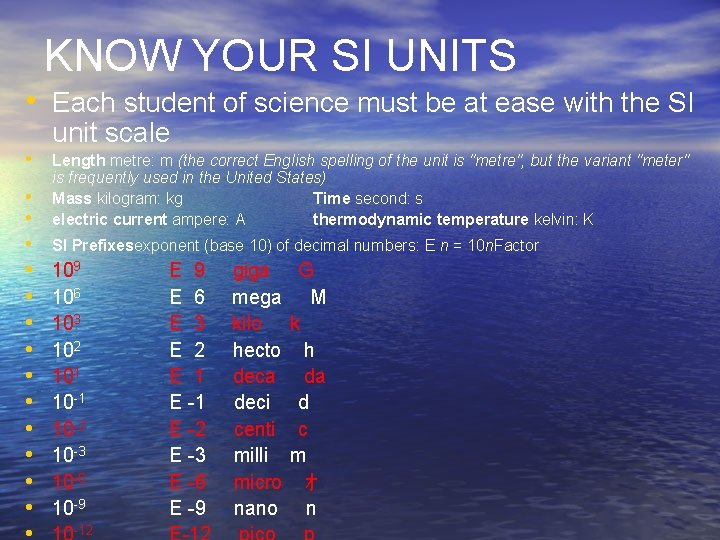
KNOW YOUR SI UNITS • Each student of science must be at ease with the SI • • • • unit scale Length metre: m (the correct English spelling of the unit is "metre", but the variant "meter" is frequently used in the United States) Mass kilogram: kg Time second: s electric current ampere: A thermodynamic temperature kelvin: K SI Prefixesexponent (base 10) of decimal numbers: E n = 10 n. Factor 109 106 103 102 101 10 -2 10 -3 10 -6 10 -9 -12 E 9 E 6 E 3 E 2 E 1 E -2 E -3 E -6 E -9 giga mega kilo hecto deca deci centi milli micro nano G M k h da d c m オ n
The First Cell • • Earth formed @ 4. 5 billion years ago Life emerged @ 3. 8 billion years ago No or little oxygen CO 2 and N 2; H 2, H 2 S and CO Add heat and water Organic molecules LIFE! ? ? ? ?
The First Cell • Proteins and RNA were thought to be the first • • • macromolecules produced Only RNA capable of directing its self-replication, acting as both template and catalyst “RNA World” existed for a period of time The FIRST CELL is thought to have arisen when RNA became enclosed in a phospholipid membrane, and was able to self-replicate
Evolution of Metabolism • • The early Earth lacked O 2 Early Cells took food and energy by absorption Glycolysis - glucose to lactic acid Photosynthesis - sunlight, water, CO 2 to Glucose and O 2 Oxidative metabolism - Glucose and O 2 to CO 2 and water ATP is generated All Cells use ATP for energy to drive their cellular machinery
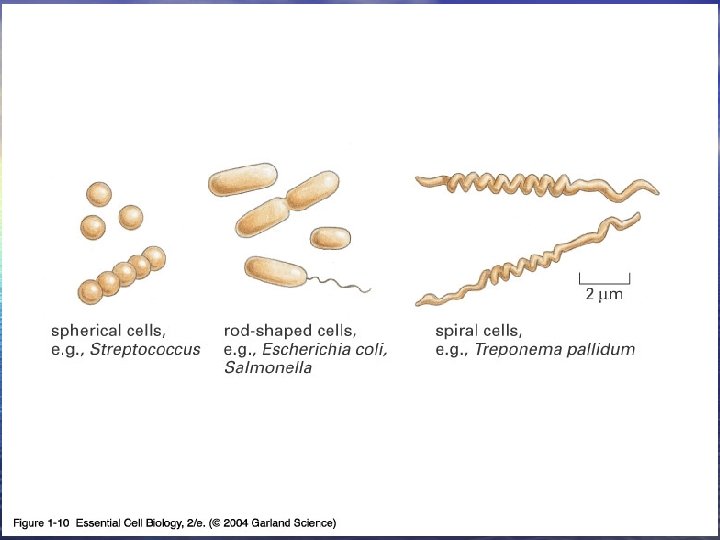
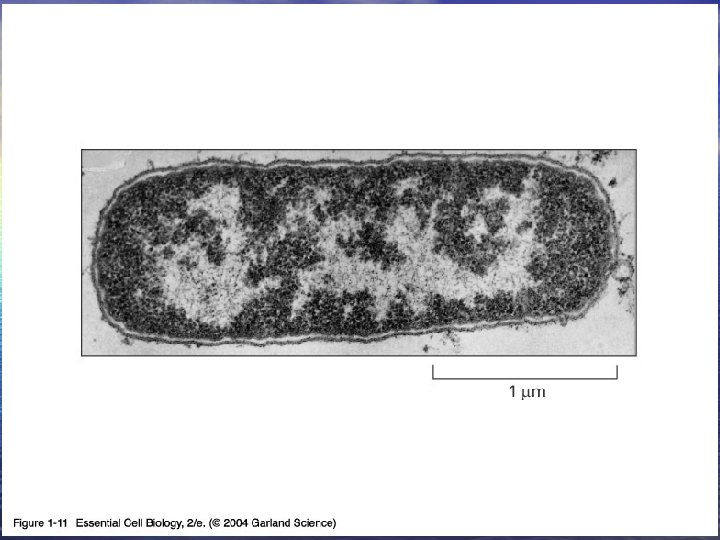
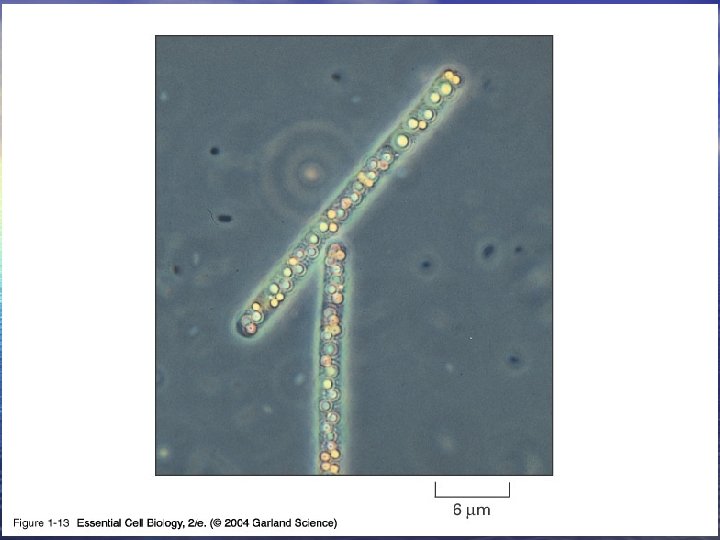
Prokaryotes today • • • Two groups Archaea and the Eubacteria (true bacteria) Archaea live in many harsh environments Eubacteria populate many places Bacterial shapes vary, as does their size and DNA content
01_10_Bacteria shapes. jpg
01_11_E. Coli. jpg
01_13_Sulfur bacterium. jpg
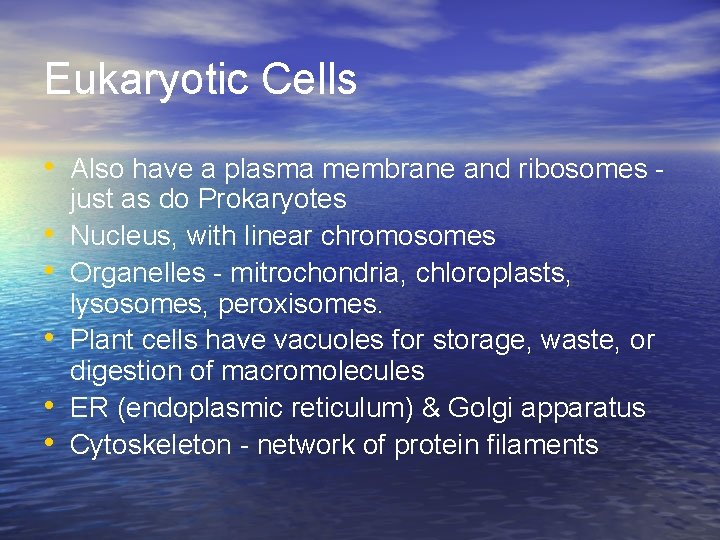
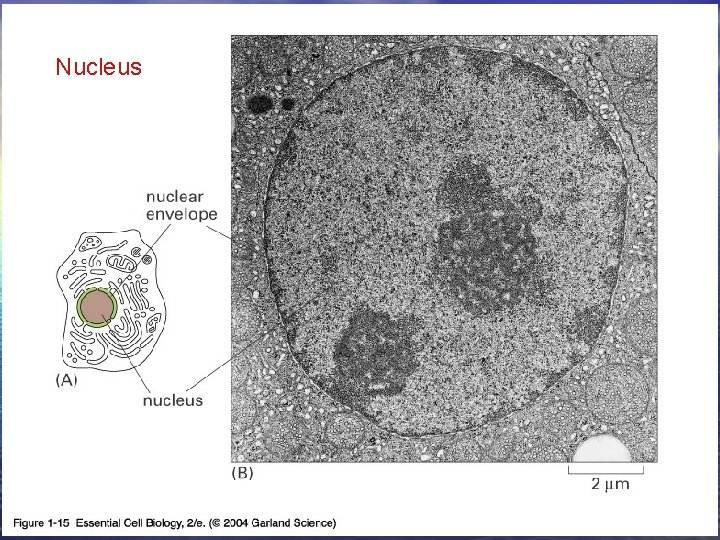
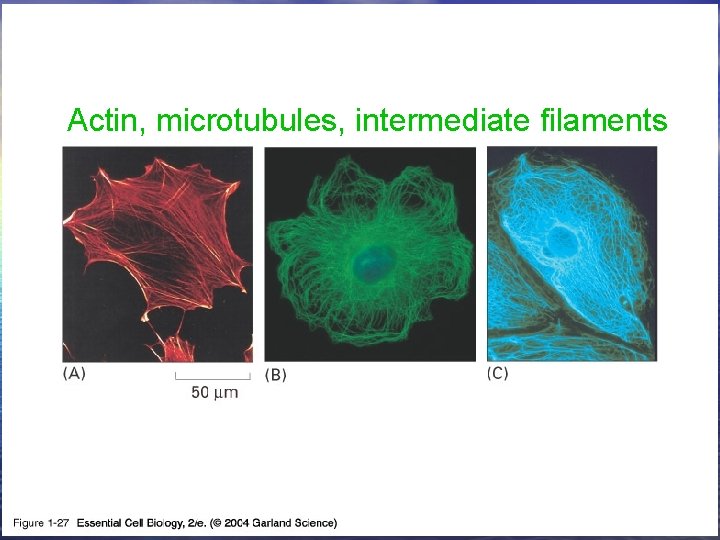
Eukaryotic Cells • Also have a plasma membrane and ribosomes • • • just as do Prokaryotes Nucleus, with linear chromosomes Organelles - mitrochondria, chloroplasts, lysosomes, peroxisomes. Plant cells have vacuoles for storage, waste, or digestion of macromolecules ER (endoplasmic reticulum) & Golgi apparatus Cytoskeleton - network of protein filaments
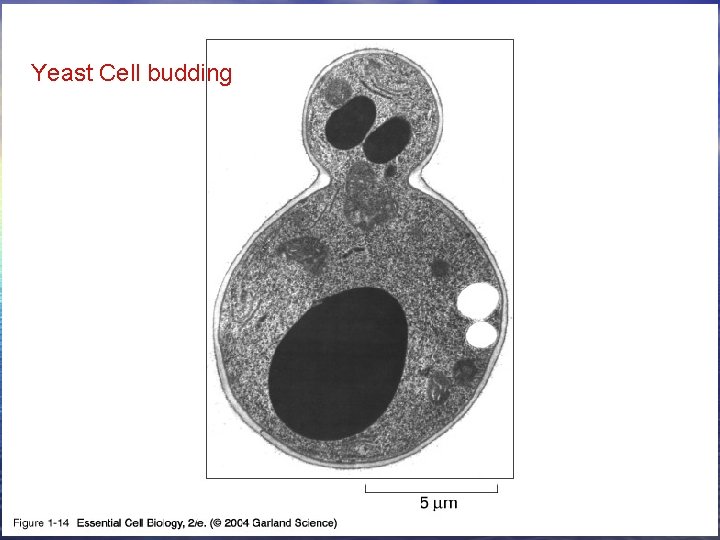
01_14_Yeasts. jpg Yeast Cell budding
Nucleus 01_15_Nucleus. jpg
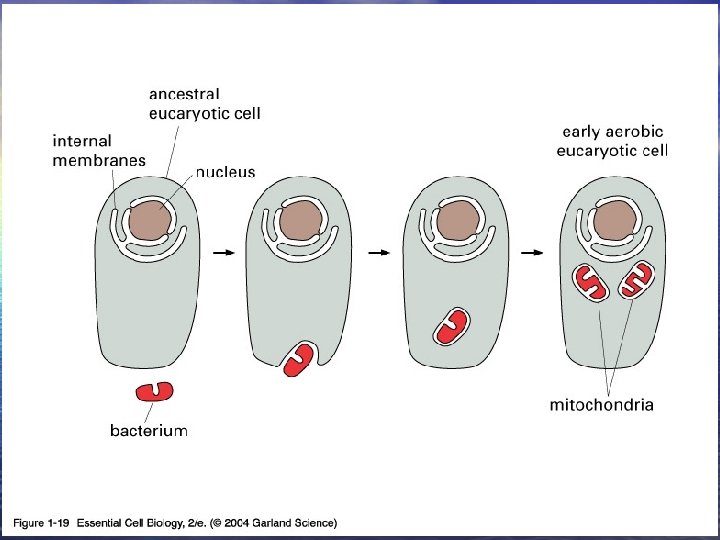
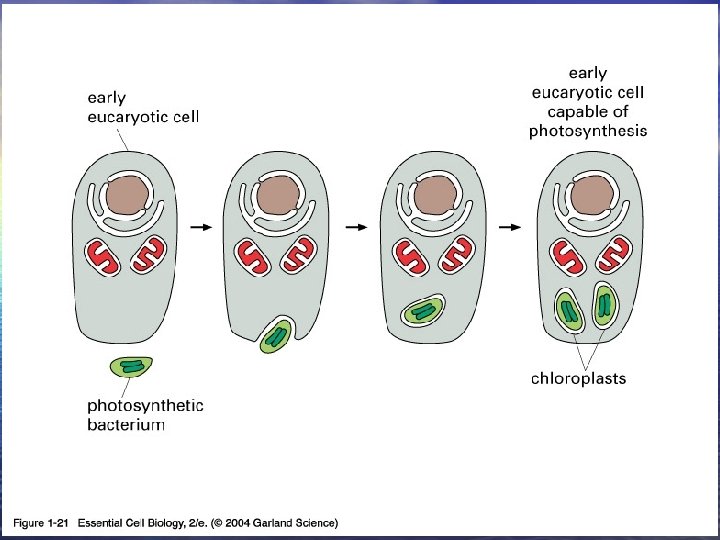
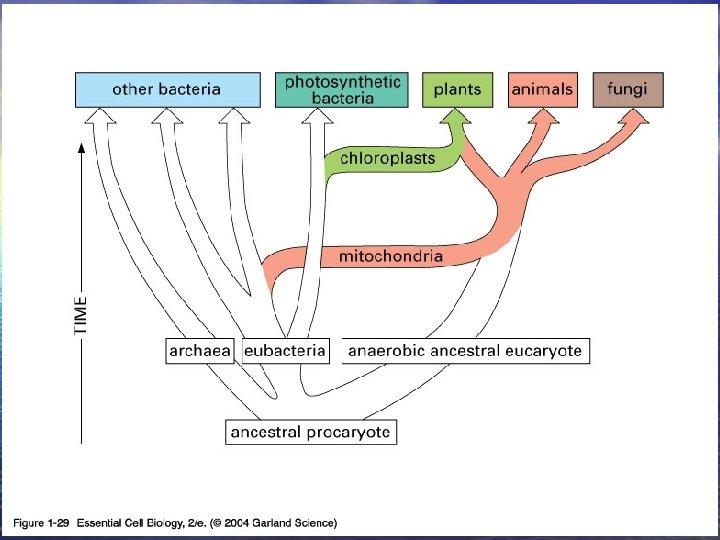
Origin of Eukaryotes • Hypothesis that a critical step in the • evolution of eukaryotic cells took place possibly via two endosymbiotic events one cell living inside another Some of the organelles are thought to have evolved from prokaryotes living inside eukaryotes
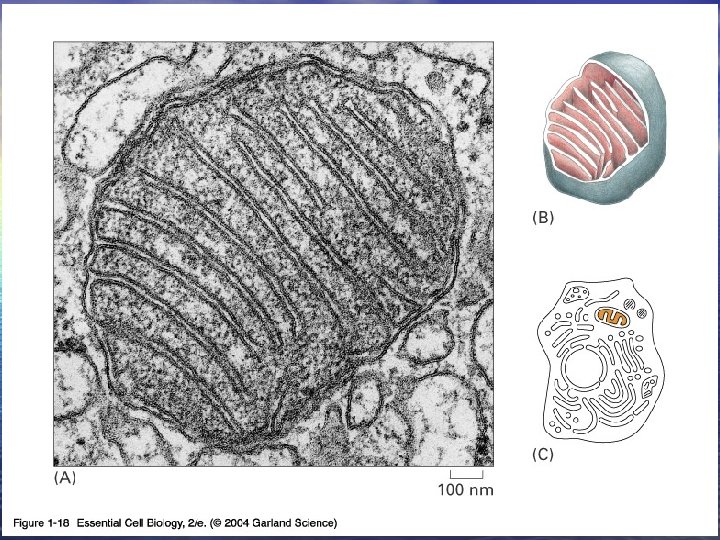
01_18_folds mito. jpg
01_19_engulfed bacteria. jpg
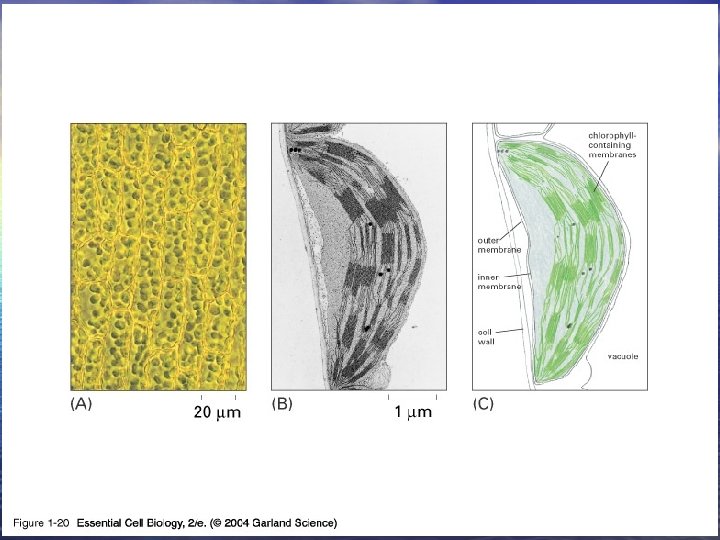
01_20_Chloroplasts. jpg
01_21_Chloro. engulfed. jpg
Mitochondria & Chloroplasts • Same size as bacterial cells • Reproduce by dividing into two, like • • bacteria Both contain their own DNA, coding for some of their own components Have own ribosomes too, which more closely resemble those of bacteria, then those in the cell cytoplasm.
PREVIEW OF WHAT’S TO COME Schematic of typical animal cell, showing subcellular components. Organelles: (1) nucleolus (2) nucleus (3) ribosome (4) vesicle (5) rough endoplasmic reticulum (ER) (6) Golgi apparatus (7) Cytoskeleton (8) smooth ER (9) mitochondria (10) vacuole (11) cytoplasm (12) lysosome (13) centrioles
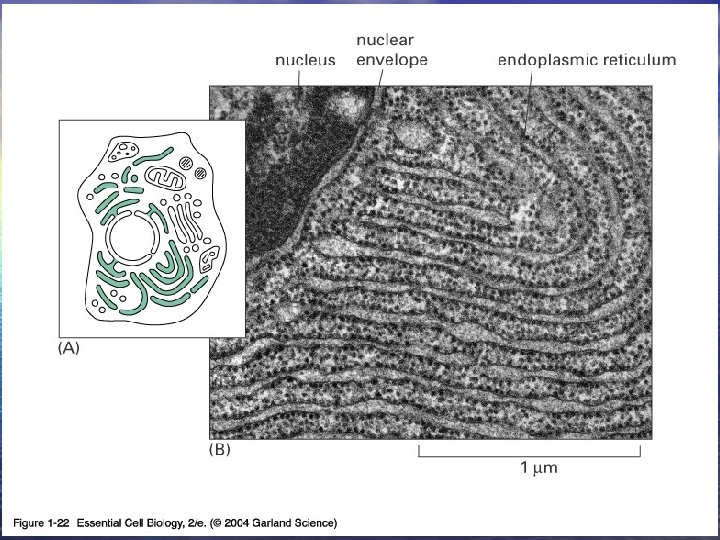
01_22_ER. jpg
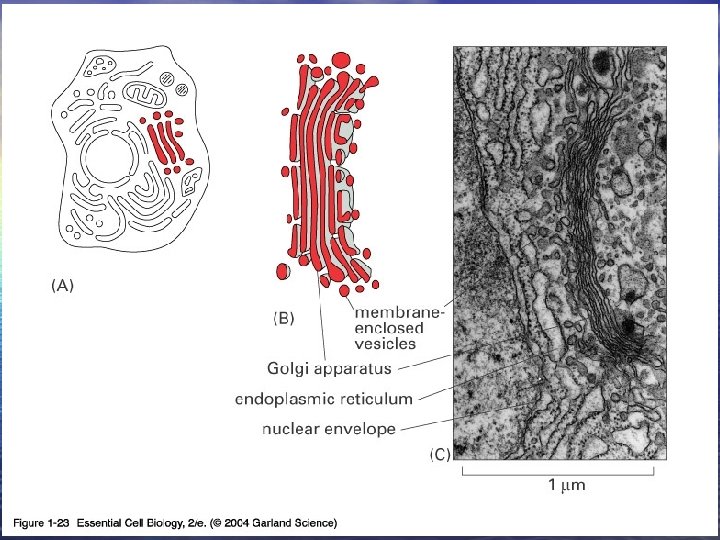
01_23_Golgi apparatus. jpg
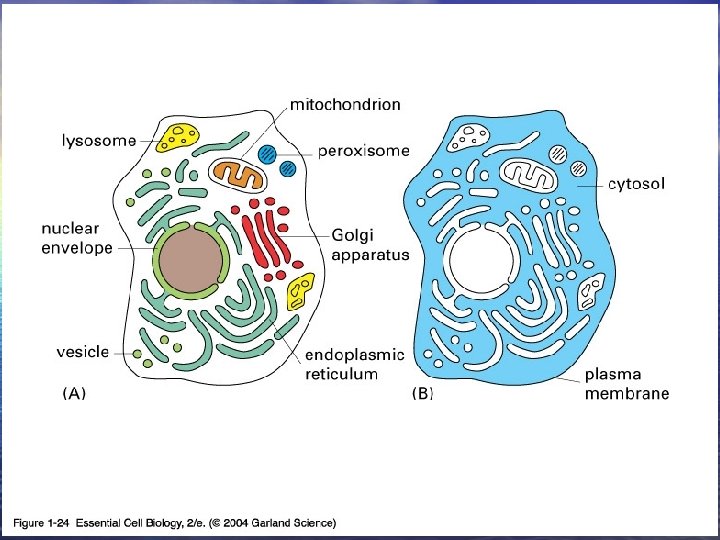
01_24_Organelles. jpg
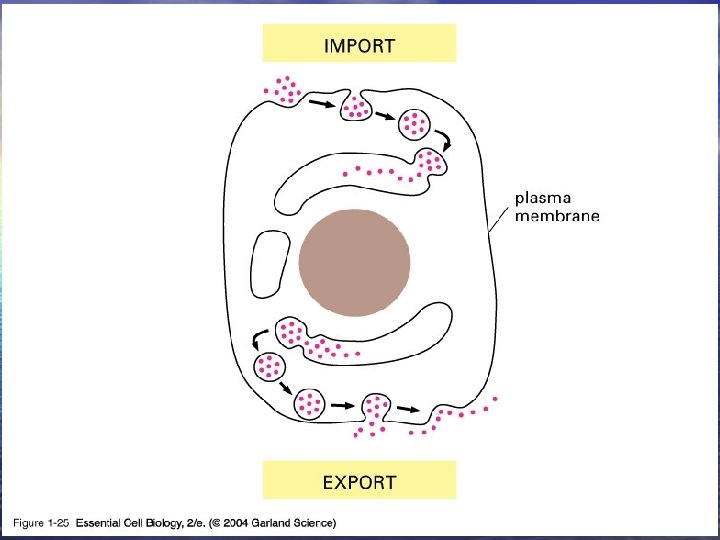
01_25_endocytosis exoc. jpg
01_27_cytoskeleton. jpg Actin, microtubules, intermediate filaments
01_29_eucaryotes origin. jpg
Multicellular Organisms • Many eucaryotes are unicellular just like bacteria • Single cells capable of self-replication • Simplest eucaryotes are the yeasts (6 um & 12 million • • • bps) Amoeba is 100, 000 x the volume of typical E. coli bacteria Over a Billion years ago (> 1 x 10 E 9) multi-cellular organisms evolved from single celled eukaryotes Volvox shows an evolutionary transition phase, of multiple cells aggregating for the greater good.
Multicellular Volvox (algae)
Multicellular Organisms cont… • Plants have fewer specialized cells than do • • • animals Ground tissue - includes parenchyma cells (metabolism including photosynthesis), and collenchyma and sclerenchyma cells (which are rigid and provide structure) Dermal tissue - covers the surface of the plant and provides protection and diffusion Vascular tissue - elongated cells form the xylem and phloem for transport
Multicellular Organisms cont… • Animal cells are more diverse & specialized • Human body contain over 200 different kinds of • • cells Epithelial cells - sheets that cover the body and line the gut Connective tissues - bone, cartilage, adpose Blood and immune systems Nerve cells and brain
Reading assignments to stay current Read Chapter 1 of textbook to page 23 & visit website for supplemental information (time @ 55 minutes)