
Classification of Bone Classification of Bone Bones are

Classification of Bone

Classification of Bone • Bones are classified on the basis of shape into four groups • • Long Flat Short Irregular © 2018 Pearson Education, Inc.
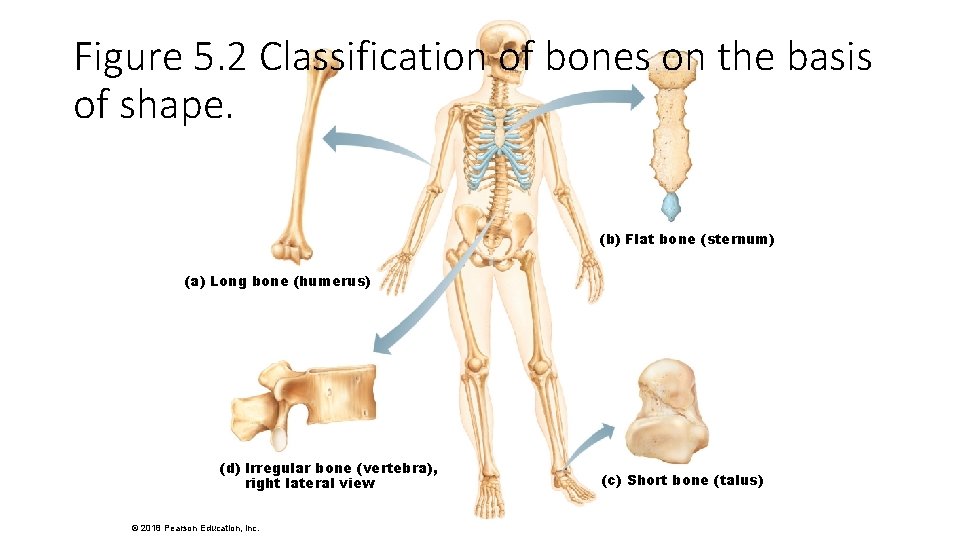
Figure 5. 2 Classification of bones on the basis of shape. (b) Flat bone (sternum) (a) Long bone (humerus) (d) Irregular bone (vertebra), right lateral view © 2018 Pearson Education, Inc. (c) Short bone (talus)
Classification of Bones • Long bones Typically longer than they are wide Shaft with enlarged ends Contain mostly compact bone; spongy bone at ends All of the bones of the limbs (except wrist, ankle, and kneecap bones) are long bones • Examples: • • • Femur • Humerus © 2018 Pearson Education, Inc.

Figure 5. 2 a Classification of bones on the basis of shape. (a) Long bone (humerus) © 2018 Pearson Education, Inc.

Classification of Bones • Flat bones • Thin, flattened, and usually curved • Two thin layers of compact bone sandwich a layer of spongy bone between them • Examples: • Most bones of the skull • Ribs • Sternum © 2018 Pearson Education, Inc.
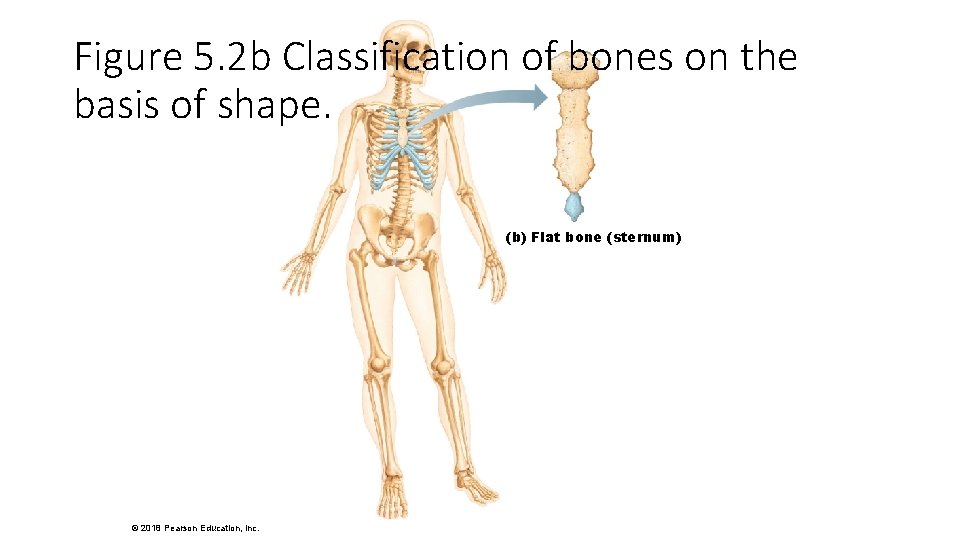
Figure 5. 2 b Classification of bones on the basis of shape. (b) Flat bone (sternum) © 2018 Pearson Education, Inc.

Classification of Bones • Short bones • • Generally cube-shaped Contain mostly spongy bone with an outer layer of compact bone Sesamoid bones are a type of short bone that form within tendons (patella) Examples: • Carpals (wrist bones) • Tarsals (ankle bones) © 2018 Pearson Education, Inc.
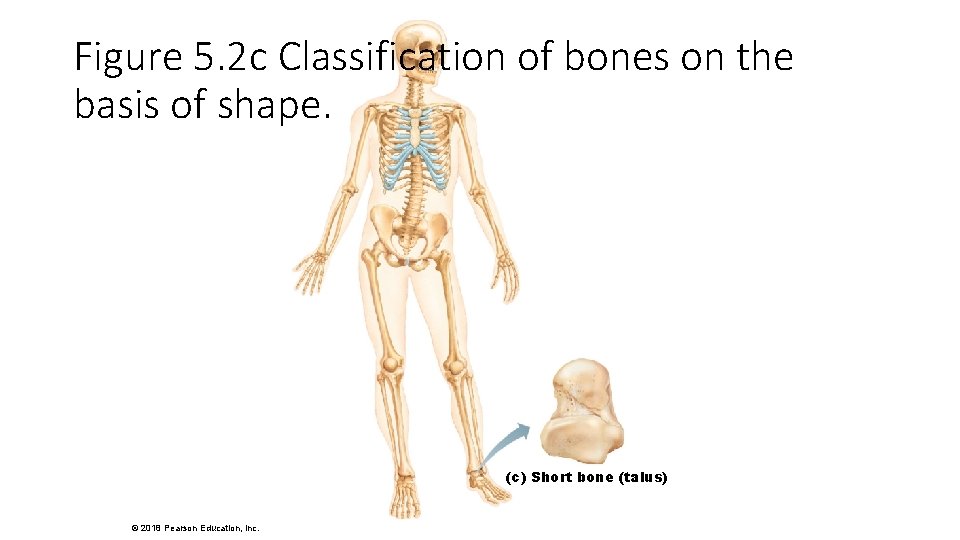
Figure 5. 2 c Classification of bones on the basis of shape. (c) Short bone (talus) © 2018 Pearson Education, Inc.
Classification of Bones • Irregular bones • Irregular shape • Do not fit into other bone classification categories • Examples: • Vertebrae • Hip bones © 2018 Pearson Education, Inc.

Figure 5. 2 d Classification of bones on the basis of shape. (d) Irregular bone (vertebra), right lateral view © 2018 Pearson Education, Inc.
- Slides: 11