
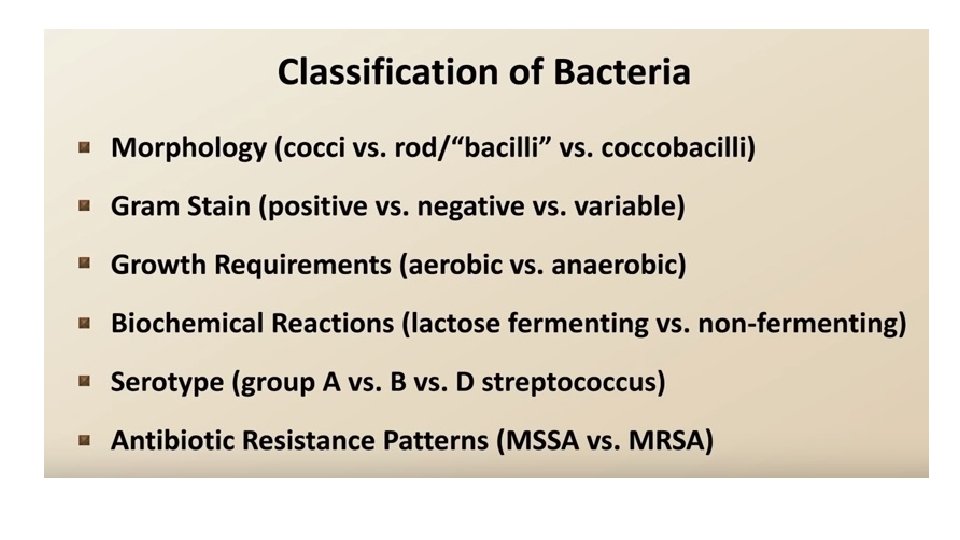
Classification of Bacteria Spirochetes Gram negative bacteria Ricketssia
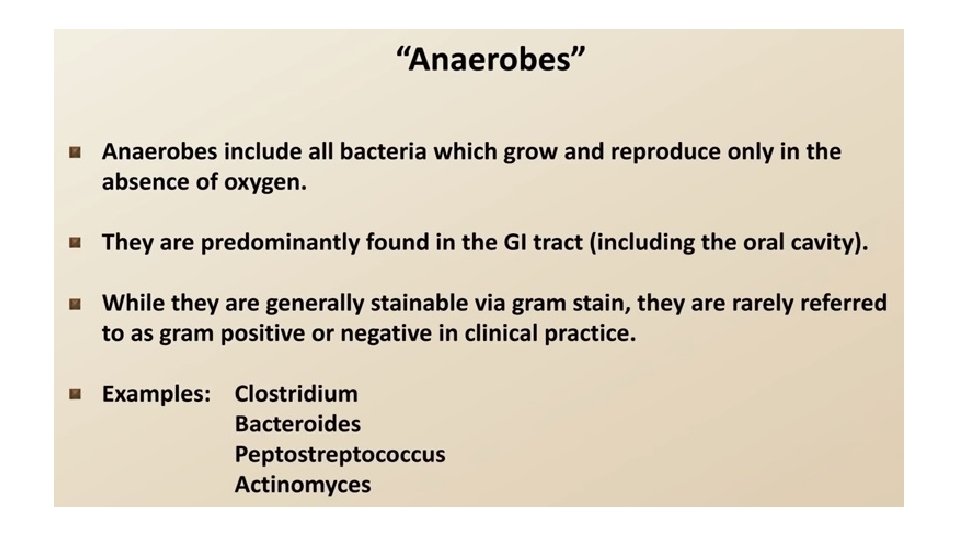
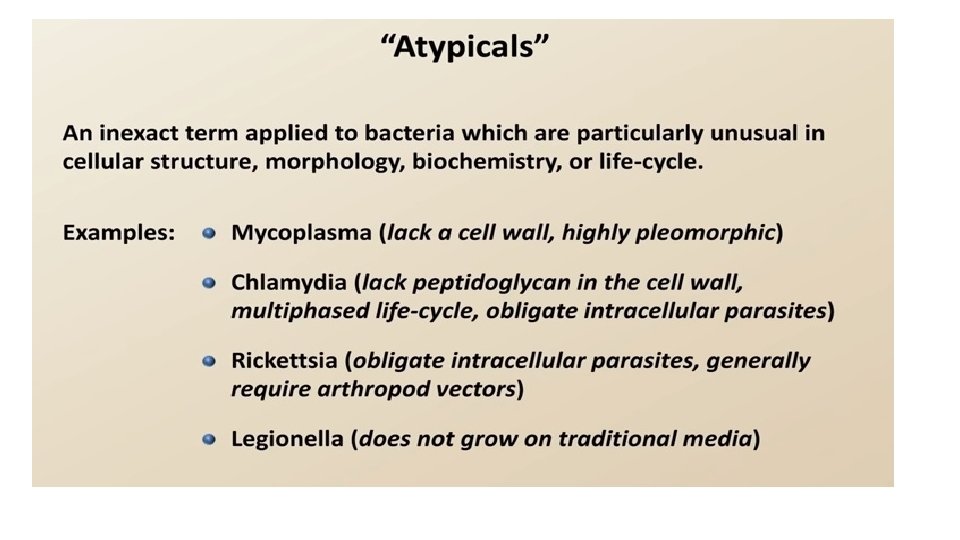
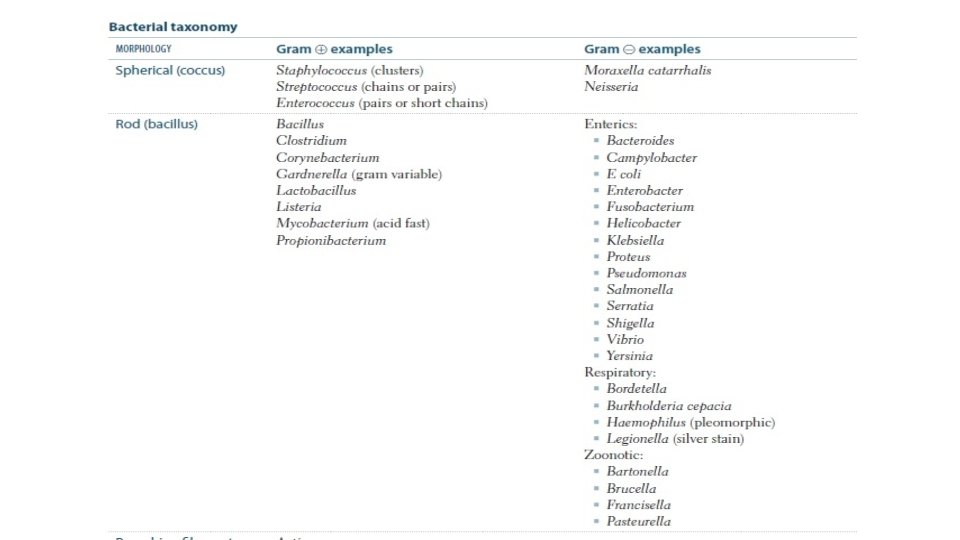
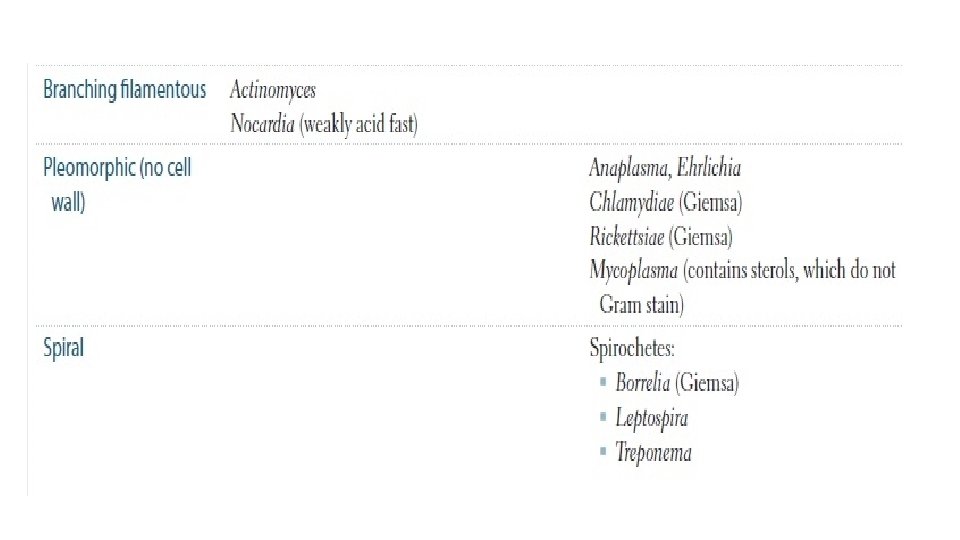
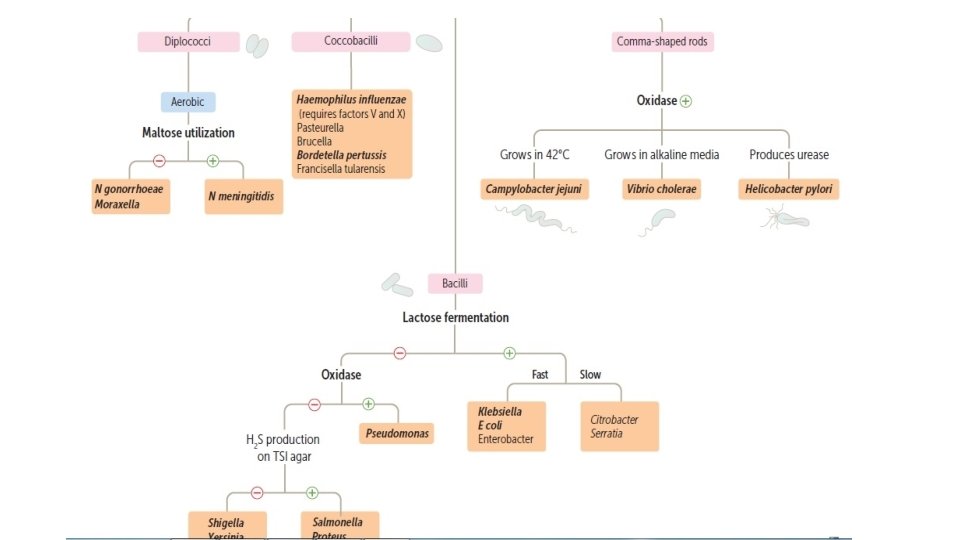
• Classification of Bacteria • Spirochetes • Gram negative bacteria • Ricketssia and Chlamydia • Mycoplasma • Gram positive Cocci • Mycobacteria
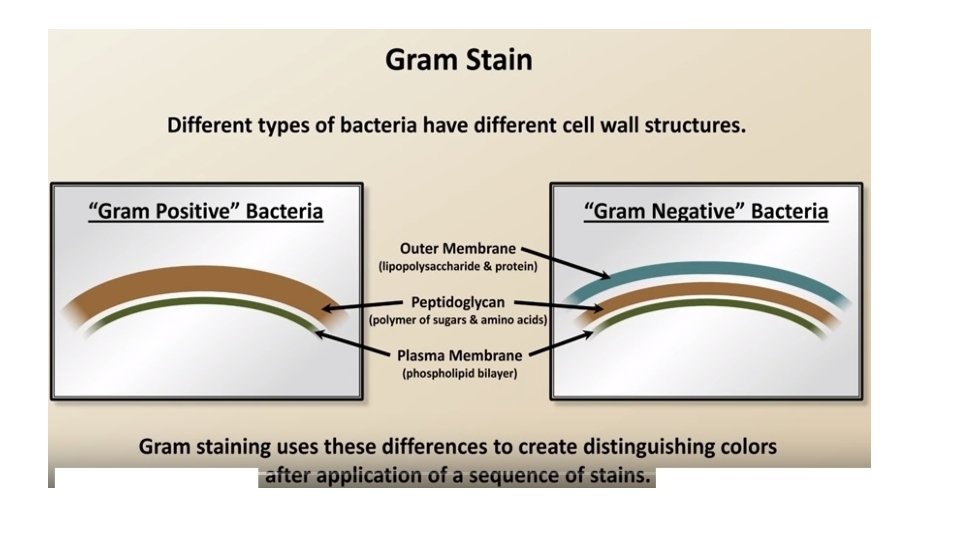
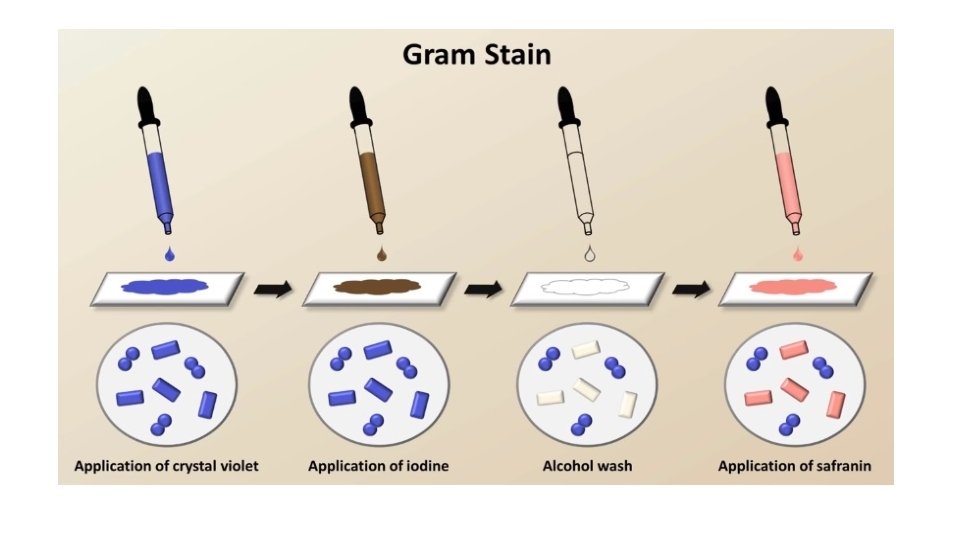
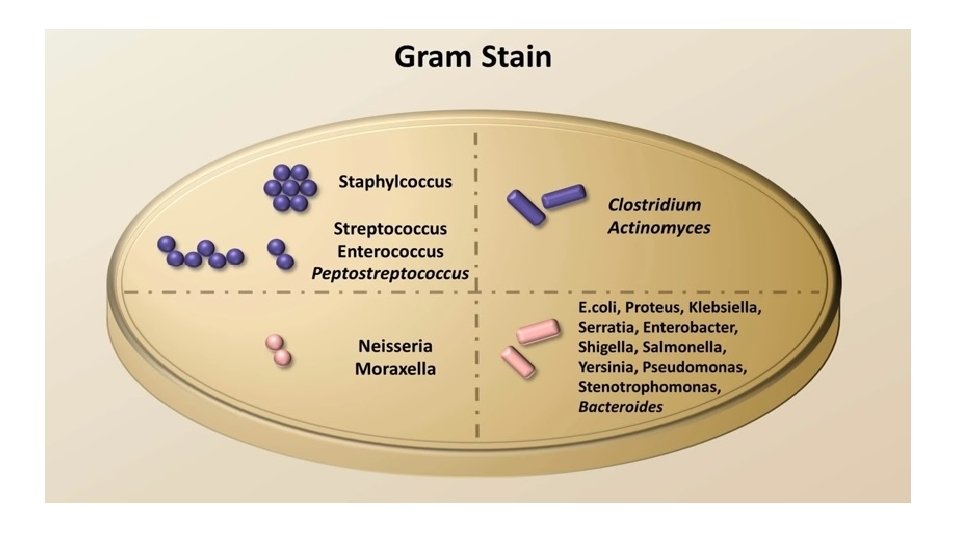
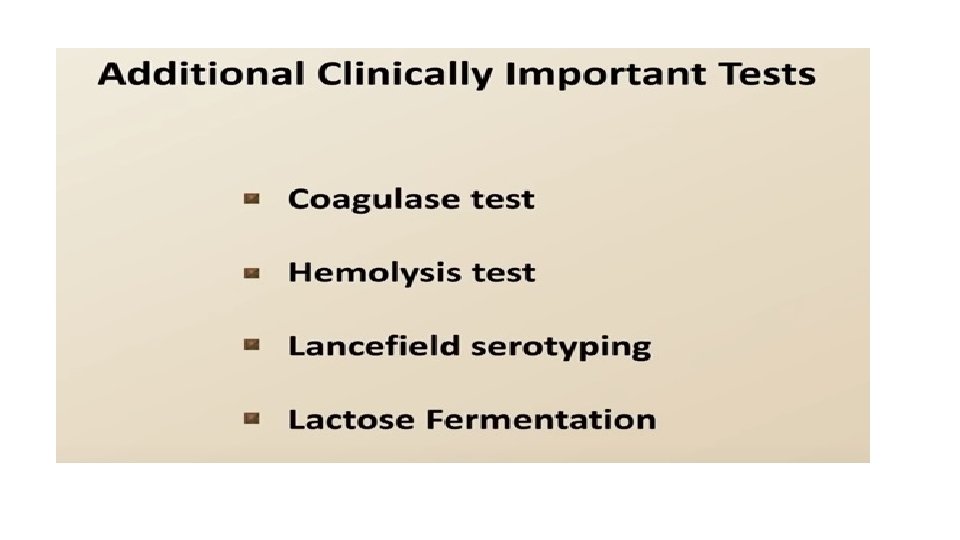
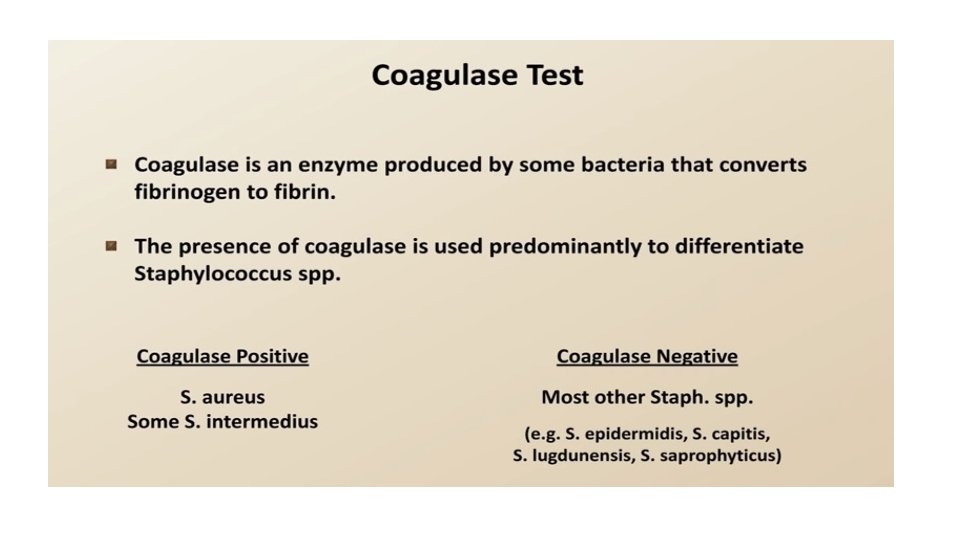

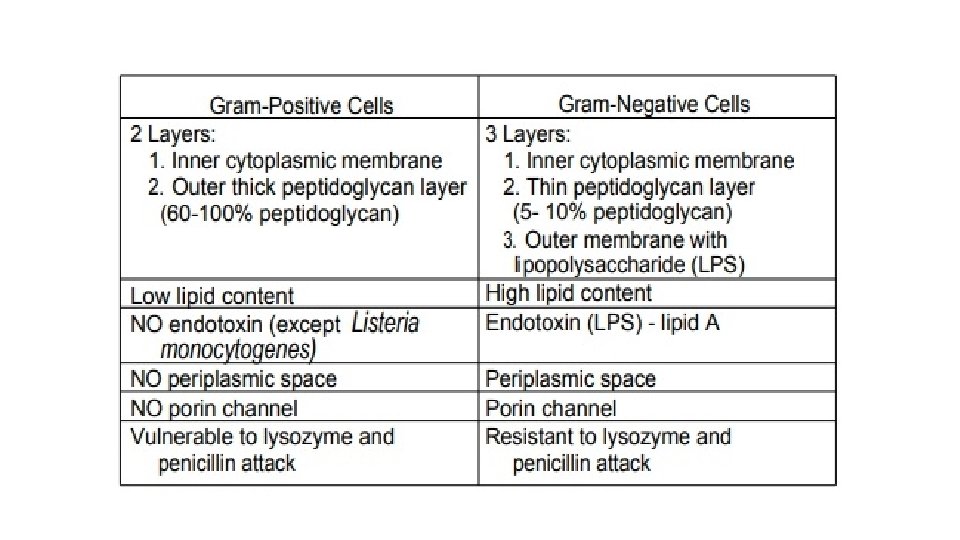
GRAM-POSITIVE BACTERIA • Streptococci and staphylococci are both gram-positive spheres (cocci) and are responsible for a wide variety of clinical diseases. • It is often necessary to differentiate between these two organisms to prescribe the appropriate antibiotic. • The first way to differentiate them is to examine their appearance on a Gram stain. • Streptococci line up one after the other like a strip of button candy, while staphylococci appear as a cluster that can be visualized as a cluster
• A second method to differentiate streptococci from staphylococci involves the enzyme catalase. • A quick look at our staff (Staph) picture reveals that a CAT has joined them, so the staff picture is CAT(alase) positive. • That is, staphylococci possess the enzyme catalase, whereas streptococci do not. Staphylococci are thus referred to as catalase positive while streptococci are catalase negative. • Catalase converts H 2 O 2 (hydrogen peroxide, which is used by macrophages and neutrophils) into h 20 and 02.
• To test for catalase, a wire loop is rubbed across a colony of gram-positive cocci and mixed on a slide with H 202. If bubbles appear, the enzyme catalase must be present, and so staphylococci are present

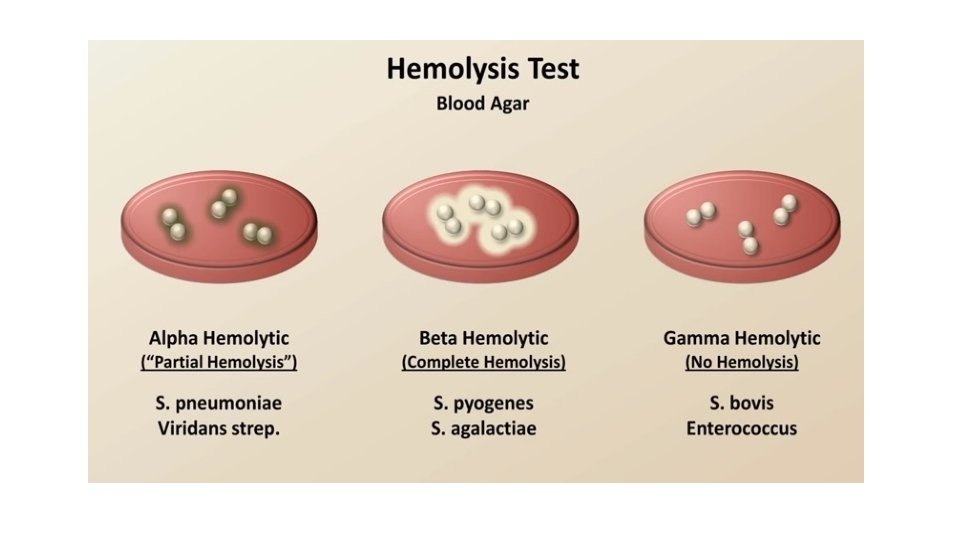
Streptoccal Classification • Certain species of streptococci can either completely or partially hemolyze red blood cells (RBCs). • The streptococci are divided into three groups based on their specific hemolytic ability. • The streptococci are incubated overnight on a blood agar plate.
• Beta-hemolytic streptococci completely lyse the RBCs, leaving a clear zone of hemolysis around the colony. • Alpha-hemolytic streptococci only partially lyse the RBCs, leaving a greenish discoloration of the culture medium surrounding the colony. This discolored area contains unlysed RBCs and a green-colored metabolite of hemoglobin. • Gammahemolytic streptococci are unable to hemolyze the RBCs, and therefore we should really not use the word "hemolytic" in this situation (the term non-hemolytic streptococci is often used to avoid confusion).
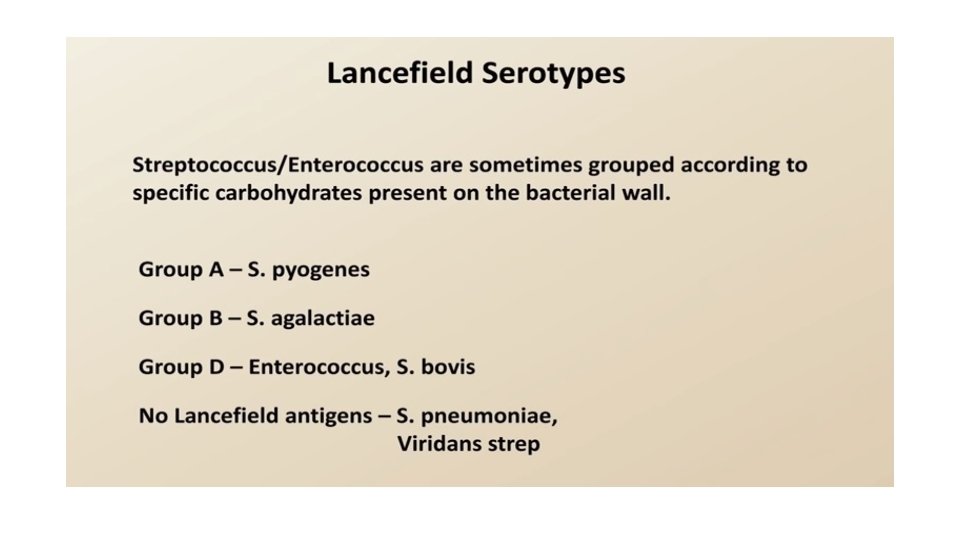
Lancefield antigens • The streptococci can also be classified based on the antigenic characteristics of the C carbohydrate (a carbohydrate found on the cell wall). • These antigens are called Lancefield antigens and are given letter names (from A, B, C, D, E, through S). • Historically, the Lancefield antigens have been used as a major way of differentiating the many streptococci. • However, there are so many different types of streptococci that we now rely less on the Lancefield antigens and more on a combination of tests such as the above mentioned patterns of hemolysis, antigenic composition (including Lancefield), biochemical reactions, growth characteristics, and genetic studies.
• Although there are more than 30 species of streptococci, only 5 are significant human pathogens. • Three of these pathogens have Lancefield antigens: Lancefeld group A, B and D. • The other two pathogenic species of the streptococcal genus do not have Lancefield antigens, and are therefore just called by their species names: • One is Streptococcus pneumoniae and the other is actually a big group of streptococci collectively called the Viridans group streptococci.
GROUP A BETA-HEMOLYTIC STREPTOCOCCI (also called Streptococcus pyogenes) • These organisms are so-named because they possess the Lancefeld group A antigen and are beta-hemolytic on blood agar. • They are also called Streptococcus pyogenes (which means pusproducing). • STREPTOCOCCI eases "strep throat, " scarlet fever, rheumatic fever, and post-streptococcal glomerulonephritis.
• Beta-hemolytic group A streptococci cause 4 types of disease by local invasion and/or exotoxin release. • These include: • 1) Streptococcal pharyngitis (my throat hurts!!!) • 2) Streptococcal skin infections (my throat hurts and my skin is disintegrating!!!!" ) • 3) Scarlet fever • 4) Streptococcal toxic shock syndrome
• Beta-hemolytic group A streptococci can also cause 2 delayed antibody mediated diseases: • 1) Rheumatic fever • 2) Glomerulonephritis Acute post-streptococcal glomerulonephritis:
• Streptococcus pneumoniae is the most common cause of pneumonia in adults. • Pneumococcal pneumonia occurs suddenly, with shaking chills (rigors), high fevers, chest pain with respirations, and shortness of breath. The alveoli of one or more lung lobes fill up with white blood cells (pus), bacteria, and exudate. • This is seen on the chest X-ray as a white consolidated lobe. • The patient will cough up yellow-green phlegm that on Gram stain reveals gram-positive lancet-shaped diplococci

- Slides: 31