
Classification Lesson Learning goal What is a species

- Slides: 38
Classification
Lesson • Learning goal: • What is a species? • Know the 6 kingdoms and what they mean • Success criteria: • Have a correct definition for species written in your book. • Be able to recite the 6 kingdoms and give at least one example of an organism in each.
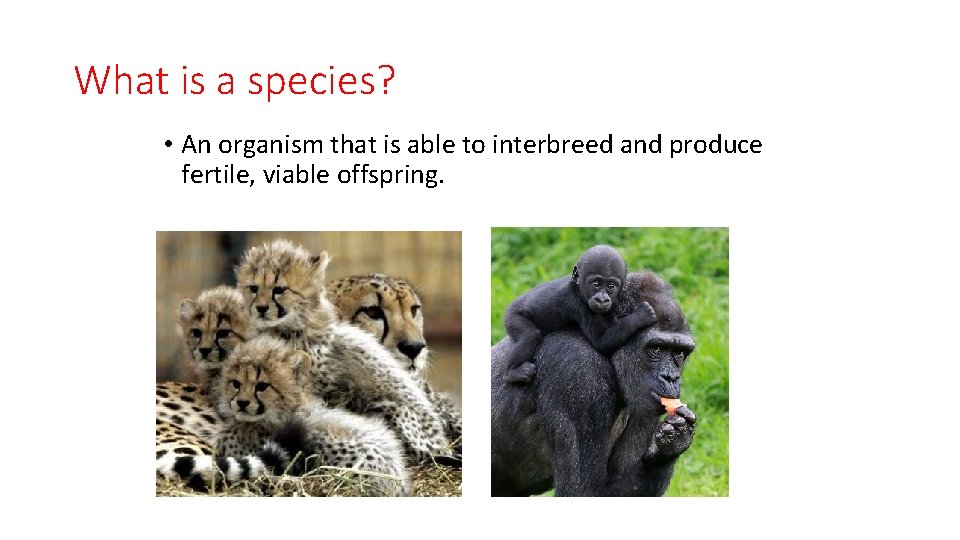
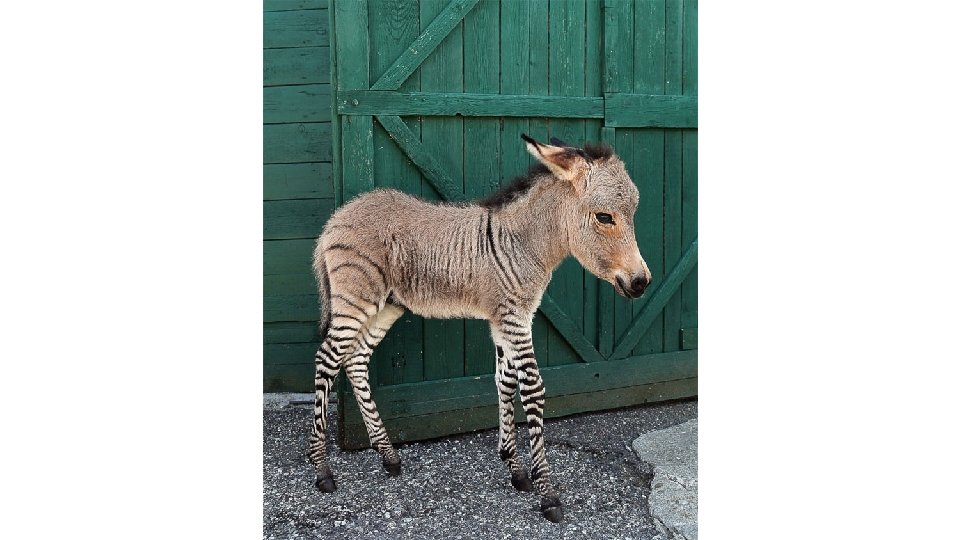
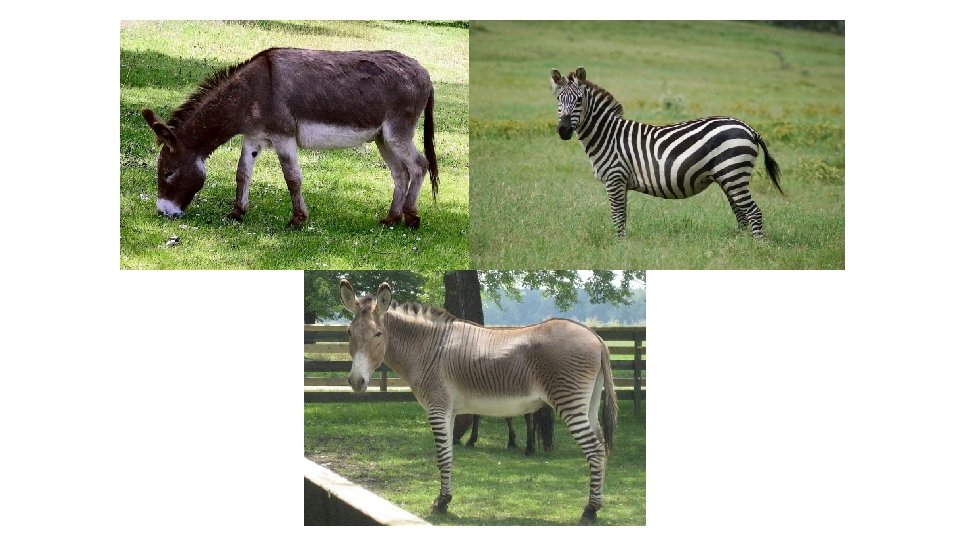
What is a species? • An organism that is able to interbreed and produce fertile, viable offspring.
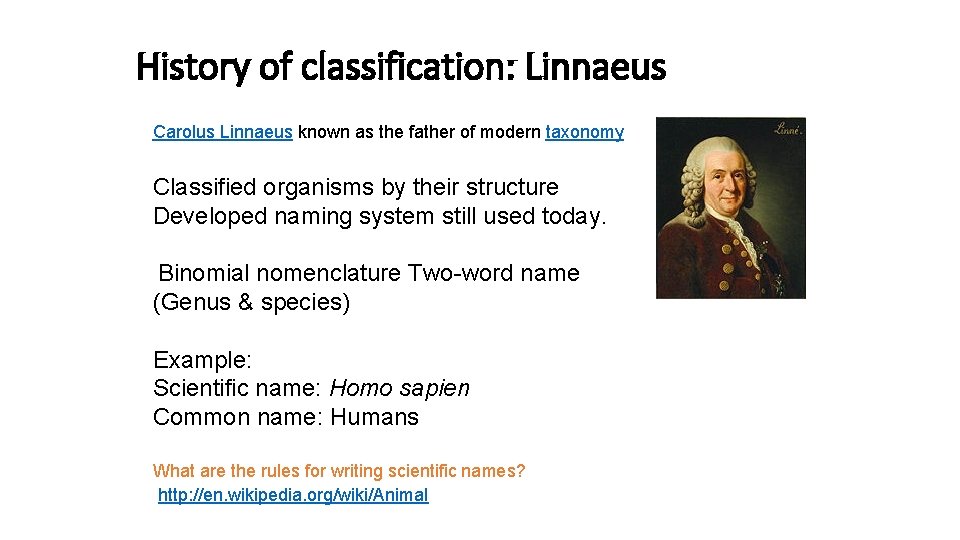
History of classification: Linnaeus Carolus Linnaeus known as the father of modern taxonomy Classified organisms by their structure Developed naming system still used today. Binomial nomenclature Two-word name (Genus & species) Example: Scientific name: Homo sapien Common name: Humans What are the rules for writing scientific names? http: //en. wikipedia. org/wiki/Animal
Kingdoms • “Groups” of living things. • Organisms in this group have similar characteristics and are related to each other.
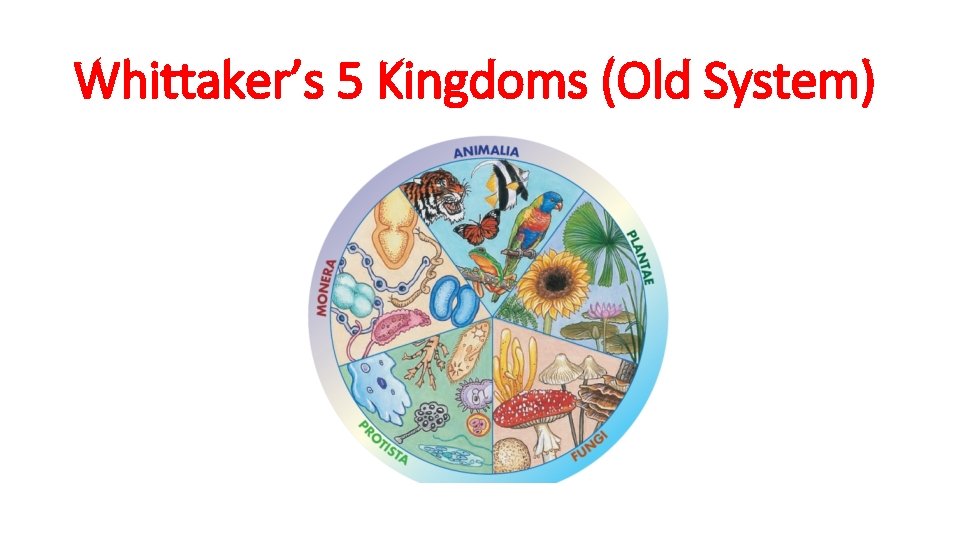
Whittaker’s 5 Kingdoms (Old System)
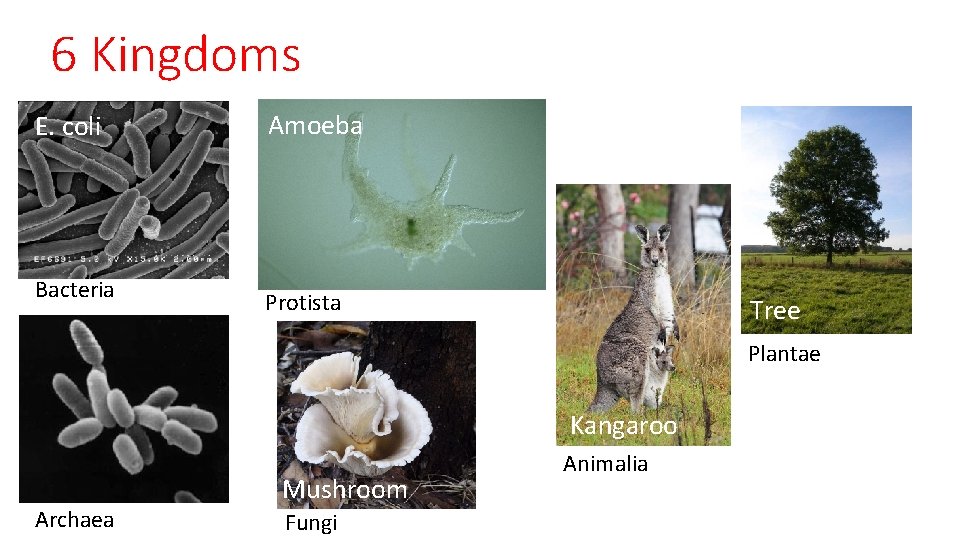
6 Kingdoms (Updated System) • Prokaryotes (Used to be 1 kingdom, Monera) • Bacteria • Archaea • Eukaryotes • Protista • Plantae • Fungi • Animalia
6 Kingdoms E. coli Bacteria Amoeba Protista Tree Plantae Kangaroo Archaea Mushroom Fungi Animalia
Lesson Review • Learning goal: • What is a species? • Know the 6 kingdoms and what they mean • Success criteria: • Have a correct definition for species written in your book. • Be able to recite the 6 kingdoms and give at least one example of an organism in each.
Lesson • Learning goal: • Know and understand the seven levels of classification • Understand how to write the scientific name of a species in the Genus species format. • Be introduced to identification keys. • Success criteria: • Be able to recite the seven levels of classification (kingdom, phylum, class, order, family, genus, species). • Complete the scientific naming activity correctly.
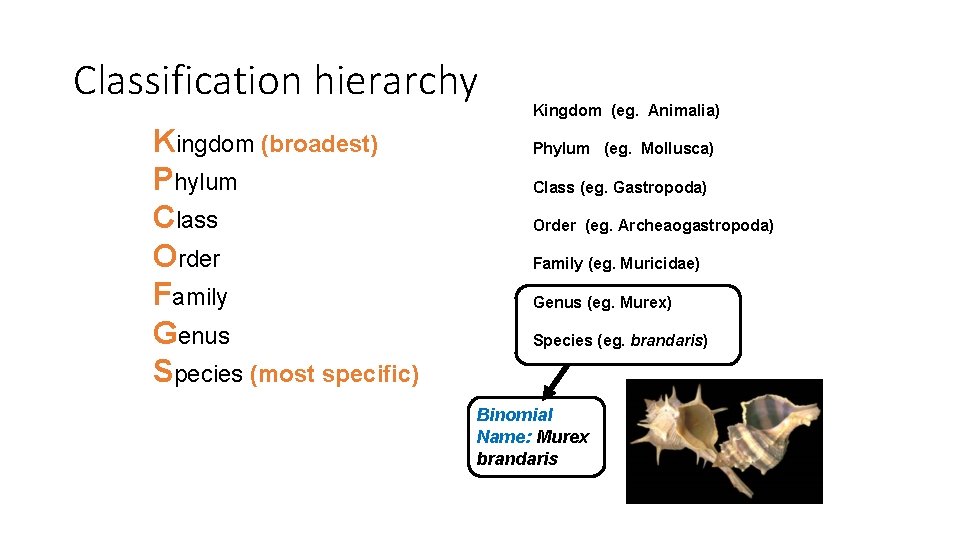
Classification hierarchy Kingdom (broadest) Phylum Class Order Family Genus Species (most specific) Kingdom (eg. Animalia) Phylum (eg. Mollusca) Class (eg. Gastropoda) Order (eg. Archeaogastropoda) Family (eg. Muricidae) Genus (eg. Murex) Species (eg. brandaris) Binomial Name: Murex brandaris
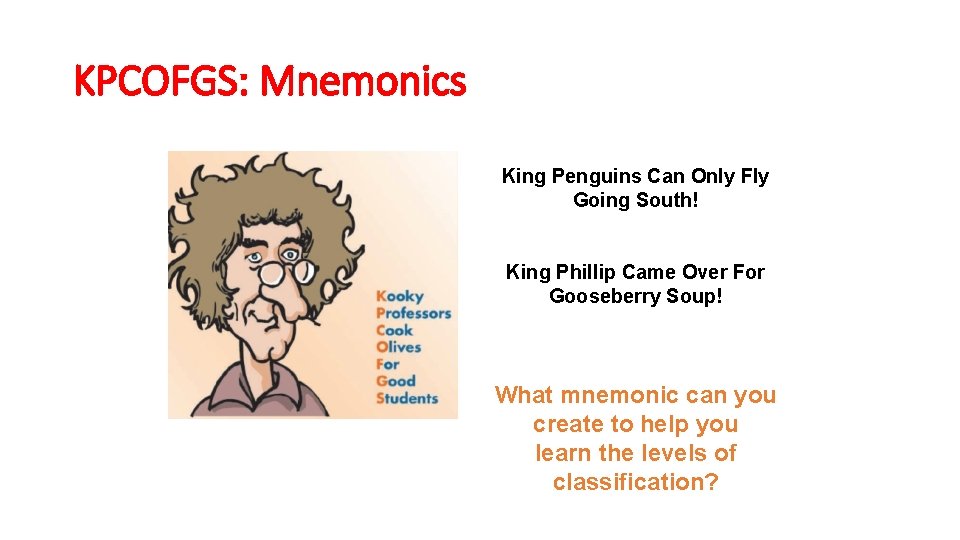
KPCOFGS: Mnemonics King Penguins Can Only Fly Going South! King Phillip Came Over For Gooseberry Soup! What mnemonic can you create to help you learn the levels of classification?
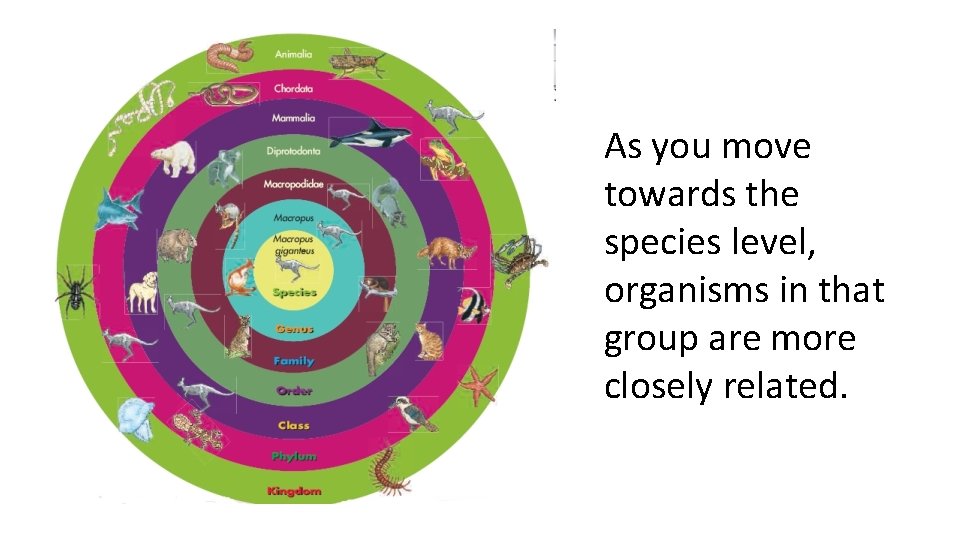
As you move towards the species level, organisms in that group are more closely related.
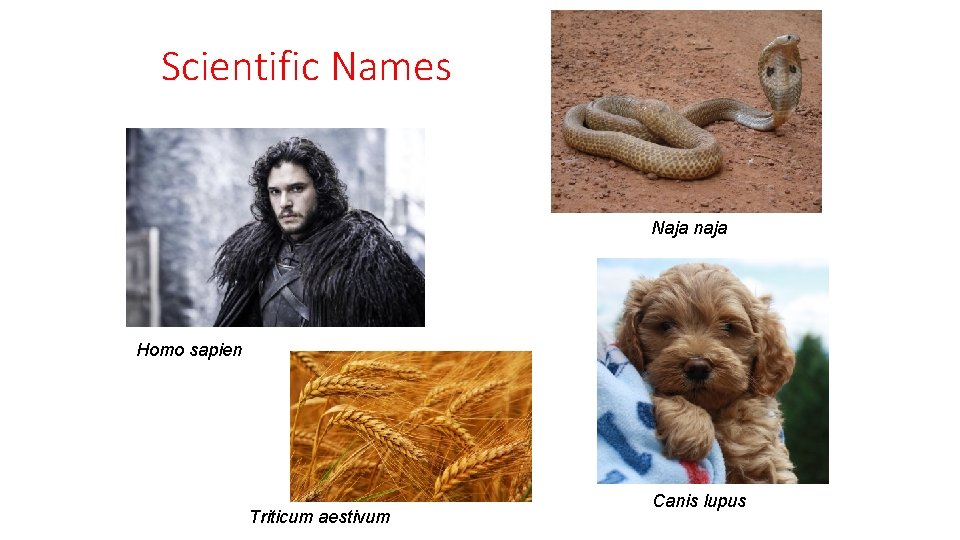
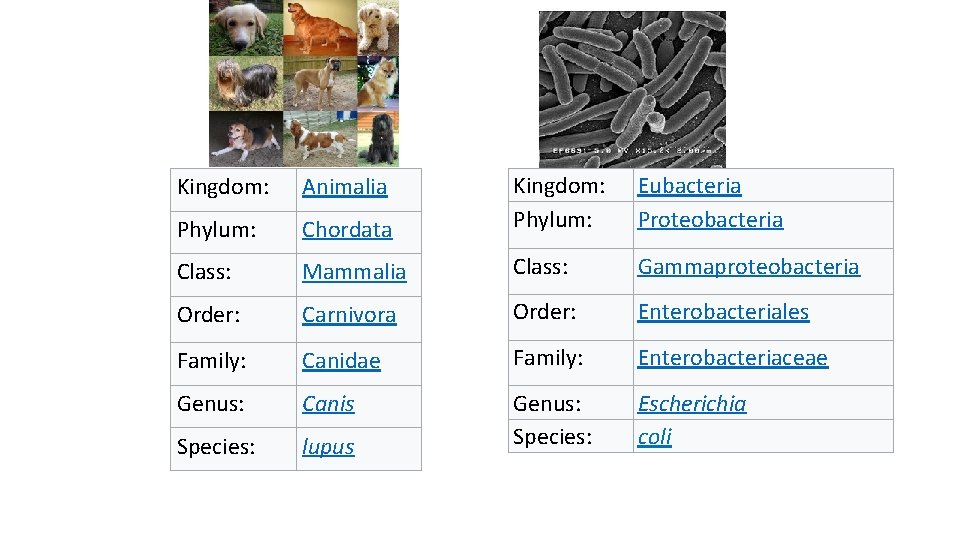
Scientific Names Naja naja Homo sapien Triticum aestivum Canis lupus
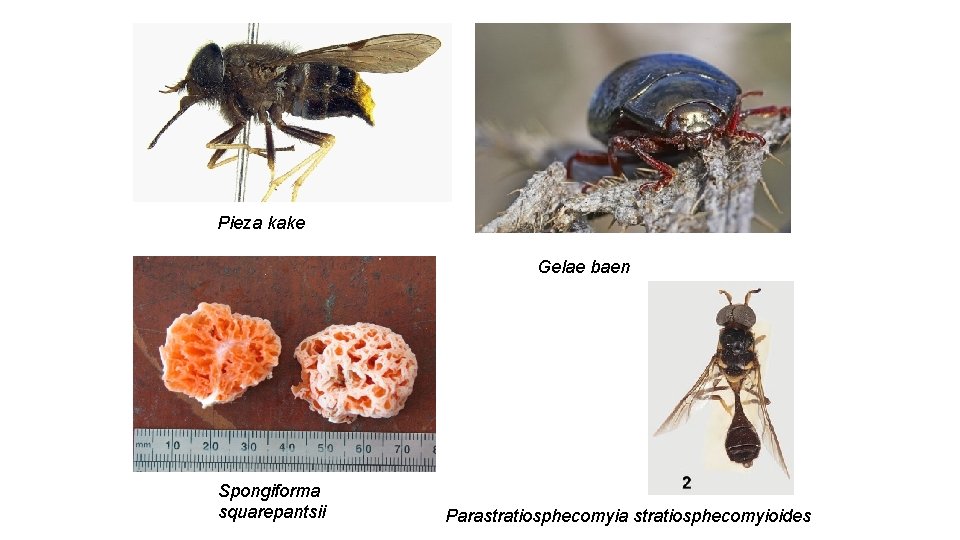
Pieza kake Gelae baen Spongiforma squarepantsii Parastratiosphecomyia stratiosphecomyioides
Chordata Kingdom: Phylum: Eubacteria Proteobacteria Class: Mammalia Class: Gammaproteobacteria Order: Carnivora Order: Enterobacteriales Family: Canidae Family: Enterobacteriaceae Genus: Canis Species: lupus Genus: Species: Escherichia coli Kingdom: Animalia Phylum:
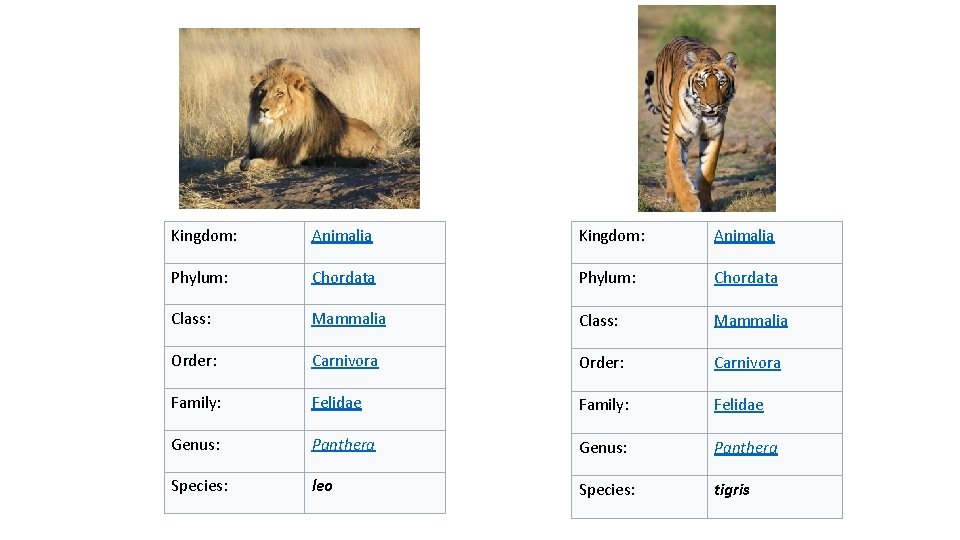
Kingdom: Animalia Phylum: Chordata Class: Mammalia Order: Carnivora Family: Felidae Genus: Panthera Species: leo Species: tigris
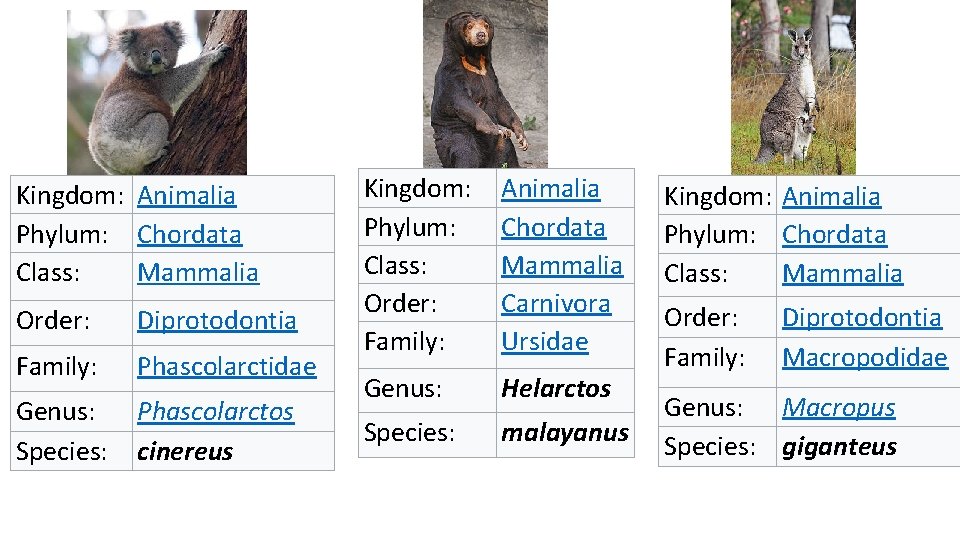
Kingdom: Animalia Phylum: Chordata Class: Mammalia Order: Diprotodontia Family: Phascolarctidae Genus: Species: Phascolarctos cinereus Kingdom: Phylum: Class: Order: Family: Animalia Chordata Mammalia Carnivora Ursidae Genus: Helarctos Species: malayanus Kingdom: Animalia Phylum: Chordata Class: Mammalia Order: Family: Diprotodontia Macropodidae Genus: Macropus Species: giganteus
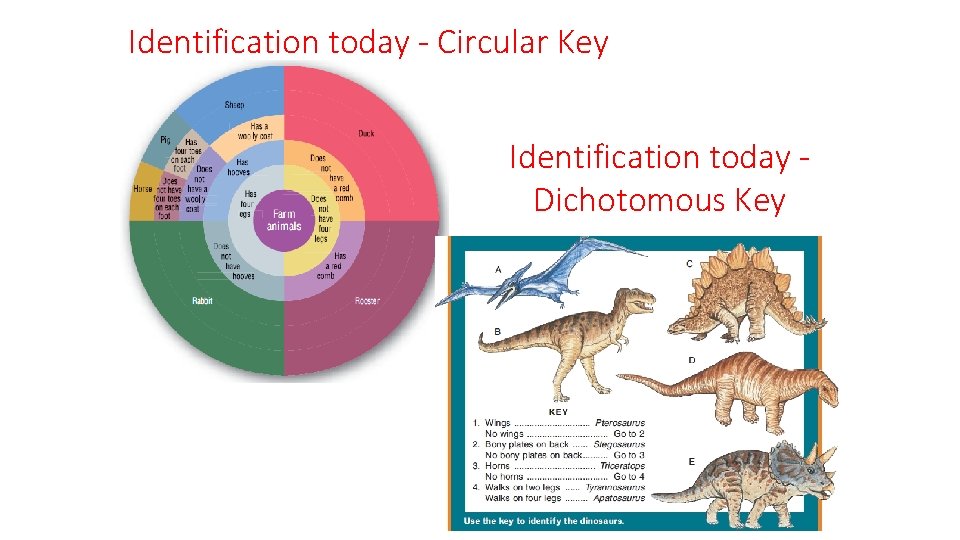
How do we identify diverse organisms? • In the lab: DNA – the blueprint of life. Every species has common DNA • Field guides • Dichotomous keys
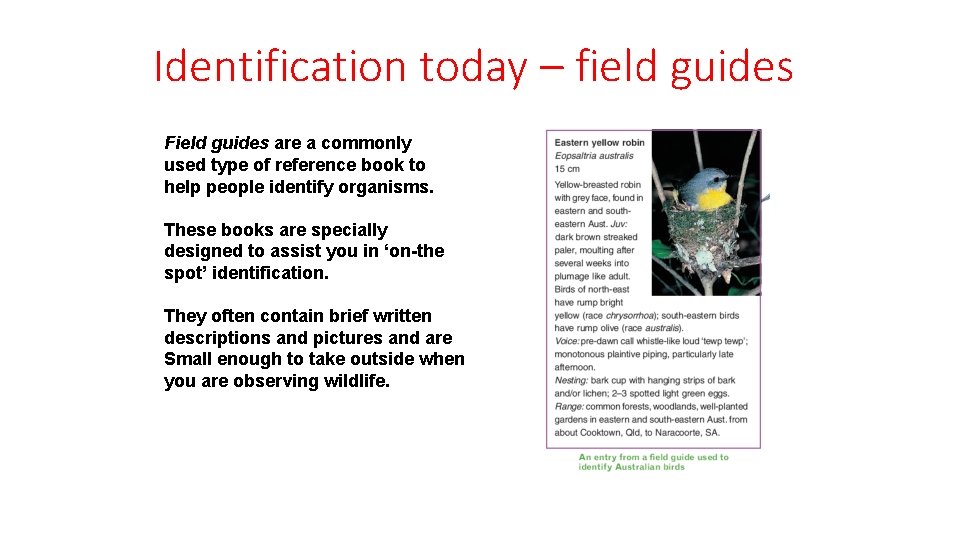
Identification today – field guides Field guides are a commonly used type of reference book to help people identify organisms. These books are specially designed to assist you in ‘on-the spot’ identification. They often contain brief written descriptions and pictures and are Small enough to take outside when you are observing wildlife.
Identification today - Circular Key Identification today Dichotomous Key
Animals
Learning Goal • To learn about the different vertebrate and invertebrate animal classes. Success Criteria • Complete the tables in the classification activity.
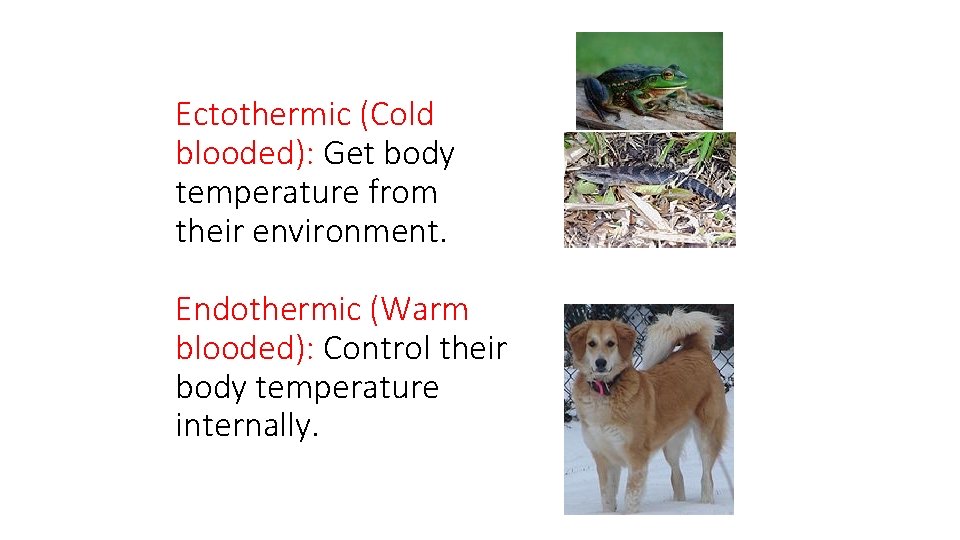
Ectothermic (Cold blooded): Get body temperature from their environment. Endothermic (Warm blooded): Control their body temperature internally.
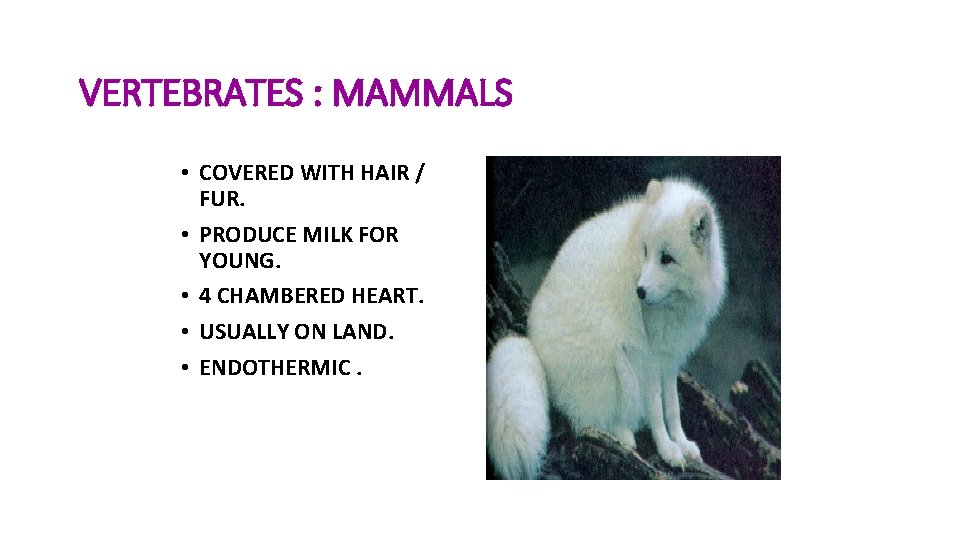
VERTEBRATES : MAMMALS • COVERED WITH HAIR / FUR. • PRODUCE MILK FOR YOUNG. • 4 CHAMBERED HEART. • USUALLY ON LAND. • ENDOTHERMIC.
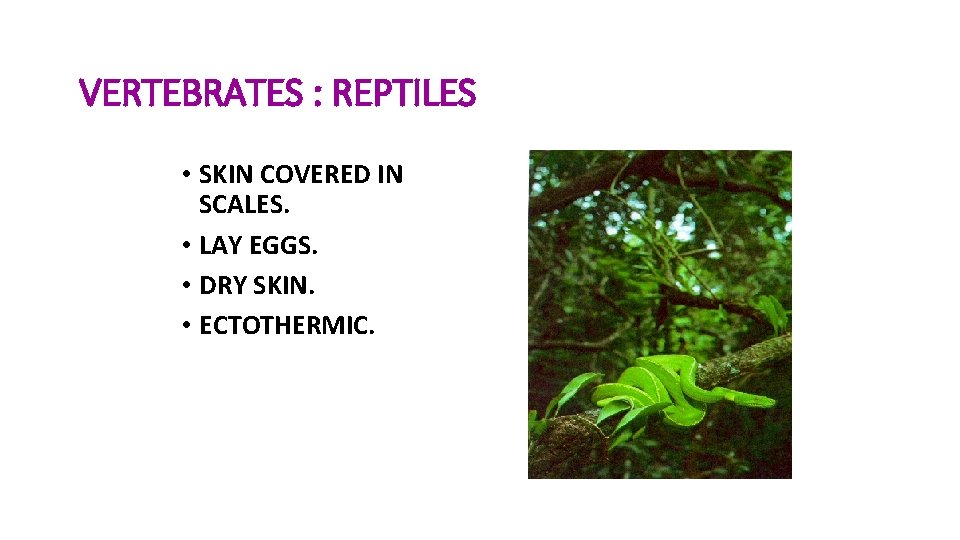
VERTEBRATES : REPTILES • SKIN COVERED IN SCALES. • LAY EGGS. • DRY SKIN. • ECTOTHERMIC.
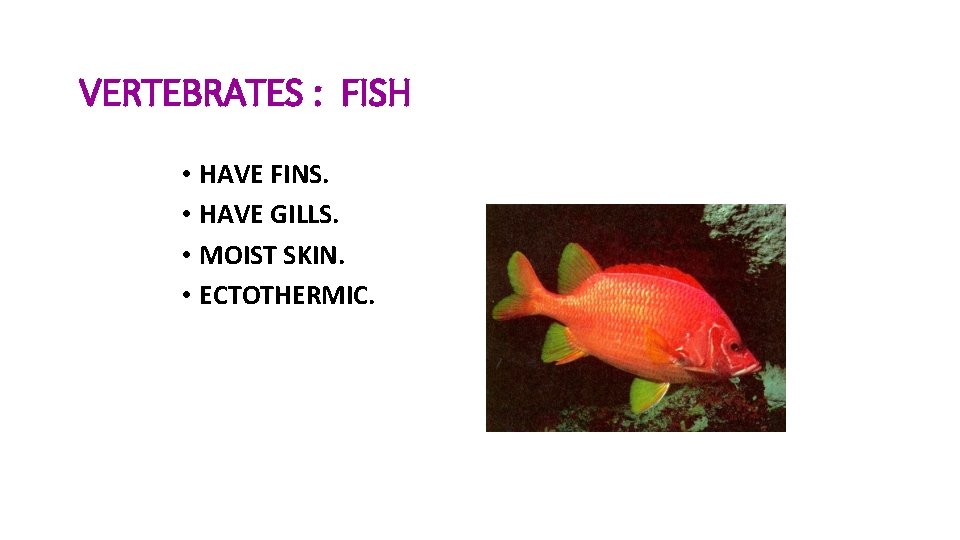
VERTEBRATES : FISH • HAVE FINS. • HAVE GILLS. • MOIST SKIN. • ECTOTHERMIC.
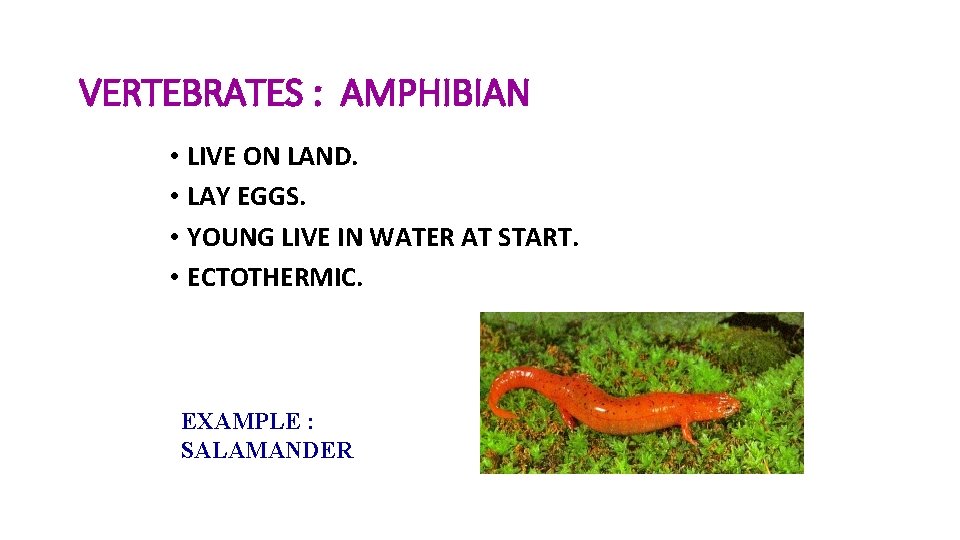
VERTEBRATES : AMPHIBIAN • LIVE ON LAND. • LAY EGGS. • YOUNG LIVE IN WATER AT START. • ECTOTHERMIC. EXAMPLE : SALAMANDER
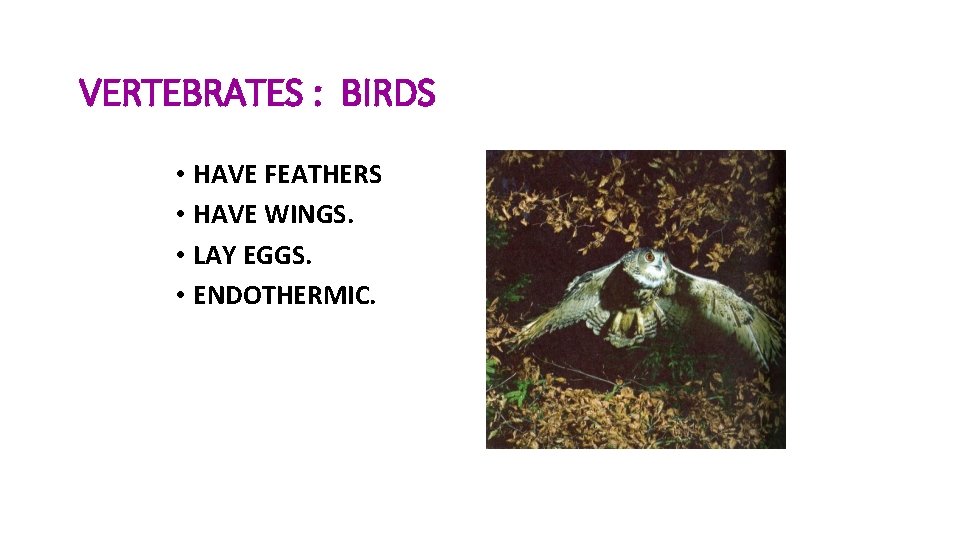
VERTEBRATES : BIRDS • HAVE FEATHERS • HAVE WINGS. • LAY EGGS. • ENDOTHERMIC.
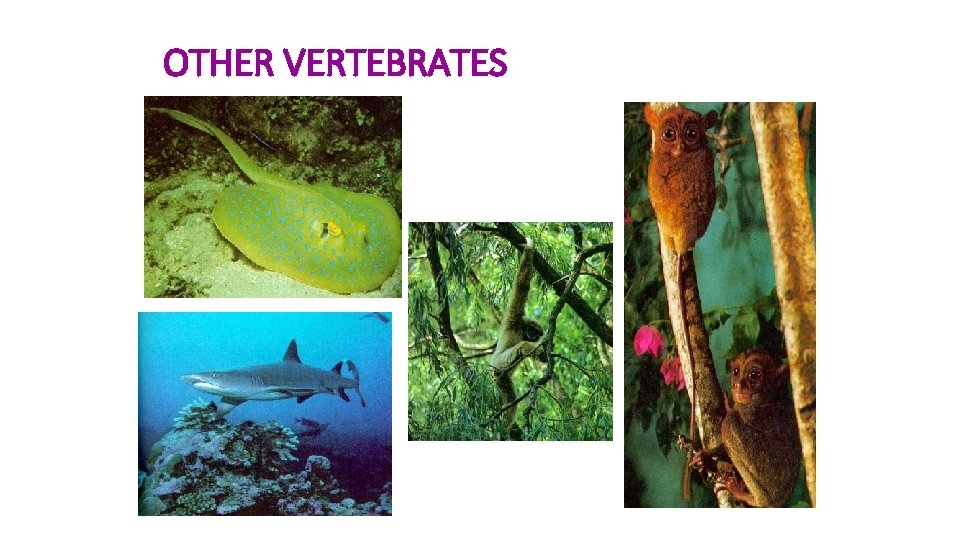
OTHER VERTEBRATES
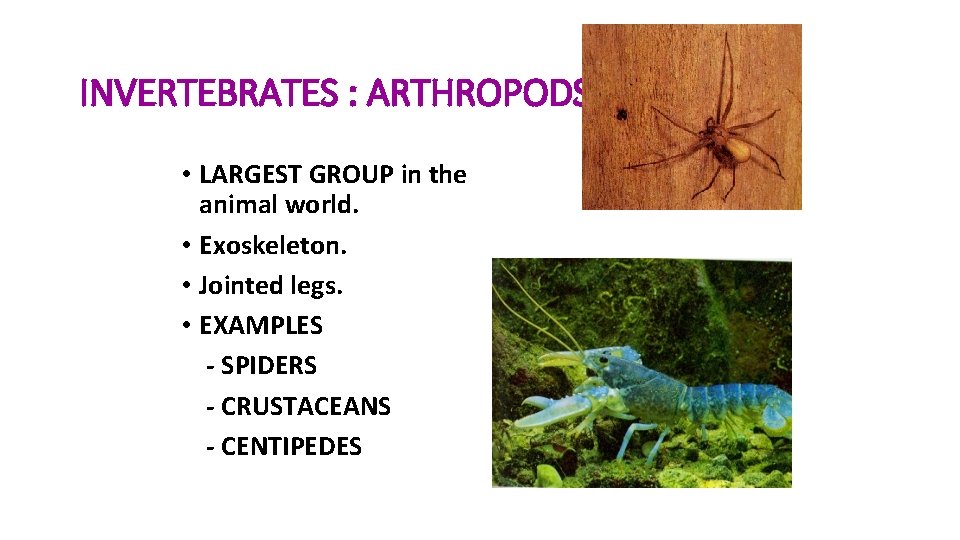
INVERTEBRATES : ARTHROPODS • LARGEST GROUP in the animal world. • Exoskeleton. • Jointed legs. • EXAMPLES - SPIDERS - CRUSTACEANS - CENTIPEDES
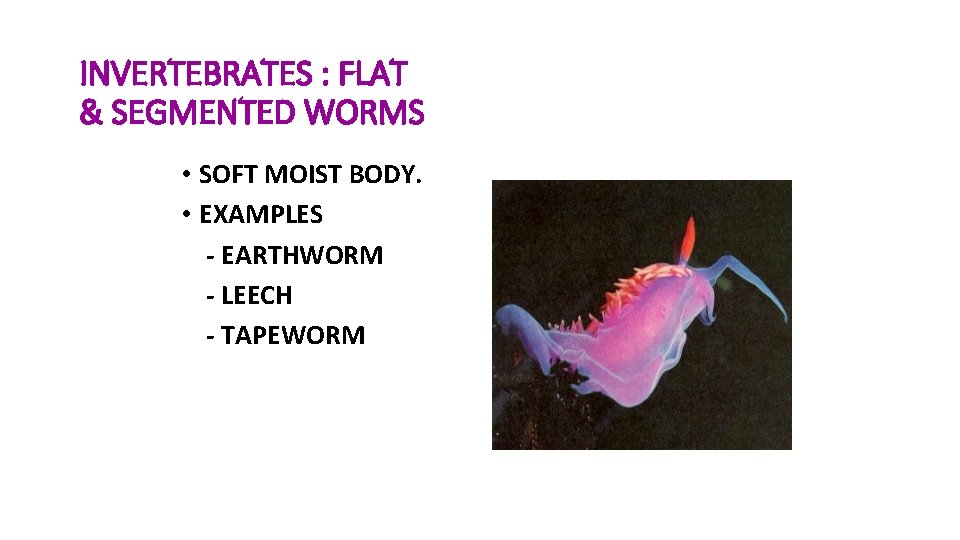
INVERTEBRATES : FLAT & SEGMENTED WORMS • SOFT MOIST BODY. • EXAMPLES - EARTHWORM - LEECH - TAPEWORM
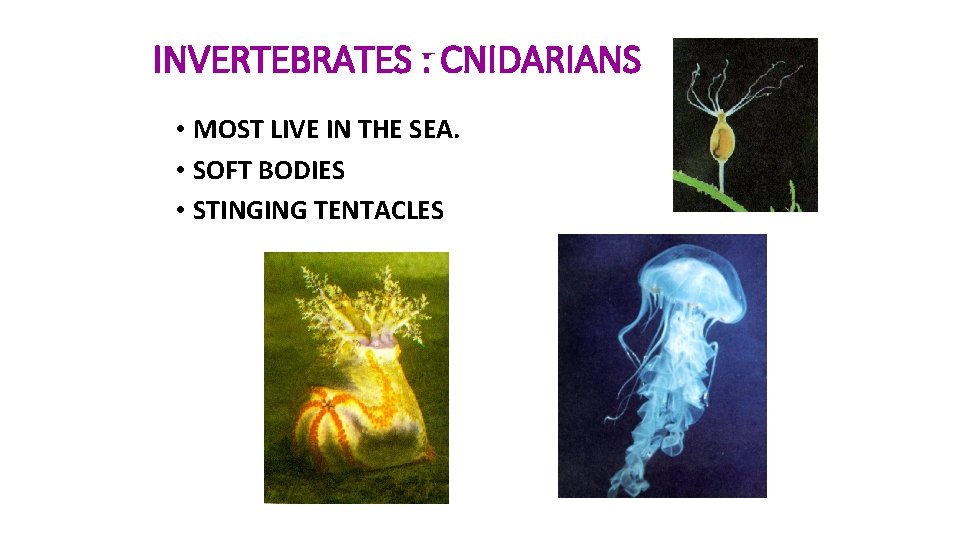
INVERTEBRATES : CNIDARIANS • MOST LIVE IN THE SEA. • SOFT BODIES • STINGING TENTACLES
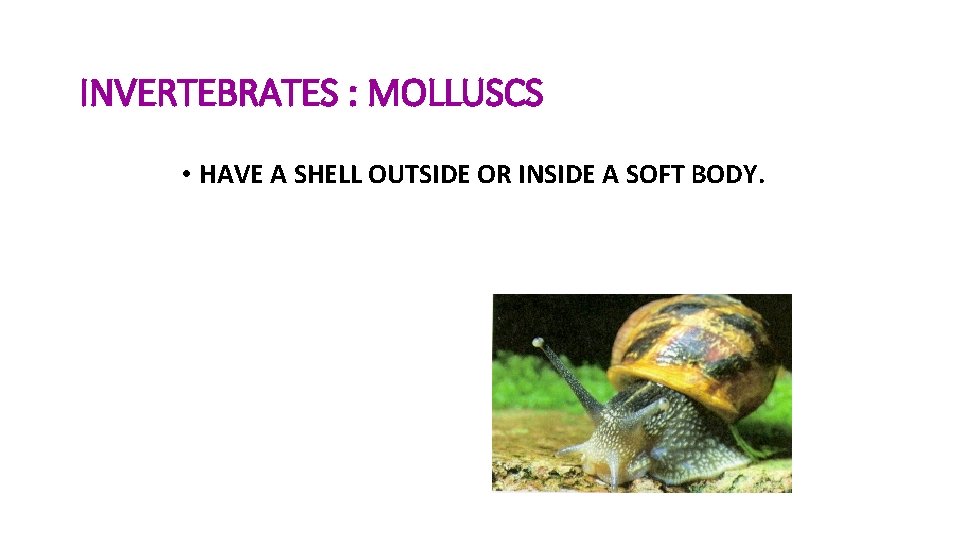
INVERTEBRATES : MOLLUSCS • HAVE A SHELL OUTSIDE OR INSIDE A SOFT BODY.
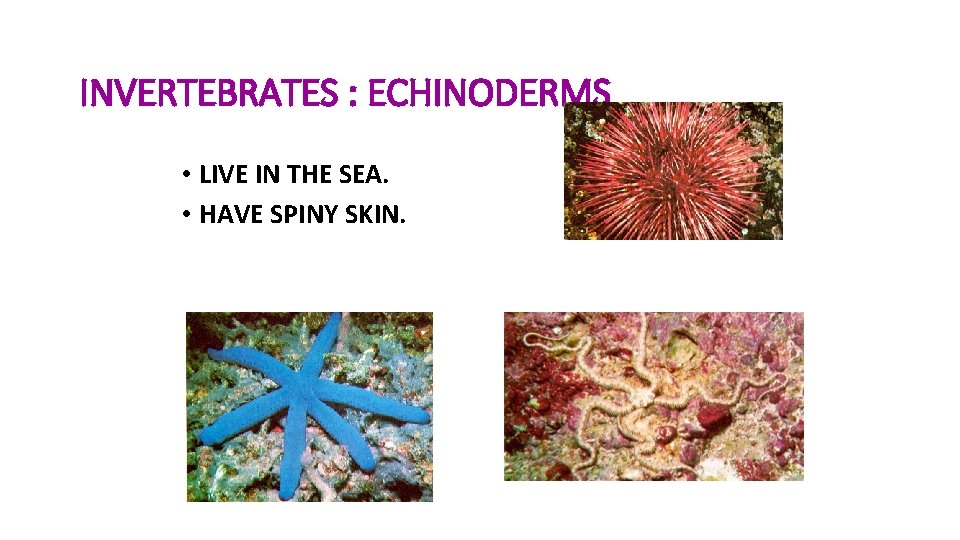
INVERTEBRATES : ECHINODERMS • LIVE IN THE SEA. • HAVE SPINY SKIN.
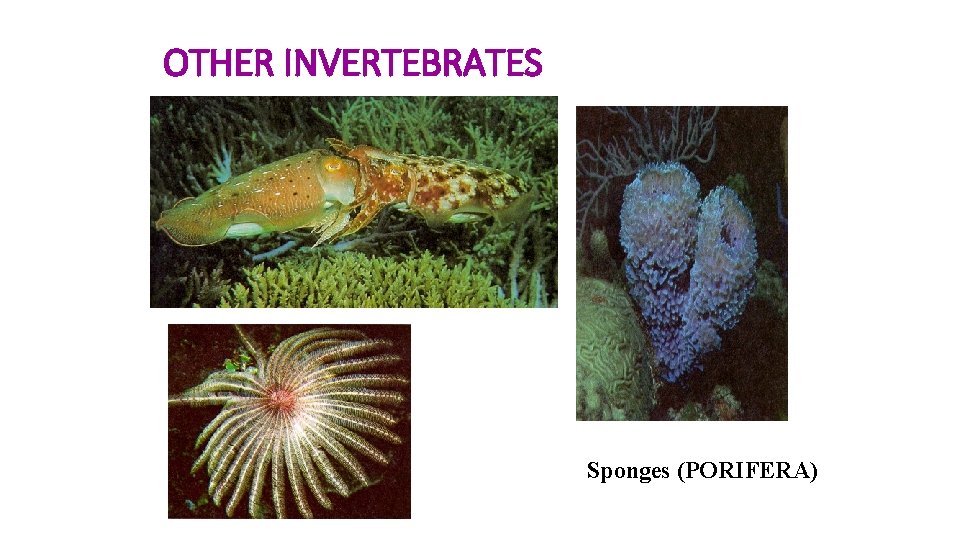
OTHER INVERTEBRATES Sponges (PORIFERA)