
Classification Carolus Linnaeus 1700 s Classified organisms according









- Slides: 31
Classification
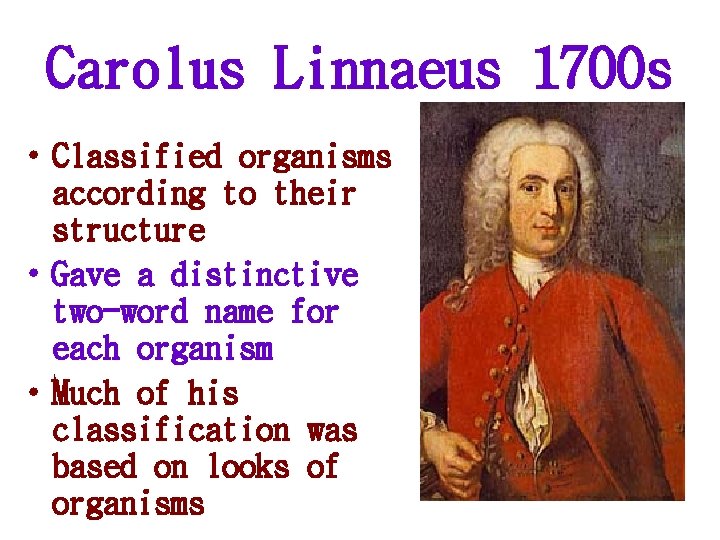
Carolus Linnaeus 1700 s • Classified organisms according to their structure • Gave a distinctive two-word name for each organism • Much of his classification was based on looks of organisms
What type of data can we gather about animals now? • DNA – Gel Electrophoresis, DNA Fingerprint – Karyotypes • • • Embryological Biochemical Comparisons of Proteins Fossils Location on Earth Behavior
Video • Watch the whole thing
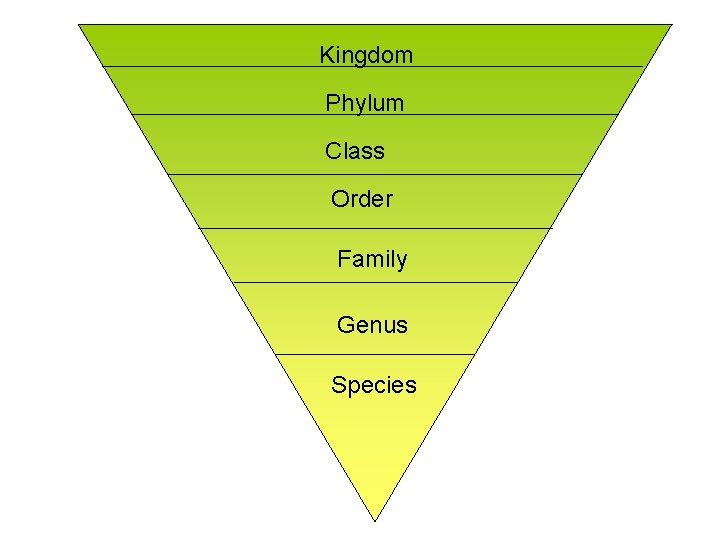
How it works. . . Kingdom Phillip Phylum Came Class Over Order For Family Good Genus Spaghetti Species
Kingdom Phylum Class Order Family Genus Species
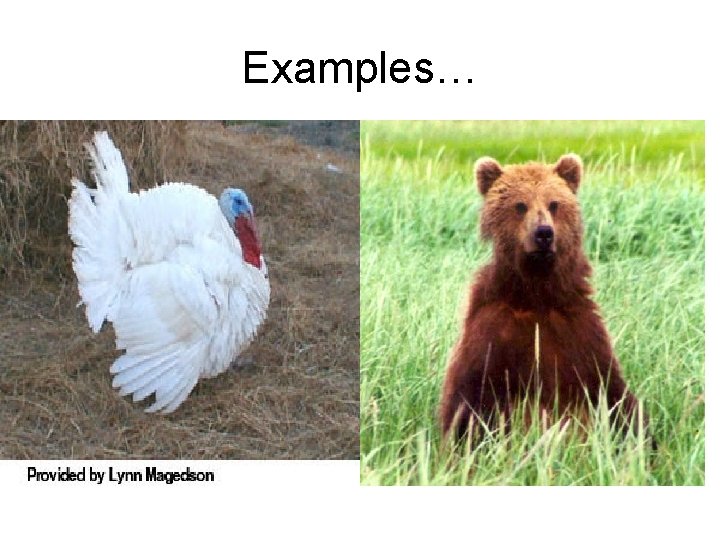
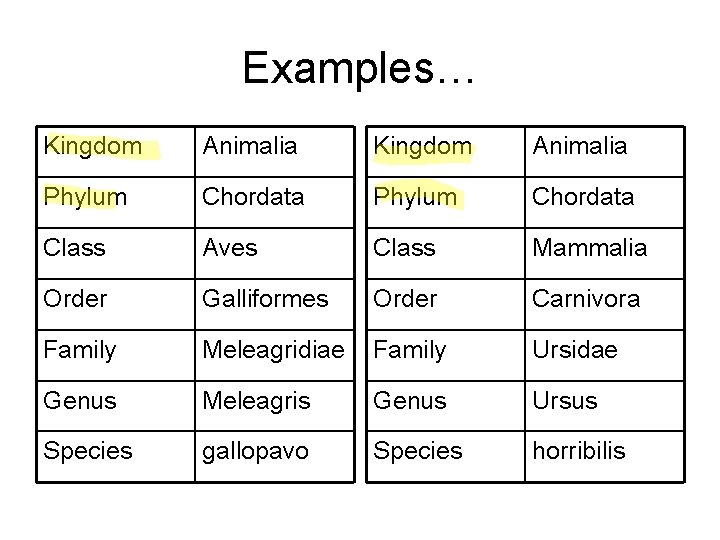
Examples… Kingdom Animalia Phylum Chordata Class Aves Class Mammalia Order Galliformes Order Carnivora Family Meleagridiae Family Ursidae Genus Meleagris Genus Ursus Species gallopavo Species horribilis
Examples… Kingdom Animalia Phylum Chordata Class Aves Class Mammalia Order Galliformes Order Carnivora Family Meleagridiae Family Ursidae Genus Meleagris Genus Ursus Species gallopavo Species horribilis
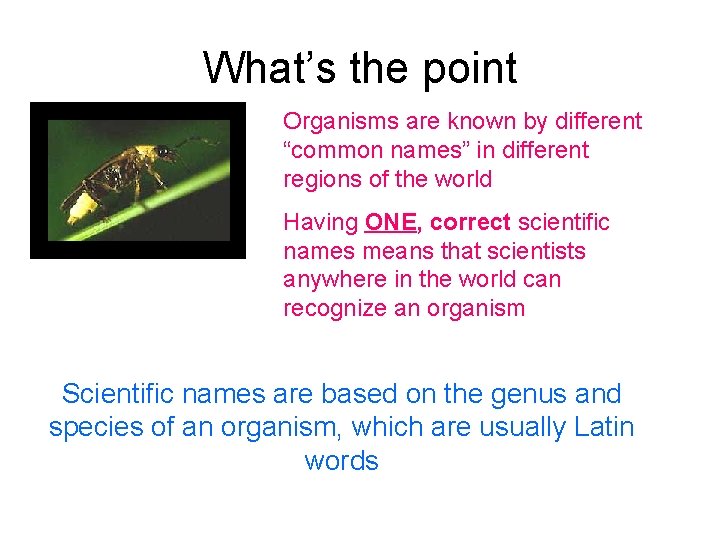
What’s the point Organisms are known by different “common names” in different regions of the world Having ONE, correct scientific names means that scientists anywhere in the world can recognize an organism Scientific names are based on the genus and species of an organism, which are usually Latin words
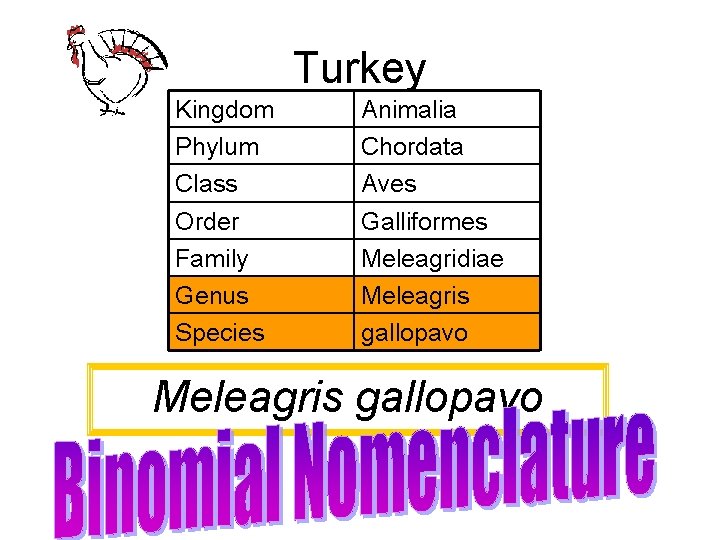
Turkey Kingdom Phylum Class Order Family Genus Species Animalia Chordata Aves Galliformes Meleagridiae Meleagris gallopavo
Watch Classification And Kingdom Overview Movie 1 min to 4 min • Click here • End day 1
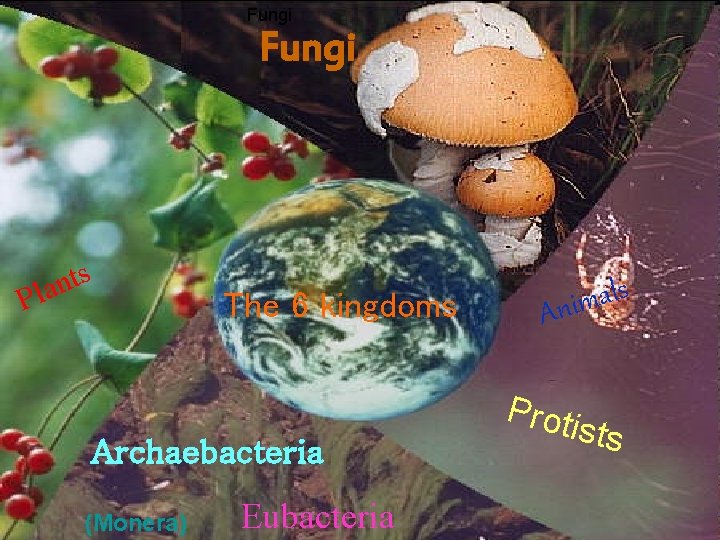
Fungi s t n la P The 6 kingdoms Archaebacteria (Monera) Eubacteria s l a m Ani Prot ists
Its time for the ever popular game What Kingdom am I in? !? !!? !? ! With your host….
YUUUMM
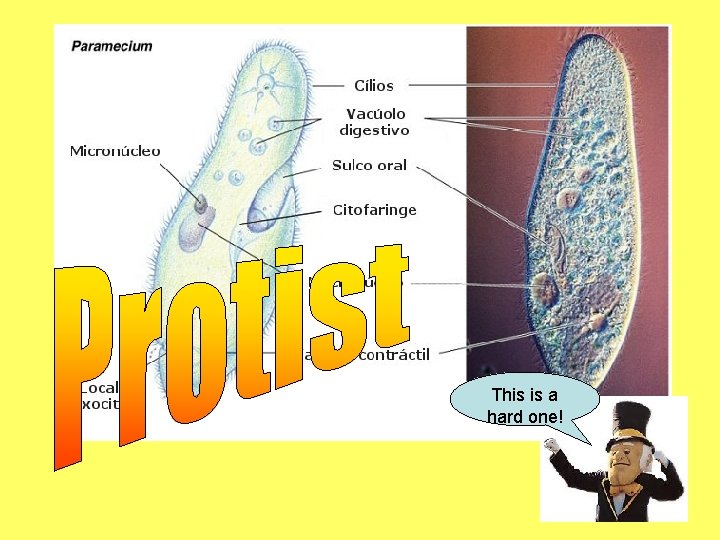
This is a hard one!
I’m such a Fun Guy!
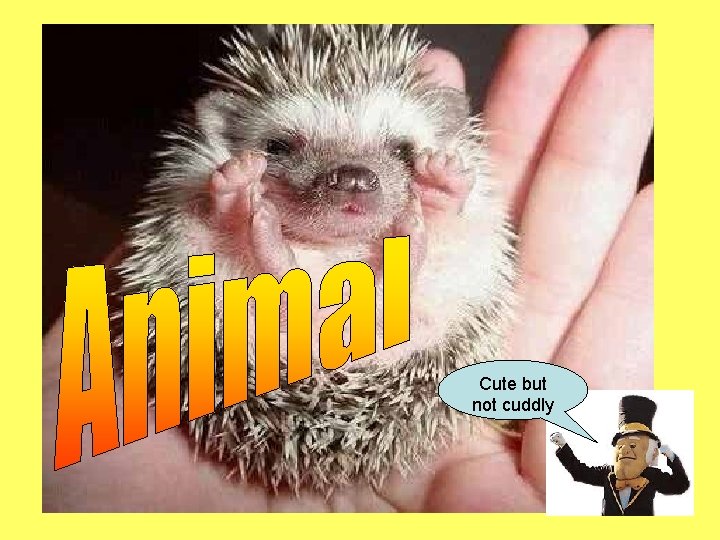
Cute but not cuddly
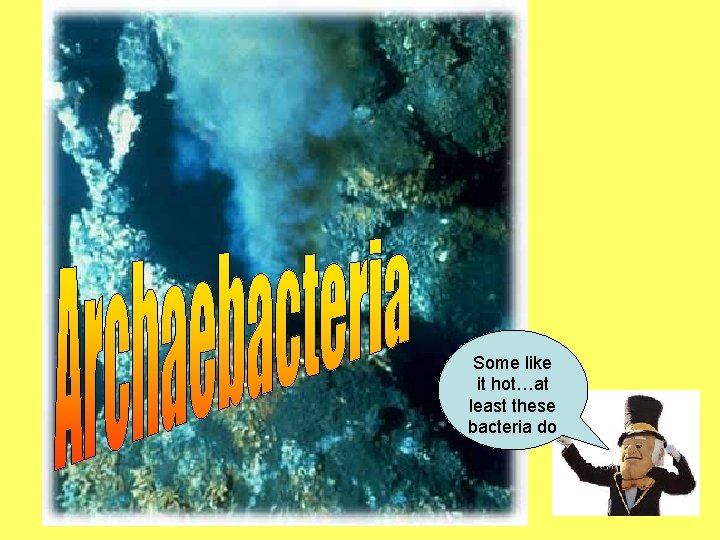
Some like it hot…at least these bacteria do
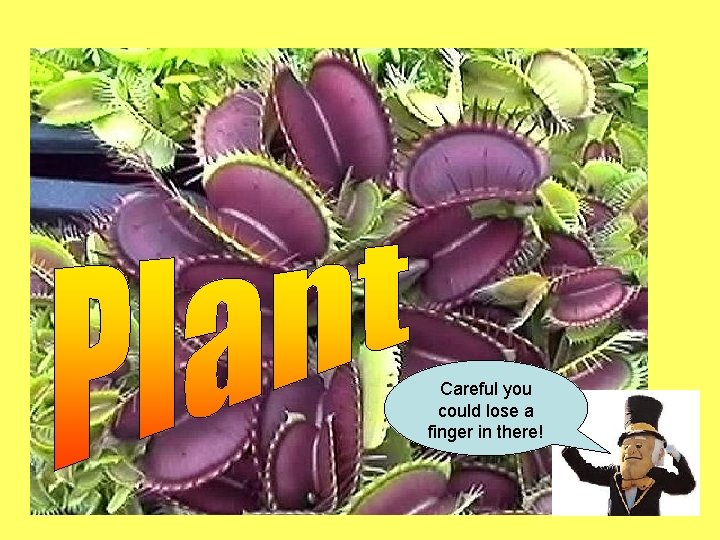
Careful you could lose a finger in there!
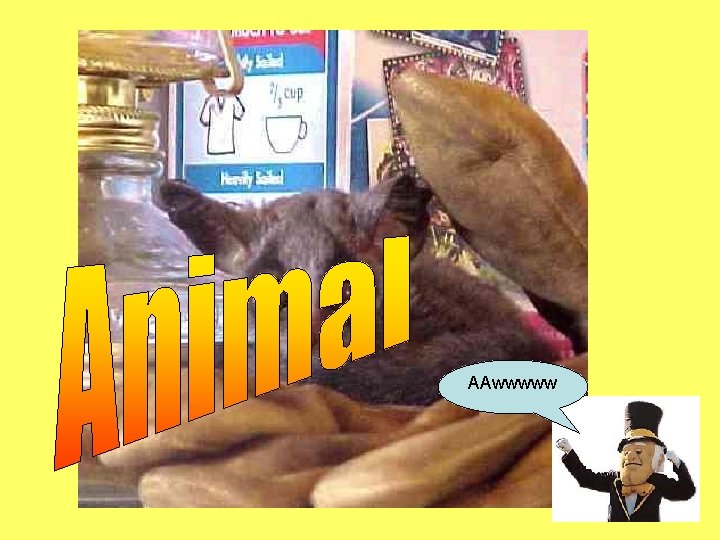
AAwwwww
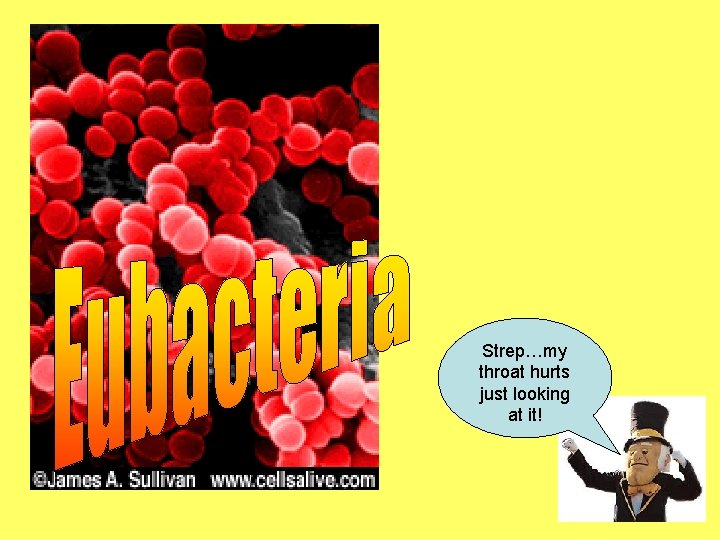
Strep…my throat hurts just looking at it!
A kelp forest
How many did you get right? Fill out the table with your table partners
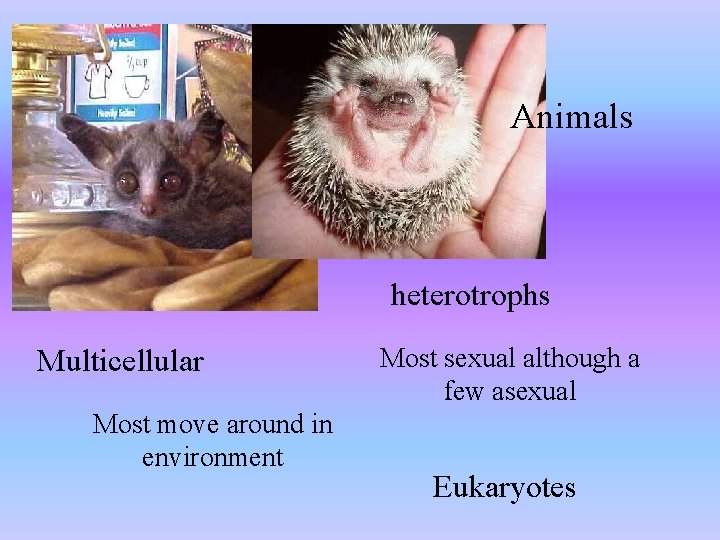
Animals heterotrophs Multicellular Most move around in environment Most sexual although a few asexual Eukaryotes
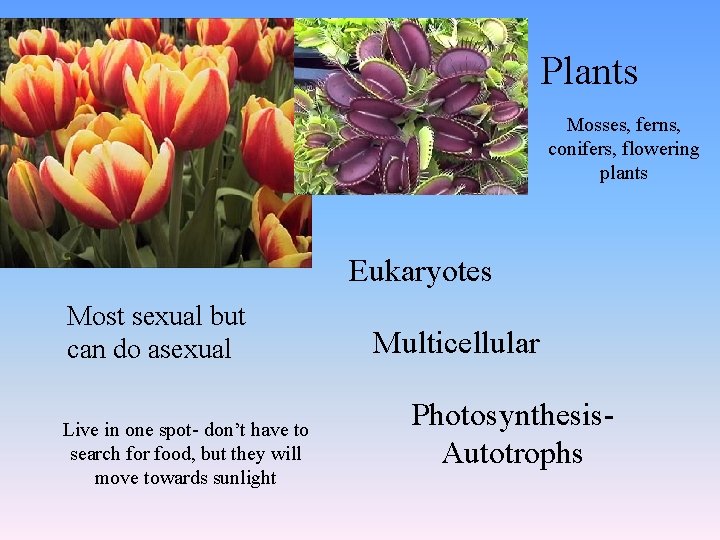
Plants Mosses, ferns, conifers, flowering plants Eukaryotes Most sexual but can do asexual Live in one spot- don’t have to search for food, but they will move towards sunlight Multicellular Photosynthesis. Autotrophs
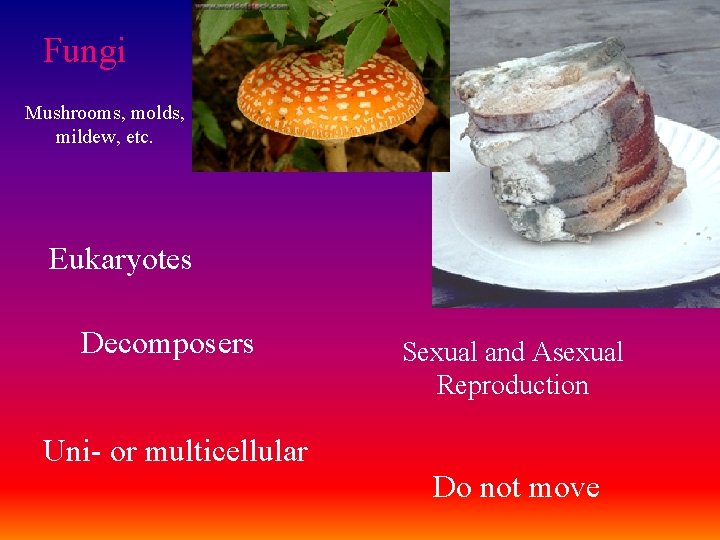
Fungi Mushrooms, molds, mildew, etc. Eukaryotes Decomposers Sexual and Asexual Reproduction Uni- or multicellular Do not move
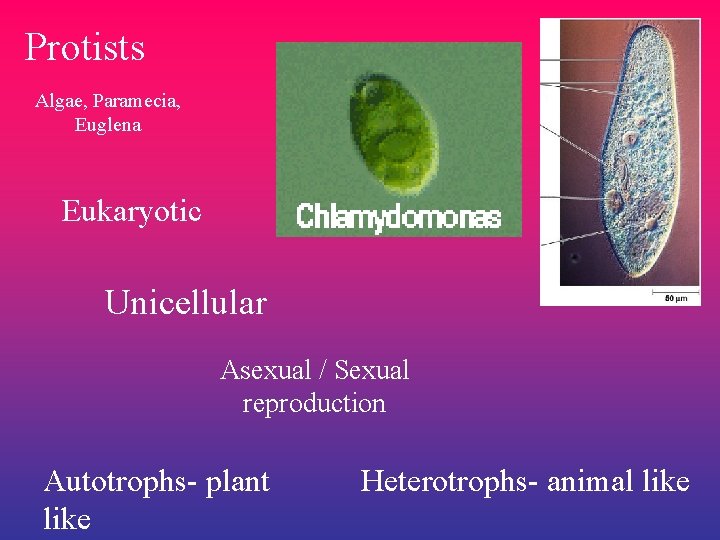
Protists Algae, Paramecia, Euglena Eukaryotic Unicellular Asexual / Sexual reproduction Autotrophs- plant like Heterotrophs- animal like
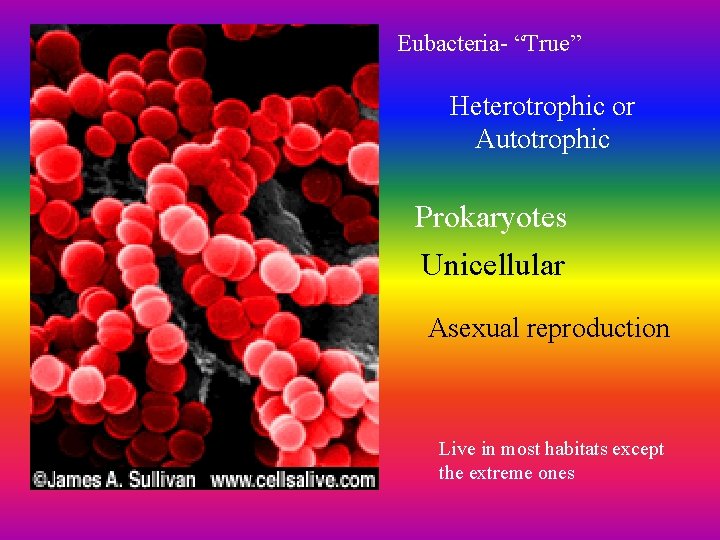
Eubacteria- “True” Heterotrophic or Autotrophic Prokaryotes Unicellular Asexual reproduction Live in most habitats except the extreme ones
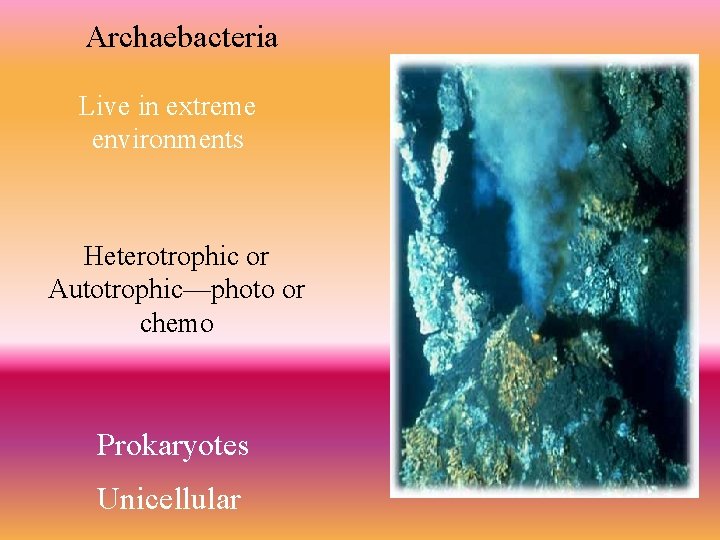
Archaebacteria Live in extreme environments Heterotrophic or Autotrophic—photo or chemo Prokaryotes Unicellular
But just recently…. • Decided only 3 groups: – Archeabacteria – Eukaryotes • Refer back to tree of life