
Classification and Taxonomy 3 rd 9 weeks Standard
- Slides: 52
Classification and Taxonomy 3 rd 9 weeks Standard: SB 4 abc
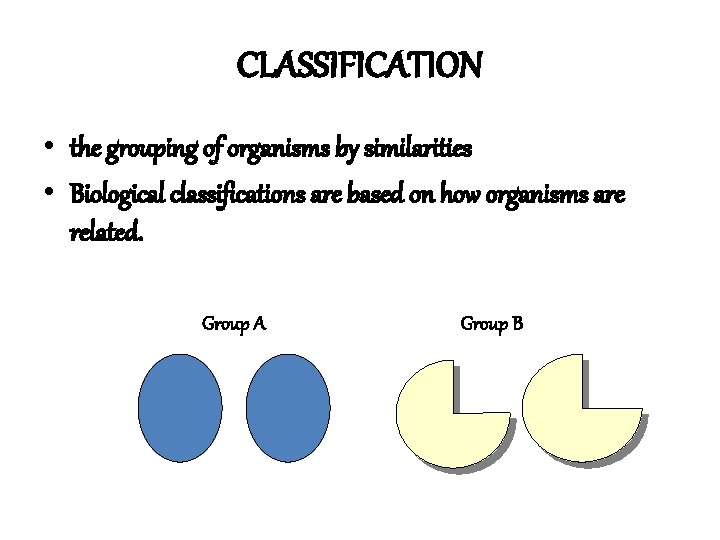
CLASSIFICATION • the grouping of organisms by similarities • Biological classifications are based on how organisms are related. Group A Group B
Benefits of Classifying • • Accurately & uniformly names organisms Prevents misnomers such as starfish & jellyfish that aren't really fish • Uses same language (Latin or some Greek) for all names 3
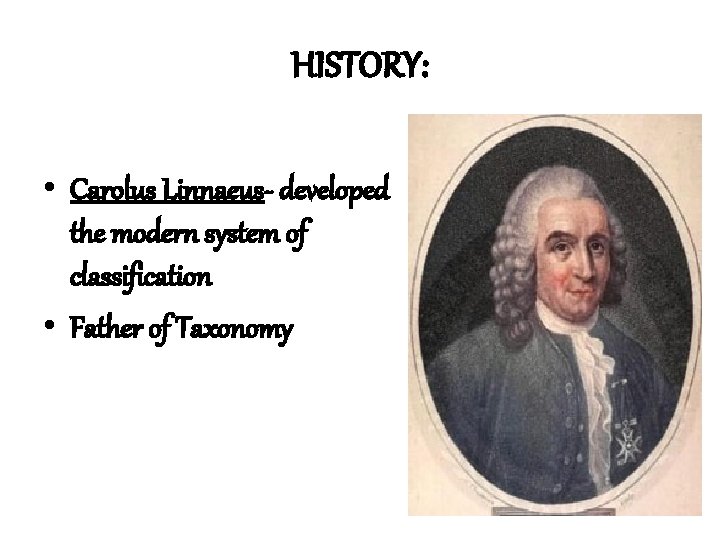
HISTORY: • Carolus Linnaeus- developed the modern system of classification • Father of Taxonomy
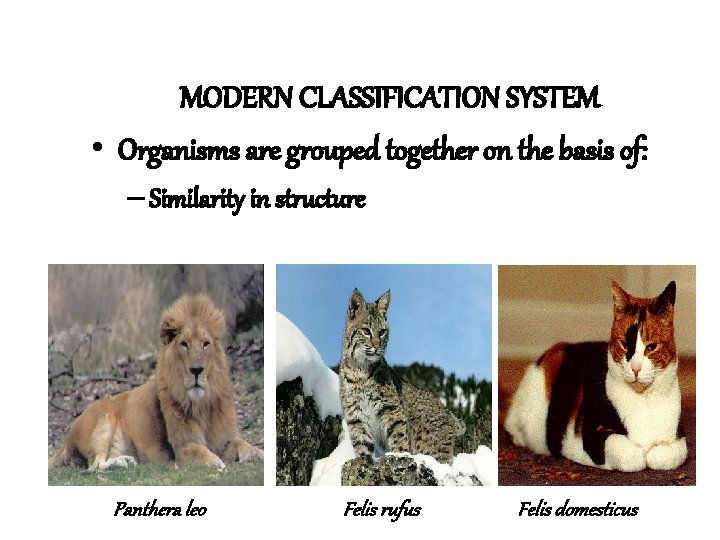
MODERN CLASSIFICATION SYSTEM • Organisms are grouped together on the basis of: – Similarity in structure Panthera leo Felis rufus Felis domesticus
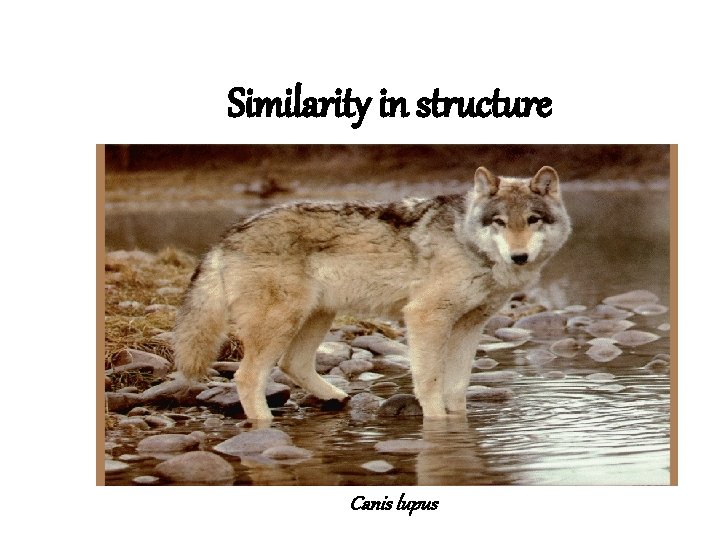
Similarity in structure Canis lupus
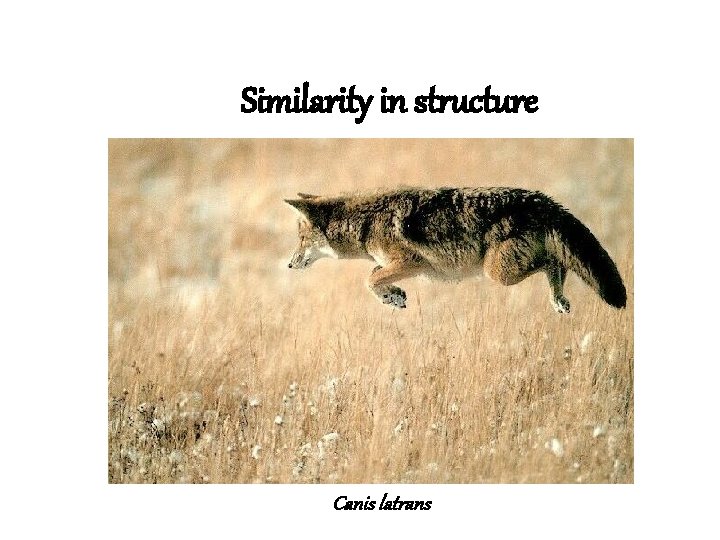
Similarity in structure Canis latrans
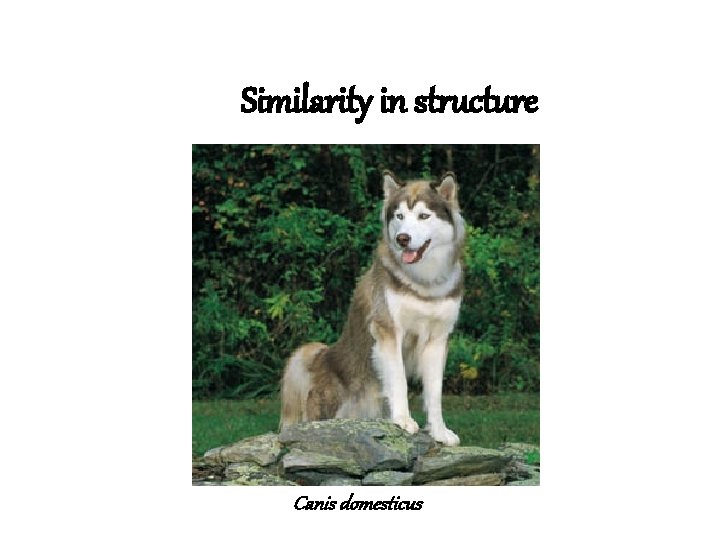
Similarity in structure Canis domesticus
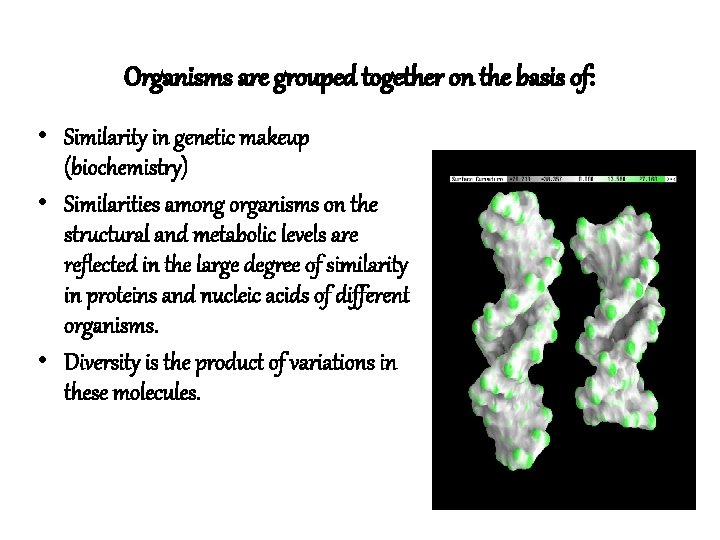
Organisms are grouped together on the basis of: • Similarity in genetic makeup (biochemistry) • Similarities among organisms on the structural and metabolic levels are reflected in the large degree of similarity in proteins and nucleic acids of different organisms. • Diversity is the product of variations in these molecules.
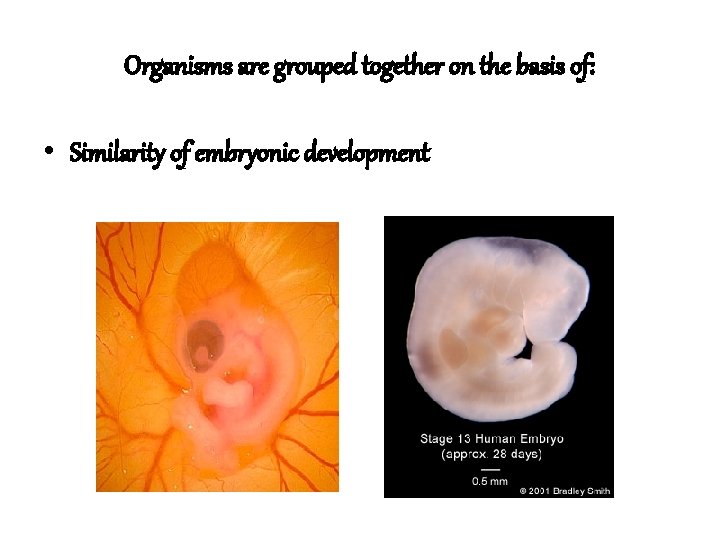
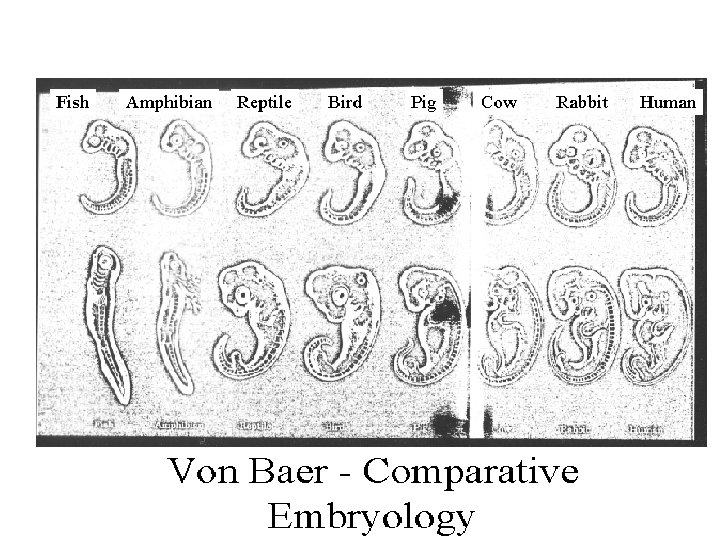
Organisms are grouped together on the basis of: • Similarity of embryonic development
Organisms are grouped together on the basis of: • Similarity in evolutionary history – Phylogeny: the evolutionary history of a species based on comparing relationships between species using the fossil record
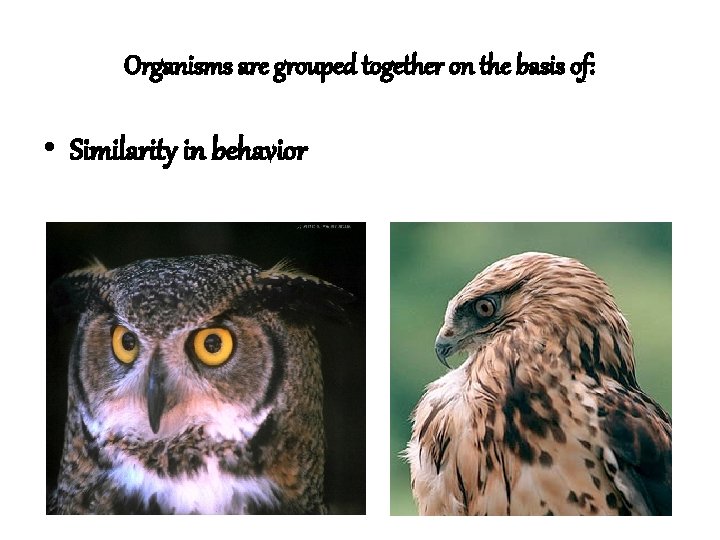
Organisms are grouped together on the basis of: • Similarity in behavior
• Classification is based on close evolutionary relationships of organisms. – Organisms classified in the same taxa (pl. ) (taxon, sing. ) share a common ancestry. They have evolved from the same common ancestral organism.
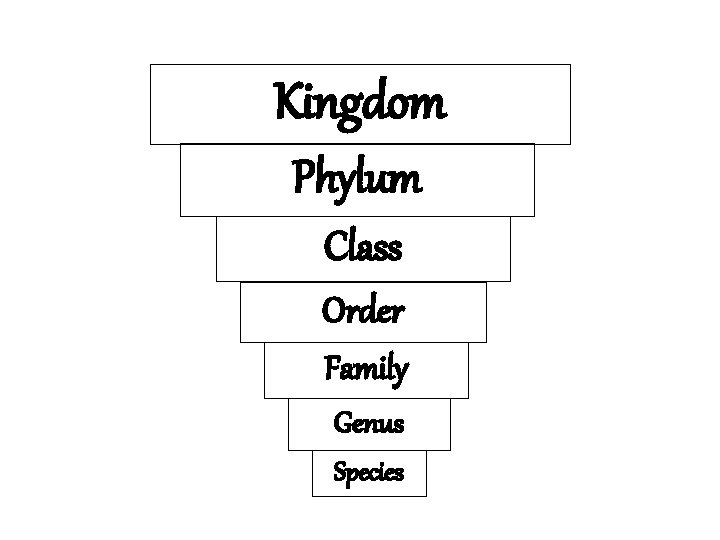
• Classification is hierarchal – each successive level is smaller and more closely related than the one before it
• Kingdom – largest group • Phylum (sing. ) – Phyla (pl. )(Plants don’t have phyla, they have divisions. ) • • • Class Order Family Genus Species These two taxa make up the scientific name.
Kingdom Phylum Class Order Family Genus Species
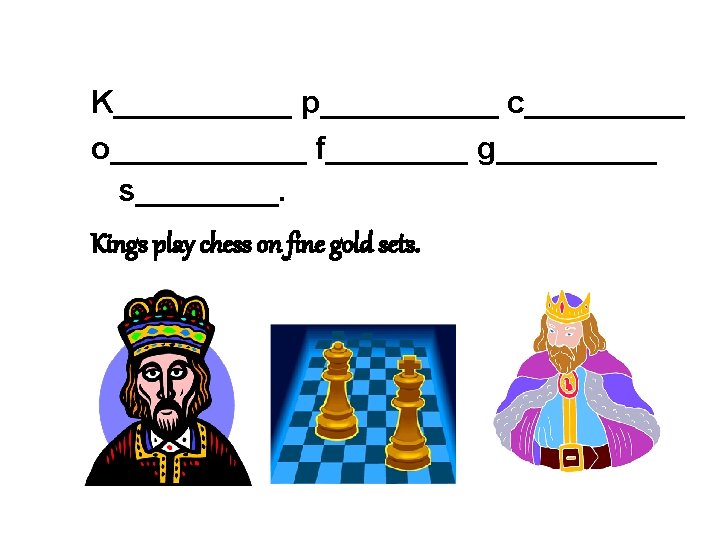
K_____ p_____ c_____ o______ f____ g_____ s____. Kings play chess on fine gold sets.
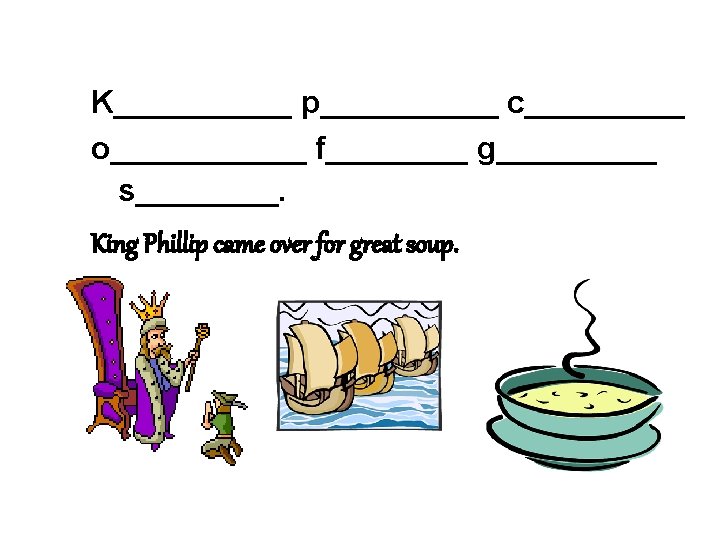
K_____ p_____ c_____ o______ f____ g_____ s____. King Phillip came over for great soup.
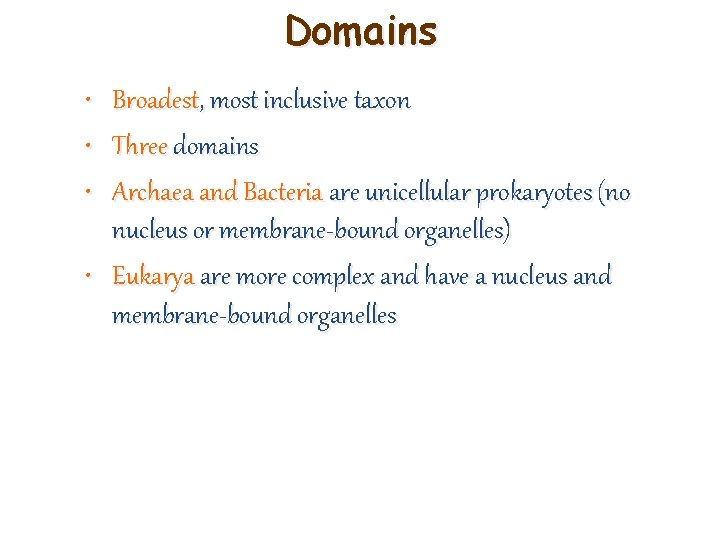
Domains • • • Broadest, most inclusive taxon Three domains Archaea and Bacteria are unicellular prokaryotes (no nucleus or membrane-bound organelles) • Eukarya are more complex and have a nucleus and membrane-bound organelles 20
ARCHAEA • • Kingdom - ARCHAEBACTERIA Probably the 1 st cells to evolve Live in HARSH environments Found in: – Sewage Treatment Plants (Methanogens) – Thermal or Volcanic Vents (Thermophiles) – Hot Springs or Geysers that are acid – Very salty water (Dead Sea; Great Salt Lake) - Halophiles 21
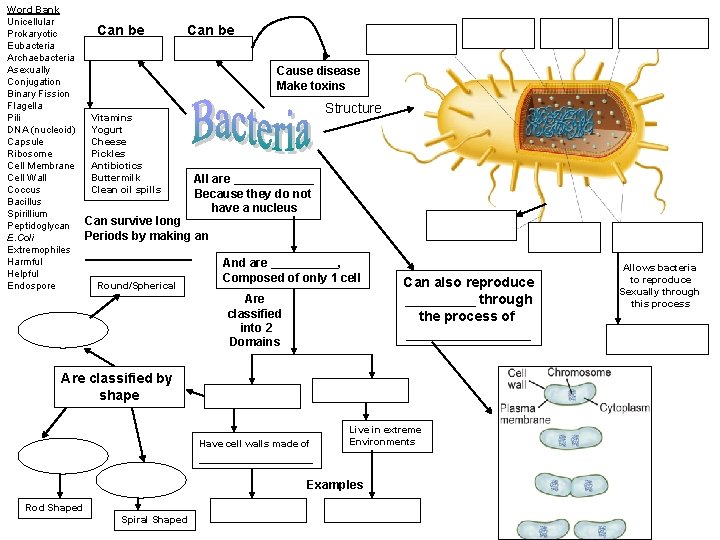
BACTERIA • • • Kingdom - EUBACTERIA Some may cause DISEASE Found in ALL HABITATS except harsh ones Important decomposers for environment Commercially important in making cottage cheese, yogurt, buttermilk, etc. 22
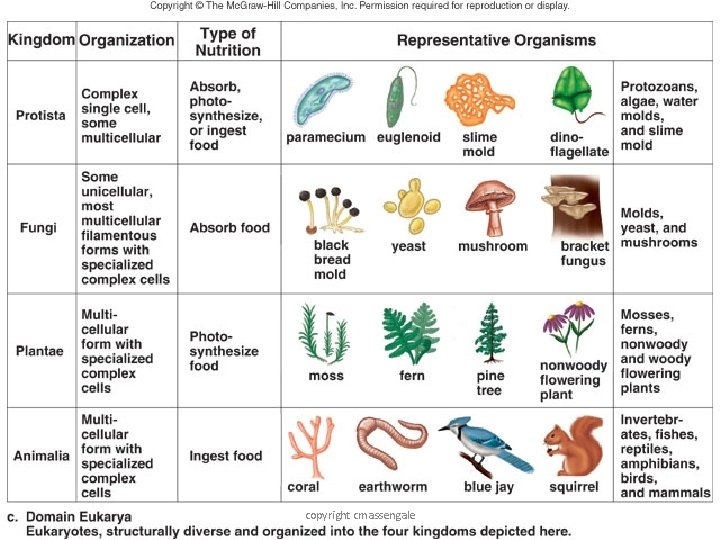
Domain Eukarya is Divided into Kingdoms • • Protista (protozoans, algae…) Fungi (mushrooms, yeasts …) Plantae (multicellular plants) Animalia (multicellular animals) 23
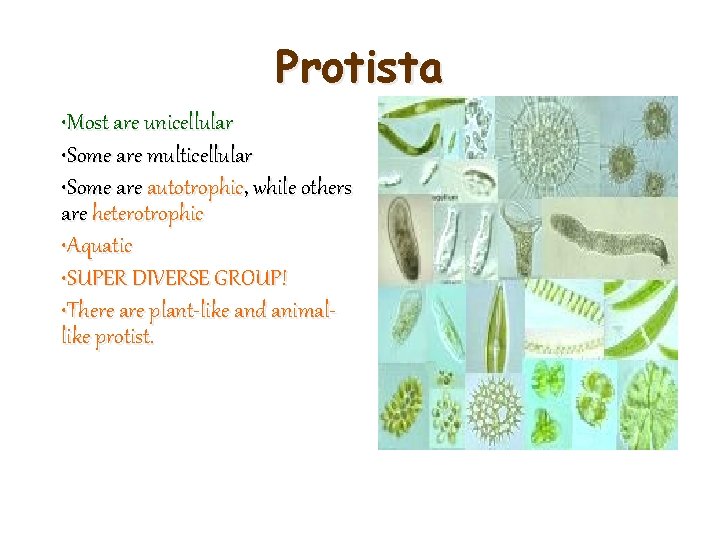
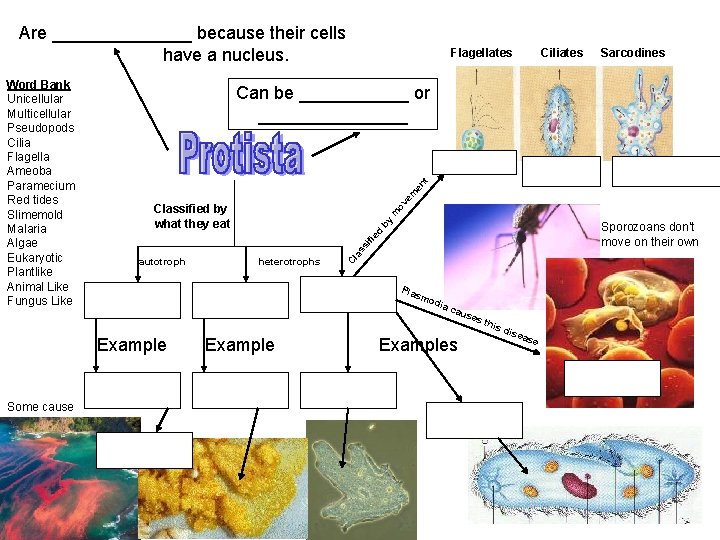
Protista • Most are unicellular • Some are multicellular • Some are autotrophic, while others are heterotrophic • Aquatic • SUPER DIVERSE GROUP! • There are plant-like and animallike protist. 24
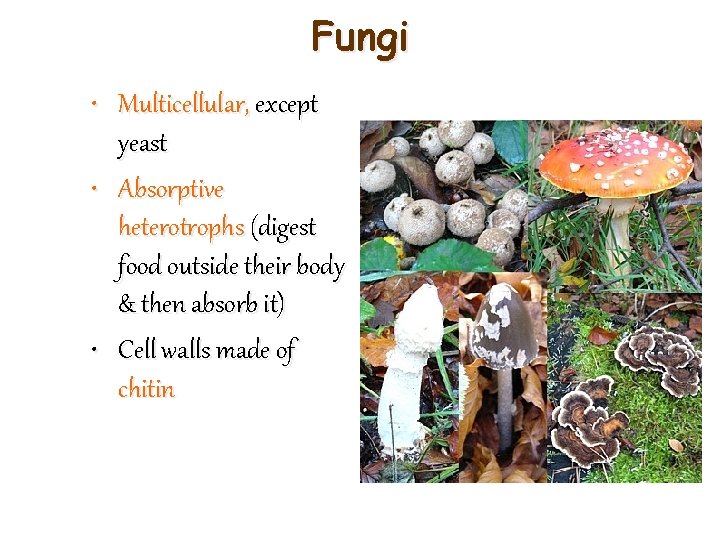
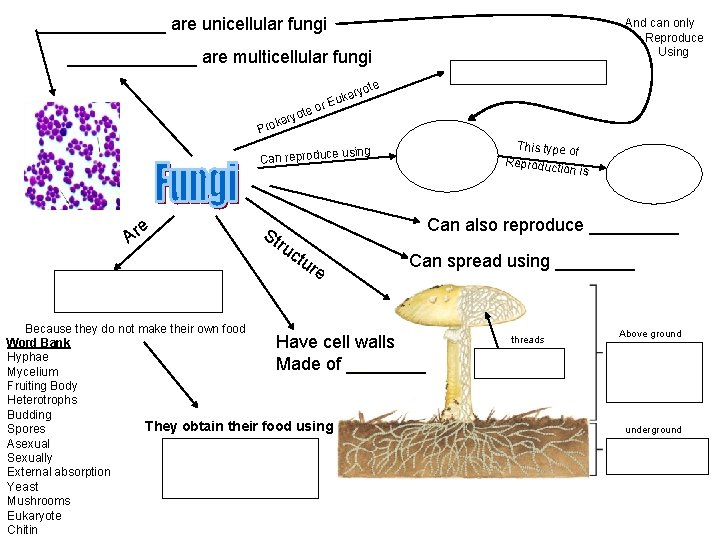
Fungi • Multicellular, except yeast • Absorptive heterotrophs (digest food outside their body & then absorb it) • Cell walls made of chitin 25
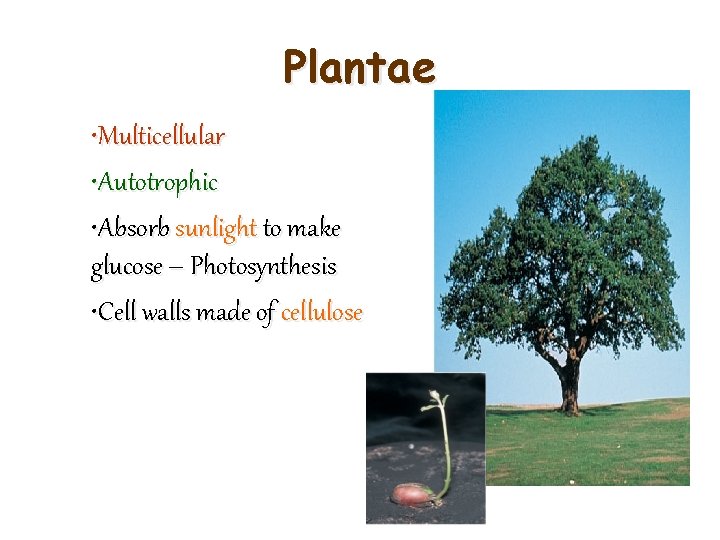
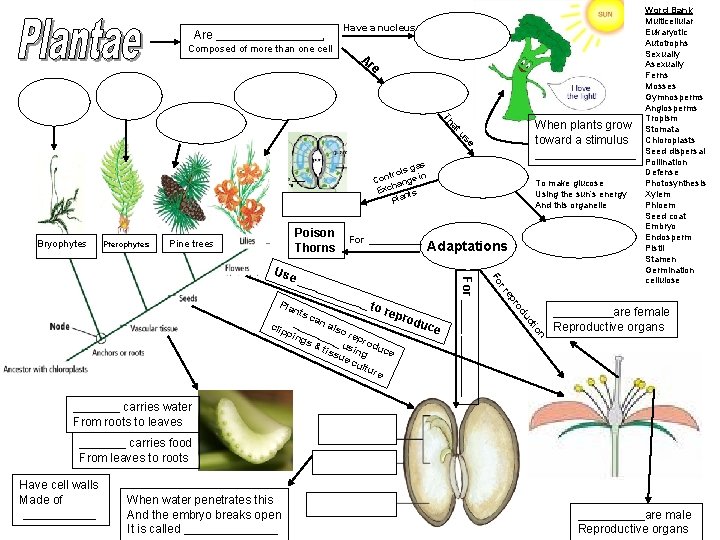
Plantae • Multicellular • Autotrophic • Absorb sunlight to make glucose – Photosynthesis • Cell walls made of cellulose 26
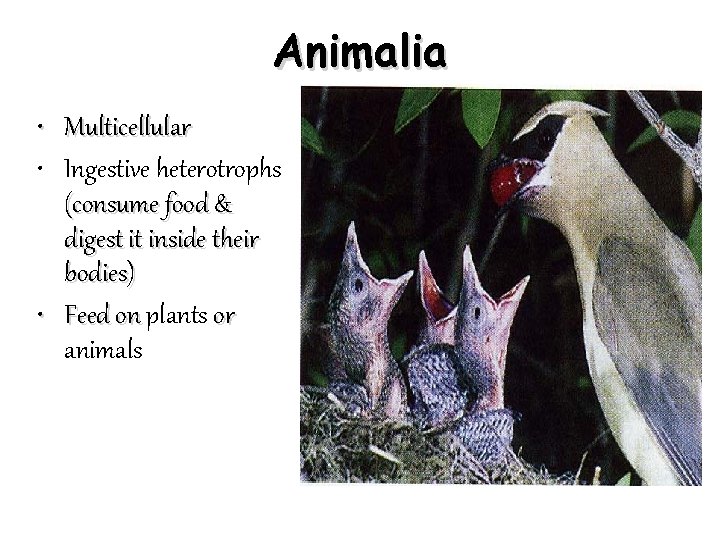
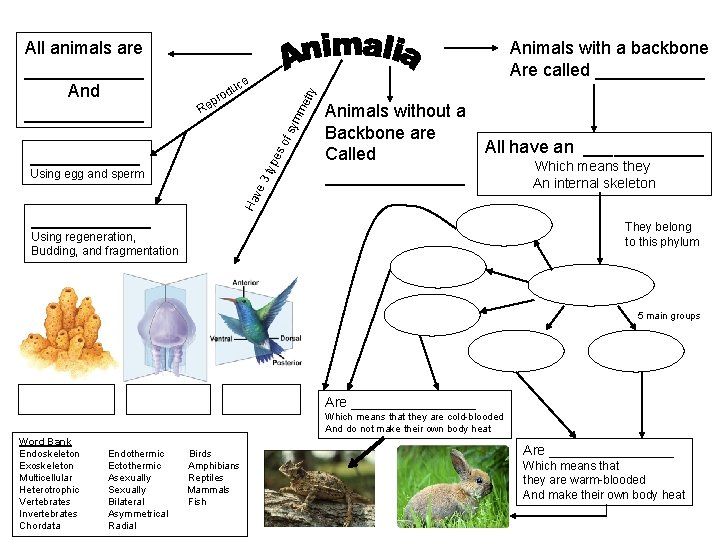
Animalia • Multicellular • Ingestive heterotrophs (consume food & digest it inside their bodies) • Feed on plants or animals 27
copyright cmassengale 28
_______ are unicellular fungi And can only Reproduce Using _______ are multicellular fungi e or ot kary e ryot a k Eu Pro Can reproduce e Ar St This type of Reproducti on using is ru Can also reproduce _____ ctu re Can spread using ____ Because they do not make their own food Word Bank Have cell walls Hyphae Made of ____ Mycelium Fruiting Body Heterotrophs Budding They obtain their food using Spores Asexual Sexually External absorption Yeast Mushrooms Eukaryote Chitin threads Above ground underground
Animals with a backbone Are called ______ ce etr y du pro mm Re so f sy All animals are ______ And ______ ype ______ All have an ______ Which means they An internal skeleton Ha ve 3 t Using egg and sperm Animals without a Backbone are Called _______ They belong to this phylum Using regeneration, Budding, and fragmentation 5 main groups Are ________ Which means that they are cold-blooded And do not make their own body heat Word Bank Endoskeleton Exoskeleton Multicellular Heterotrophic Vertebrates Invertebrates Chordata Endothermic Ectothermic Asexually Sexually Bilateral Asymmetrical Radial Birds Amphibians Reptiles Mammals Fish Are ________ Which means that they are warm-blooded And make their own body heat
Word Bank Unicellular Prokaryotic Eubacteria Archaebacteria Asexually Conjugation Binary Fission Flagella Pili DNA (nucleoid) Capsule Ribosome Cell Membrane Cell Wall Coccus Bacillus Spirillium Peptidoglycan E. Coli Extremophiles Harmful Helpful Endospore Can be Cause disease Make toxins Vitamins Yogurt Cheese Pickles Antibiotics Buttermilk Clean oil spills Structure All are ______ Because they do not have a nucleus Can survive long Periods by making an ______ Round/Spherical And are _____, Composed of only 1 cell Are classified into 2 Domains Can also reproduce _____ through the process of ________ Are classified by shape Have cell walls made of Live in extreme Environments _________ Examples Rod Shaped Spiral Shaped Allows bacteria to reproduce Sexually through this process
Are _______ because their cells have a nucleus. Sarcodines ov em en t Can be ______ or ________ by m Classified by what they eat si fie d Sporozoans don’t move on their own heterotrophs as autotroph Pla sm Example Some cause Ciliates Cl Word Bank Unicellular Multicellular Pseudopods Cilia Flagella Ameoba Paramecium Red tides Slimemold Malaria Algae Eukaryotic Plantlike Animal Like Fungus Like Flagellates Example odi ac aus Examples es this dis e ase
Are ________, Have a nucleus Composed of more than one cell Ar e Th at When plants grow toward a stimulus ________ e us gas rols in t n Co ange h Exc nts pla Bryophytes Pterophytes Poison Thorns Pine trees du ro _________are female Reproductive organs n io ct to r nts epr can odu clip ____ also ce _ pin gs ____ repro u d &t iss sing uce ue cul tur e ep ___ _ rr Pla Adaptations Fo ________ For _________ Use _ For To make glucose Using the sun’s energy And this organelle Word Bank Multicellular Eukaryotic Autotrophs Sexually Asexually Ferns Mosses Gymnosperms Angiosperms Tropism Stomata Chloroplasts Seed dispersal Pollination Defense Photosynthesis Xylem Phloem Seed coat Embryo Endosperm Pistil Stamen Germination cellulose _______ carries water From roots to leaves _______ carries food From leaves to roots Have cell walls Made of ______ When water penetrates this And the embryo breaks open It is called _______are male Reproductive organs
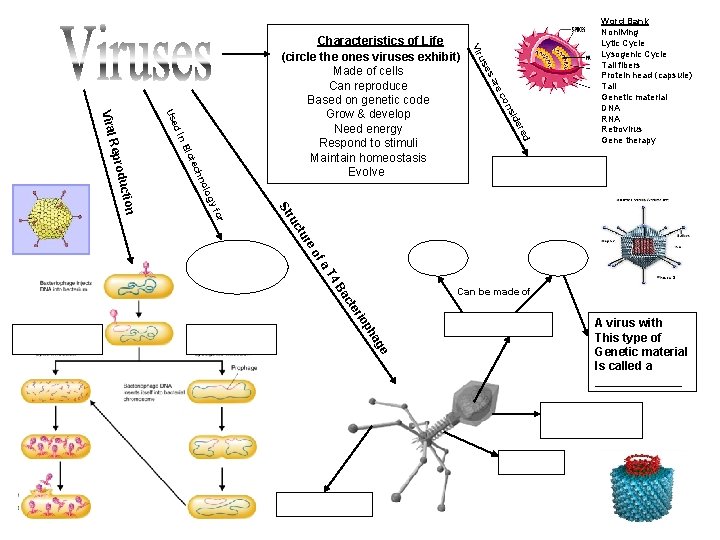
es us Vir are ide ns co e ur ct ru St or yf log no ech iot B in tion oduc Repr red ed Us Viral Characteristics of Life (circle the ones viruses exhibit) Made of cells Can reproduce Based on genetic code Grow & develop Need energy Respond to stimuli Maintain homeostasis Evolve Word Bank Nonliving Lytic Cycle Lysogenic Cycle Tail fibers Protein head (capsule) Tail Genetic material DNA Retrovirus Gene therapy of a. T 4 B e ag ph io er t ac Can be made of A virus with This type of Genetic material Is called a _______
Taxons • Most genera contain a number of similar species • The genus Homo is an exception (only contains modern humans) • Classification is based on evolutionary relationships 35
Binomial Nomenclature § Binomial nomenclature is a standard way of identifying a species with a scientific two-word name. § The first word is the genus name and the second the species name.
Binomial Nomenclature § § § Scientific name - 2 Latin names - Genus and species - Capitalize the first letter of the genus - Do NOT capitalize the species - ALWAYS underline or use italics Ex. Homo sapiens
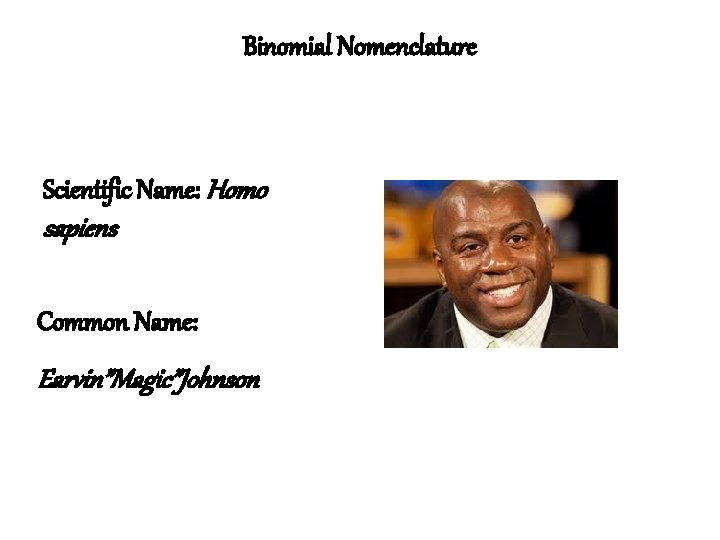
Binomial Nomenclature Scientific Name: Homo sapiens Common Name: Earvin”Magic”Johnson
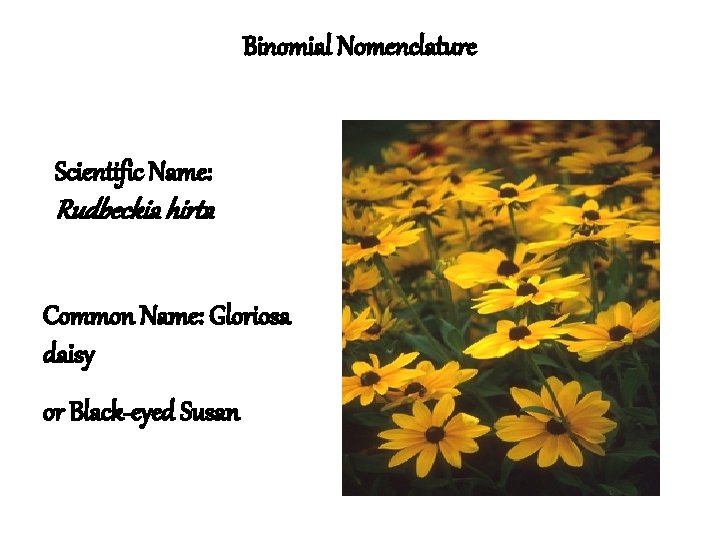
Binomial Nomenclature Scientific Name: Rudbeckia hirta Common Name: Gloriosa daisy or Black-eyed Susan
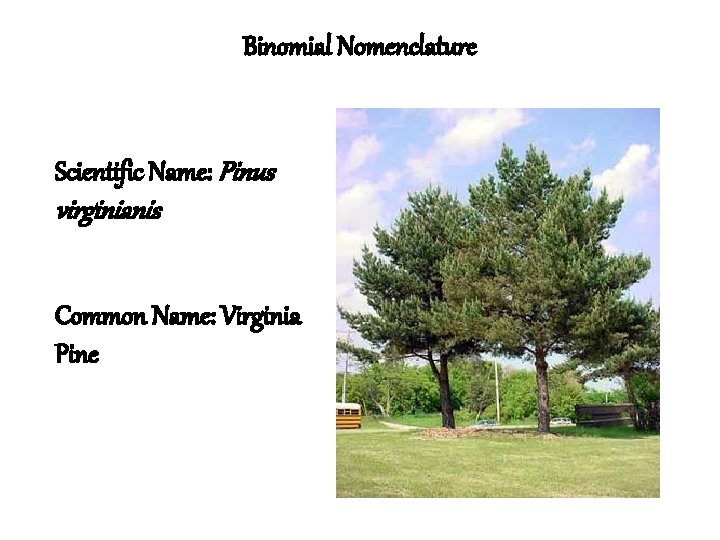
Binomial Nomenclature Scientific Name: Pinus virginianis Common Name: Virginia Pine
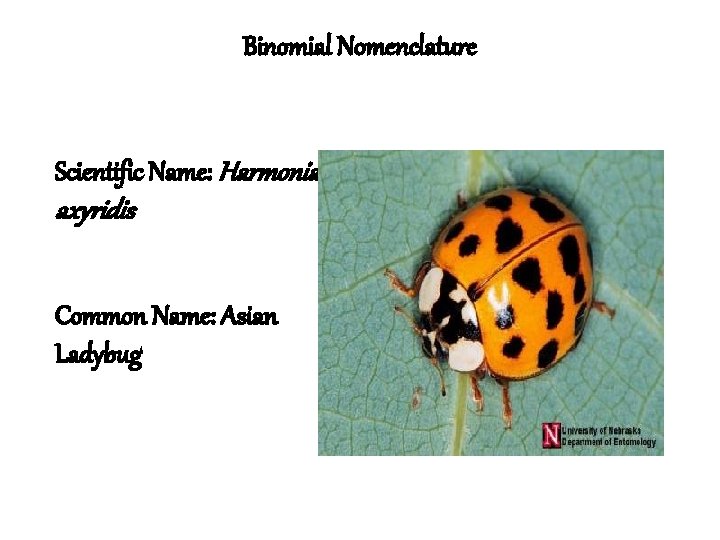
Binomial Nomenclature Scientific Name: Harmonia axyridis Common Name: Asian Ladybug
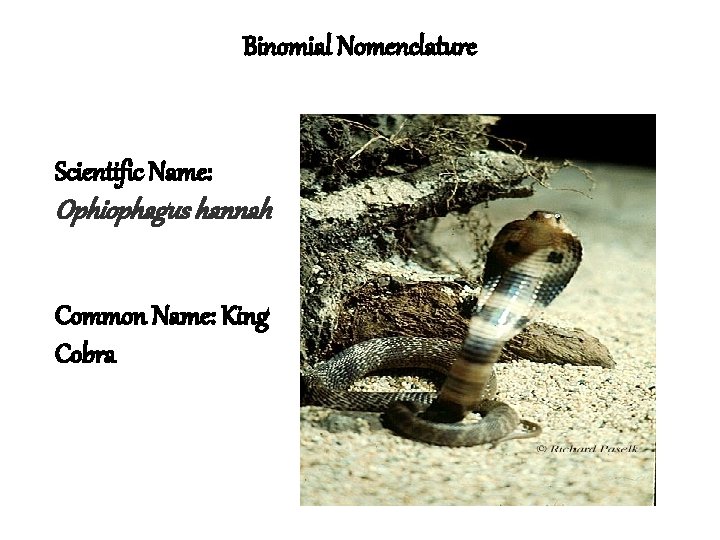
Binomial Nomenclature Scientific Name: Ophiophagus hannah Common Name: King Cobra
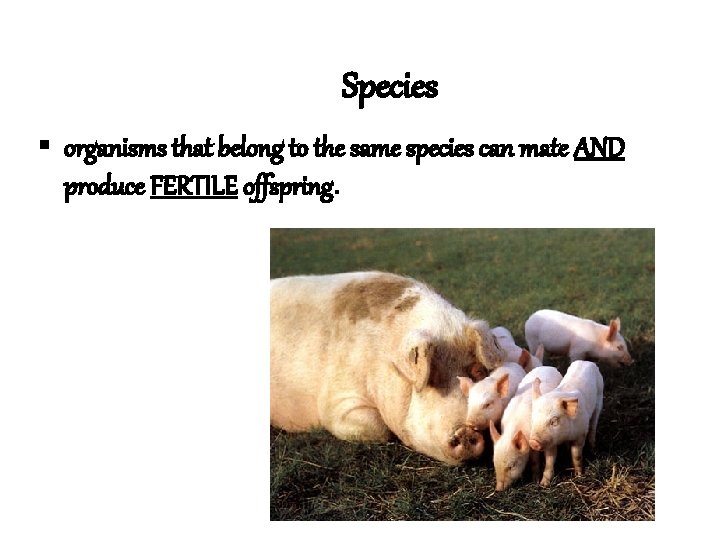
Species § organisms that belong to the same species can mate AND produce FERTILE offspring.
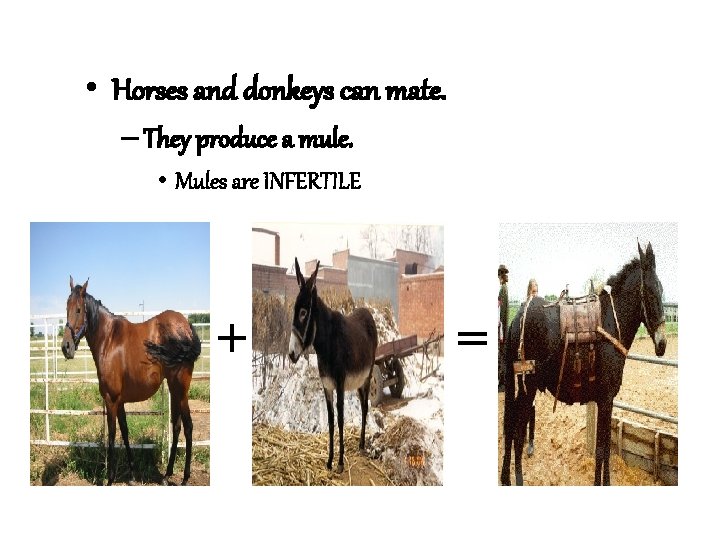
• Horses and donkeys can mate. – They produce a mule. • Mules are INFERTILE + =
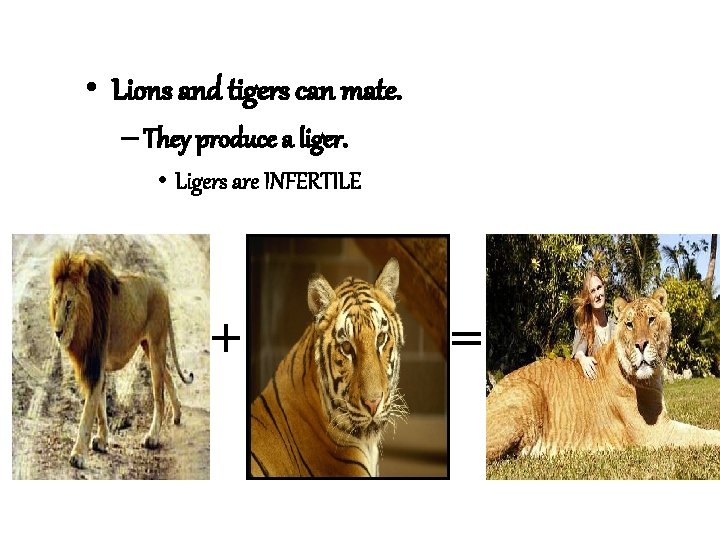
• Lions and tigers can mate. – They produce a liger. • Ligers are INFERTILE + =
Why use scientific names? • Common names do not indicate how organisms are related or classified. n Common names can be misleading. (e. g. , seahorse, weeping willow) n Organisms with more than one common name leads to mass confusion.
Why Latin? • Latin is no longer spoken, and therefore, does not change as spoken languages do. § So, scientific names remain the same forever.
Taxonomy • the branch of biology concerned with the grouping and naming of organisms; the study of classification
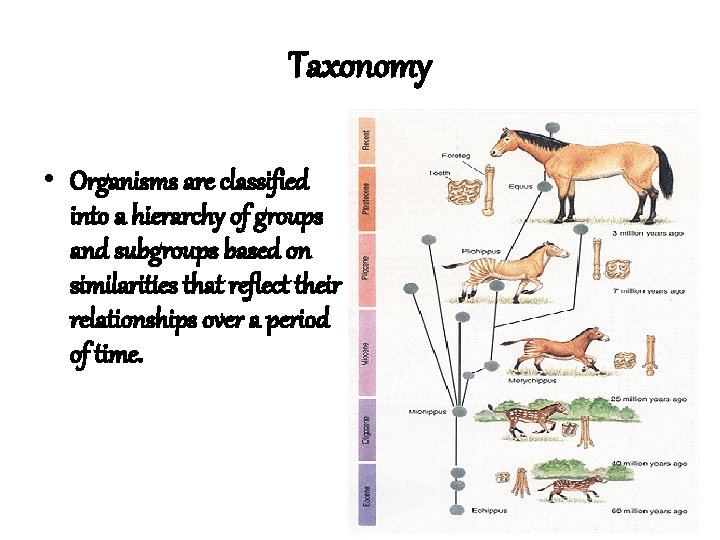
Taxonomy • Organisms are classified into a hierarchy of groups and subgroups based on similarities that reflect their relationships over a period of time.
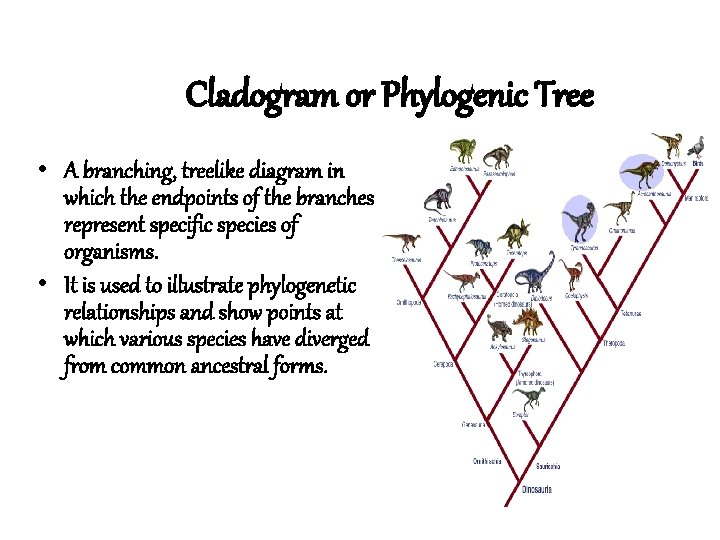
Cladogram or Phylogenic Tree • A branching, treelike diagram in which the endpoints of the branches represent specific species of organisms. • It is used to illustrate phylogenetic relationships and show points at which various species have diverged from common ancestral forms.
Dichotomous Keying • Used to identify organisms • Characteristics given in pairs • Read both characteristics and either go to another set of characteristics OR identify the organism 51
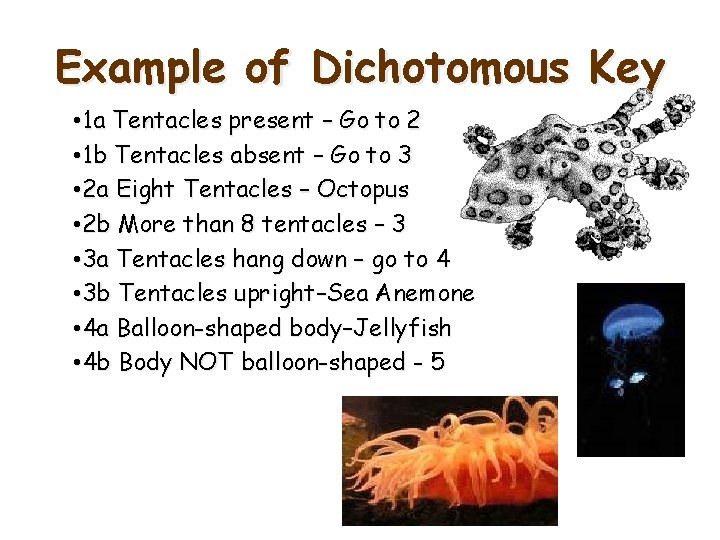
Example of Dichotomous Key • 1 a Tentacles present – Go to 2 • 1 b Tentacles absent – Go to 3 • 2 a Eight Tentacles – Octopus • 2 b More than 8 tentacles – 3 • 3 a Tentacles hang down – go to 4 • 3 b Tentacles upright–Sea Anemone • 4 a Balloon-shaped body–Jellyfish • 4 b Body NOT balloon-shaped - 5 52