
Classification and Phylogeny Learning Objectives At the end
Classification and Phylogeny
Learning Objectives • At the end of this unit, a student should be able to… • Justify the use of scientific binomials for species • Arrange the Linnaean categories from most to least inclusive • Distinguish between homologous and analogous characteristics and how they are applied to resolving phylogenies • Distinguish between ancestral and derived characteristics and how they are applied to resolving phylogenies • Interpret a cladogram and describe the relationships among organisms using proper phylogenetic terminology • Distinguish among monophyletic, paraphyletic, and polyphyletic groups • Distinguish ingroup and outgroups • Apply the principle of parsimony to the construction of a cladogram
Classification of Life • The grouping and naming of organisms goes by different, interrelated names • Systematics • Classification of organisms • Cladistics • Classification of organisms according to measurable characteristics they have in common • Phylogenetics • Classification of organisms according to measurable characteristics they have in common based on evolutionary history • Taxonomy • Application of names for organisms and groups
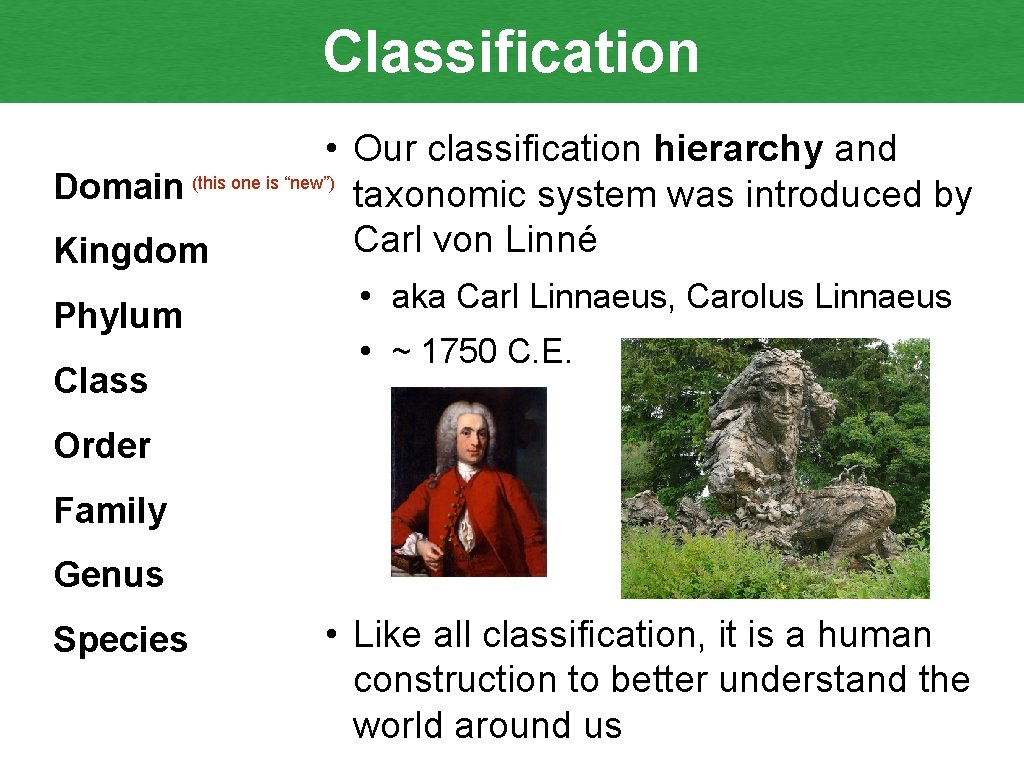
Classification • Our classification hierarchy and Domain (this one is “new”) taxonomic system was introduced by Carl von Linné Kingdom Phylum Class • aka Carl Linnaeus, Carolus Linnaeus • ~ 1750 C. E. Order Family Genus Species • Like all classification, it is a human construction to better understand the world around us

Classification Domain Kingdom Phylum Class Order Family Genus Species • Our classification hierarchy is arranged from large groups that are broadly defined, to smaller groups that are more narrowly defined
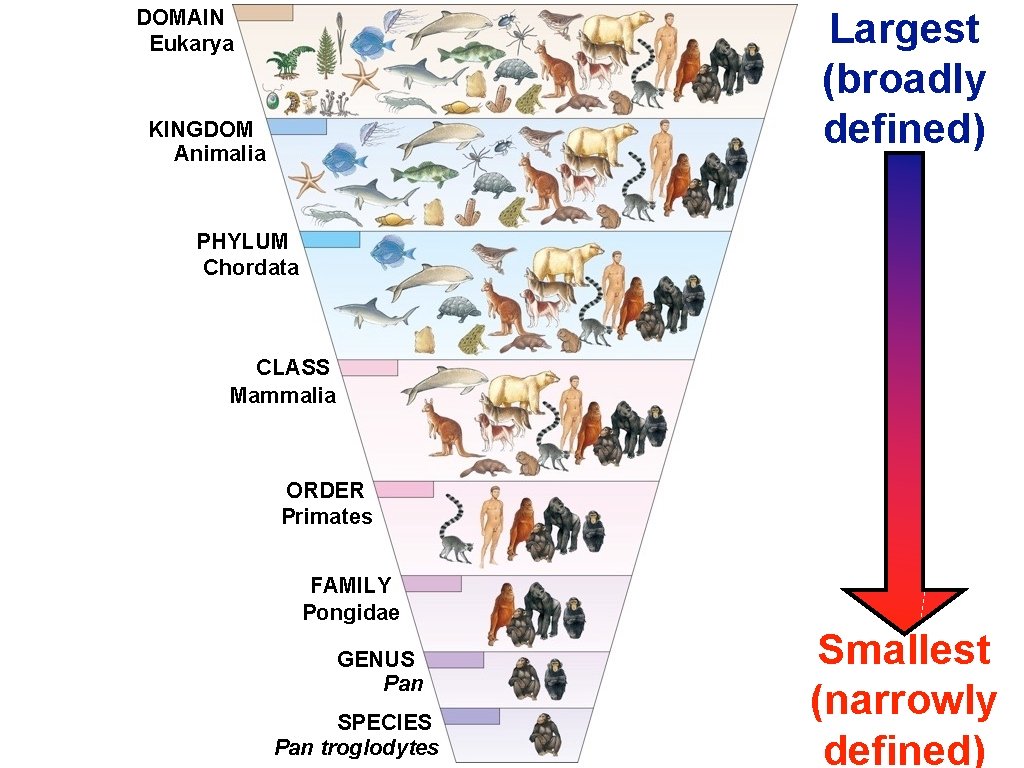
Largest (broadly defined) DOMAIN Eukarya KINGDOM Animalia PHYLUM Chordata CLASS Mammalia ORDER Primates FAMILY Pongidae GENUS Pan SPECIES Pan troglodytes Smallest (narrowly defined)
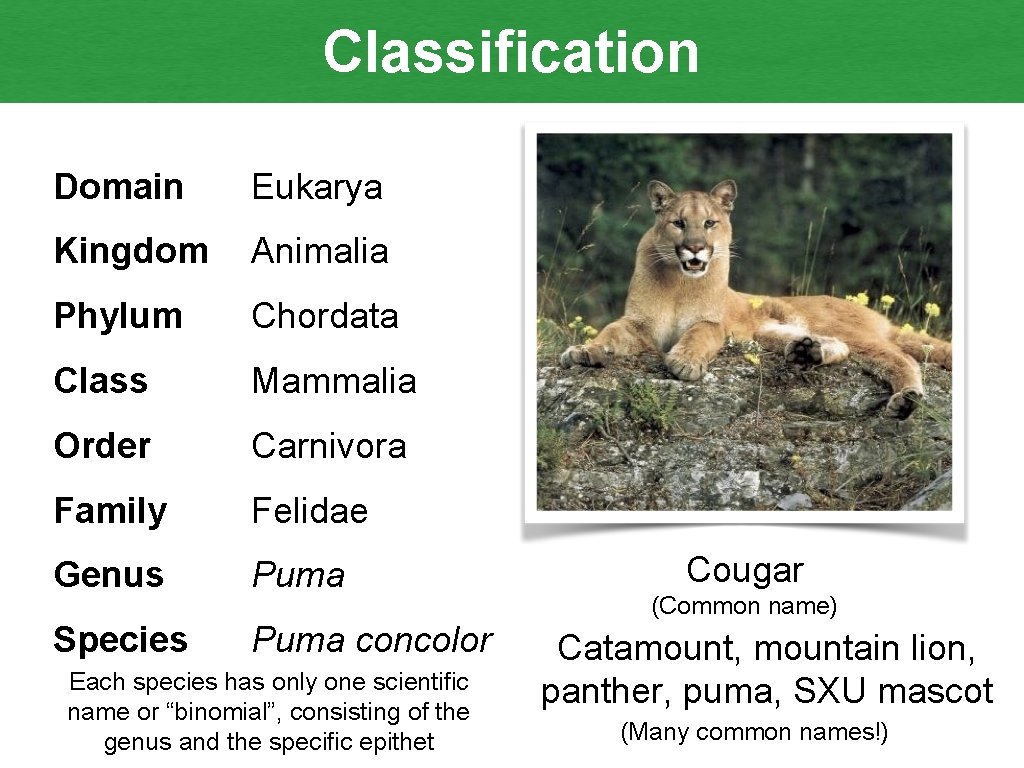
Classification Domain Eukarya Kingdom Animalia Phylum Chordata Class Mammalia Order Carnivora Family Felidae Genus Puma Species Puma concolor Each species has only one scientific name or “binomial”, consisting of the genus and the specific epithet Cougar (Common name) Catamount, mountain lion, panther, puma, SXU mascot (Many common names!)
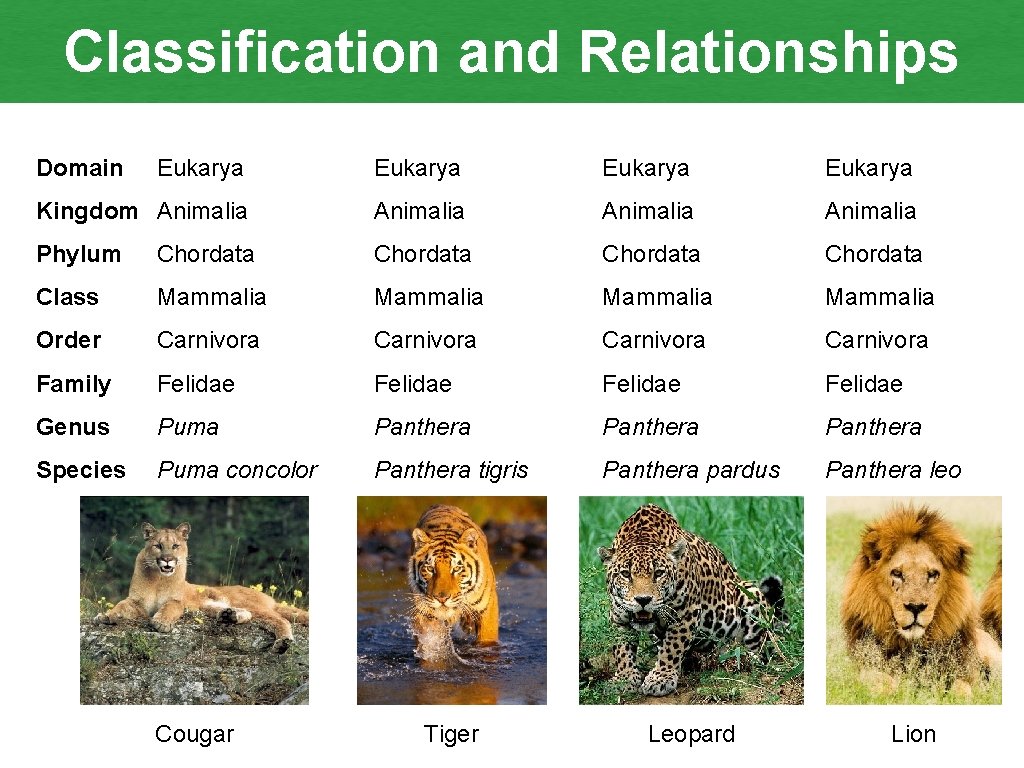
Classification and Relationships Domain Eukarya Kingdom Animalia Phylum Chordata Class Mammalia Order Carnivora Family Felidae Genus Puma Panthera Species Puma concolor Panthera tigris Panthera pardus Panthera leo Tiger Leopard Cougar Lion
What is a species? Whatever we say it is. Example: Biological species concept vs. Ecological species concept
SPECIES • Biological species concept • if two individuals can produce viable offspring, then they are the same species. • • What about asexual organisms like bacteria? Ecological species concept • same as BSC, except individuals must occupy a similar ecological niche
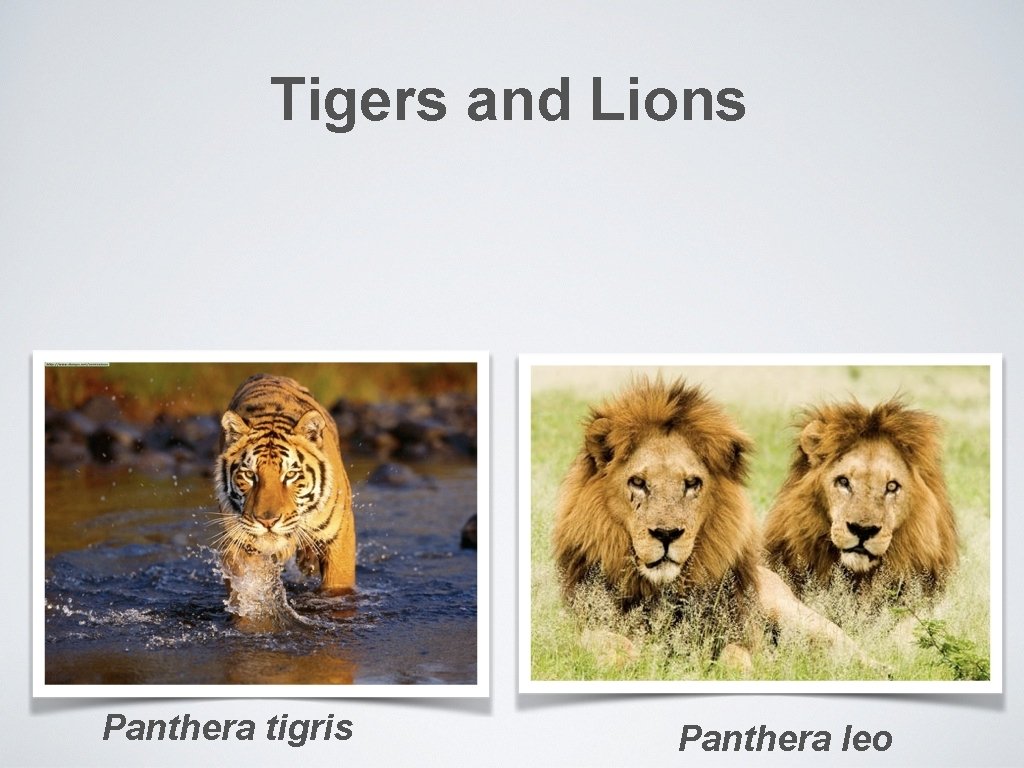
Tigers and Lions Panthera tigris Panthera leo
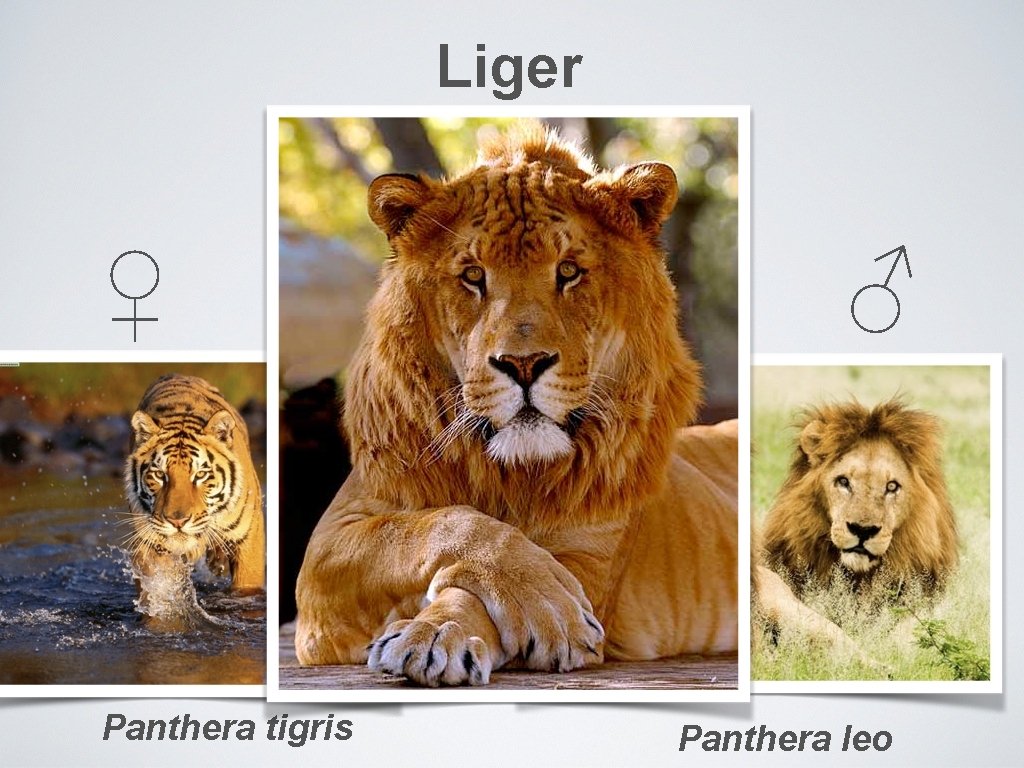
Liger ♀ Panthera tigris ♂ Panthera leo
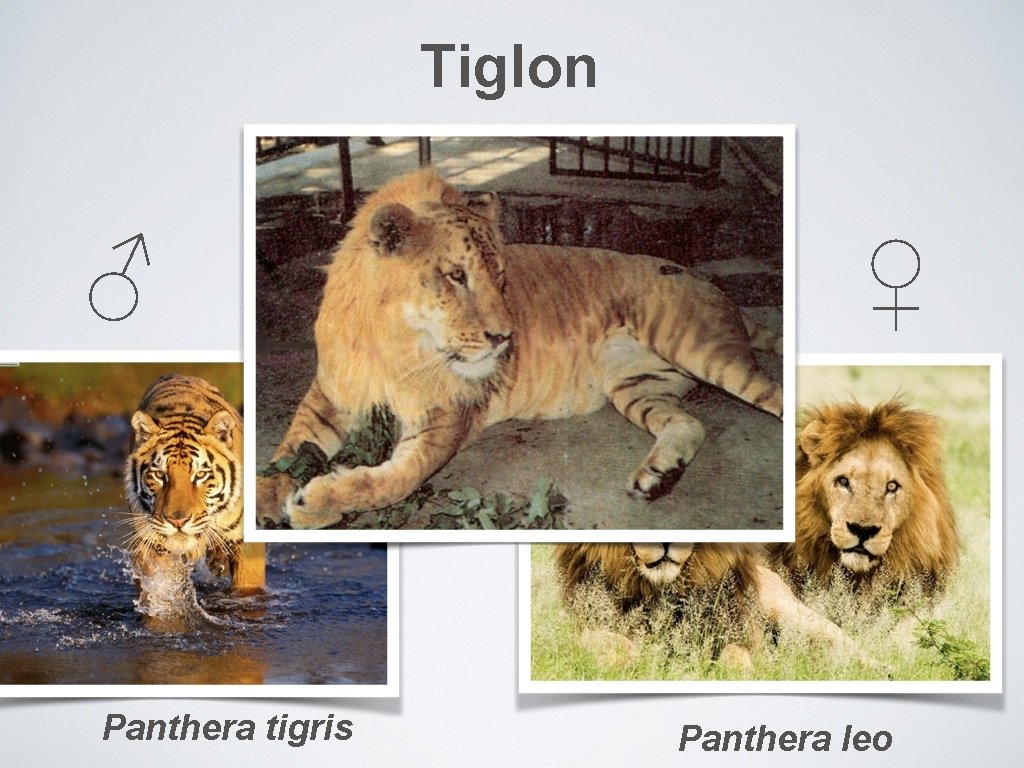
Tiglon ♂ Panthera tigris ♀ Panthera leo
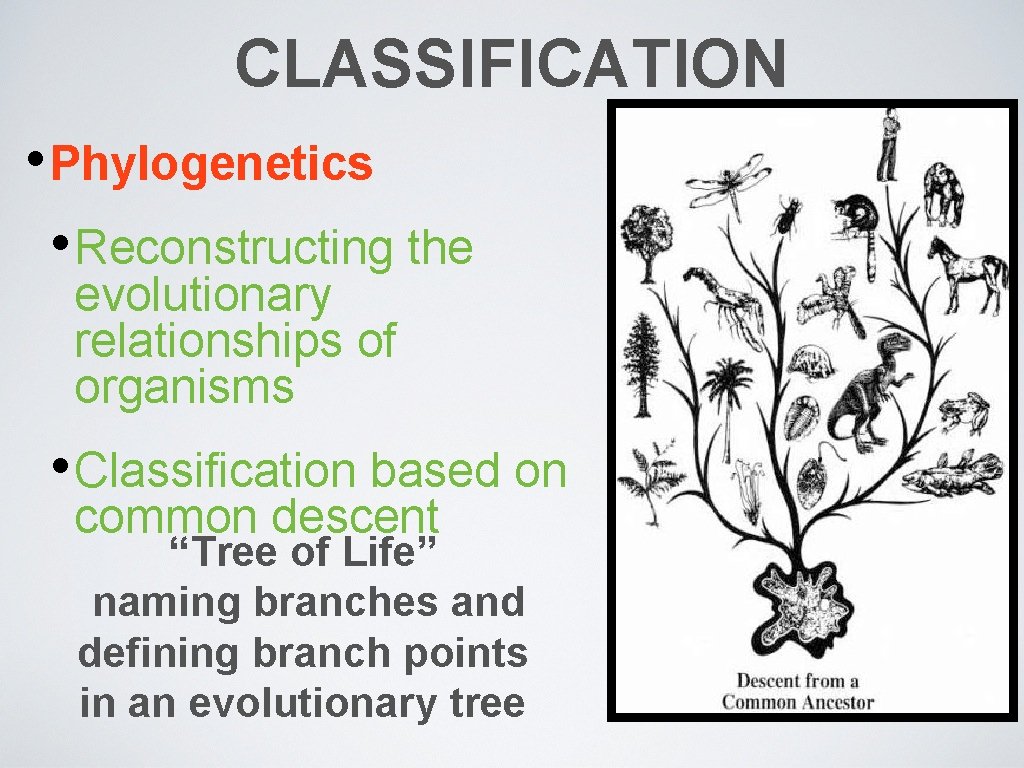
CLASSIFICATION • Phylogenetics • Reconstructing the evolutionary relationships of organisms • Classification based on common descent “Tree of Life” naming branches and defining branch points in an evolutionary tree
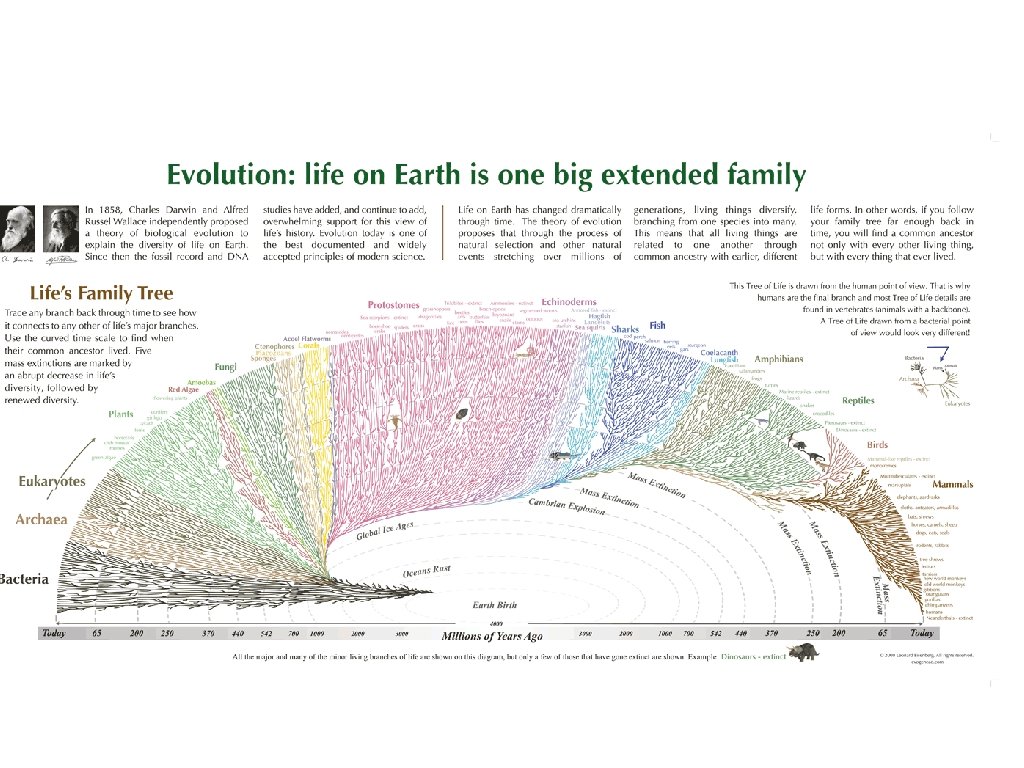
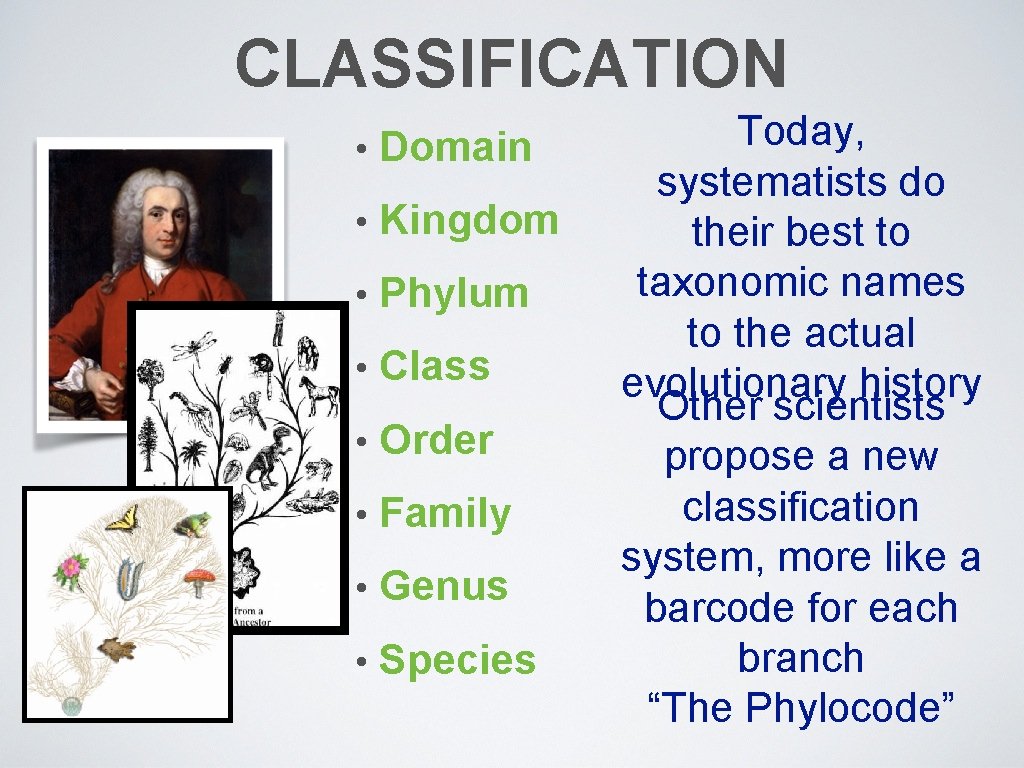
CLASSIFICATION • Domain • Kingdom • Phylum • Class • Order • Family • Genus • Species Today, systematists do their best to taxonomic names to the actual evolutionary history Other scientists propose a new classification system, more like a barcode for each branch “The Phylocode”
PHYLOGENY • Reconstructing evolutionary history • Terminology (learn the definitions) • homologous, analogous • clade (monophyletic, paraphyletic, polyphyletic) • parsimony • ingroup, outgroup • branch, node • cladogram, phylogram
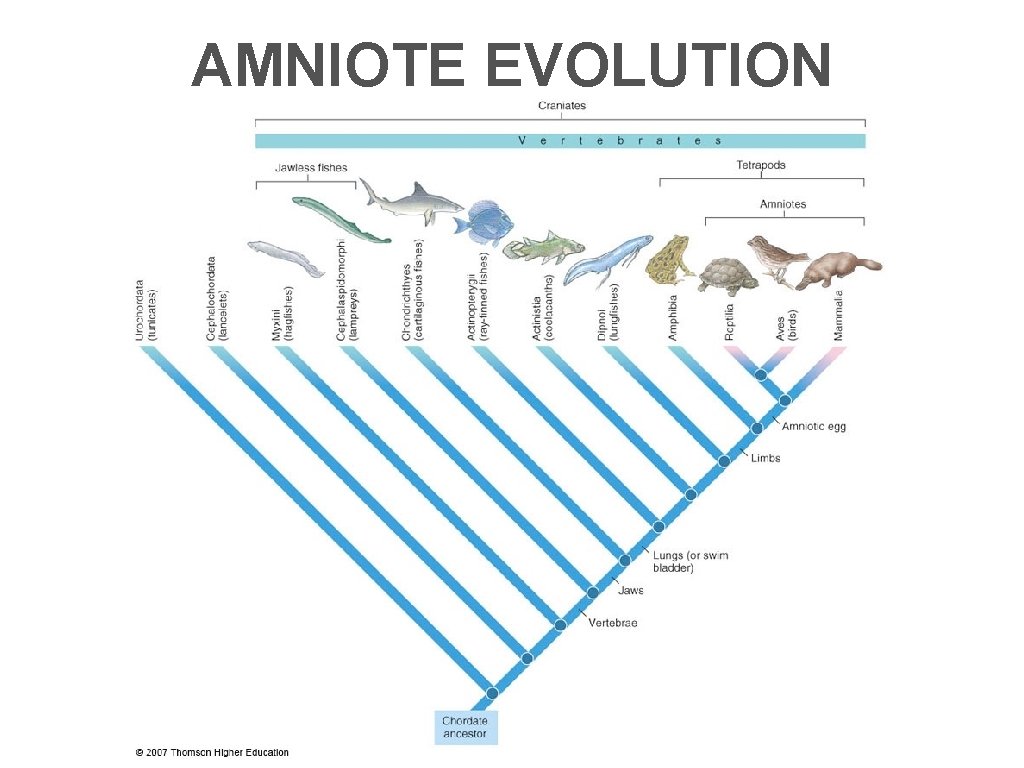
AMNIOTE EVOLUTION
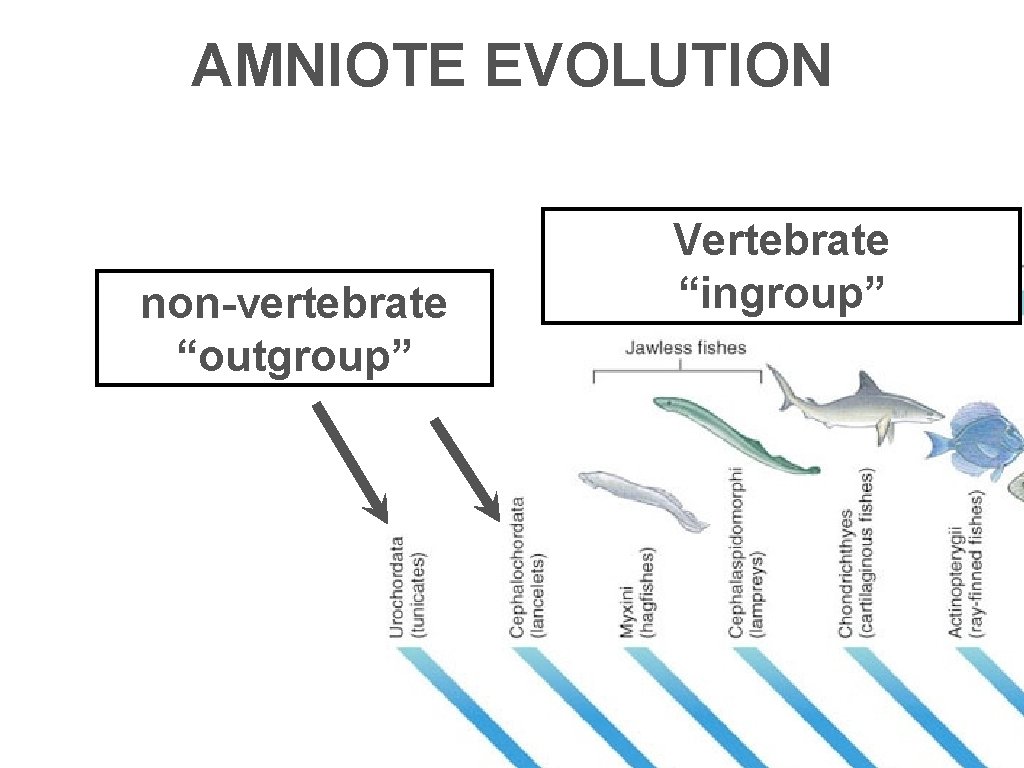
AMNIOTE EVOLUTION non-vertebrate “outgroup” Vertebrate “ingroup”
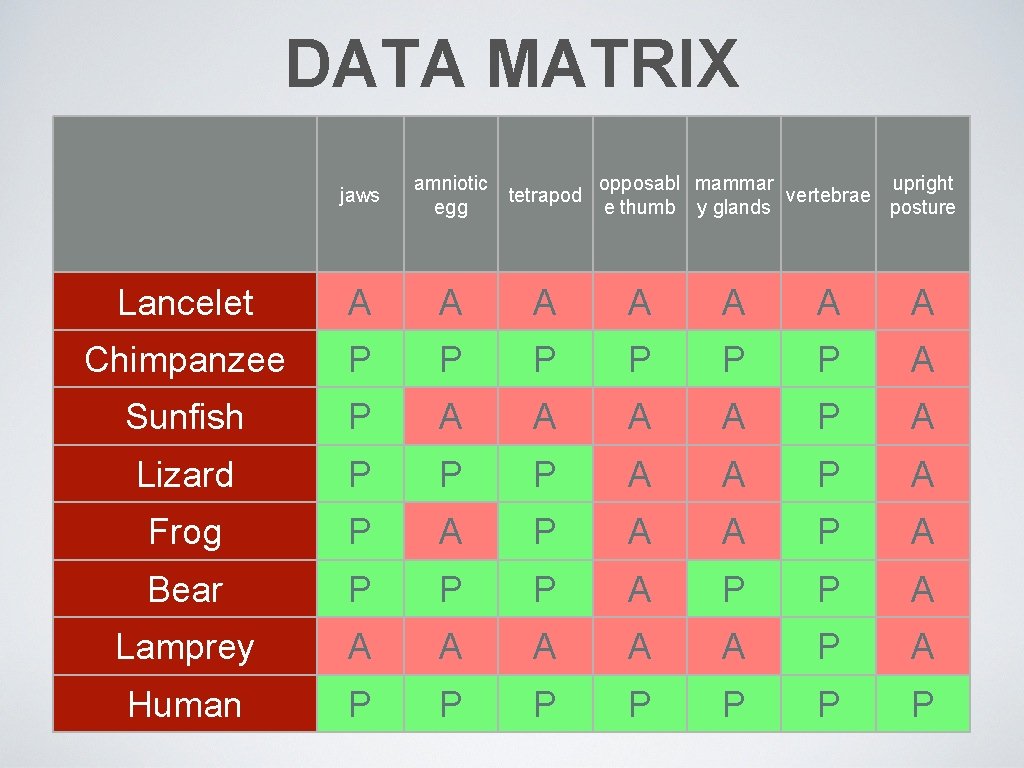
DATA MATRIX jaws amniotic egg tetrapod opposabl mammar upright vertebrae e thumb y glands posture Lancelet A A A A Chimpanzee P P P A Sunfish P A A P A Lizard P P P A A P A Frog P A A P A Bear P P P A Lamprey A A A P A Human P P P P
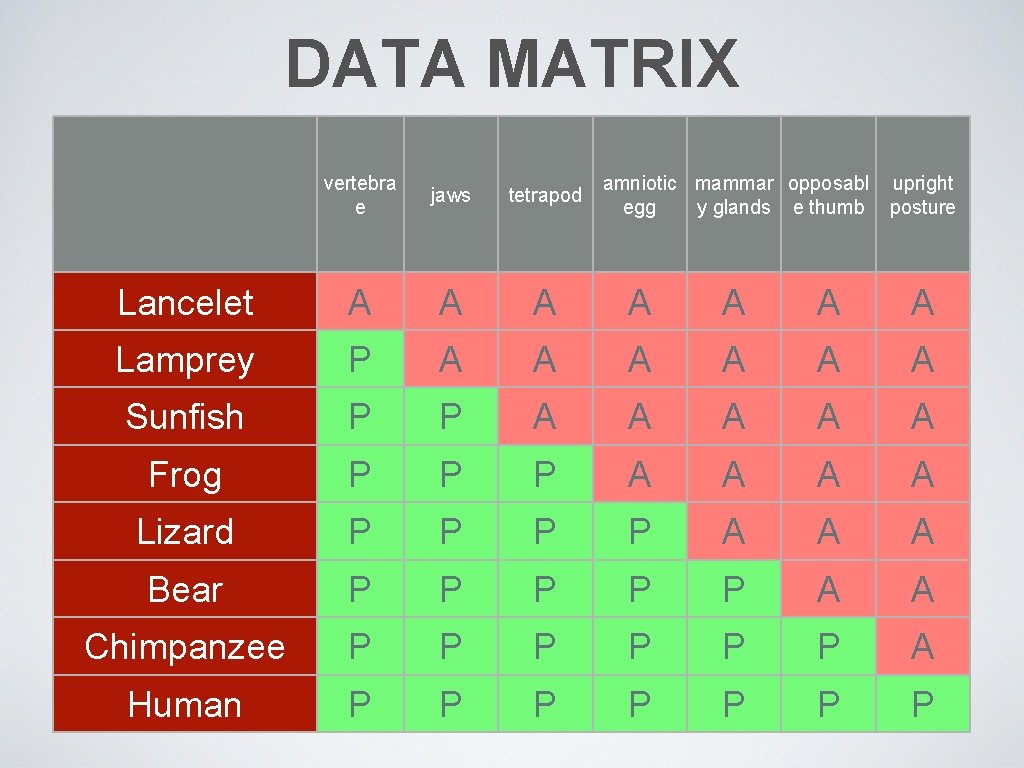
DATA MATRIX vertebra e jaws tetrapod amniotic mammar opposabl egg y glands e thumb upright posture Lancelet A A A A Lamprey P A A A Sunfish P P A A A Frog P P P A A Lizard P P A A A Bear P P P A A Chimpanzee P P P A Human P P P P
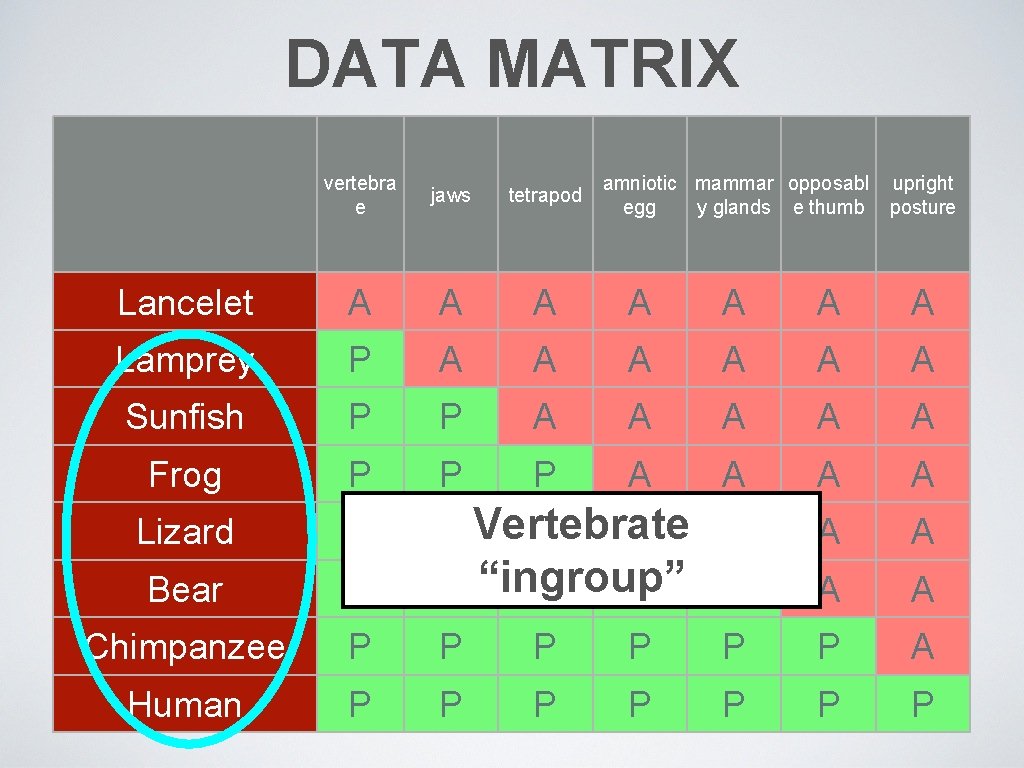
DATA MATRIX vertebra e jaws tetrapod amniotic mammar opposabl egg y glands e thumb upright posture Lancelet A A A A Lamprey P A A A Sunfish P P A A A Frog P P P A A Lizard P P Vertebrate P P A A A Bear P P “ingroup” P P P A A Chimpanzee P P P A Human P P P P
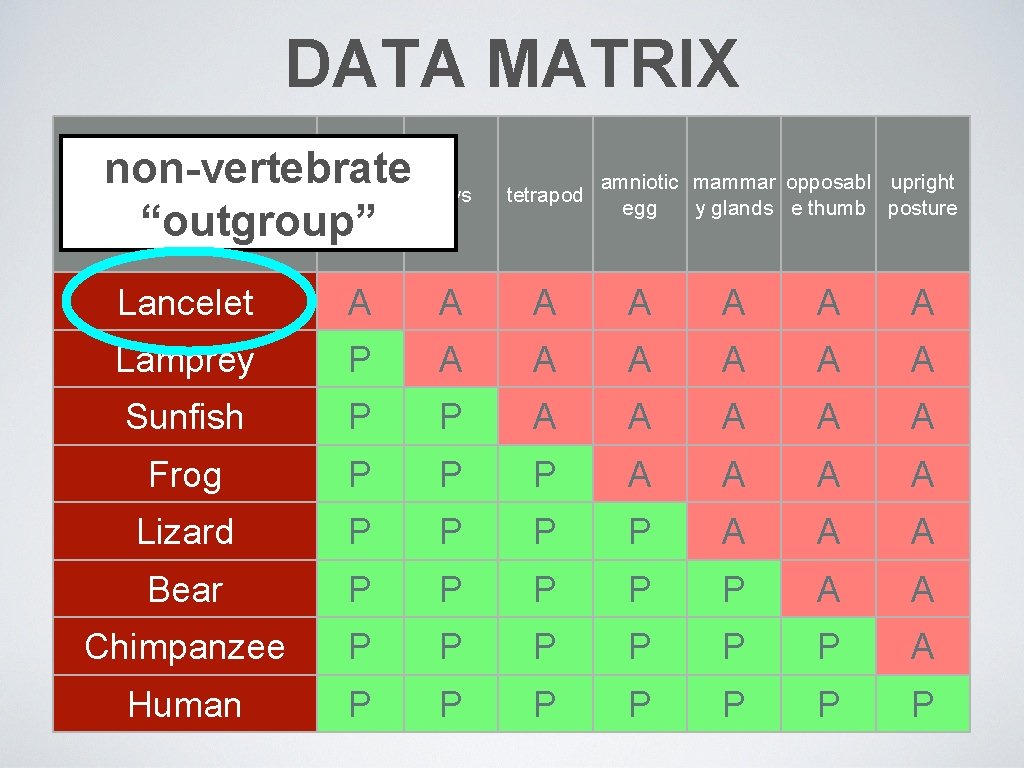
DATA MATRIX non-vertebrate vertebra e “outgroup” jaws tetrapod amniotic mammar opposabl upright egg y glands e thumb posture Lancelet A A A A Lamprey P A A A Sunfish P P A A A Frog P P P A A Lizard P P A A A Bear P P P A A Chimpanzee P P P A Human P P P P
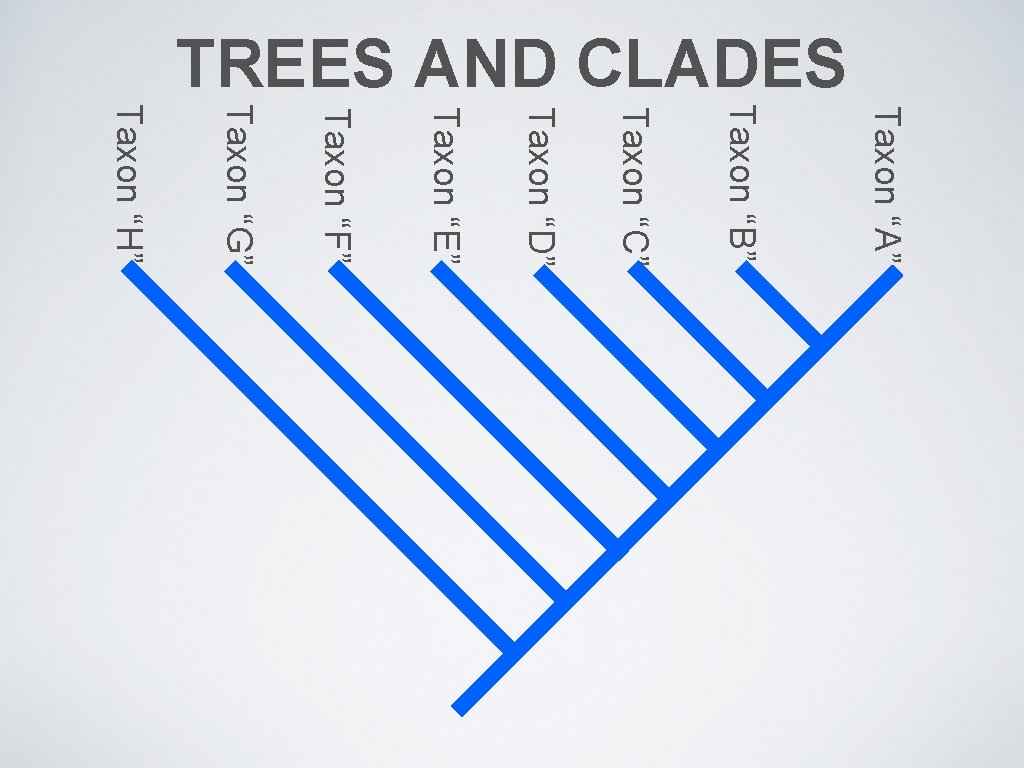
TREES AND CLADES Taxon “A” Taxon “B” Taxon “C” Taxon “D” Taxon “E” Taxon “F” Taxon “G” Taxon “H”
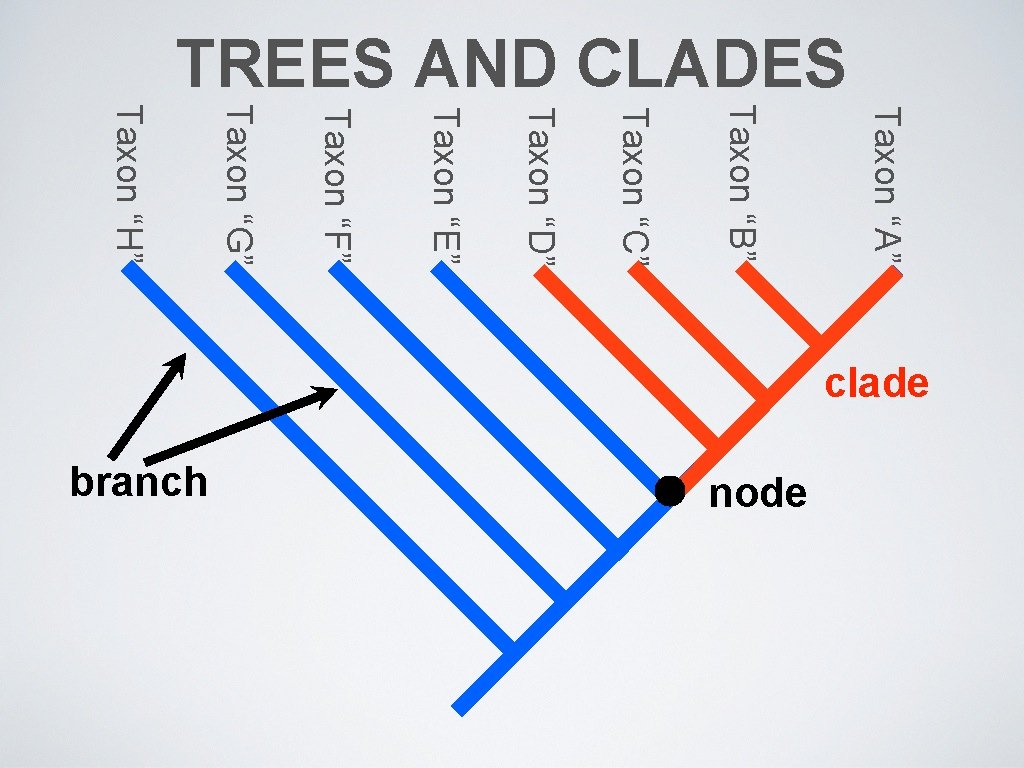
TREES AND CLADES Taxon “A” Taxon “B” Taxon “C” Taxon “D” Taxon “E” Taxon “F” node branch Taxon “G” Taxon “H” clade
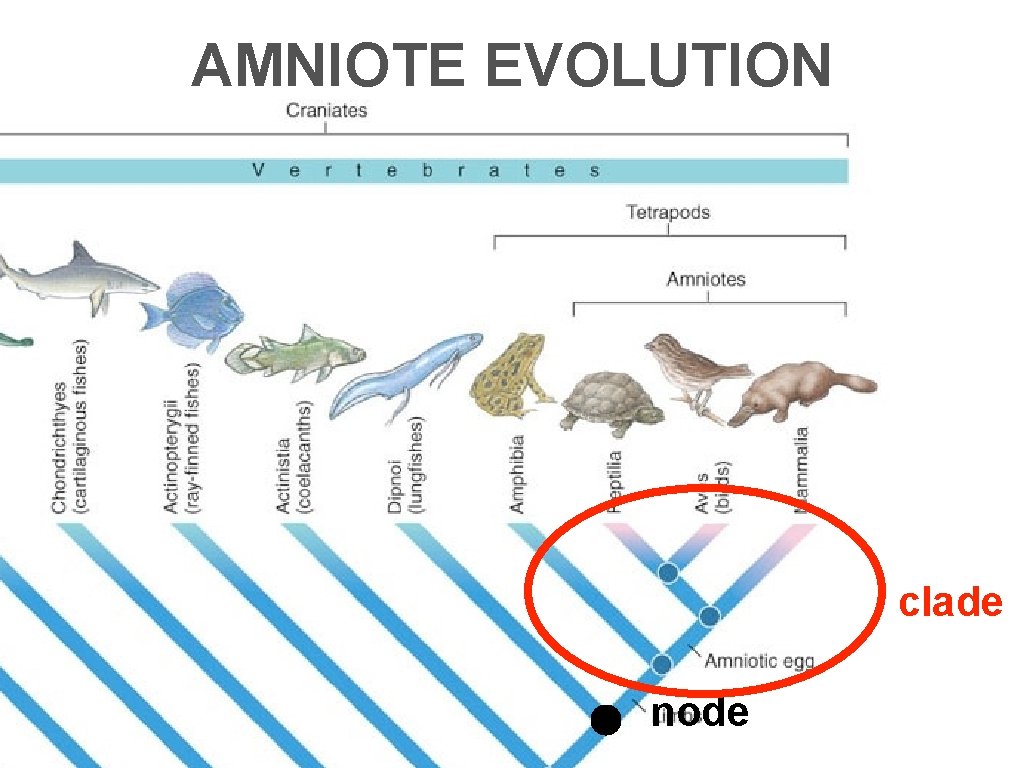
AMNIOTE EVOLUTION clade node
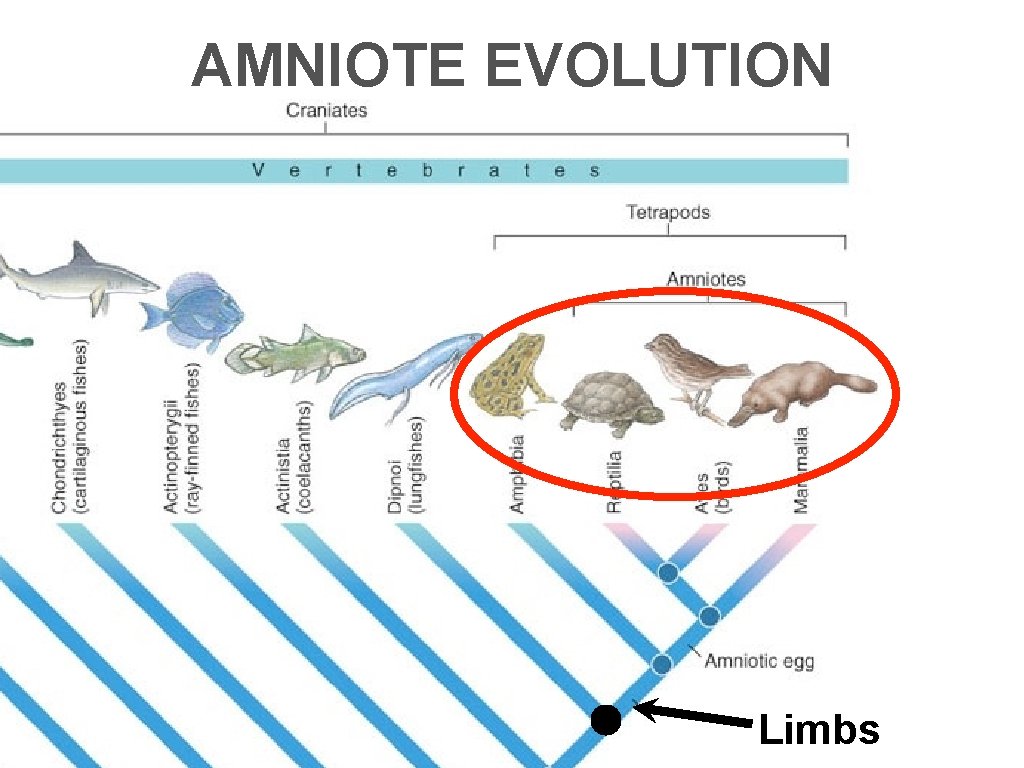
AMNIOTE EVOLUTION Limbs
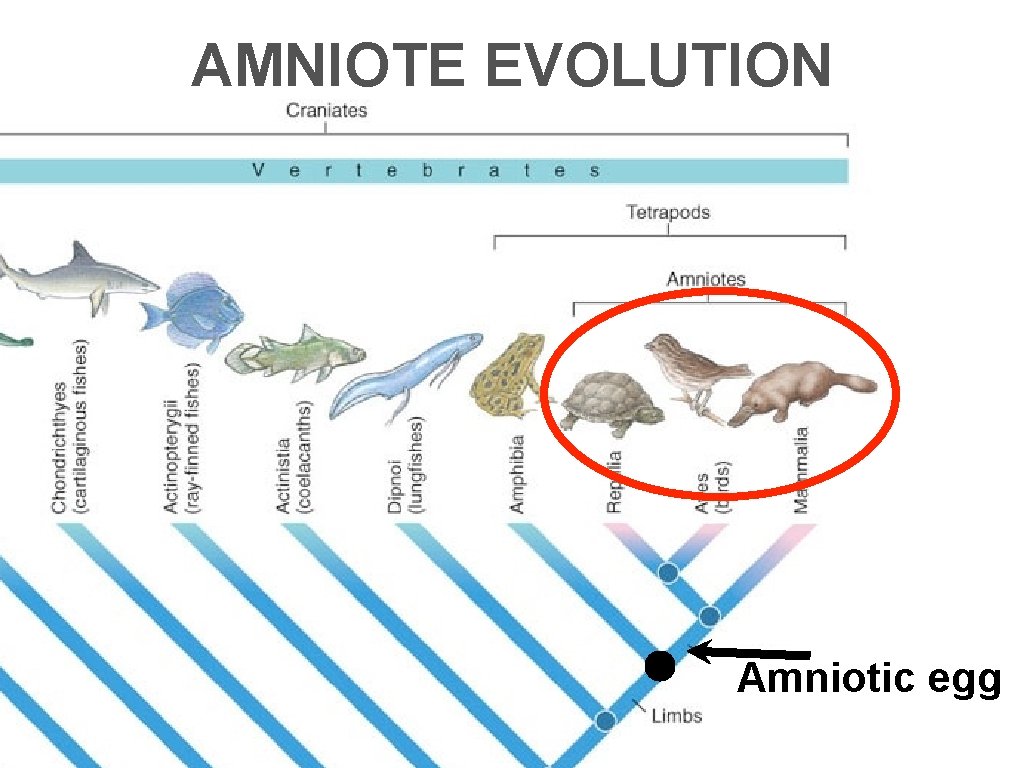
AMNIOTE EVOLUTION Amniotic egg
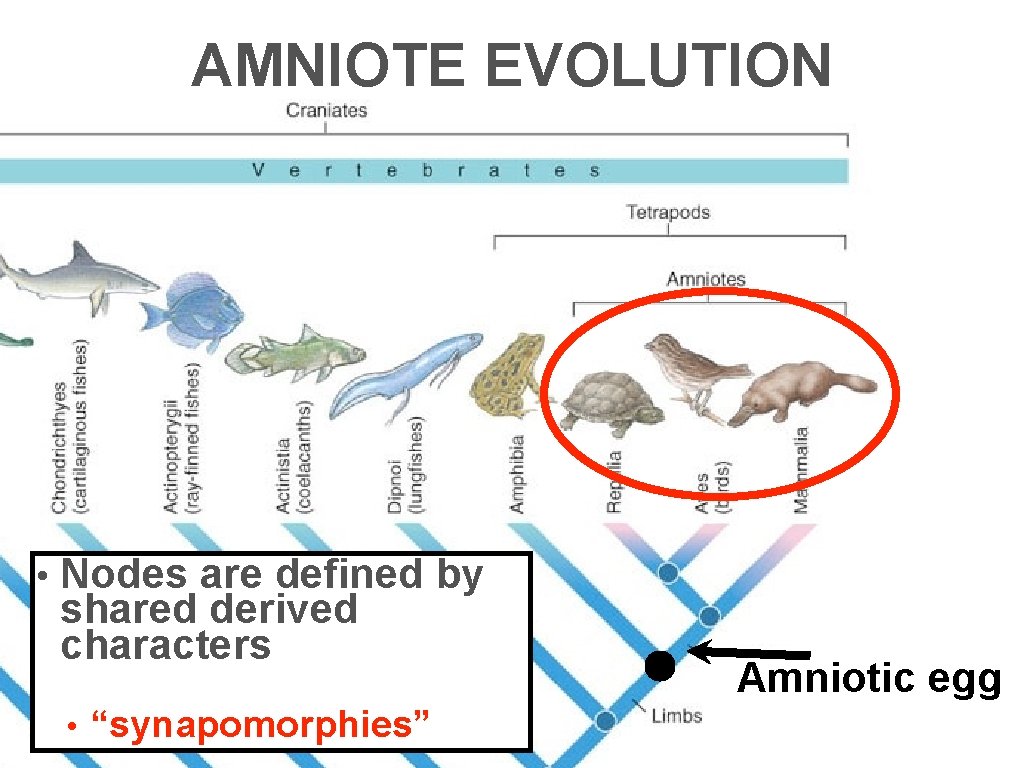
AMNIOTE EVOLUTION • Nodes are defined by shared derived characters • “synapomorphies” Amniotic egg
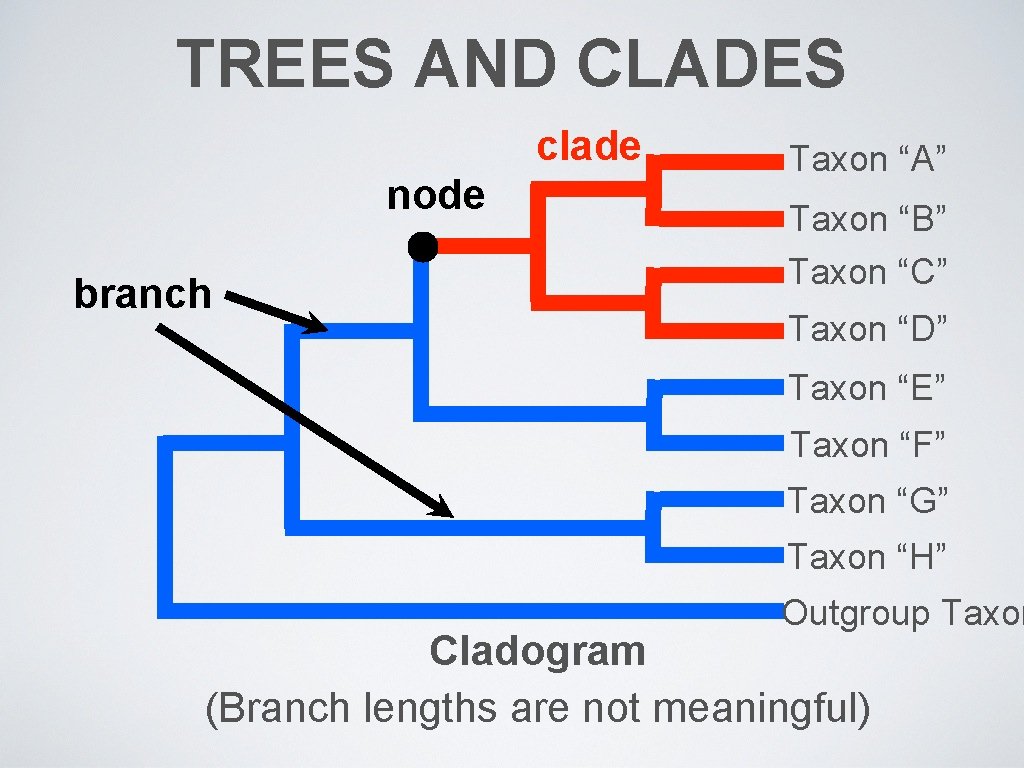
TREES AND CLADES clade node branch Taxon “A” Taxon “B” Taxon “C” Taxon “D” Taxon “E” Taxon “F” Taxon “G” Taxon “H” Outgroup Taxon Cladogram (Branch lengths are not meaningful)
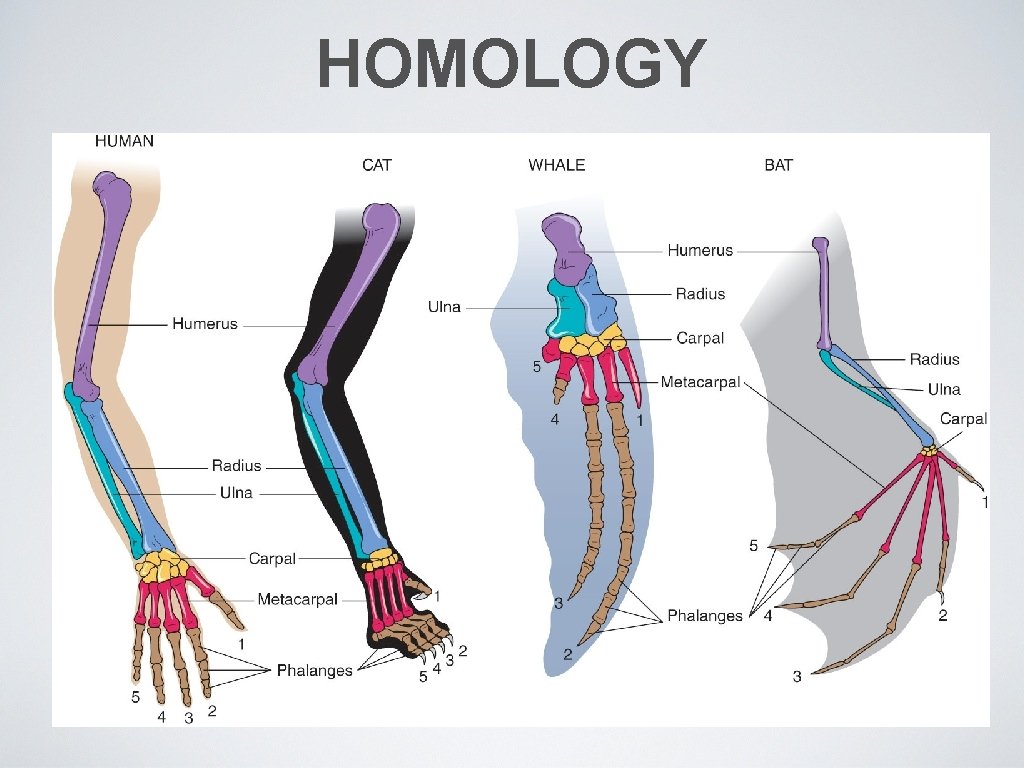
HOMOLOGY
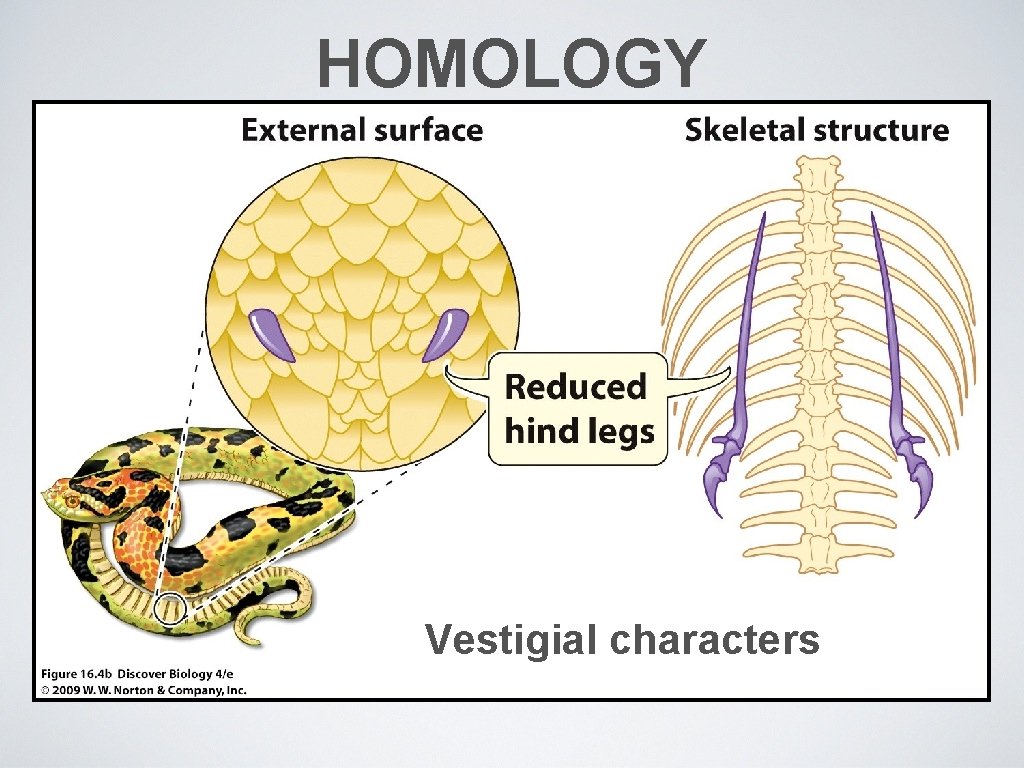
HOMOLOGY Vestigial characters
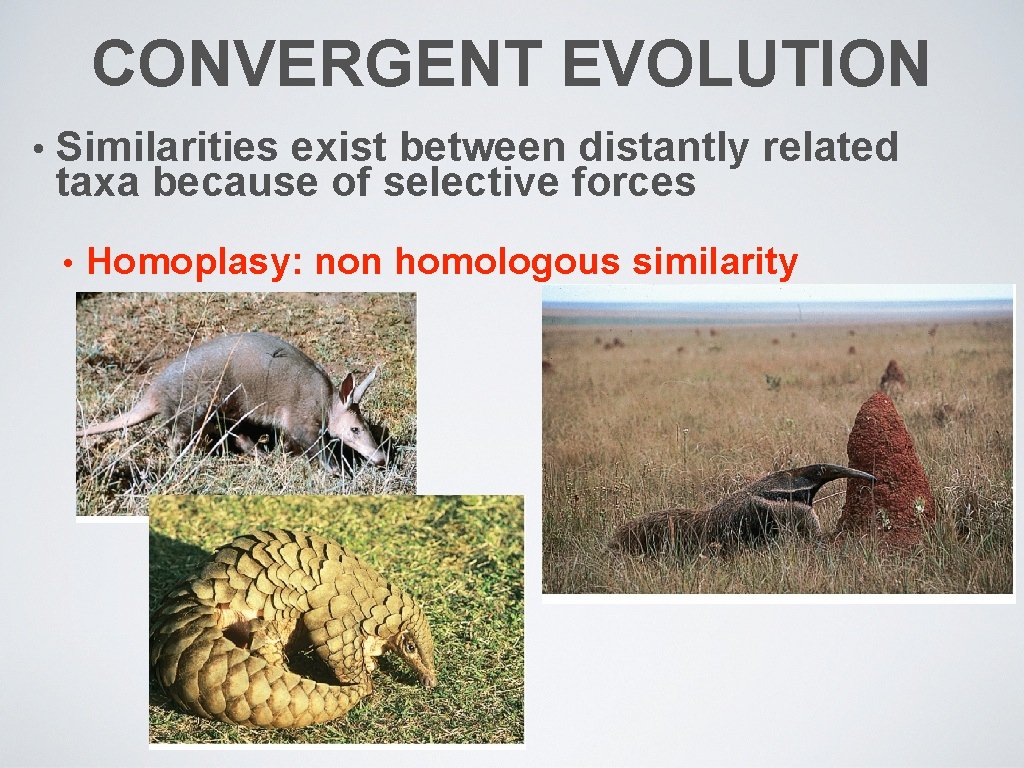
CONVERGENT EVOLUTION • Similarities exist between distantly related taxa because of selective forces • Homoplasy: non homologous similarity
- Slides: 33