
Classification and Beyond Chapters 19 Why do we
Classification and Beyond Chapters 19
Why do we name things? • To distinguish one thing from another • To communicate with others more effectively • It forces us to examine things more closely and make distinctions
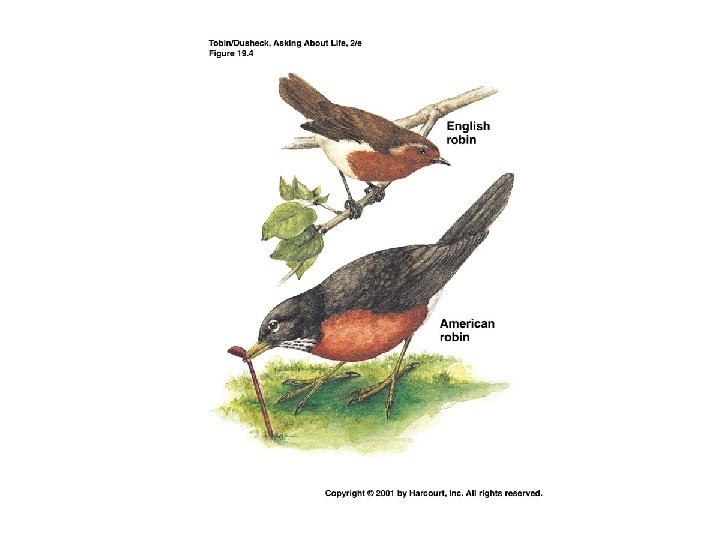
Classical Taxonomy – the Binomial System • Carl von Linné (a. k. a. ) Carolus Linnaeus • Binomial nomenclature – each organism gets two names, a genus name and a species name. These are always used together. You cannot use a species name without the genus name.
If you ordered americanus in a restaurant …. • Homarus americanus – lobster • Ursus americanus – black bear • Bufo americanus – American toad
3 Domains • Archaea • Eubacteria • Eukarya
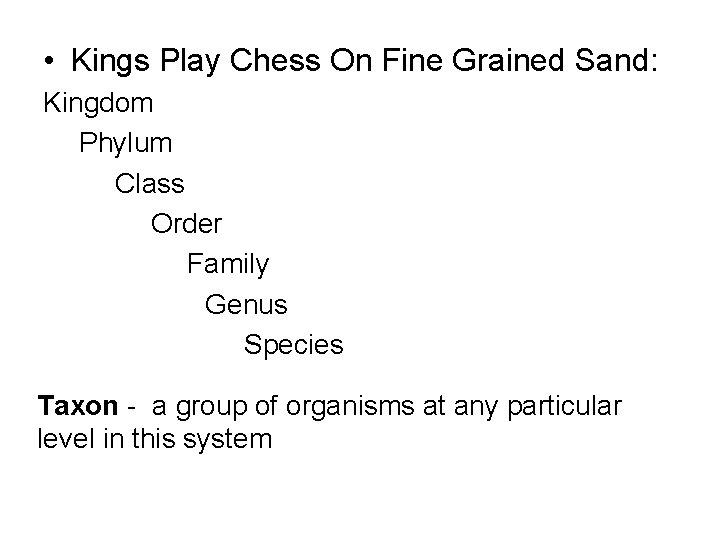
• Kings Play Chess On Fine Grained Sand: Kingdom Phylum Class Order Family Genus Species Taxon - a group of organisms at any particular level in this system
Biological Species Concept • Biological species are groups of actually or potentially interbreeding populations that are reproductively isolated from other such groups. • Reproductive unit • Genetic unit • Ecological unit
Phenetics • Based on observable characteristics • Uses “yes or no” questions • “numerical taxonomists” – Choice of characteristics is subjective – Groupings unrelated to evolution – Environment affects some characteristics more than others
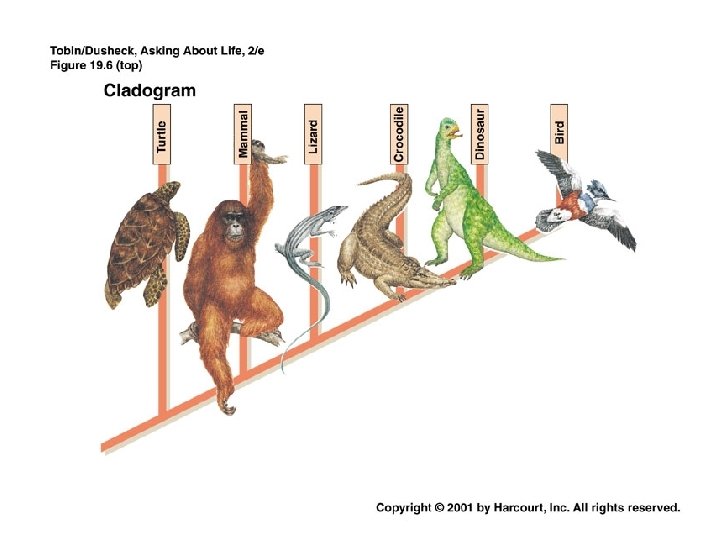
Cladistics • Produce evolutionary trees • Groupings include the ancestral species and all its descendants – Monophyletic • Uses physical characteristics, fossil record and sequences of proteins and genes • Sometimes it agrees with classical taxonomy and sometimes it does not
DNA and protein sequencing • Evolve the same way as other characteristics – homologous or analogous? • Also involves subjective choices • Noncoding DNA tends to change at a more constant rate – can be used as a “molecular clock. ”
- Slides: 12