
Classical Greek Art John Chiappone 2017 PERIODS Archaic
- Slides: 32
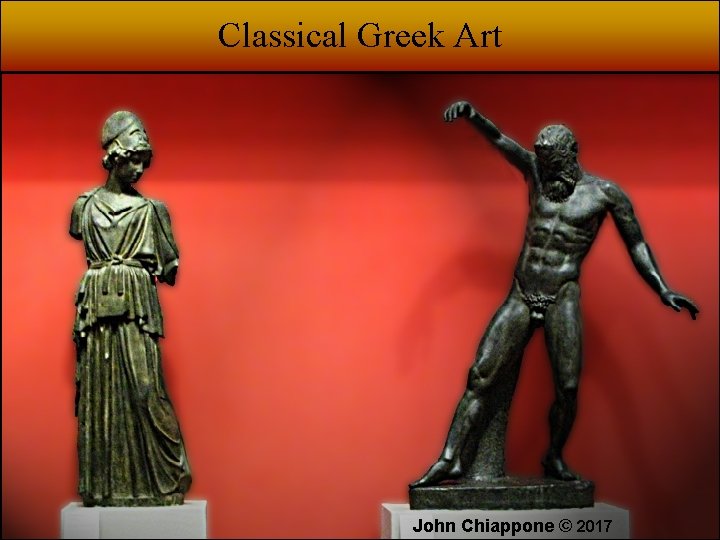
Classical Greek Art John Chiappone © 2017
PERIODS Archaic: 1, 700 - 500 BCE Classical: 500 - 323 BCE Hellenistic: 323 - 146 BCE
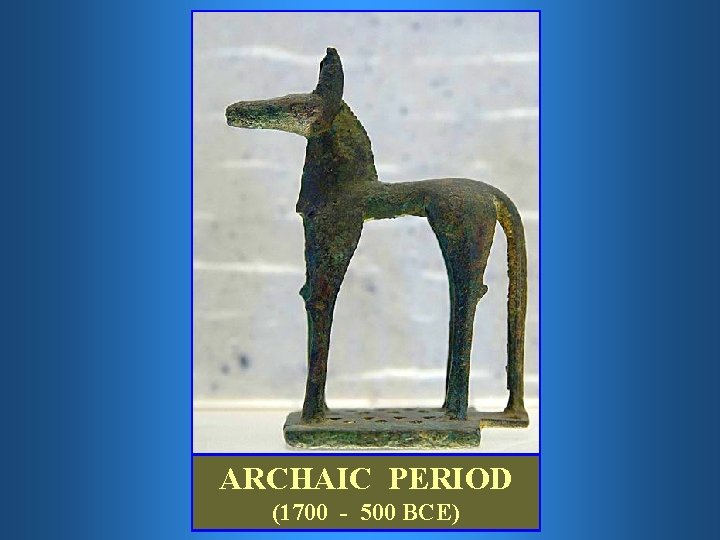
ARCHAIC PERIOD (1700 - 500 BCE)
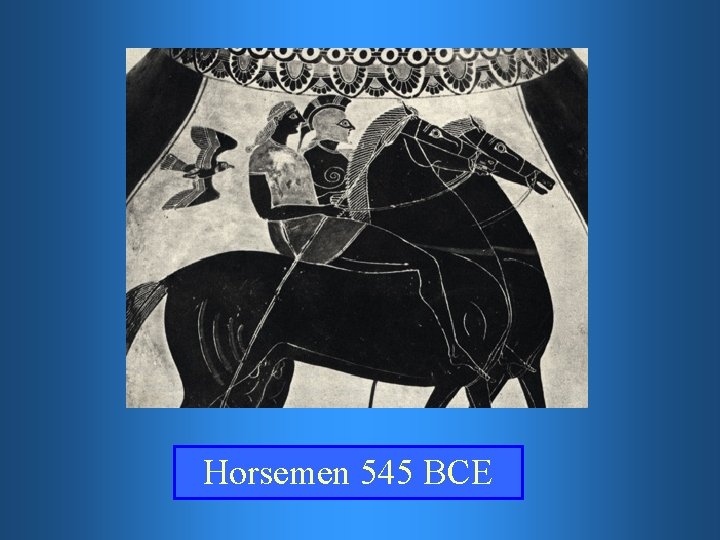
Horsemen 545 BCE
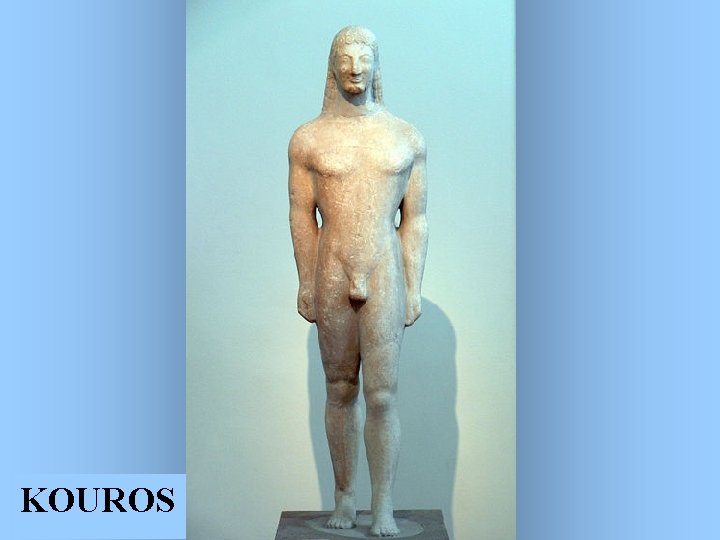
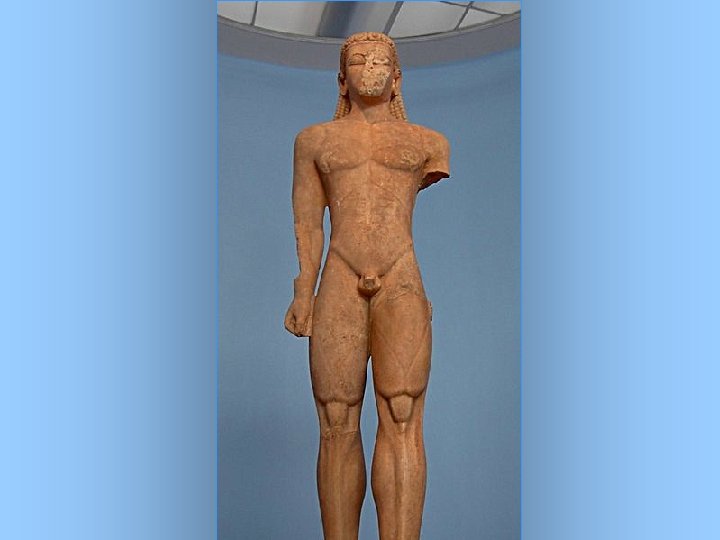
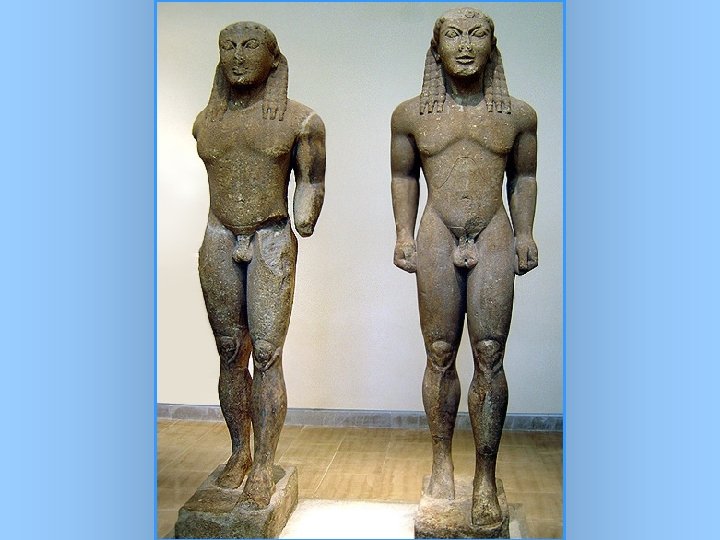
KOUROS
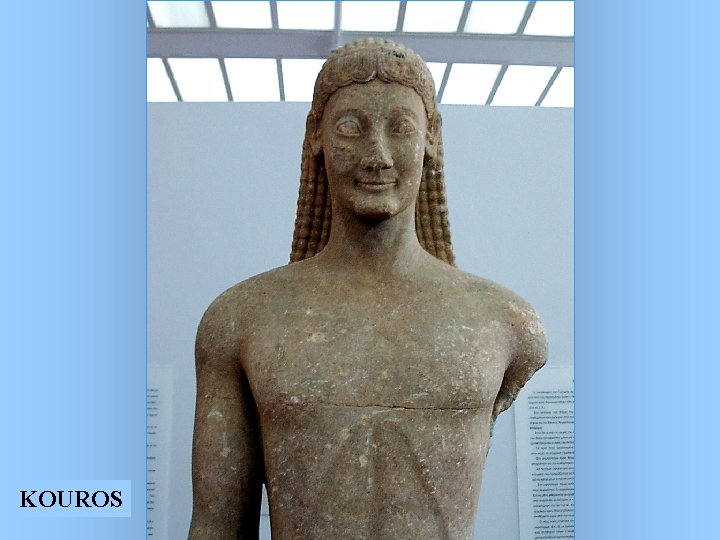
KOUROS
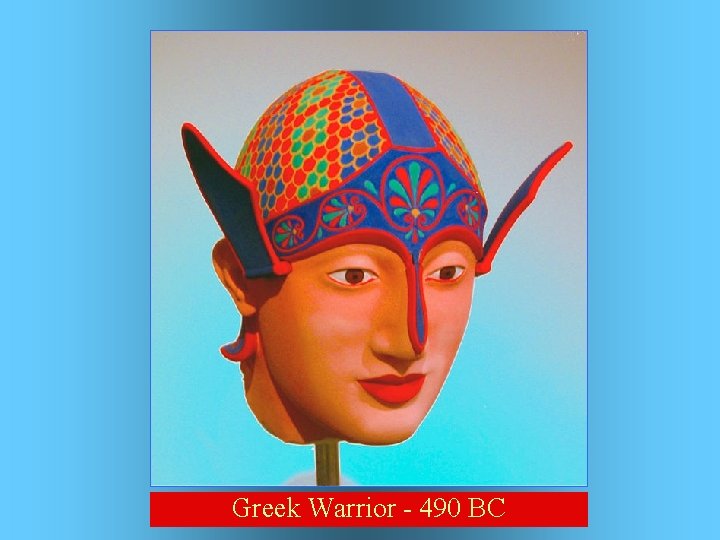
Greek Warrior - 490 BC
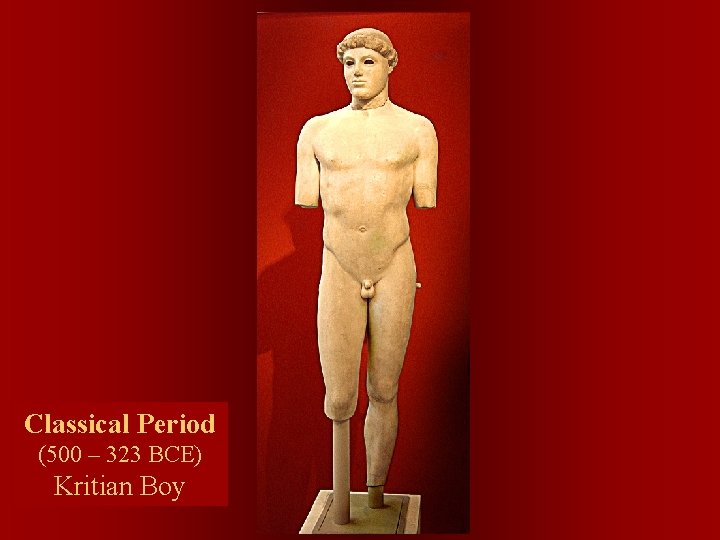
Classical Period (500 – 323 BCE) Kritian Boy
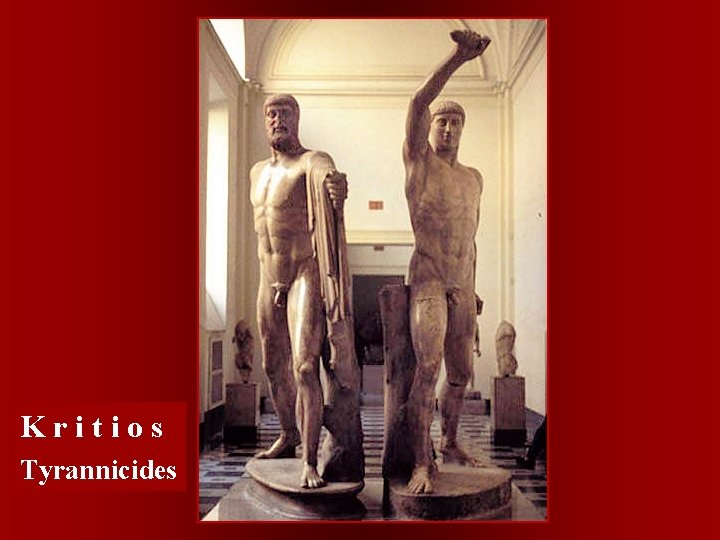
Kritios Tyrannicides
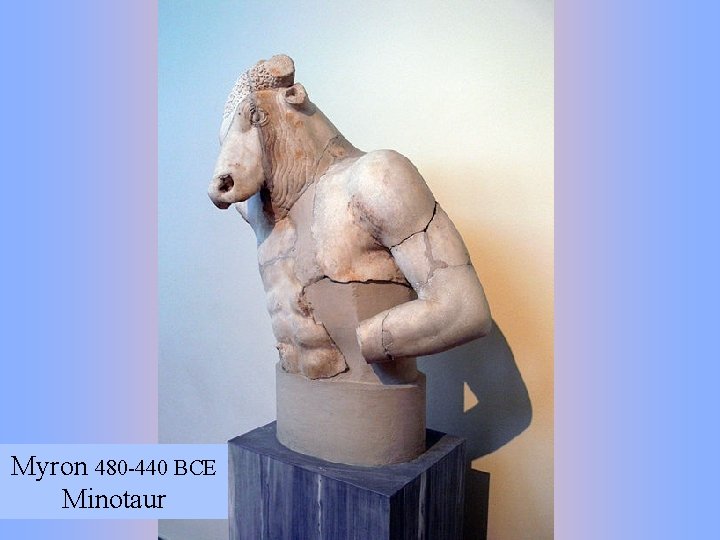
Myron 480 -440 BCE Minotaur
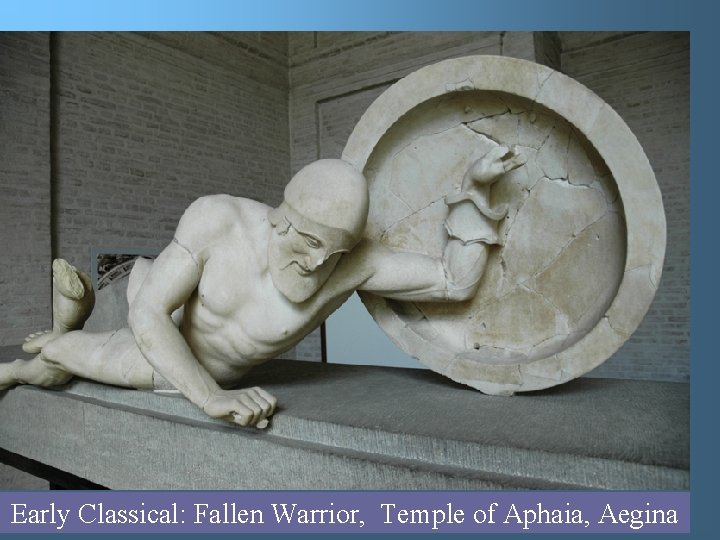
Early Classical: Fallen Warrior, Temple of Aphaia, Aegina
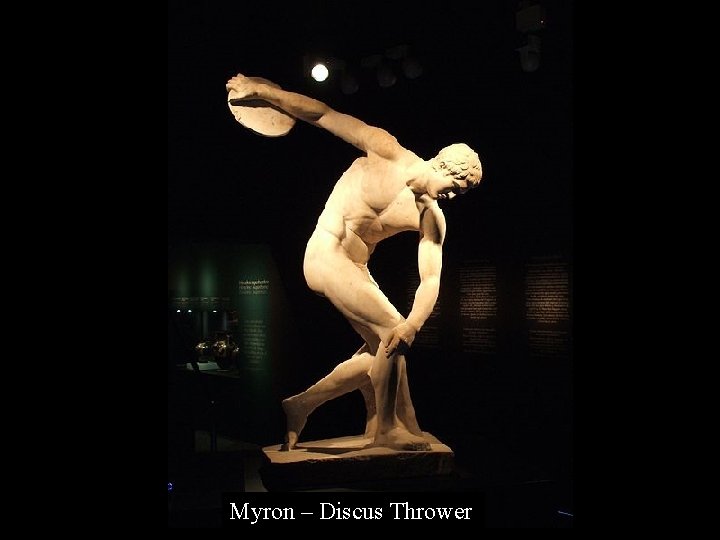
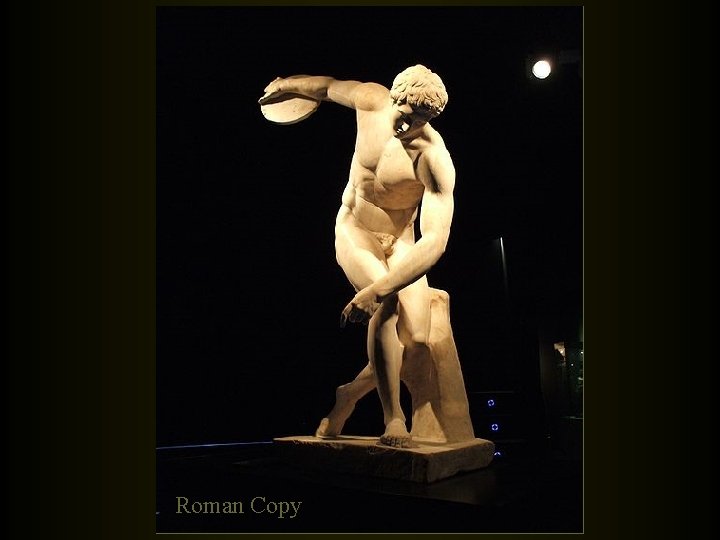
Myron – Discus Thrower
Roman Copy
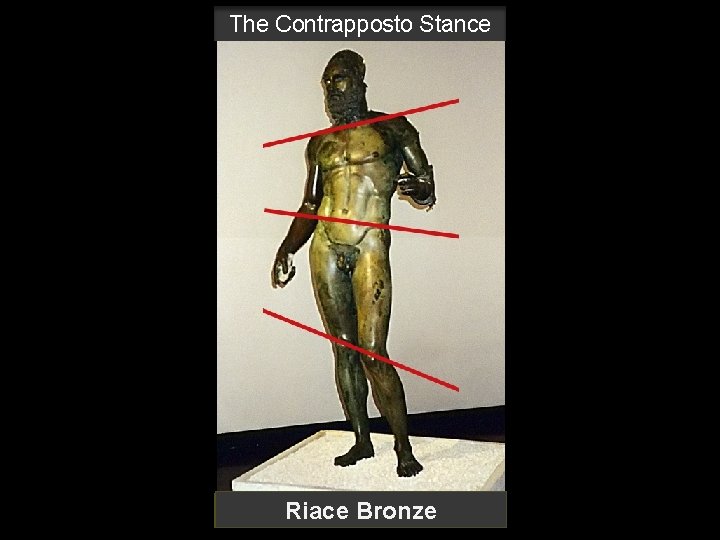
The Stance The. Contrapposto Stance Riace Bronze
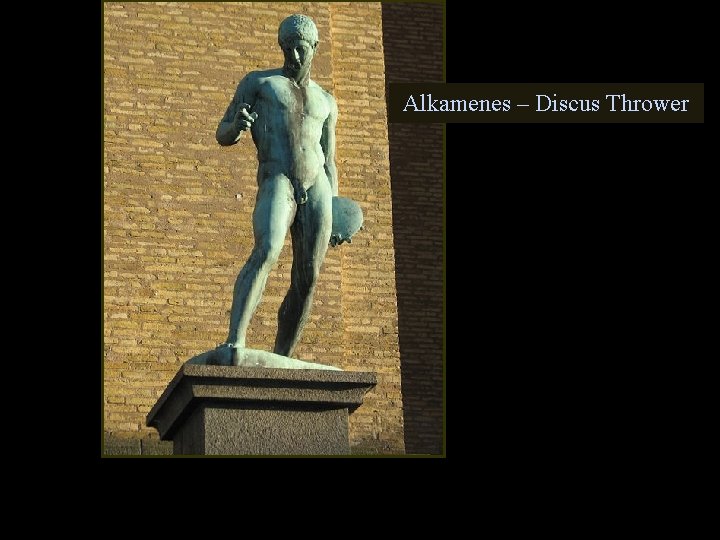
Alkamenes – Discus Thrower
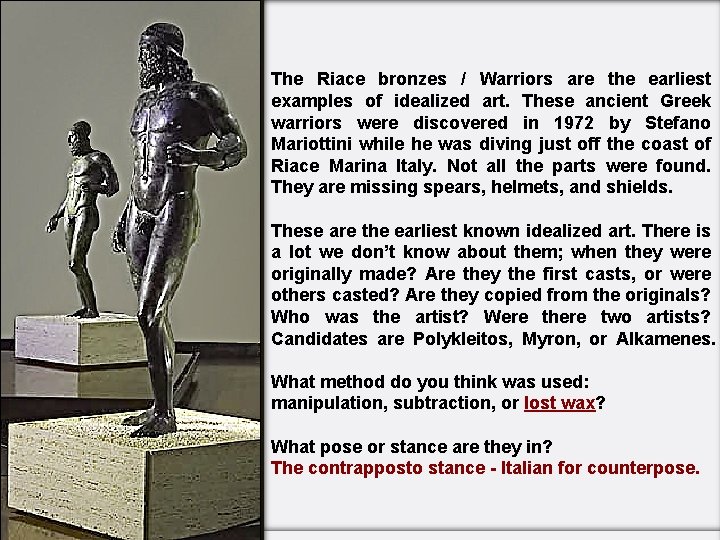
The Riace bronzes / Warriors are the earliest examples of idealized art. These ancient Greek warriors were discovered in 1972 by Stefano Mariottini while he was diving just off the coast of Riace Marina Italy. Not all the parts were found. They are missing spears, helmets, and shields. These are the earliest known idealized art. There is a lot we don’t know about them; when they were originally made? Are they the first casts, or were others casted? Are they copied from the originals? Who was the artist? Were there two artists? Candidates are Polykleitos, Myron, or Alkamenes. What method do you think was used: manipulation, subtraction, or lost wax? What pose or stance are they in? The contrapposto stance - Italian for counterpose. Riace Bronze
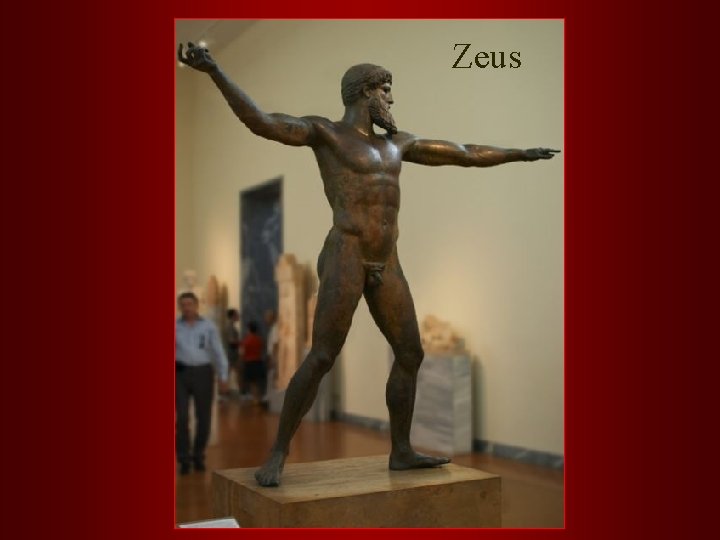
Zeus
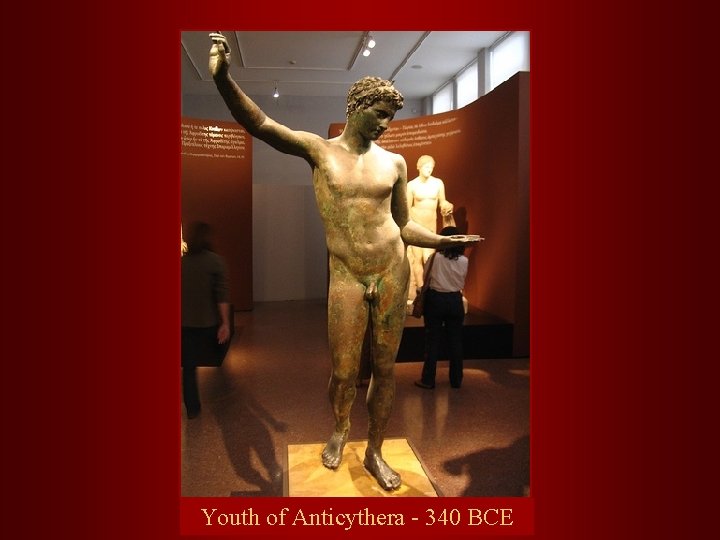
Youth of Anticythera - 340 BCE
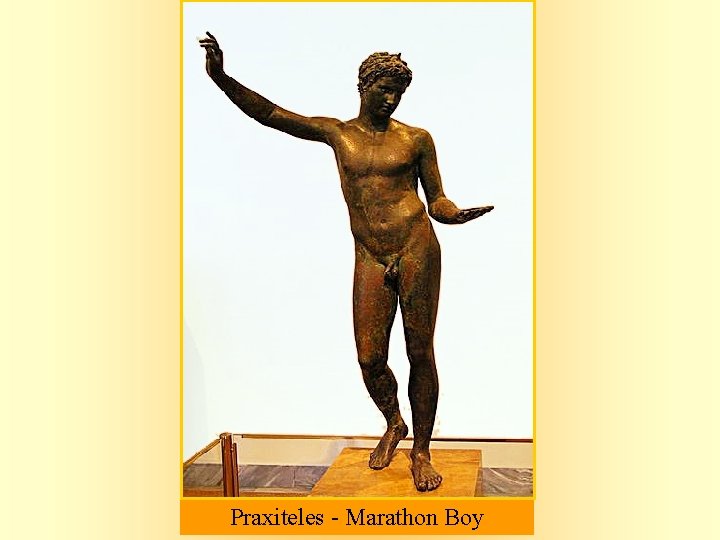
Praxiteles - Marathon Boy
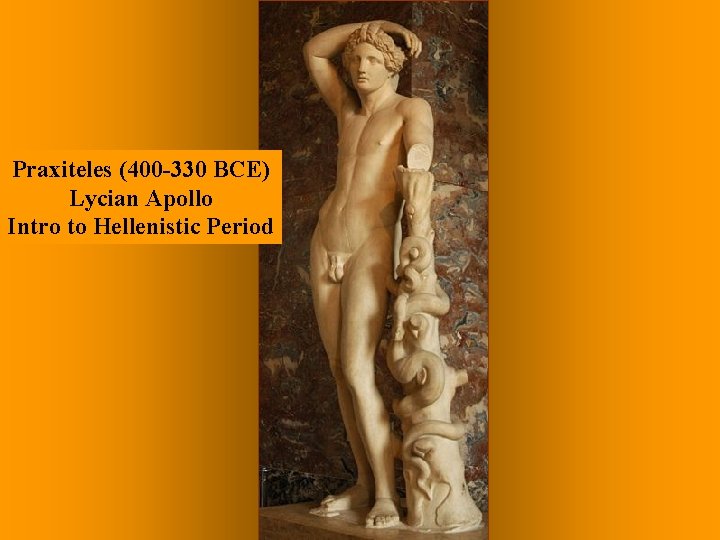
Praxiteles (400 -330 BCE) Lycian Apollo Intro to Hellenistic Period
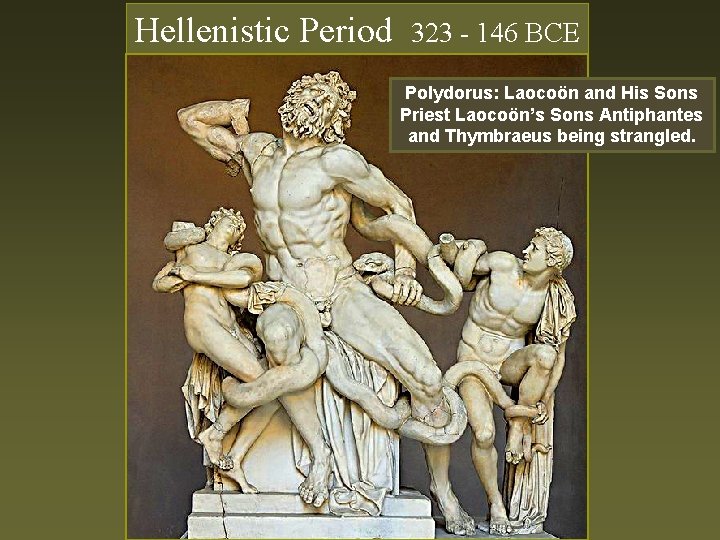
Hellenistic Period 323 - 146 BCE Polydorus: Laocoön and His Sons Priest Laocoön’s Sons Antiphantes and Thymbraeus being strangled.
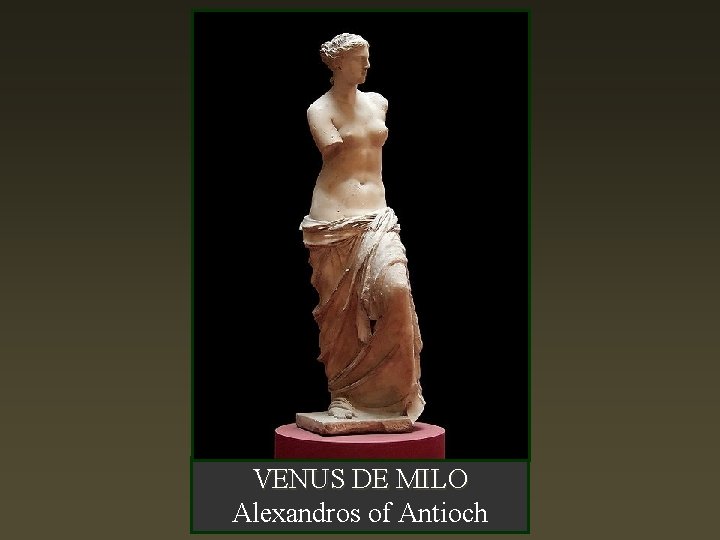
VENUS DE MILO Alexandros of Antioch
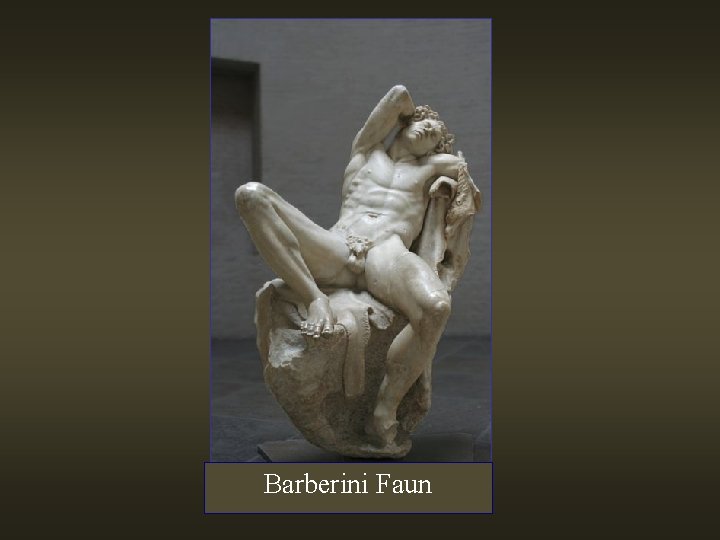
Barberini Faun
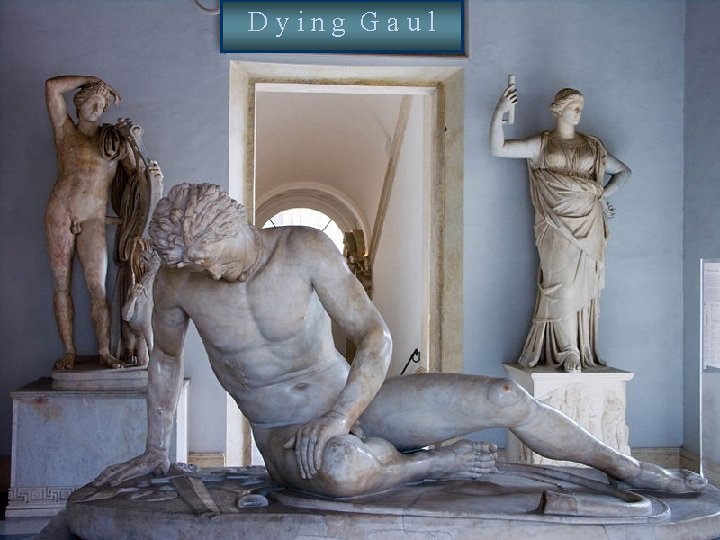
Dying Gaul
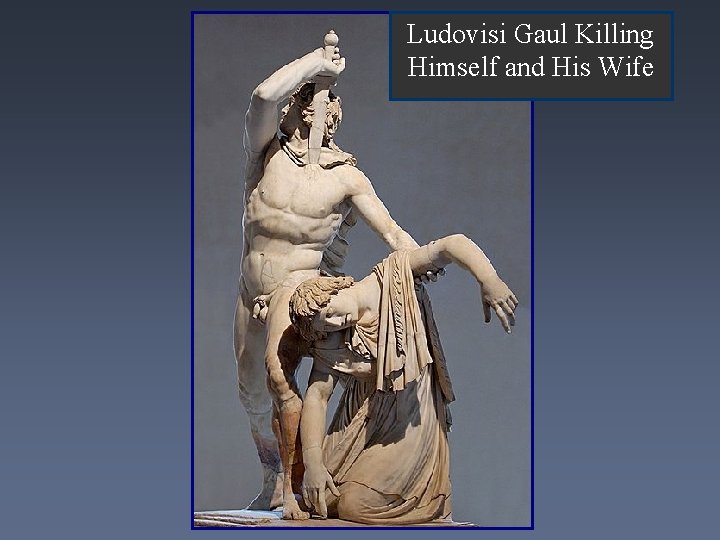
Ludovisi Gaul Killing Himself and His Wife
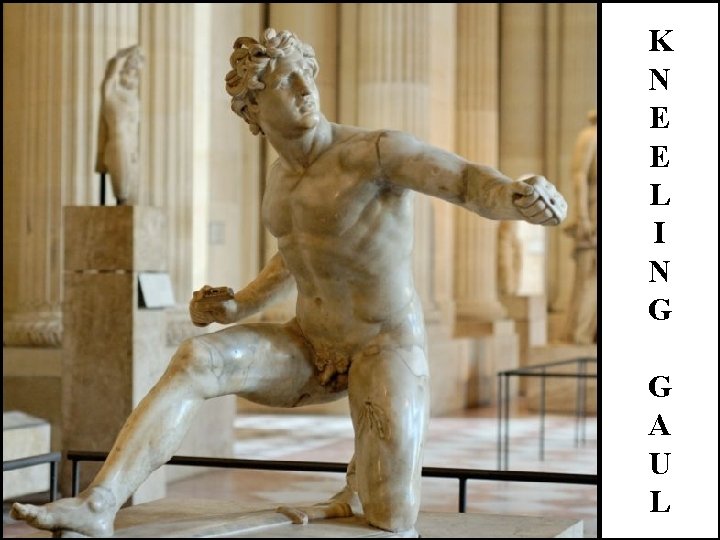
K N E E L I N G G A U L
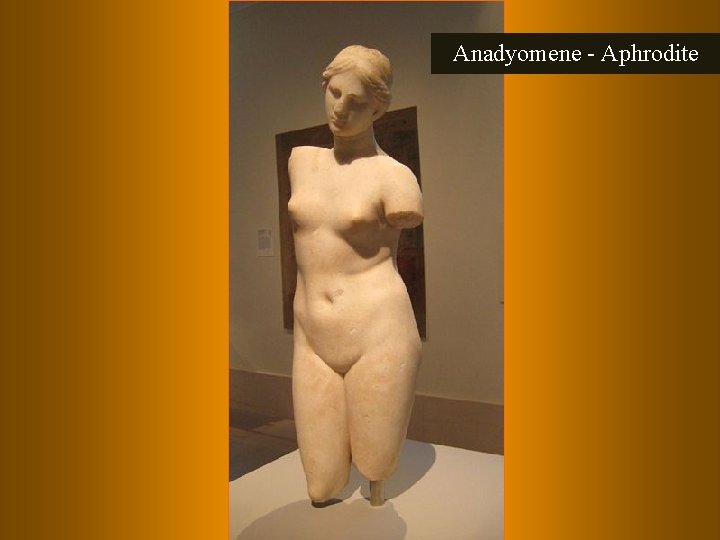
Anadyomene - Aphrodite
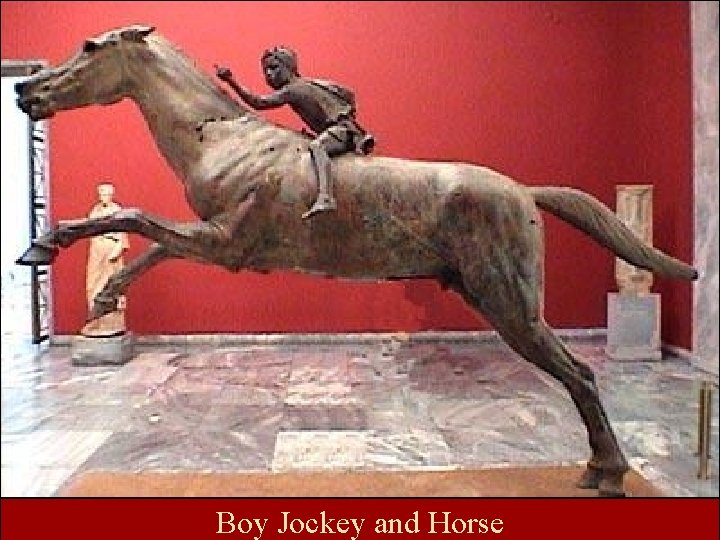
Boy Jockey and Horse