
Class tutorial Measuring Earthquake and volcano activity from
![Interferogram of the Central Andes [Source: Matt Prichard]](https://slidetodoc.com/presentation_image_h2/d27879774cd00e31718f961daef1c0e5/image-2.jpg "Interferogram of the Central Andes [Source: Matt Prichard]")
![Interferogram of the Central Andes [Source: Matt Prichard]](https://slidetodoc.com/presentation_image_h2/d27879774cd00e31718f961daef1c0e5/image-16.jpg "Interferogram of the Central Andes [Source: Matt Prichard]")
![The tutorial [Source: Matt Prichard]](https://slidetodoc.com/presentation_image_h2/d27879774cd00e31718f961daef1c0e5/image-17.jpg "The tutorial [Source: Matt Prichard]")
- Slides: 17
Class tutorial Measuring Earthquake and volcano activity from space Shimon Wdowinski University of Miami
Interferogram of the Central Andes [Source: Matt Prichard]
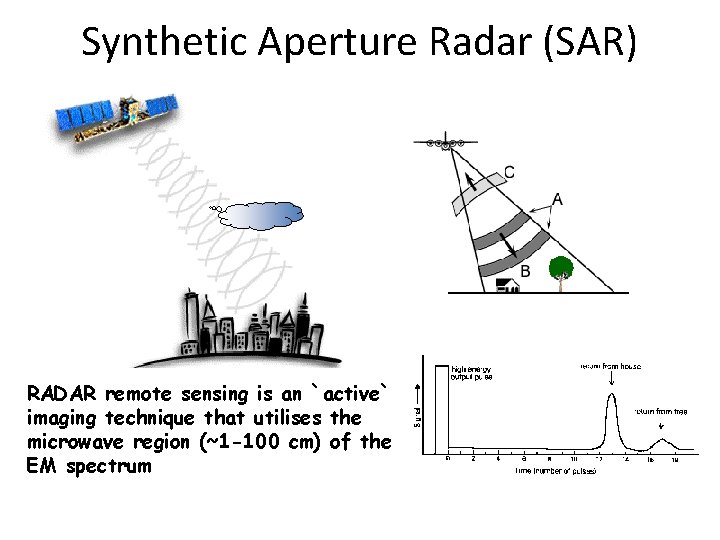
Synthetic Aperture Radar (SAR) RADAR remote sensing is an `active` imaging technique that utilises the microwave region (~1 -100 cm) of the EM spectrum
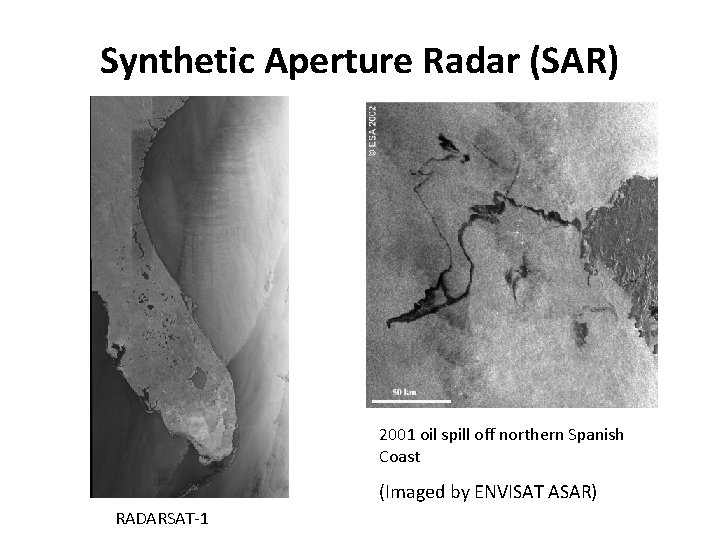
Synthetic Aperture Radar (SAR) 2001 oil spill off northern Spanish Coast (Imaged by ENVISAT ASAR) RADARSAT-1
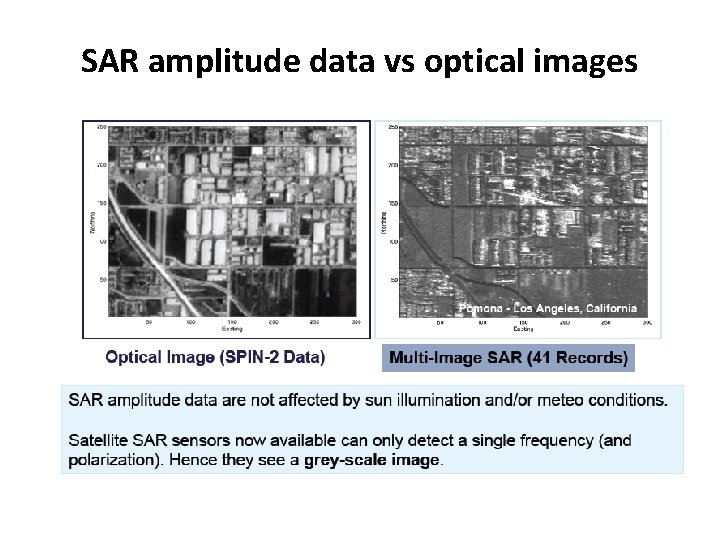
SAR amplitude data vs optical images
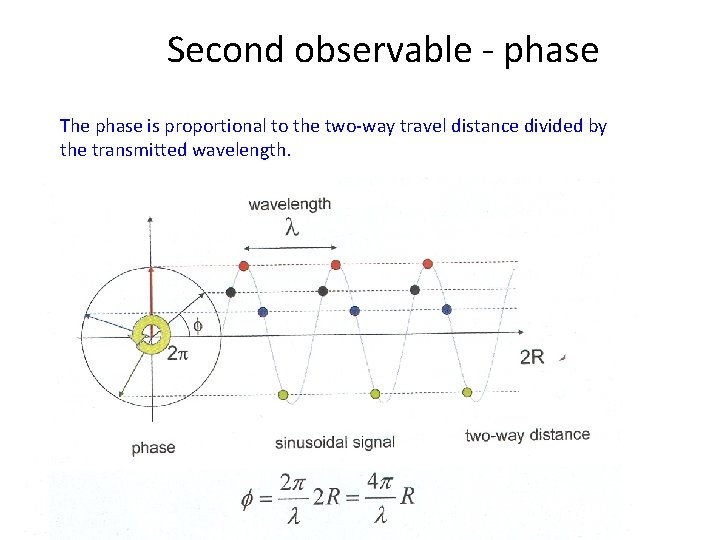
Second observable - phase The phase is proportional to the two-way travel distance divided by the transmitted wavelength.
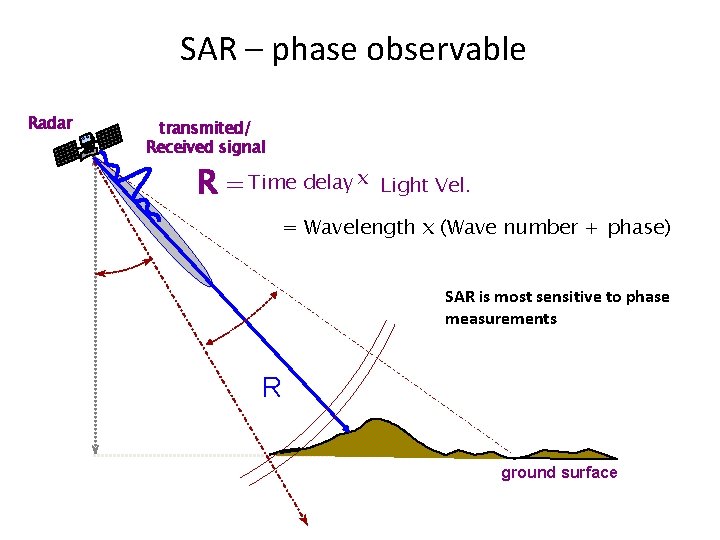
SAR – phase observable Radar transmited/ Received signal R = Time delay x Light Vel. = Wavelength x (Wave number + phase) SAR is most sensitive to phase measurements R ground surface
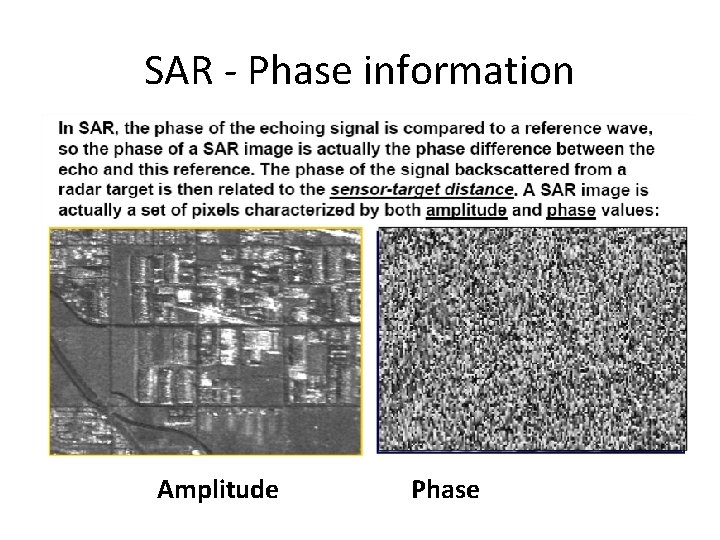
SAR - Phase information Amplitude Phase
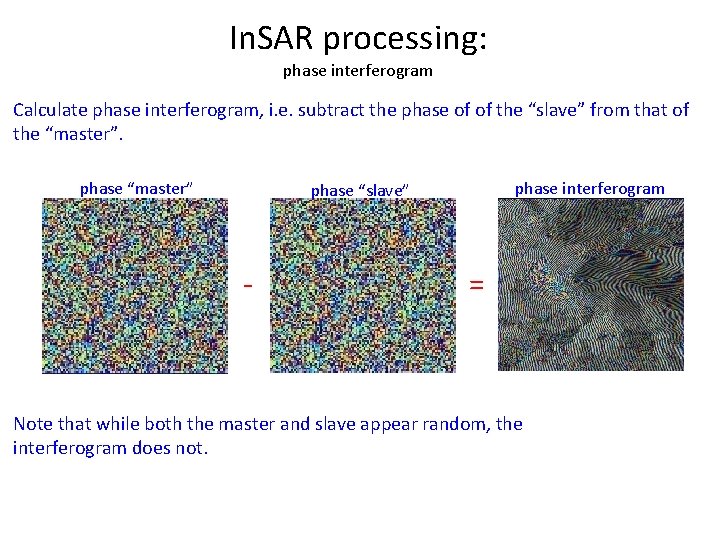
In. SAR processing: phase interferogram Calculate phase interferogram, i. e. subtract the phase of of the “slave” from that of the “master”. phase “master” phase interferogram phase “slave” - = Note that while both the master and slave appear random, the interferogram does not.
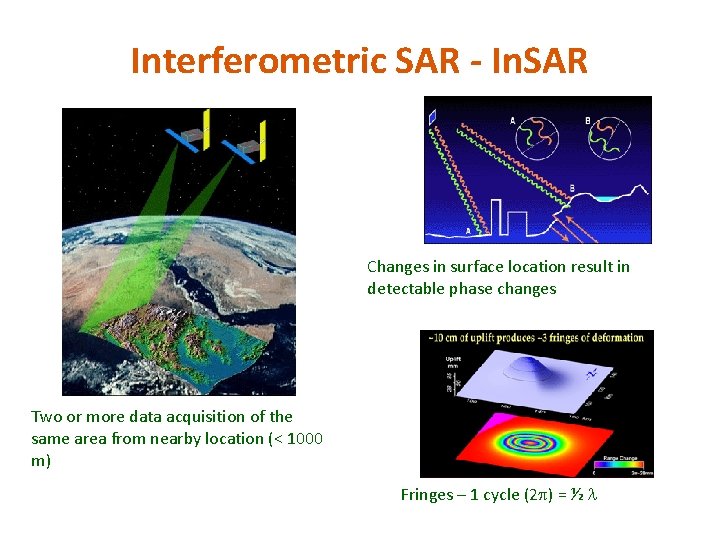
Interferometric SAR - In. SAR Changes in surface location result in detectable phase changes Two or more data acquisition of the same area from nearby location (< 1000 m) Fringes – 1 cycle (2 p) = ½ l
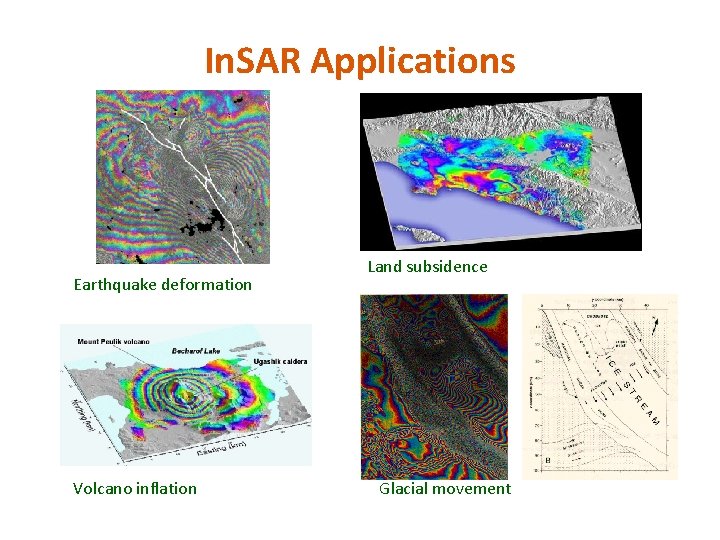
In. SAR Applications Earthquake deformation Volcano inflation Land subsidence Glacial movement
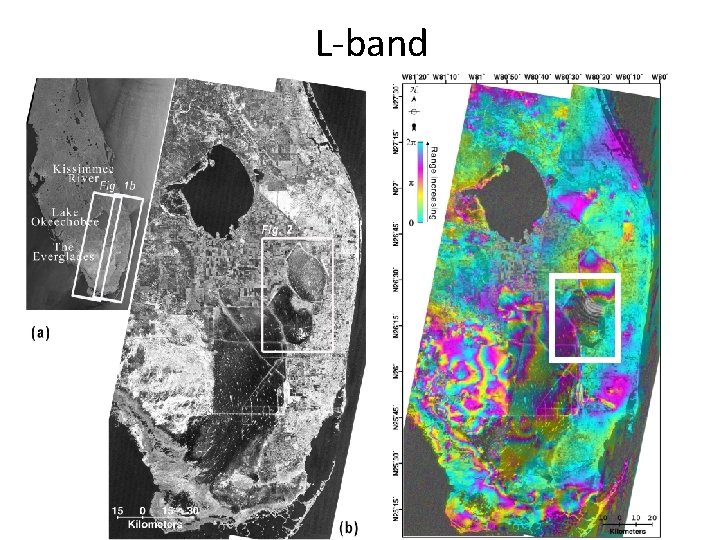
L-band Data: JERS-1 L-band (l = 24 cm) Area: 225 km x 75 km Acquisitions: 12 swaths During 1993 -1996
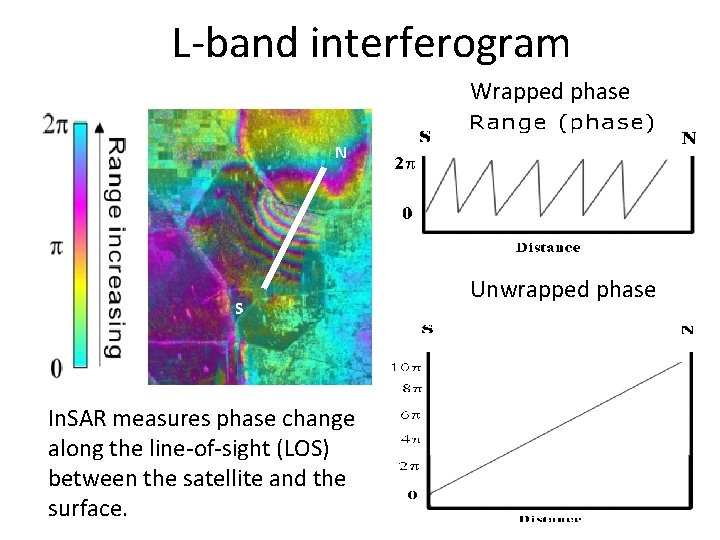
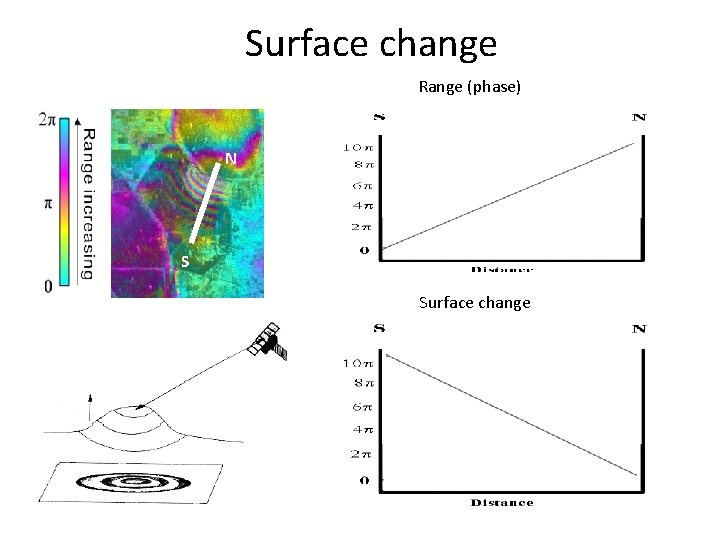
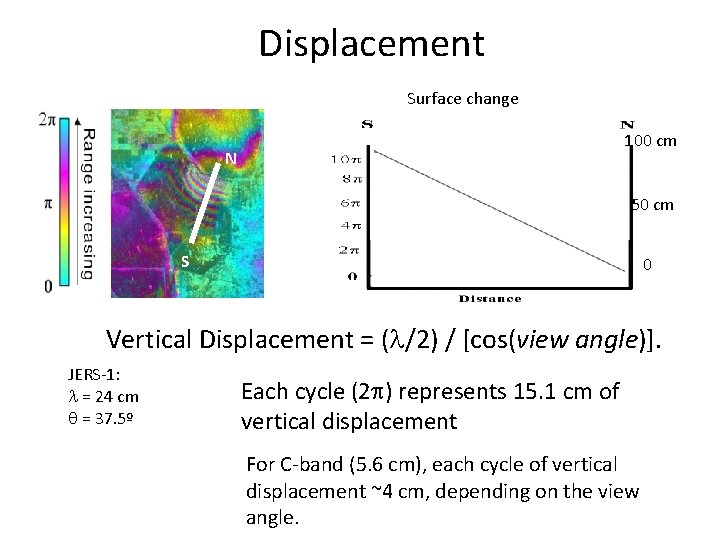
L-band interferogram Wrapped phase N S In. SAR measures phase change along the line-of-sight (LOS) between the satellite and the surface. Unwrapped phase
Surface change Range (phase) N S Surface change
Displacement Surface change 100 cm N 50 cm S 0 Vertical Displacement = (l/2) / [cos(view angle)]. JERS-1: l = 24 cm q = 37. 5º Each cycle (2 p) represents 15. 1 cm of vertical displacement For C-band (5. 6 cm), each cycle of vertical displacement ~4 cm, depending on the view angle.
Interferogram of the Central Andes [Source: Matt Prichard]
The tutorial [Source: Matt Prichard]