
Class Mammalia Evolution of Mammals Mammals did not
- Slides: 25
Class Mammalia
Evolution of Mammals • Mammals did not come to dominate until the CENOZOIC ERA, after the dinosaurs became extinct • Early mammals were probably “rodent like”
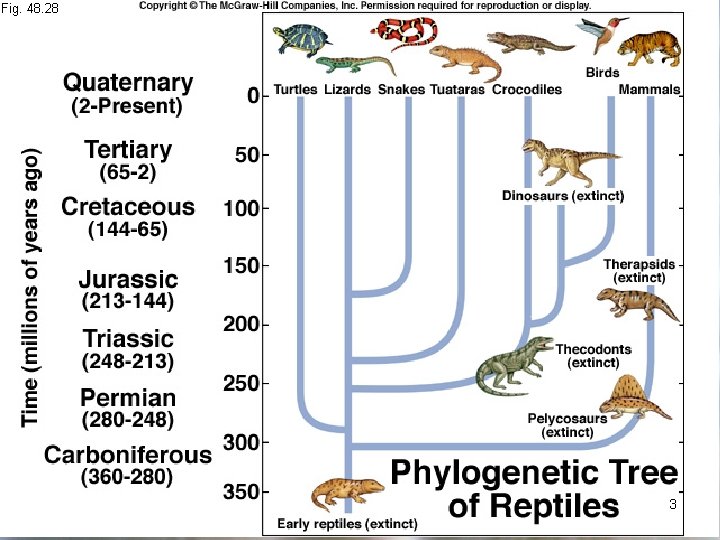
Fig. 48. 28 3
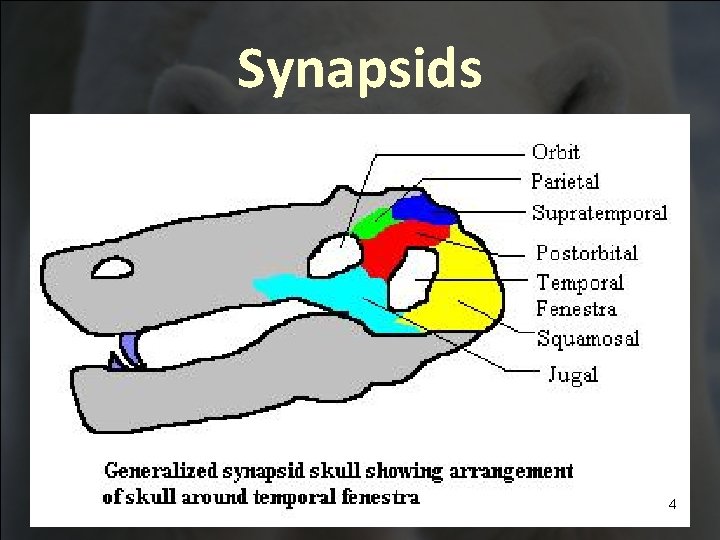
Synapsids 4
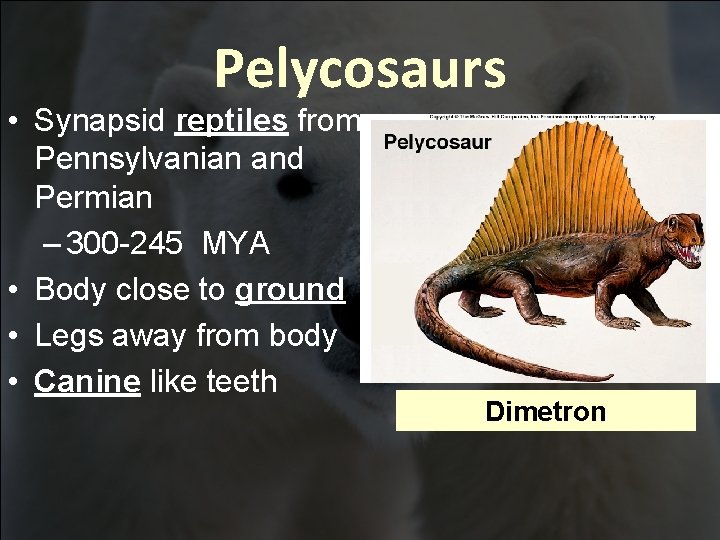
Pelycosaurs • Synapsid reptiles from Pennsylvanian and Permian – 300 -245 MYA • Body close to ground • Legs away from body • Canine like teeth Dimetron
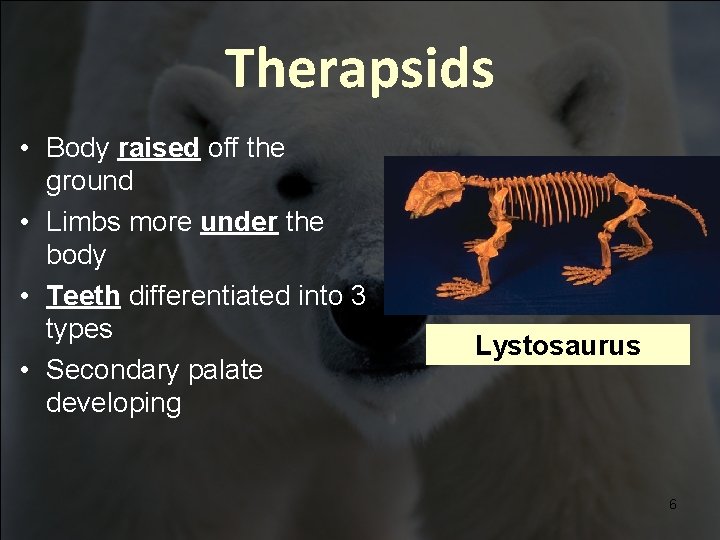
Therapsids • Body raised off the ground • Limbs more under the body • Teeth differentiated into 3 types • Secondary palate developing Lystosaurus 6
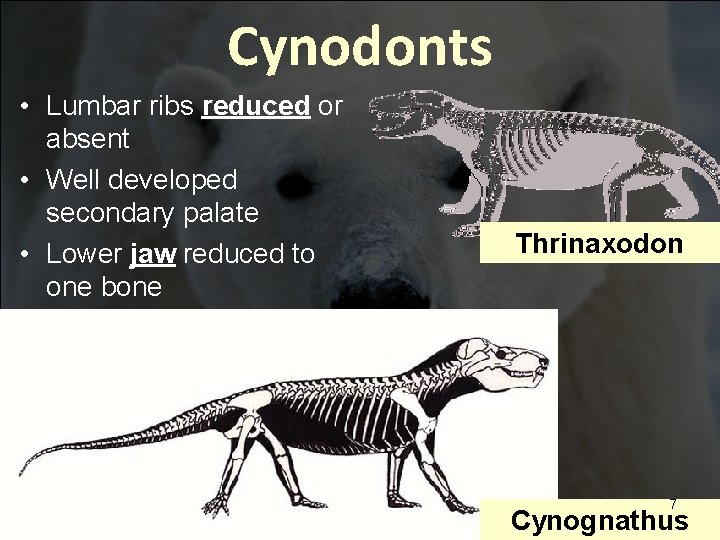
Cynodonts • Lumbar ribs reduced or absent • Well developed secondary palate • Lower jaw reduced to one bone Thrinaxodon 7 Cynognathus
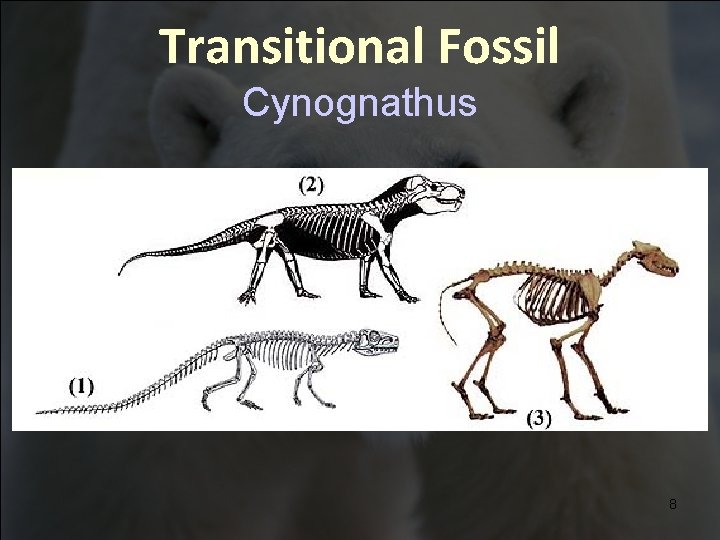
Transitional Fossil Cynognathus 8
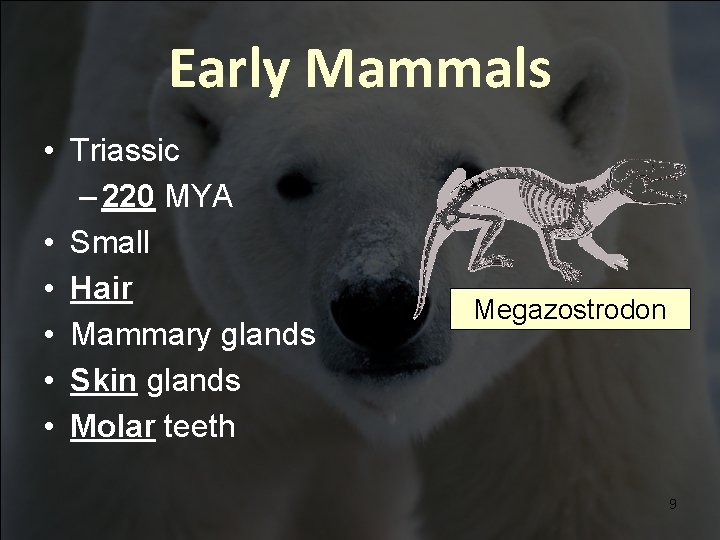
Early Mammals • Triassic – 220 MYA • Small • Hair • Mammary glands • Skin glands • Molar teeth Megazostrodon 9
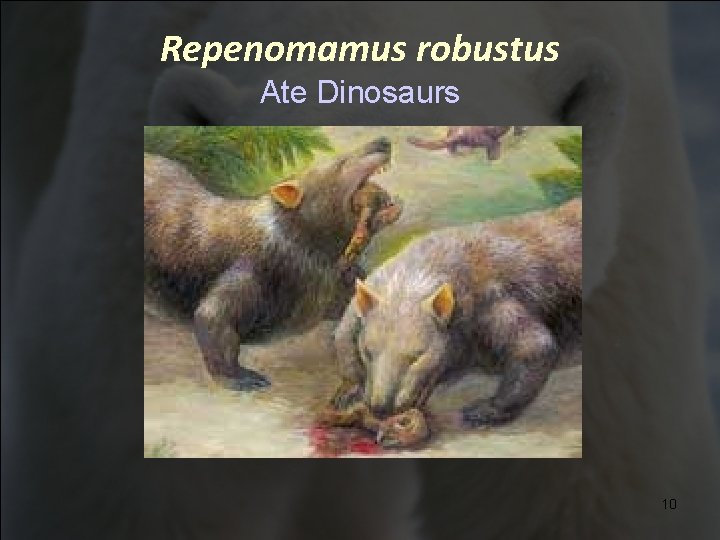
Repenomamus robustus Ate Dinosaurs 10
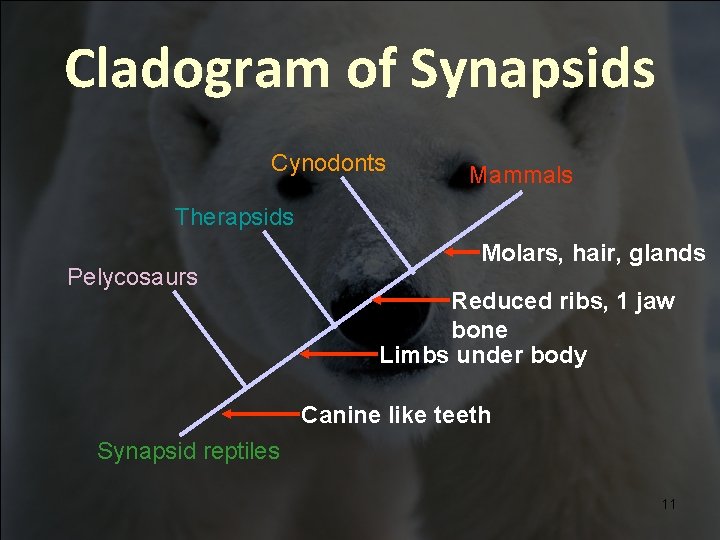
Cladogram of Synapsids Cynodonts Mammals Therapsids Pelycosaurs Molars, hair, glands Reduced ribs, 1 jaw bone Limbs under body Canine like teeth Synapsid reptiles 11
Characteristics • Hair – composed of keratin for insulation, sensation, appearance, and protection. (other keratinized structures – horns, antlers, etc. ) • Mammary Glands – modified sweat gland that, in females, produce milk to nourish their offspring. • 3 Middle Ear Bones – malleus, incus, and stapes (hammer, anvil, and stirrup); the first two derived from the ancestral jaw.
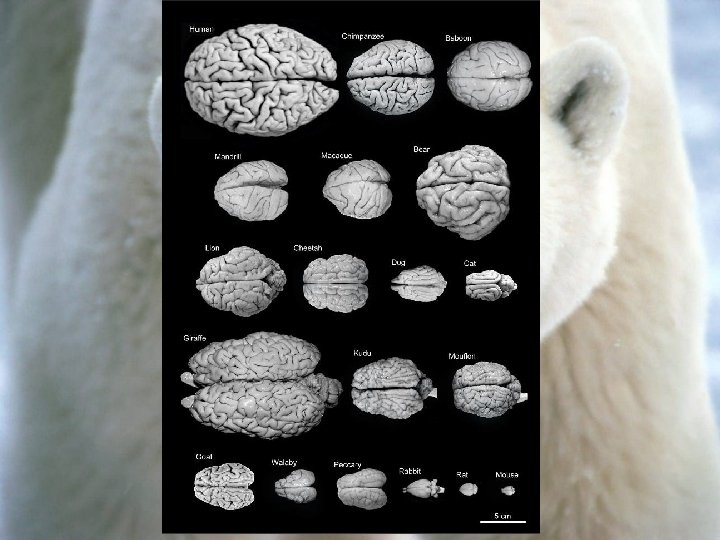
Characteristics • • • Highly differentiated teeth Single lower jaw bone Secondary palate Highly developed brain Separate sexes (XX or XY) Internal fertilization
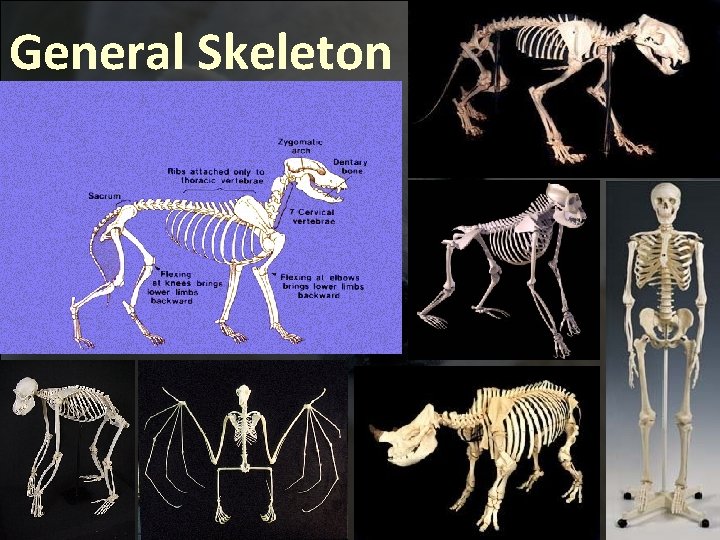
General Skeleton
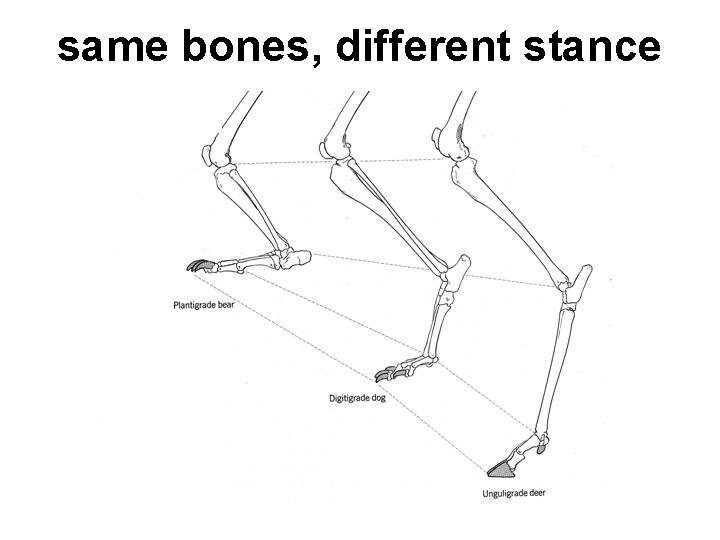
same bones, different stance
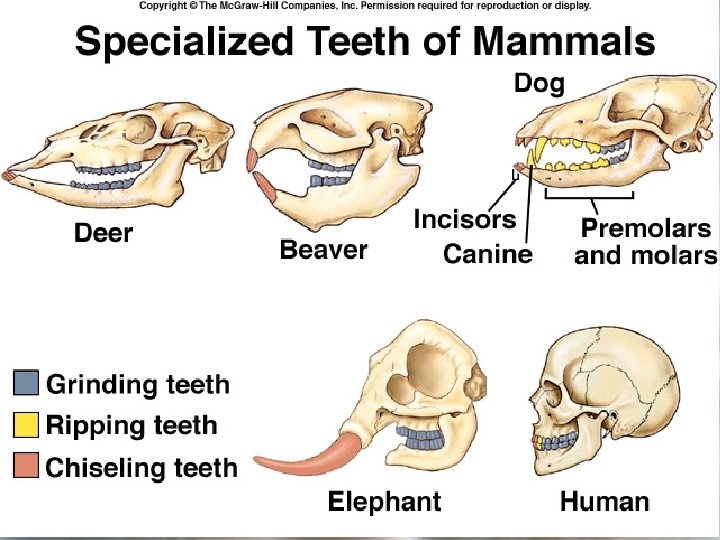
Teeth • Diastema – toothless gap • Carnassial apparatus – Incisors chisel shaped for gnawing and nipping (1 root) – Canines long conical for catching, killing, and tearing (1 root) – Premolars and Molars broad for chewing (1 -2 or 2 -3 roots)
Mammalian Glands • Glands are an epidermal tissue that secrete substances. – Sudoriferous – sweat for evaporative cooling and elimination of waste. – Sebaceous – secrete oil for waterproofing of hair. – Scent – secrete pheromones for defense, sex recognition, and territorial behavior.
Mammal Heat Regulation • Endothermy – the generation of internal heat • Homeothermy – the maintenance of constant temperature • Torpor – the organism is less active, alert, and easily aroused (Bears and raccoons) • Hibernation – the organism slows metabolism, and heart and respiratory rates (monotremes, and some insectivora, rodentia, and chiroptera)
3 Types of Mammals • Prototheria (Monotremes): oviparous (egg-laying). • Metatheria (Marsupials): viviparous with a short gestation, further development occurring in a pouch. • Eutheria (Placentals): viviparous with a long gestation.
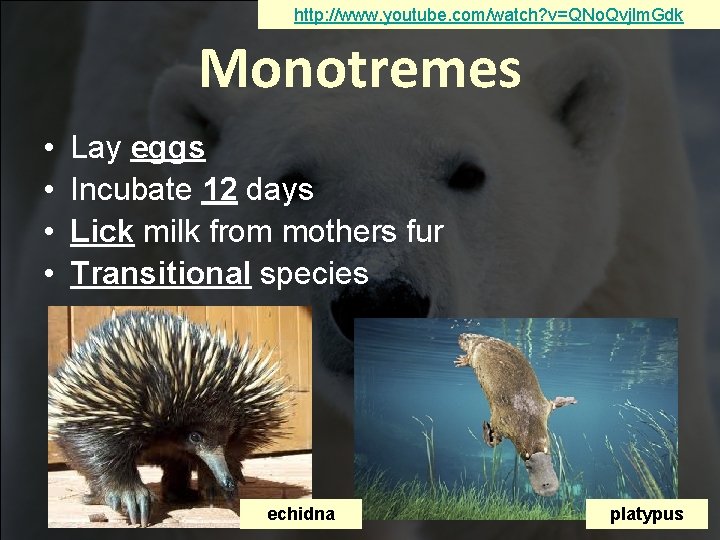
http: //www. youtube. com/watch? v=QNo. Qvjlm. Gdk Monotremes • • Lay eggs Incubate 12 days Lick milk from mothers fur Transitional species echidna platypus
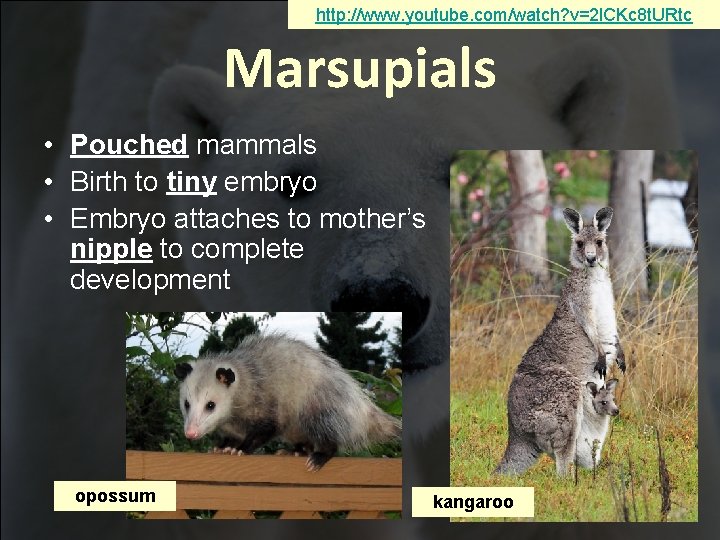
http: //www. youtube. com/watch? v=2 l. CKc 8 t. URtc Marsupials • Pouched mammals • Birth to tiny embryo • Embryo attaches to mother’s nipple to complete development opossum kangaroo
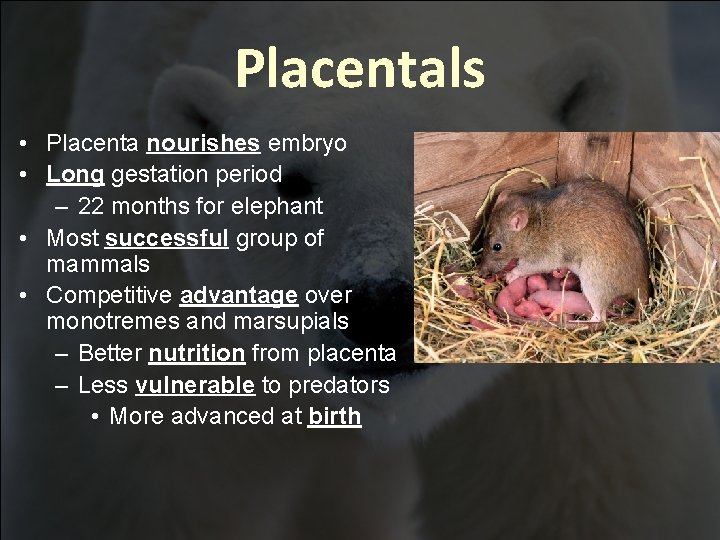
Placentals • Placenta nourishes embryo • Long gestation period – 22 months for elephant • Most successful group of mammals • Competitive advantage over monotremes and marsupials – Better nutrition from placenta – Less vulnerable to predators • More advanced at birth
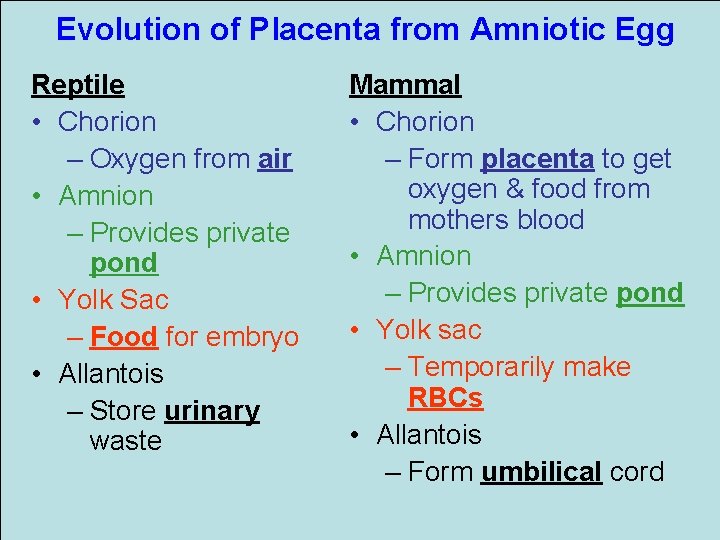
Evolution of Placenta from Amniotic Egg Reptile • Chorion – Oxygen from air • Amnion – Provides private pond • Yolk Sac – Food for embryo • Allantois – Store urinary waste Mammal • Chorion – Form placenta to get oxygen & food from mothers blood • Amnion – Provides private pond • Yolk sac – Temporarily make RBCs • Allantois – Form umbilical cord