
Class Differences and Racism Social Ethnic and Economic
- Slides: 26
Class Differences and Racism – Social, Ethnic and Economic Inequalities of Mixed-Race Northeastern Migrant Populations Living in the City of Cubatão, São Paulo State, Southeastern Brazil Cintia Gillam Master’s Candidate in International Development Studies Saint Mary’s University, Halifax, NS, Canada June 24, 2015
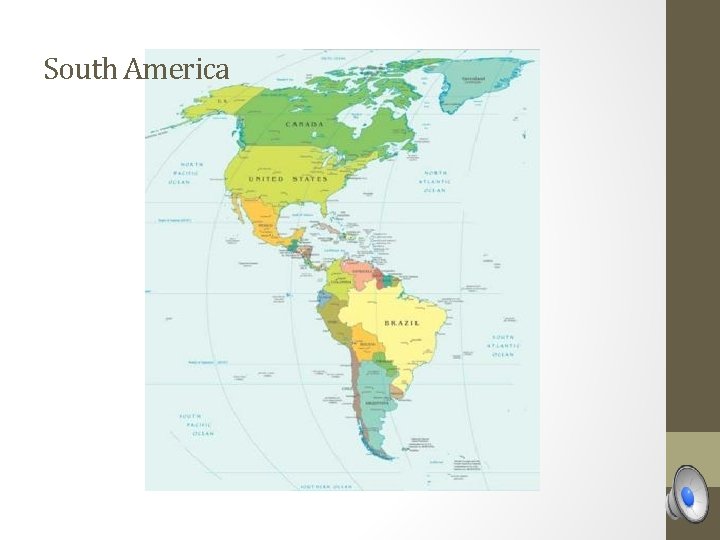
South America
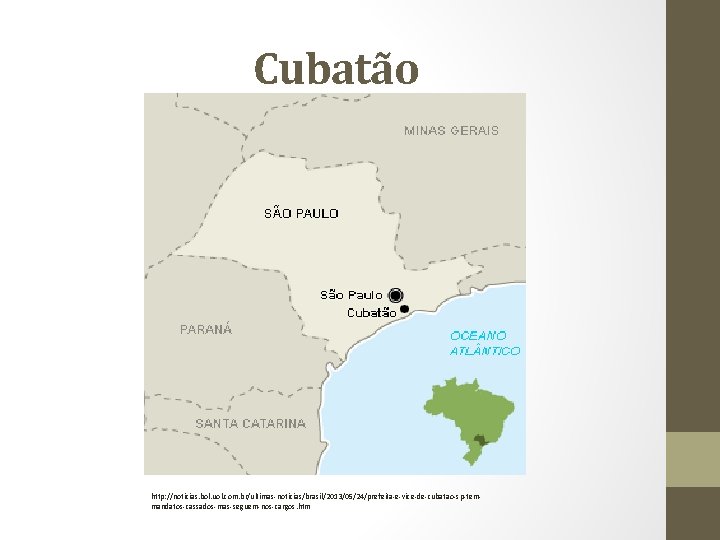
Cubatão http: //noticias. bol. uol. com. br/ultimas-noticias/brasil/2013/05/24/prefeita-e-vice-de-cubatao-sp-temmandatos-cassados-mas-seguem-nos-cargos. htm
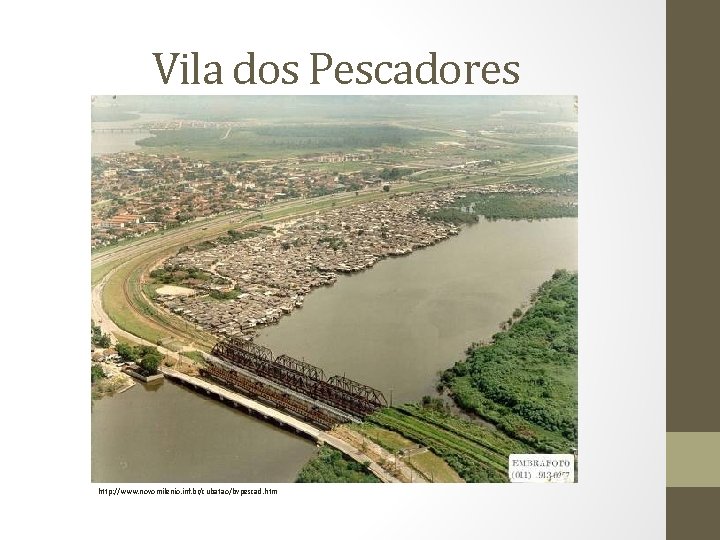
Vila dos Pescadores http: //www. novomilenio. inf. br/cubatao/bvpescad. htm
Introduction • Although Brazil is considered a middle-income country, the country has a high index of social inequalities. Racism is present in the Brazilian society manifesting its presence in different forms of social and economic discrimination. • Economic inequalities in Cubatão are rooted in historic, social, ethnic and racial disparities – Northeastern migrants living in the city’s slums are mostly non-white and largely of Afro-descendency. These inequalities lead to a racialized space in Cubatão, which are favelas. • Latin American origin and resilience of high inequality indicators are assigned to historical factors such as colonial heritage, and postcolonial experiments of economic, social and political modernization. Historical accumulation of advantages and disadvantages led to the overlapping of several inequality processes. “Inequalities are socially constructed, not fate” (Reygadas 49). The historical inequality started with the dependency of the economy on indigenous and black labour.
Methods and Approaches • The methodology consists of the analysis of secondary sources such as articles in newspapers, Internet sources, books and academic research papers. Through a literature review and analysis, this paper compares and contrasts, and connects the authors’ arguments and ideas related to the central argument of this paper, which is the analysis of racial and ethnic inequality inherent to the Brazilian society leading to poverty of non-white Northeastern migrants living in Cubatão’s slums. Emphasis is given on the anthropologist Luis Reygadas’ theories on inequality in Latin America.
Roots of Inequality and Racism • High income elites, allied with the West, strive to block any policies that attempt progressive reforms. This creates a high degree of power and private accumulation of wealth by the Brazilian elites. Disparity in social capital, weak social ties, and networks with power holders lead to the “accumulation of advantages and disadvantages, contributing to the persistence of inequalities” and the creation of societal dualism (Reygadas 37). • Race is a social construct, reinforced by a racial ideology and changing through time. Race can be an important source of unity or division within a group. • The concept of race in Brazil is based on appearance and socioeconomic status. Although Brazil shows lower levels of racial segregation than the USA, Brazil has higher levels of racial inequality (Santos 5). The ambiguous racism in Brazil leads to blacks and whites intermarrying, living near each other, but racial ideologies are embedded in social practices that feed the production and reproduction of racial inequality.
Racism – Historical Background • The historical mechanisms are shown as through history; people of indigenous and African descent have been suffering from centuries of racial segregation, slavery, violence and even death in Latin America. These mechanisms take form as disparity in social capital, leading to physical and geographic segregation. Currently 56. 7 % of the population of Cubatão lives in favelas (Alves 12). These areas of environmental risk - mangroves and hillsides. • Damiani (119) uses the term "wage slavery" highlighting poverty experienced by migrants, characterized by labor turnover and its nomadic character. This is consequence of the accumulation of advantages and disadvantages contributing to the persistence of inequality by creating two extremes of society - dualism.
Slavery in Brazil • Slavery was a cruel, mercantilist way of acquiring wealth by European elites in Brazil and Europe that left its scars in the black and mestizo populations in Brazil. The legacy of slavery as one of the reasons causing the impoverishment of blacks in Brazil. • Slavery started in Brazil in the 16 th century, when sugar plantations in the Northeast region required a large amount of slave labour. Brazil received more African slaves than any other region of the Americas (Skidmore 36). Brazil was the last country in the Americas to abolish slavery in 1888 (Butler 970). • Brazilian slavery abolition did not mean to be a transition between slavery and wage labour, but the marginalisation of Afro-Brazilians after abolition (Kraay 193). Competition with poor white labourers after abolition did not favour black Brazilians. Although slavery ended in 1888 in Brazil, the legacy of slavery arises in the lack of social and economic mobility of non-white Brazilians.
Cubatão • Cubatão is a suitable case study connected to Reygadas’ theories on inequality because this city has a high economic inequality rate comparing to Brazilian standards, and in consequence, having a large part of its populations living in slums (Alves 7). These migrants lack access to economic opportunities due to the ability of Brazilian elites to reproduce their privileges through the failure of efficient redistributive policies. • Cubatão is a rich city with a GDP of 1. 72 times the GDP of São Paulo state due to revenue obtained from the industrial hub in Cubatão (Santos 147). While the poor live in mangroves and hillsides, the middle and upper class workers, who are pendular migrants, live in the wealthy cities in the Santos metropolitan region, going to work in the industries of Cubatão. • Population living in Cubatao, according to the IBGE Census in 2010 Total 118720 Race White 50 527 (42. 56%) Race Black - 9, 197 (7. 75%) Race Black , “Pardos” - 57, 971 (48. 83%) Race (Asian) - 773 (0. 65%) Race (Indigenous) - 246 (0. 21%) then the sum of 57, 971 (brown) + 9197 (black) is equal to the 67, 168 Black inhabitants of the Black residing in Cubatão, according to the IBGE Census.
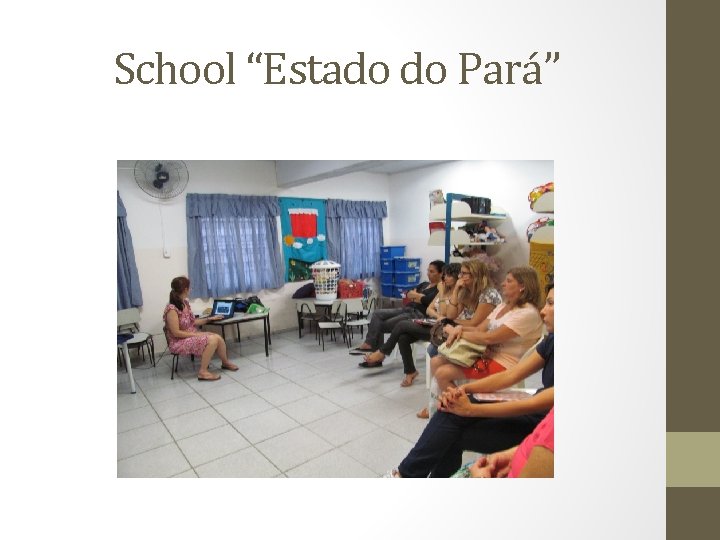
School “Estado do Pará”
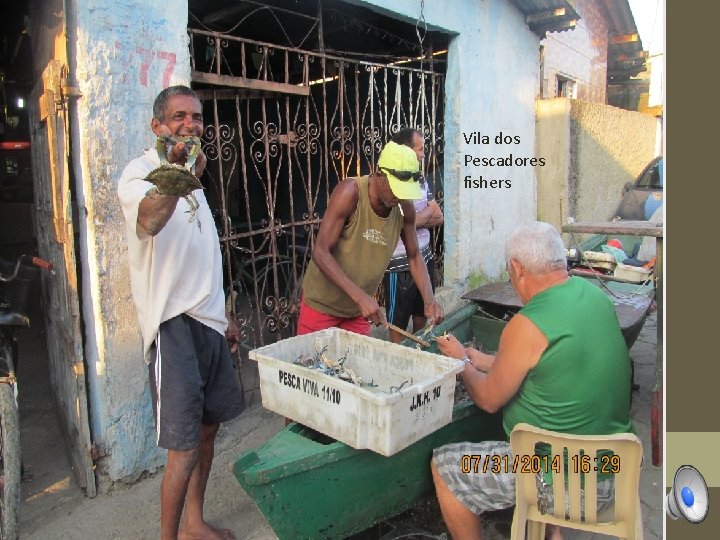
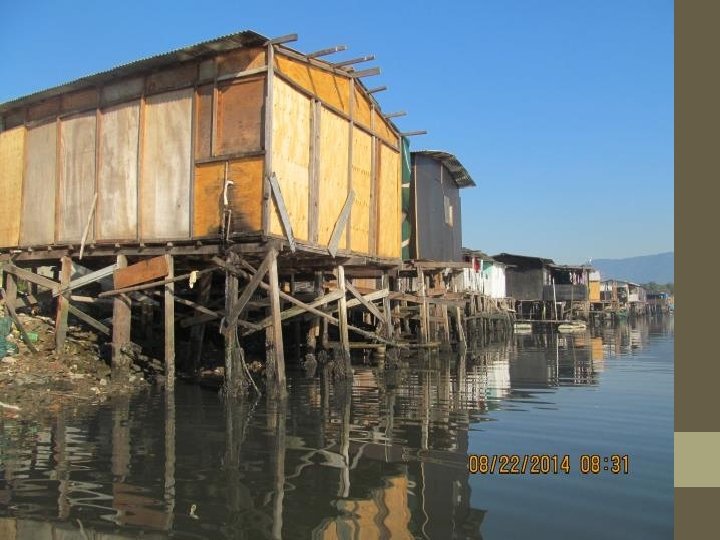
Vila dos Pescadores fishers
Racialized spaces • The strong process of industrialization and economic growth in Cubatão generated a stronger population growth, especially in the decades from 1960 to 1980 (Alves 352). With industrialization starting in the 1950 s, these rural migrant workers were largely absorbed by the construction industry. • Housing has substantially improved in Brazil in the last decades, but blacks are still the majority of population in favelas. The tolerance that the Brazilian State has expressed in relation to the illegal occupation of urban lands is remarkable. This process is significant in its dimensions, if we consider, especially, the great mass of peasants who migrated to the cities in this century and settled illegally, since most impoverished people have no access to the private real estate market and to public housing policies. • The greater tolerance regarding illegal urban occupation to favelas comes from municipal governments, especially during pre-elections periods. This situation is therefore an inexhaustible source for political patronage (Maricato 157).
Afro-Brazilians - Cycle of Disadvantages • The “cumulative cycle of disadvantages” is a by-product of racism due to the discrimination of non-whites in the education system and in the job market (Santos 5). Whites are able to good universities and attain higher paying jobs than blacks and pardos (mestizos). The racial discrimination takes form as limiting economic and social mobility of Afro. Brazilians. This racial inequality creates two types of economies, one traditional, another informal. The informal sector gets through the formal sector by providing labour power, maintaining low salaries and a consumer class, being part of a larger capitalist accumulation process. Global trade conditions, together with “certain patterns of colonization” lead to a “highly unequal access to economic, political and social opportunies” (Reygadas 40).
Actions to Empower Afro-Brazilians • Cash transfer programmes have been successful in tackling inequality, poverty and exclusion by creating “social welfare networks” based on financial help to vulnerable groups (Riggirozzi, 74). The Cubatão Municipal Bolsa Família sends to families a municipal debit card to be used in local businesses (Castro Junior 1). The conditions for Bolsa Família in Cubatão are that school attendance of children and adolescents be at a certain number of days per year; the maintenance of updated vaccination cards and completion of courses that lead to income generation in the future (Castro Junior 1).
The Department of Racial and Ethnic Equality of Cubatão • The Department of Racial and Ethnic Equality of Cubatão, with its director, Júlio Evangelista Santos Junior, has significantly improved the awareness about racism in Cubatão and in ways to help black citizens in Cubatão achieve racial equality. One of the ways to improve black peoples’ lives is to tackle the gap between whites and blacks in accessing public health. Julio emphasized that there is need to increase primary care capacity of health, where there is a concentration of blacks, and greater involvement of municipal councils for the necessary changes to tackle institutionalised racism, understand how it happens and eliminate it. Often discrimination happens not only with blacks, but with other minorities groups such as white Northeasters due to their place of origin. Teaching the Afro. Brazilian and indigenous culture in the school curriculum of the city of Cubatão is a priority in creating racial equality policies (Evangelista, qtd. in Rodrigues “Public Health”). Cubatão has quotas available for blacks in municipal jobs (Evangelista).
Fighting Racism • According to Evangelista, when black and whites are poor, whites are still in better situation (qtd. in Rodrigues, “Racial Equality”). Quotas aim to narrow this gap between blacks and whites as a temporary measure aiming to achieve racial equality. Evangelista states that “that the perception that blacks are human beings has yet to be achieved by the Brazilian collective imagination, as the dehumanization that happened for over 350 years has been the keynote of the slave philosophy in Brazil by this way of portraying the black population in Brazil with the stigma that turned into legacy” (Evangelista, qtd. in Rodrigues “Public Health”). Evangelista fights to implement affirmative actions, aimed at black youth of the suburbs, victimized by institutionalized racism. There is the need to create and implement network services to fight against racism, with free legal assistance. With regard to political participation and social control in decision-making spaces and participation of civil society, inclusion in the curriculum of African content, Afro-Brazilian and indigenous groups, with the inclusion of these perspectives in cultural life, to be subsidized by the municipality (Evangelista, qtd. in Rodrigues “Public Health”). Another action relates to ensuring operating permits for African religions’ places of worship.
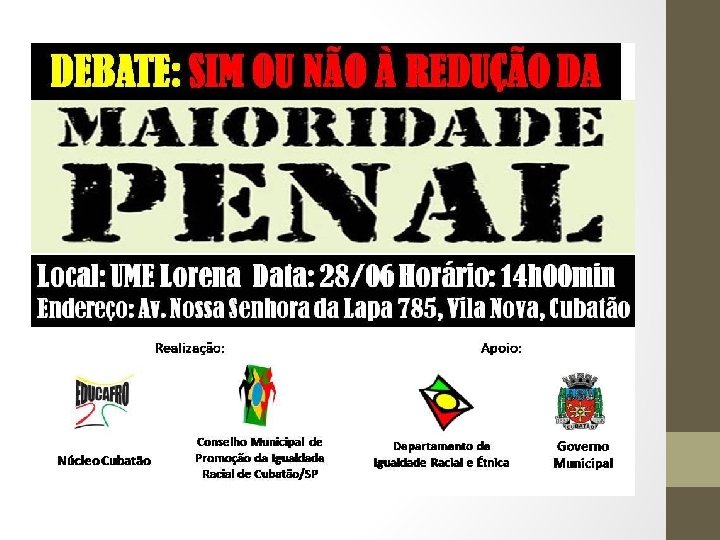
Fighing Racism • Some of the affirmative actions organized by the Department of Racial and Ethnic Equality of Cubatão are the project "Equality in Communities", which is an initiative of the Special Coordination of Racial and Ethnic Equality and aims to take all municipal communities discussions and debates in which racial equality lead to promotion policies (Evangelista, qtd. in Rodrigues, “Racial Equality” ). The goals of the Project are to spread the discussion, and collect data, views and events that may contribute in real time to the implementation, monitoring and evaluation of policies promoting racial equality at the municipal level (Evangelista). The project’s potential partners are municipal councils, women's organizations, samba schools, black and indigenous movements, various civil society organizations, among others (Evangelista). • The Department of Racial and Ethnic Equality of Cubatão also organized the Cubatão 2014 Black Awareness Week, with its theme: "IV November Zumbi Cubatão: Racial Equality is Real! "Cubatão is Palmares, is Resistance and Identity!", from 17 to 27 November 2014 (Rodrigues, “Cubatão”). Some activities that took place were the launch of the Municipal Committee of Health of the Black Population, the launch of the Municipal Forum of Education and Ethno-Racial Diversity; IV Seminar "Black Women Roots of Resistance", Youth Workshop Live: Black Youth, violence and public policy; talk wheel: "Capoeira as a Tool to combat Racism and the Formation of National Identity", and the Official ceremony of delivery of the Trophy Zumbi dos Palmares (Evangelista, qtd. in Rodrigues, “Cubatão”). These are actions that aim to counterbalance racial inequality and increase awareness of racial discrimination in Cubatão.
Conclusions • Brazil has a disturbing rate of inequality carried out by very powerful elites, with the generation and distribution of wealth being a changeable issue that can be gradually improved. Cubatão is a highly industrialised city which should not have about sixty percent of its population living in slums. The local white elites managed to reproduce their ability to accumulate wealth, but post-neoliberal local governments have been able to make a difference in redistributing wealth, although on a small scale. • The geographic exclusion of Afro-Brazilians is an expression of other types of marginalisation that Afro-Brazilians are subject to in Brazil, such as political, work opportunities and conditions, areas of residence, and education (Vargas 52). Only by confronting racism we will be able to “understand work toward the elimination of “racialized inequalities that characterize Brazilian social relations” (Vargas 52).
Conclusions • Although cash transfer programmes are somewhat part of a neoliberal agenda by encouraging consumerism, these programmes contribute to diminishing social and economic inequalities in Brazil by allowing the next generation of Brazilians to have more access to education. The inequality of the education systems is still seen as people living in the white neighborhoods attending private schools while most the blacks or mixed-race students attend underfunded public schools. • The Brazilian Ministry of Agrarian Development implemented the first affirmative action program in the country in 2001, requiring that twenty percent of its internal employees be black (Pagano 9). Thus, several government agencies and public universities followed suit in implementing affirmative actions (Pagano 9). Although these affirmative actions are based in a foreign model of affirmative action, there are opportunities for Afro-Brazilians to be involved in social movements such as black activism to fight their unprivileged situation. It is a step towards achieving racial tolerance and equality and demystifying “racial democracy”.
Conclusions • The construction of a racial identity through self-declaration is a step to fight the “generally subordinate position of blacks in Brazilian society” (Pagano 17). Thus, affirmative actions developed by the city of Cubatão such as quotas for Afro. Brazilians in municipal jobs are a step forward in fighting racism. This is a small step towards equality, and it will contribute to diminishing inequality amongst groups by, at first, an “artificial insertion” of minority groups in position of power, and improving the living conditions of oppressed groups, and consequently, their future generations. As Reygadas describes – “inequality is a structural feature that will not drastically decrease in a few short years, but it can also be reversed and deconstructed” (49).
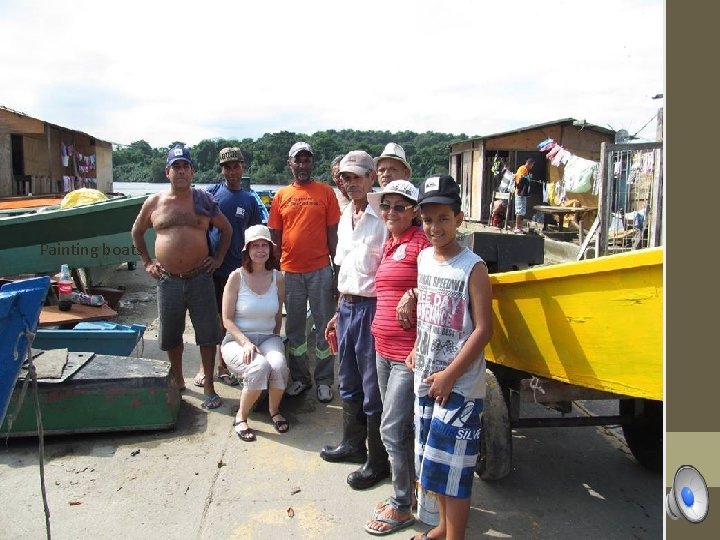
Painting boats
References • • • • • • Alberto, Paulina. “Para Africano Ver: African-Bahian Exchanges in the Reinvention of Brazil’s Racial Democracy, 1961 -63. ” Luso-Brazilian Review, 45. 1 (2008): 78 -117. Web. 05 Oct. 2014. Alves, H. P. F. “Análise da Vulnerabilidade Socioambiental em Cubatão-SP por Meio da Integração de Dados Sociodemográficos e Ambientais em Escala Intraurbana. ” [Analysis of Environmental Vulnerability in Cubatão-SP through the Integration of Socio-demographic and Environmental data on Intra-urban scale]. R. bras. Est. Pop, 30. 2(2013): 349 -366. Araújo, H. (2014). “Bolsa Familia Leads to Reverse Migration. Government of Sao Paulo website. <http: //www. desenvolvimentosocial. sp. gov. br/lenoticia. php? id=683> Baeninger, R. (1999). Região, Metrópole e interior: Espaços Ganhadores e Espaços Perdedores nas Migrações Recentes no Brasil, 1980/1996. [Region, City and Inside: Winners and Losers Spaces on Recent Migration in Brazil, 1980/1996]. Universidade de Campinas, 1999, Doctoral Dissertation. Web 25 Sept. 2014. Blaikie, Piers. “Political Economy of Soil Erosion in Development Countries. London: Longman, 1985 (Chaper 1: The Issue Addressed; Chapter 2: Is Soil Erosion Really a Problem Pp. 1 -37). Web. 23 September 2014. Butler, Kim L. “Slavery in the Age of Emancipation: Victims and Rebels in Brazil's Late 19 th-Century Domestic Trade. ” Journal of Black Studies 42. 6 (2011): 968– 992. DOI: 10. 1177/0021934711399435 Caldeira, Teresa P. R. Crime, Segregation and Citizenship in São Paulo. Bekerley and Los Angeles: University of California Press, 2000. Print. Cecchetto, Fátima and Simone Monteiro. “Discriminação, Cor e Intervenção Social entre Jovens na Cidade do Rio de Janeiro (RJ, Brasil): A Perspectiva Masculina. ” Estudos Feministas, Florianópolis, 14. 1 (2006): 336. Web 20 October 2014. Cerqueira, Diomario Cerqueira. “Vulnerabilidade das Famílias Residentes em Areas de Risco de Deslizamentos em Cubatão (SP)”. [Vulnerability of Households in Areas at Risk of Landslides in Cubatão (SP)”]. Universidade de Campinas, 2010, Master’s Thesis. Web. 21 Sept. 2014. Mendes, Carlos Pimentel. "Juventude Negra, Racismo e Direitos Humanos: Juventude Viva!" [Black Youth, Racism and Human Rights] 21/Nov. /2013. <http: //www. cubatao. sp. gov. br/noticias/8010 -exterminio-da-juventude-negra-e-tema-de-seminario-no-bloco-cultural-de-cubatao/#. VHSTLt. LF 9 ic> Damiani, Amelia Luiza. “A Crise da Cidade: Os Termos da Urbanização. ”[The Crisis of the City: The Terms of Urbanization]. In: Damiani, A. L. ; Carlos, A. F. ; Seabra, O. C. de L. (Org. ). O Espaço no Fim do Seculo: A Nova Raridade. Revista Terra Livre, 15 (2002): 21 -37. Print. Davis, Mike. “The Political Ecology of Famine. The Origins of the Third World, ” in Richard Peet and Michael Watts (eds. ), Liberation Ecologies, 2 nd Edition, 2004. . New York: Routledge, pp. 44 -57. Web. 23 September 2013. Evangelista dos Santos Junior, Julio. “Cubatão e as Ações Afirmativas” [Cubatão and Affirmative Actions]. Web blog post. 28 Nov. 2014. Semana da Consciência Negra [week of the black consciousness] <http: //igualdaderacialcubatao. blogspot. ca/> Fagundes, Lucio et al. “Aspectos Produtivos da Pesca Extrativa na Vila dos Pescadores, Cubatão, Estado de São Paulo. ” [Productive Aspects of Extractive Fishing at Vila dos Pescadores, Cubatão, State of São Paulo]. Informações Econômicas, 42. 6 (2012): 23 -32. Ferrari, Monia. “Migração Nordestina para São Paulo no Segundo Governo Vargas (1951 -1954) – Seca e Desigualdades Regionais. ” [Northeastern Migration to São Paulo in the Second Vargas Government (1951 -1954) - Drought and Regional Inequalities]. Universidade Federal de Sao Carlos (Master’s thesis), 2005. Web. 11 March 2014. Franca, Danilo Sales do Nascimento. “Qual e o Lugar da Classe Media Negra? ” Raca, Classe e Espaco Urbano em Sao Paulo, Universidade de Sao Paulo, 2007, pp. 1 -10. Hogan, Daniel Joseph. “Condições de Vida e Morte em Cubatão. ” [Conditions of Life and Death in Cubatão]. In: VI Encontro Nacional de Estudos Populacionais. Olinda. 1988. Abep. Hogan, Daniel Joseph and Marandola Jr. , Eduardo. “Towards an Interdisciplinary Conceptualization of Vulnerability. ” Population, Space and Place, 11 (2005): 455 -471. Web. 01 Oct. 2014. Htun, Mala. “From "Racial Democracy" to Affirmative Action: Changing State Policy on Race in Brazil”. Latin American Research Review, 39. 1 (2004): 60 -89. Web. 15 Oct. 2014. IBGE, Brazilian Institute of Geography and Statistics. 2010 Census. Web. 27 Nov. 2014. <http: //censo 2010. ibge. gov. br/en/> Klein, Herbert S. and Francisco Vidal Luna. “Free Colored in a Slave Society: Sao Paulo and Minas Gerais in the Early Nineteenth Century”. Hispanic American Historical Review, 80(2000): 913 -941. Duke University Press, Project Muse. Kraay, Hendrik. “Transatlantic Ties – Recent Works on the Slave Trade, Slavery, and Abolition. ” Latin American Research Review, 39, 2 (2004): 178 -195. DOI: 10. 1353/lar. 2004. 0033
References • • • • • Lemos, Maria Carmen. “The Politics of Pollution Control in Brazil: State Actors and Social Movements Cleaning up Cubatão. ” World Development, 26. 1(1998): 75 -87. Web. 12 Sept. 2014. Maricato, Ermínia. “Metrópole, Legislação e Desigualdade, ” [Metropolis, Law and Inequality]. Estudos Avançados 48. 17 (2003): 151 -167. Web 27 Nov. 2014. Diário do Grande ABC. “Negros são Maioria nas Favelas, aponta Estudo do IPEA”. [Blacks are Majority in Slums according to IPEA Study]. 25 Nov. 2008. Web. 23 Oct. 2014. <http: //www. dgabc. com. br/Noticia/103984/negros-sao-maioria-nas-favelas-aponta-estudo-do-ipea> Pagano, Anna. “The ‘Americanization’ of Racial Identity in Brazil: Recent Experiments with Affirmative Action in a ‘Racial Democracy’. ” Journal of International Policy Solutions, 5 (2006): 9 -25. Web. 20 Oct. 2014. Reygadas, Luis. “The construction of Latin America Inequalities. ” In Paul Gotenberg and Luis Reygadas (eds. ) Indelible Inequalities in Latin America: Insights from History, Politics and Culture. Durham and London: Duke University Press, 2010. Print. Rodrigues, Maria Cecilia de Souza. “Júlio Evangelista Santos Júnior Takes Office of the Coordination of Racial Equality”. [Júlio Evangelista Santos Júnior assume Coordenadoria da Igualdade Racial]. 07 Sept. 2011. Web. 27 Nov. 2014. <http: //www. cubatao. sp. gov. br/noticias/4339 -julio-evangelista-santos-junior-assume-coordenadoria-da-igualdaderacial/#. VHs 9 RLct. A 5 s> Rodrigues, Maria Cecilia de Souza. “In the month of Black Consciousness, Public Health Management is Discussed Event was conducted by the Department of Racial and Ethnic Equality”. [No mês da Consciência Negra, Gestão Pública em Saúde é Discutida em Evento realizado pelo Departamento de Igualdade Racial e Étnica], 14 Nov. 2013. Web. 27 Nov. 2014. <http: //www. cubatao. sp. gov. br/noticias/7982 -no-mes-da-consciencia-negra-gestao-publica-em-saude-e-discutida/#. VHYE 208 g-70> Rodrigues, Maria Cecilia de Souza. “Cubatão Ganha Comitê de Saúde da População Negra Pioneiro na Baixada - Lançamento inaugurou a Semana da Consciência Negra” [Cubatão Wins Pioneering Health Committee of the Black Population in the Santos Metropolitan Area Launch Inaugurated the Week of Black Consciousness]. Web 17 Nov. 2014. <http: //www. cubatao. sp. gov. br/noticias/9344 -cubataoganha-comite-de-saude-da-populacao-negra-pioneiro-na-baixada/#. VHYFf 08 g-70> Romani, C. Conflitos Sócio-Ambientais na Baixada Santista. Socio-Environmental Conflicts in Santos]. Ensaio Final - Relatório de Pesquisa Centro Brasileiro de Análise e Planejamento - CEBRAP. São Paulo, 2006. Web. 11 Dec. 2013. Salim, Celso Amorim. “Migração: O Fato e a Controvérsia. ” [Migration: The fact and the Controversy]. Encontro Nacional de Estudos Populacionais, 8. 3 (1992), 119 -143. Web. 26 Sept. 2014. Santos, Jose Alcides Figueiredo. “Class Effects on Racial Inequality in Brazil. ” Dados, 2 (2006), 1 -35. Web. 15 Nov. 2014. Sezyshta, Arivaldo Jose. “Migração Nordestina: A Contínua Saga de um Povo. ” [Northeastern Migration: The Continuing Saga of a People]. Cadernos do Ceas. Salvador, Brazil: Centro de Estudos e Ação Social, 2004. Print. Silva, Vilma Aparecida. “A Campesinidade Presente na Construção do Espaço Geografico da Cidade de Cubatão. ” [The presence of Peasantry in the Construction of the Geographical Space of the City of Cubatão]. Universidade de São Paulo, Master’s Thesis, 2006. Web. 15 Jan. 2014. Skidmore, Thomas E. Brazil: Five Centuries of Change. New York: Oxford University Press, 1999. Print. Sterling, Cheryl. “Women, Space, Power, and the Sacred in Afro-Brazilian Culture. ” The Global South, 4, 1 (2010): 71 -93. Web. 2 Oct. 2014. Vargas, João H. Costa. “When a Favela Dares to Become a Gated Condominium: The Politics of Race and Urban Space in Rio de Janeiro. ” Latin American Perspectives, 33. 4 (2006): 49 -81. Web Accessed: 15/10/2014. Wolf, Eric R. Europe and the People without History. Berkeley: University of California Press. 2 nd ed. , 2010. Print.