
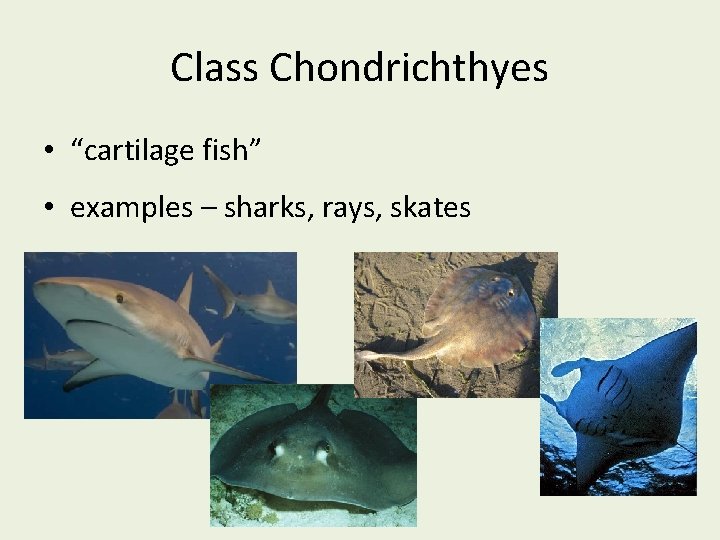
Class Chondrichthyes cartilage fish examples sharks rays skates


- Slides: 41
Class Chondrichthyes • “cartilage fish” • examples – sharks, rays, skates
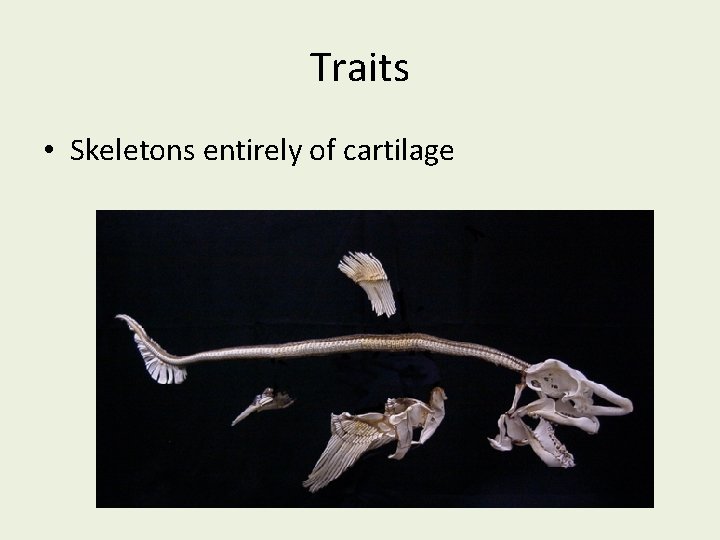
Traits • Skeletons entirely of cartilage
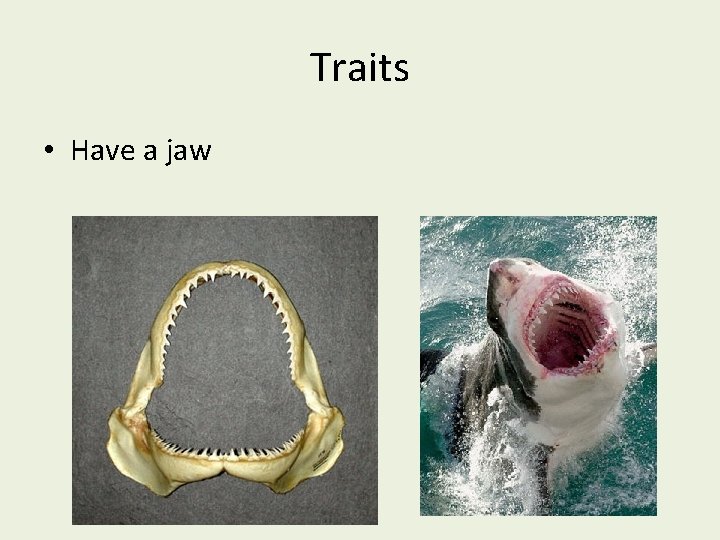
Traits • Have a jaw
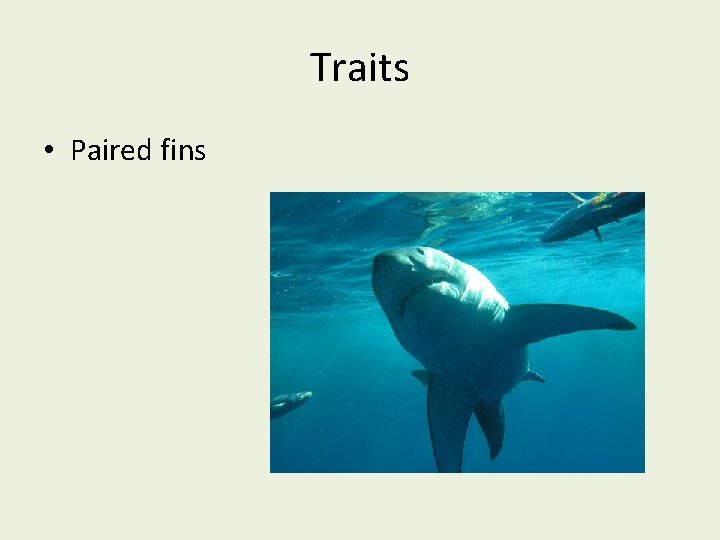
Traits • Paired fins
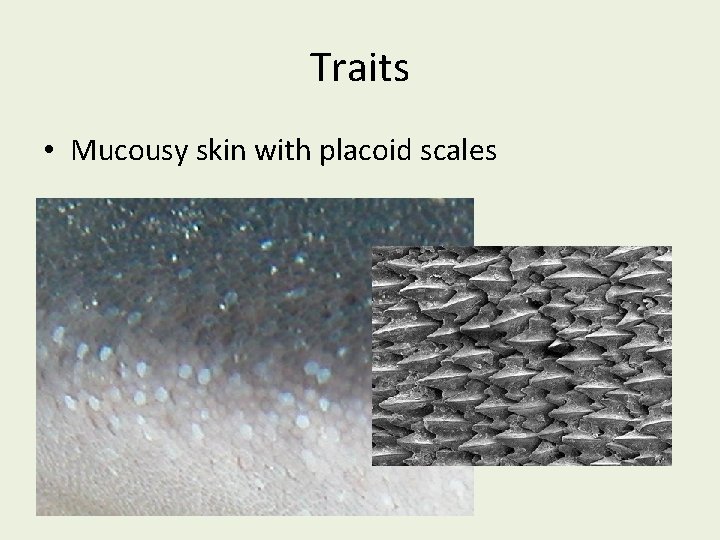
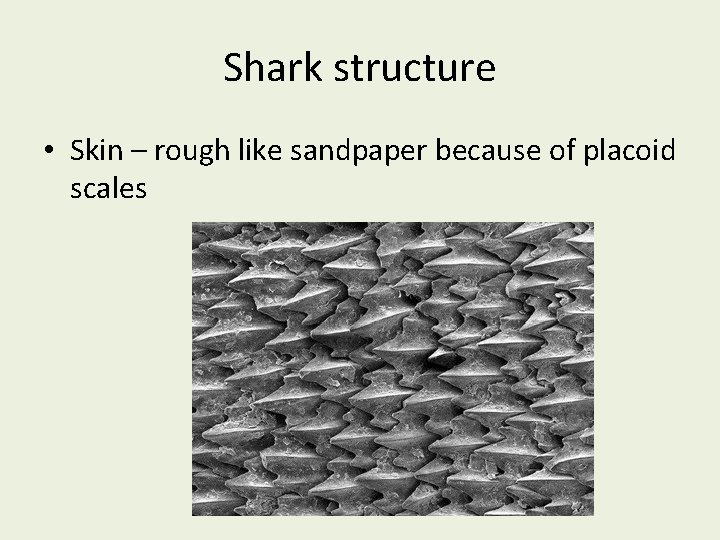
Traits • Mucousy skin with placoid scales
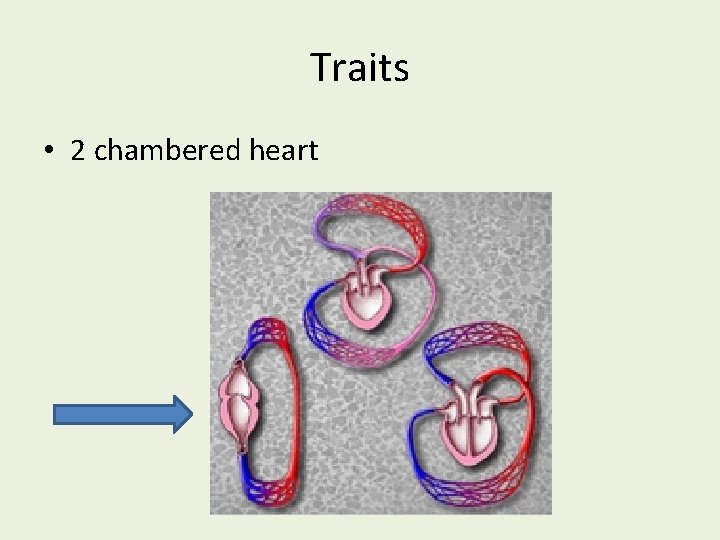
Traits • 2 chambered heart
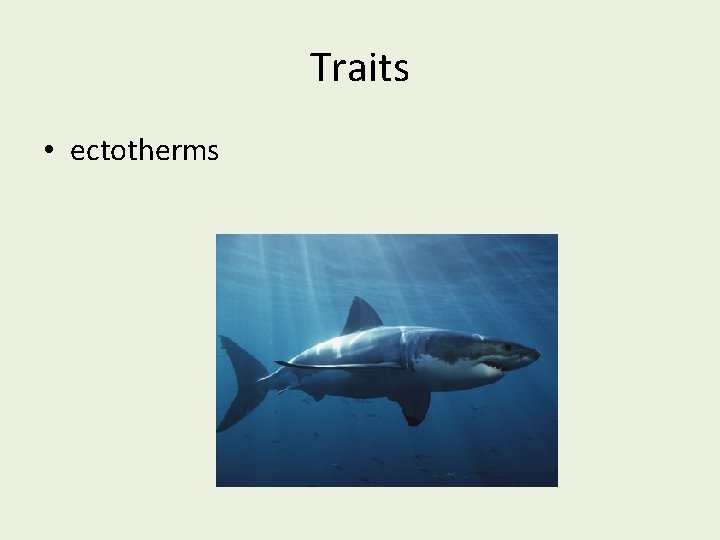
Traits • ectotherms
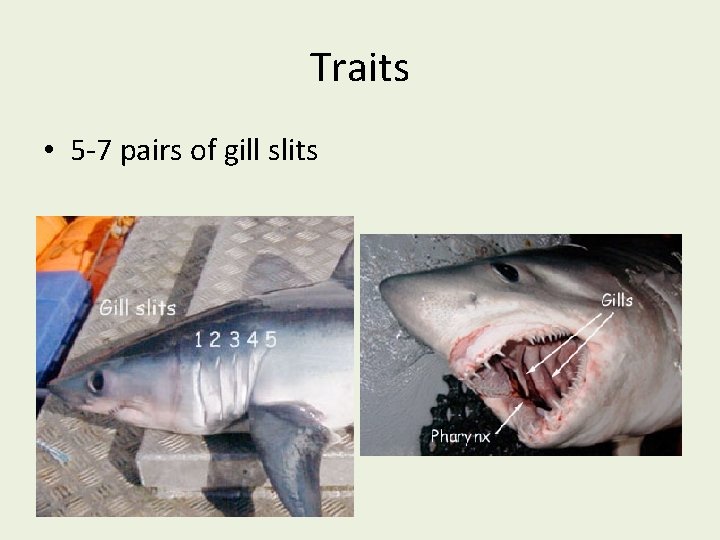
Traits • 5 -7 pairs of gill slits
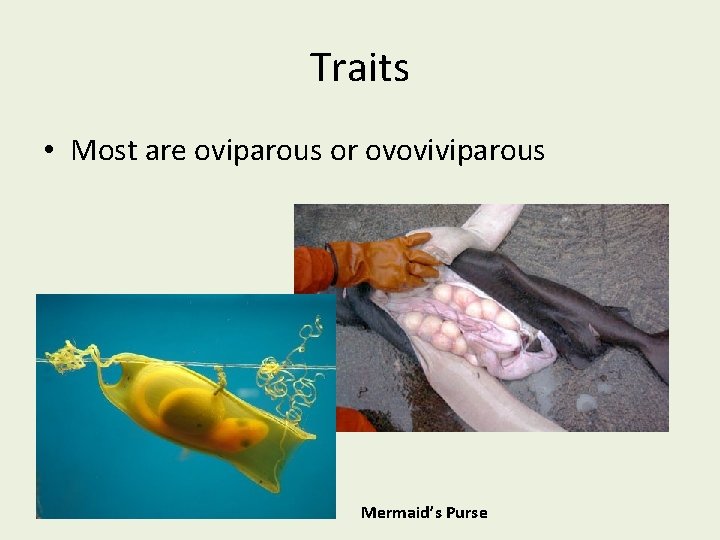
Traits • Most are oviparous or ovoviviparous Mermaid’s Purse
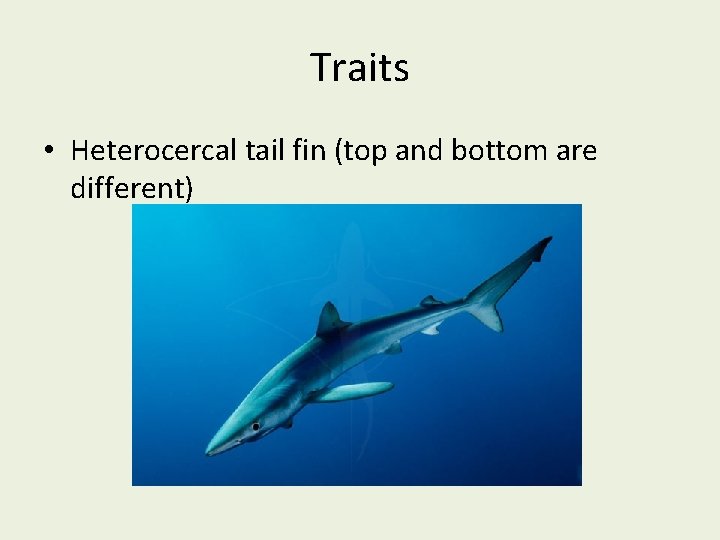
Traits • Heterocercal tail fin (top and bottom are different)
Shark structure • Skin – rough like sandpaper because of placoid scales
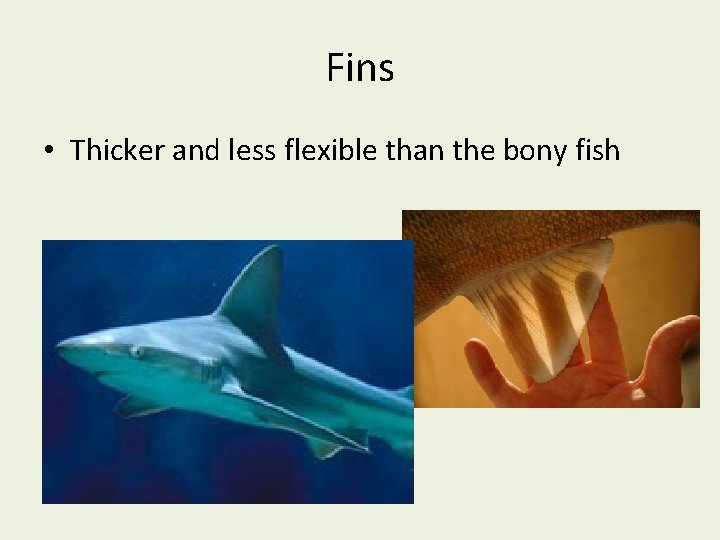
Fins • Thicker and less flexible than the bony fish
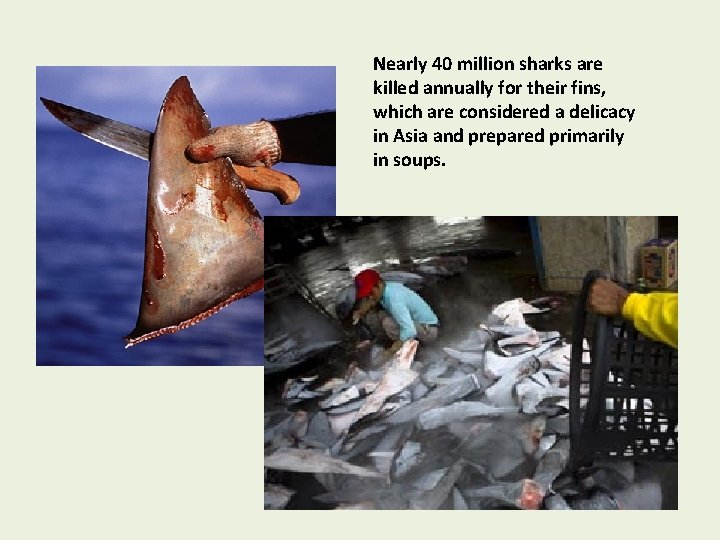
Nearly 40 million sharks are killed annually for their fins, which are considered a delicacy in Asia and prepared primarily in soups.
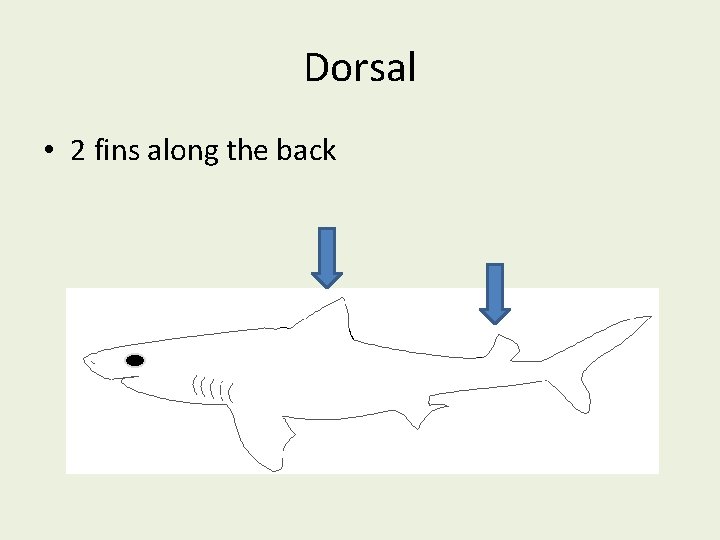
Dorsal • 2 fins along the back
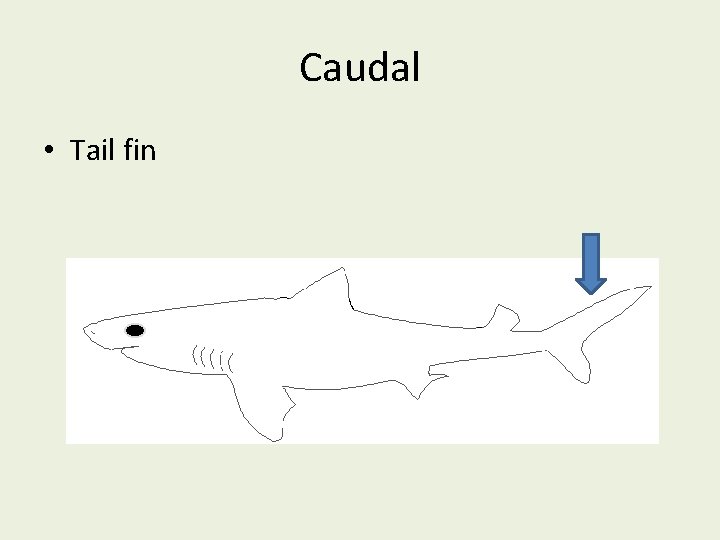
Caudal • Tail fin
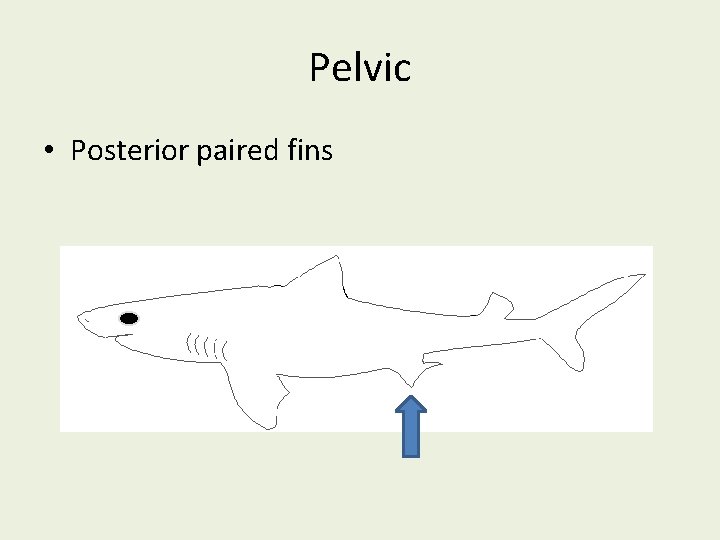
Pelvic • Posterior paired fins
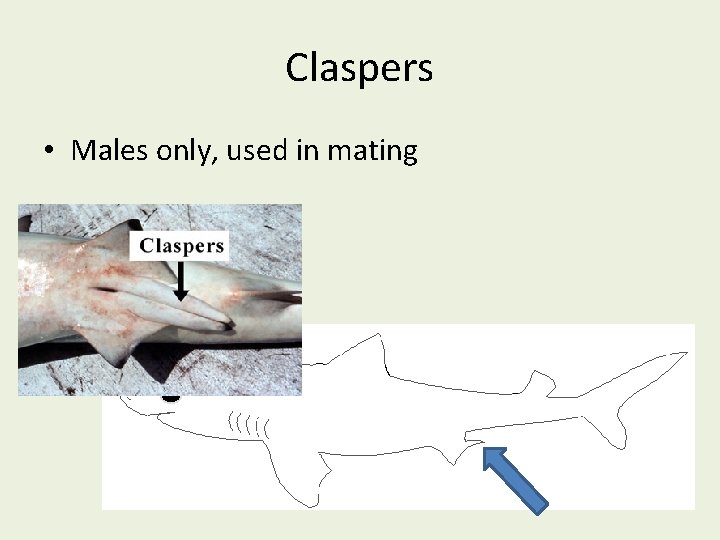
Claspers • Males only, used in mating
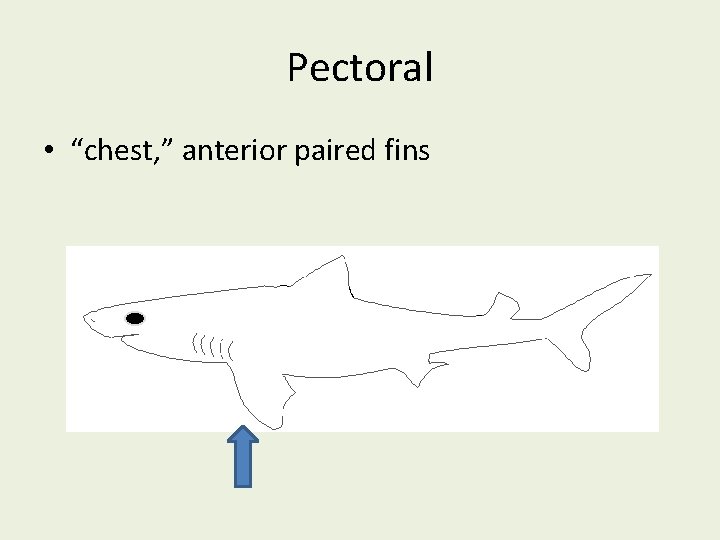
Pectoral • “chest, ” anterior paired fins
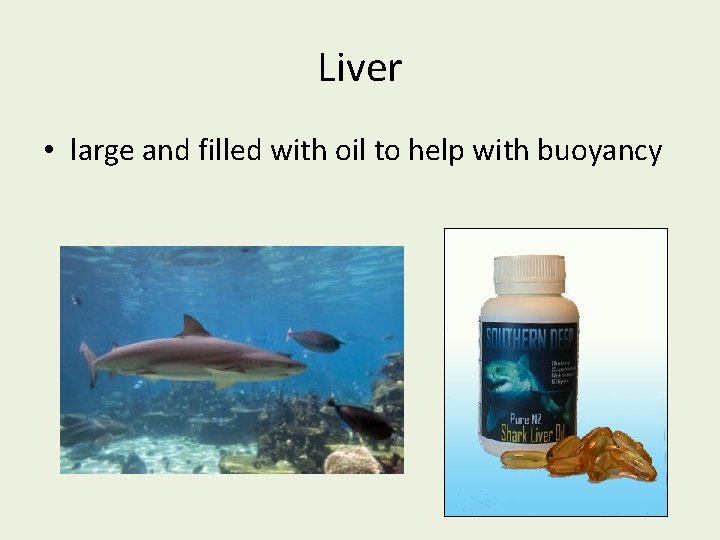
Liver • large and filled with oil to help with buoyancy
Spiral valve • Spiral flap of skin that increases the surface area in the intestines for better absorption of nutrients
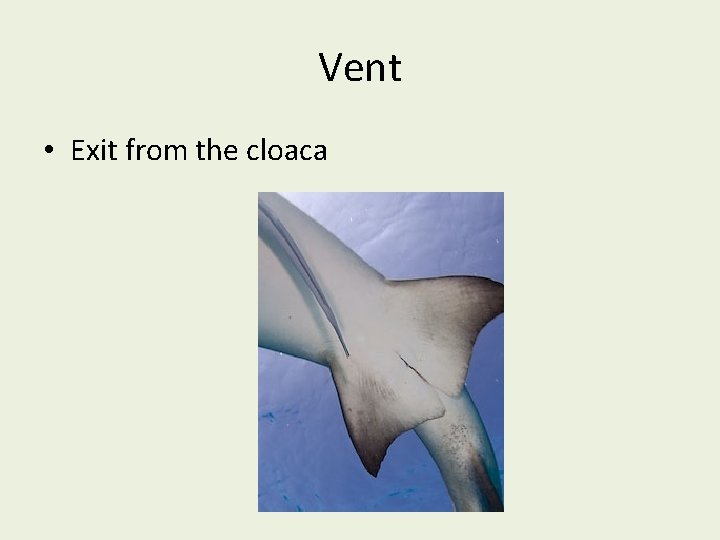
Cloaca • Area common to the digestive, reproductive, and excretory systems
Vent • Exit from the cloaca
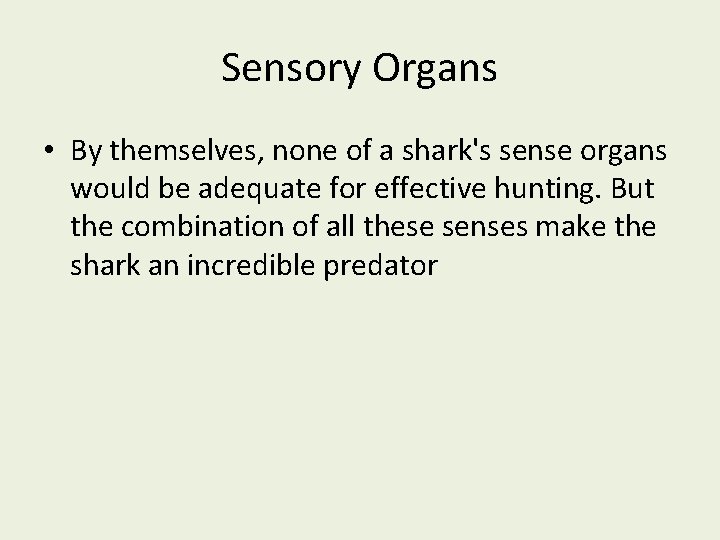
Sensory Organs • By themselves, none of a shark's sense organs would be adequate for effective hunting. But the combination of all these senses make the shark an incredible predator
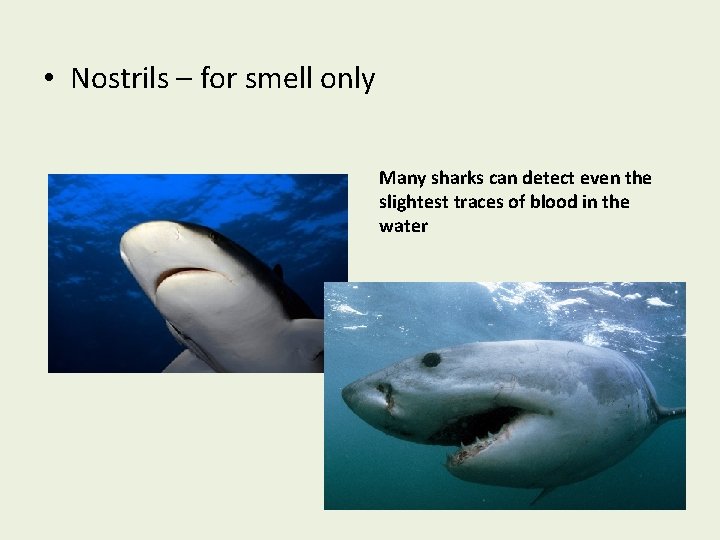
• Nostrils – for smell only Many sharks can detect even the slightest traces of blood in the water
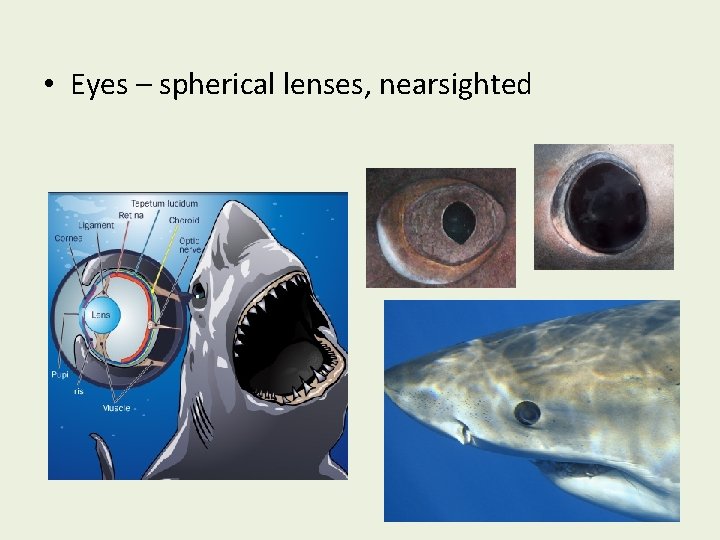
• Eyes – spherical lenses, nearsighted
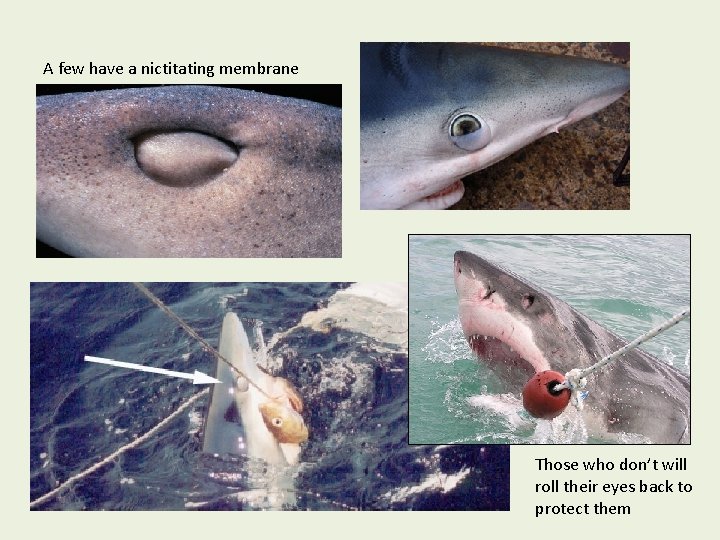
A few have a nictitating membrane Those who don’t will roll their eyes back to protect them
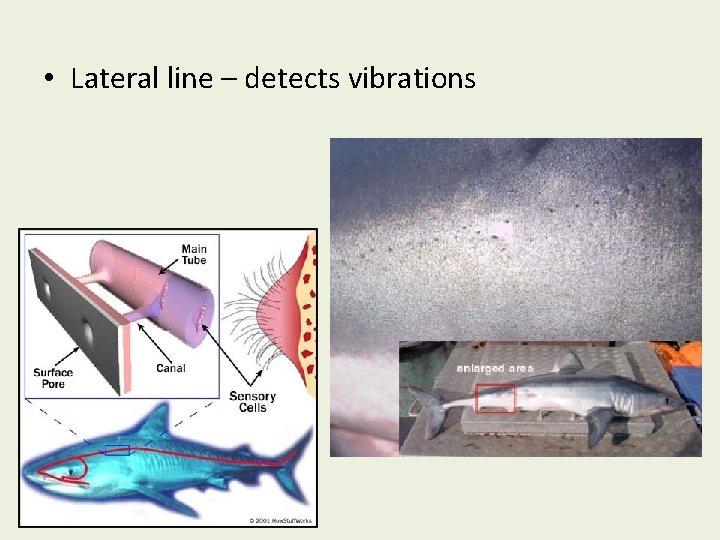
• Lateral line – detects vibrations
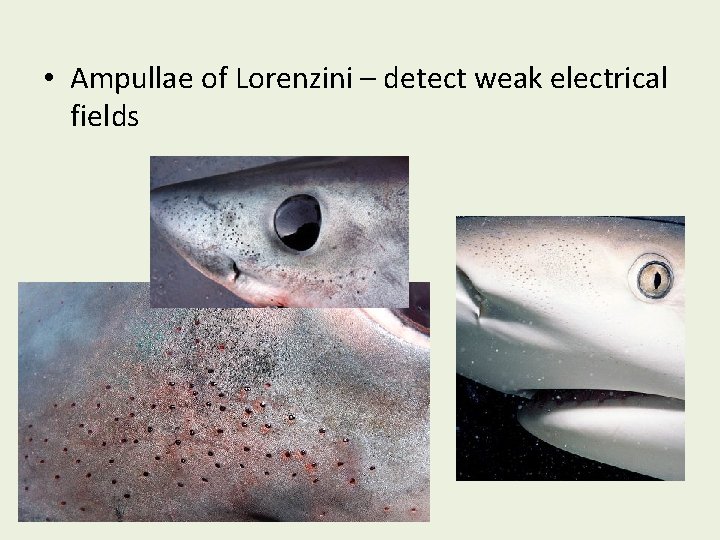
• Ampullae of Lorenzini – detect weak electrical fields
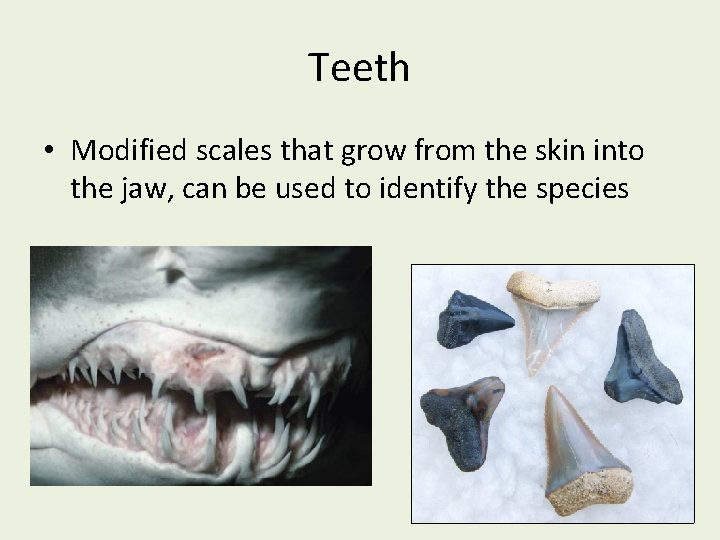
Teeth • Modified scales that grow from the skin into the jaw, can be used to identify the species
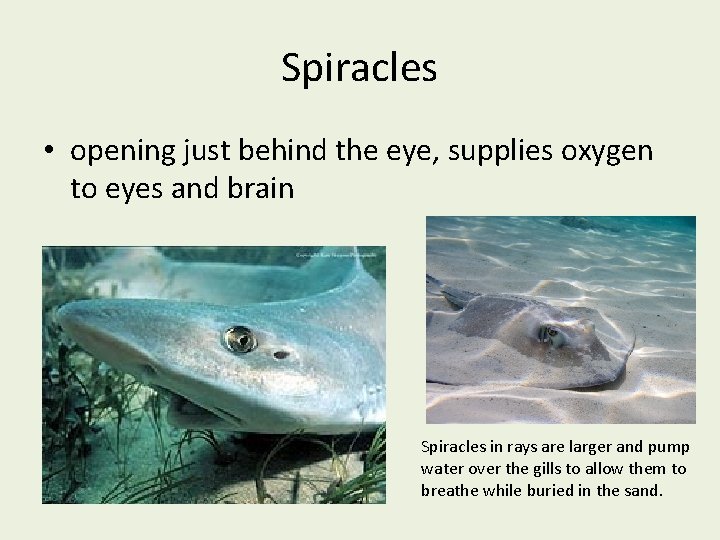
Spiracles • opening just behind the eye, supplies oxygen to eyes and brain Spiracles in rays are larger and pump water over the gills to allow them to breathe while buried in the sand.
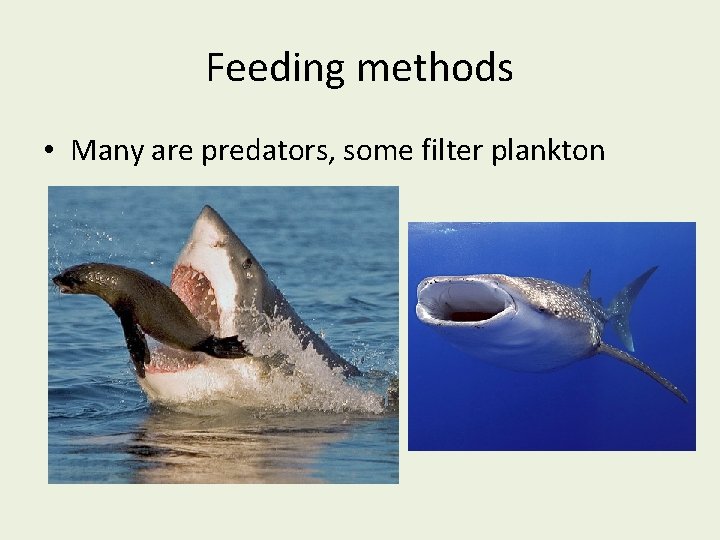
Feeding methods • Many are predators, some filter plankton
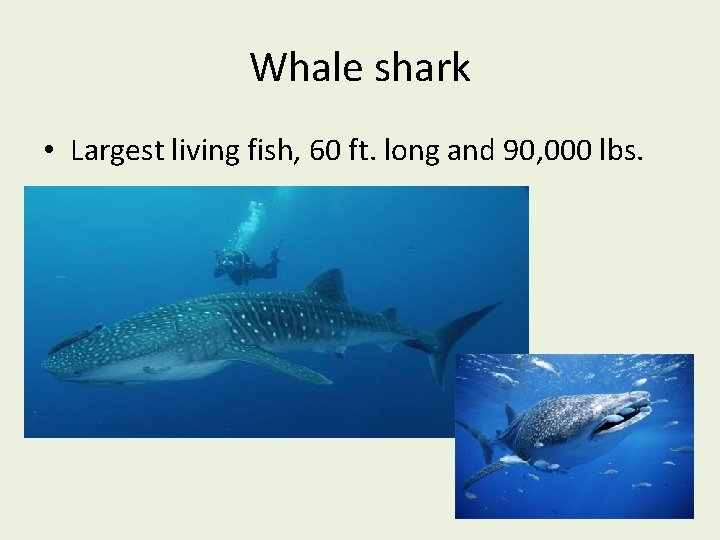
Whale shark • Largest living fish, 60 ft. long and 90, 000 lbs.
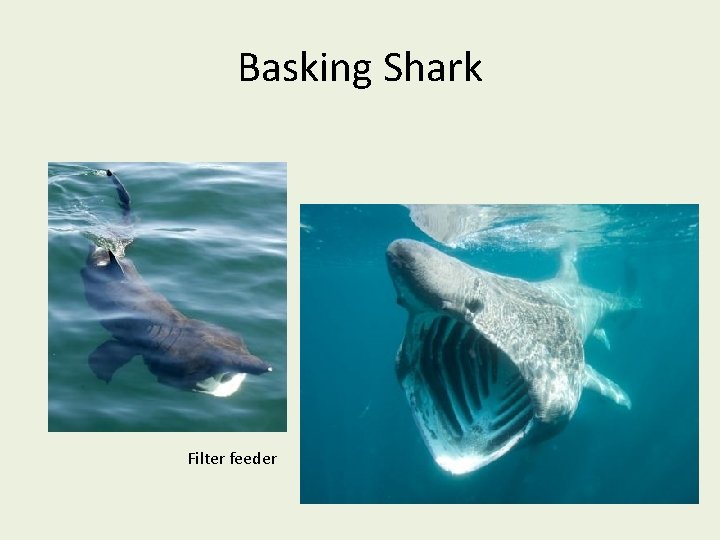
Basking Shark Filter feeder
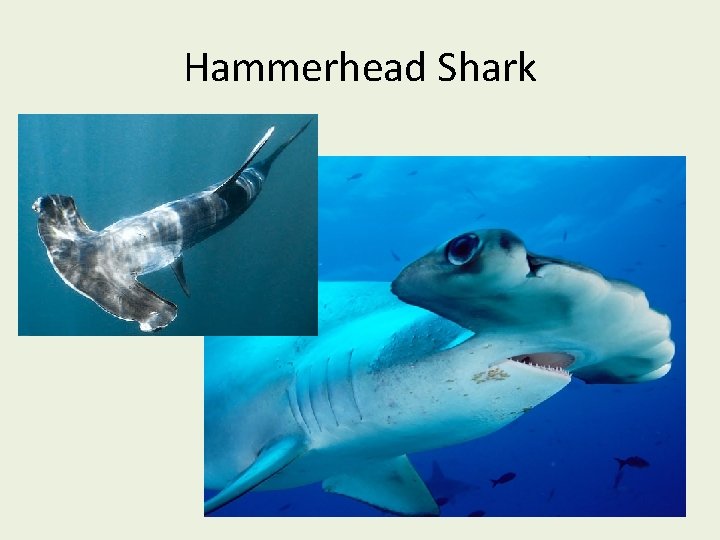
Hammerhead Shark
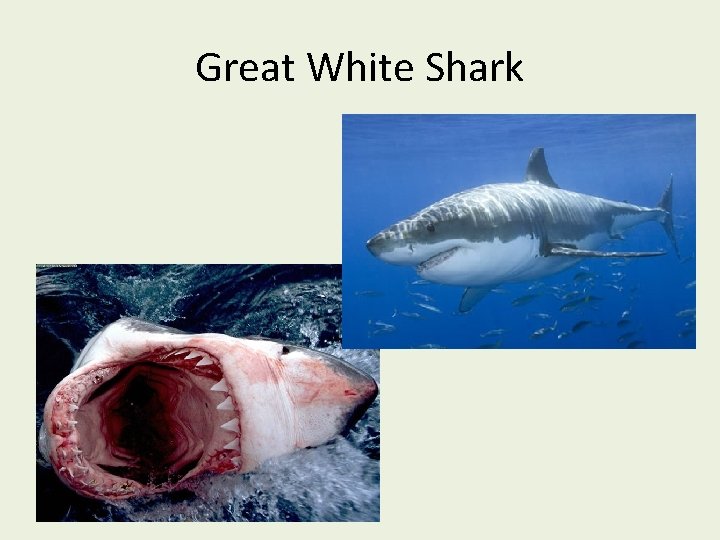
Great White Shark
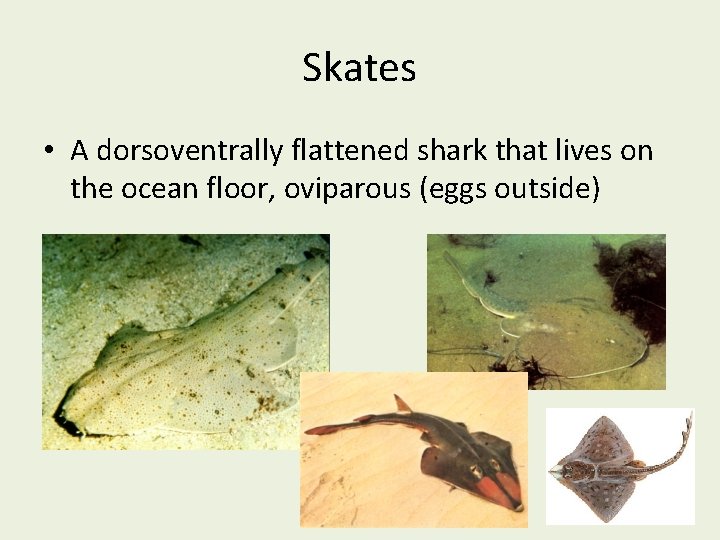
Skates • A dorsoventrally flattened shark that lives on the ocean floor, oviparous (eggs outside)
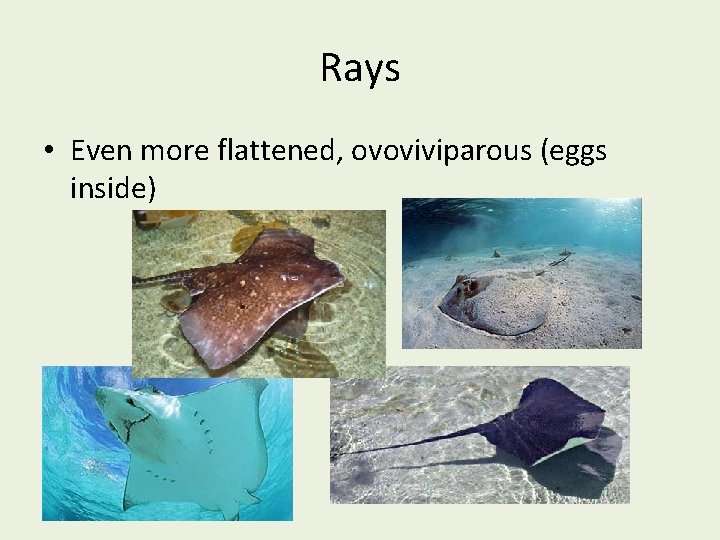
Rays • Even more flattened, ovoviviparous (eggs inside)
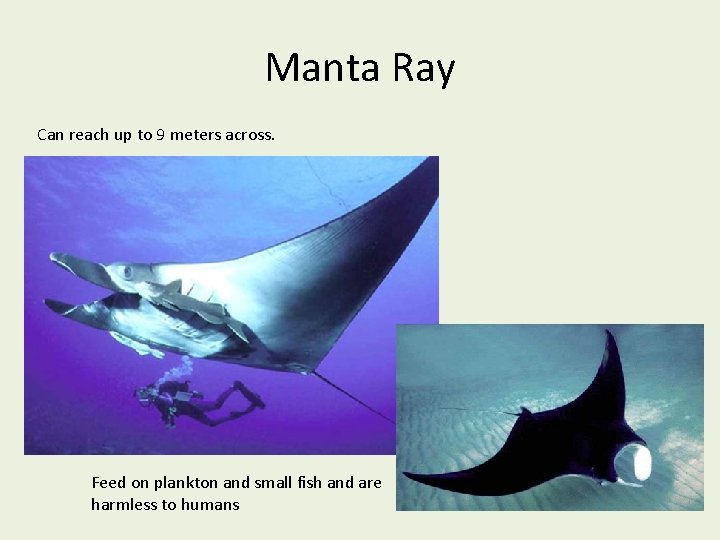
Manta Ray Can reach up to 9 meters across. Feed on plankton and small fish and are harmless to humans
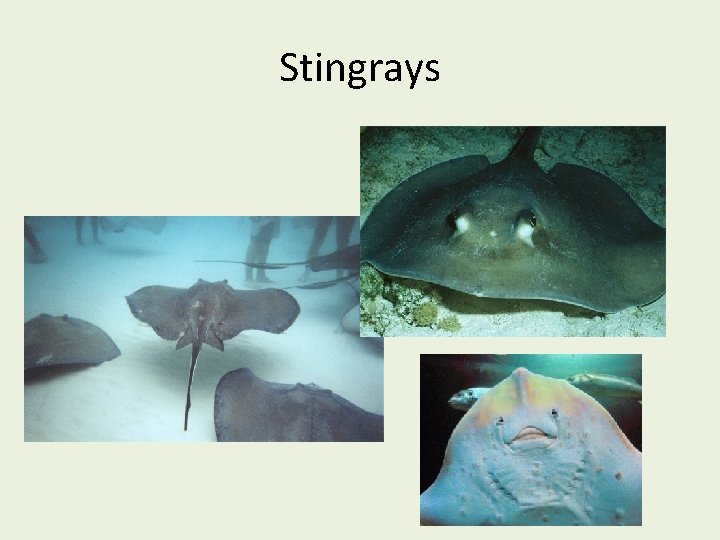
Stingrays
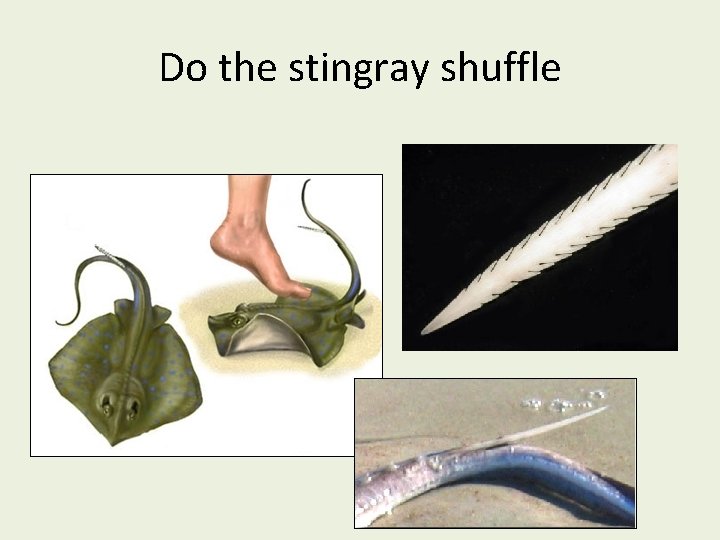
Do the stingray shuffle
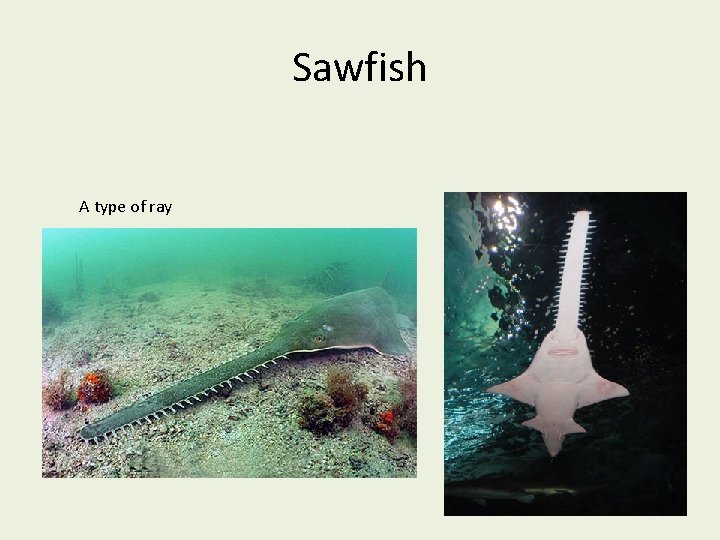
Sawfish A type of ray