
CLASS 8 HUMANISTIC PSYCHOLOGY KEY IDEAS 1 Positive

- Slides: 23
CLASS 8
HUMANISTIC PSYCHOLOGY
KEY IDEAS 1. Positive perspective 2. Subjective experience
1. Positive perspective – people are inherently good – you can be better than ok
2. Subjective experience – each person’s viewpoint is ok – we are conscious but can be more so – we have free will
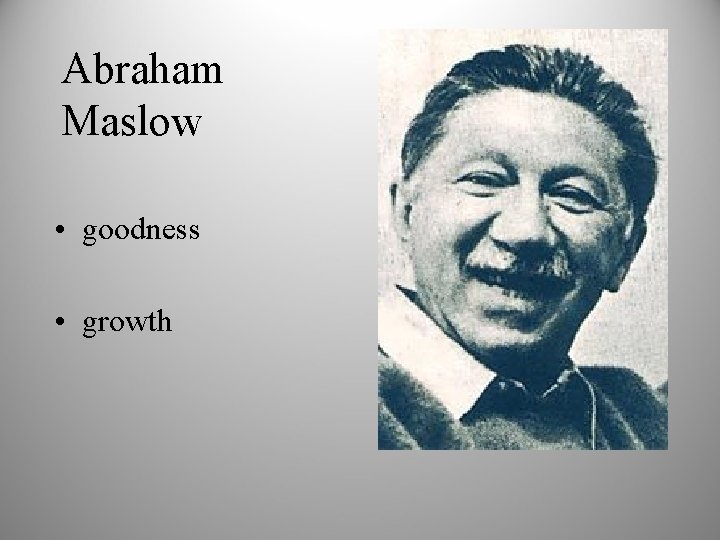
Abraham Maslow • goodness • growth
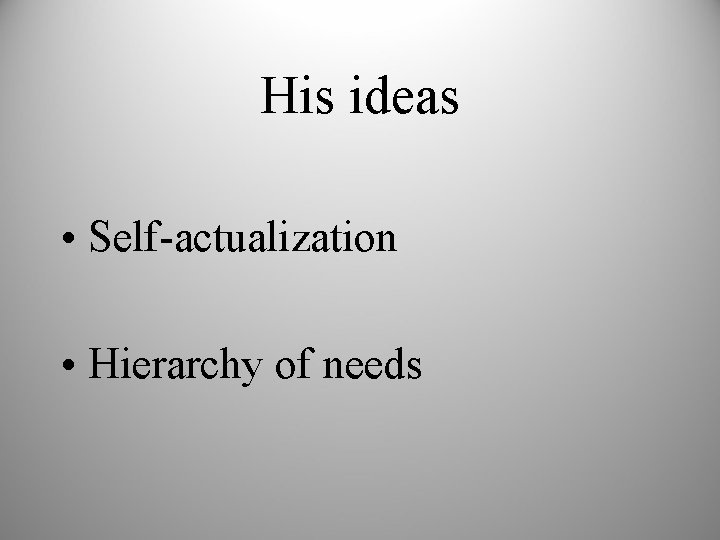
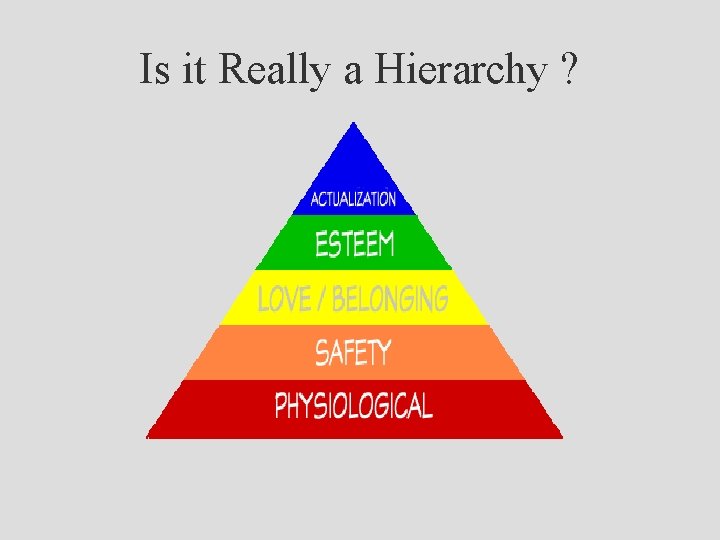
His ideas • Self-actualization • Hierarchy of needs
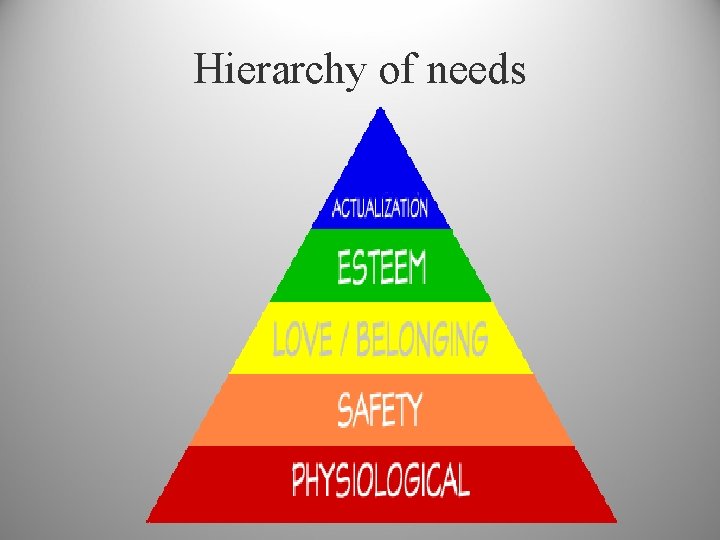
Hierarchy of needs
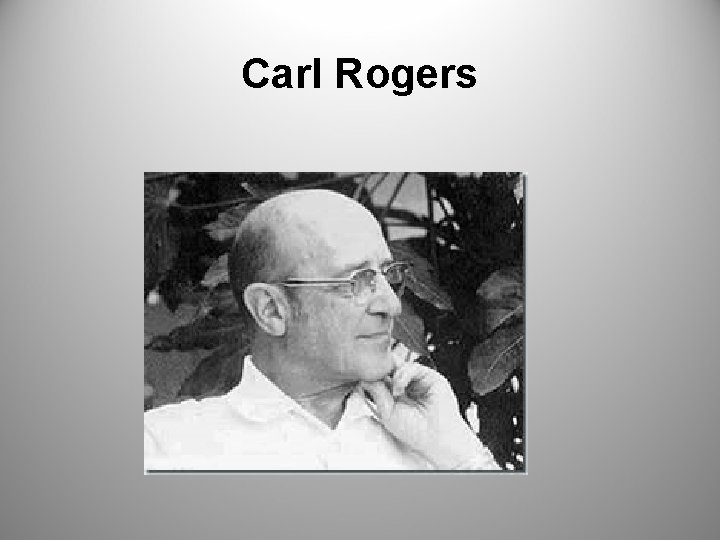
Carl Rogers
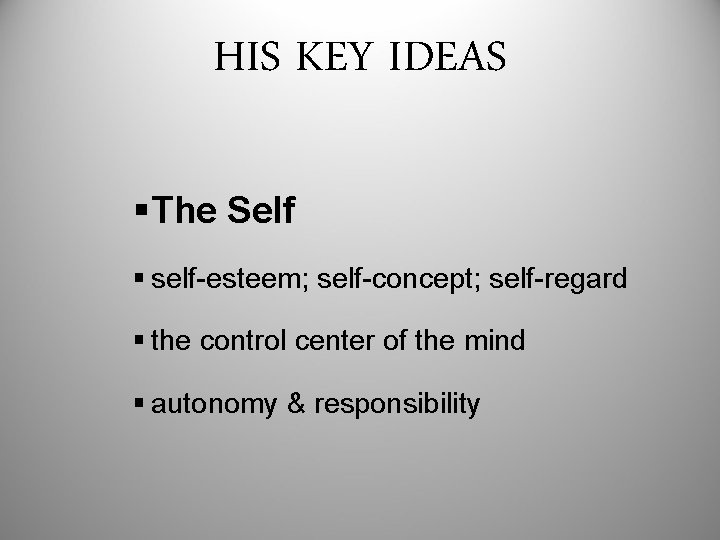
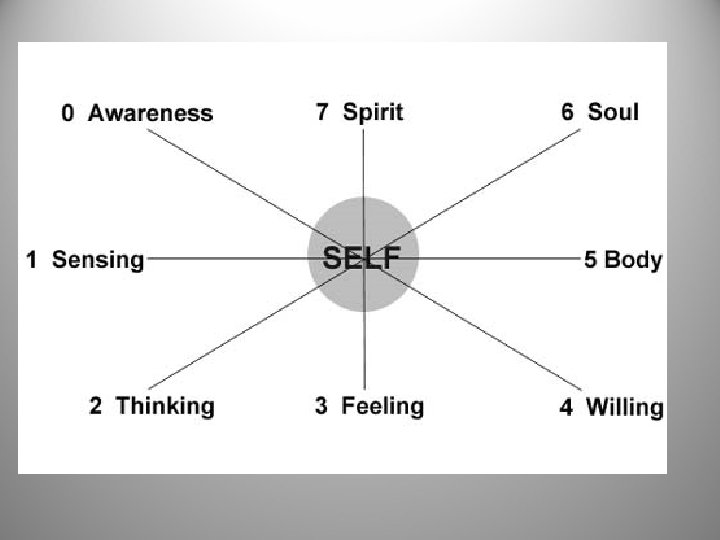
HIS KEY IDEAS §The Self § self-esteem; self-concept; self-regard § the control center of the mind § autonomy & responsibility
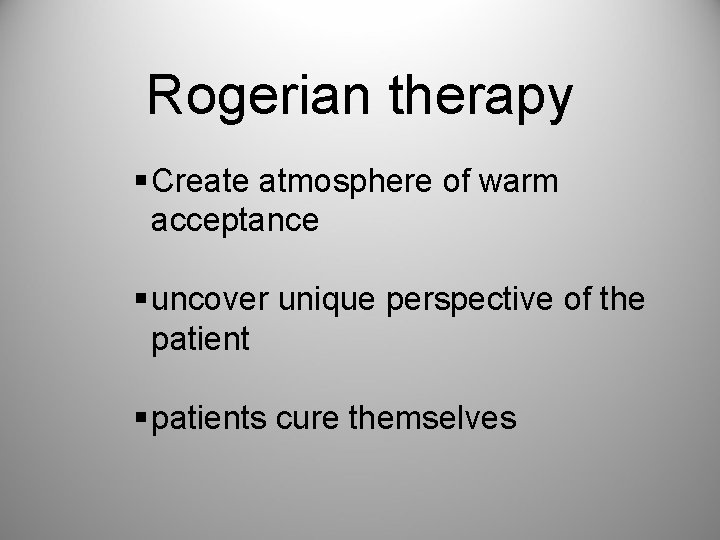
Rogerian therapy § Create atmosphere of warm acceptance § uncover unique perspective of the patient § patients cure themselves
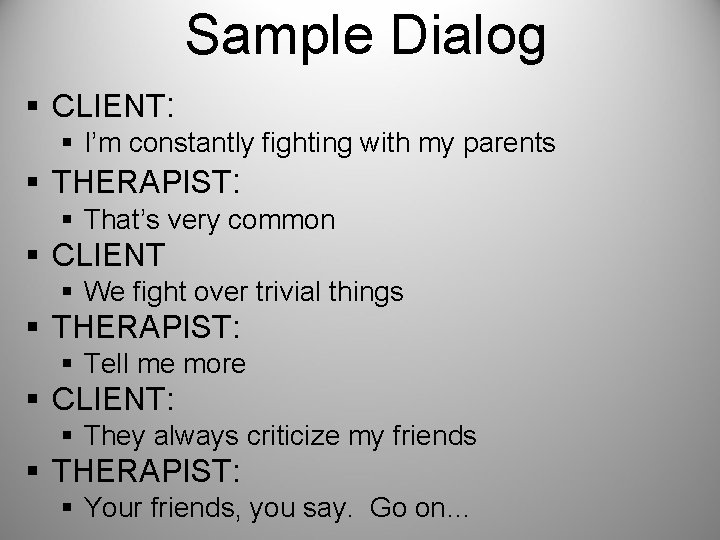
Sample Dialog § CLIENT: § I’m constantly fighting with my parents § THERAPIST: § That’s very common § CLIENT § We fight over trivial things § THERAPIST: § Tell me more § CLIENT: § They always criticize my friends § THERAPIST: § Your friends, you say. Go on…
IMPACT OF HUMANISTIC PSYCHOLOGY • inspirational • common sense • consistent with many religious ideas
Legacy: Spawned new approaches • Self-help movement: common in bookstores • New Age psychology: – non-religious spirituality – non-Western influences – Banyen Books • Positive Psychology movement
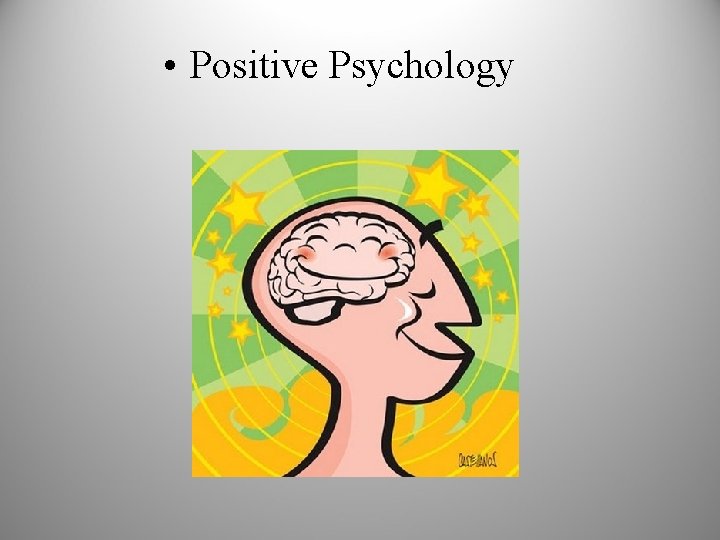
• Positive Psychology
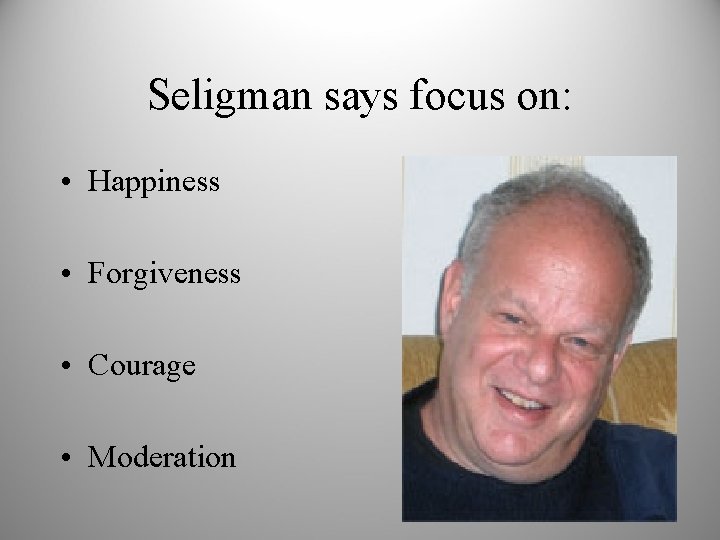
Seligman says focus on: • Happiness • Forgiveness • Courage • Moderation
CRITIQUE • concepts are too loose to study • biased toward positive perspective • therapy seems too passive
Is it Really a Hierarchy ?
Philosophical Views of Humanity • Hobbes – People are inherently nasty – Some socialization is possible • Rousseau – Children are born innocent – Society ruins them • Neutral or Mixed – Life just ‘is’
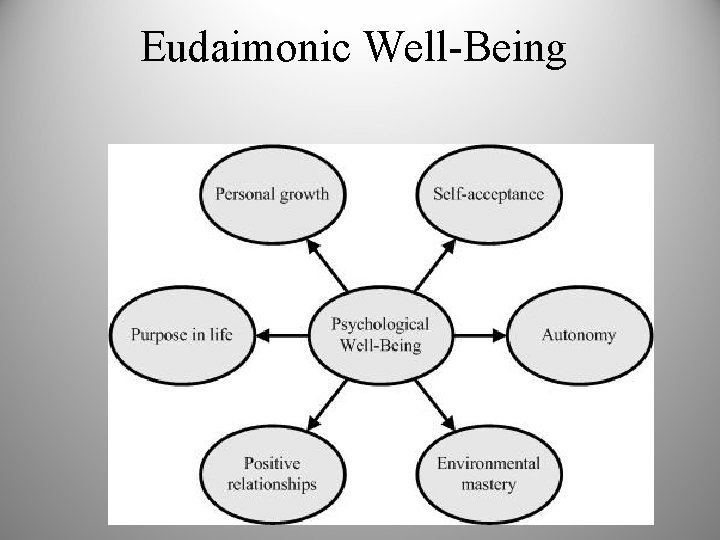
Classic debate • Happiness – Do whatever it takes to feel good • vs. • Eudamonia – Seek the full, balanced life
Eudaimonic Well-Being
Don’t seek happiness – seek meaning • Seek meaning and happiness will ensue • e. g. , religion; offspring; charity; selfactualization • Existential philosophers (eg Viktor Frankel)