
Civil War Basics 1861 1865 Confederate States of
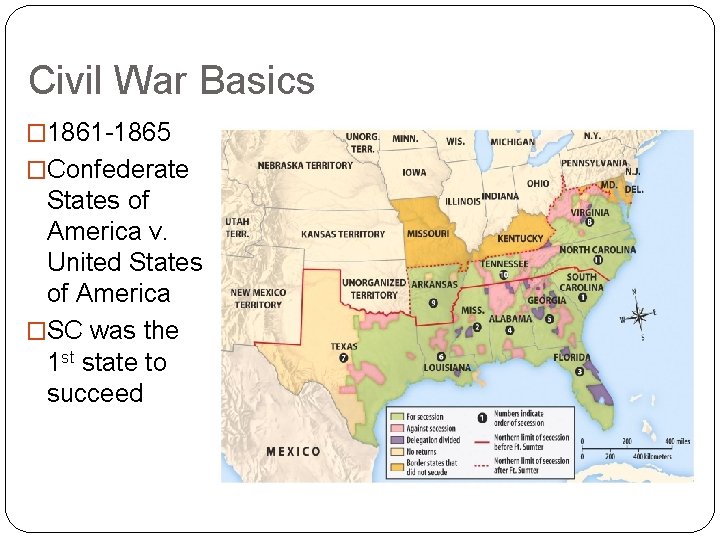
Civil War Basics � 1861 -1865 �Confederate States of America v. United States of America �SC was the 1 st state to succeed
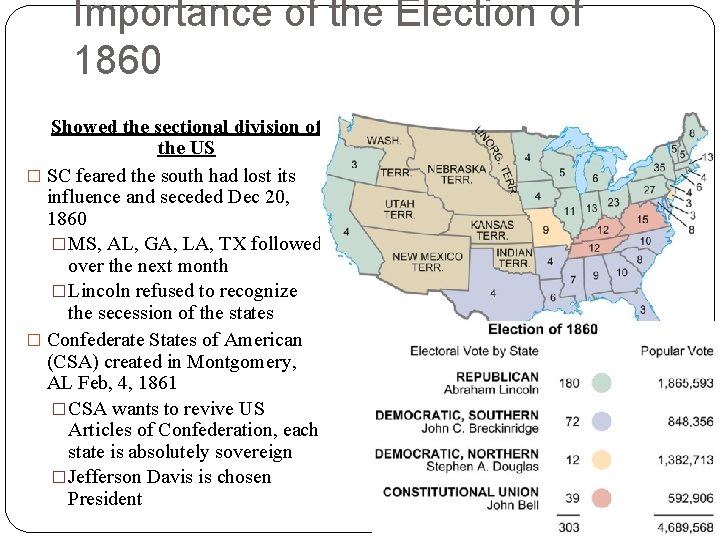
Importance of the Election of 1860 Showed the sectional division of the US � SC feared the south had lost its influence and seceded Dec 20, 1860 �MS, AL, GA, LA, TX followed over the next month �Lincoln refused to recognize the secession of the states � Confederate States of American (CSA) created in Montgomery, AL Feb, 4, 1861 �CSA wants to revive US Articles of Confederation, each state is absolutely sovereign �Jefferson Davis is chosen President
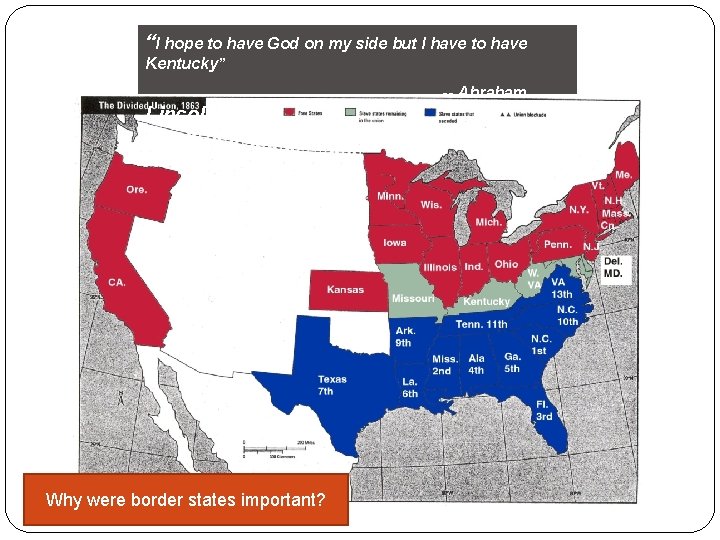
“I hope to have God on my side but I have to have Kentucky” -- Abraham Lincoln 3 Why were border states important?
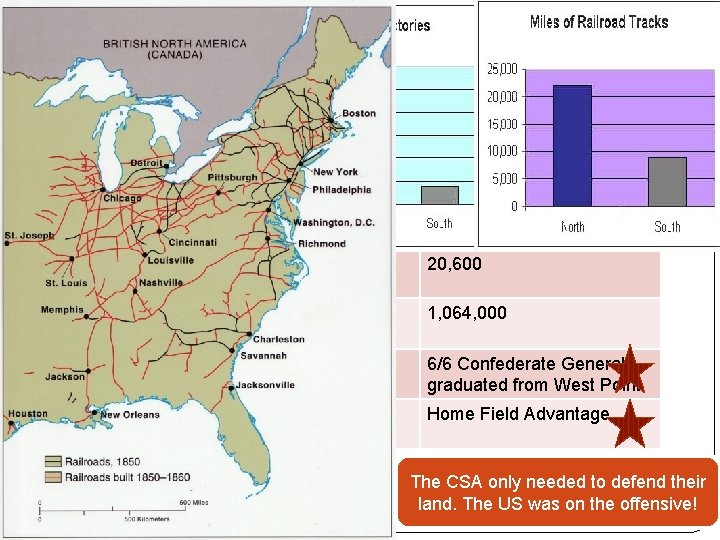
So who had the advantage? Advantages North South Population 21. 5 Million 9 Million Railroad 21, 700 Miles 9, 000 Miles Factories 110, 100 20, 600 Number of Soldiers 2, 100, 000 1, 064, 000 Military Leaders 5/8 Union Generals graduated from West Point 6/6 Confederate Generals graduated from West Point Location of Battles Home Field Advantage Visitor The CSA only needed to defend their land. The US was on the offensive!
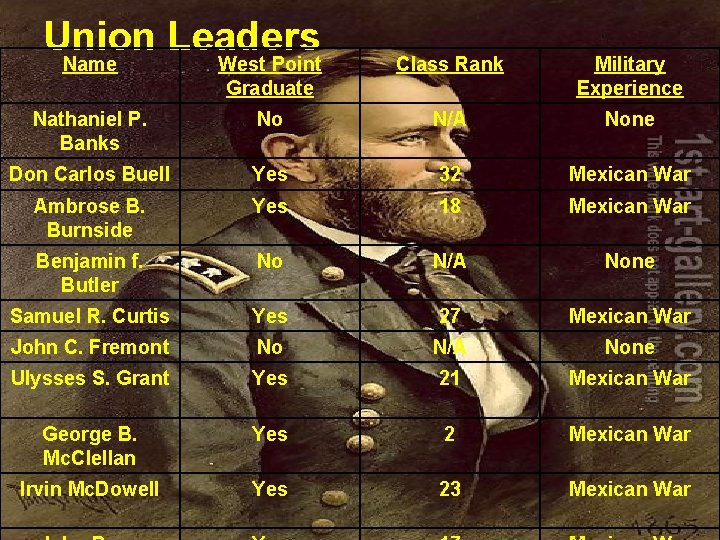
Union Leaders Name West Point Graduate Class Rank Military Experience Nathaniel P. Banks No N/A None Don Carlos Buell Yes 32 Mexican War Ambrose B. Burnside Yes 18 Mexican War Benjamin f. Butler No N/A None Samuel R. Curtis Yes 27 Mexican War John C. Fremont No N/A None Ulysses S. Grant Yes 21 Mexican War George B. Mc. Clellan Yes 2 Mexican War Irvin Mc. Dowell Yes 23 Mexican War
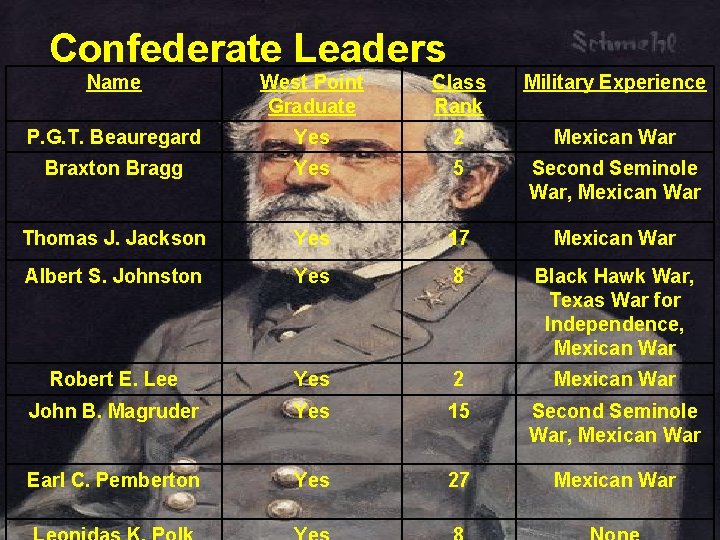
Confederate Leaders Name West Point Graduate Class Rank Military Experience P. G. T. Beauregard Yes 2 Mexican War Braxton Bragg Yes 5 Second Seminole War, Mexican War Thomas J. Jackson Yes 17 Mexican War Albert S. Johnston Yes 8 Black Hawk War, Texas War for Independence, Mexican War Robert E. Lee Yes 2 Mexican War John B. Magruder Yes 15 Second Seminole War, Mexican War Earl C. Pemberton Yes 27 Mexican War
Fort Sumter
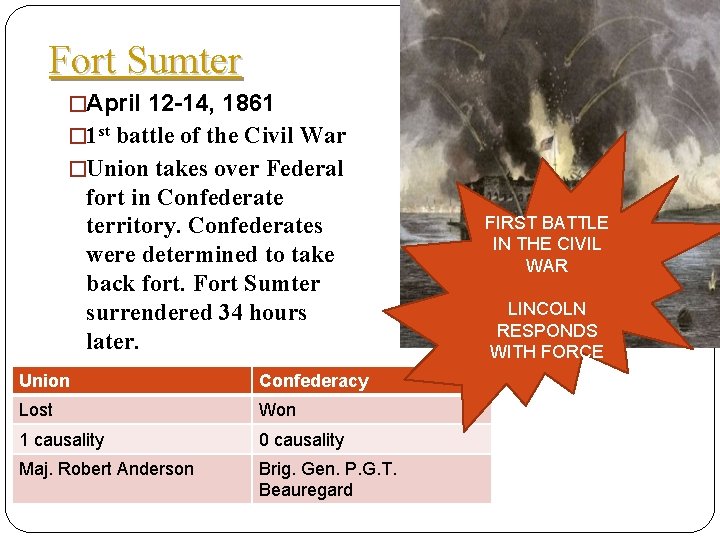
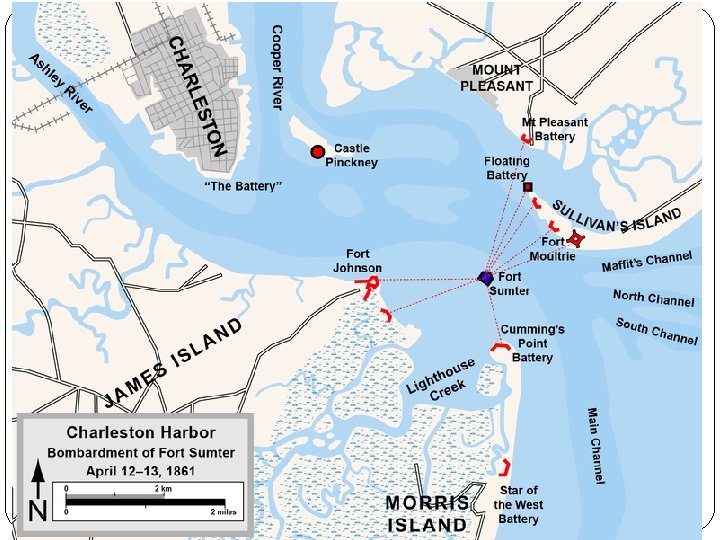
Fort Sumter �April 12 -14, 1861 � 1 st battle of the Civil War �Union takes over Federal fort in Confederate territory. Confederates were determined to take back fort. Fort Sumter surrendered 34 hours later. AR, Union�Following battle VA, Confederacy NC, TN seceded Won Lost � http: //video. pbs. org/video/1832507650/ 1 causality 0 causality Maj. Robert Anderson Brig. Gen. P. G. T. Beauregard FIRST BATTLE IN THE CIVIL WAR LINCOLN RESPONDS WITH FORCE

Anaconda Plan
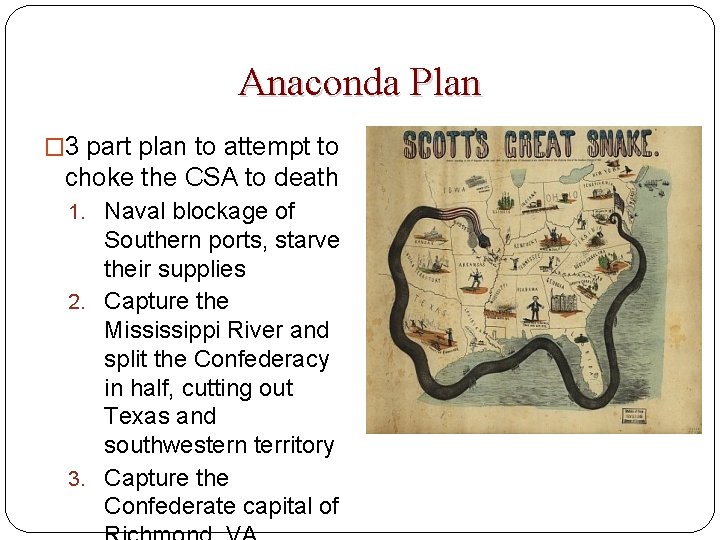
Anaconda Plan � 3 part plan to attempt to choke the CSA to death 1. Naval blockage of Southern ports, starve their supplies 2. Capture the Mississippi River and split the Confederacy in half, cutting out Texas and southwestern territory 3. Capture the Confederate capital of
Antietam
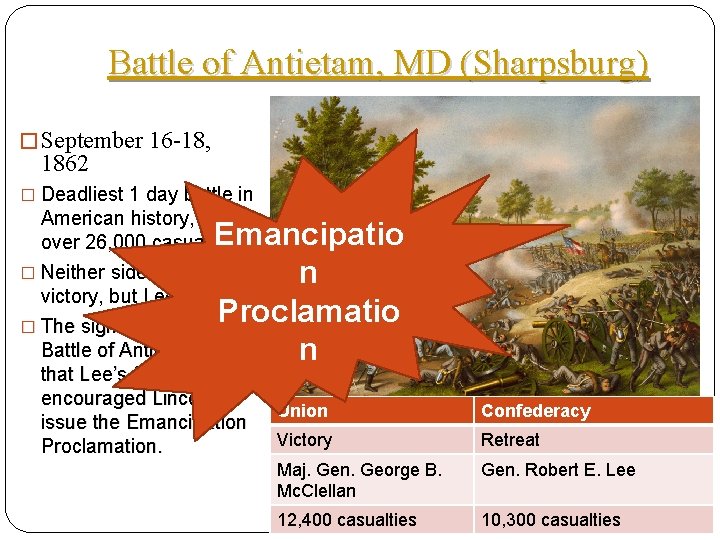
Battle of Antietam, MD (Sharpsburg) � September 16 -18, 1862 � Deadliest 1 day battle in American history, with over 26, 000 casualties. � Neither side won a victory, but Lee retreats � The significance of the Battle of Antietam was that Lee’s failure to win it encouraged Lincoln to Union issue the Emancipation Victory Proclamation. Emancipatio n Proclamatio n Confederacy Retreat Maj. Gen. George B. Mc. Clellan Gen. Robert E. Lee 12, 400 casualties 10, 300 casualties
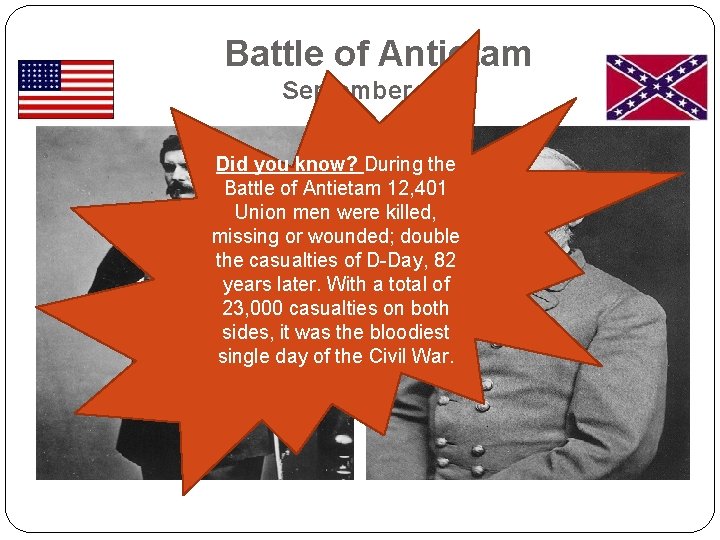
Battle of Antietam September 1862 Did you know? During the Battle of Antietam 12, 401 Union men were killed, missing or wounded; double the casualties of D-Day, 82 years later. With a total of 23, 000 casualties on both sides, it was the bloodiest single day of the Civil War.
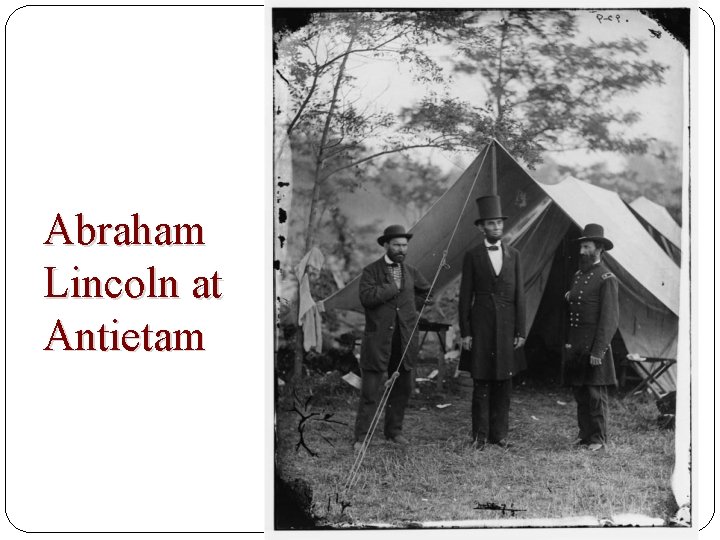
Abraham Lincoln at Antietam
Emancipation Proclamation
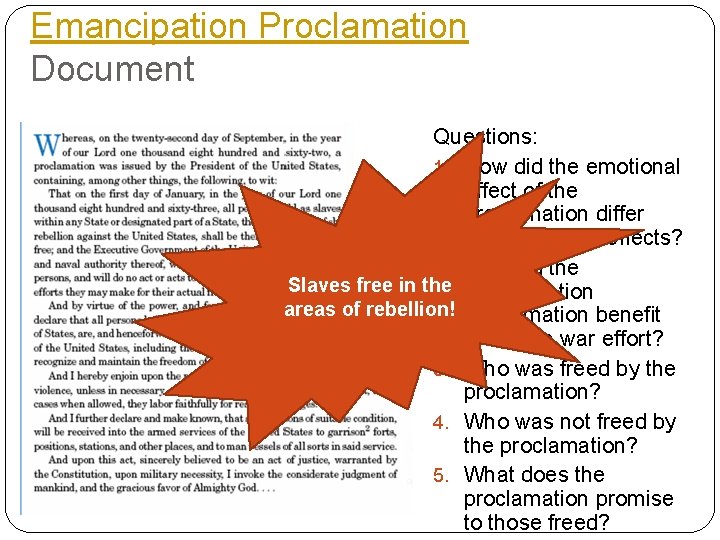
Emancipation Proclamation Document Questions: 1. How did the emotional effect of the proclamation differ from its actual effects? 2. How did the Slaves free in the emancipation areas of rebellion! proclamation benefit the union war effort? 3. Who was freed by the proclamation? 4. Who was not freed by the proclamation? 5. What does the proclamation promise to those freed?
Vicksburg
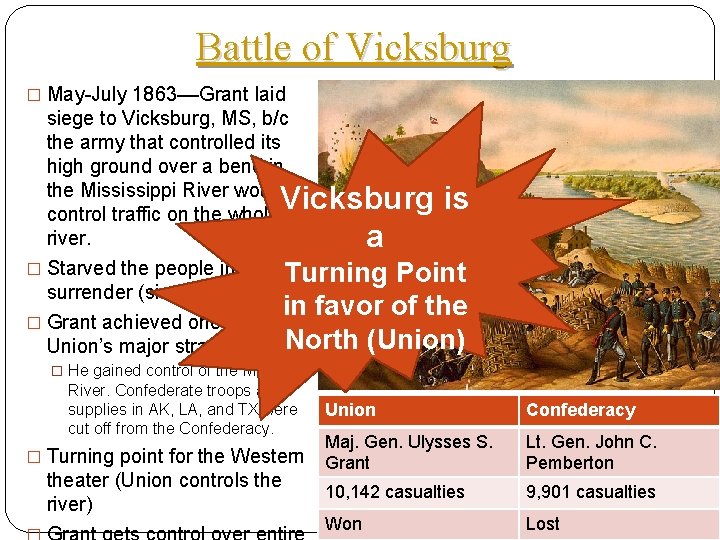
Battle of Vicksburg � May-July 1863––Grant laid siege to Vicksburg, MS, b/c the army that controlled its high ground over a bend in the Mississippi River would control traffic on the whole river. � Starved the people into Turning Point surrender (siege) in favor of the � Grant achieved one of the North (Union) Union’s major strategic goals: Vicksburg is a � He gained control of the Miss. River. Confederate troops and supplies in AK, LA, and TX were cut off from the Confederacy. � Turning point for the Western theater (Union controls the river) Union Confederacy Maj. Gen. Ulysses S. Grant Lt. Gen. John C. Pemberton 10, 142 casualties 9, 901 casualties Won Lost
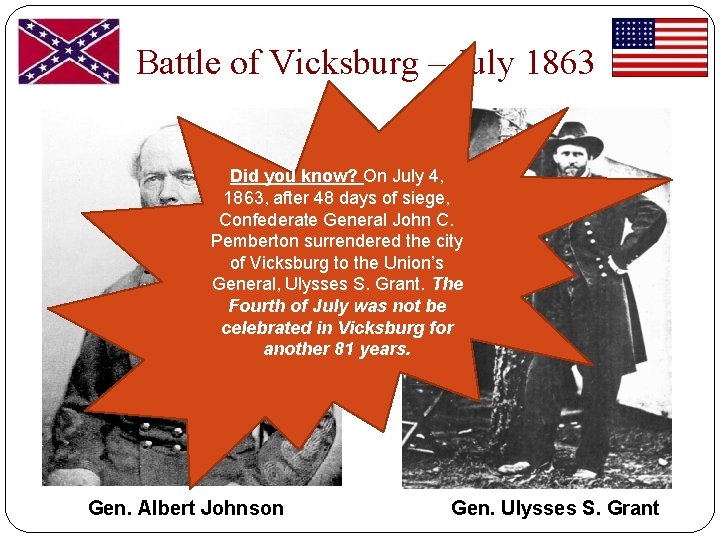
Battle of Vicksburg – July 1863 Did you know? On July 4, 1863, after 48 days of siege, Confederate General John C. Pemberton surrendered the city of Vicksburg to the Union’s General, Ulysses S. Grant. The Fourth of July was not be celebrated in Vicksburg for another 81 years. Gen. Albert Johnson Gen. Ulysses S. Grant
Gettysburg
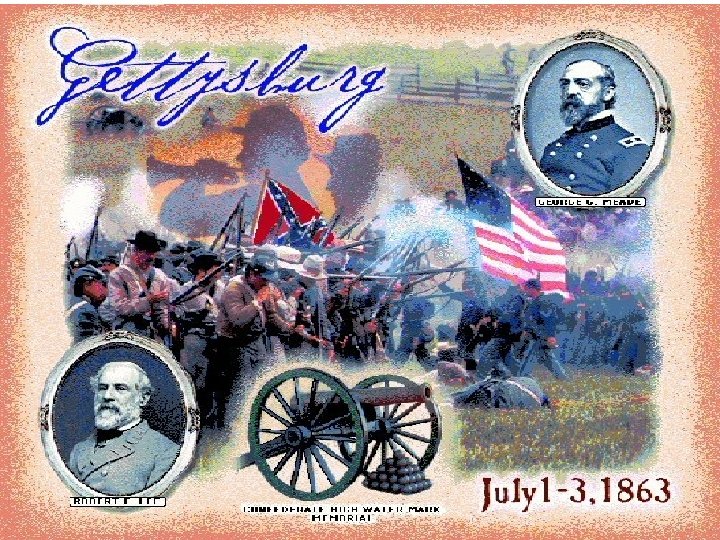
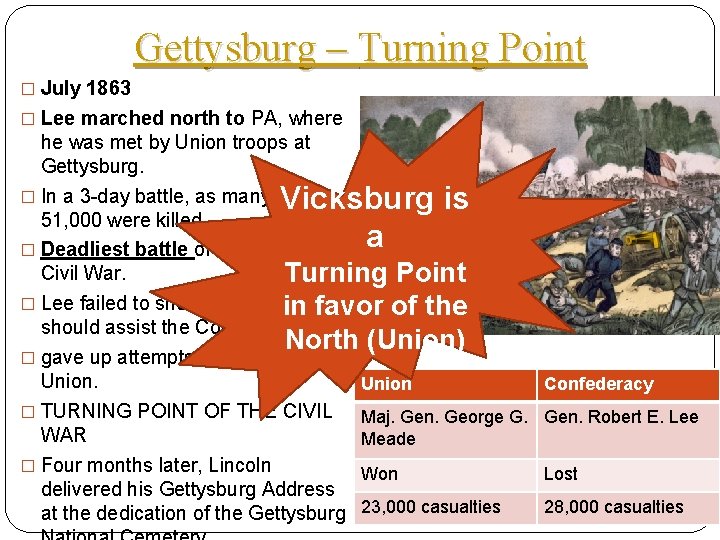
Gettysburg – Turning Point � July 1863 � Lee marched north to PA, where he was met by Union troops at Gettysburg. � In a 3 -day battle, as many as 51, 000 were killed. � Deadliest battle of the American Civil War. Turning Point � Lee failed to show GB & FRin they favor of the should assist the Confederacy, North (Union) � gave up attempts to invade the Union � TURNING POINT OF THE CIVIL Maj. Gen. George G. WAR Meade � Four months later, Lincoln Won delivered his Gettysburg Address at the dedication of the Gettysburg 23, 000 casualties Vicksburg is a Confederacy Gen. Robert E. Lee Lost 28, 000 casualties
Gettysburg Address
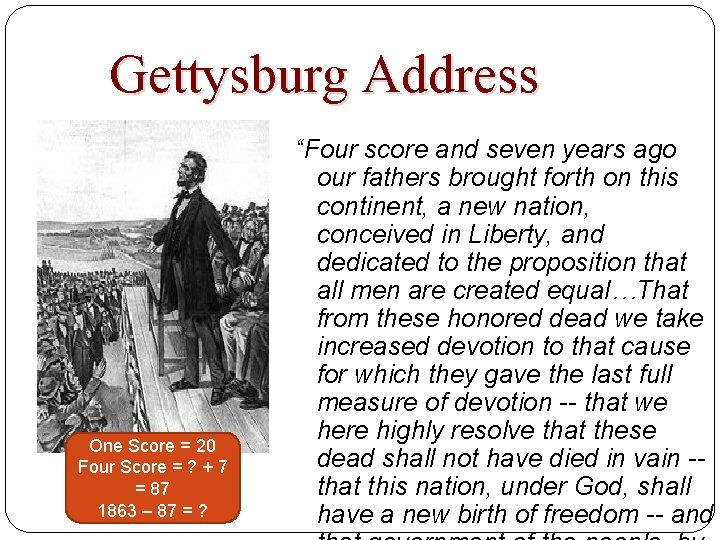
Gettysburg Address One Score = 20 Four Score = ? + 7 = 87 1863 – 87 = ? “Four score and seven years ago our fathers brought forth on this continent, a new nation, conceived in Liberty, and dedicated to the proposition that all men are created equal…That from these honored dead we take increased devotion to that cause for which they gave the last full measure of devotion -- that we here highly resolve that these dead shall not have died in vain -that this nation, under God, shall have a new birth of freedom -- and
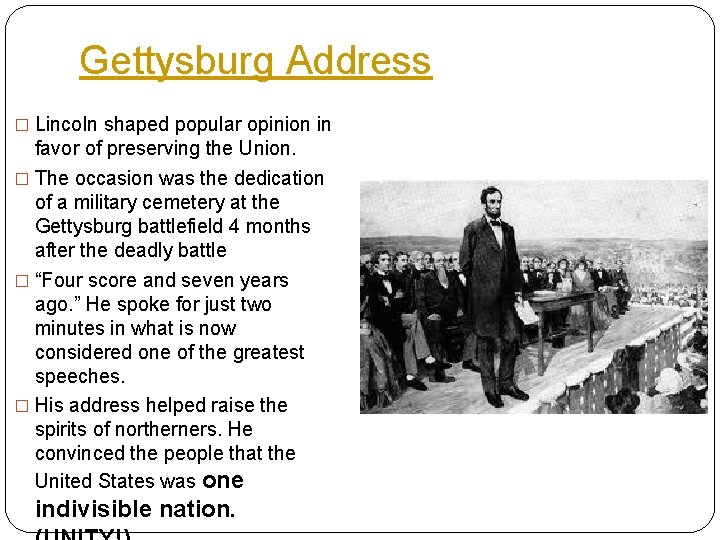
Gettysburg Address � Lincoln shaped popular opinion in favor of preserving the Union. � The occasion was the dedication of a military cemetery at the Gettysburg battlefield 4 months after the deadly battle � “Four score and seven years ago. ” He spoke for just two minutes in what is now considered one of the greatest speeches. � His address helped raise the spirits of northerners. He convinced the people that the United States was one indivisible nation.
Second Inaugural Address
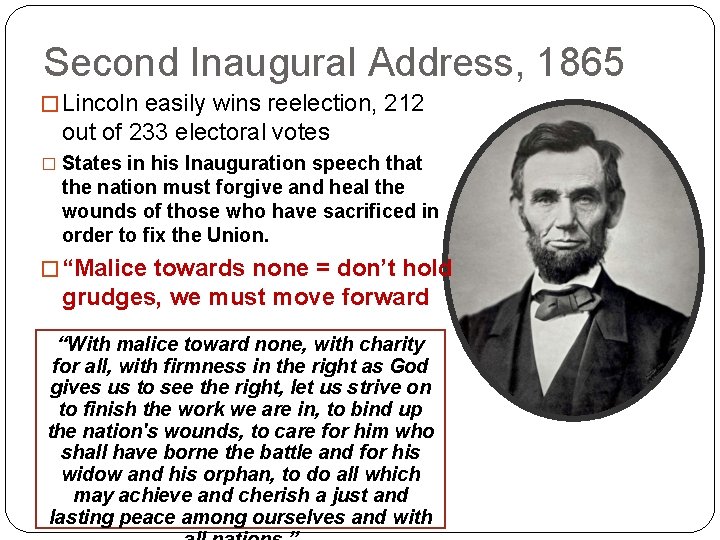
Second Inaugural Address, 1865 � Lincoln easily wins reelection, 212 out of 233 electoral votes � States in his Inauguration speech that the nation must forgive and heal the wounds of those who have sacrificed in order to fix the Union. � “Malice towards none = don’t hold grudges, we must move forward “With malice toward none, with charity for all, with firmness in the right as God gives us to see the right, let us strive on to finish the work we are in, to bind up the nation's wounds, to care for him who shall have borne the battle and for his widow and his orphan, to do all which may achieve and cherish a just and lasting peace among ourselves and with
Battle of ATL
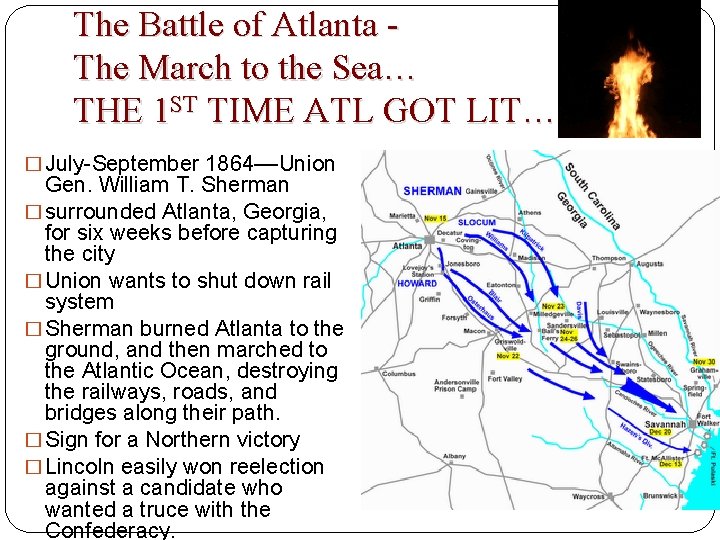
The Battle of Atlanta The March to the Sea… THE 1 ST TIME ATL GOT LIT… � July-September 1864––Union Gen. William T. Sherman � surrounded Atlanta, Georgia, for six weeks before capturing the city � Union wants to shut down rail system � Sherman burned Atlanta to the ground, and then marched to the Atlantic Ocean, destroying the railways, roads, and bridges along their path. � Sign for a Northern victory � Lincoln easily won reelection against a candidate who wanted a truce with the Confederacy.
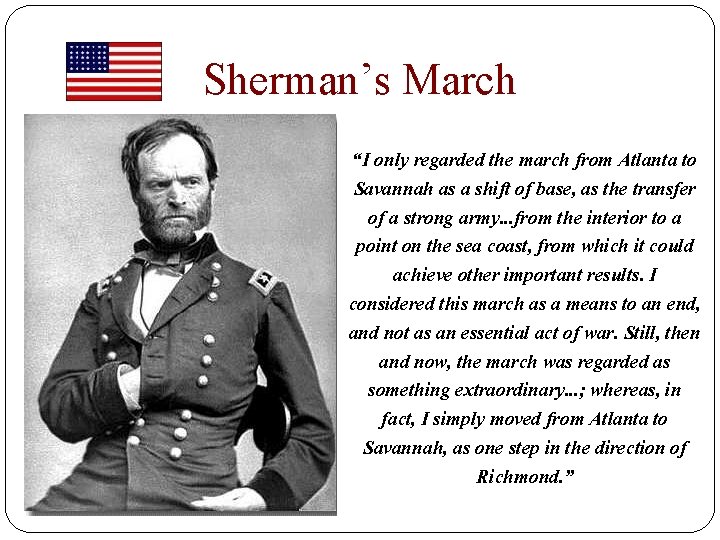
Sherman’s March “I only regarded the march from Atlanta to Savannah as a shift of base, as the transfer of a strong army. . . from the interior to a point on the sea coast, from which it could achieve other important results. I considered this march as a means to an end, and not as an essential act of war. Still, then and now, the march was regarded as something extraordinary. . . ; whereas, in fact, I simply moved from Atlanta to Savannah, as one step in the direction of Richmond. ”
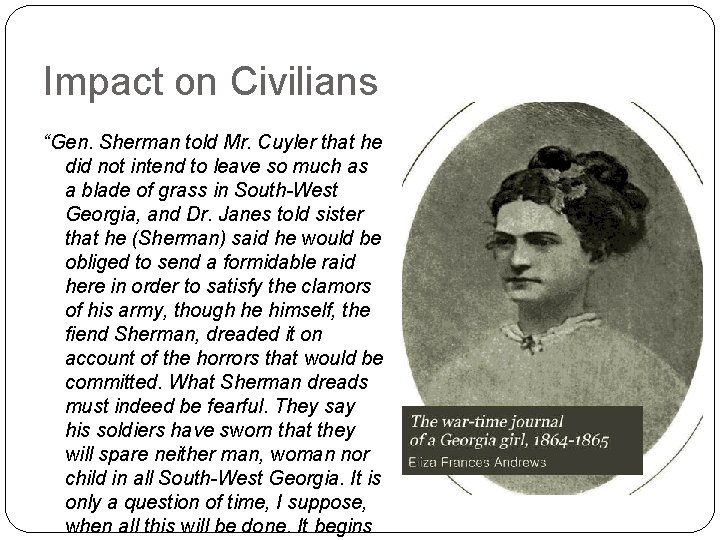
Impact on Civilians “Gen. Sherman told Mr. Cuyler that he did not intend to leave so much as a blade of grass in South-West Georgia, and Dr. Janes told sister that he (Sherman) said he would be obliged to send a formidable raid here in order to satisfy the clamors of his army, though he himself, the fiend Sherman, dreaded it on account of the horrors that would be committed. What Sherman dreads must indeed be fearful. They say his soldiers have sworn that they will spare neither man, woman nor child in all South-West Georgia. It is only a question of time, I suppose, when all this will be done. It begins
Appomattox Court House
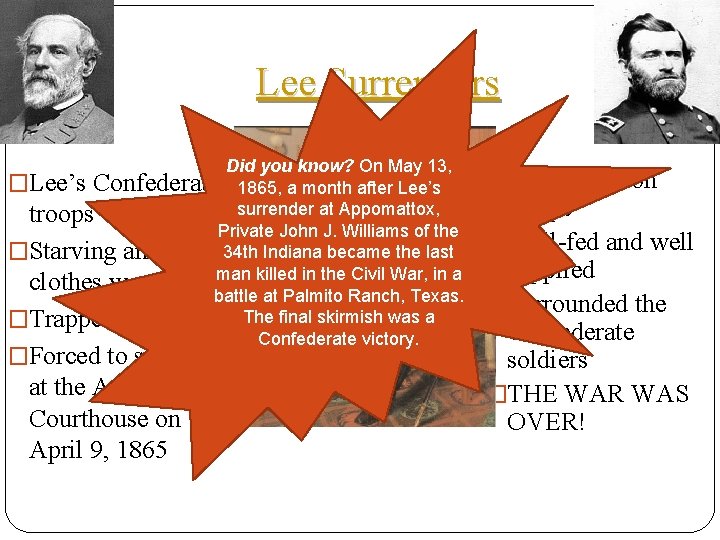
Lee Surrenders Did you know? On May 13, �Lee’s Confederate 1865, a month after Lee’s surrender at Appomattox, troops Private John J. Williams of the 34 th Indiana became the last �Starving and man killed in the Civil War, in a clothes were rags battle at Palmito Ranch, Texas. The final skirmish was a �Trapped Confederate victory. �Forced to surrender at the Appomattox Courthouse on April 9, 1865 �Grant’s Union troops �Well-fed and well supplied �Surrounded the Confederate soldiers �THE WAR WAS OVER!
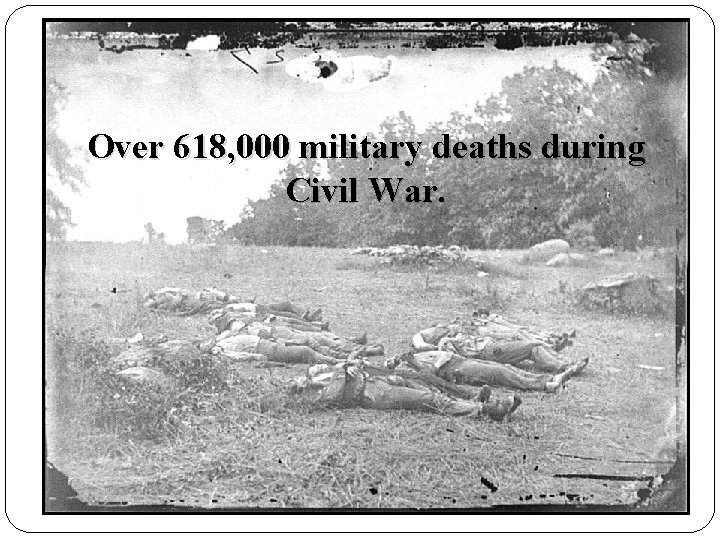
Over 618, 000 military deaths during Civil War.
EFFECTS OF CIVIL WAR �Preservation of the Union �Abolition of slavery �Increased power to fed. gov't – killed the issue of states rights �U. S. now an industrial nation �A stronger sense of nationalism �West the lands increasingly opened to settlement Railroads! �South was economically and physically devastated, with the plantation system crippled. . . thus Reconstruction (rebuilding the U. S. ) - but a deep hatred of the North remained. . .
Profiles Leaders of the Civil War
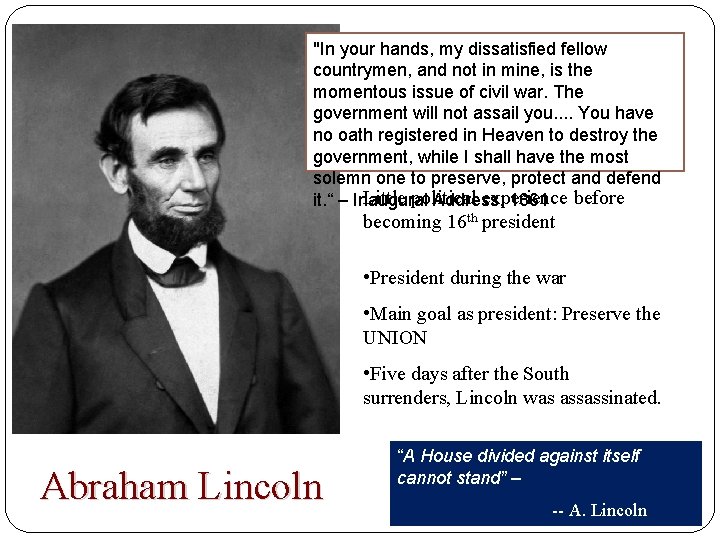
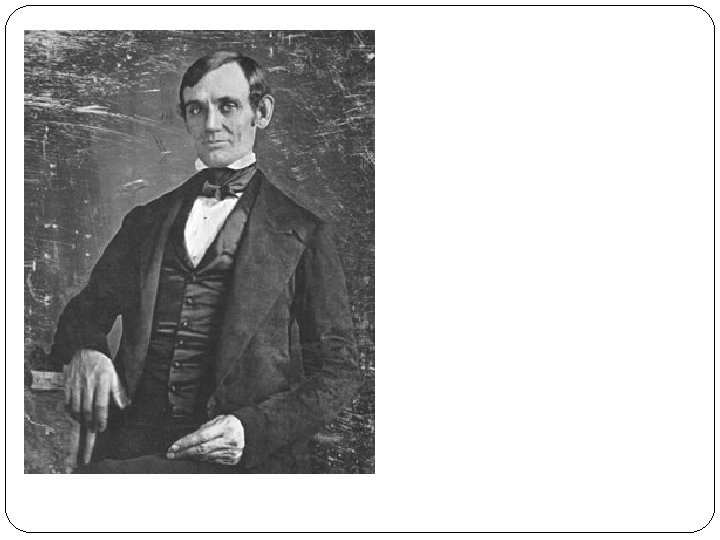
"In your hands, my dissatisfied fellow countrymen, and not in mine, is the momentous issue of civil war. The government will not assail you. . You have no oath registered in Heaven to destroy the government, while I shall have the most solemn one to preserve, protect and defend Little political experience it. “ – Inaugural Address, 1861 before becoming 16 th president • President during the war • Main goal as president: Preserve the UNION • Five days after the South surrenders, Lincoln was assassinated. 38 Abraham Lincoln “A House divided against itself cannot stand” – -- A. Lincoln
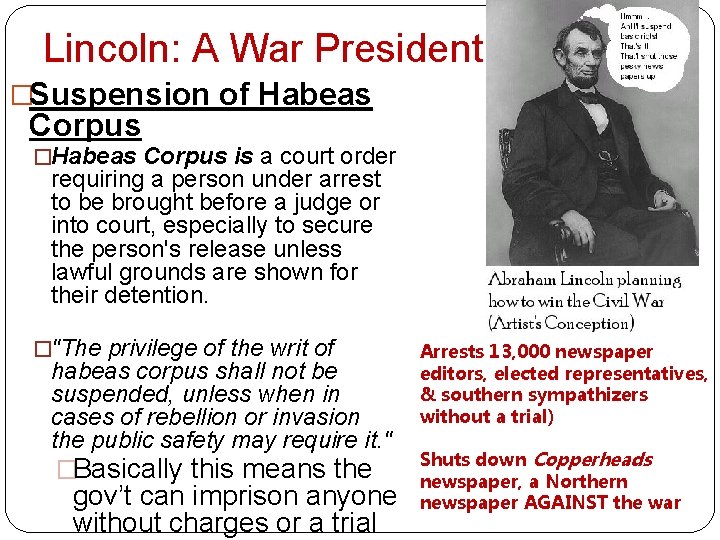
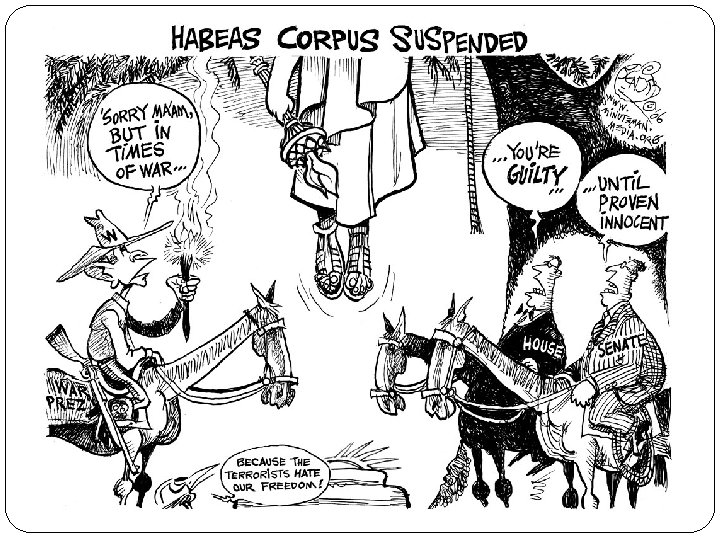
Lincoln: A War President �Suspension of Habeas Corpus �Habeas Corpus is a court order requiring a person under arrest to be brought before a judge or into court, especially to secure the person's release unless lawful grounds are shown for their detention. �"The privilege of the writ of habeas corpus shall not be suspended, unless when in cases of rebellion or invasion the public safety may require it. " �Basically this means the gov’t can imprison anyone without charges or a trial Arrests 13, 000 newspaper editors, elected representatives, & southern sympathizers without a trial) Shuts down Copperheads newspaper, a Northern newspaper AGAINST the war
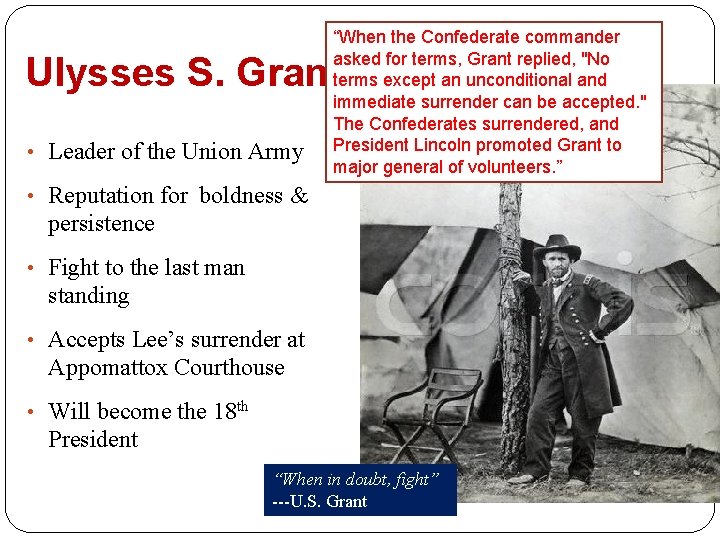
“When the Confederate commander asked for terms, Grant replied, "No terms except an unconditional and immediate surrender can be accepted. " The Confederates surrendered, and President Lincoln promoted Grant to major general of volunteers. ” Ulysses S. Grant • Leader of the Union Army • Reputation for boldness & persistence • Fight to the last man standing • Accepts Lee’s surrender at Appomattox Courthouse • Will become the 18 th President “When in doubt, fight” ---U. S. Grant
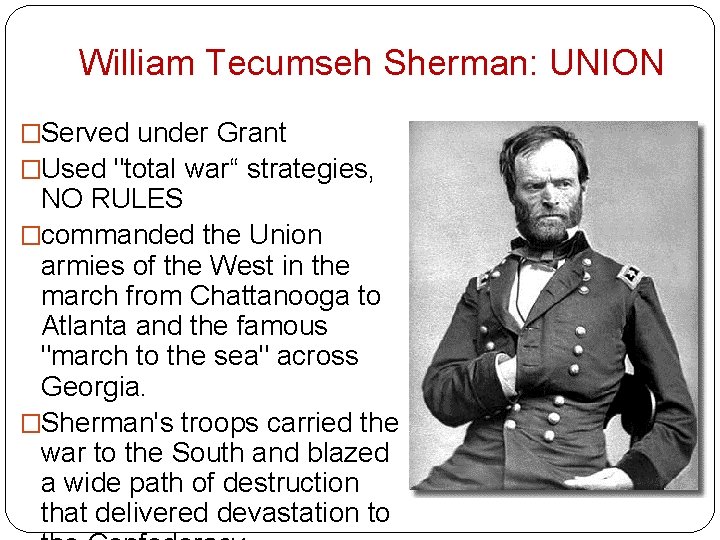
William Tecumseh Sherman: UNION �Served under Grant �Used "total war“ strategies, NO RULES �commanded the Union armies of the West in the march from Chattanooga to Atlanta and the famous "march to the sea" across Georgia. �Sherman's troops carried the war to the South and blazed a wide path of destruction that delivered devastation to
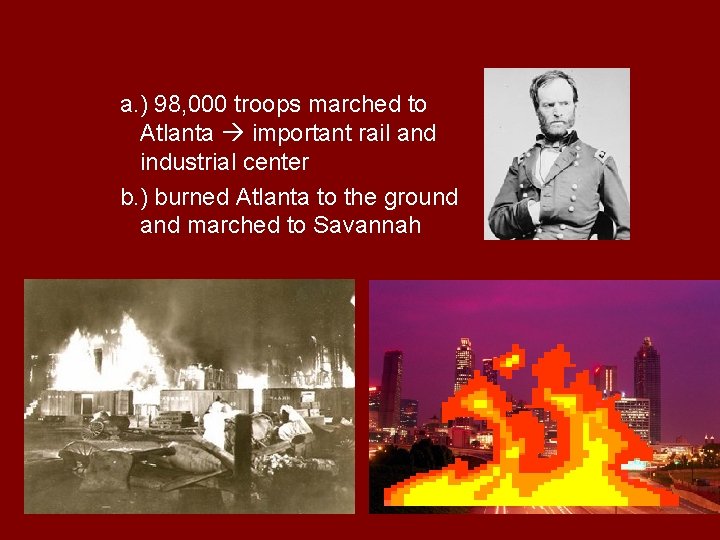
a. ) 98, 000 troops marched to Atlanta important rail and industrial center b. ) burned Atlanta to the ground and marched to Savannah
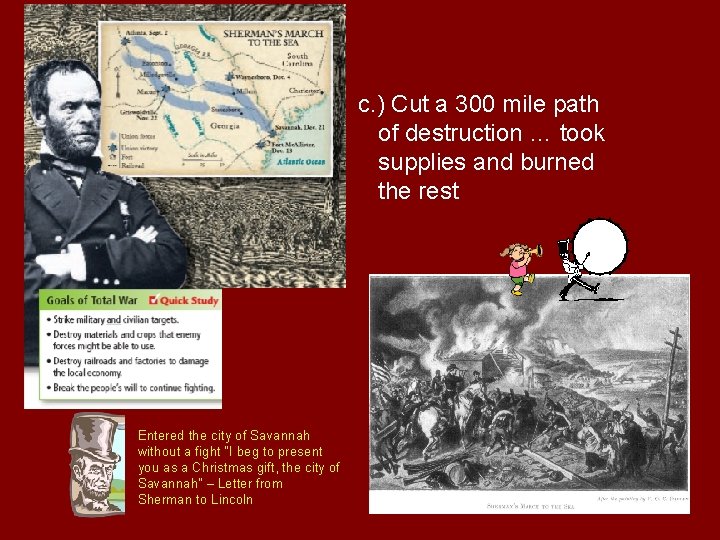
c. ) Cut a 300 mile path of destruction … took supplies and burned the rest Entered the city of Savannah without a fight “I beg to present you as a Christmas gift, the city of Savannah” – Letter from Sherman to Lincoln
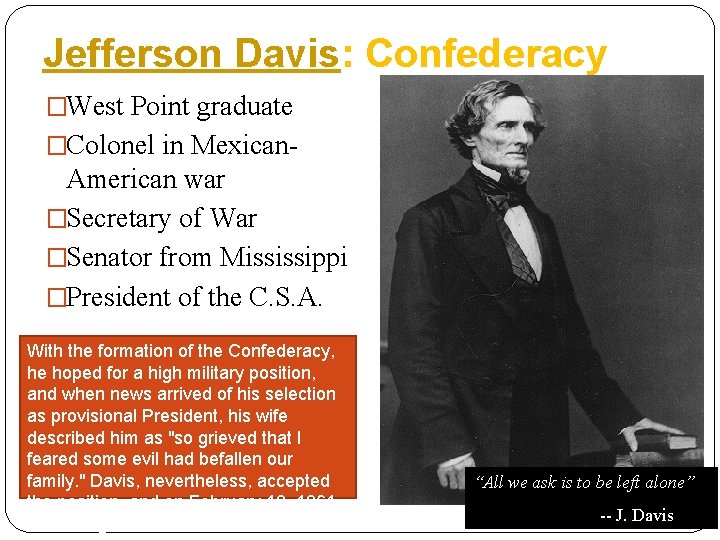
Jefferson Davis: Confederacy �West Point graduate �Colonel in Mexican- American war �Secretary of War �Senator from Mississippi �President of the C. S. A. With the formation of the Confederacy, he hoped for a high military position, and when news arrived of his selection as provisional President, his wife described him as "so grieved that I feared some evil had befallen our family. " Davis, nevertheless, accepted the position, and on February 18, 1861 was inaugurated President. “All we ask is to be left alone” -- J. Davis
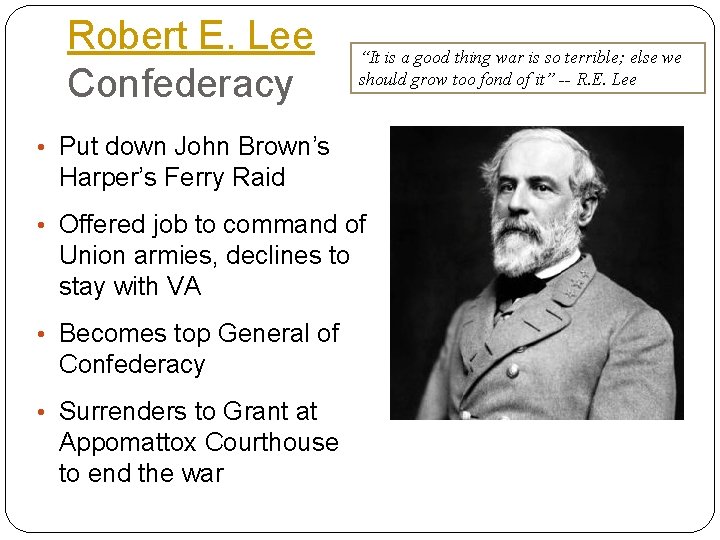
Robert E. Lee Confederacy “It is a good thing war is so terrible; else we should grow too fond of it” -- R. E. Lee • Put down John Brown’s Harper’s Ferry Raid • Offered job to command of Union armies, declines to stay with VA • Becomes top General of Confederacy • Surrenders to Grant at Appomattox Courthouse to end the war
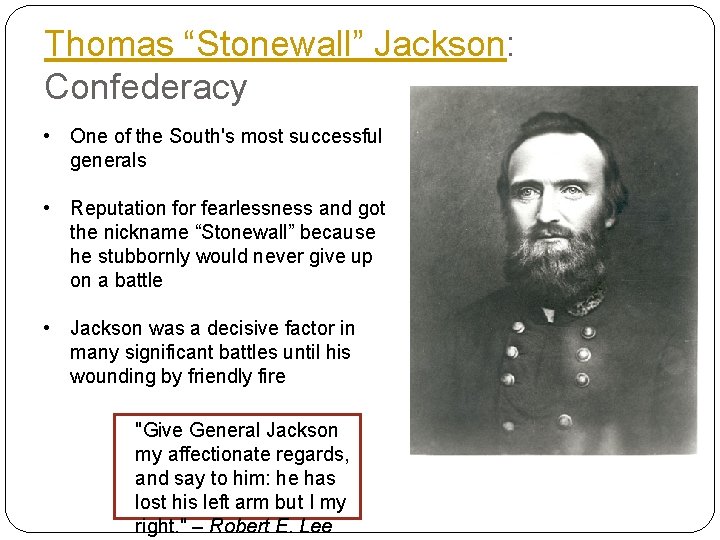
Thomas “Stonewall” Jackson: Confederacy • One of the South's most successful generals • Reputation for fearlessness and got the nickname “Stonewall” because he stubbornly would never give up on a battle • Jackson was a decisive factor in many significant battles until his wounding by friendly fire "Give General Jackson my affectionate regards, and say to him: he has lost his left arm but I my right. " – Robert E. Lee
- Slides: 48