
CIVIL RIGHTS Black Freedom Movements A Timeline Young
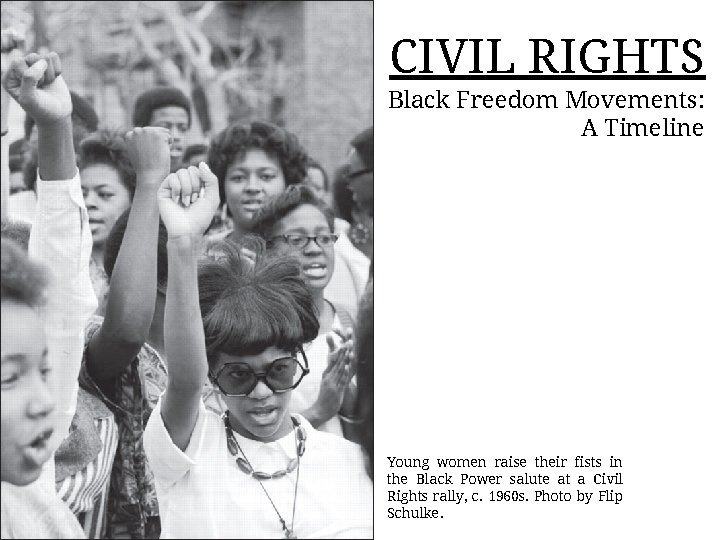
CIVIL RIGHTS Black Freedom Movements: A Timeline Young women raise their fists in the Black Power salute at a Civil Rights rally, c. 1960 s. Photo by Flip Schulke.
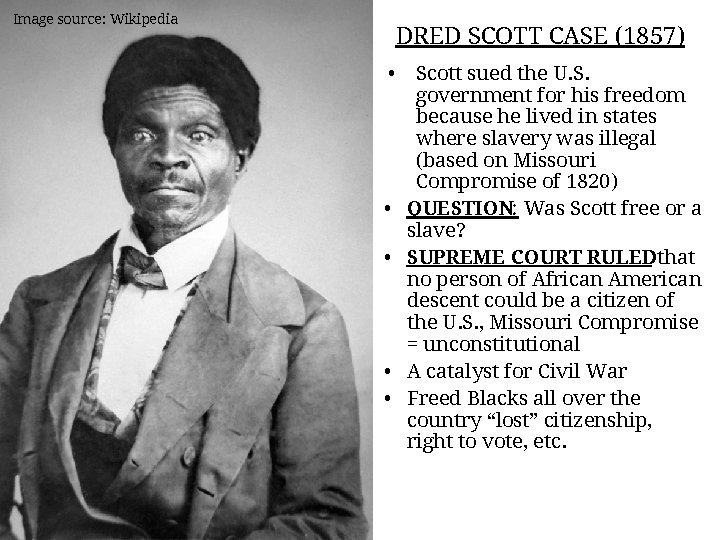
Image source: Wikipedia DRED SCOTT CASE (1857) • • • Scott sued the U. S. government for his freedom because he lived in states where slavery was illegal (based on Missouri Compromise of 1820) QUESTION: Was Scott free or a slave? SUPREME COURT RULEDthat no person of African American descent could be a citizen of the U. S. , Missouri Compromise = unconstitutional A catalyst for Civil War Freed Blacks all over the country “lost” citizenship, right to vote, etc.
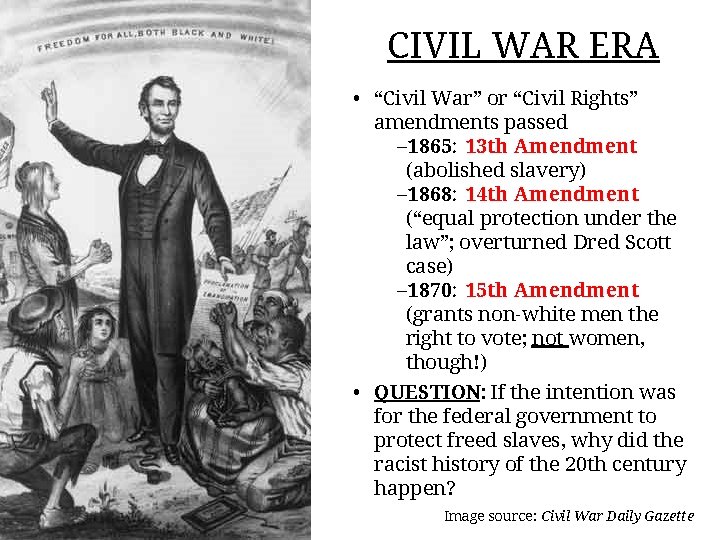
CIVIL WAR ERA • “Civil War” or “Civil Rights” amendments passed – 1865: 13 th Amendment (abolished slavery) – 1868: 14 th Amendment (“equal protection under the law”; overturned Dred Scott case) – 1870: 15 th Amendment (grants non-white men the right to vote; not women, though!) • QUESTION: If the intention was for the federal government to protect freed slaves, why did the racist history of the 20 th century happen? Image source: Civil War Daily Gazette
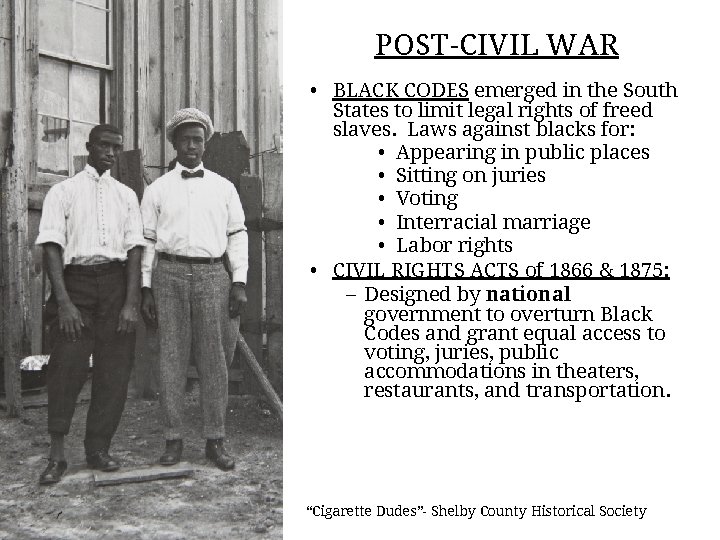
POST-CIVIL WAR • BLACK CODES emerged in the South States to limit legal rights of freed slaves. Laws against blacks for: • Appearing in public places • Sitting on juries • Voting • Interracial marriage • Labor rights • CIVIL RIGHTS ACTS of 1866 & 1875: – Designed by national government to overturn Black Codes and grant equal access to voting, juries, public accommodations in theaters, restaurants, and transportation. “Cigarette Dudes”- Shelby County Historical Society
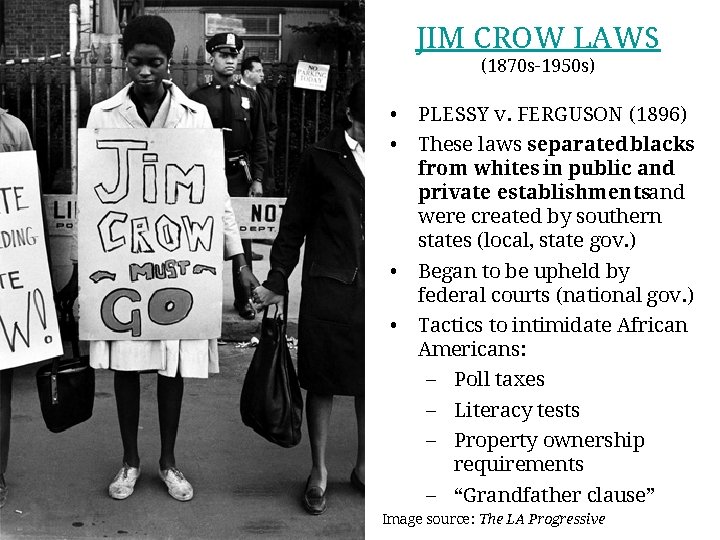
JIM CROW LAWS (1870 s-1950 s) • • PLESSY v. FERGUSON (1896) • Began to be upheld by federal courts (national gov. ) • Tactics to intimidate African Americans: These laws separated blacks from whites in public and private establishmentsand were created by southern states (local, state gov. ) – Poll taxes – Literacy tests – Property ownership requirements – “Grandfather clause” Image source: The LA Progressive
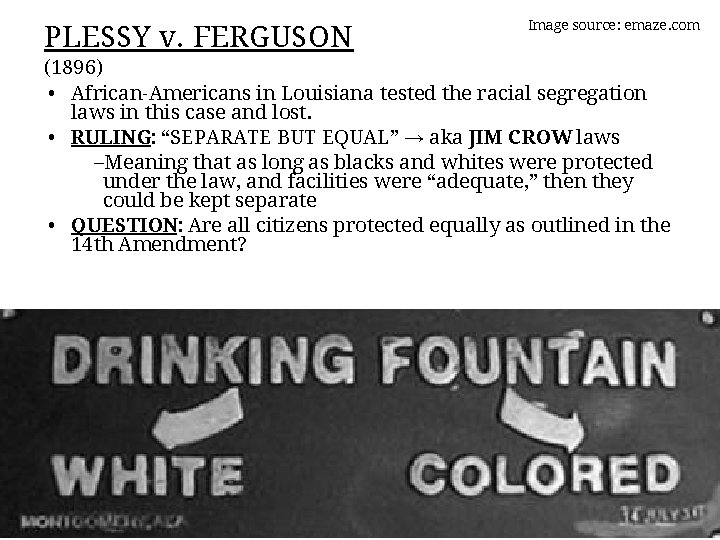
PLESSY v. FERGUSON Image source: emaze. com (1896) • African-Americans in Louisiana tested the racial segregation laws in this case and lost. • RULING: “SEPARATE BUT EQUAL” → aka JIM CROW laws –Meaning that as long as blacks and whites were protected under the law, and facilities were “adequate, ” then they could be kept separate • QUESTION: Are all citizens protected equally as outlined in the 14 th Amendment?
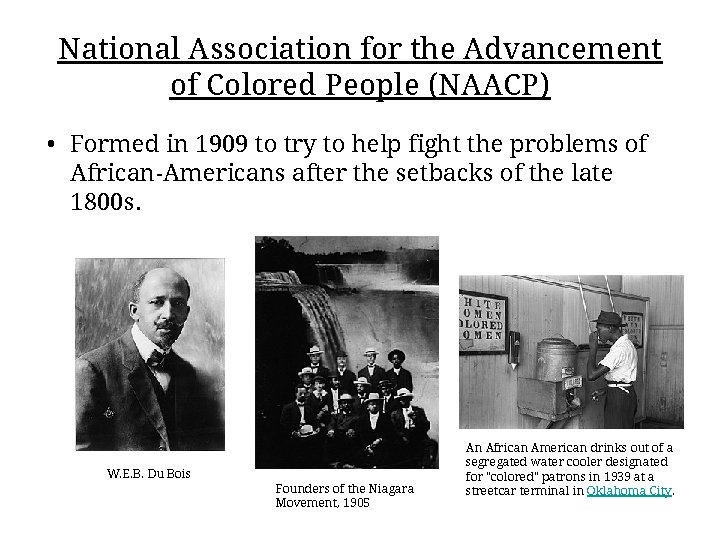
National Association for the Advancement of Colored People (NAACP) • Formed in 1909 to try to help fight the problems of African-Americans after the setbacks of the late 1800 s. W. E. B. Du Bois Founders of the Niagara Movement, 1905 An African American drinks out of a segregated water cooler designated for "colored" patrons in 1939 at a streetcar terminal in Oklahoma City.
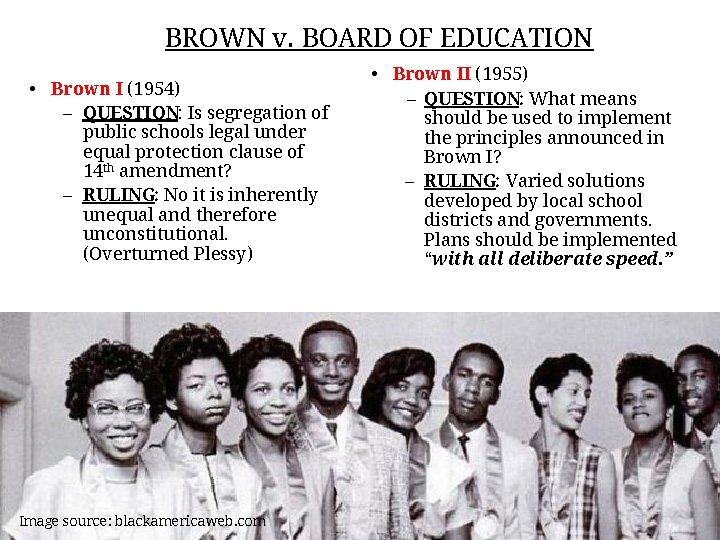
BROWN v. BOARD OF EDUCATION • Brown I (1954) – QUESTION: Is segregation of public schools legal under equal protection clause of 14 th amendment? – RULING: No it is inherently unequal and therefore unconstitutional. (Overturned Plessy) Image source: blackamericaweb. com • Brown II (1955) – QUESTION: What means should be used to implement the principles announced in Brown I? – RULING: Varied solutions developed by local school districts and governments. Plans should be implemented “with all deliberate speed. ”
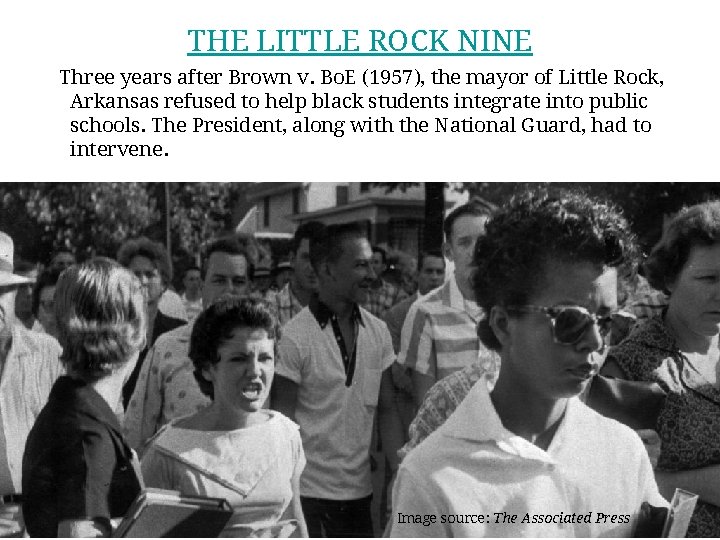
THE LITTLE ROCK NINE Three years after Brown v. Bo. E (1957), the mayor of Little Rock, Arkansas refused to help black students integrate into public schools. The President, along with the National Guard, had to intervene. Image source: The Associated Press
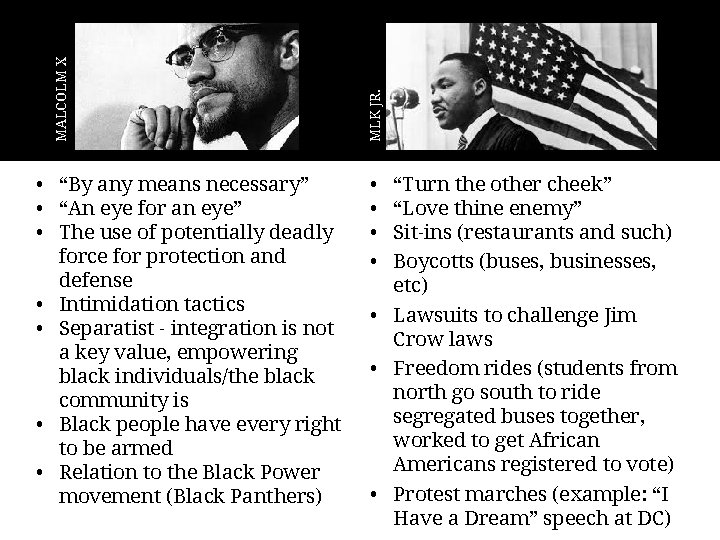
MLK JR. MALCOLM X • “By any means necessary” • “An eye for an eye” • The use of potentially deadly force for protection and defense • Intimidation tactics • Separatist - integration is not a key value, empowering black individuals/the black community is • Black people have every right to be armed • Relation to the Black Power movement (Black Panthers) • • “Turn the other cheek” “Love thine enemy” Sit-ins (restaurants and such) Boycotts (buses, businesses, etc) • Lawsuits to challenge Jim Crow laws • Freedom rides (students from north go south to ride segregated buses together, worked to get African Americans registered to vote) • Protest marches (example: “I Have a Dream” speech at DC)
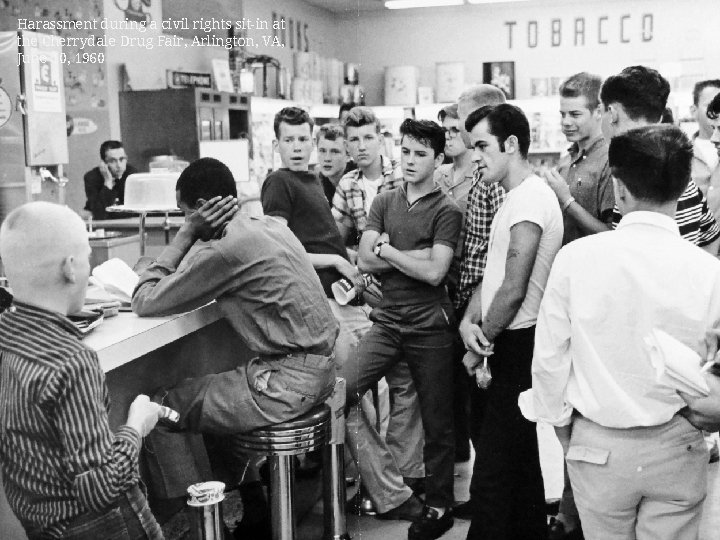
Harassment during a civil rights sit-in at the Cherrydale Drug Fair, Arlington, VA, June 10, 1960
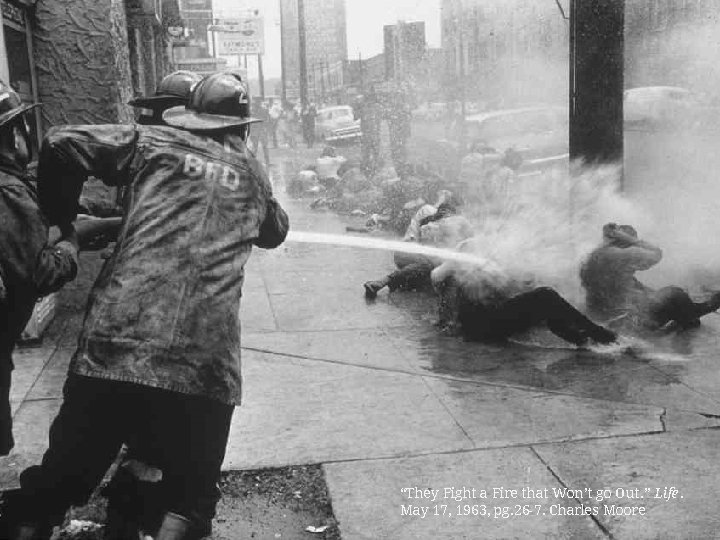
“They Fight a Fire that Won’t go Out. ” Life. May 17, 1963, pg. 26 -7. Charles Moore
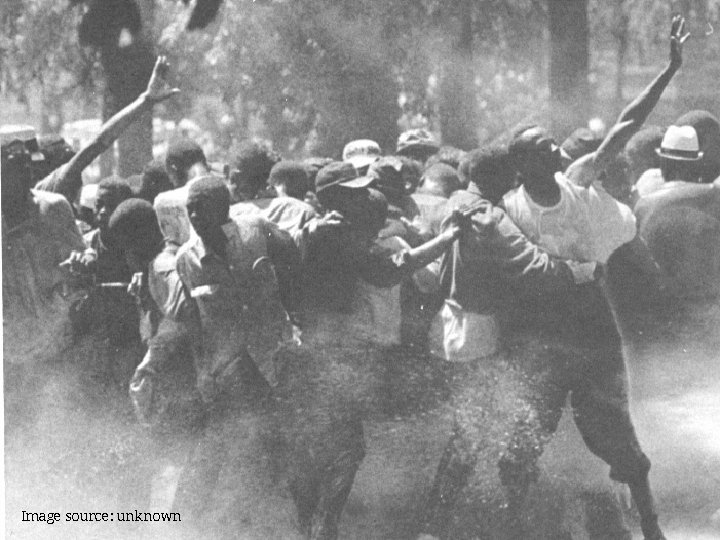
Image source: unknown
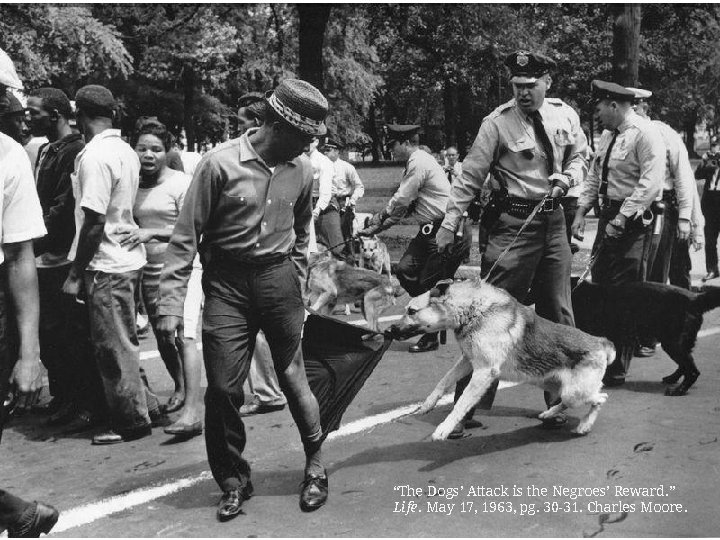
“The Dogs’ Attack is the Negroes’ Reward. ” Life. May 17, 1963, pg. 30 -31. Charles Moore.
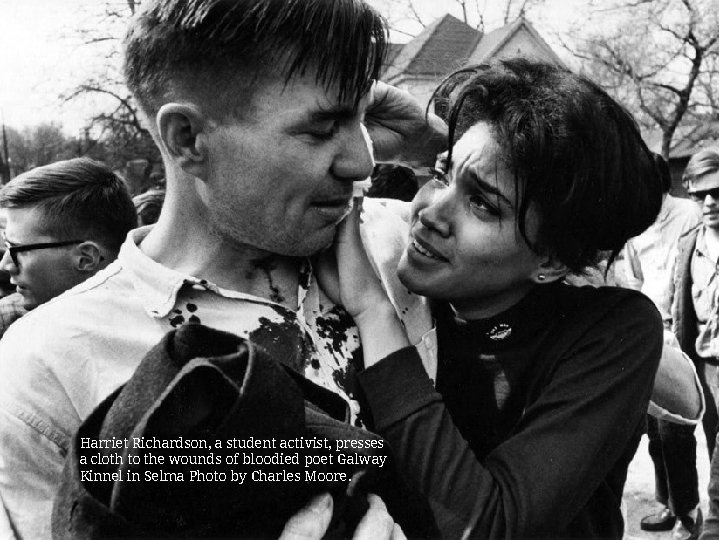
Harriet Richardson, a student activist, presses a cloth to the wounds of bloodied poet Galway Kinnel in Selma Photo by Charles Moore.
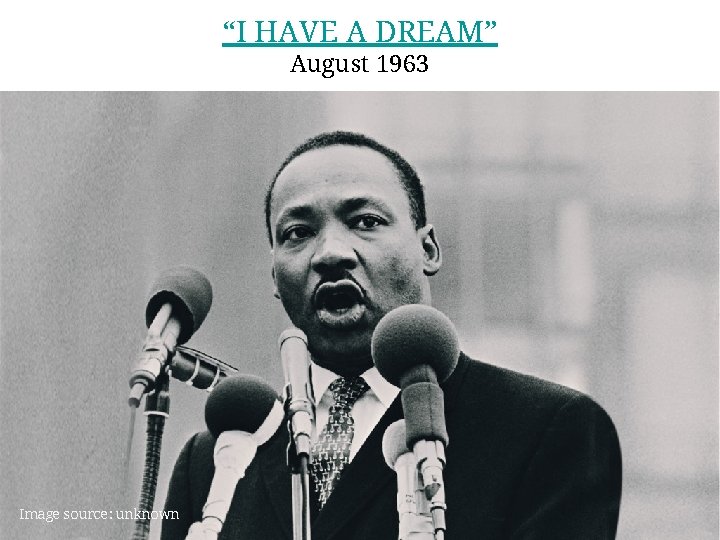
“I HAVE A DREAM” August 1963 Image source: unknown
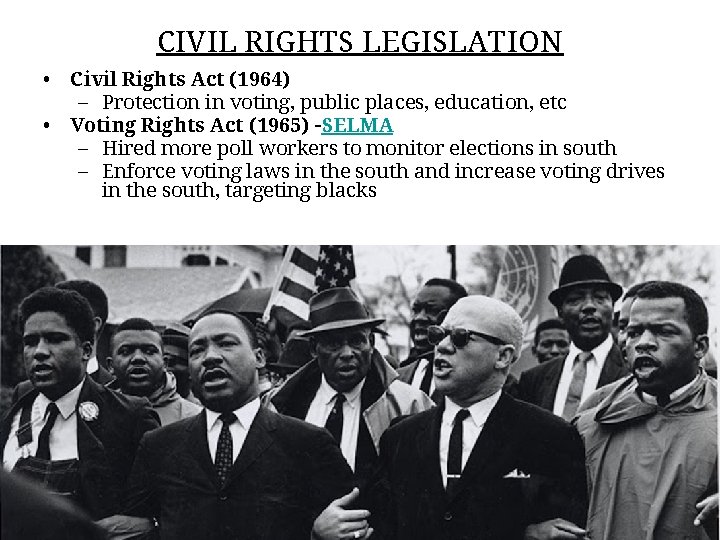
CIVIL RIGHTS LEGISLATION • Civil Rights Act (1964) – Protection in voting, public places, education, etc • Voting Rights Act (1965) - SELMA – Hired more poll workers to monitor elections in south – Enforce voting laws in the south and increase voting drives in the south, targeting blacks
- Slides: 17