
Circulatory System The parts Platelets No nucleus and

- Slides: 28
Circulatory System The parts!!!
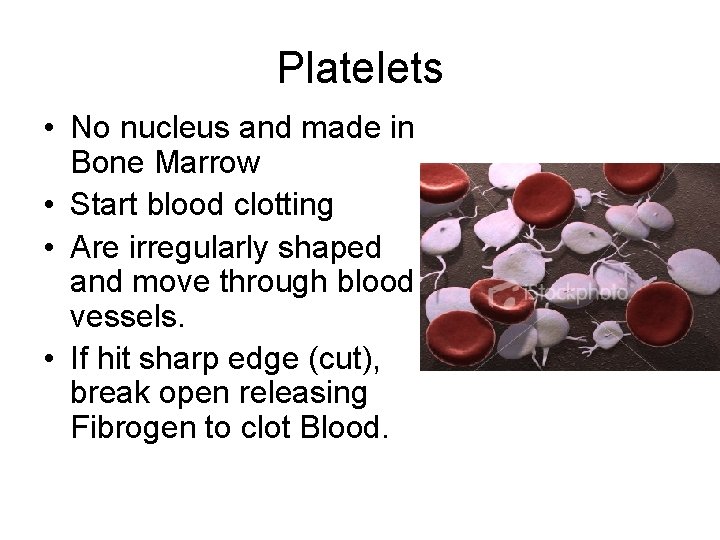
Platelets • No nucleus and made in Bone Marrow • Start blood clotting • Are irregularly shaped and move through blood vessels. • If hit sharp edge (cut), break open releasing Fibrogen to clot Blood.
Platelets • 250 000 – 300 000 per mm 3 • Responsible for the initial stages of blood clotting – or thickening, to prevent loss of blood from the body.
How Platelets Work 1) Platelets break open at a wound site and release thromboplastin (a chemical enzyme). 2) Thromboplastin causes calcium and prothrombin to join to form THROMBIN 3) Thrombin joins with FIBRINOGEN to form FIBRIN 4) Fibrin traps RBCs and forms a clot that covers the wound.
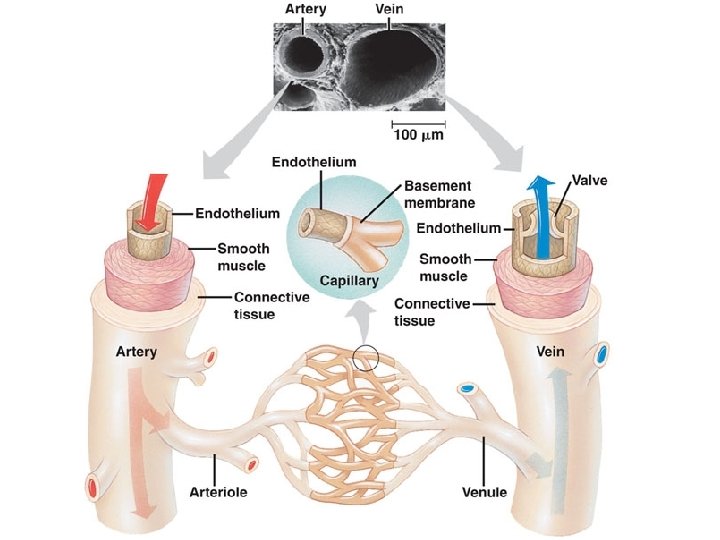
Blood Vessels • 3 main blood vessels: • 1) Arteries: carry blood away from Heart • 2) Capillaries: between Arteries & Veins, where gases exchanged with blood and tissues. • 3) Veins: Carry blood back to heart.
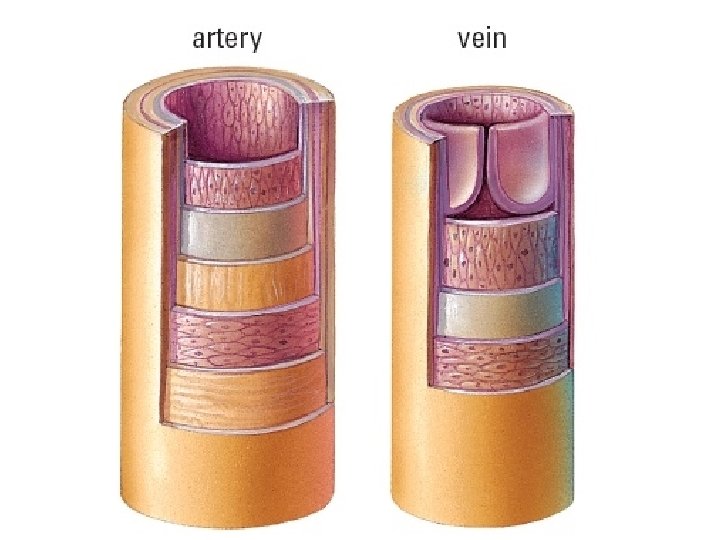
Arteries • Thick walls, layered • Middle layer is elastic layer & Muscle • Muscles controlled by Autonomic Nervous System.
Arteries – Blood Flow • Vasoconstriction: when the muscles in arteries contract almost closing the artery. This limits blood (therefore oxygen) to that area of the body. • Vasodialation: when the muscles relax in arteries allowing more blood (therefore oxygen) to that area of the body.
Aneurysm • When muscles of artery are weak. • Pressure from blood flow weakens it over time. • Eventually ruptures and cells don’t get blood. • If happens in brain, called a “Stroke”
Atherosclerosis
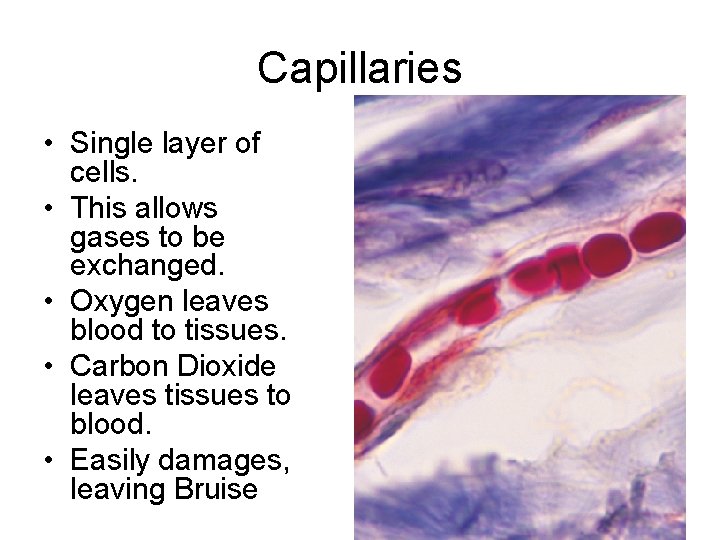
Capillaries • Single layer of cells. • This allows gases to be exchanged. • Oxygen leaves blood to tissues. • Carbon Dioxide leaves tissues to blood. • Easily damages, leaving Bruise
Veins
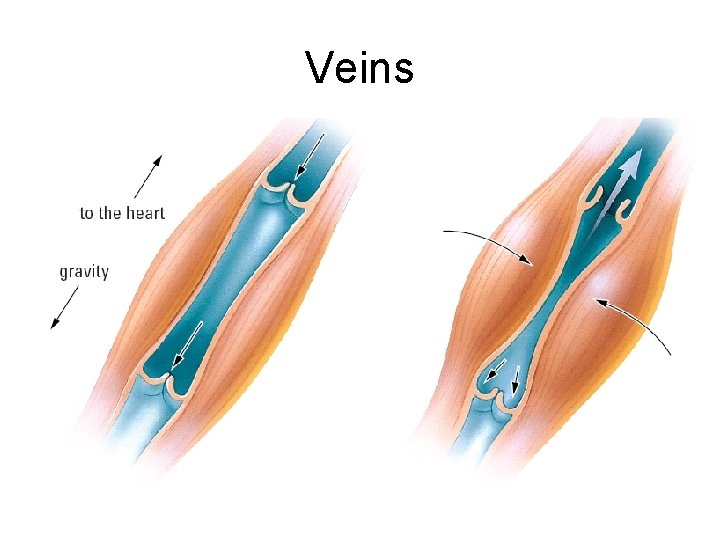
Veins • Have muscles also in layers. • Veins have Values that allow for onedirection blood flow. • • Blood flows in veins by: 1) Smooth muscle in vein itself 2) Skeletal muscle on bones 3) Blood in Capillaries pushing forward
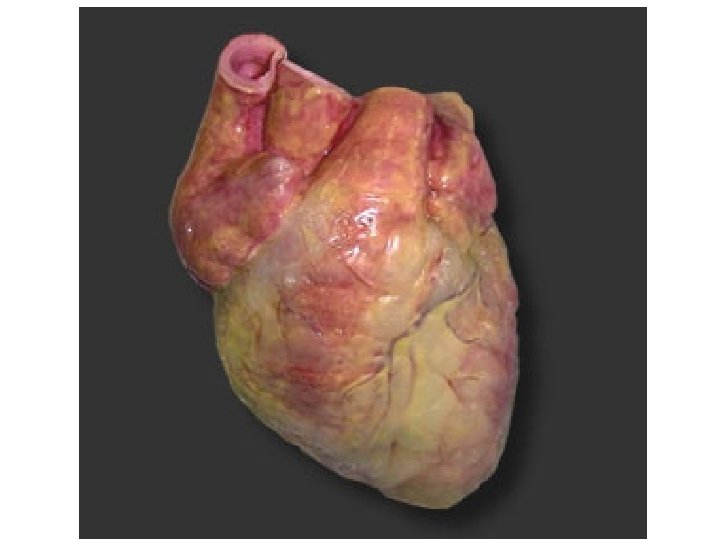
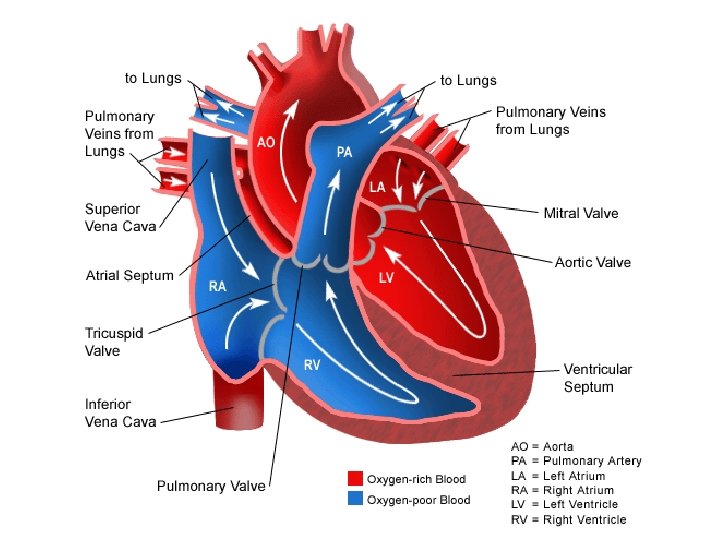
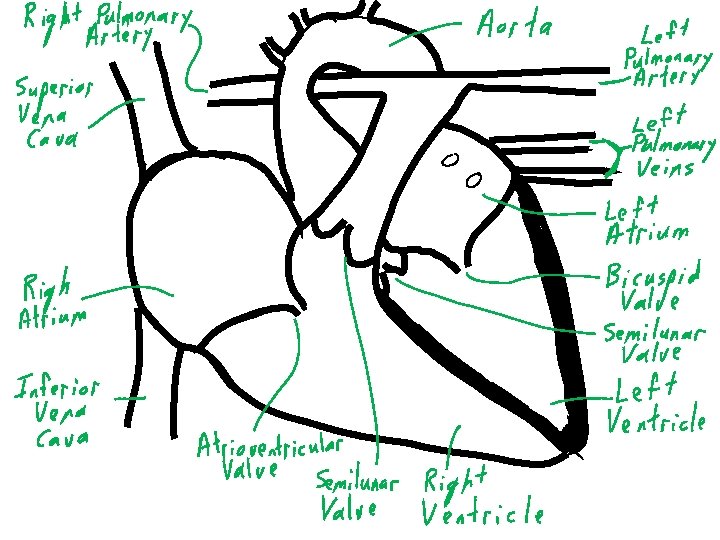
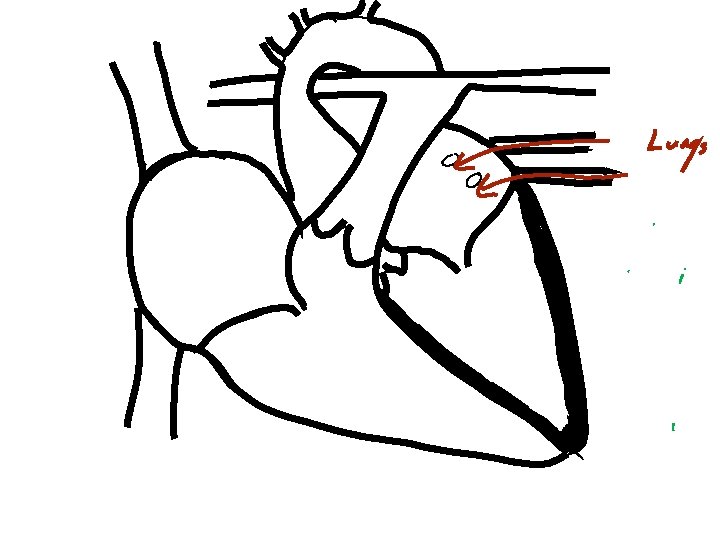
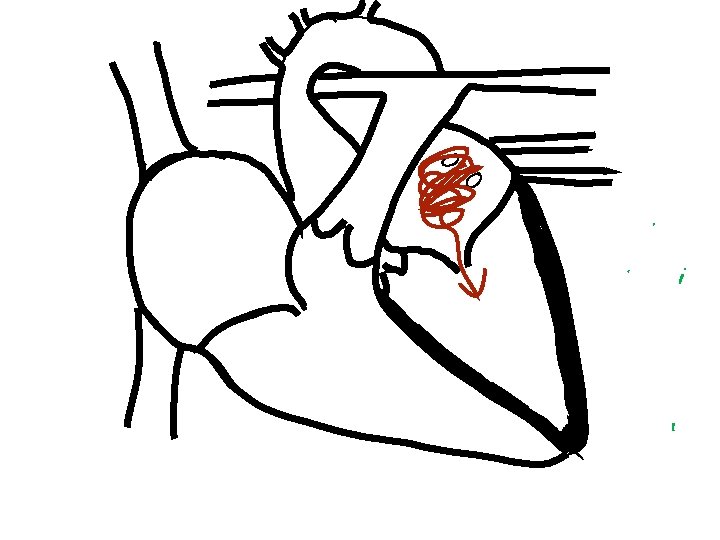
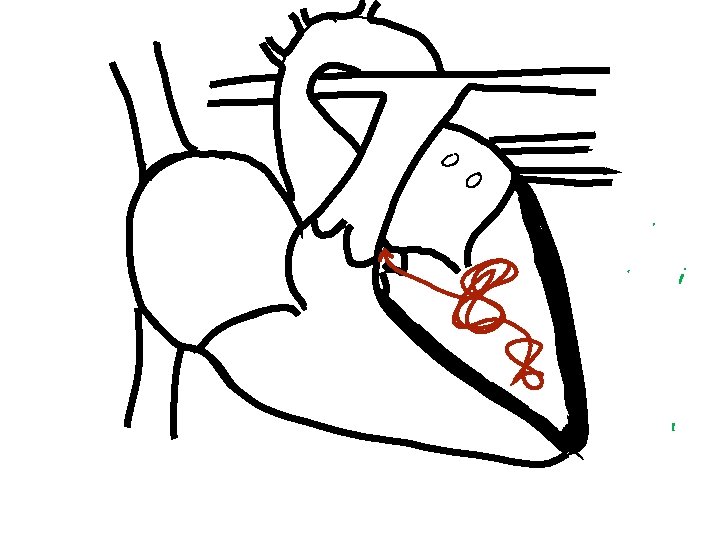
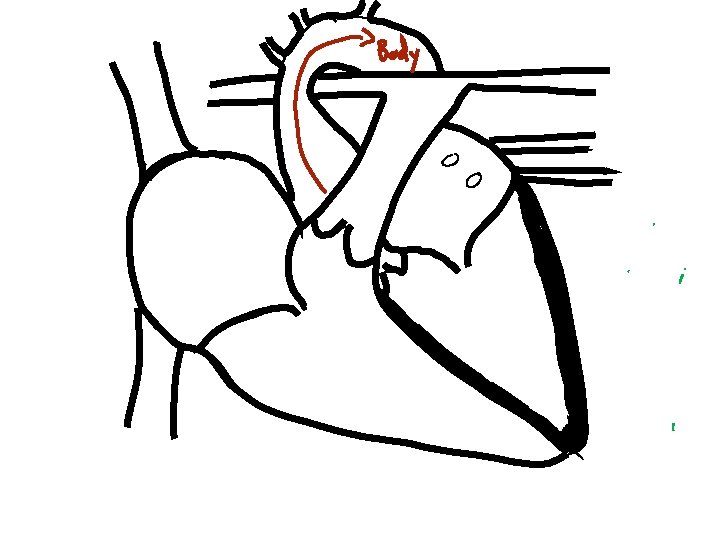
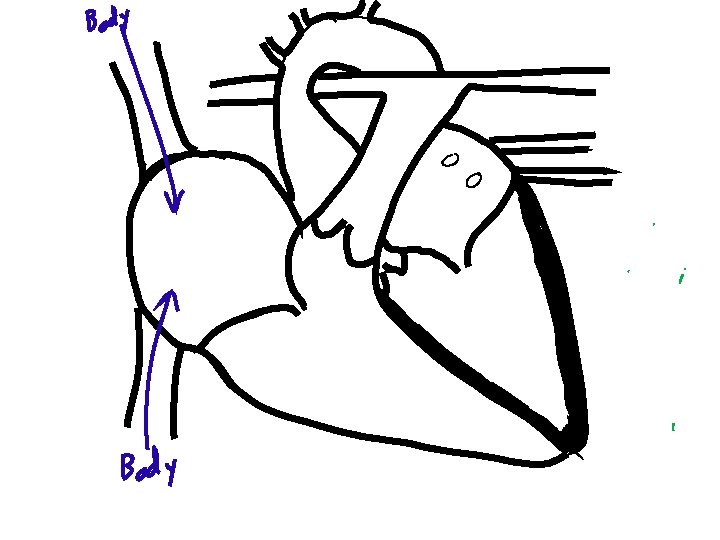
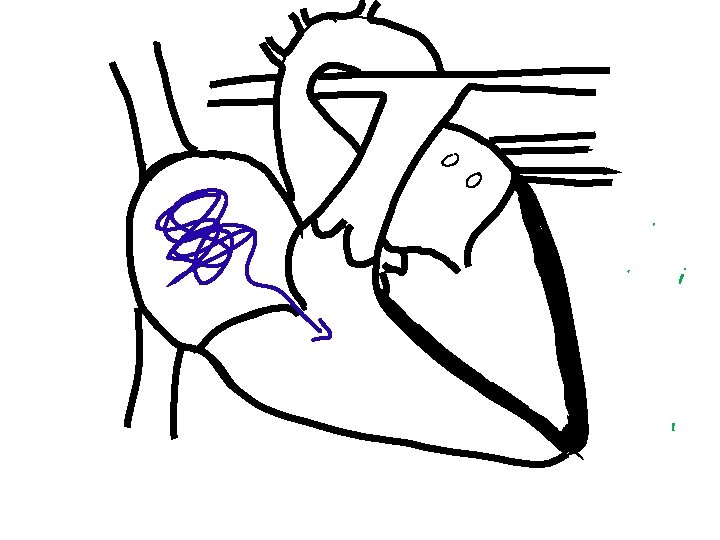
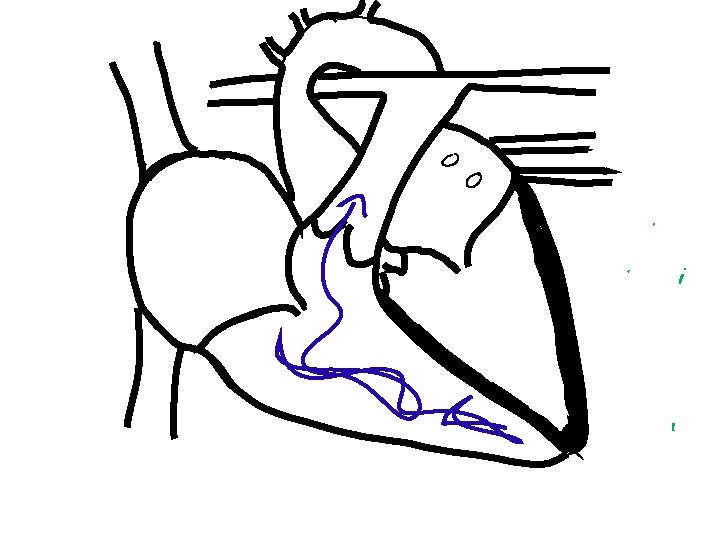
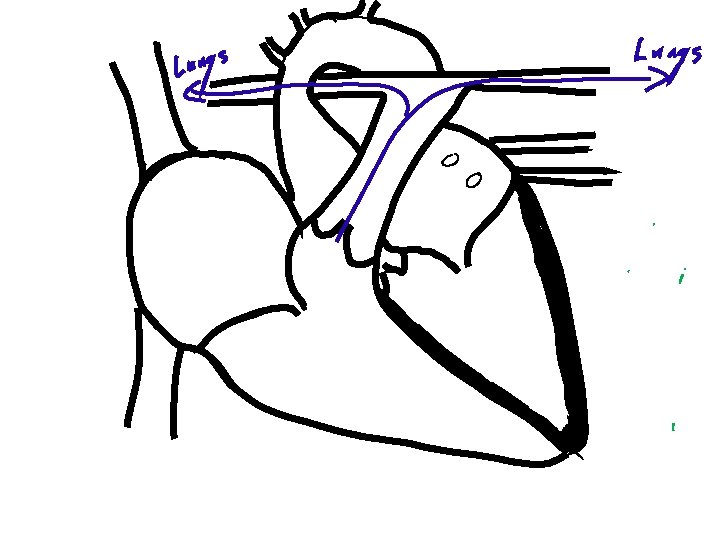
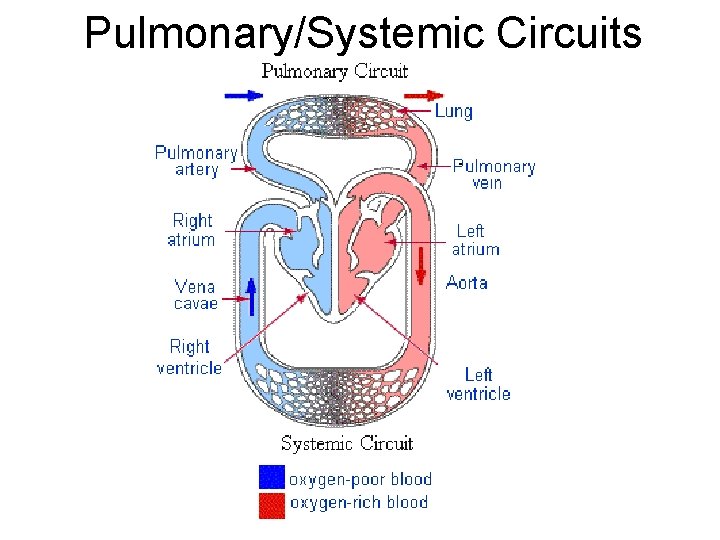
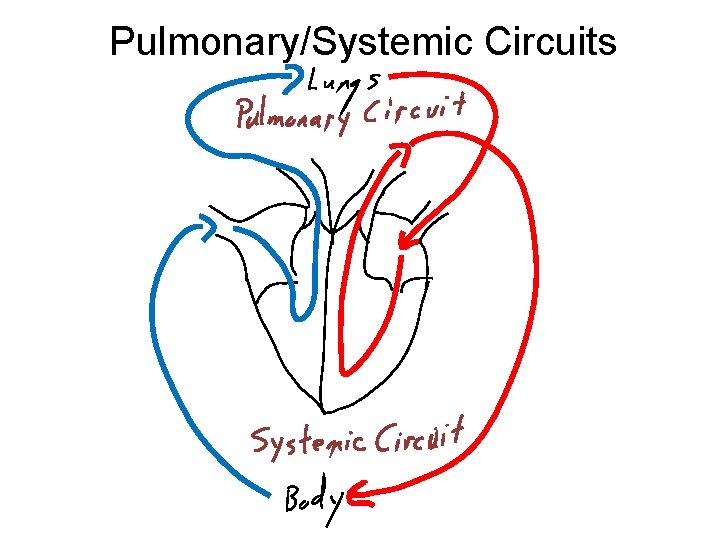
The Heart • The human heart has four chambers – Left and right ventricle – Left and right atrium • The left side of the heart pumps oxygenated blood to the body while the right side of the heart pumps deoxygenated blood to the lungs where oxygen can be absorbed by the hemoglobin carrying red blood cells
Pulmonary/Systemic Circuits
Pulmonary/Systemic Circuits