
CIRCULATORY SYSTEM The circulatory system functions to transport
- Slides: 33
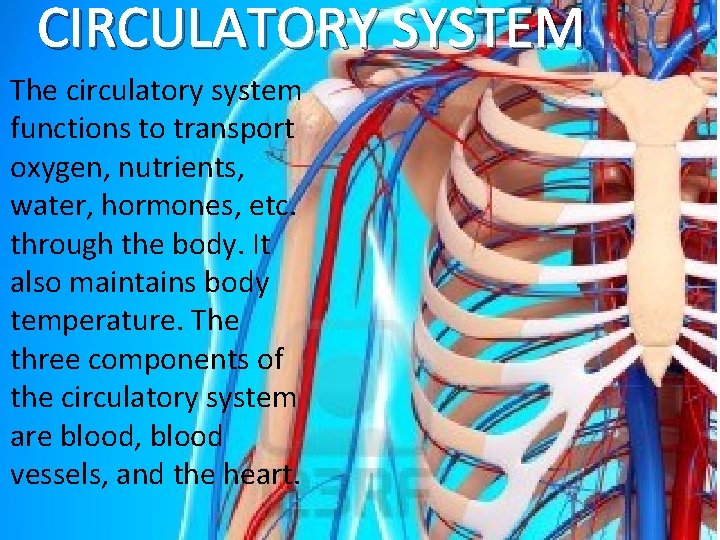
CIRCULATORY SYSTEM The circulatory system functions to transport oxygen, nutrients, water, hormones, etc. through the body. It also maintains body temperature. The three components of the circulatory system are blood, blood vessels, and the heart.
The Blood There is approximately 4 -5 L of blood in the body depending on body size.
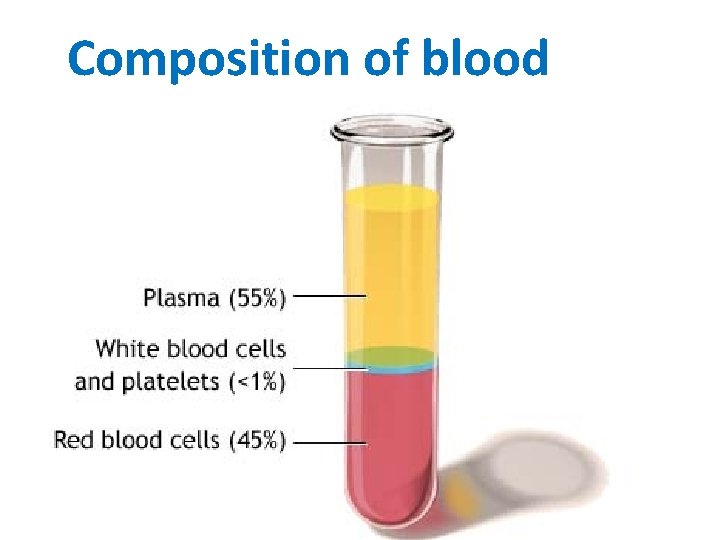
Composition of blood
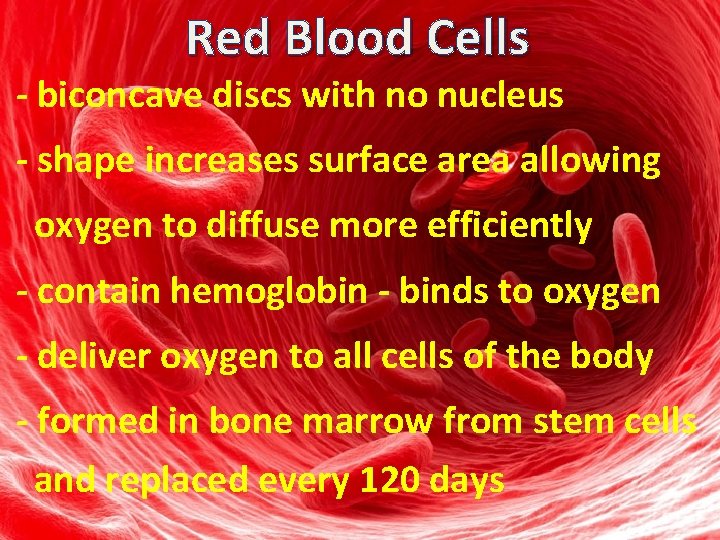
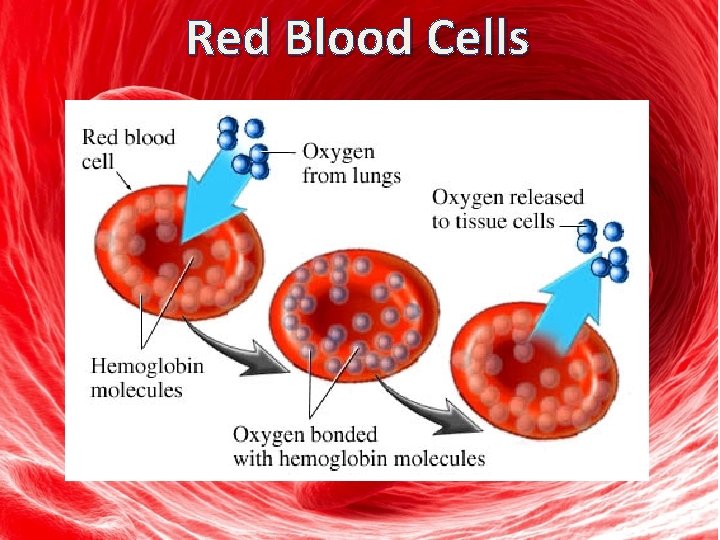
Red Blood Cells - biconcave discs with no nucleus - shape increases surface area allowing oxygen to diffuse more efficiently - contain hemoglobin - binds to oxygen - deliver oxygen to all cells of the body - formed in bone marrow from stem cells and replaced every 120 days
Red Blood Cells
Did you know… It takes about 20 seconds for a RBC to circulate the entire body!
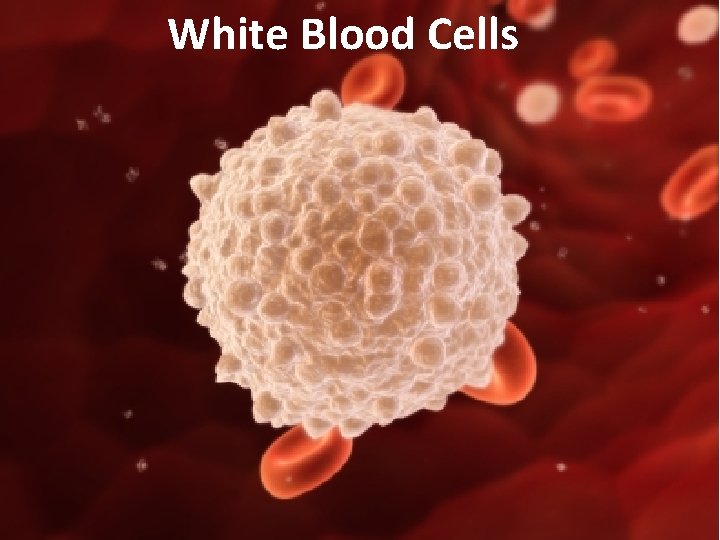
White Blood Cells
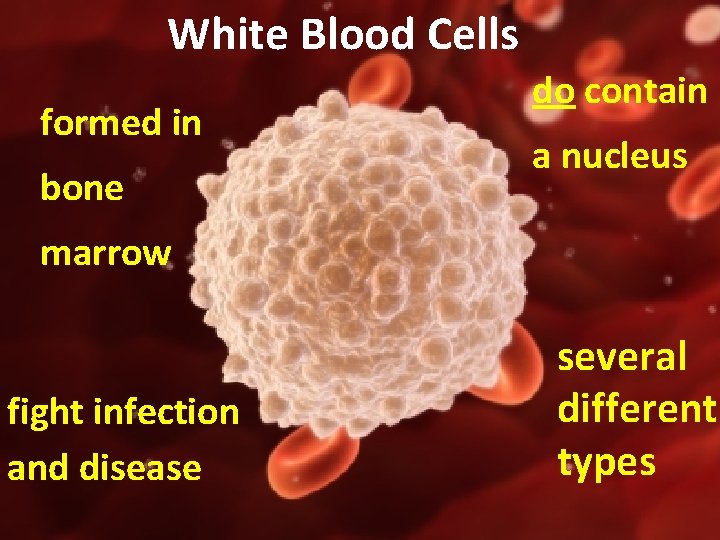
White Blood Cells formed in bone do contain a nucleus marrow fight infection and disease several different types
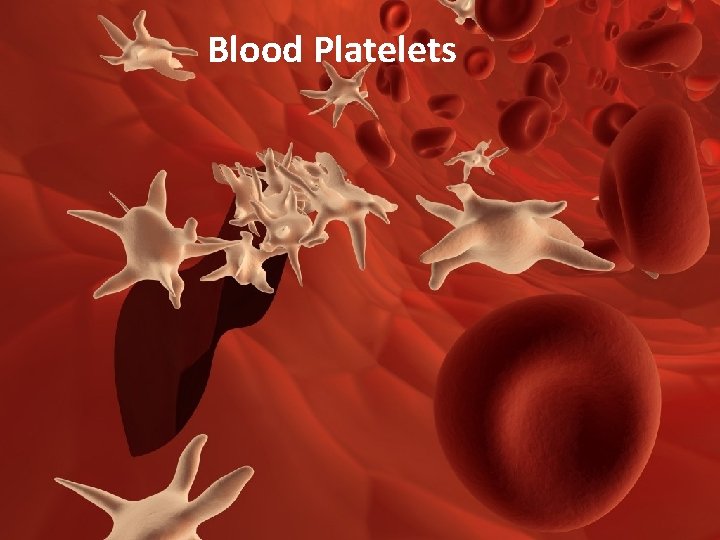
Blood Platelets
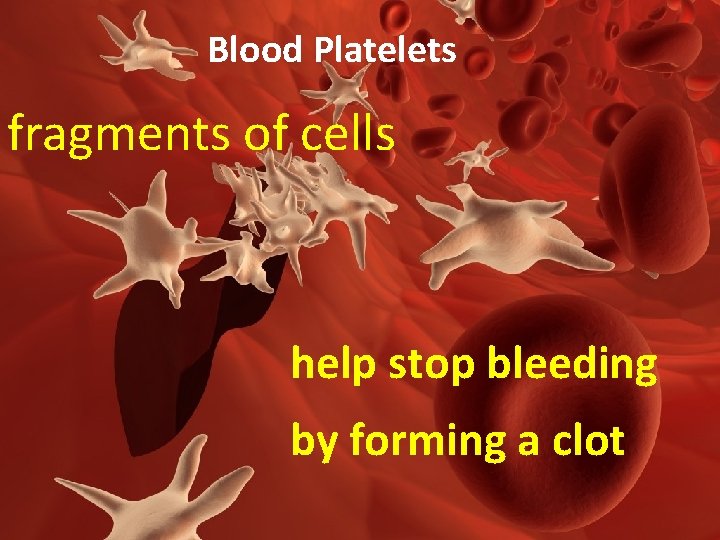
Blood Platelets fragments of cells help stop bleeding by forming a clot
Blood Plasma
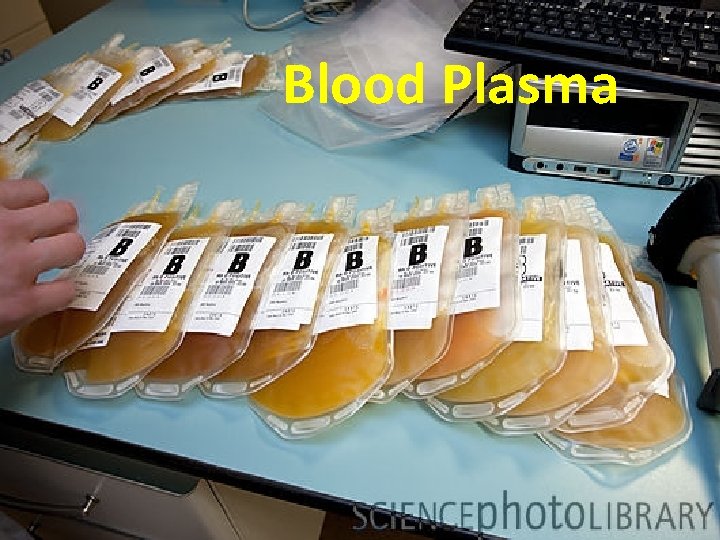
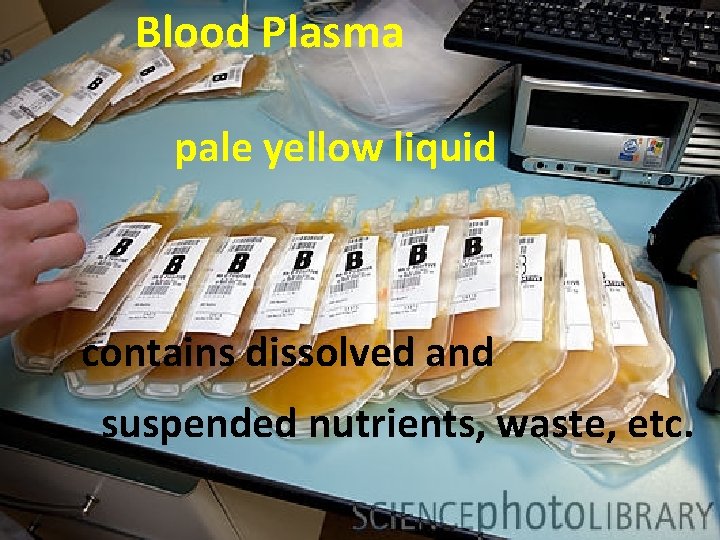
Blood Plasma pale yellow liquid contains dissolved and suspended nutrients, waste, etc.
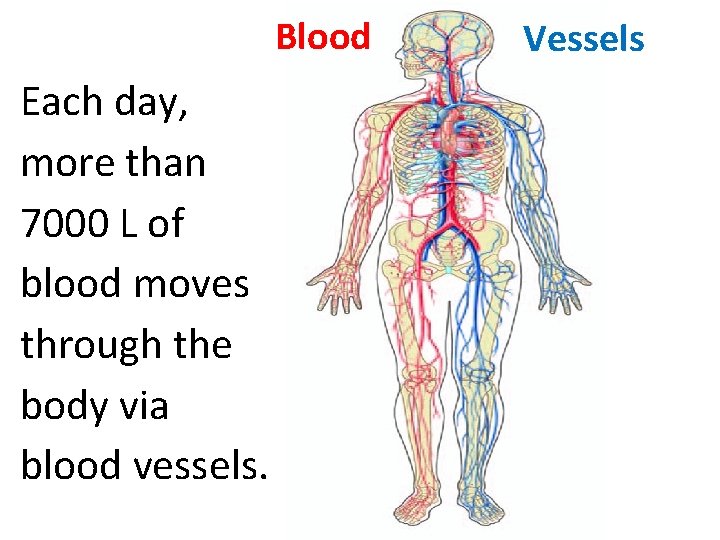
Blood Each day, more than 7000 L of blood moves through the body via blood vessels. Vessels
Animation of real-time travel of a red blood cell through the body https: //upload. wikimedia. org/wikipedia/commons/7/75/Erytrocyte_deoxy_to_oxy_v 0. 7. gif
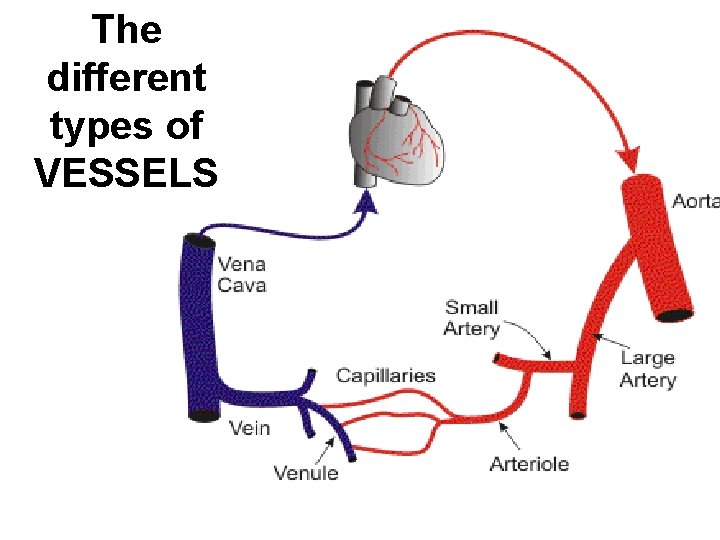
The different types of VESSELS
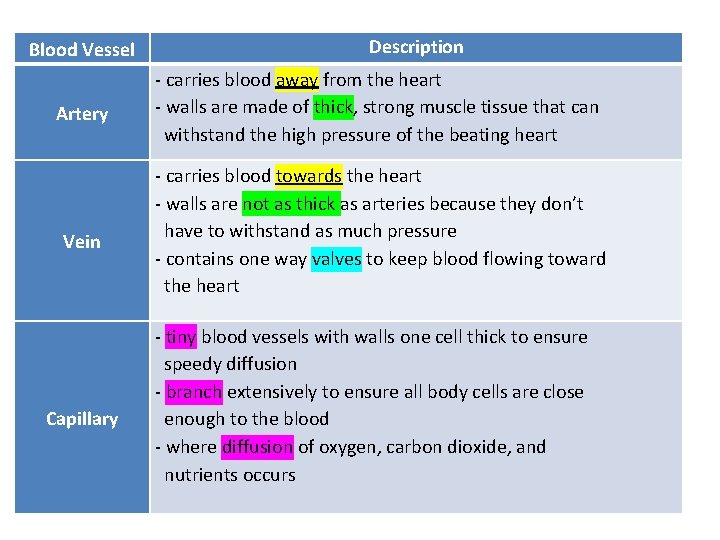
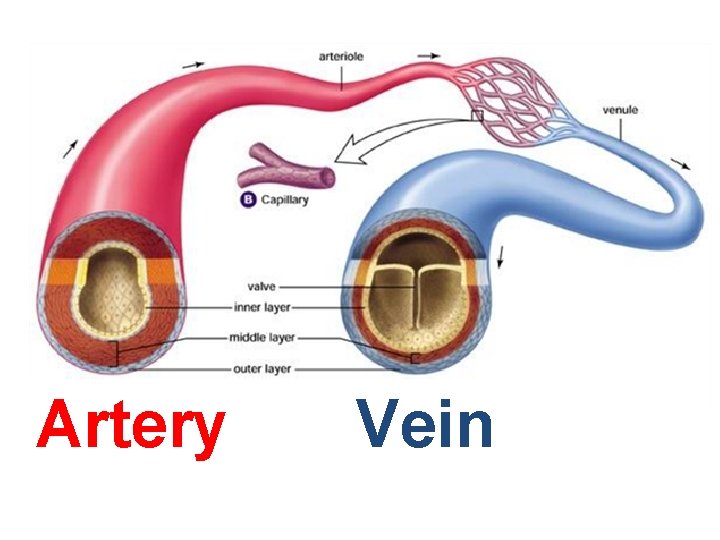
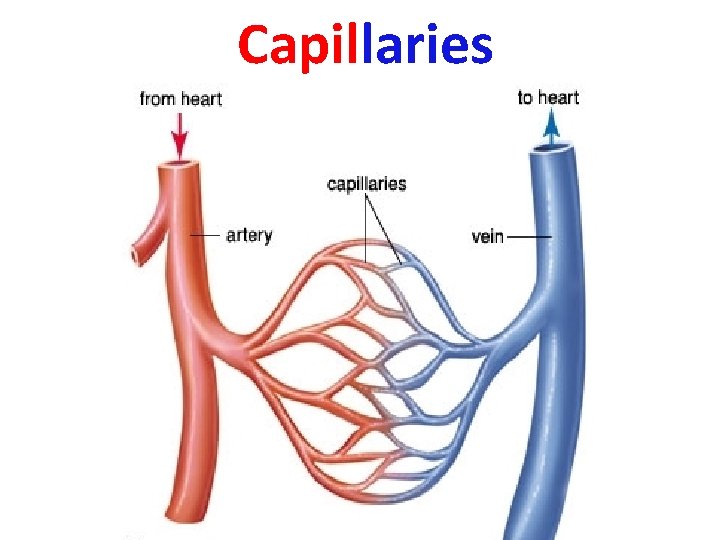
Blood Vessel Artery Vein Capillary Description - carries blood away from the heart - walls are made of thick, strong muscle tissue that can withstand the high pressure of the beating heart - carries blood towards the heart - walls are not as thick as arteries because they don’t have to withstand as much pressure - contains one way valves to keep blood flowing toward the heart - tiny blood vessels with walls one cell thick to ensure speedy diffusion - branch extensively to ensure all body cells are close enough to the blood - where diffusion of oxygen, carbon dioxide, and nutrients occurs
Artery Vein
Capillaries
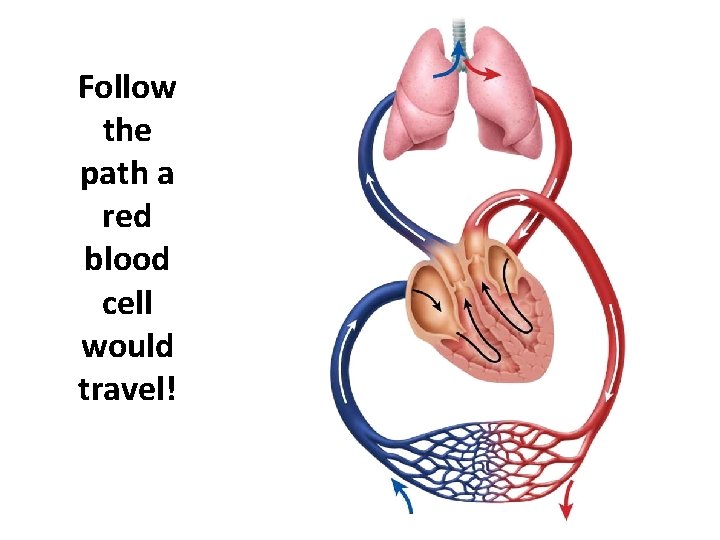
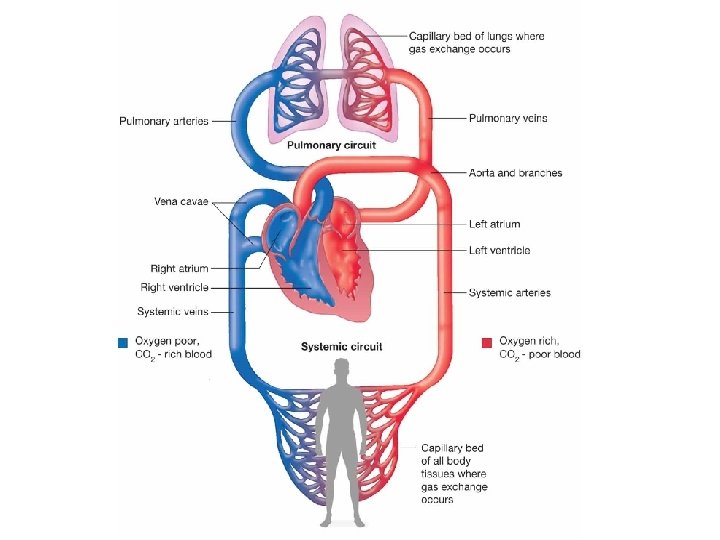
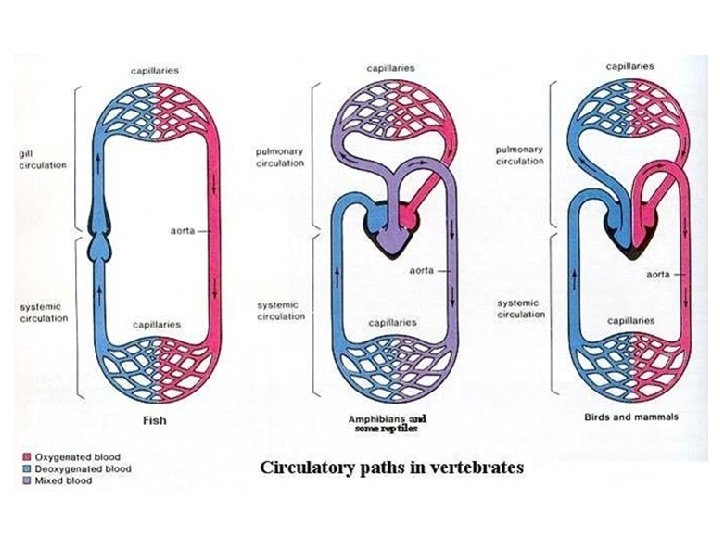
Blood travels through blood vessels in two distinct circuits: 1)PULMONARY CIRCUIT - moves deoxygenated blood from the heart, to the lungs (to pick up oxygen), and then returns to the heart 2) SYSTEMIC CIRCUIT - moves oxygenated blood from the heart, to the rest of the body (to deliver the oxygen), and then returns to the heart
Follow the path a red blood cell would travel!
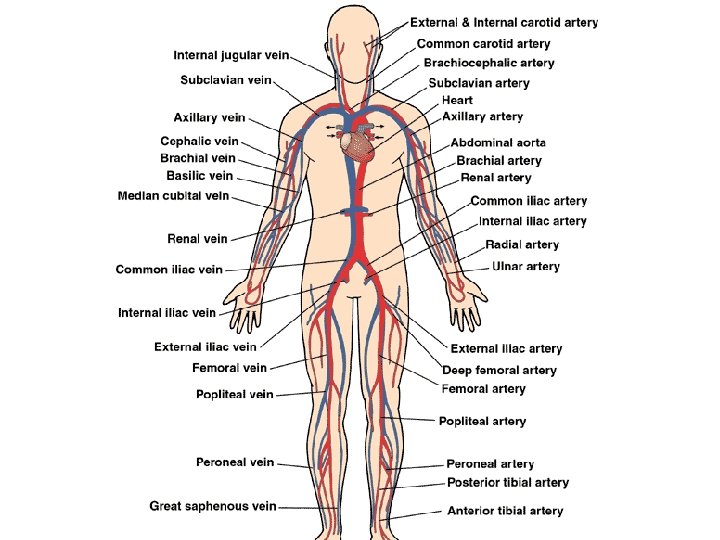
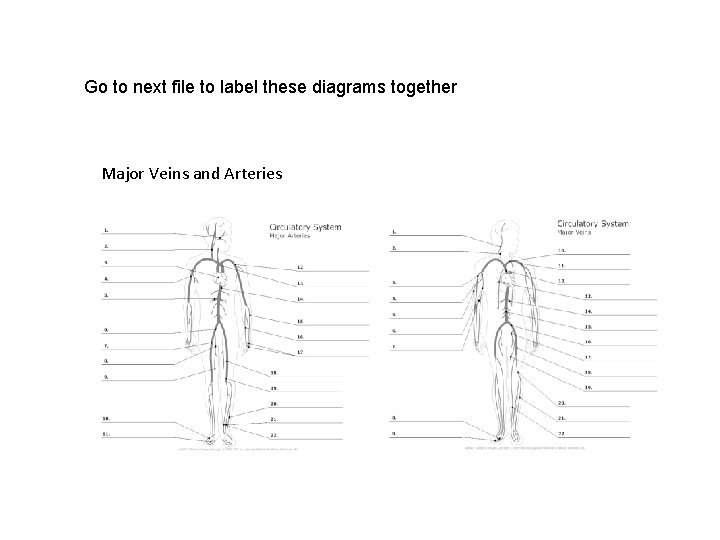
Go to next file to label these diagrams together Major Veins and Arteries
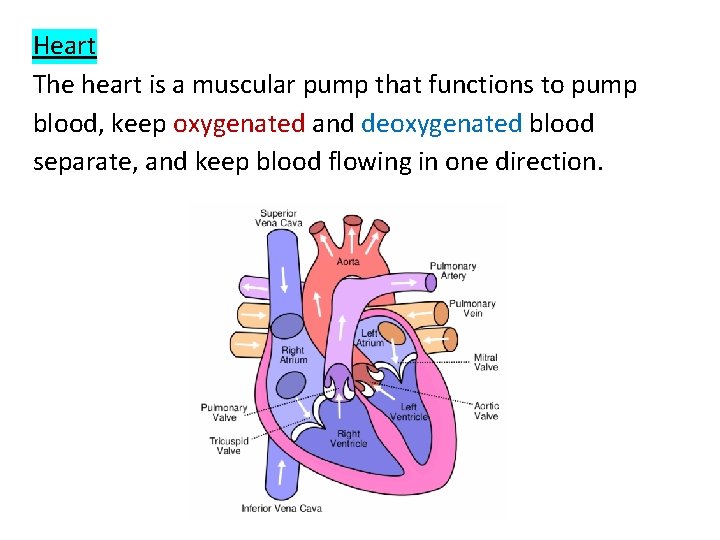
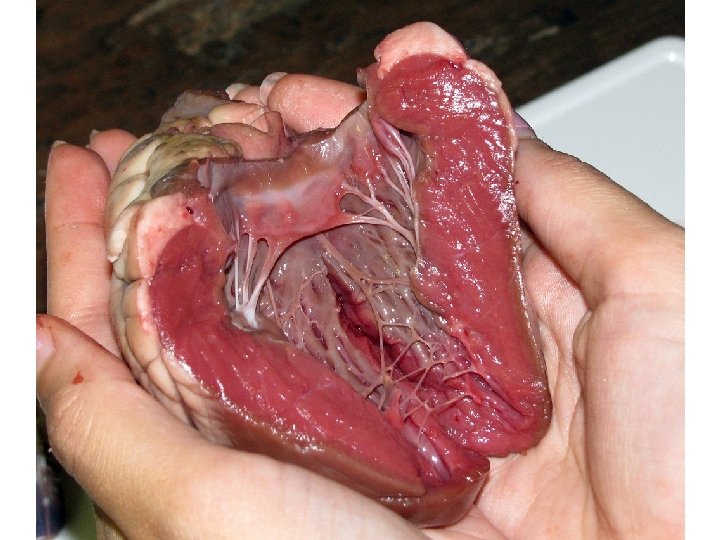
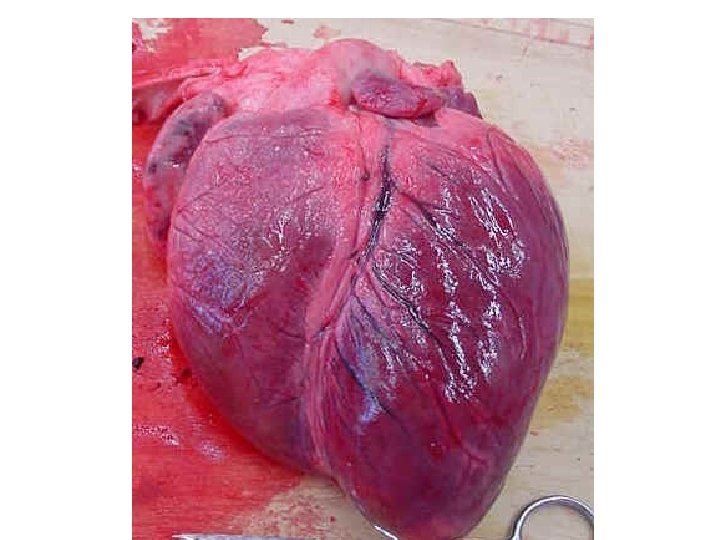
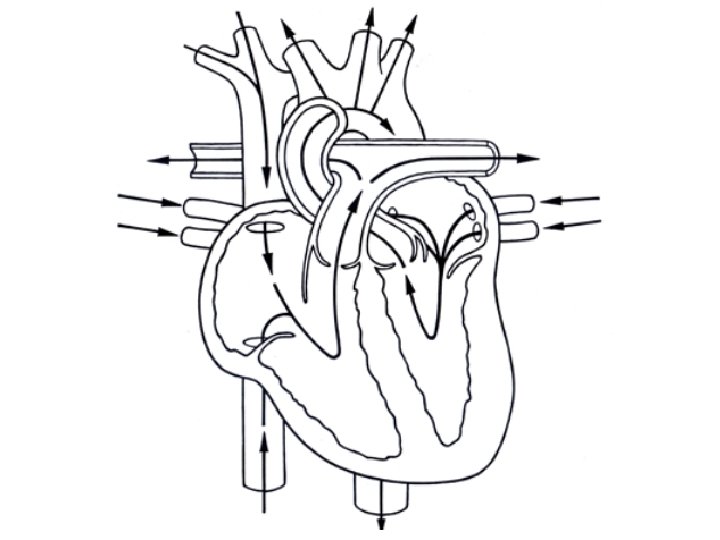
Heart The heart is a muscular pump that functions to pump blood, keep oxygenated and deoxygenated blood separate, and keep blood flowing in one direction.
Circulatory System – traveling through the heart: https: //www. youtube. com/watch? v=o. HMmtq. Kgs 50
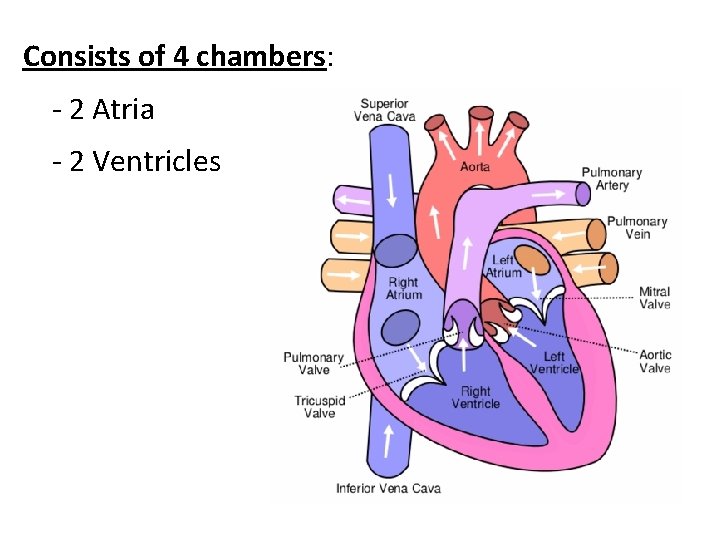
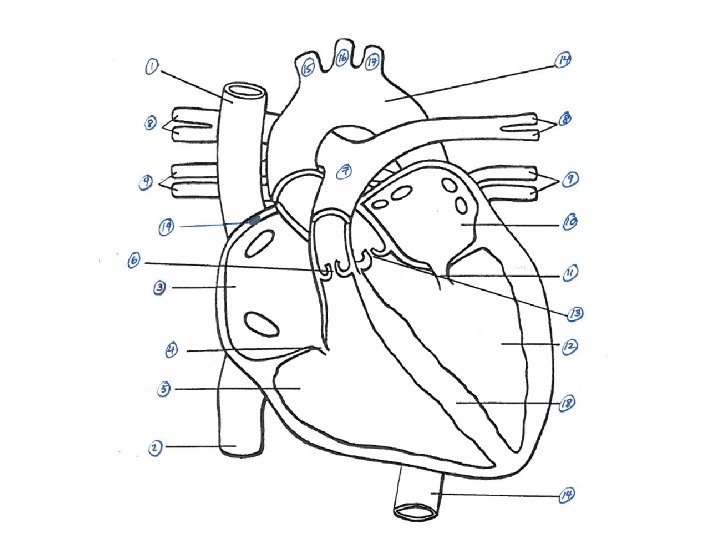
Consists of 4 chambers: - 2 Atria - 2 Ventricles
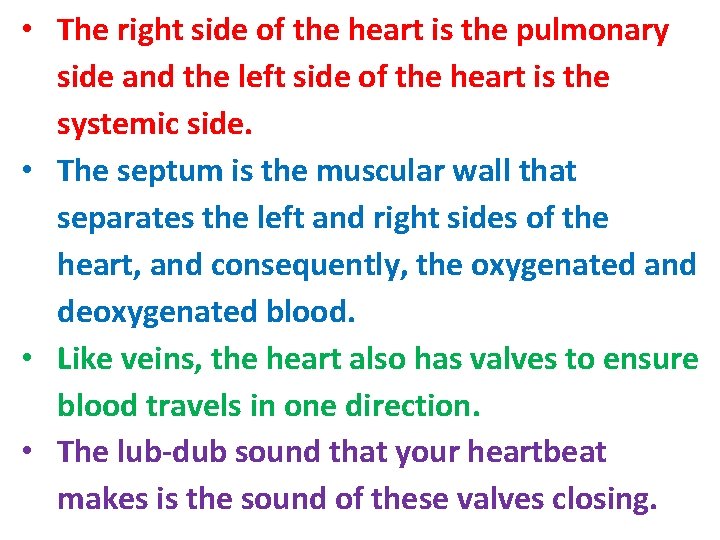
• The right side of the heart is the pulmonary side and the left side of the heart is the systemic side. • The septum is the muscular wall that separates the left and right sides of the heart, and consequently, the oxygenated and deoxygenated blood. • Like veins, the heart also has valves to ensure blood travels in one direction. • The lub-dub sound that your heartbeat makes is the sound of these valves closing.