
Circulatory system Pressure gradients move blood through the
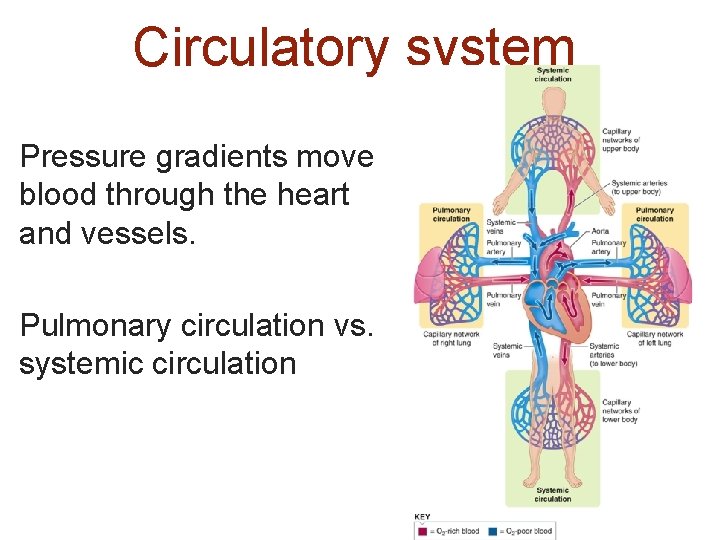
Circulatory system Pressure gradients move blood through the heart and vessels. Pulmonary circulation vs. systemic circulation

head and arms aorta (to pulmonary circuit) (from pulmonary circuit) heart other organs diaphragm “Double pump” both ventricles pump an equal volume of blood into systemic and pulmonary circuits Higher resistance through the systemic circuit liver intestines legs
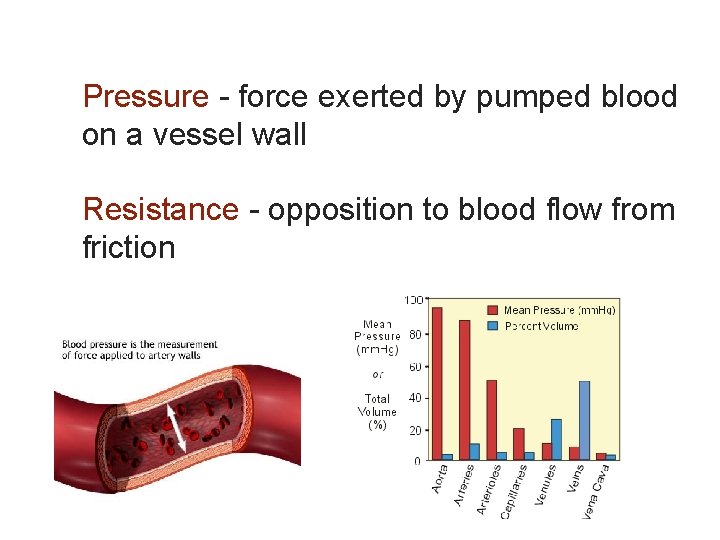
Pressure - force exerted by pumped blood on a vessel wall Resistance - opposition to blood flow from friction
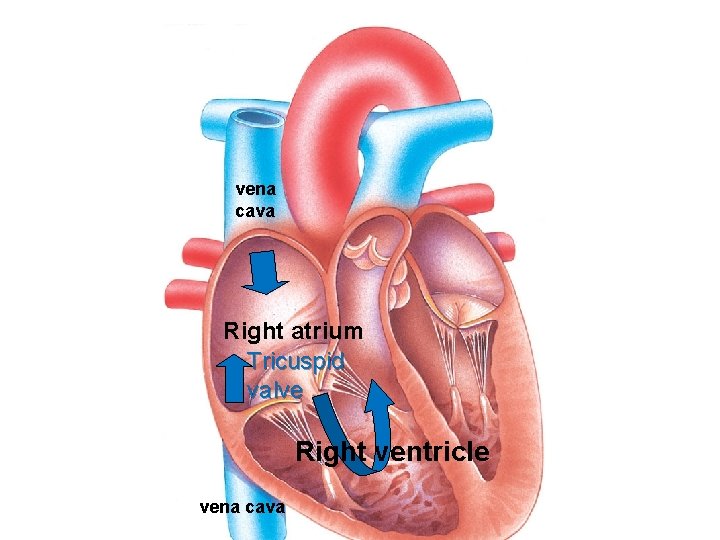
vena cava Right atrium Tricuspid valve Right ventricle vena cava
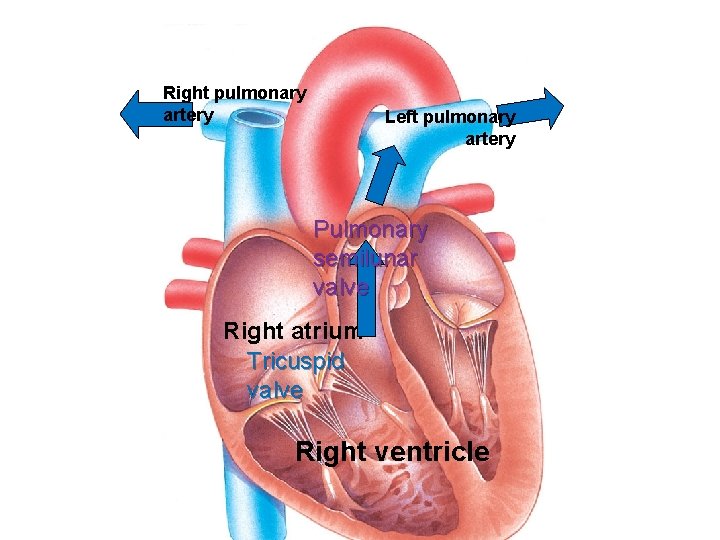
Right pulmonary artery Left pulmonary artery Pulmonary semilunar valve Right atrium Tricuspid valve Right ventricle
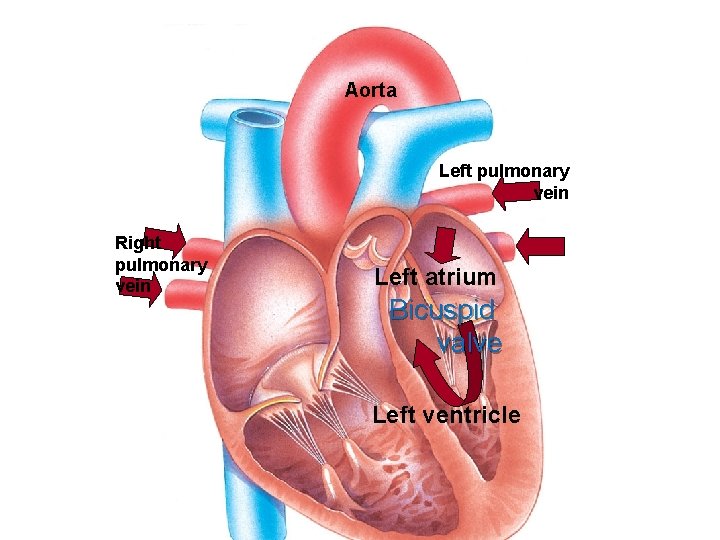
Aorta Left pulmonary vein Right pulmonary vein Left atrium Bicuspid valve Left ventricle
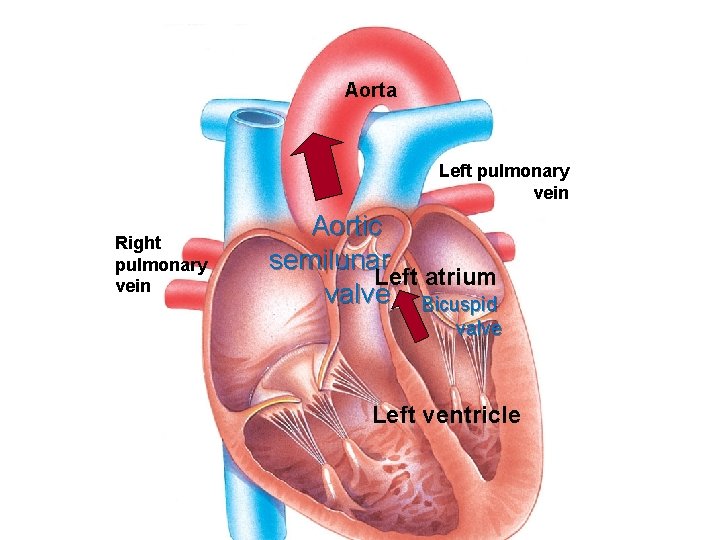
Aorta Left pulmonary vein Right pulmonary vein Aortic semilunar Left atrium valve Bicuspid valve Left ventricle
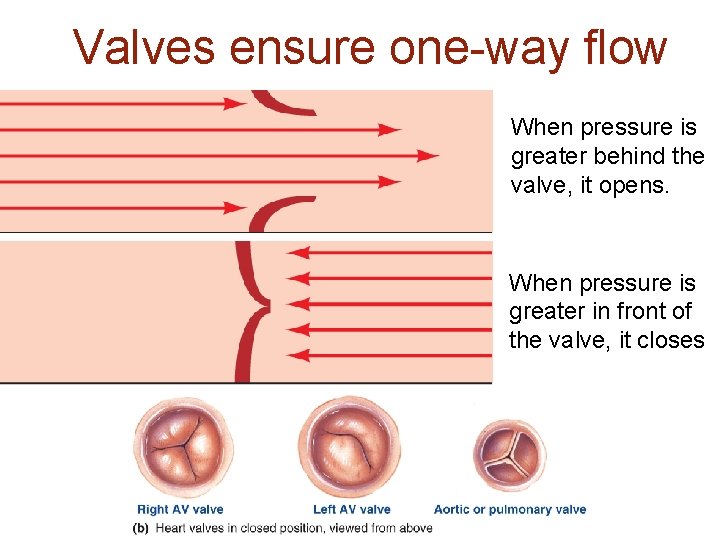
Valves ensure one-way flow When pressure is greater behind the valve, it opens. When pressure is greater in front of the valve, it closes Leakproof “seams” semilunar valve
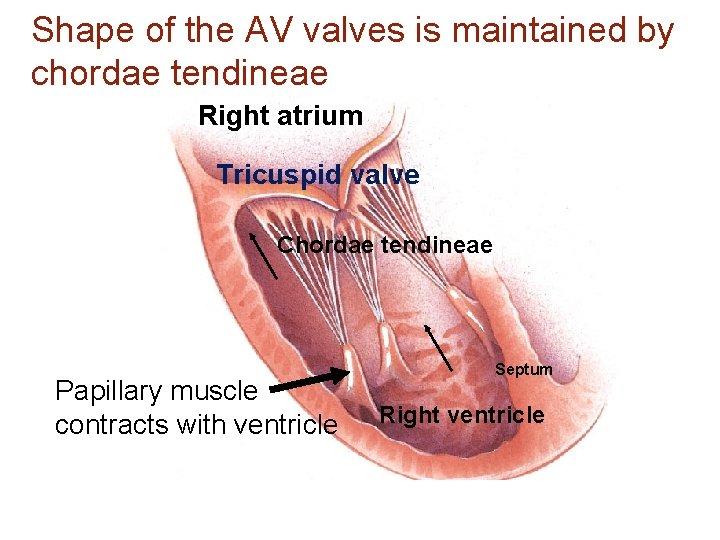
Shape of the AV valves is maintained by chordae tendineae Right atrium Tricuspid valve Chordae tendineae Papillary muscle contracts with ventricle Septum Right ventricle
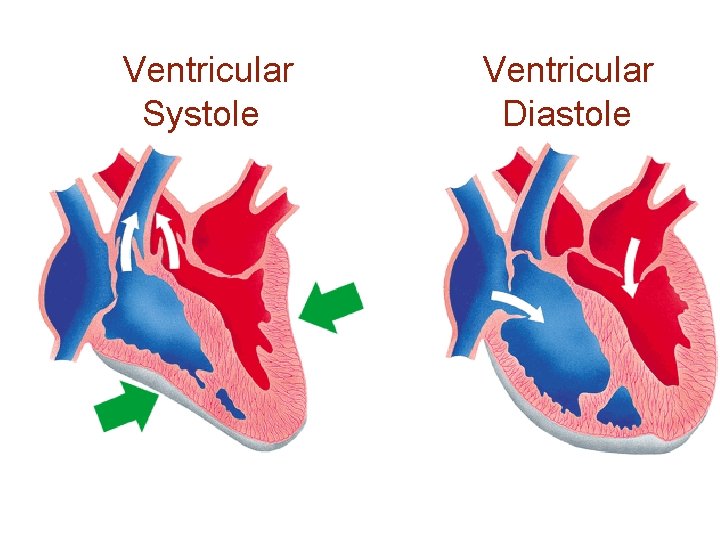
Ventricular Systole Ventricular Diastole
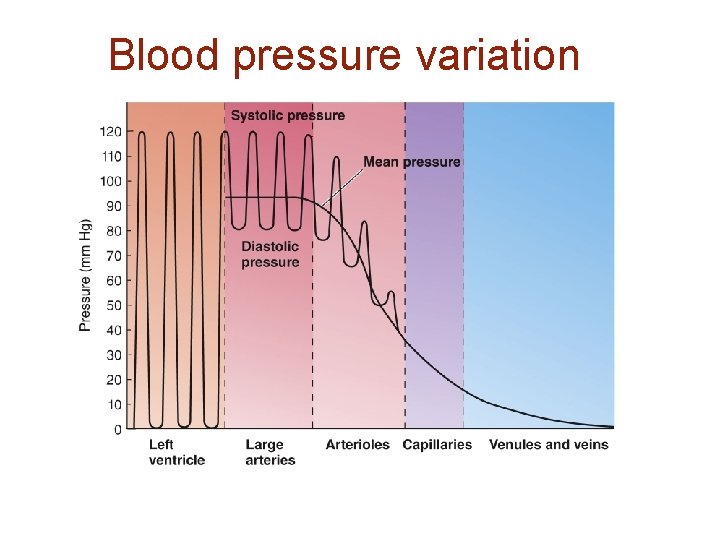
Blood pressure variation
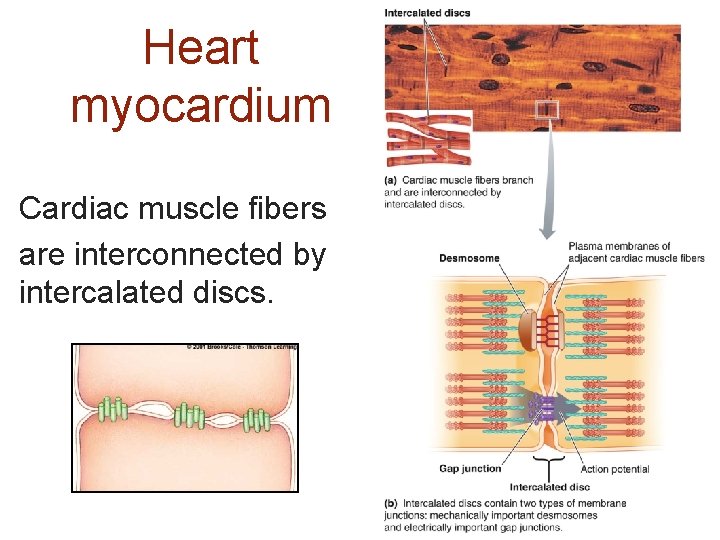
Heart myocardium Cardiac muscle fibers are interconnected by intercalated discs.
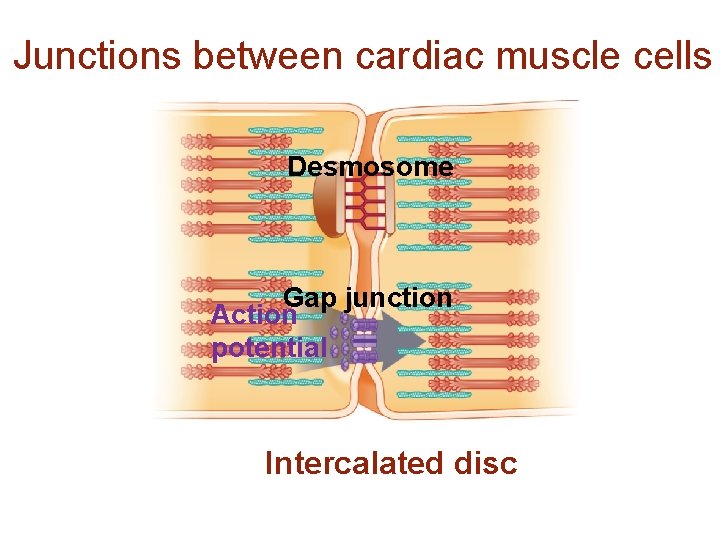
Junctions between cardiac muscle cells Desmosome Gap junction Action potential Intercalated disc
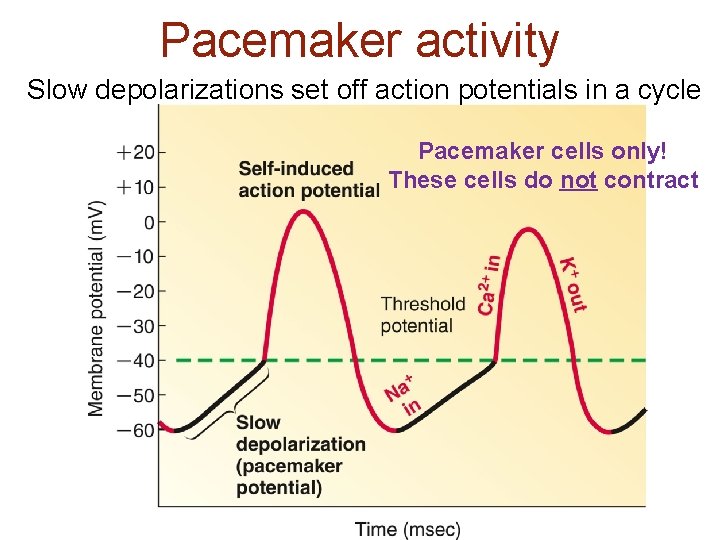
Pacemaker activity Slow depolarizations set off action potentials in a cycle Pacemaker cells only! These cells do not contract
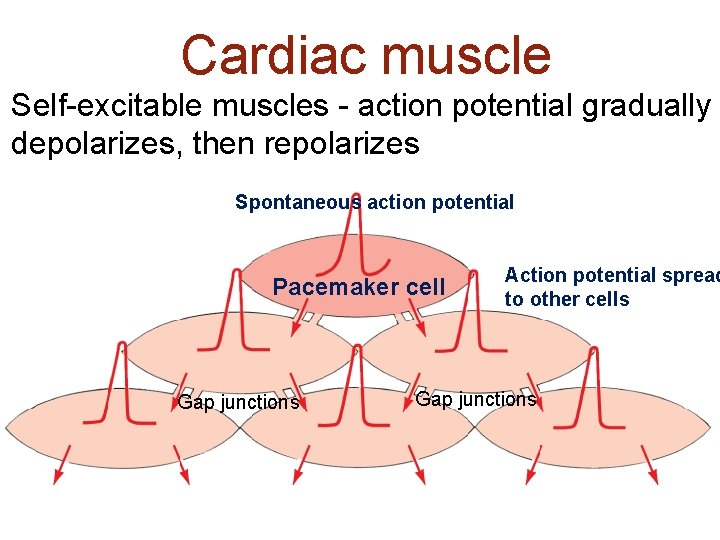
Cardiac muscle Self-excitable muscles - action potential gradually depolarizes, then repolarizes Spontaneous action potential Pacemaker cell Gap junctions Action potential spread to other cells Gap junctions
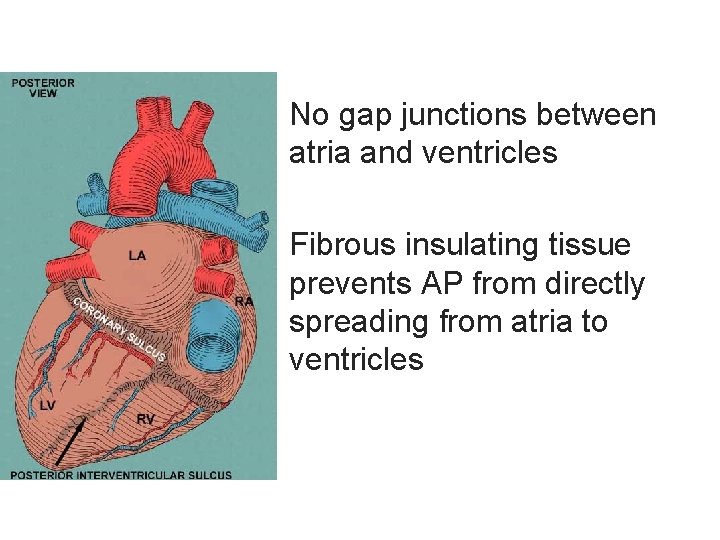
No gap junctions between atria and ventricles Fibrous insulating tissue prevents AP from directly spreading from atria to ventricles
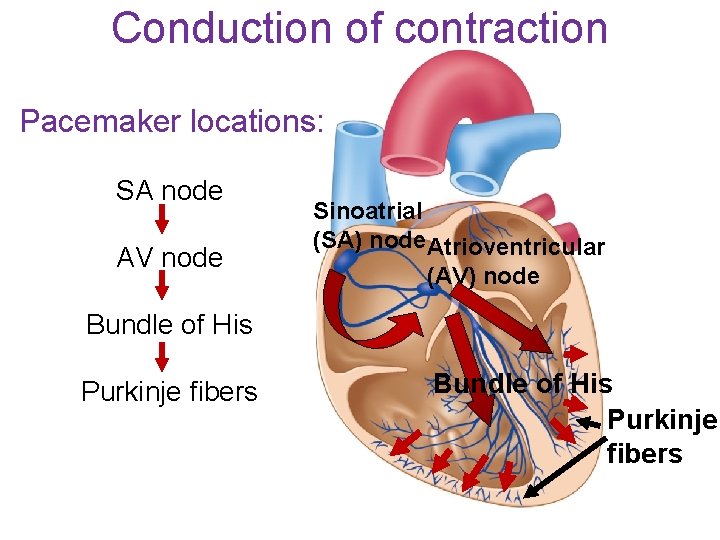
Conduction of contraction Pacemaker locations: SA node AV node Sinoatrial (SA) node. Atrioventricular (AV) node Bundle of His Purkinje fibers
- Slides: 17