
Circulatory System Heart Structure and Function Our Goal
- Slides: 30
Circulatory System Heart Structure and Function
Our Goal This Section. . . • Describe the parts of the heart and how they work together
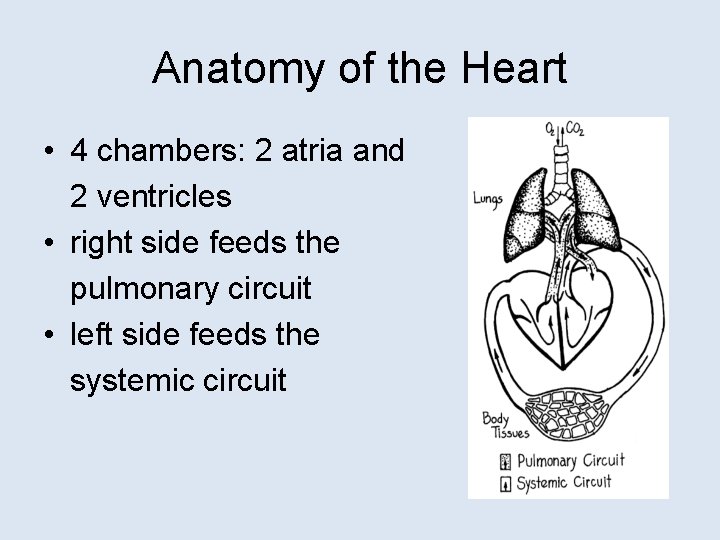
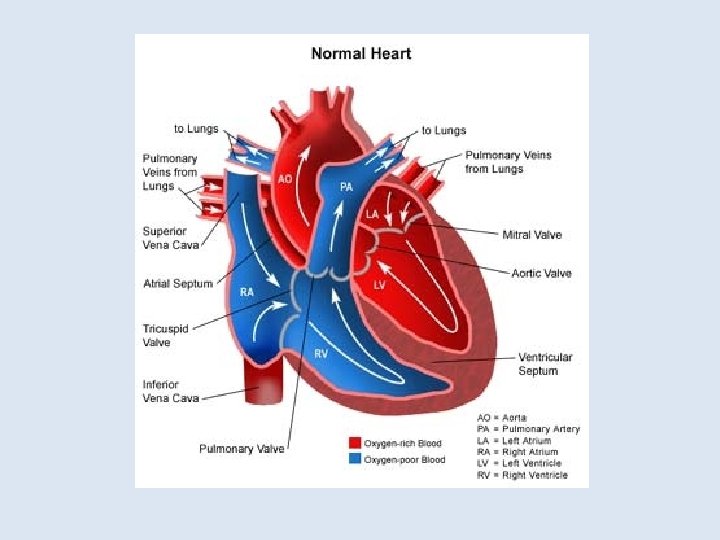
Anatomy of the Heart • 4 chambers: 2 atria and 2 ventricles • right side feeds the pulmonary circuit • left side feeds the systemic circuit
Atria • Receiving chambers • Right Atria accepts blood from the anterior and posterior vena cavae (DEOXYGENATED BLOOD) • Left Atria accepts blood from the pulmonary veins (OXYGENATED BLOOD)
Atrioventricular Valves • Structure: • Location: • Function: • How it works:
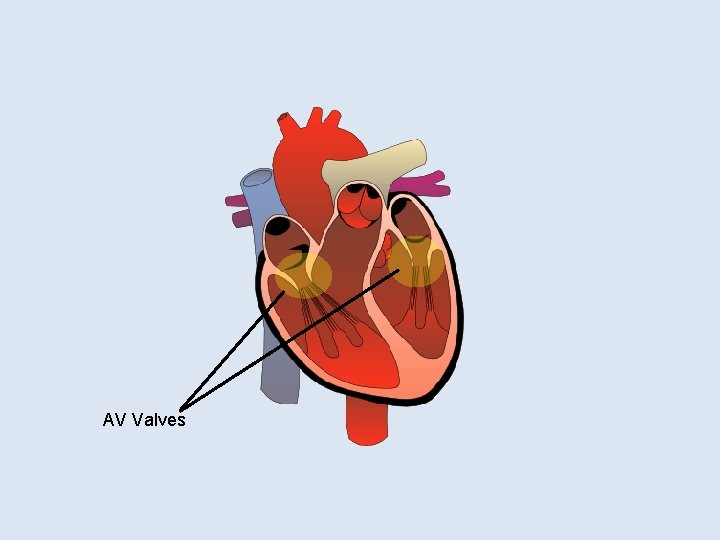
Atrioventricular Valves • Structure: Flaps of tissue • Location: Separate the atria from the ventricles • Function: Ensure no back flow of blood in the heart • How it works: when the blood pressure in the atria is greater then the blood pressure in the ventricles - valves open (atrial contraction) allowing blood to enter the ventricles
AV Valves
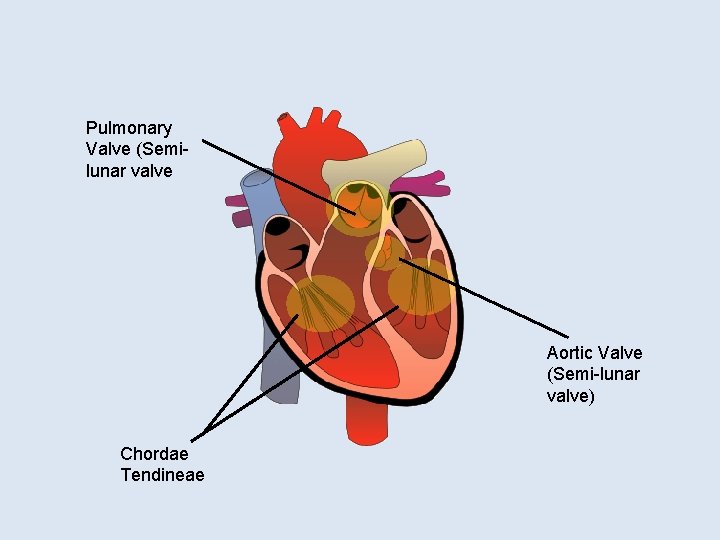
Chordae Tendoneae • Tendons • Attach AV valves to ventricles • Prevent AV valves from inverting when the ventricles contract
Ventricles • Contract together to send blood out of the heart • Fill with blood when the atria contract • Right ventricle contracts causing the AV closed and blood enters pulmonary valve - leads to the pulmonary trunk and then pulmonary arteries • Pulmonary arteries take blood to lungs for oxygen • In left ventricle the flow of blood is the same except that the blood enters the aortic valve which leads to the aorta • Semi-lunar valves
Pulmonary Valve (Semilunar valve Aortic Valve (Semi-lunar valve) Chordae Tendineae
Septum • Structure: • Keeps _________ and _________ circuits separate
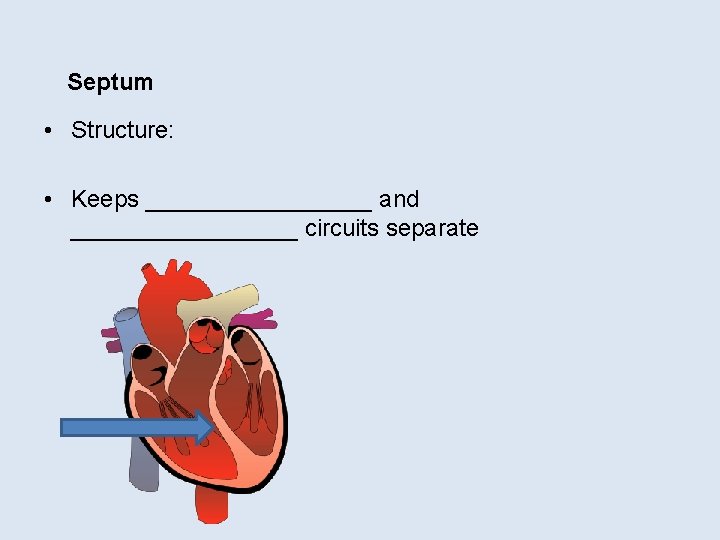
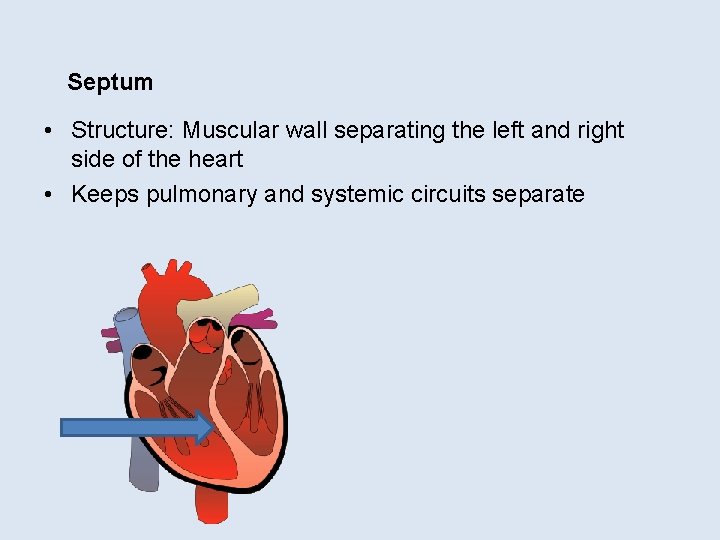
Septum • Structure: Muscular wall separating the left and right side of the heart • Keeps pulmonary and systemic circuits separate
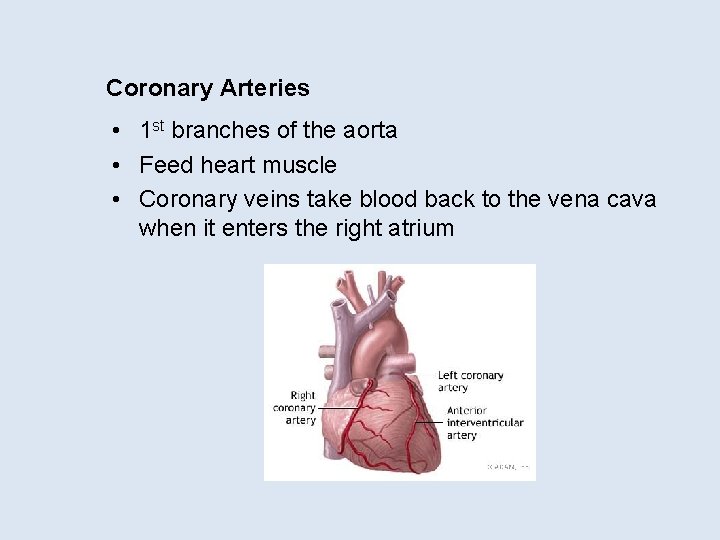
Coronary Arteries • 1 st branches of the aorta • Feed heart muscle • Coronary veins take blood back to the vena cava when it enters the right atrium
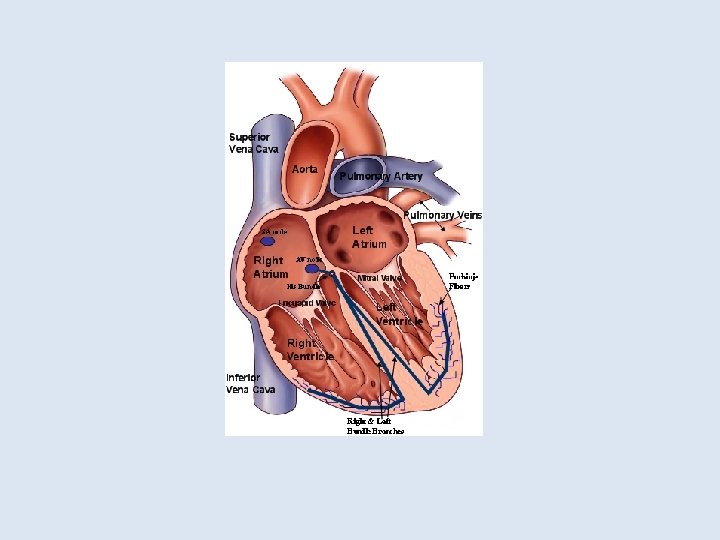
Control of the Heart • • Sino-atrial (SA) node Atrio-ventricular (AV) node Right Atrium Made of special muscles and nerve cells that can contract without stimuli – will continue beating even outside of the body! • SA nodes is along the wall of the atrial chamber • AV node is deeper, close to the AV valve
SA Node AV Node • Causes atrial contraction • Send nerve impulse to the _________ (causes it to respond) • Nicknamed the __________ as it initiates the heartbeat • AV node uses __________ ___to stimulate the massive ventricles • Purkinje fibers are nerves that begin at the AV node sending impulses through both __________ ___
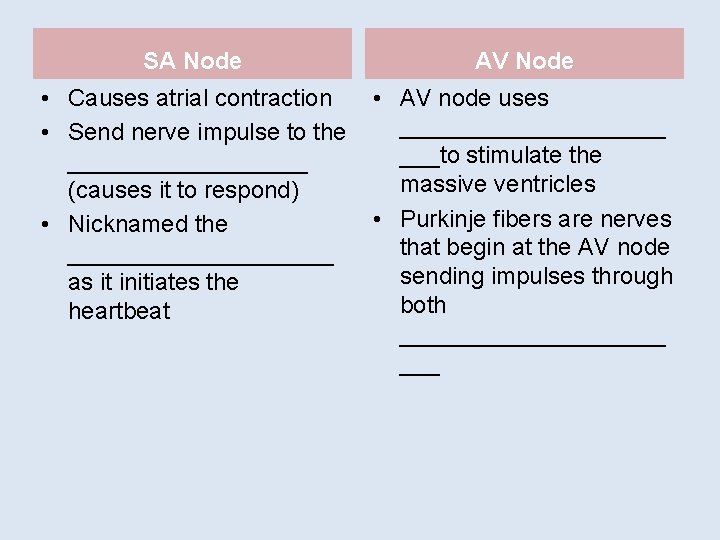
SA Node AV Node • Causes atrial contraction • Send nerve impulse to the AV node (causes it to respond) • Nicknamed the pacemaker as it initiates the heartbeat • AV node uses PURKINJE FIBERS to stimulate the massive ventricles • Purkinje fibers are nerves that begin at the AV node sending impulses through both ventricles
Remember Our Goal. . . • Describe the parts of the heart and how they work together
Our Goal this Section. . . • Analyse the relationship between heart rate and blood pressure
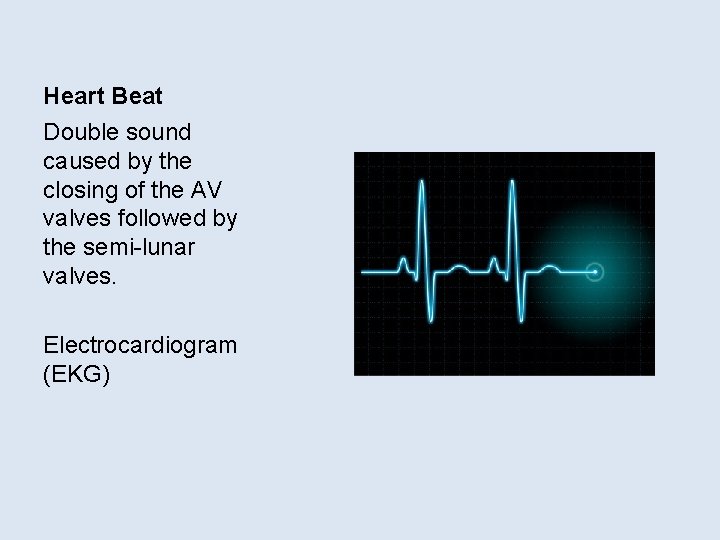
Heart Beat Double sound caused by the closing of the AV valves followed by the semi-lunar valves. Electrocardiogram (EKG)
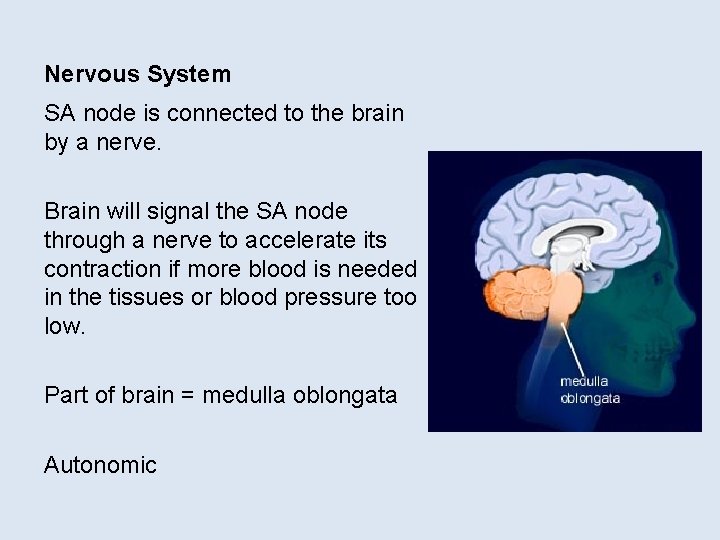
Nervous System SA node is connected to the brain by a nerve. Brain will signal the SA node through a nerve to accelerate its contraction if more blood is needed in the tissues or blood pressure too low. Part of brain = medulla oblongata Autonomic
Blood Pressure • Low blood pressure can be harmful • Kidneys function is dependent BP • Hypertension: ____________ • Hypotension: ____________ __ • Body can adjust BP – monitored in the ____________ of the brain – Arterioles constrict or dilate to raise or lower BP
Blood Pressure • • • Low blood pressure can be harmful Kidneys function is dependent BP Hypertension: high BP Hypotension: low BP Body can adjust BP – monitored in the medulla oblongata of the brain – Arterioles constrict or dilate to raise or lower BP
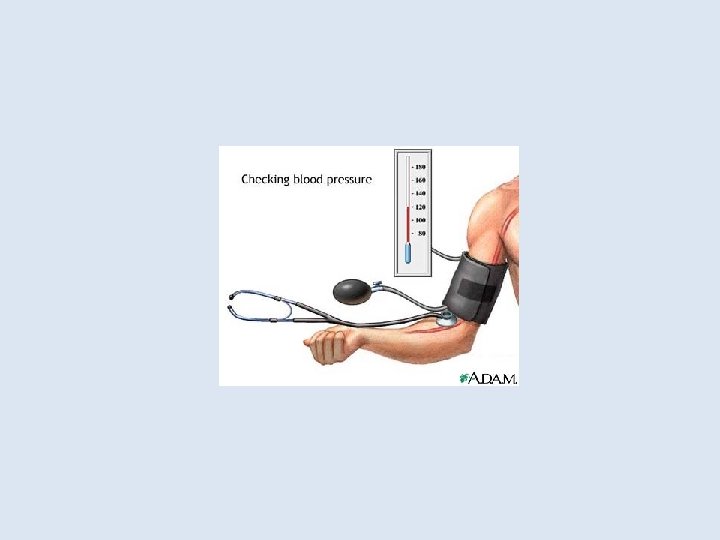
Blood Pressure • Force of blood against the blood vessel walls • Greater when the ventricles are contracting (forcing blood through arteries) – SYSTOLIC PRESSURE • Between contractions the blood pressure is lower – DIASTOLIC PRESSURE • Measured along the brachial artery of the arm
Blood Pressure • • • 120/80 mm. Hg is normal High blood pressure strains tissues being fed by blood High blood pressure is normal during physical activity Blood pressure is affected by lifestyle, diet and stress Plaques can line the insides of arteries and arterioles increasing BP • If plaque block a blood vessel then tissue damage or tissue death may occur • If coronary arteries are blocked then part of heart muscle may die – heart attack
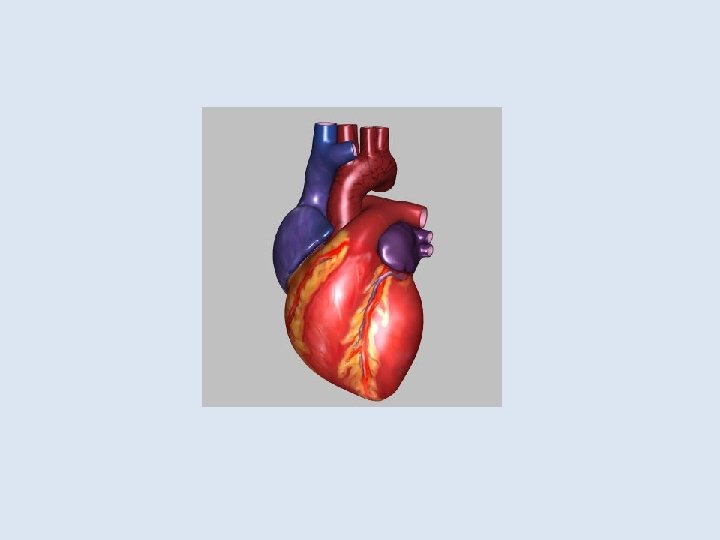
Heart Structure Heart Beat Blood Pressure