
Circulatory System Blood The blood is made up
Circulatory System
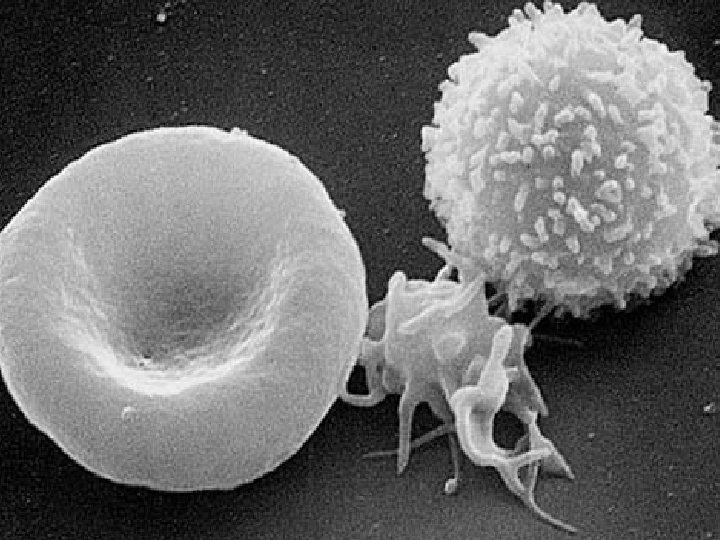
Blood • The blood is made up of 4 basic parts: • • Plasma Red blood cells White blood cells Platelets
Functions of blood 1. Transportation 2. Protection 3. Regulation
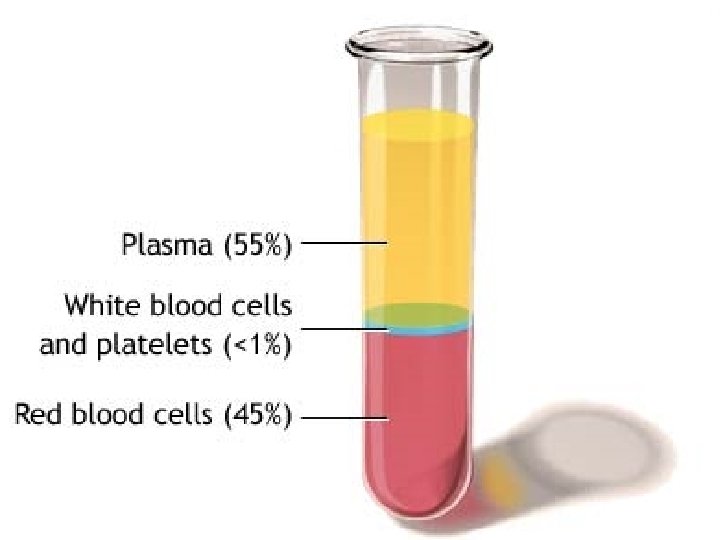
Blood • 55% plasma • 45% red blood cells, white blood cells, platelets • The average adult human has 4 – 6 liters of blood in their body
Plasma • Plasma – the clear, liquid part of the blood • Plasma is 90% water • It contains carbohydrates, proteins, lipids, wastes, enzymes, vitamins, salts, hormones, antibodies
Red Blood Cells • RBCs carry oxygen and carbon dioxide • contain hemoglobin – an iron-containing protein that carries oxygen • Hemoglobin also gives blood its red color
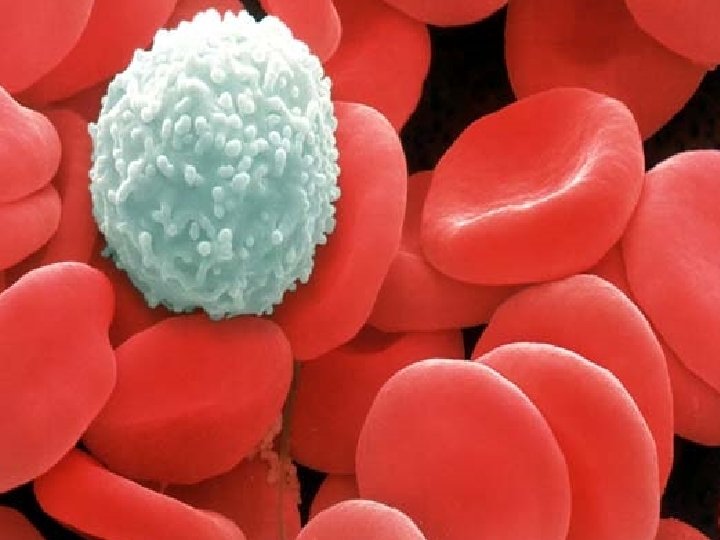
White Blood Cells • WBCs protect the body from bacteria and viruses • They are larger than red blood cells • When there is an infection, white blood cells collect in the infected area and attack the invading organism • 2 types: Lymphocytes – produce antibodies Phagocytes – engulf the pathogen
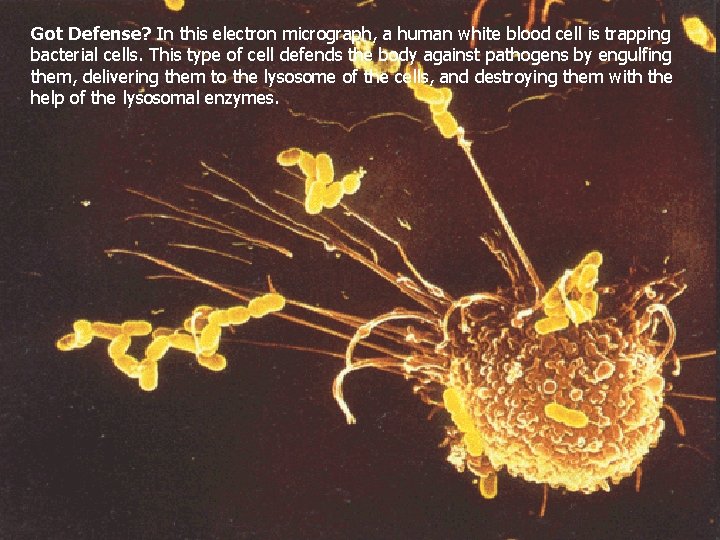
Got Defense? In this electron micrograph, a human white blood cell is trapping bacterial cells. This type of cell defends the body against pathogens by engulfing them, delivering them to the lysosome of the cells, and destroying them with the help of the lysosomal enzymes.
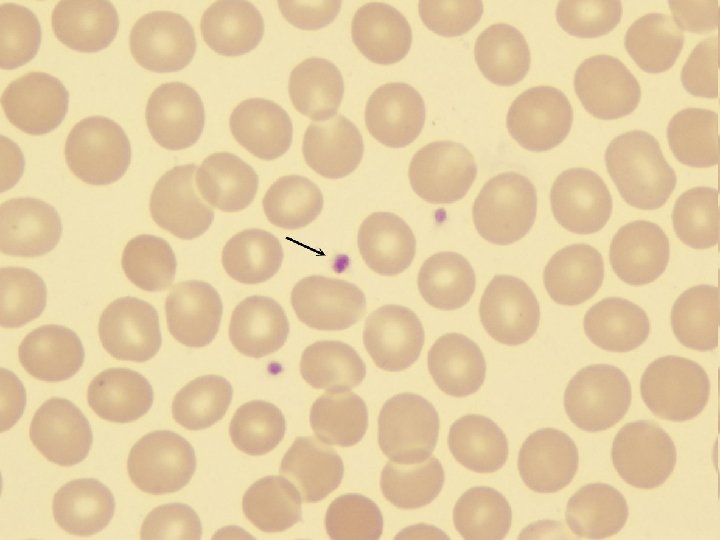
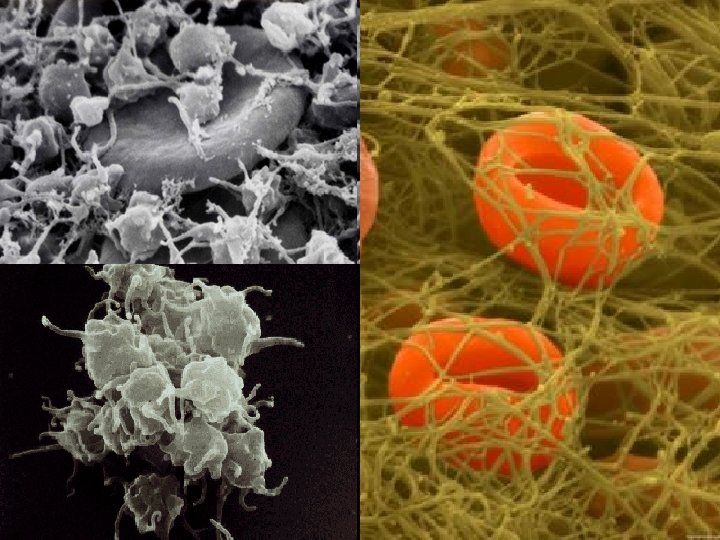
Platelets • Platelets – cells or cell fragments involved in blood clotting • Platelets rupture and form a net that traps red blood cells
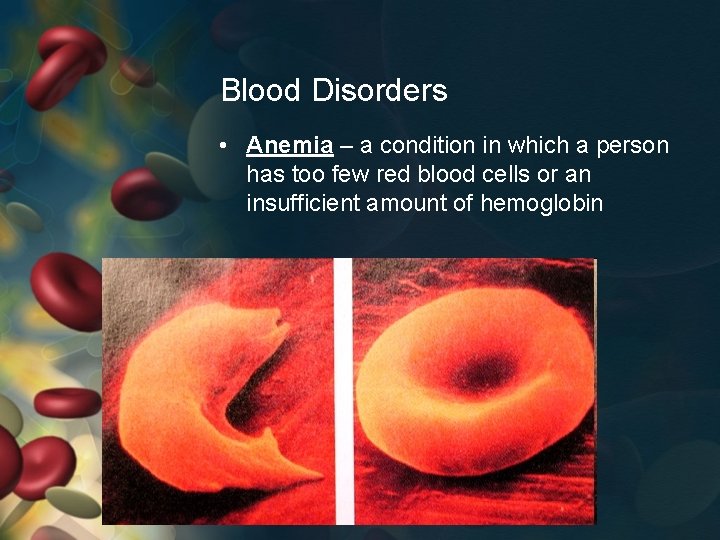
Blood Disorders • Anemia – a condition in which a person has too few red blood cells or an insufficient amount of hemoglobin
Blood Disorders (continued) • Leukemia – cancer of the white blood cells • Hemophilia – a hereditary disease in which you lack the ability to clot
- Slides: 16