
CIRCULATORY SYSTEM Blood composition and Plasma What is
CIRCULATORY SYSTEM
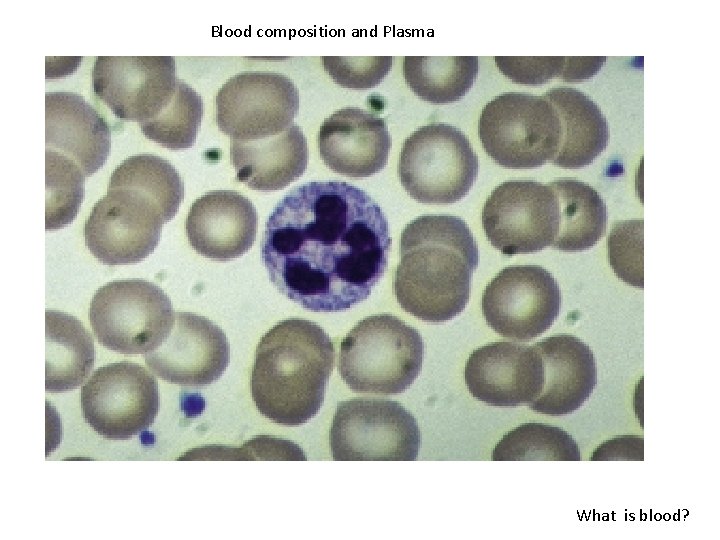
Blood composition and Plasma What is blood?
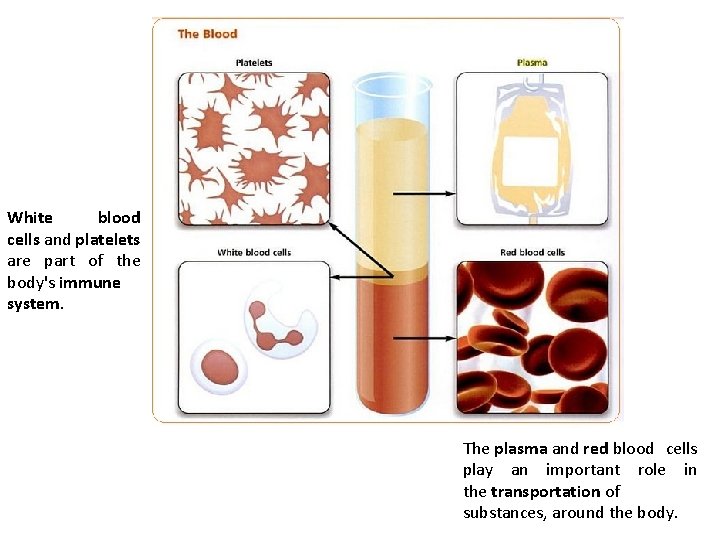
White blood cells and platelets are part of the body's immune system. The plasma and red blood cells play an important role in the transportation of substances, around the body.
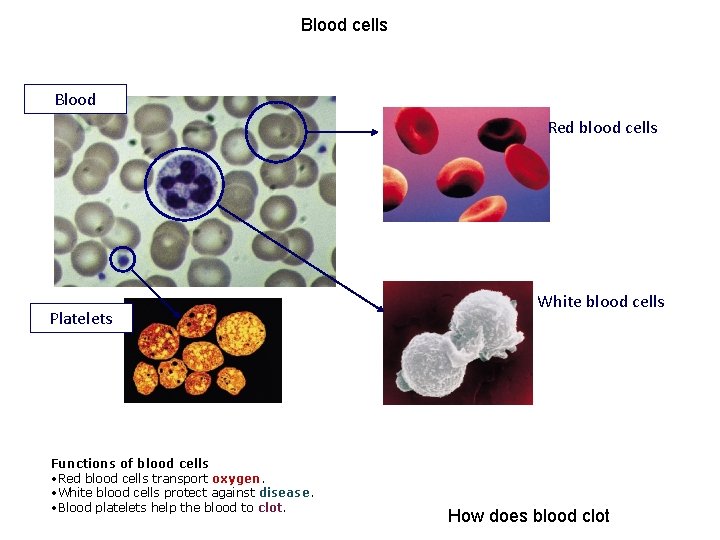
Blood cells Blood Red blood cells Platelets Functions of blood cells • Red blood cells transport oxygen. • White blood cells protect against disease. • Blood platelets help the blood to clot. White blood cells How does blood clot
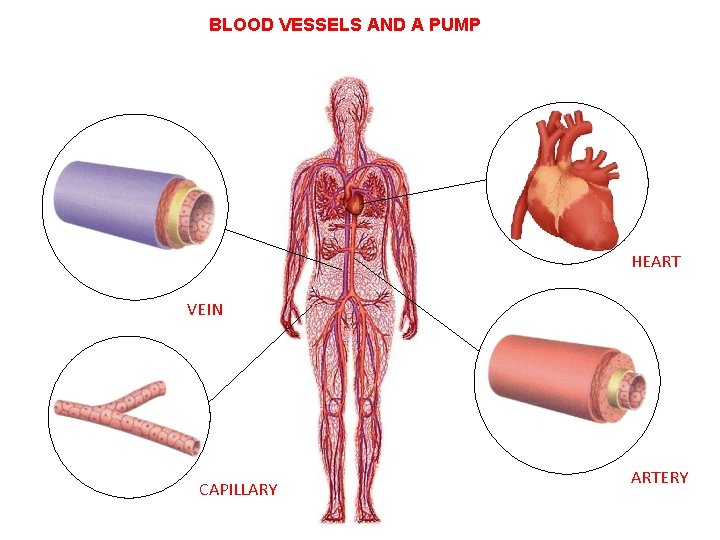
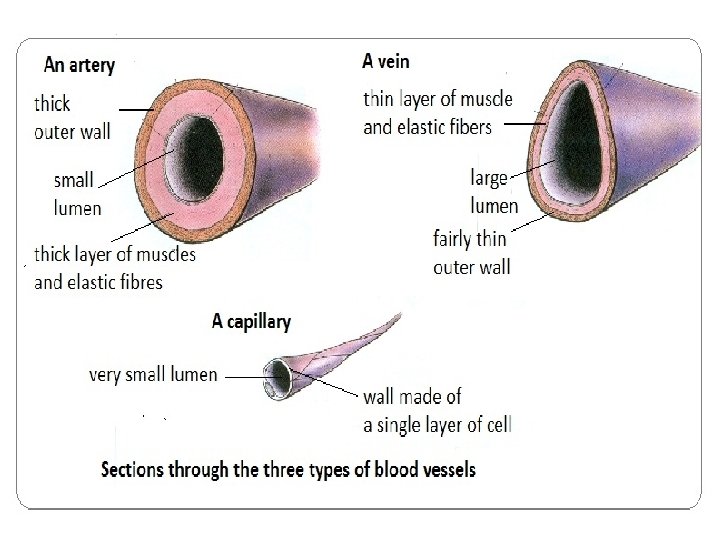
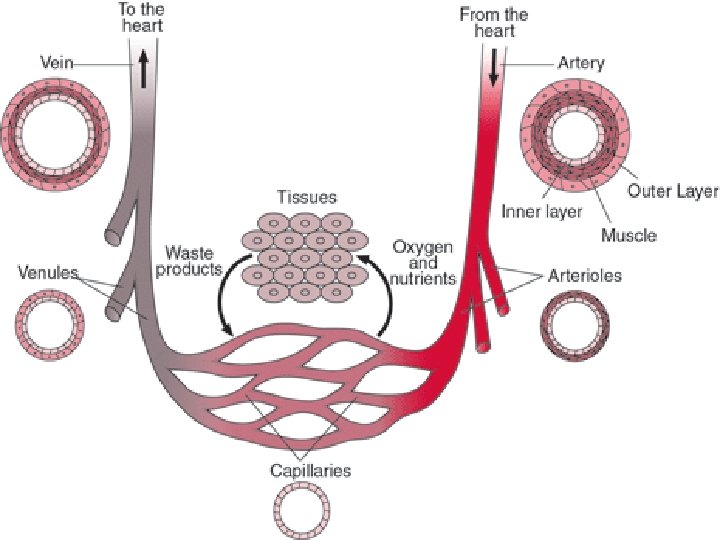
BLOOD VESSELS AND A PUMP HEART VEIN CAPILLARY ARTERY
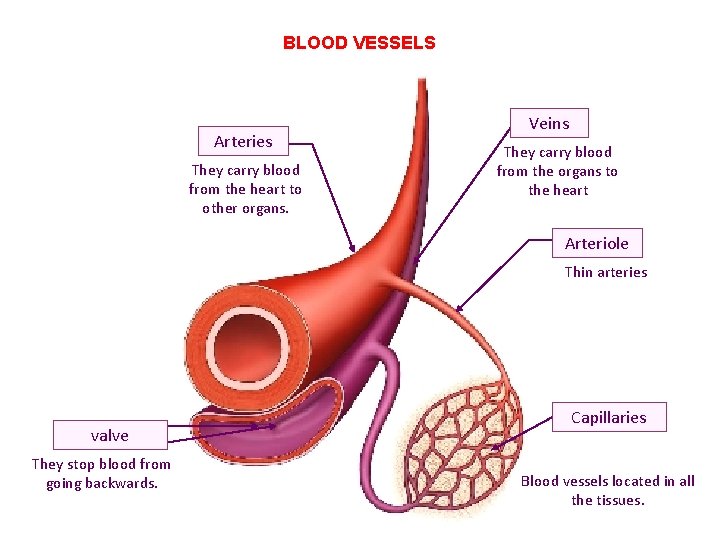
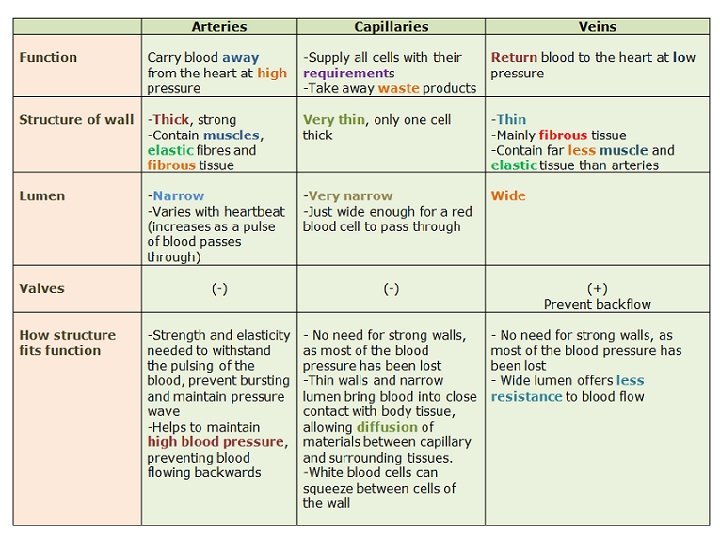
BLOOD VESSELS Arteries They carry blood from the heart to other organs. Veins They carry blood from the organs to the heart Arteriole Thin arteries valve They stop blood from going backwards. Capillaries Blood vessels located in all the tissues.
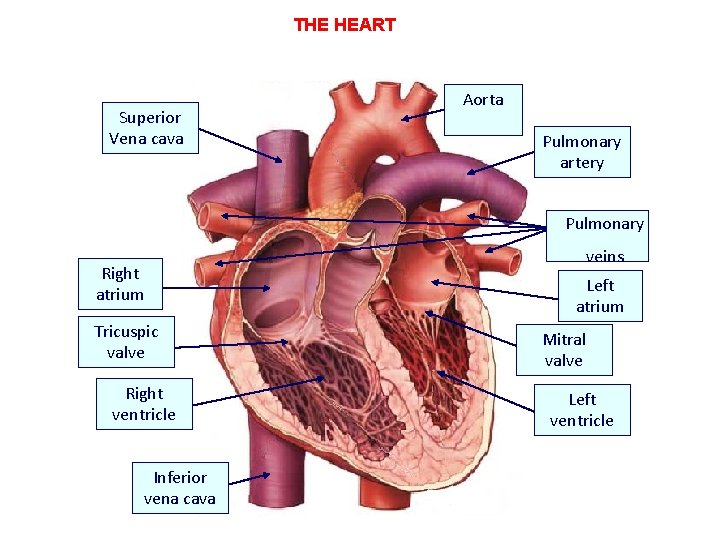
THE HEART Superior Vena cava Aorta Pulmonary artery Pulmonary Right atrium Tricuspic valve Right ventricle Inferior vena cava veins Left atrium Mitral valve Left ventricle
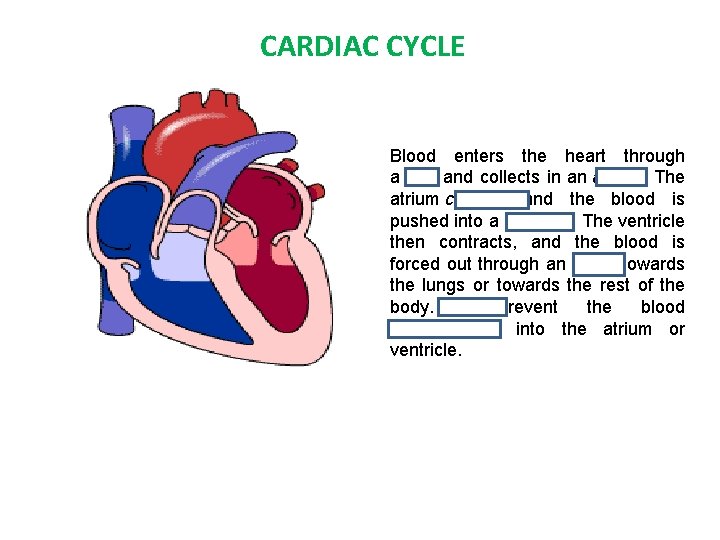
CARDIAC CYCLE Blood enters the heart through a vein and collects in an atrium. The atrium contracts and the blood is pushed into a ventricle. The ventricle then contracts, and the blood is forced out through an artery towards the lungs or towards the rest of the body. Valves prevent the blood flowing back into the atrium or ventricle.
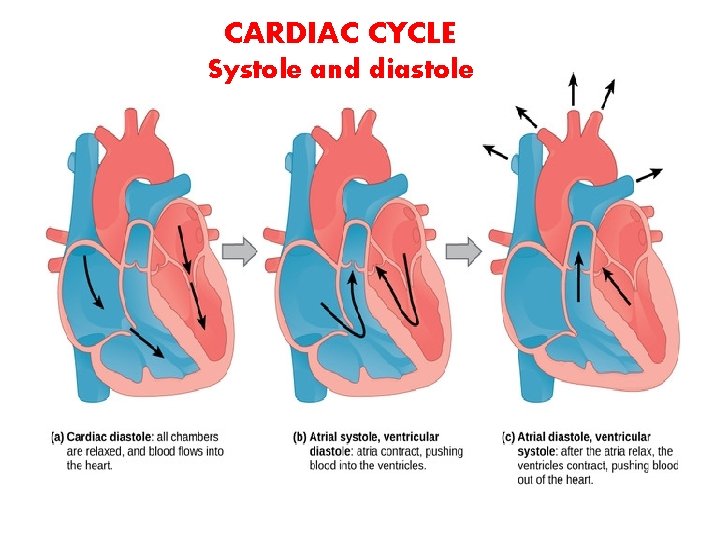
CARDIAC CYCLE Systole and diastole
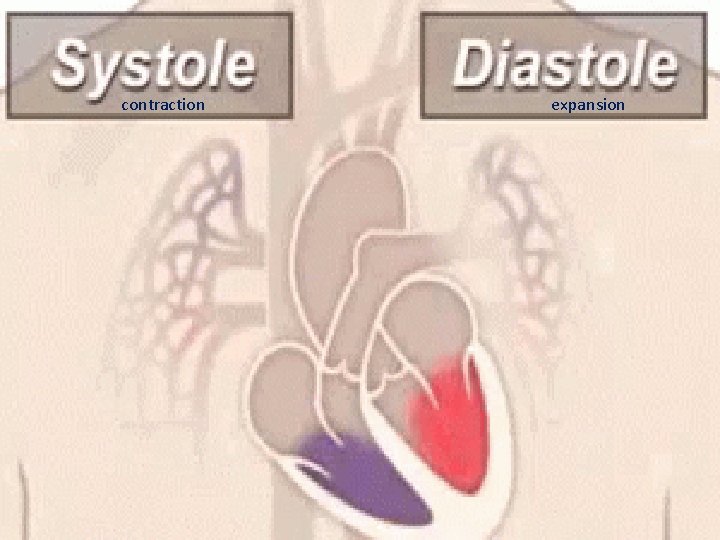
contraction expansion
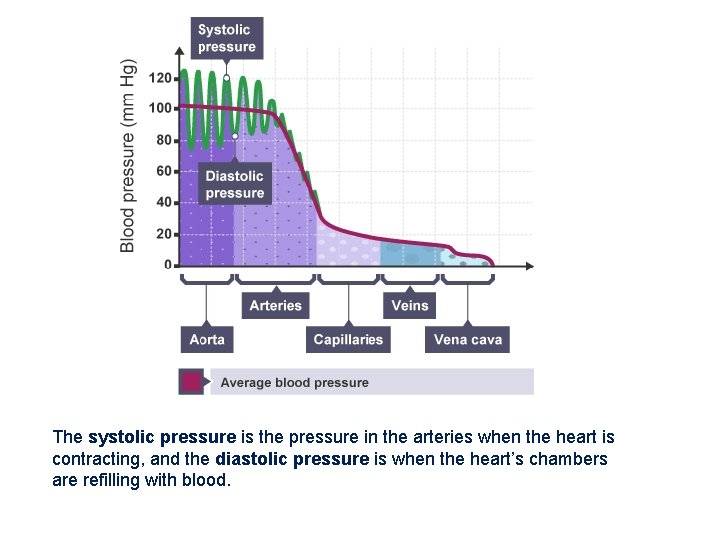
The systolic pressure is the pressure in the arteries when the heart is contracting, and the diastolic pressure is when the heart’s chambers are refilling with blood.
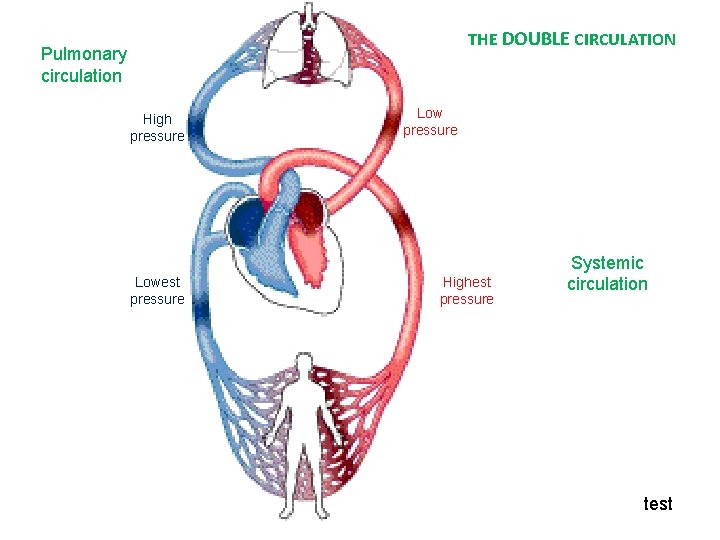
THE DOUBLE CIRCULATION Pulmonary circulation High pressure Lowest pressure Low pressure Highest pressure Systemic circulation test
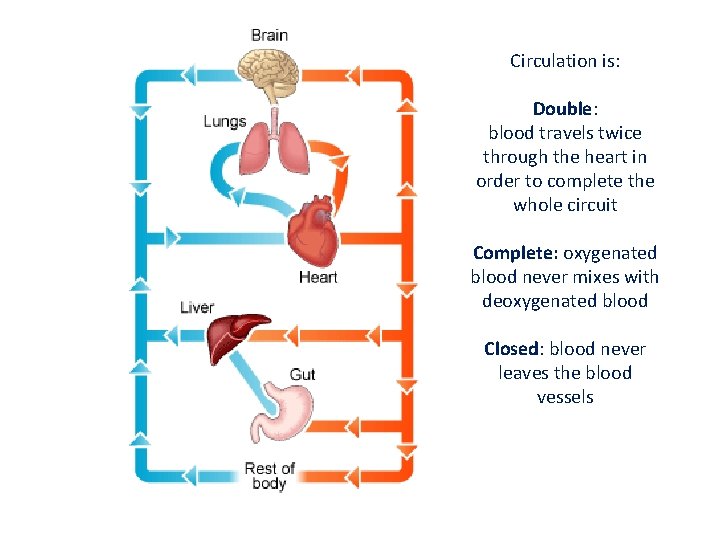
Circulation is: Double: blood travels twice through the heart in order to complete the whole circuit Complete: oxygenated blood never mixes with deoxygenated blood Closed: blood never leaves the blood vessels
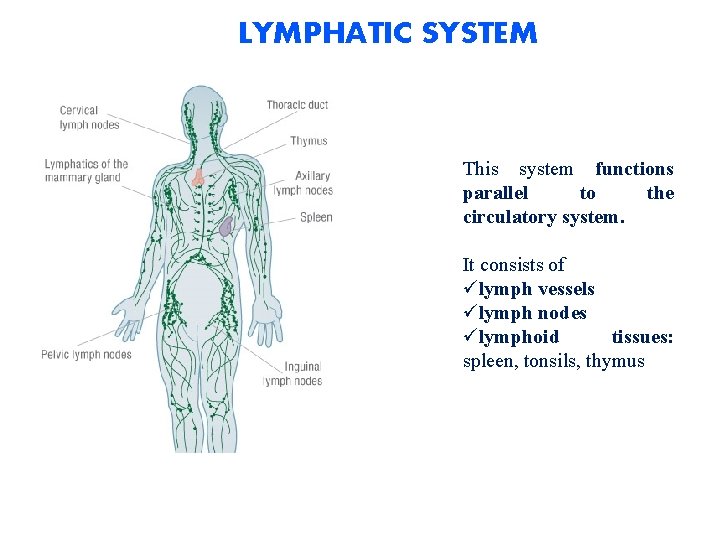
LYMPHATIC SYSTEM This system functions parallel to the circulatory system. It consists of ülymph vessels ülymph nodes ülymphoid tissues: spleen, tonsils, thymus
LYMPHATIC SYSTEM It has 3 main roles: ü Fluid balance: return tissue fluid to the blood üProtection from infection: produce white blood cells lymphocytes, in lymph glands such as the tonsils, adenoids and spleen üAbsorption of fats: transport digested fats from villi to blood stream
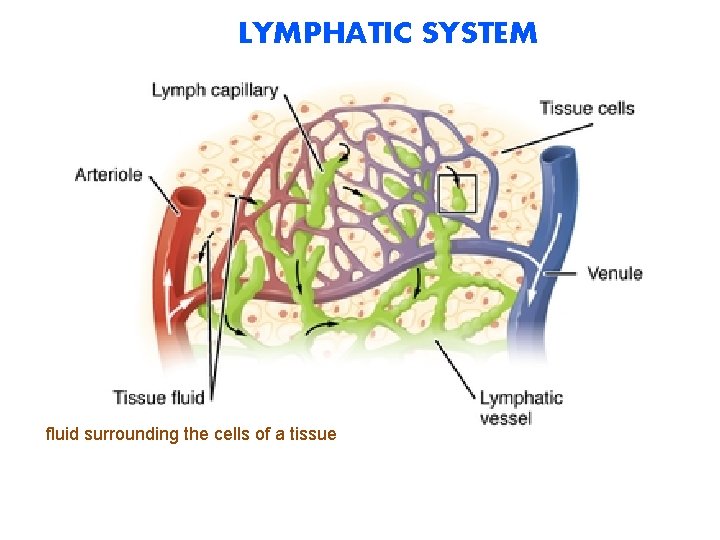
LYMPHATIC SYSTEM fluid surrounding the cells of a tissue
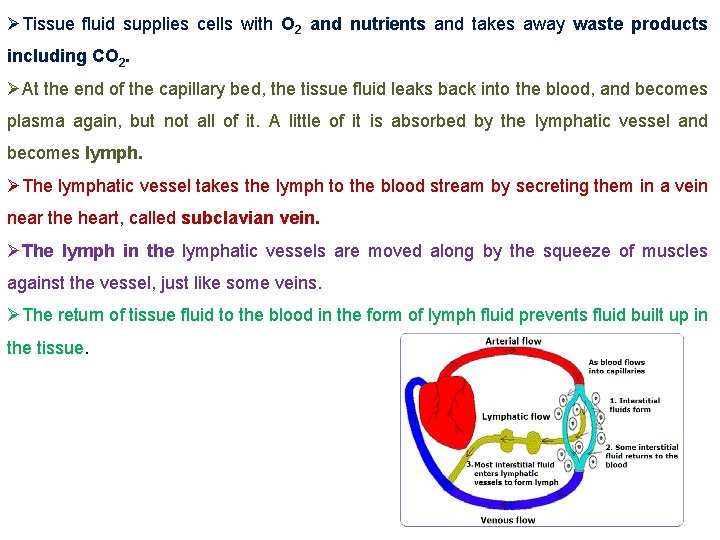
ØTissue fluid supplies cells with O 2 and nutrients and takes away waste products including CO 2. ØAt the end of the capillary bed, the tissue fluid leaks back into the blood, and becomes plasma again, but not all of it. A little of it is absorbed by the lymphatic vessel and becomes lymph. ØThe lymphatic vessel takes the lymph to the blood stream by secreting them in a vein near the heart, called subclavian vein. ØThe lymph in the lymphatic vessels are moved along by the squeeze of muscles against the vessel, just like some veins. ØThe return of tissue fluid to the blood in the form of lymph fluid prevents fluid built up in the tissue.
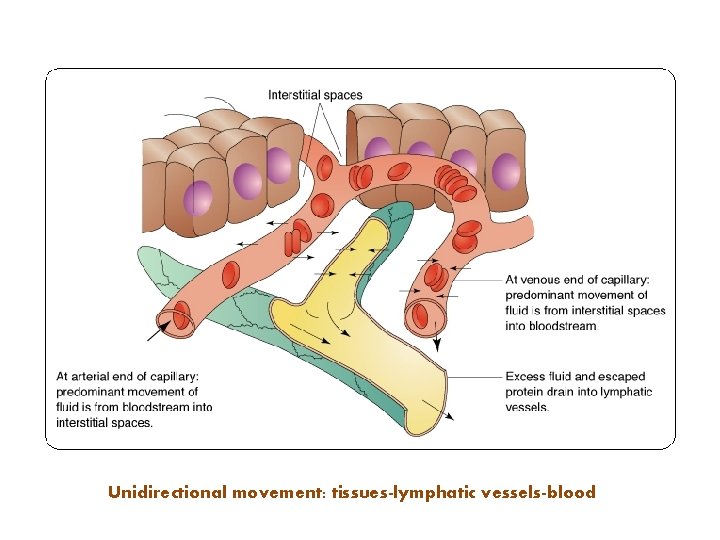
Unidirectional movement: tissues-lymphatic vessels-blood
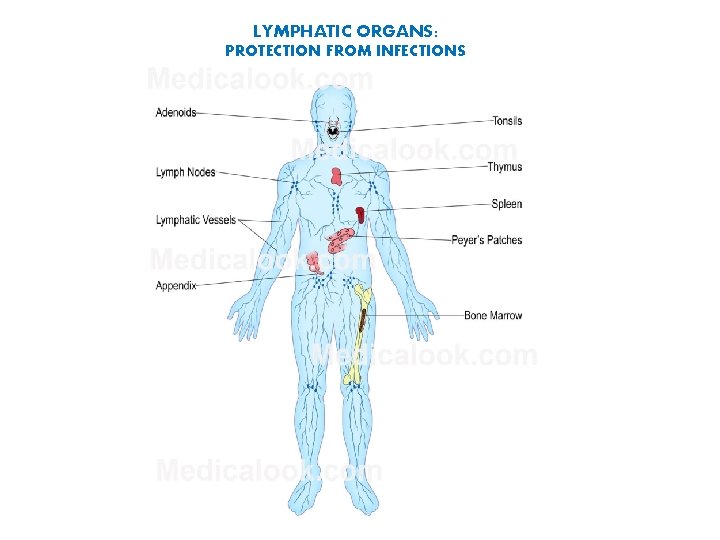
LYMPHATIC ORGANS: PROTECTION FROM INFECTIONS
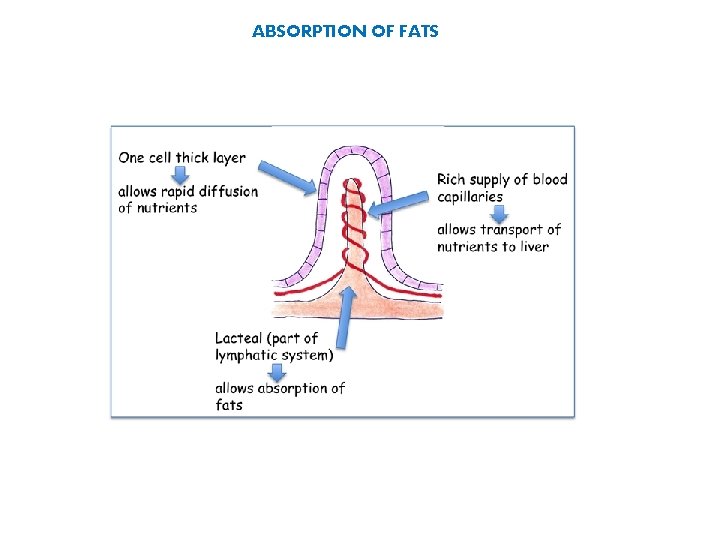
ABSORPTION OF FATS
- Slides: 24