
Circulation and Gas Exchange AP Biology Crosby High
Circulation and Gas Exchange AP Biology Crosby High School
Invertebrate Open vs. Closed Both – Circulatory fluid – Set of tubes – Muscular pump Open – Hemolymph – Pumped into sinuses Closed – Blood confined to vessels
Cardiovascular System Heart – One or two atria – One or two ventricles Blood Vessels – Arteries – Veins – cappillaries
Types of Circulation Fish – Two chambered heart – Gill Circulation – Systemic circulation Amphibians – Double circulation – Ventricle pumps into pulmocutaneous and systemic
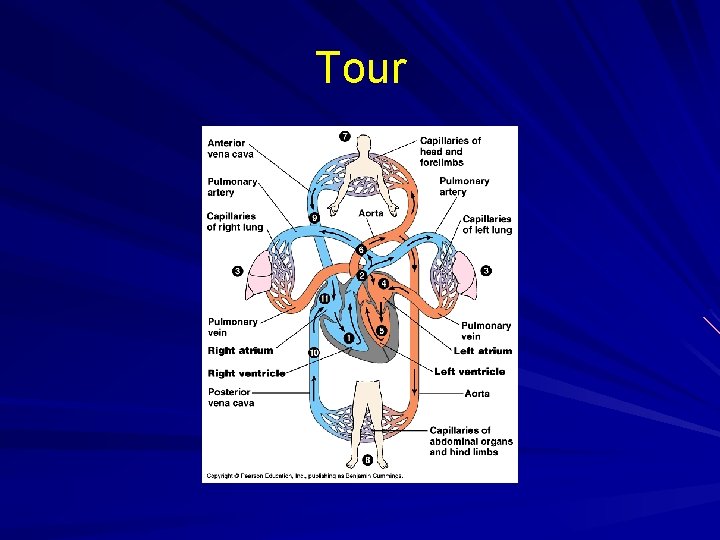
Mammals Tour of circulatory system Mammalian heart – Cardiac Cycle Sytole Diastole – Cardiac Output Heart beat Stroke volume
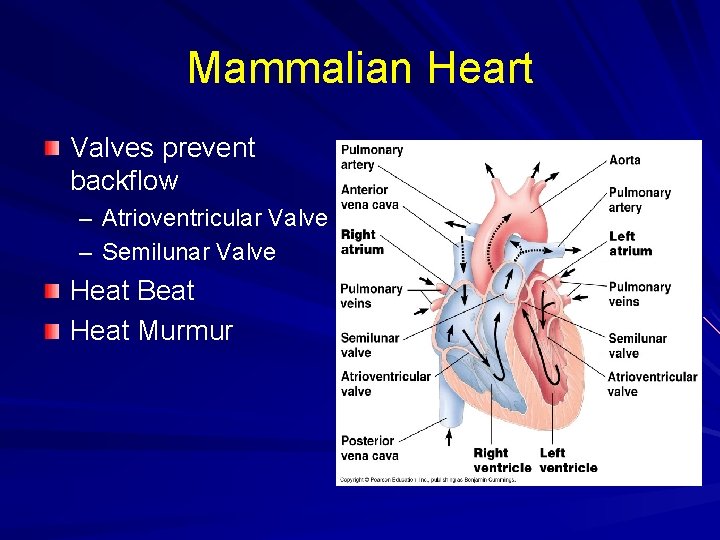
Mammalian Heart Valves prevent backflow – Atrioventricular Valve – Semilunar Valve Heat Beat Heat Murmur
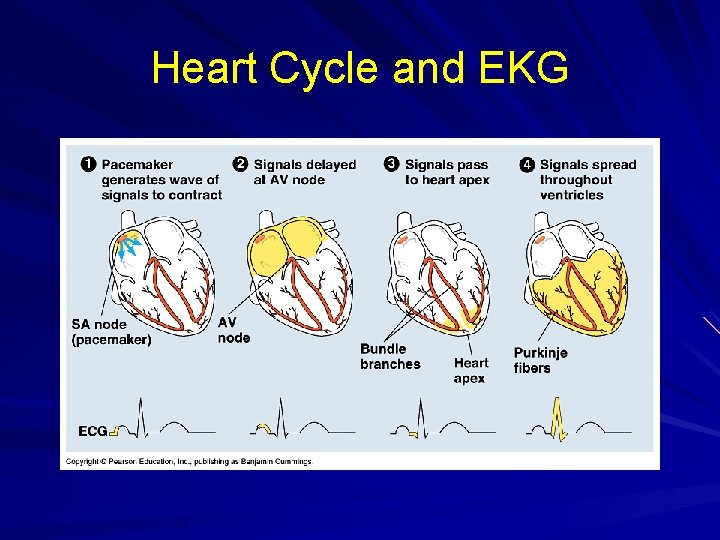
Maintaining Rhythm Sinoatrial node (Pacemaker) – Located near superior vena cava – Causes atria to contract together Atrioventricular node – 0. 1 sec delay – Spread through bundle branches and Purkinje fibers Electrocardiogram
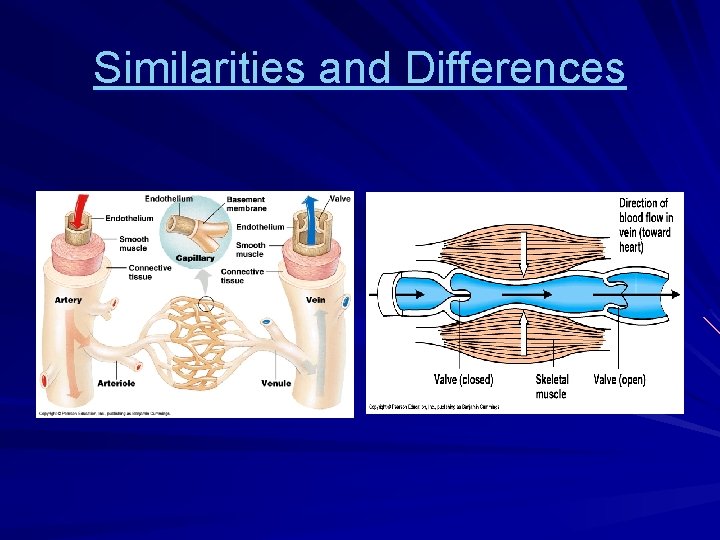
Veins, Arteries and Capillaries Both – Elastic tissue – Middle layer – Endothelium Differences – Capillaries lack outer two layers – Arteries thicker in outer layers – Veins pushed w/ skeletal muscles and have valves
Blood Pressure Systolic: 120 mm Hg Diastolic: 70 mm Hg Peripheral Resistance Heavy exercise causes dilation Veins need extra methods of movement – Rhythmic contraction of smooth muscle – Skeletal muscles – Inhalation changes thoracic pressure
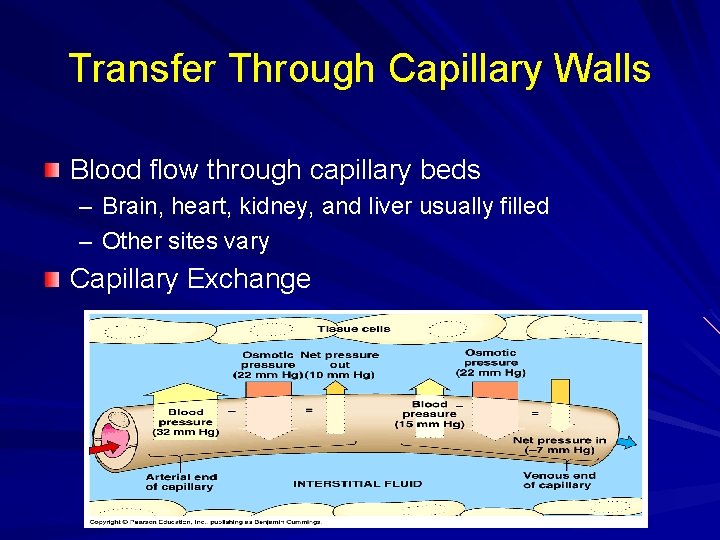
Transfer Through Capillary Walls Blood flow through capillary beds – Brain, heart, kidney, and liver usually filled – Other sites vary Capillary Exchange
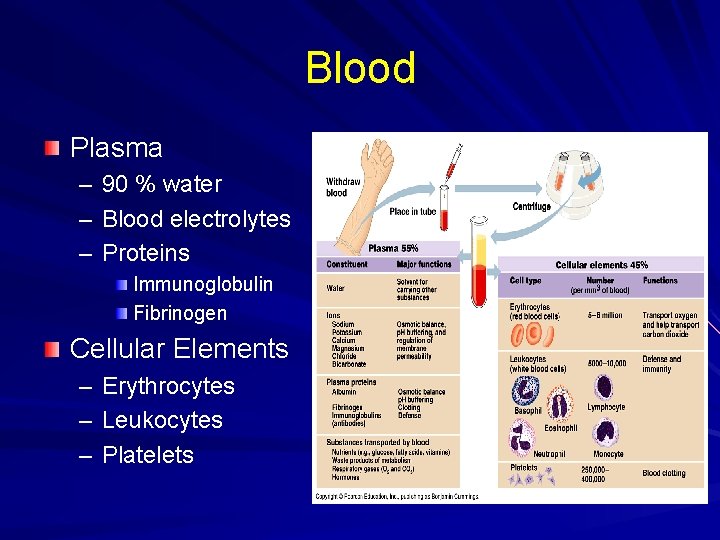
Blood Plasma – 90 % water – Blood electrolytes – Proteins Immunoglobulin Fibrinogen Cellular Elements – Erythrocytes – Leukocytes – Platelets
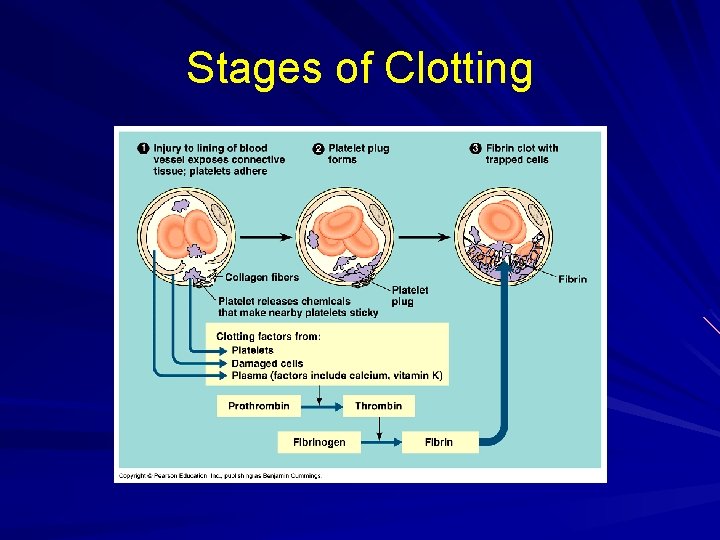
Production and Function of Blood Stem Cells – Pluripotent stem cells – Erythropoieten Blood Clotting – Clotting factors Prothrombin Thrombin – Thrombin Fibrinogen Fibrin – Hemophilia – Thrombus
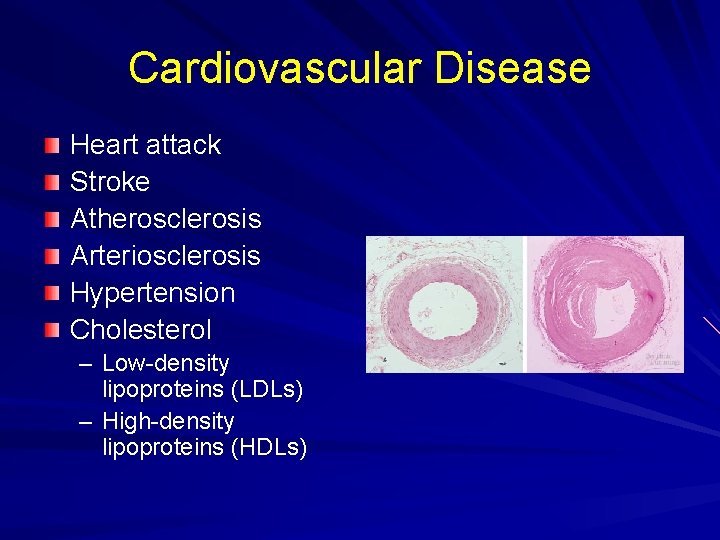
Cardiovascular Disease Heart attack Stroke Atherosclerosis Arteriosclerosis Hypertension Cholesterol – Low-density lipoproteins (LDLs) – High-density lipoproteins (HDLs)

Mammalian Respiratory System View pathway of Gas Exchange Ventilating the lungs – Positive Pressure vs. Negative Pressure – Mammals use Negative Pressure Ribs & diaphragm contract increasing the chest cavity Lung volume increases Air pressure drops and air rushes in
Lung: Capacity and Control Tidal Volume Vital Capacity Residual Volume Controlled largely by Medulla Oblongata Hyperventilation
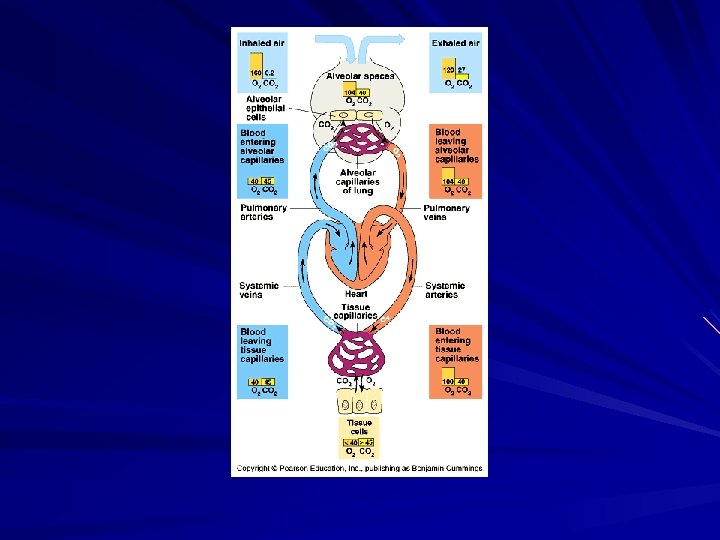

Negative Pressure
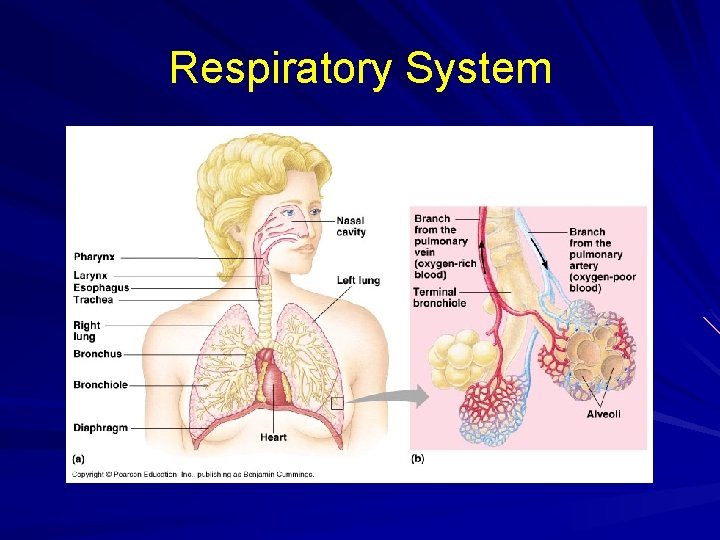
Respiratory System
Stages of Clotting
Similarities and Differences
Heart Cycle and EKG
Tour
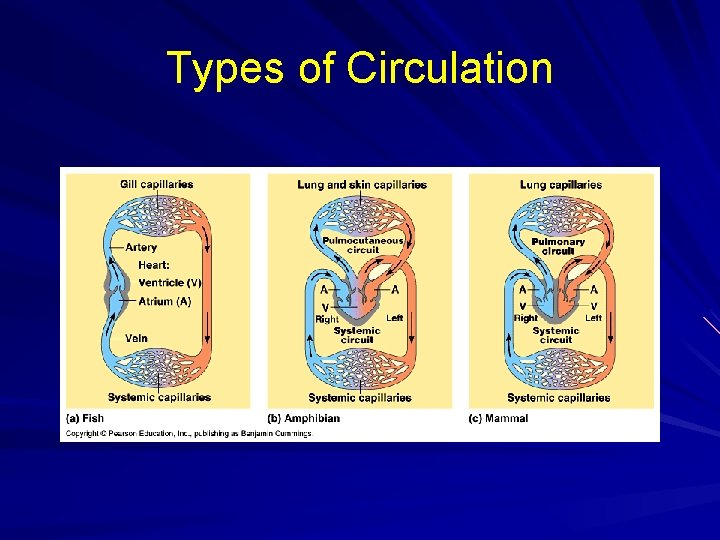
Types of Circulation
- Slides: 23