
CHYTRID FUNGUS AN OVERVIEW Fungi in the phylum

- Slides: 19
CHYTRID FUNGUS (AN OVERVIEW) • Fungi in the phylum Chytridiomycota are ubiquitous organisms that live in the water and soil. • They act as primary degraders using substrate such as chitin, plant detritus, and keratin. • Some are obligate parasites of fungi, algae, vascular plants rotifers, nematodes, or insects.
CHYTRID FUNGUS (AN OVERVIEW) • Batrachochytrium dendrobatidis -- a chytrid fungus pathogenic to amphibians • New genus and species original description published in March 1999 (Longcore et al. , Mycologia 91(2): 219 -227) • Isolated from captive blue poison dart frogs (Dendrobates azureus) at National Zoological Park • Earlier hypothesized to be cause of declines in Central America and Australia (Berger et al. , 1998 Proc. Nat’l. Acad. Sci. 95: 9031 -9036)
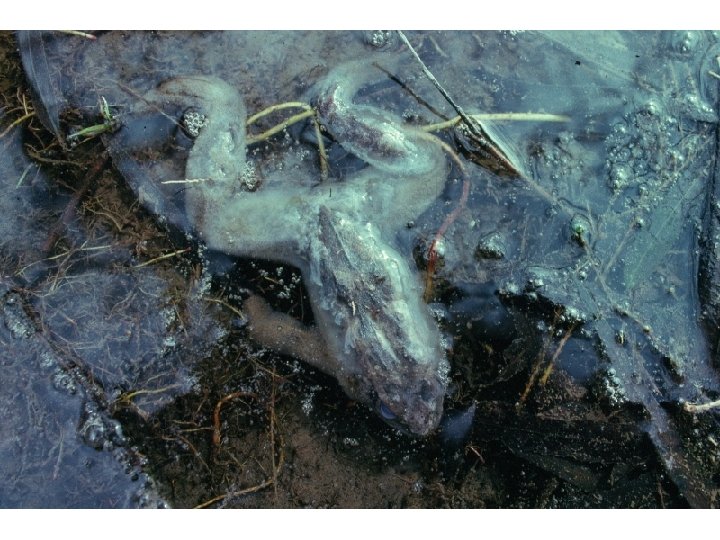
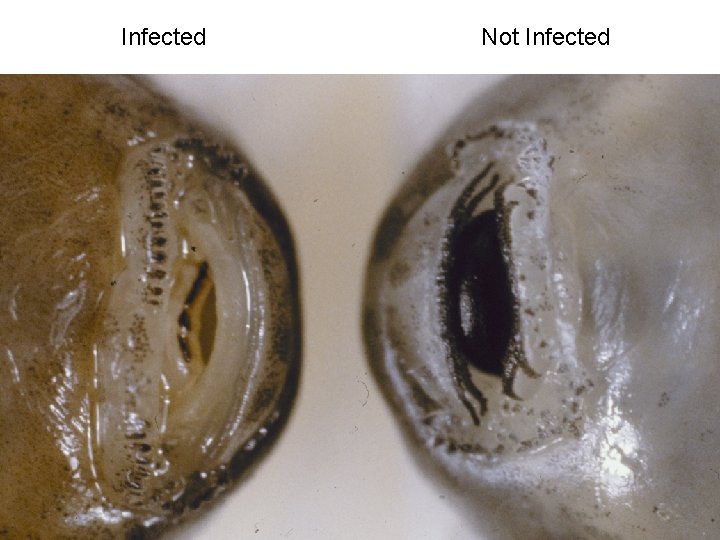
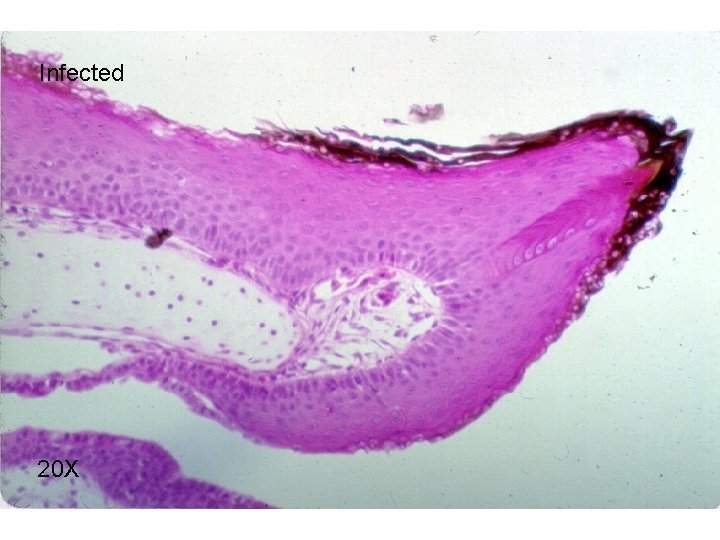
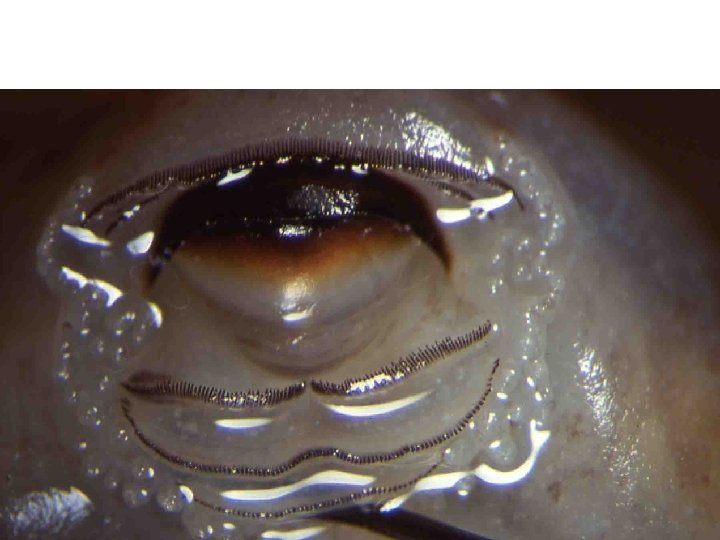
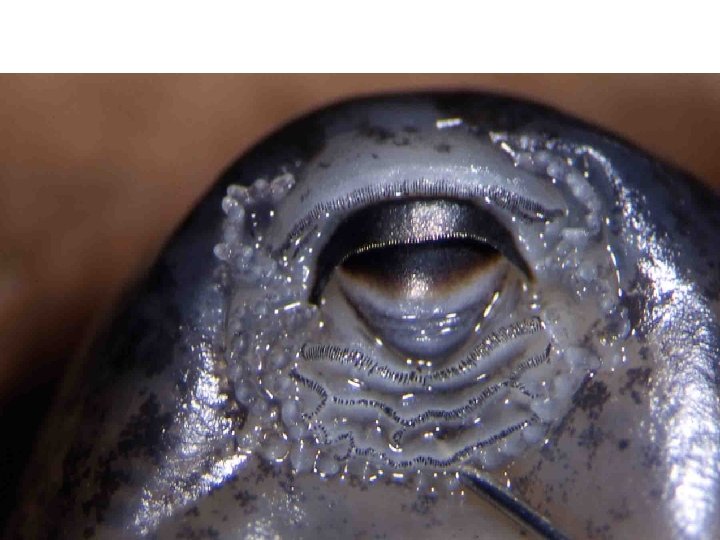
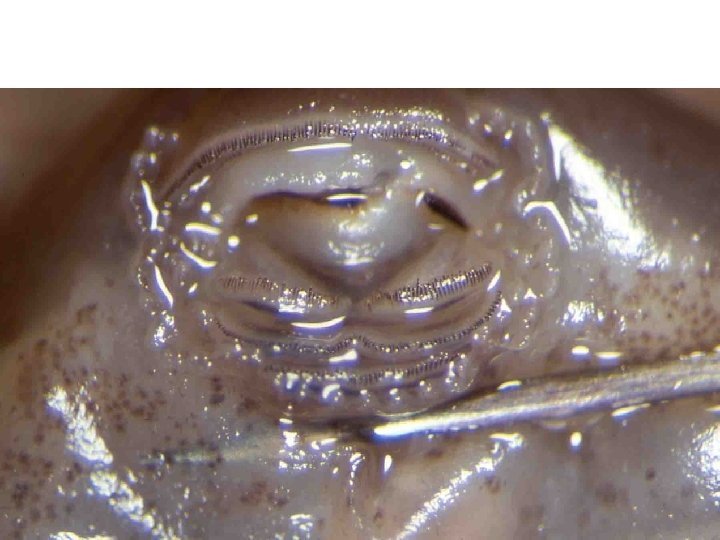
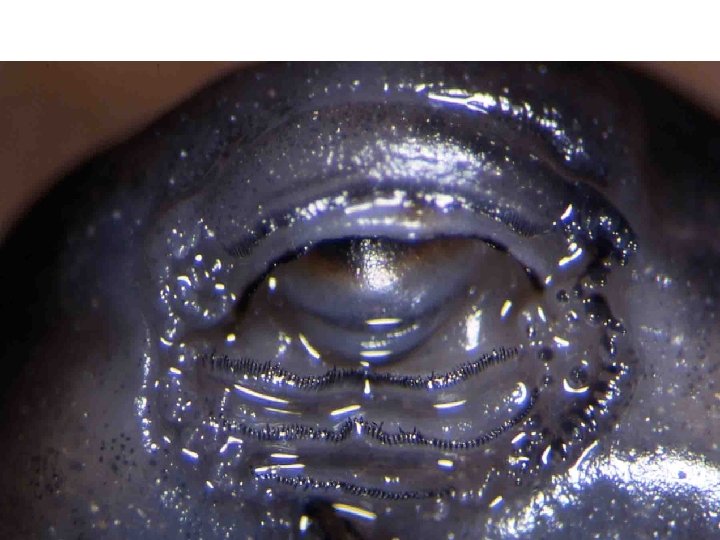
CHYTRID FUNGUS (AN OVERVIEW) • Tadpoles appear uneffected by the fungus which infects only the keratinised mouthparts. • Mechanisms by which cutaneous chytridomyccosis becomes a fatal infection – Cutaneous respiration and osmoregulation impared – Absorption of a toxic product produced by the fungus – Allows pathways for other pathogenic infections
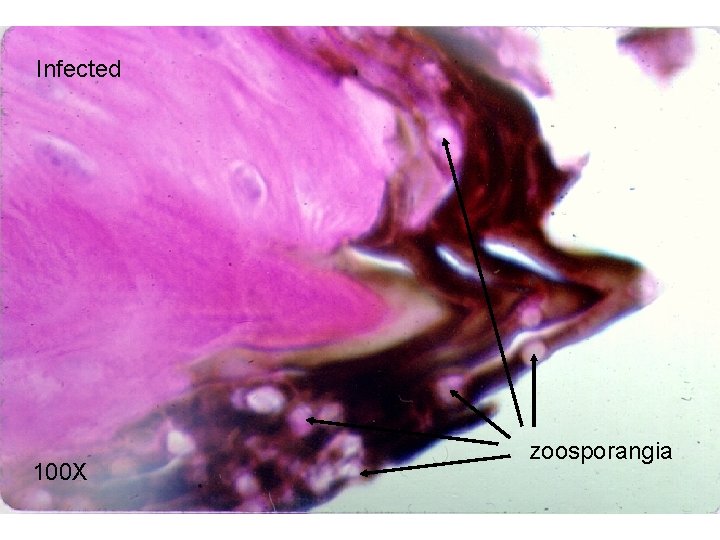
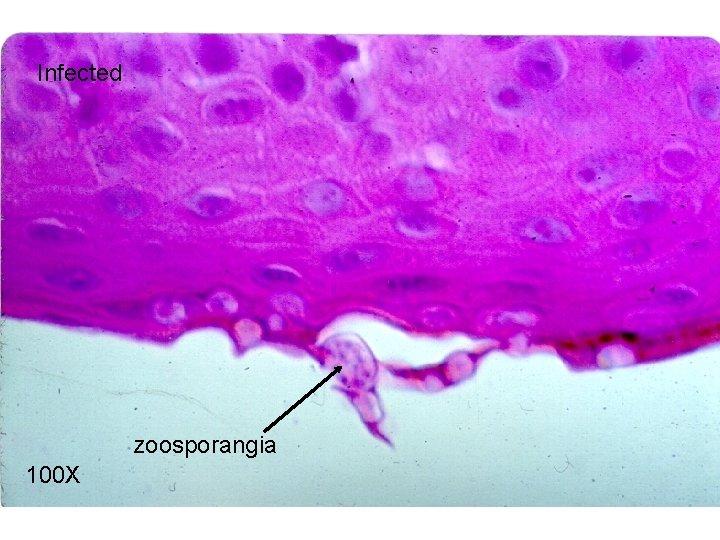
CHYTRID FUNGUS (AN OVERVIEW) • In lab cultures sporangia developed fastest in 23º C (73. 4 º F); slower growth occurred at 28 º C (82. 4 º F); no growth observed at 29 º C (84. 2 º F). • Experimentally infected frogs become terminally ill 10 -47 days after exposure. • Infection occurs through waterborne zoospores that invade the superficial layers of the epidermis
Species affected in the Southwest • Ambystomatidae – Ambystoma tigrinum stebbinsi • Hylidae – Acris crepitans – Hyla arenicolor • Bufonidae – Bufo boreas, B. canorus, B. microscaphus • Ranidae – Rana berlandieri, R. blairi, R. catesbeiana. R. chiricahuensis, R. subaquavocalis, R. tarahumarae, R. yavapaiensis
Rayleigh’s R = 21. 45 z = 17. 03 n = 27 P < 0. 0001
Infected Not Infected
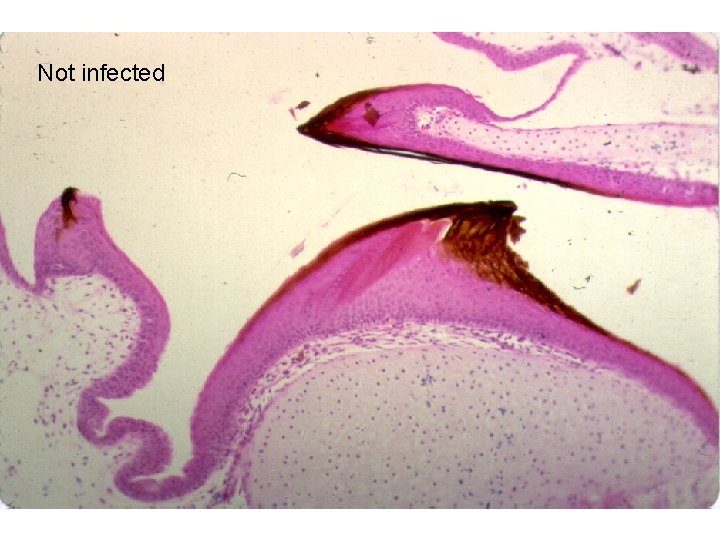
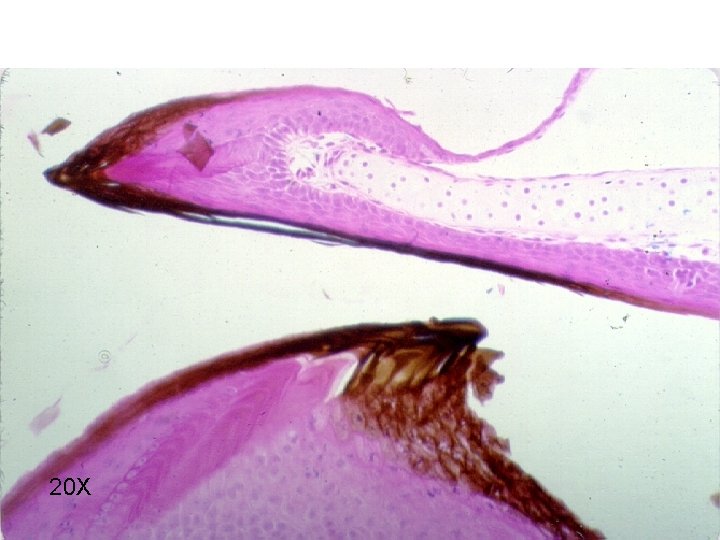
Not infected
20 X
Infected 20 X
Infected 100 X zoosporangia
Infected zoosporangia 100 X
Chytrid Fungus Management • Assume all aquatic sites to be infected with chytrid fungus • Long-term research sites should have a dedicated set of gear (clothing, nets, seines, etc. ) used only at that site • ALL gear used at individual sites should be cleaned of mud and edebris and disinfected between sites using 10% bleach solution or quatraammonia solution
Chytrid Fungus Management • To reliably detect the presence of chytrid fungus at a site, a series of 3 -5 tadpoles should be collected and preserved in 10% formalin. • These tadpoles should be provided to NMDGF or AGFD herpetologists and should be processed and examined histologically for the presence of chytrid fungus. • Federal and State permits are the responsibility of the collector or a representative of the sponsoring agency