
Chronic Urticaria Advanced management Chronic Eczema Patch testing



- Slides: 34
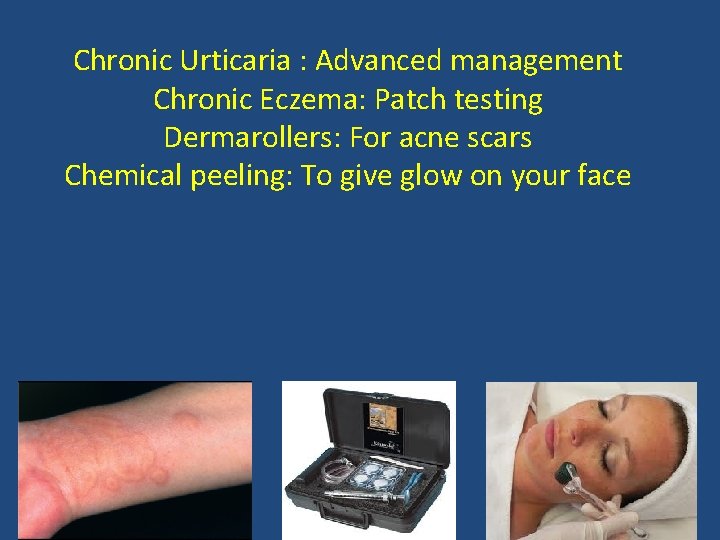
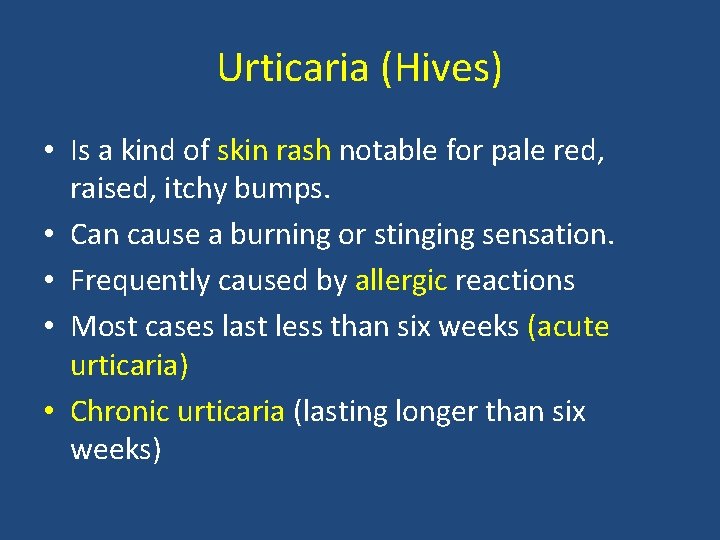
Chronic Urticaria : Advanced management Chronic Eczema: Patch testing Dermarollers: For acne scars Chemical peeling: To give glow on your face
Urticaria (Hives) • Is a kind of skin rash notable for pale red, raised, itchy bumps. • Can cause a burning or stinging sensation. • Frequently caused by allergic reactions • Most cases last less than six weeks (acute urticaria) • Chronic urticaria (lasting longer than six weeks)
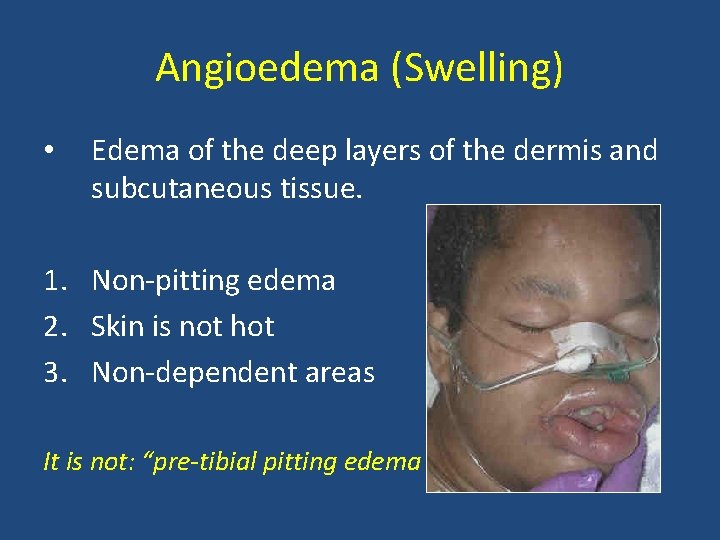
Angioedema (Swelling) • Edema of the deep layers of the dermis and subcutaneous tissue. 1. Non-pitting edema 2. Skin is not hot 3. Non-dependent areas It is not: “pre-tibial pitting edema
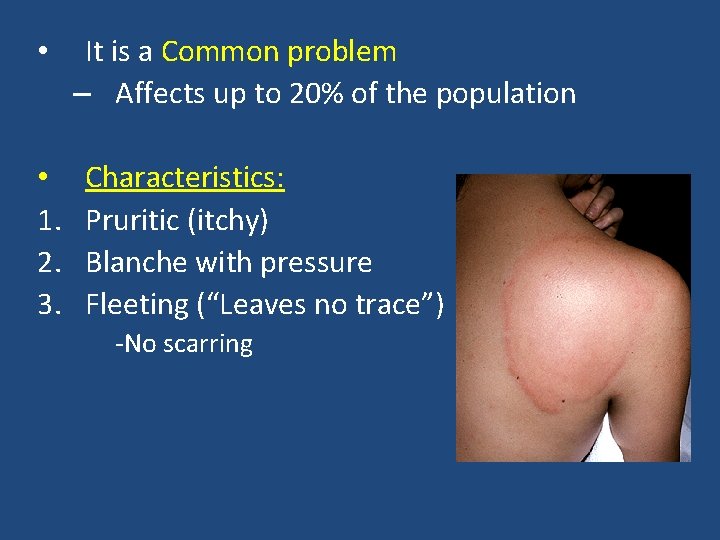
• • 1. 2. 3. It is a Common problem – Affects up to 20% of the population Characteristics: Pruritic (itchy) Blanche with pressure Fleeting (“Leaves no trace”) -No scarring
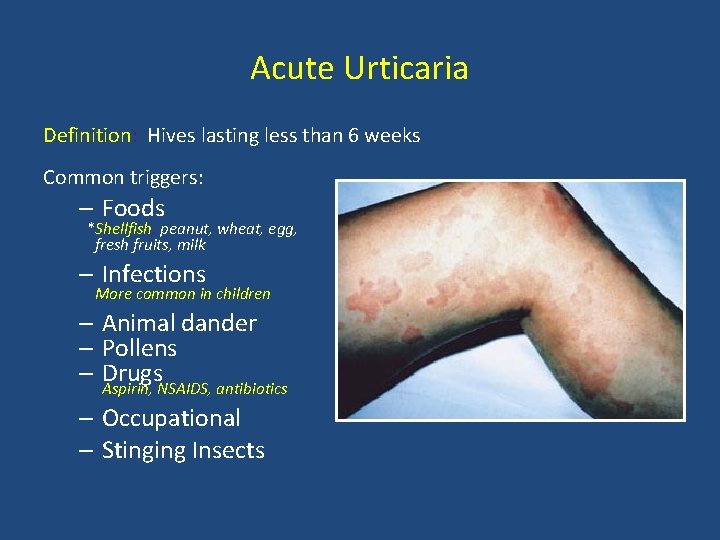
Acute Urticaria Definition: Hives lasting less than 6 weeks Common triggers: – Foods *Shellfish, peanut, wheat, egg, fresh fruits, milk – Infections More common in children – Animal dander – Pollens – Drugs Aspirin, NSAIDS, antibiotics – Occupational – Stinging Insects
Chronic Urticaria & Angioedema • Definition: Hives occurring greater than 6 weeks – Hives and Angioedema (40%) – Hives alone (40%) – Angioedema alone (20%) Etiology: • • Difficult to determine, cause rarely found Common in 3 rd and 4 th decade of life Usually not foods, drugs, pollens, infections, “dyes” May last years
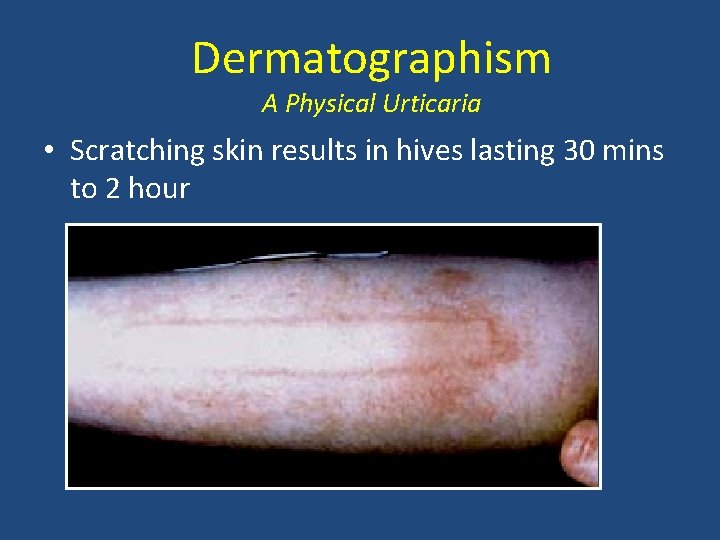
Dermatographism A Physical Urticaria • Scratching skin results in hives lasting 30 mins to 2 hour
Physical Urticarias • Reproducible by environmental factors – Physical stimuli • Most frequently in young adults • Episodic and often limited to areas of inciting stimulus • Usually, unresponsive to corticosteroids • Overall, treatment with non-sedating antihistamines
Examples of Physical Urticarias Dermatographism Cold-induced urticaria Cholinergic urticaria or localized heat urticaria Delayed pressure-induced urticaria & angioedema • Vibratory-induced urticaria • •
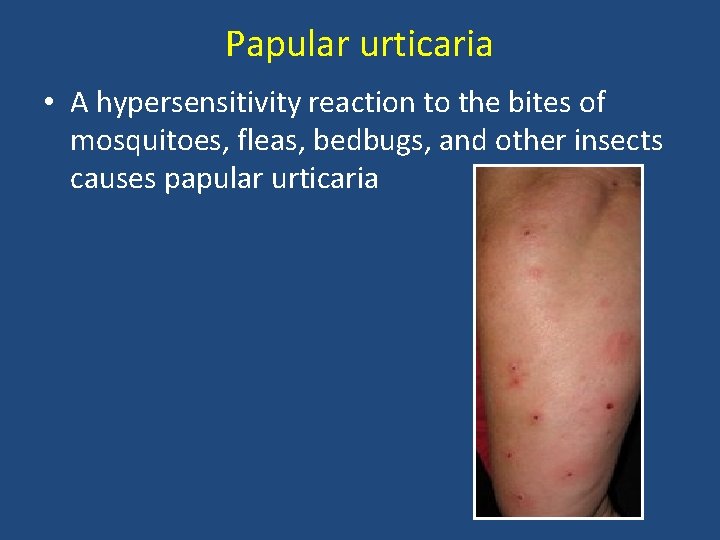
Papular urticaria • A hypersensitivity reaction to the bites of mosquitoes, fleas, bedbugs, and other insects causes papular urticaria
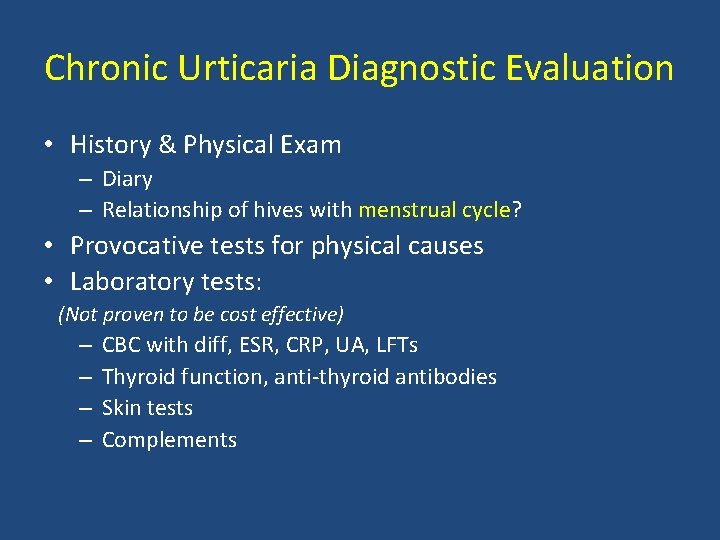
Chronic Urticaria Diagnostic Evaluation • History & Physical Exam – Diary – Relationship of hives with menstrual cycle? • Provocative tests for physical causes • Laboratory tests: (Not proven to be cost effective) – – CBC with diff, ESR, CRP, UA, LFTs Thyroid function, anti-thyroid antibodies Skin tests Complements
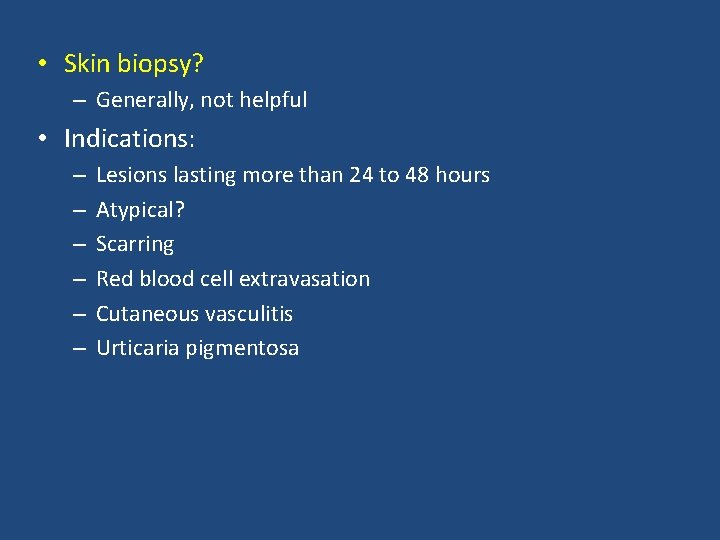
• Skin biopsy? – Generally, not helpful • Indications: – – – Lesions lasting more than 24 to 48 hours Atypical? Scarring Red blood cell extravasation Cutaneous vasculitis Urticaria pigmentosa
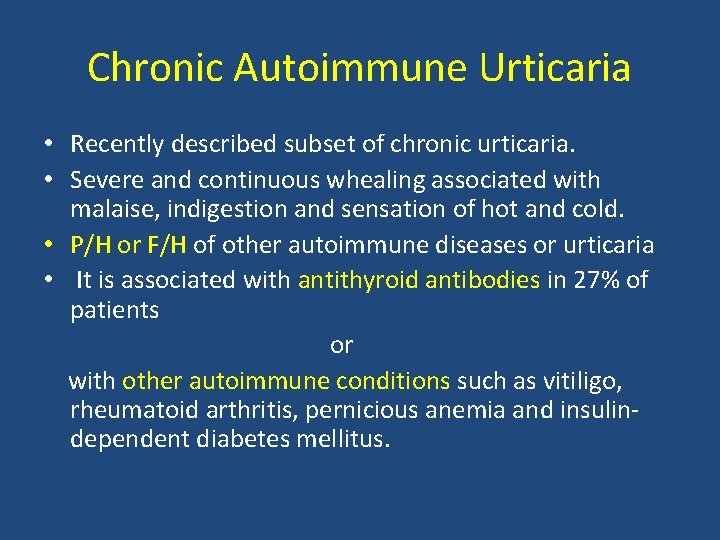
Chronic Autoimmune Urticaria • Recently described subset of chronic urticaria. • Severe and continuous whealing associated with malaise, indigestion and sensation of hot and cold. • P/H or F/H of other autoimmune diseases or urticaria • It is associated with antithyroid antibodies in 27% of patients or with other autoimmune conditions such as vitiligo, rheumatoid arthritis, pernicious anemia and insulindependent diabetes mellitus.
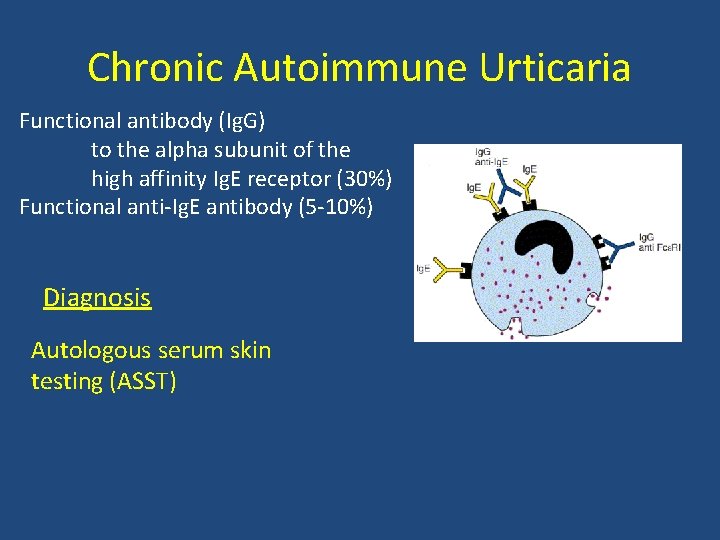
Chronic Autoimmune Urticaria Functional antibody (Ig. G) to the alpha subunit of the high affinity Ig. E receptor (30%) Functional anti-Ig. E antibody (5 -10%) Diagnosis Autologous serum skin testing (ASST)
Autologus serum skin testing (ASST) • 2 ml of venous blood - in a sterile glass tube and allowed to clot for 30 min. • The serum is then separated by centrifugation at 500× g for 15 min and used immediately for ASST. • Histamine diphosphate 10 µg/ml for positive control and sterile saline (0. 9%) for negative control are used
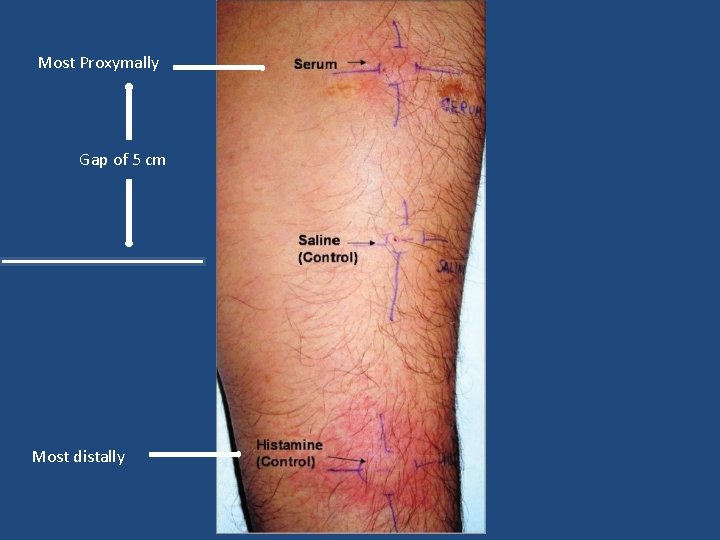
• 0. 05 ml each autologous serum histamine diphosphate sterile physiological saline is injected separately intradermally over volar aspect of the left forearm.
Most Proxymally Gap of 5 cm Most distally
• After 30 min (15 min for histamine), the wheal formed at each injection site is measured at two perpendicular diameters (d 1 and d 2 ) and the average of the two is calculated.
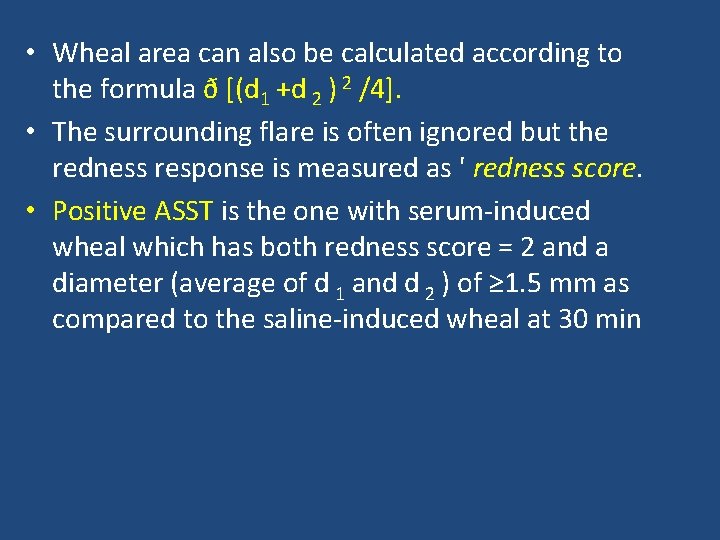
• Wheal area can also be calculated according to the formula ð [(d 1 +d 2 ) 2 /4]. • The surrounding flare is often ignored but the redness response is measured as ' redness score. • Positive ASST is the one with serum-induced wheal which has both redness score = 2 and a diameter (average of d 1 and d 2 ) of ≥ 1. 5 mm as compared to the saline-induced wheal at 30 min
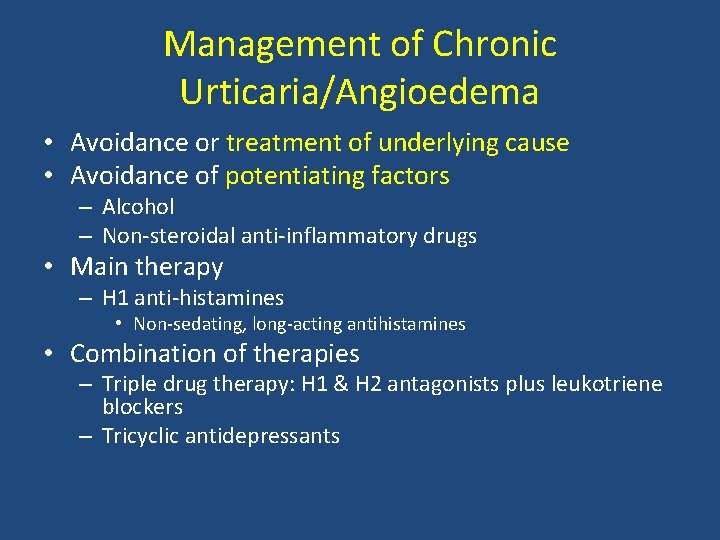
Management of Chronic Urticaria/Angioedema • Avoidance or treatment of underlying cause • Avoidance of potentiating factors – Alcohol – Non-steroidal anti-inflammatory drugs • Main therapy – H 1 anti-histamines • Non-sedating, long-acting antihistamines • Combination of therapies – Triple drug therapy: H 1 & H 2 antagonists plus leukotriene blockers – Tricyclic antidepressants
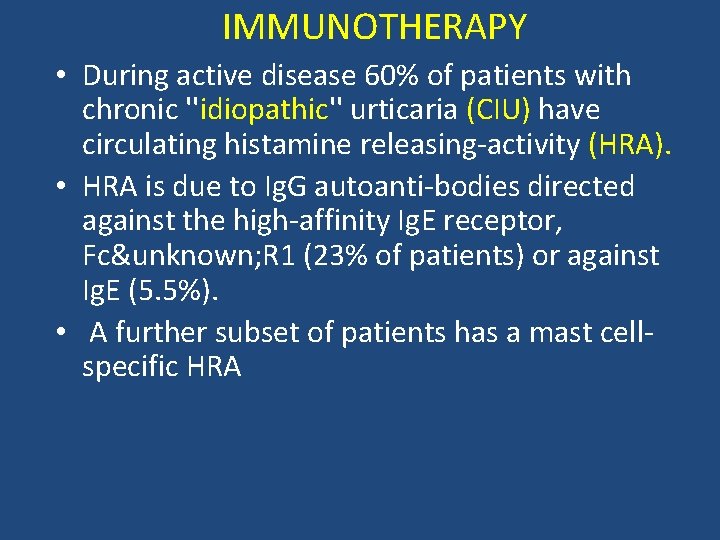
IMMUNOTHERAPY • During active disease 60% of patients with chronic ''idiopathic'' urticaria (CIU) have circulating histamine releasing-activity (HRA). • HRA is due to Ig. G autoanti-bodies directed against the high-affinity Ig. E receptor, Fc&unknown; R 1 (23% of patients) or against Ig. E (5. 5%). • A further subset of patients has a mast cellspecific HRA
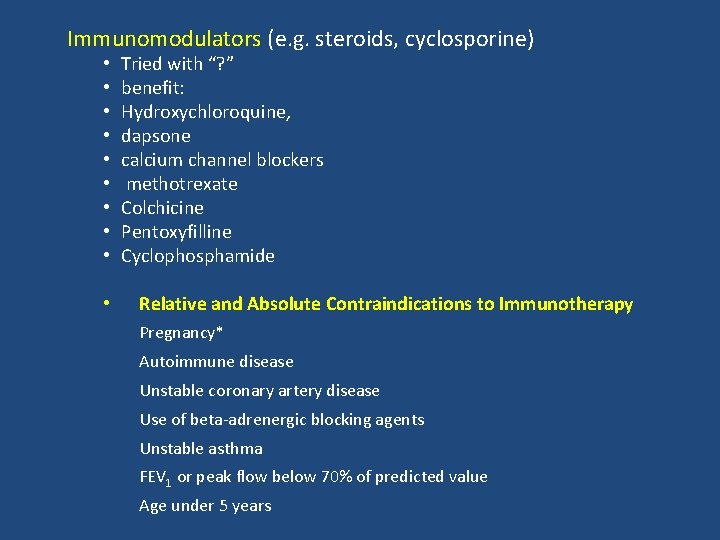
Immunomodulators (e. g. steroids, cyclosporine) • • • Tried with “? ” benefit: Hydroxychloroquine, dapsone calcium channel blockers methotrexate Colchicine Pentoxyfilline Cyclophosphamide Relative and Absolute Contraindications to Immunotherapy Pregnancy* Autoimmune disease Unstable coronary artery disease Use of beta-adrenergic blocking agents Unstable asthma FEV 1 or peak flow below 70% of predicted value Age under 5 years
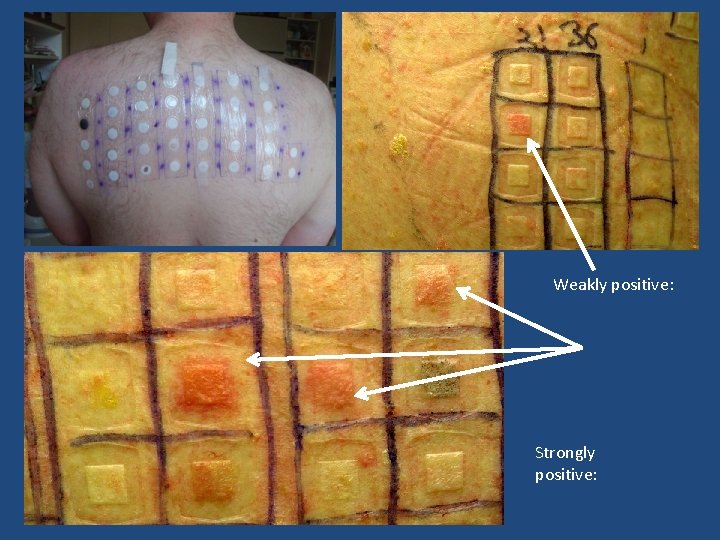
Application of PATCH TESTING in Chronic Eczema (Treatment resistant Eczema) • A patch test is a method used to determine if a specific substance causes allergic inflammation of the skin. • Any individual with eczema suspected of having allergic contact dermatitis and/or atopic dermatitis needs patch testing.
• Patch testing helps identify which substances may be causing a reaction in a patient. • It is intended to produce a local allergic reaction on a small area of back where the diluted chemicals are planted. • The chemicals included in the patch test kit are the offenders in approximately 85 -90 percent of contact allergic eczema. • They include chemicals present in metals (e. g. nickel), rubber, leather, hair dyes, formaldehyde, lanolin, fragrance, preservative and other additives.
• The most frequent allergen recorded in many research studies all around the world is NICKEL. • Nickel allergy is more prevalent in young women and it is especially associated with ear Piercing or any nickel-containing watch, belt, zipper or jewelry.
Interpretation • • (usually 48 and 72/96 hour readings). The result for each test site is recorded. One system used is as follows: Negative (-) Irritant reaction (IR) Equivocal / uncertain (+/-) Weak positive (+) Strong positive (++)
Weakly positive: Strongly positive:
• A positive patch test(s), might not explain the present skin problem since the test only indicates that the individual became allergic during the encounters with that chemical(s) at some point in their life. • Relevance, therefore, has to be established by determining the casual relationship between the positive test(s) and the eczema • There is often an assumption that certain foods can cause or worsen skin complaints like eczema. • However, there is very little evidence that cutting out foods such as milk and eggs actually improves eczema.
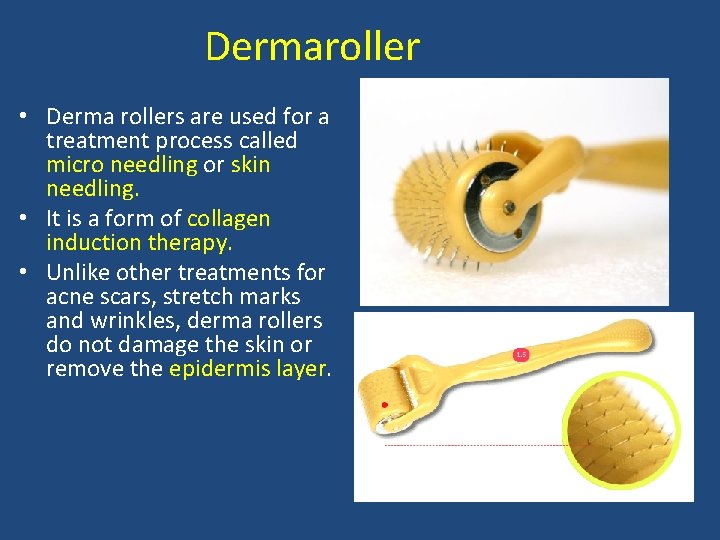
Dermaroller • Derma rollers are used for a treatment process called micro needling or skin needling. • It is a form of collagen induction therapy. • Unlike other treatments for acne scars, stretch marks and wrinkles, derma rollers do not damage the skin or remove the epidermis layer.
Applications: • • Wrinkles Anti ageing Acne scars Pitted scars Stretch marks Hair loss Thinning of hair
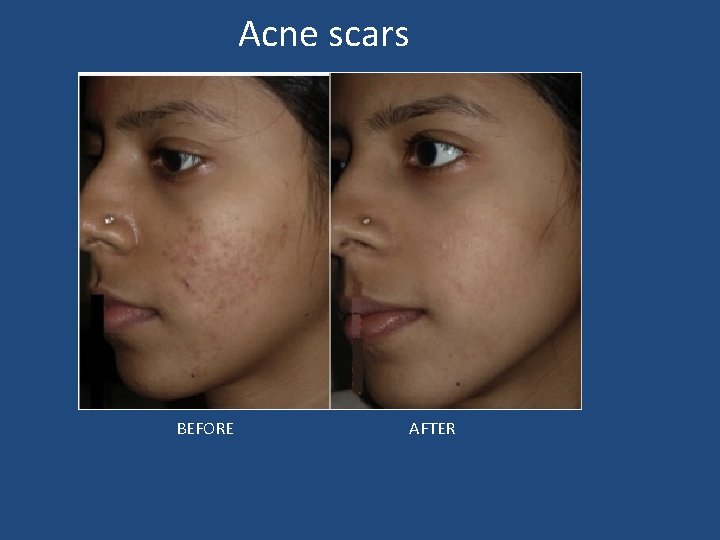
Acne scars BEFORE AFTER
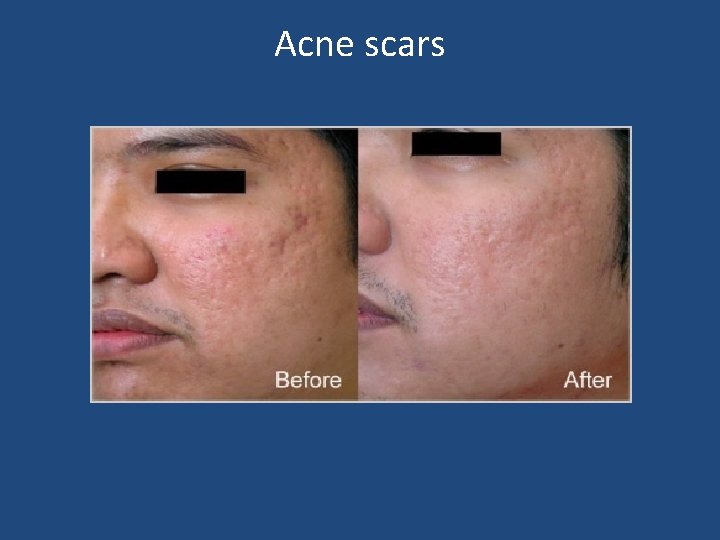
Acne scars
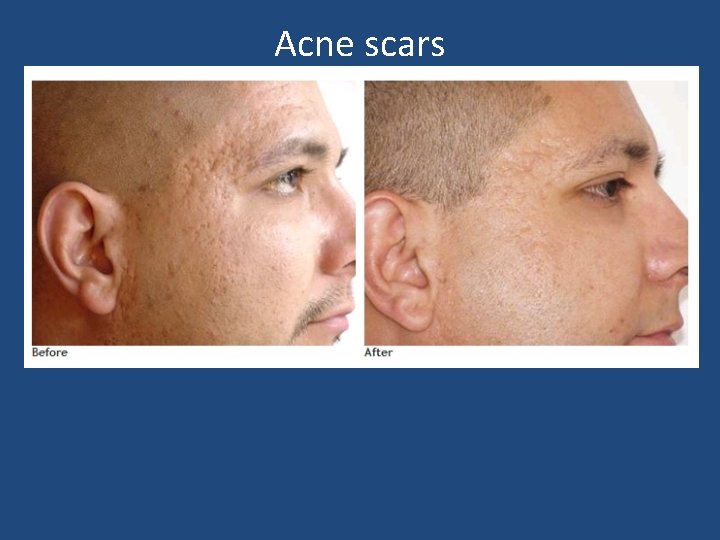
Acne scars