
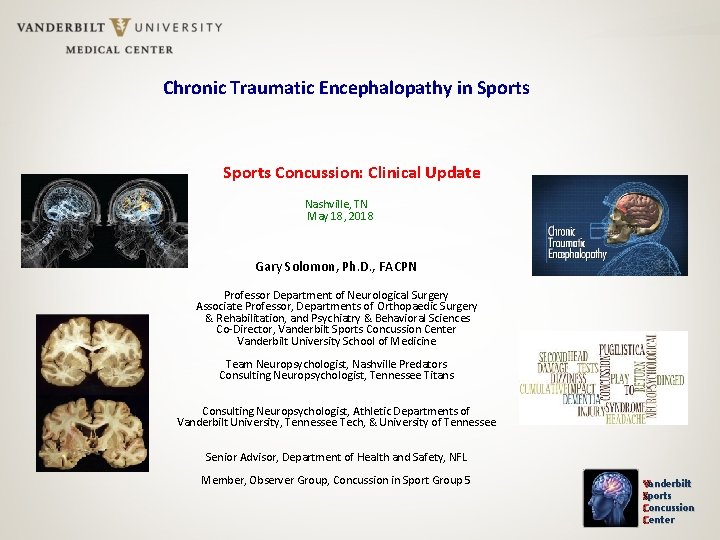
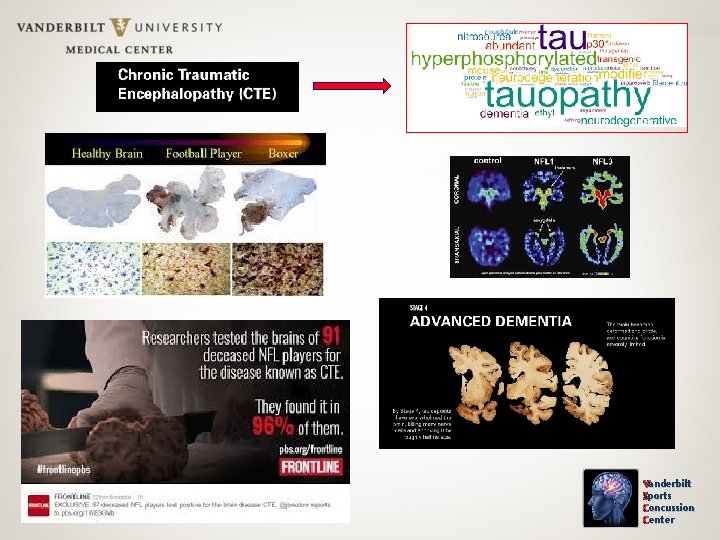
Chronic Traumatic Encephalopathy in Sports Concussion Clinical Update

- Slides: 57
Chronic Traumatic Encephalopathy in Sports Concussion: Clinical Update Nashville, TN May 18, 2018 Gary Solomon, Ph. D. , FACPN Professor Department of Neurological Surgery Associate Professor, Departments of Orthopaedic Surgery & Rehabilitation, and Psychiatry & Behavioral Sciences Co-Director, Vanderbilt Sports Concussion Center Vanderbilt University School of Medicine Team Neuropsychologist, Nashville Predators Consulting Neuropsychologist, Tennessee Titans Consulting Neuropsychologist, Athletic Departments of Vanderbilt University, Tennessee Tech, & University of Tennessee Senior Advisor, Department of Health and Safety, NFL Member, Observer Group, Concussion in Sport Group 5 Vanderbilt Sports Concussion Center
Full time employee, Vanderbilt University School of Medicine Either Vanderbilt or I receive consulting fees and/or expense reimbursements from: Nashville Predators, Tennessee Titans, Tennessee Tech Athletics, University of Tennessee Athletics. Consultant to the NFL Department of Health and Safety Honoraria and/or expense reimbursements for presentations at scientific meetings Grants: Do. D: Restoration of standing and walking through Intra-spinal Microstimulation in humans (Peter Konrad, M. D. , Ph. D. ) I have not knowingly seen patients involved in litigation nor have I done forensic consulting for more than 10 years. This is not a systematic review of the published literature; my own biases in the selection of papers reviewed and the opinions presented are acknowledged. Comments in blue represent my opinion. This presentation is not endorsed by any organization with which I am affiliated. These are my opinions, so blame me. Vanderbilt Sports Concussion Center
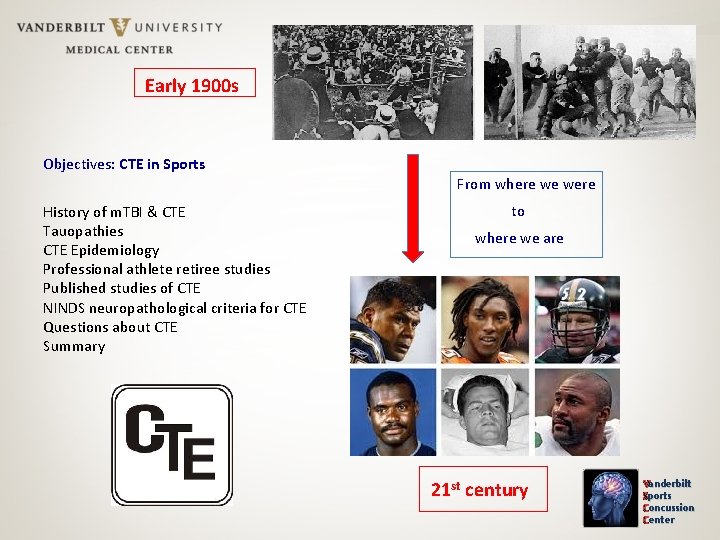
Early 1900 s Objectives: CTE in Sports From where we were History of m. TBI & CTE Tauopathies CTE Epidemiology Professional athlete retiree studies Published studies of CTE NINDS neuropathological criteria for CTE Questions about CTE Summary to where we are 21 st century Vanderbilt Sports Concussion Center
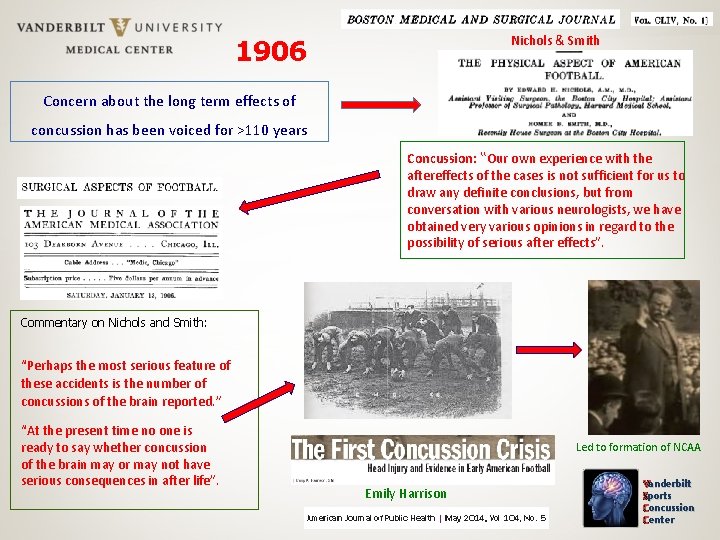
Nichols & Smith 1906 Concern about the long term effects of concussion has been voiced for >110 years Concussion: “Our own experience with the aftereffects of the cases is not sufficient for us to draw any definite conclusions, but from conversation with various neurologists, we have obtained very various opinions in regard to the possibility of serious after effects”. Commentary on Nichols and Smith: “Perhaps the most serious feature of these accidents is the number of concussions of the brain reported. ” “At the present time no one is ready to say whether concussion of the brain may or may not have serious consequences in after life”. Led to formation of NCAA Emily Harrison Vanderbilt Sports Concussion Center
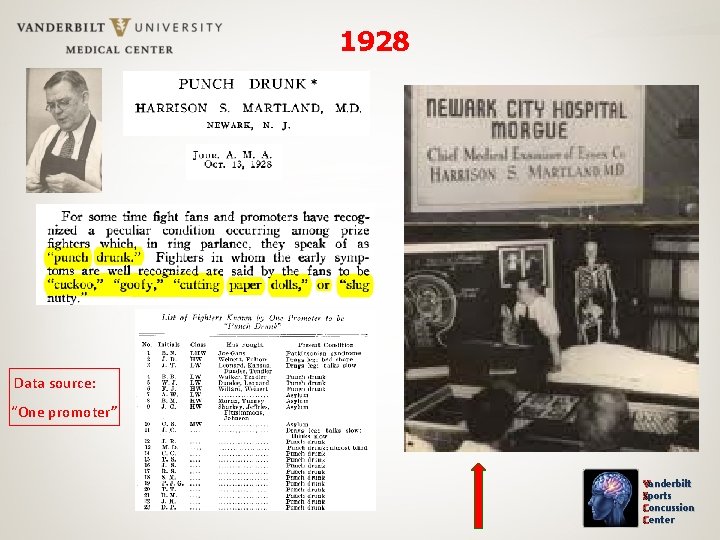
1928 Data source: “One promoter” Vanderbilt Sports Concussion Center
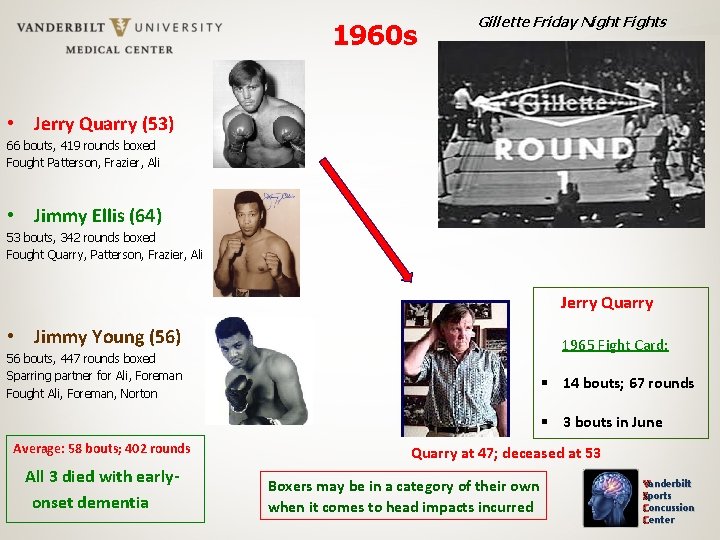
1960 s Gillette Friday Night Fights • Jerry Quarry (53) 66 bouts, 419 rounds boxed Fought Patterson, Frazier, Ali • Jimmy Ellis (64) 53 bouts, 342 rounds boxed Fought Quarry, Patterson, Frazier, Ali Jerry Quarry • Jimmy Young (56) 1965 Fight Card: 56 bouts, 447 rounds boxed Sparring partner for Ali, Foreman Fought Ali, Foreman, Norton 14 bouts; 67 rounds 3 bouts in June Average: 58 bouts; 402 rounds All 3 died with earlyonset dementia Quarry at 47; deceased at 53 Boxers may be in a category of their own when it comes to head impacts incurred Vanderbilt Sports Concussion Center
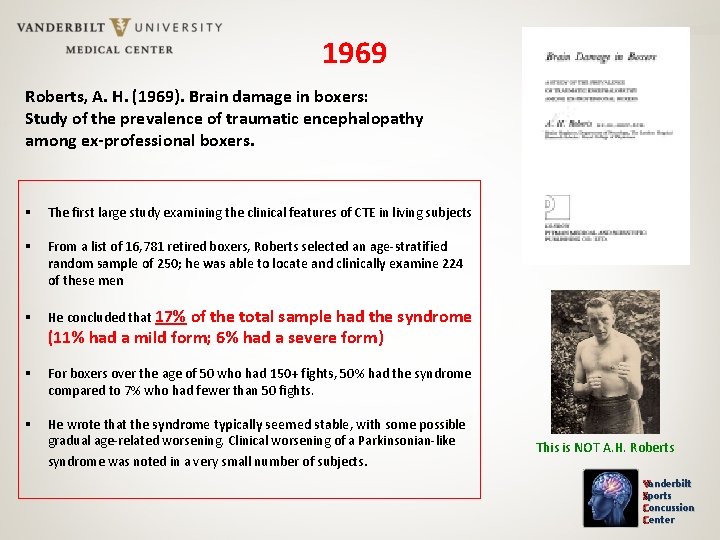
1969 Roberts, A. H. (1969). Brain damage in boxers: Study of the prevalence of traumatic encephalopathy among ex-professional boxers. The first large study examining the clinical features of CTE in living subjects From a list of 16, 781 retired boxers, Roberts selected an age-stratified random sample of 250; he was able to locate and clinically examine 224 of these men He concluded that 17% of the total sample had the syndrome (11% had a mild form; 6% had a severe form) For boxers over the age of 50 who had 150+ fights, 50% had the syndrome compared to 7% who had fewer than 50 fights. He wrote that the syndrome typically seemed stable, with some possible gradual age-related worsening. Clinical worsening of a Parkinsonian-like syndrome was noted in a very small number of subjects. This is NOT A. H. Roberts Vanderbilt Sports Concussion Center
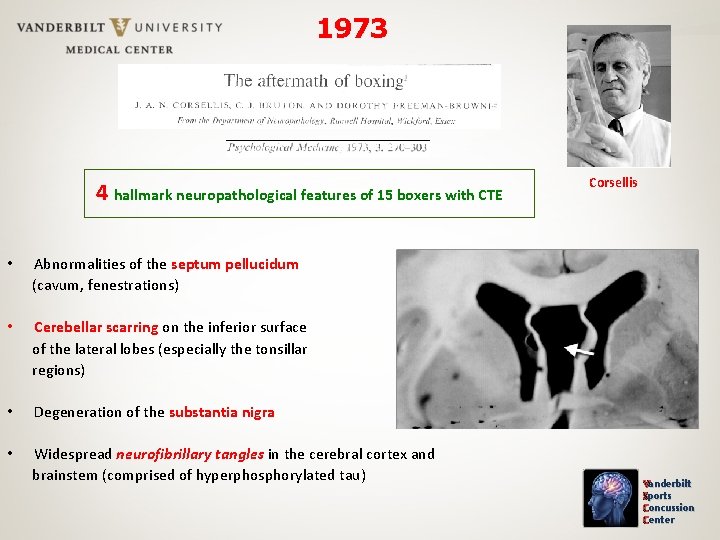
1973 4 hallmark neuropathological features of 15 boxers with CTE • Abnormalities of the septum pellucidum (cavum, fenestrations) • Cerebellar scarring on the inferior surface of the lateral lobes (especially the tonsillar regions) • Degeneration of the substantia nigra • Widespread neurofibrillary tangles in the cerebral cortex and brainstem (comprised of hyperphosphorylated tau) Corsellis Vanderbilt Sports Concussion Center
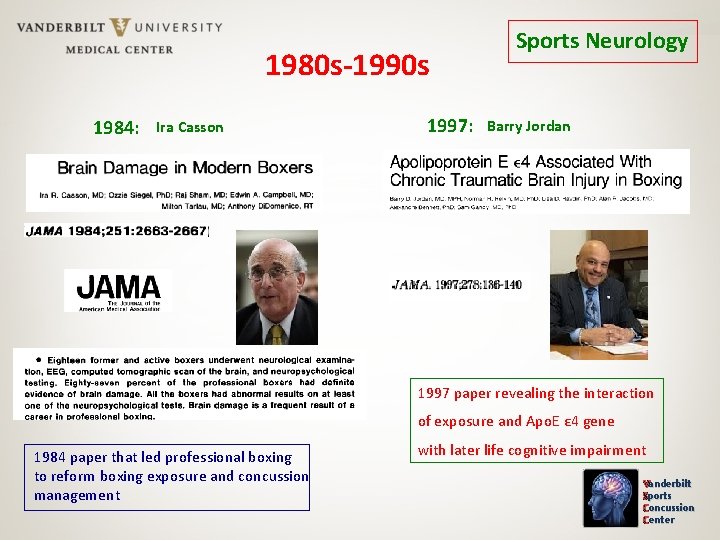
1980 s-1990 s 1984: Ira Casson 1997: Sports Neurology Barry Jordan 1997 paper revealing the interaction of exposure and Apo. E ε 4 gene 1984 paper that led professional boxing to reform boxing exposure and concussion management with later life cognitive impairment Vanderbilt Sports Concussion Center
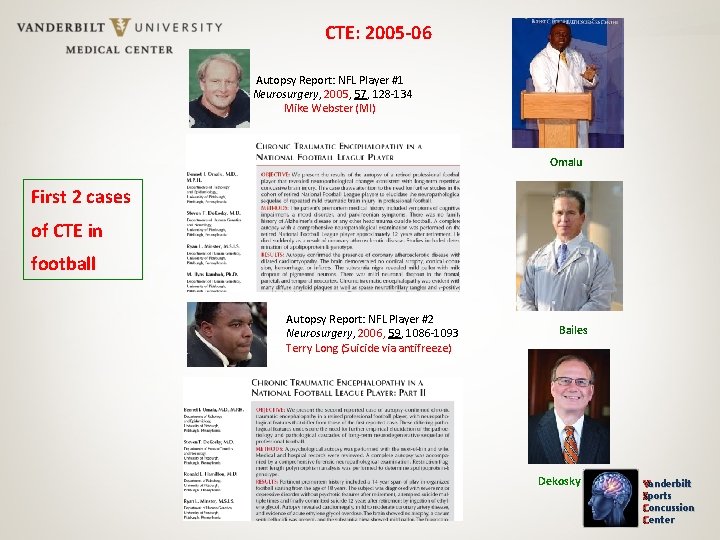
CTE: 2005 -06 Autopsy Report: NFL Player #1 Neurosurgery, 2005, 57, 128 -134 Mike Webster (MI) Omalu First 2 cases of CTE in football Autopsy Report: NFL Player #2 Neurosurgery, 2006, 59, 1086 -1093 Terry Long (Suicide via antifreeze) Bailes Dekosky Vanderbilt Sports Concussion Center
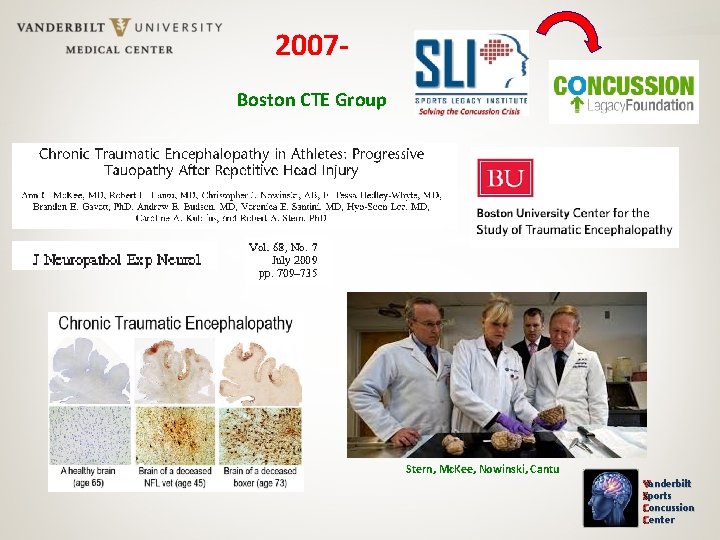
2007 Boston CTE Group Stern, Mc. Kee, Nowinski, Cantu Vanderbilt Sports Concussion Center
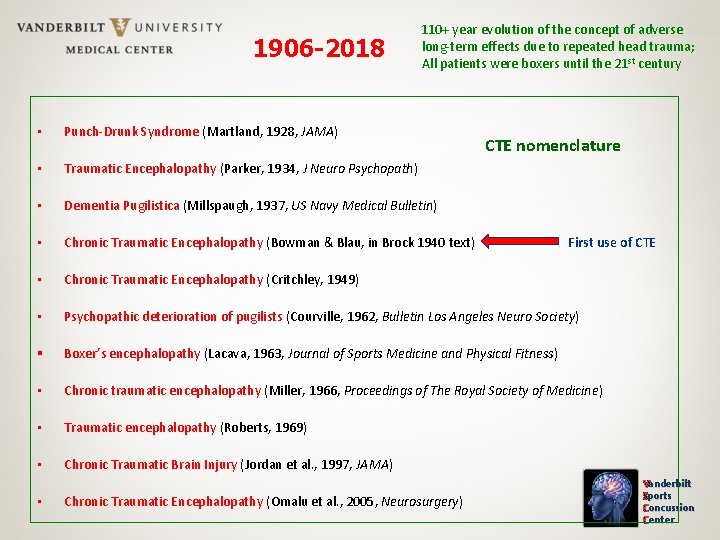
1906 -2018 110+ year evolution of the concept of adverse long-term effects due to repeated head trauma; All patients were boxers until the 21 st century • Punch-Drunk Syndrome (Martland, 1928, JAMA) • Traumatic Encephalopathy (Parker, 1934, J Neuro Psychopath) • Dementia Pugilistica (Millspaugh, 1937, US Navy Medical Bulletin) • Chronic Traumatic Encephalopathy (Bowman & Blau, in Brock 1940 text) • Chronic Traumatic Encephalopathy (Critchley, 1949) • Psychopathic deterioration of pugilists (Courville, 1962, Bulletin Los Angeles Neuro Society) Boxer’s encephalopathy (Lacava, 1963, Journal of Sports Medicine and Physical Fitness) • Chronic traumatic encephalopathy (Miller, 1966, Proceedings of The Royal Society of Medicine) • Traumatic encephalopathy (Roberts, 1969) • Chronic Traumatic Brain Injury (Jordan et al. , 1997, JAMA) • Chronic Traumatic Encephalopathy (Omalu et al. , 2005, Neurosurgery) CTE nomenclature First use of CTE Vanderbilt Sports Concussion Center
Vanderbilt Sports Concussion Center
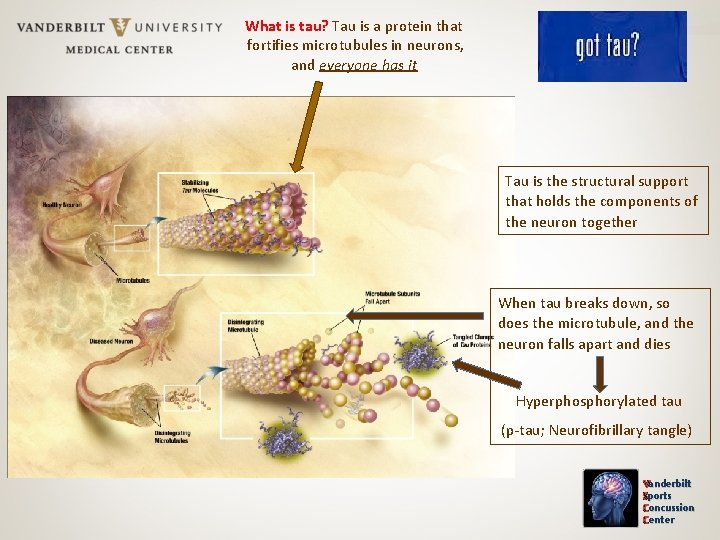
What is tau? Tau is a protein that fortifies microtubules in neurons, and everyone has it Tau is the structural support that holds the components of the neuron together When tau breaks down, so does the microtubule, and the neuron falls apart and dies Hyperphosphorylated tau (p-tau; Neurofibrillary tangle) Vanderbilt Sports Concussion Center
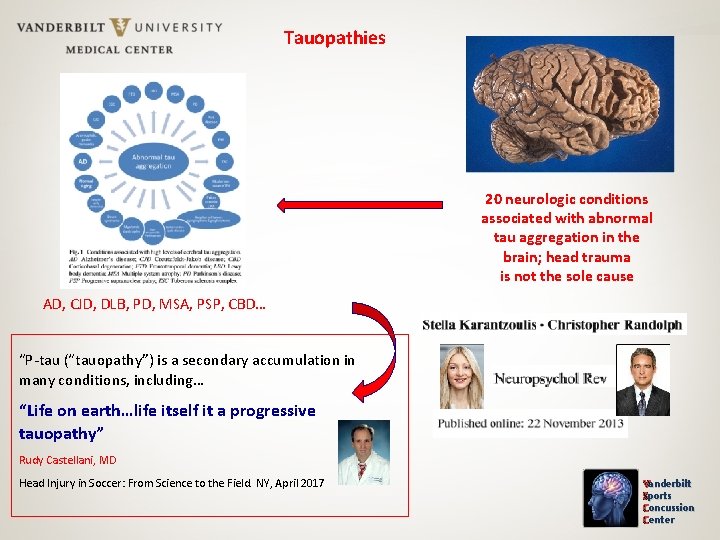
Tauopathies 20 neurologic conditions associated with abnormal tau aggregation in the brain; head trauma is not the sole cause AD, CJD, DLB, PD, MSA, PSP, CBD… “P-tau (“tauopathy”) is a secondary accumulation in many conditions, including… “Life on earth…life itself it a progressive tauopathy” Rudy Castellani, MD Head Injury in Soccer: From Science to the Field. NY, April 2017 Vanderbilt Sports Concussion Center
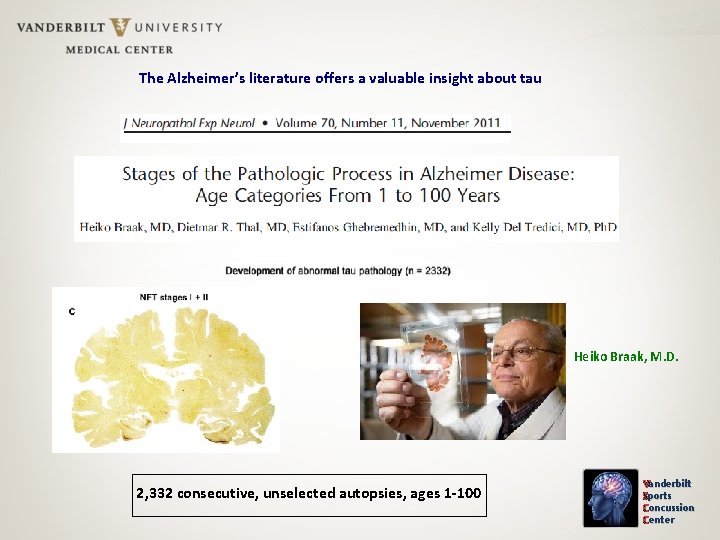
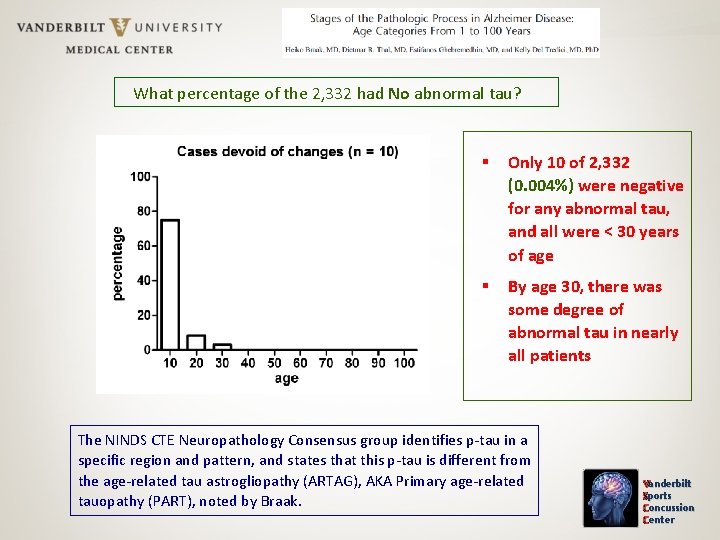
The Alzheimer’s literature offers a valuable insight about tau Heiko Braak, M. D. 2, 332 consecutive, unselected autopsies, ages 1 -100 Vanderbilt Sports Concussion Center
What percentage of the 2, 332 had No abnormal tau? Only 10 of 2, 332 (0. 004%) were negative for any abnormal tau, and all were < 30 years of age By age 30, there was some degree of abnormal tau in nearly all patients The NINDS CTE Neuropathology Consensus group identifies p-tau in a specific region and pattern, and states that this p-tau is different from the age-related tau astrogliopathy (ARTAG), AKA Primary age-related tauopathy (PART), noted by Braak. Vanderbilt Sports Concussion Center
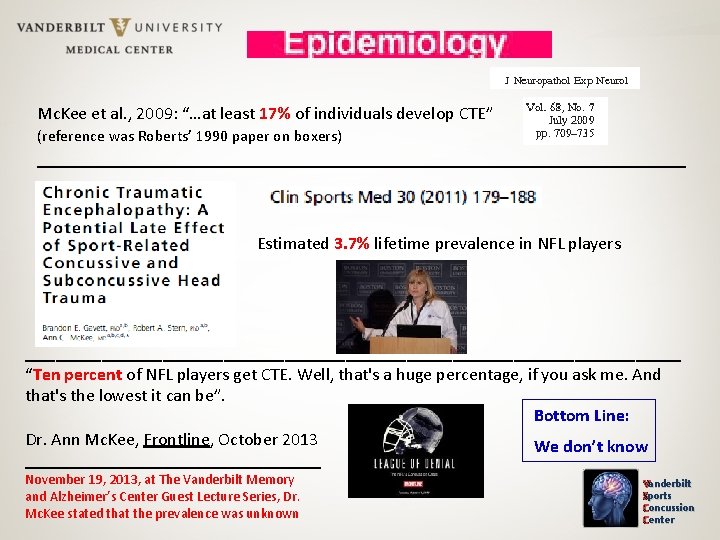
Mc. Kee et al. , 2009: “…at least 17% of individuals develop CTE” (reference was Roberts’ 1990 paper on boxers) __________________________ Estimated 3. 7% lifetime prevalence in NFL players ______________________ “Ten percent of NFL players get CTE. Well, that's a huge percentage, if you ask me. And that's the lowest it can be”. Bottom Line: Dr. Ann Mc. Kee, Frontline, October 2013 We don’t know _________________ November 19, 2013, at The Vanderbilt Memory and Alzheimer’s Center Guest Lecture Series, Dr. Mc. Kee stated that the prevalence was unknown Vanderbilt Sports Concussion Center
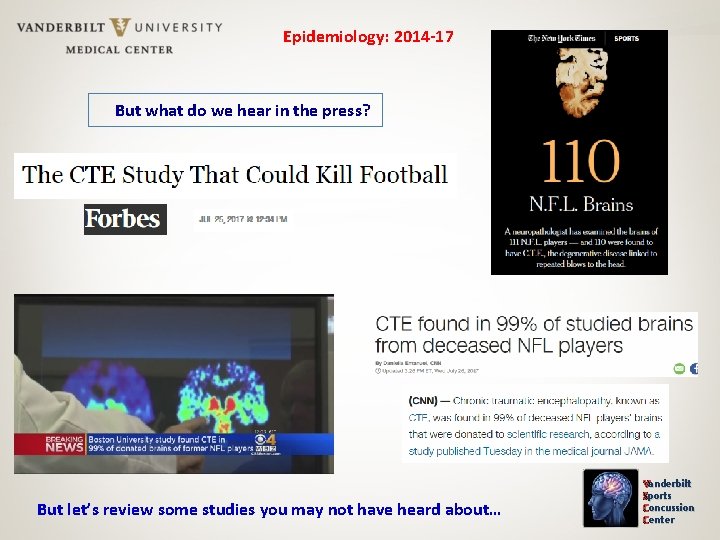
Epidemiology: 2014 -17 But what do we hear in the press? But let’s review some studies you may not have heard about… Vanderbilt Sports Concussion Center
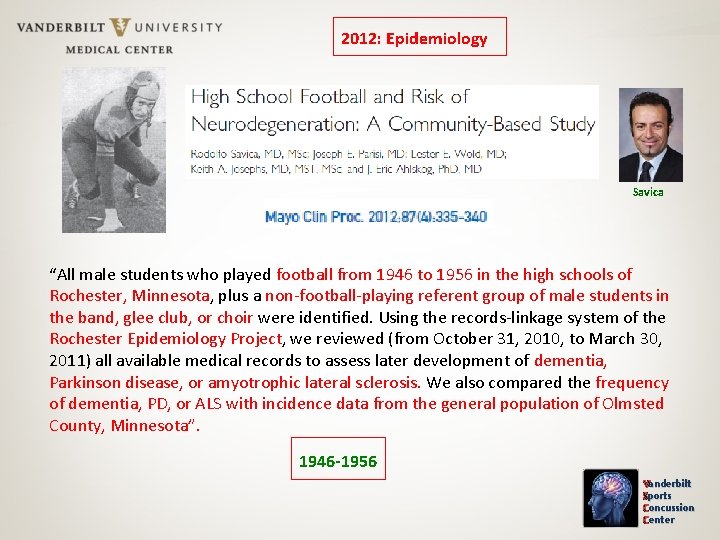
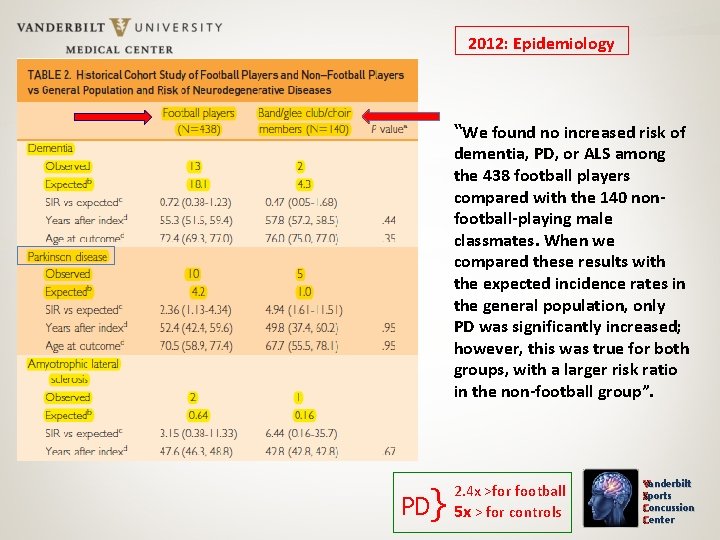
2012: Epidemiology Savica “All male students who played football from 1946 to 1956 in the high schools of Rochester, Minnesota, plus a non-football-playing referent group of male students in the band, glee club, or choir were identified. Using the records-linkage system of the Rochester Epidemiology Project, we reviewed (from October 31, 2010, to March 30, 2011) all available medical records to assess later development of dementia, Parkinson disease, or amyotrophic lateral sclerosis. We also compared the frequency of dementia, PD, or ALS with incidence data from the general population of Olmsted County, Minnesota”. 1946 -1956 Vanderbilt Sports Concussion Center
2012: Epidemiology “We found no increased risk of dementia, PD, or ALS among the 438 football players compared with the 140 nonfootball-playing male classmates. When we compared these results with the expected incidence rates in the general population, only PD was significantly increased; however, this was true for both groups, with a larger risk ratio in the non-football group”. PD} 2. 4 x >for football 5 x > for controls Vanderbilt Sports Concussion Center
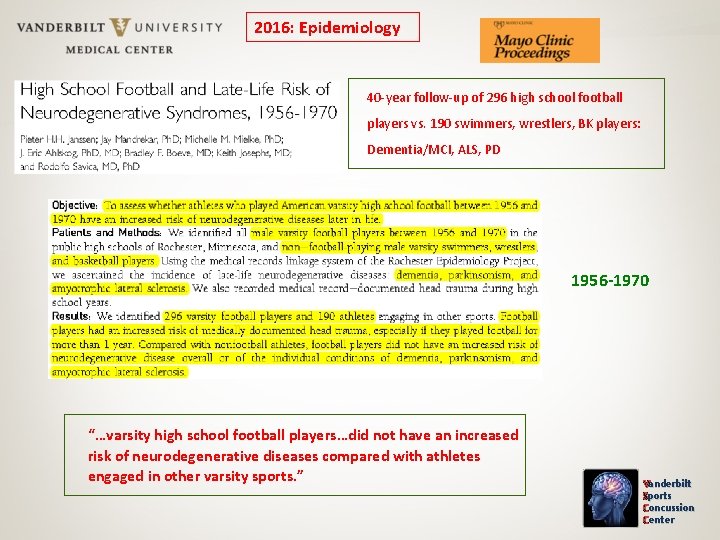
2016: Epidemiology 40 -year follow-up of 296 high school football players vs. 190 swimmers, wrestlers, BK players: Dementia/MCI, ALS, PD 1956 -1970 “…varsity high school football players…did not have an increased risk of neurodegenerative diseases compared with athletes engaged in other varsity sports. ” Vanderbilt Sports Concussion Center
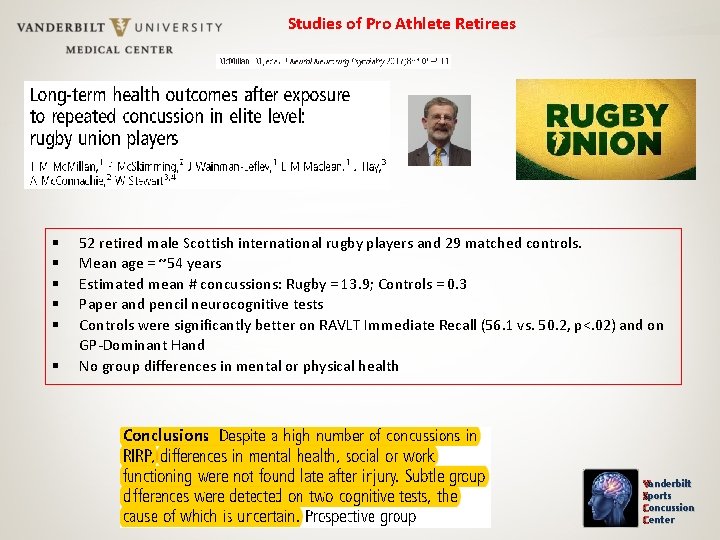
Studies of Pro Athlete Retirees 52 retired male Scottish international rugby players and 29 matched controls. Mean age = ~54 years Estimated mean # concussions: Rugby = 13. 9; Controls = 0. 3 Paper and pencil neurocognitive tests Controls were significantly better on RAVLT Immediate Recall (56. 1 vs. 50. 2, p<. 02) and on GP-Dominant Hand No group differences in mental or physical health Vanderbilt Sports Concussion Center
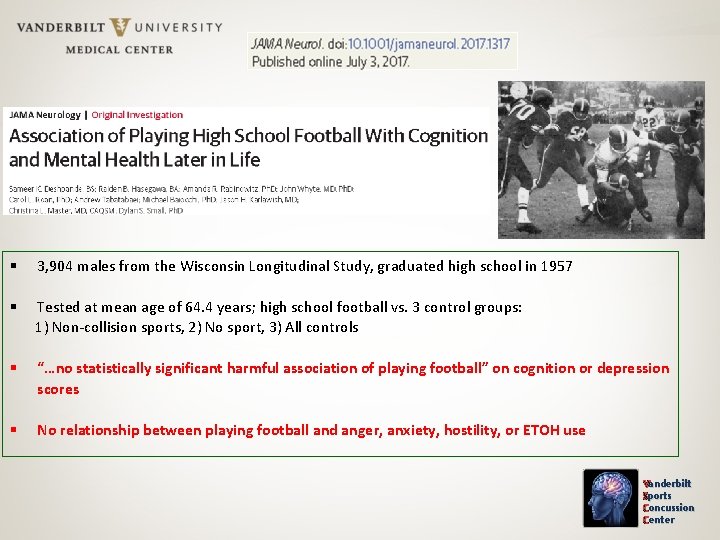
3, 904 males from the Wisconsin Longitudinal Study, graduated high school in 1957 Tested at mean age of 64. 4 years; high school football vs. 3 control groups: 1) Non-collision sports, 2) No sport, 3) All controls “…no statistically significant harmful association of playing football” on cognition or depression scores No relationship between playing football and anger, anxiety, hostility, or ETOH use Vanderbilt Sports Concussion Center
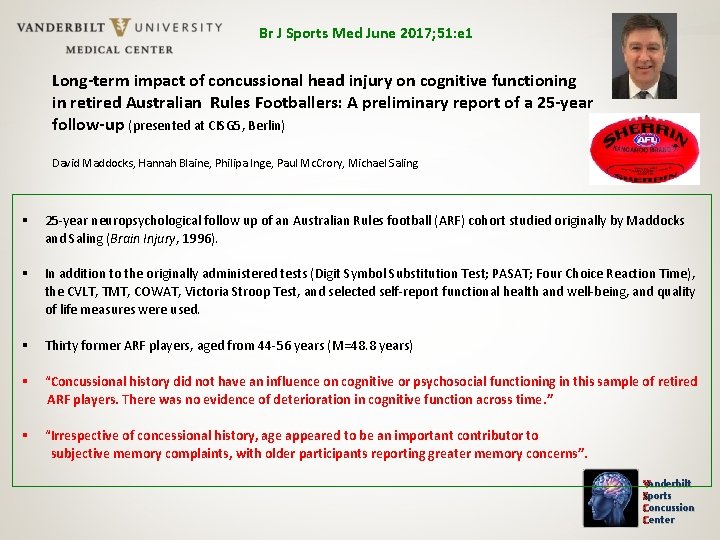
Br J Sports Med June 2017; 51: e 1 Long-term impact of concussional head injury on cognitive functioning in retired Australian Rules Footballers: A preliminary report of a 25 -year follow-up (presented at CISG 5, Berlin) David Maddocks, Hannah Blaine, Philipa Inge, Paul Mc. Crory, Michael Saling 25 -year neuropsychological follow up of an Australian Rules football (ARF) cohort studied originally by Maddocks and Saling (Brain Injury, 1996). In addition to the originally administered tests (Digit Symbol Substitution Test; PASAT; Four Choice Reaction Time), the CVLT, TMT, COWAT, Victoria Stroop Test, and selected self-report functional health and well-being, and quality of life measures were used. Thirty former ARF players, aged from 44 -56 years (M=48. 8 years) “Concussional history did not have an influence on cognitive or psychosocial functioning in this sample of retired ARF players. There was no evidence of deterioration in cognitive function across time. ” “Irrespective of concessional history, age appeared to be an important contributor to subjective memory complaints, with older participants reporting greater memory concerns”. Vanderbilt Sports Concussion Center
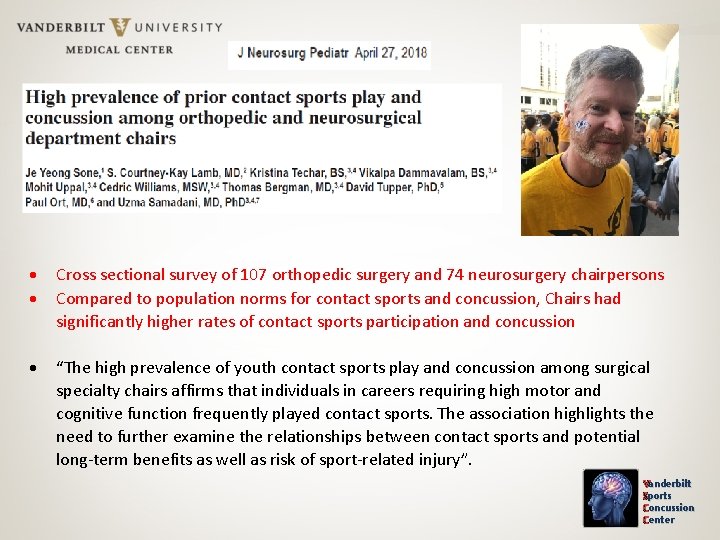
Cross sectional survey of 107 orthopedic surgery and 74 neurosurgery chairpersons Compared to population norms for contact sports and concussion, Chairs had significantly higher rates of contact sports participation and concussion “The high prevalence of youth contact sports play and concussion among surgical specialty chairs affirms that individuals in careers requiring high motor and cognitive function frequently played contact sports. The association highlights the need to further examine the relationships between contact sports and potential long-term benefits as well as risk of sport-related injury”. Vanderbilt Sports Concussion Center
What does the published CTE data tell us? Major empirical studies and reviews Vanderbilt Sports Concussion Center
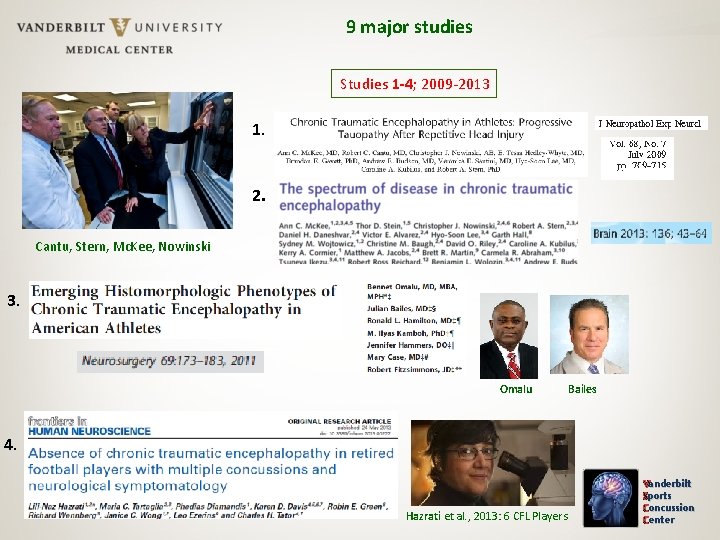
9 major studies Studies 1 -4; 2009 -2013 1. 2. Cantu, Stern, Mc. Kee, Nowinski 3. Omalu Bailes 4. Hazrati et al. , 2013: 6 CFL Players Vanderbilt Sports Concussion Center
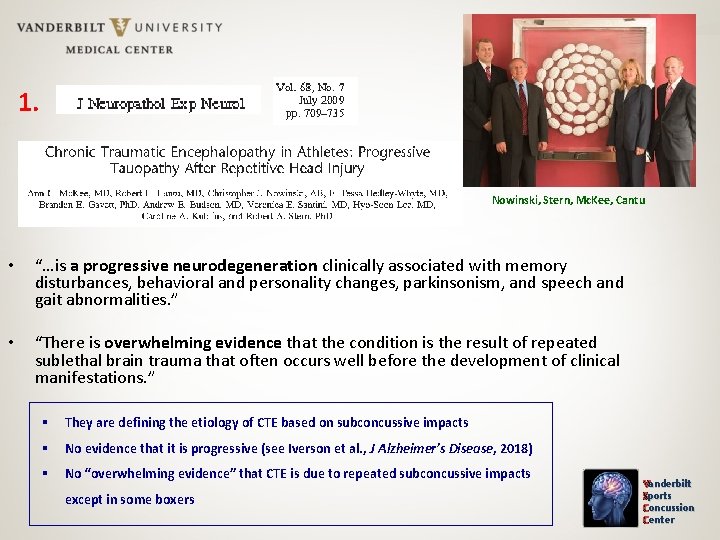
1. Nowinski, Stern, Mc. Kee, Cantu • “…is a progressive neurodegeneration clinically associated with memory disturbances, behavioral and personality changes, parkinsonism, and speech and gait abnormalities. ” • “There is overwhelming evidence that the condition is the result of repeated sublethal brain trauma that often occurs well before the development of clinical manifestations. ” They are defining the etiology of CTE based on subconcussive impacts No evidence that it is progressive (see Iverson et al. , J Alzheimer’s Disease, 2018) No “overwhelming evidence” that CTE is due to repeated subconcussive impacts except in some boxers Vanderbilt Sports Concussion Center
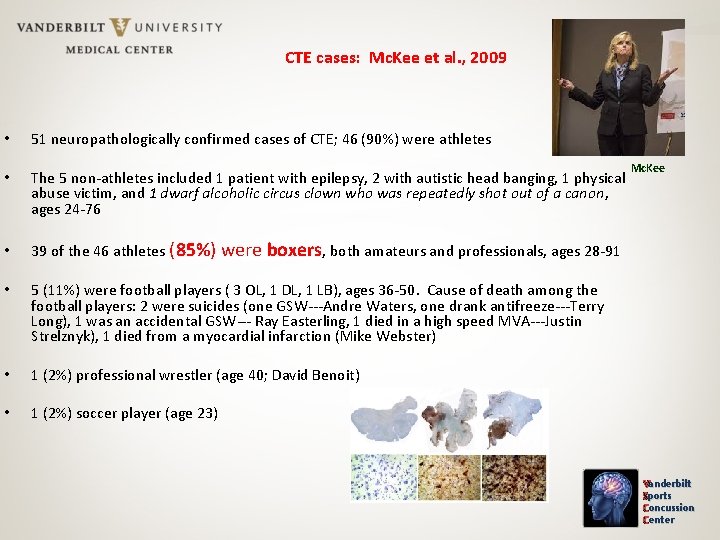
CTE cases: Mc. Kee et al. , 2009 • 51 neuropathologically confirmed cases of CTE; 46 (90%) were athletes • The 5 non-athletes included 1 patient with epilepsy, 2 with autistic head banging, 1 physical abuse victim, and 1 dwarf alcoholic circus clown who was repeatedly shot out of a canon, ages 24 -76 • 39 of the 46 athletes (85%) were boxers, both amateurs and professionals, ages 28 -91 • 5 (11%) were football players ( 3 OL, 1 DL, 1 LB), ages 36 -50. Cause of death among the football players: 2 were suicides (one GSW---Andre Waters, one drank antifreeze---Terry Long), 1 was an accidental GSW--- Ray Easterling, 1 died in a high speed MVA---Justin Strelznyk), 1 died from a myocardial infarction (Mike Webster) • 1 (2%) professional wrestler (age 40; David Benoit) • 1 (2%) soccer player (age 23) Mc. Kee Vanderbilt Sports Concussion Center
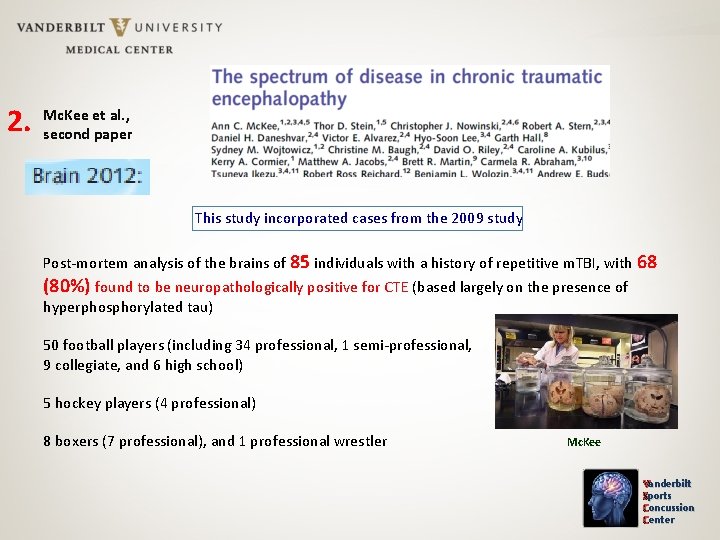
2. Mc. Kee et al. , second paper This study incorporated cases from the 2009 study Post-mortem analysis of the brains of 85 individuals with a history of repetitive m. TBI, with 68 (80%) found to be neuropathologically positive for CTE (based largely on the presence of hyperphosphorylated tau) 50 football players (including 34 professional, 1 semi-professional, 9 collegiate, and 6 high school) 5 hockey players (4 professional) 8 boxers (7 professional), and 1 professional wrestler Mc. Kee Vanderbilt Sports Concussion Center
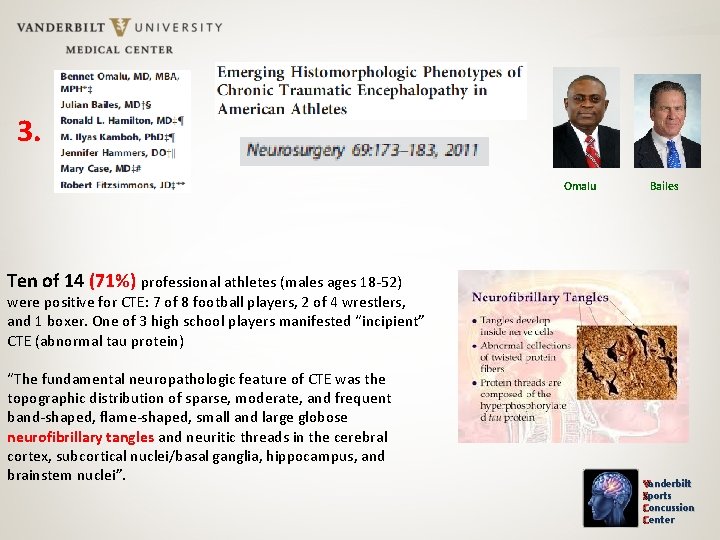
3. Omalu Bailes Ten of 14 (71%) professional athletes (males ages 18 -52) were positive for CTE: 7 of 8 football players, 2 of 4 wrestlers, and 1 boxer. One of 3 high school players manifested “incipient” CTE (abnormal tau protein) “The fundamental neuropathologic feature of CTE was the topographic distribution of sparse, moderate, and frequent band-shaped, flame-shaped, small and large globose neurofibrillary tangles and neuritic threads in the cerebral cortex, subcortical nuclei/basal ganglia, hippocampus, and brainstem nuclei”. Vanderbilt Sports Concussion Center
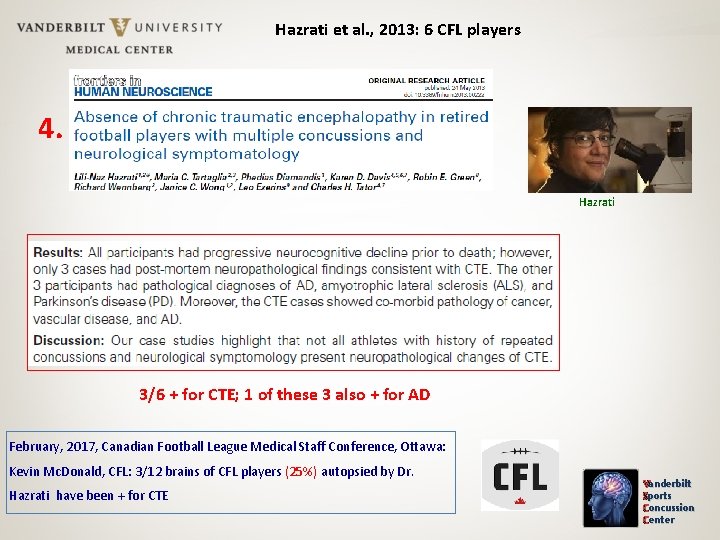
Hazrati et al. , 2013: 6 CFL players 4. Hazrati 3/6 + for CTE; 1 of these 3 also + for AD February, 2017, Canadian Football League Medical Staff Conference, Ottawa: Kevin Mc. Donald, CFL: 3/12 brains of CFL players (25%) autopsied by Dr. Hazrati have been + for CTE Vanderbilt Sports Concussion Center
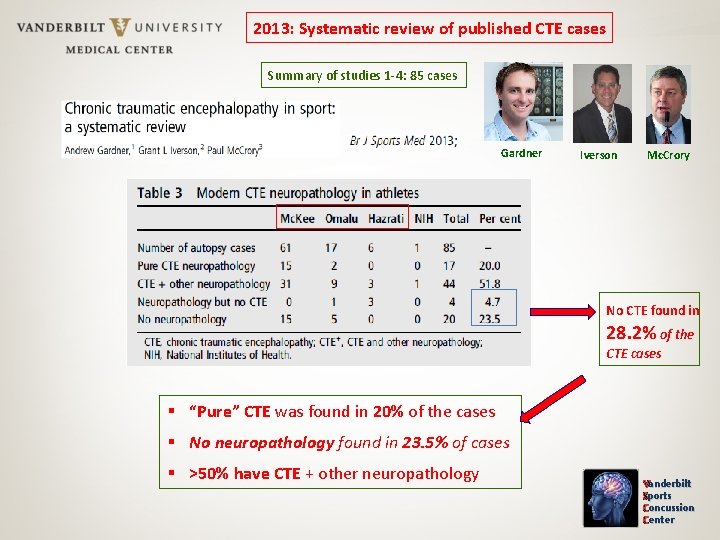
2013: Systematic review of published CTE cases Summary of studies 1 -4: 85 cases Gardner Iverson Mc. Crory No CTE found in 28. 2% of the CTE cases “Pure” CTE was found in 20% of the cases No neuropathology found in 23. 5% of cases >50% have CTE + other neuropathology Vanderbilt Sports Concussion Center
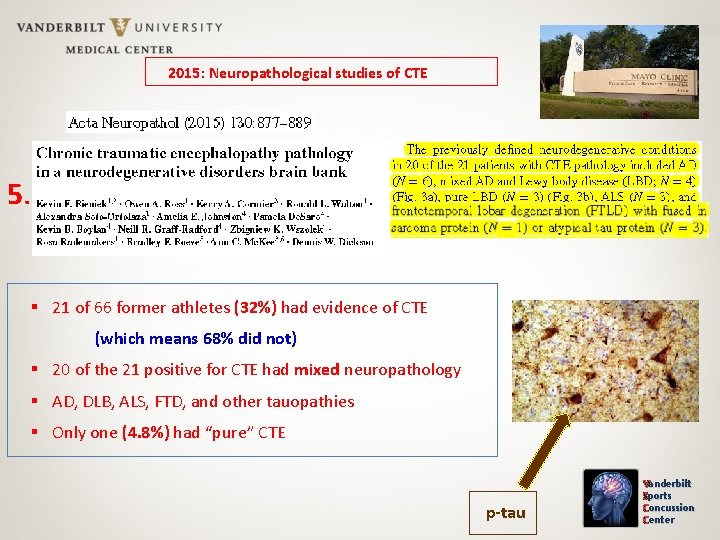
2015: Neuropathological studies of CTE 5. 21 of 66 former athletes (32%) had evidence of CTE (which means 68% did not) 20 of the 21 positive for CTE had mixed neuropathology AD, DLB, ALS, FTD, and other tauopathies Only one (4. 8%) had “pure” CTE p-tau Vanderbilt Sports Concussion Center
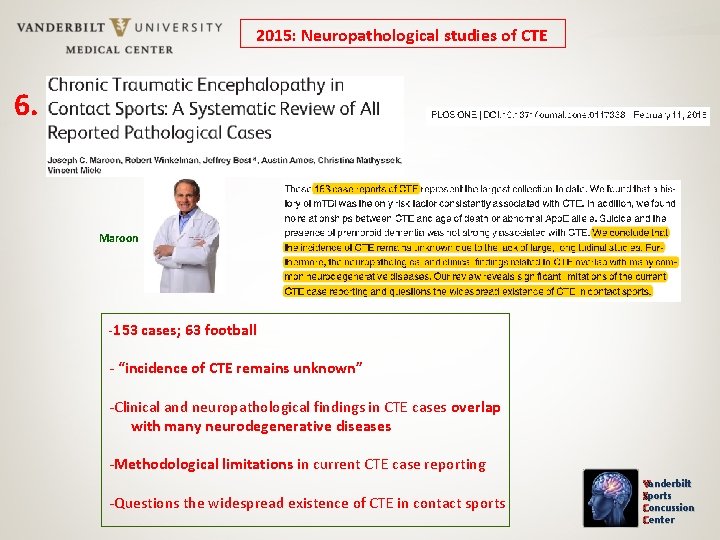
2015: Neuropathological studies of CTE 6. Maroon -153 cases; 63 football - “incidence of CTE remains unknown” -Clinical and neuropathological findings in CTE cases overlap with many neurodegenerative diseases -Methodological limitations in current CTE case reporting -Questions the widespread existence of CTE in contact sports Vanderbilt Sports Concussion Center
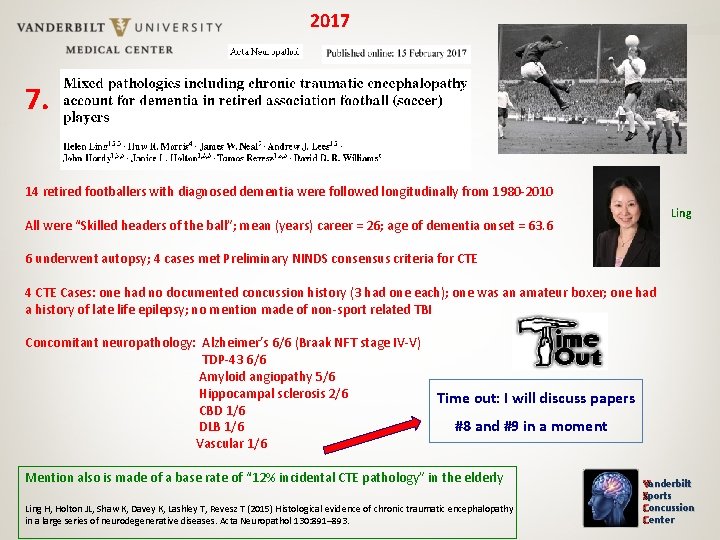
2017 7. 14 retired footballers with diagnosed dementia were followed longitudinally from 1980 -2010 Ling All were “Skilled headers of the ball”; mean (years) career = 26; age of dementia onset = 63. 6 6 underwent autopsy; 4 cases met Preliminary NINDS consensus criteria for CTE 4 CTE Cases: one had no documented concussion history (3 had one each); one was an amateur boxer; one had a history of late life epilepsy; no mention made of non-sport related TBI Concomitant neuropathology: Alzheimer’s 6/6 (Braak NFT stage IV-V) TDP-43 6/6 Amyloid angiopathy 5/6 Hippocampal sclerosis 2/6 CBD 1/6 DLB 1/6 Vascular 1/6 Time out: I will discuss papers #8 and #9 in a moment Mention also is made of a base rate of “ 12% incidental CTE pathology” in the elderly Ling H, Holton JL, Shaw K, Davey K, Lashley T, Revesz T (2015) Histological evidence of chronic traumatic encephalopathy in a large series of neurodegenerative diseases. Acta Neuropathol 130: 891– 893. Vanderbilt Sports Concussion Center
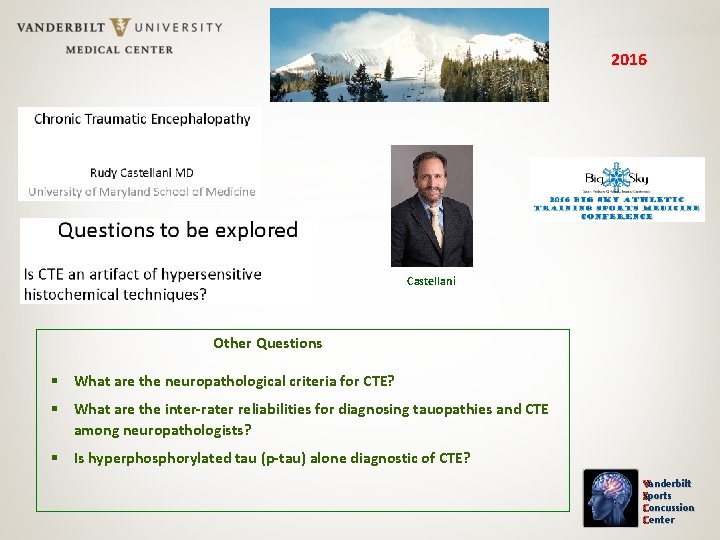
2016 Castellani Other Questions What are the neuropathological criteria for CTE? What are the inter-rater reliabilities for diagnosing tauopathies and CTE among neuropathologists? Is hyperphosphorylated tau (p-tau) alone diagnostic of CTE? Vanderbilt Sports Concussion Center
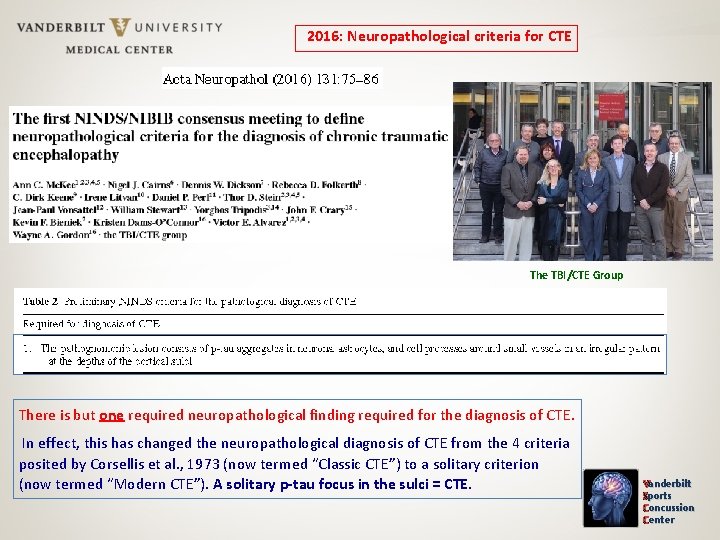
2016: Neuropathological criteria for CTE The TBI/CTE Group There is but one required neuropathological finding required for the diagnosis of CTE. In effect, this has changed the neuropathological diagnosis of CTE from the 4 criteria posited by Corsellis et al. , 1973 (now termed “Classic CTE”) to a solitary criterion (now termed “Modern CTE”). A solitary p-tau focus in the sulci = CTE. Vanderbilt Sports Concussion Center
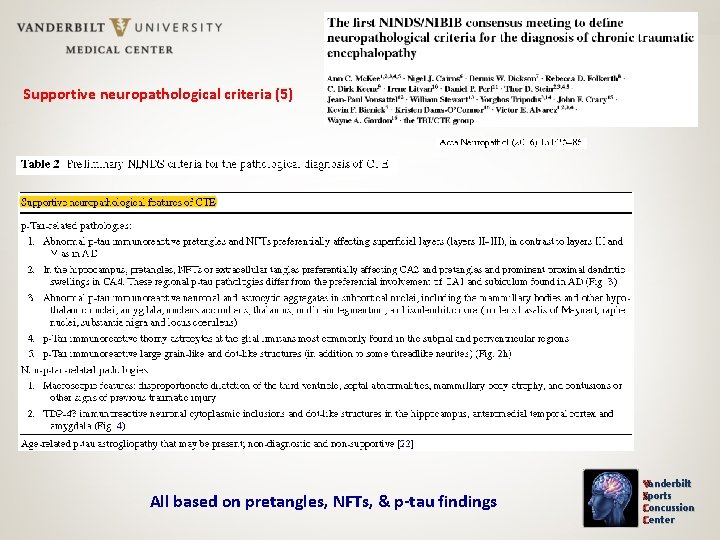
Supportive neuropathological criteria (5) All based on pretangles, NFTs, & p-tau findings Vanderbilt Sports Concussion Center
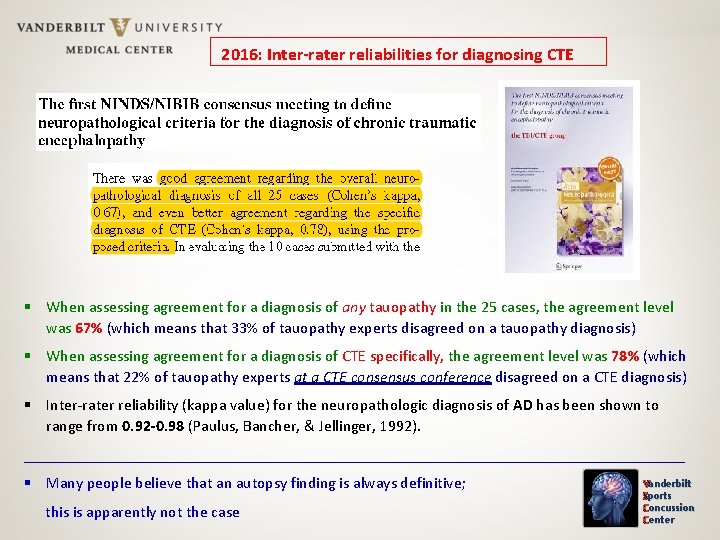
2016: Inter-rater reliabilities for diagnosing CTE When assessing agreement for a diagnosis of any tauopathy in the 25 cases, the agreement level was 67% (which means that 33% of tauopathy experts disagreed on a tauopathy diagnosis) When assessing agreement for a diagnosis of CTE specifically, the agreement level was 78% (which means that 22% of tauopathy experts at a CTE consensus conference disagreed on a CTE diagnosis) Inter-rater reliability (kappa value) for the neuropathologic diagnosis of AD has been shown to range from 0. 92 -0. 98 (Paulus, Bancher, & Jellinger, 1992). __________________________________________ Many people believe that an autopsy finding is always definitive; this is apparently not the case Vanderbilt Sports Concussion Center
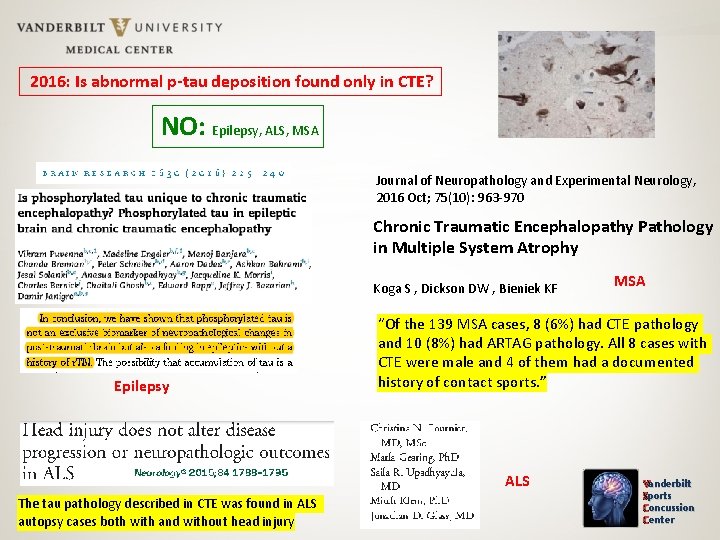
2016: Is abnormal p-tau deposition found only in CTE? NO: Epilepsy, ALS, MSA Journal of Neuropathology and Experimental Neurology, 2016 Oct; 75(10): 963 -970 Chronic Traumatic Encephalopathy Pathology in Multiple System Atrophy Koga S , Dickson DW , Bieniek KF Epilepsy “Of the 139 MSA cases, 8 (6%) had CTE pathology and 10 (8%) had ARTAG pathology. All 8 cases with CTE were male and 4 of them had a documented history of contact sports. ” ALS The tau pathology described in CTE was found in ALS autopsy cases both with and without head injury MSA Vanderbilt Sports Concussion Center
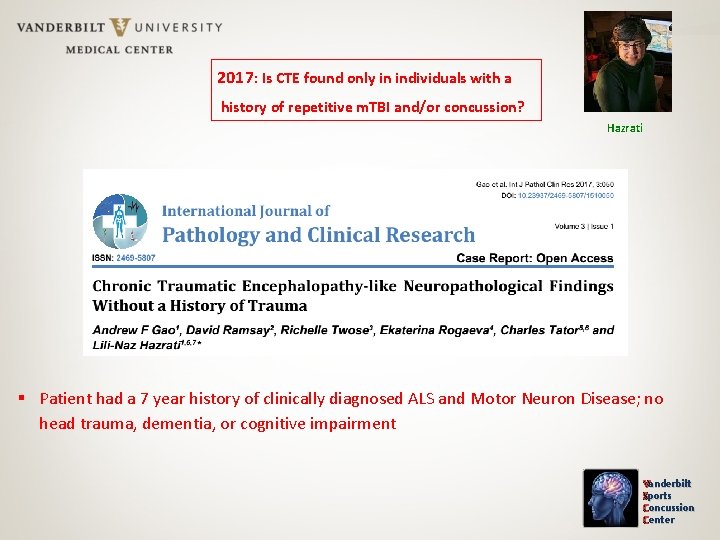
2017: Is CTE found only in individuals with a history of repetitive m. TBI and/or concussion? Hazrati Patient had a 7 year history of clinically diagnosed ALS and Motor Neuron Disease; no head trauma, dementia, or cognitive impairment Vanderbilt Sports Concussion Center
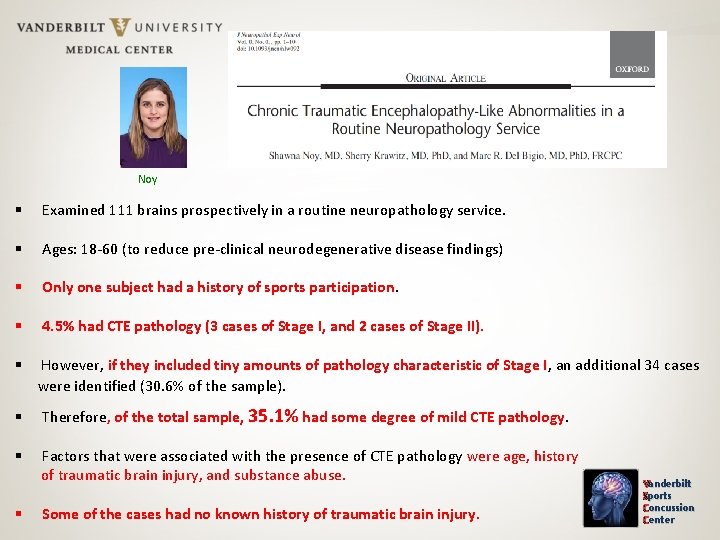
Noy Examined 111 brains prospectively in a routine neuropathology service. Ages: 18 -60 (to reduce pre-clinical neurodegenerative disease findings) Only one subject had a history of sports participation. 4. 5% had CTE pathology (3 cases of Stage I, and 2 cases of Stage II). However, if they included tiny amounts of pathology characteristic of Stage I, an additional 34 cases were identified (30. 6% of the sample). Therefore, of the total sample, 35. 1% had some degree of mild CTE pathology. Factors that were associated with the presence of CTE pathology were age, history of traumatic brain injury, and substance abuse. Some of the cases had no known history of traumatic brain injury. Vanderbilt Sports Concussion Center
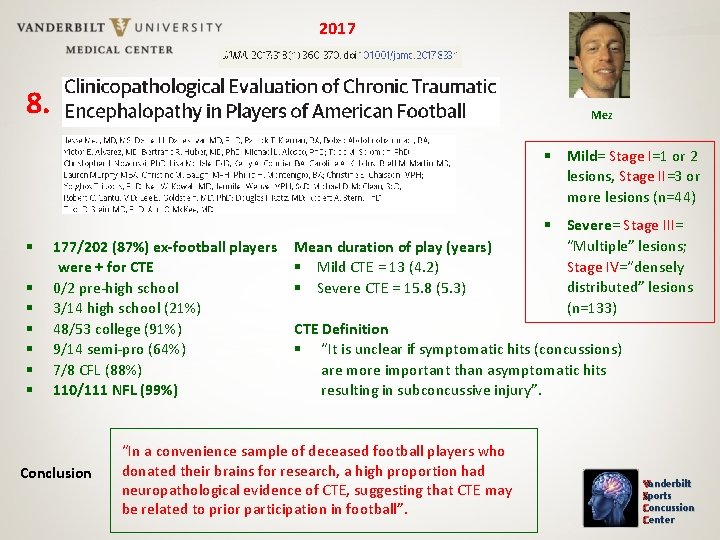
2017 8. Mez Mild= Stage I=1 or 2 lesions, Stage II=3 or more lesions (n=44) 177/202 (87%) ex-football players were + for CTE 0/2 pre-high school 3/14 high school (21%) 48/53 college (91%) 9/14 semi-pro (64%) 7/8 CFL (88%) 110/111 NFL (99%) Conclusion Mean duration of play (years) Mild CTE = 13 (4. 2) Severe CTE = 15. 8 (5. 3) Severe= Stage III= “Multiple” lesions; Stage IV=“densely distributed” lesions (n=133) CTE Definition “It is unclear if symptomatic hits (concussions) are more important than asymptomatic hits resulting in subconcussive injury”. “In a convenience sample of deceased football players who donated their brains for research, a high proportion had neuropathological evidence of CTE, suggesting that CTE may be related to prior participation in football”. Vanderbilt Sports Concussion Center
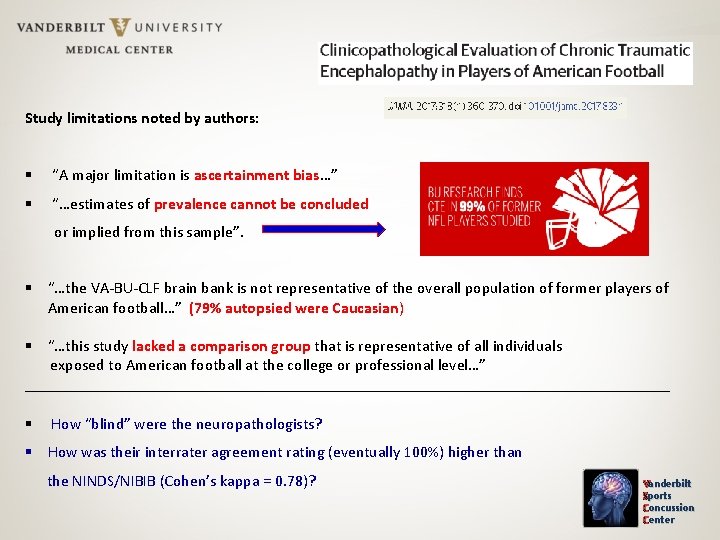
Study limitations noted by authors: “A major limitation is ascertainment bias…” “…estimates of prevalence cannot be concluded or implied from this sample”. “…the VA-BU-CLF brain bank is not representative of the overall population of former players of American football…” (79% autopsied were Caucasian) “…this study lacked a comparison group that is representative of all individuals exposed to American football at the college or professional level…” _________________________________________ How “blind” were the neuropathologists? How was their interrater agreement rating (eventually 100%) higher than the NINDS/NIBIB (Cohen’s kappa = 0. 78)? Vanderbilt Sports Concussion Center
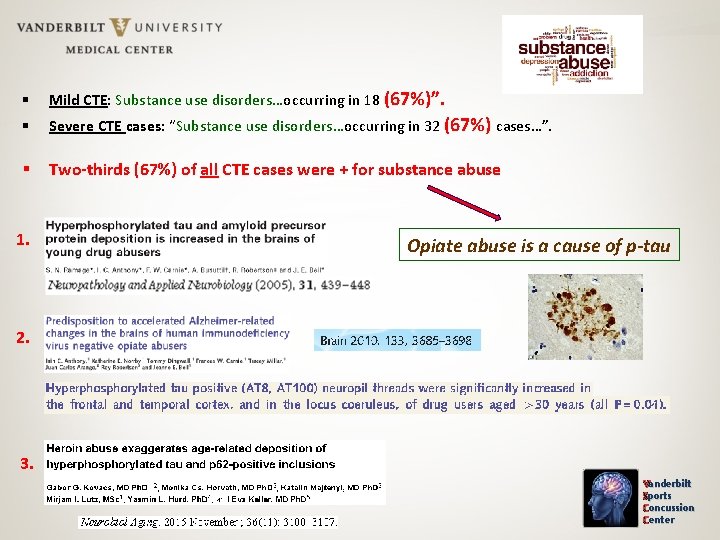
Mild CTE: Substance use disorders…occurring in 18 (67%)”. Severe CTE cases: “Substance use disorders…occurring in 32 (67%) cases…”. Two-thirds (67%) of all CTE cases were + for substance abuse 1. Opiate abuse is a cause of p-tau 2. 3. Vanderbilt Sports Concussion Center
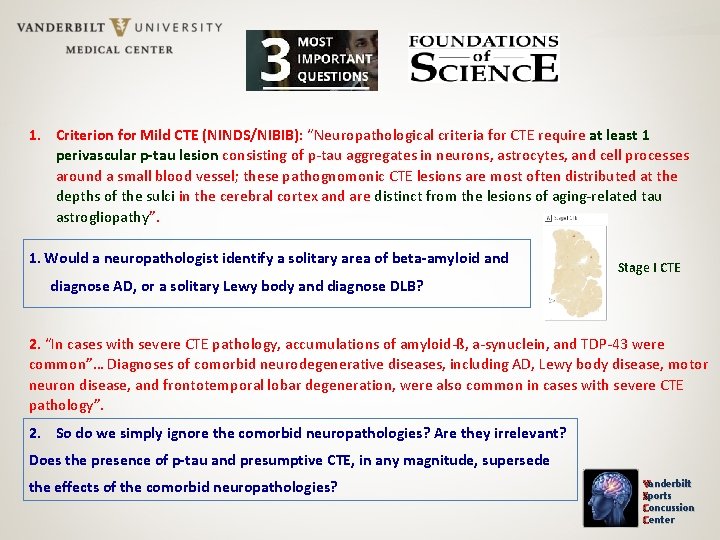
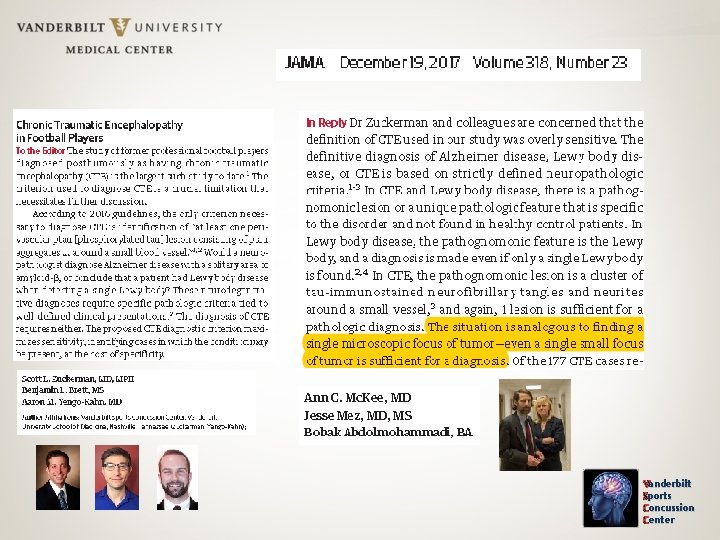
1. Criterion for Mild CTE (NINDS/NIBIB): “Neuropathological criteria for CTE require at least 1 perivascular p-tau lesion consisting of p-tau aggregates in neurons, astrocytes, and cell processes around a small blood vessel; these pathognomonic CTE lesions are most often distributed at the depths of the sulci in the cerebral cortex and are distinct from the lesions of aging-related tau astrogliopathy”. 1. Would a neuropathologist identify a solitary area of beta-amyloid and Stage I CTE diagnose AD, or a solitary Lewy body and diagnose DLB? 2. “In cases with severe CTE pathology, accumulations of amyloid-ß, a-synuclein, and TDP-43 were common”… Diagnoses of comorbid neurodegenerative diseases, including AD, Lewy body disease, motor neuron disease, and frontotemporal lobar degeneration, were also common in cases with severe CTE pathology”. 2. So do we simply ignore the comorbid neuropathologies? Are they irrelevant? Does the presence of p-tau and presumptive CTE, in any magnitude, supersede the effects of the comorbid neuropathologies? Vanderbilt Sports Concussion Center
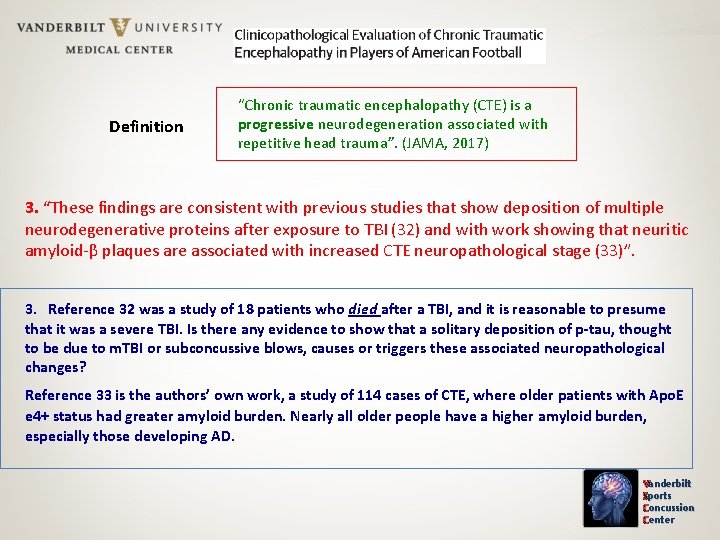
Definition “Chronic traumatic encephalopathy (CTE) is a progressive neurodegeneration associated with repetitive head trauma”. (JAMA, 2017) 3. “These findings are consistent with previous studies that show deposition of multiple neurodegenerative proteins after exposure to TBI (32) and with work showing that neuritic amyloid-β plaques are associated with increased CTE neuropathological stage (33)”. 3. Reference 32 was a study of 18 patients who died after a TBI, and it is reasonable to presume that it was a severe TBI. Is there any evidence to show that a solitary deposition of p-tau, thought to be due to m. TBI or subconcussive blows, causes or triggers these associated neuropathological changes? Reference 33 is the authors’ own work, a study of 114 cases of CTE, where older patients with Apo. E e 4+ status had greater amyloid burden. Nearly all older people have a higher amyloid burden, especially those developing AD. Vanderbilt Sports Concussion Center
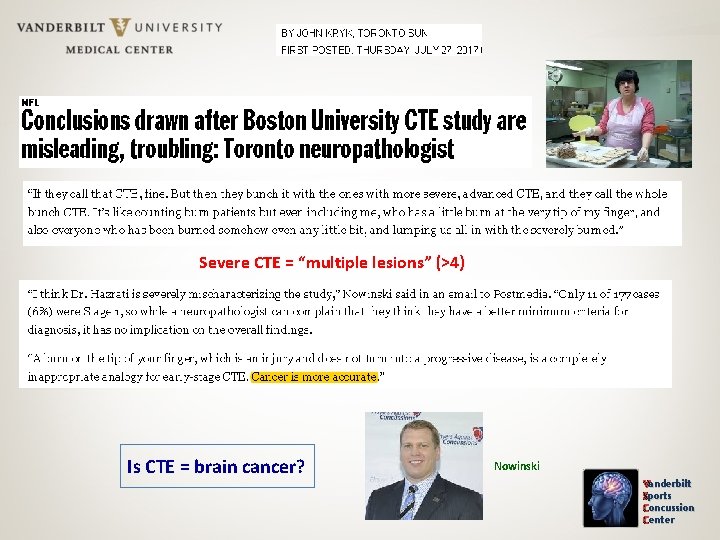
Severe CTE = “multiple lesions” (>4) Is CTE = brain cancer? Nowinski Vanderbilt Sports Concussion Center
Vanderbilt Sports Concussion Center
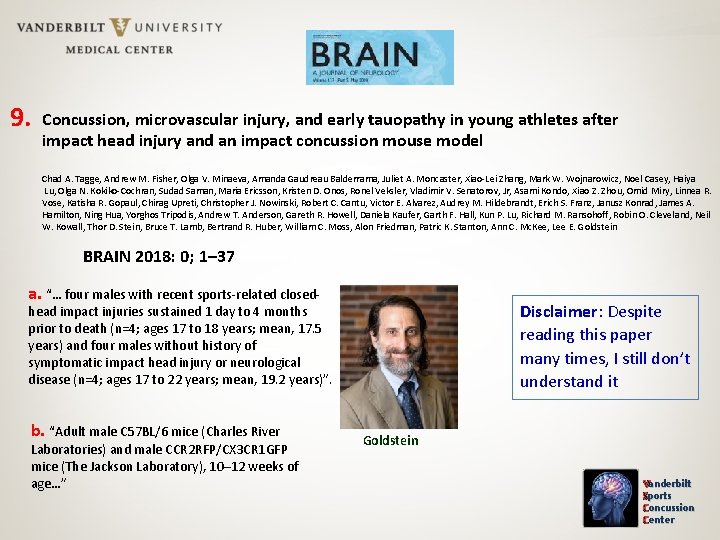
9. Concussion, microvascular injury, and early tauopathy in young athletes after impact head injury and an impact concussion mouse model Chad A. Tagge, Andrew M. Fisher, Olga V. Minaeva, Amanda Gaudreau Balderrama, Juliet A. Moncaster, Xiao-Lei Zhang, Mark W. Wojnarowicz, Noel Casey, Haiya Lu, Olga N. Kokiko-Cochran, Sudad Saman, Maria Ericsson, Kristen D. Onos, Ronel Veksler, Vladimir V. Senatorov, Jr, Asami Kondo, Xiao Z. Zhou, Omid Miry, Linnea R. Vose, Katisha R. Gopaul, Chirag Upreti, Christopher J. Nowinski, Robert C. Cantu, Victor E. Alvarez, Audrey M. Hildebrandt, Erich S. Franz, Janusz Konrad, James A. Hamilton, Ning Hua, Yorghos Tripodis, Andrew T. Anderson, Gareth R. Howell, Daniela Kaufer, Garth F. Hall, Kun P. Lu, Richard M. Ransohoff, Robin O. Cleveland, Neil W. Kowall, Thor D. Stein, Bruce T. Lamb, Bertrand R. Huber, William C. Moss, Alon Friedman, Patric K. Stanton, Ann C. Mc. Kee, Lee E. Goldstein BRAIN 2018: 0; 1– 37 a. “… four males with recent sports-related closed- Disclaimer: Despite reading this paper many times, I still don’t understand it head impact injuries sustained 1 day to 4 months prior to death (n=4; ages 17 to 18 years; mean, 17. 5 years) and four males without history of symptomatic impact head injury or neurological disease (n=4; ages 17 to 22 years; mean, 19. 2 years)”. b. “Adult male C 57 BL/6 mice (Charles River Laboratories) and male CCR 2 RFP/CX 3 CR 1 GFP mice (The Jackson Laboratory), 10– 12 weeks of age…” Goldstein Vanderbilt Sports Concussion Center
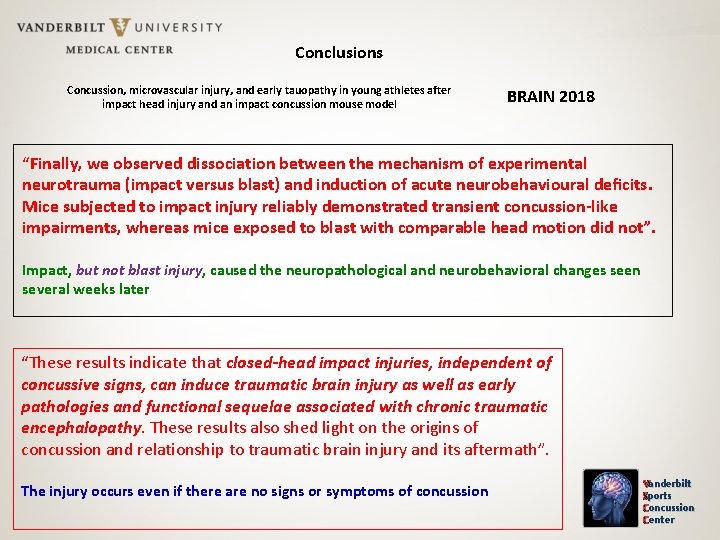
Conclusions Concussion, microvascular injury, and early tauopathy in young athletes after impact head injury and an impact concussion mouse model BRAIN 2018 “Finally, we observed dissociation between the mechanism of experimental neurotrauma (impact versus blast) and induction of acute neurobehavioural deficits. Mice subjected to impact injury reliably demonstrated transient concussion-like impairments, whereas mice exposed to blast with comparable head motion did not”. Impact, but not blast injury, caused the neuropathological and neurobehavioral changes seen several weeks later “These results indicate that closed-head impact injuries, independent of concussive signs, can induce traumatic brain injury as well as early pathologies and functional sequelae associated with chronic traumatic encephalopathy. These results also shed light on the origins of concussion and relationship to traumatic brain injury and its aftermath”. The injury occurs even if there are no signs or symptoms of concussion Vanderbilt Sports Concussion Center
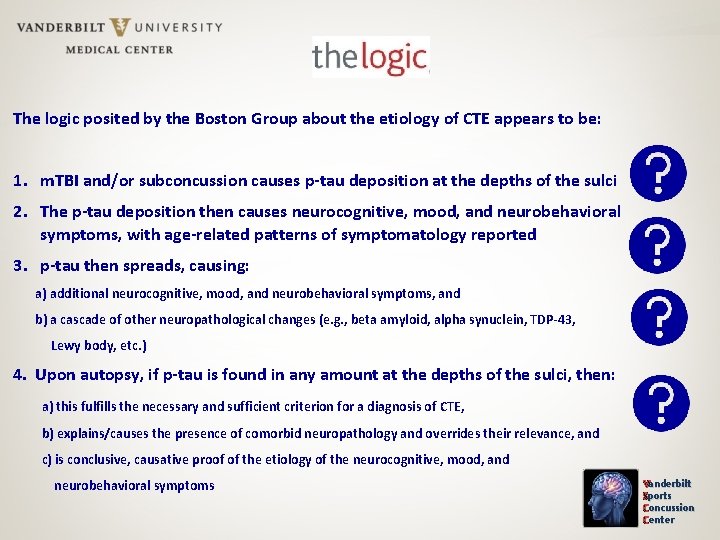
The logic posited by the Boston Group about the etiology of CTE appears to be: 1. m. TBI and/or subconcussion causes p-tau deposition at the depths of the sulci 2. The p-tau deposition then causes neurocognitive, mood, and neurobehavioral symptoms, with age-related patterns of symptomatology reported 3. p-tau then spreads, causing: a) additional neurocognitive, mood, and neurobehavioral symptoms, and b) a cascade of other neuropathological changes (e. g. , beta amyloid, alpha synuclein, TDP-43, Lewy body, etc. ) 4. Upon autopsy, if p-tau is found in any amount at the depths of the sulci, then: a) this fulfills the necessary and sufficient criterion for a diagnosis of CTE, b) explains/causes the presence of comorbid neuropathology and overrides their relevance, and c) is conclusive, causative proof of the etiology of the neurocognitive, mood, and neurobehavioral symptoms Vanderbilt Sports Concussion Center
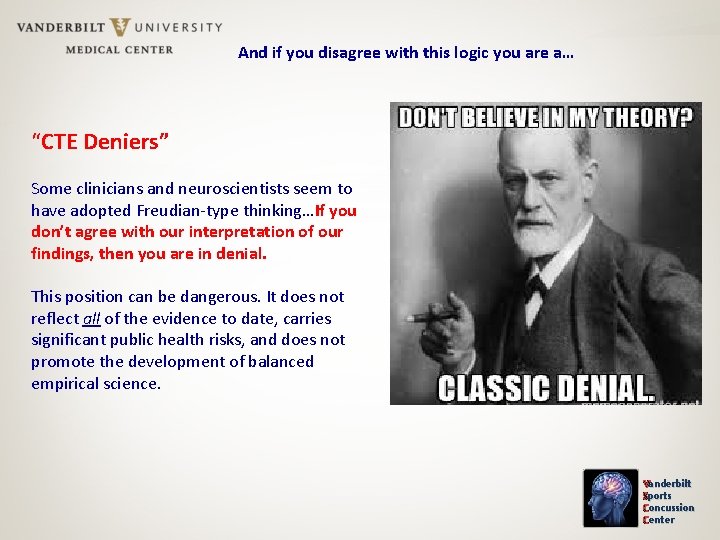
And if you disagree with this logic you are a… “CTE Deniers” Some clinicians and neuroscientists seem to have adopted Freudian-type thinking…If you don’t agree with our interpretation of our findings, then you are in denial. This position can be dangerous. It does not reflect all of the evidence to date, carries significant public health risks, and does not promote the development of balanced empirical science. Vanderbilt Sports Concussion Center
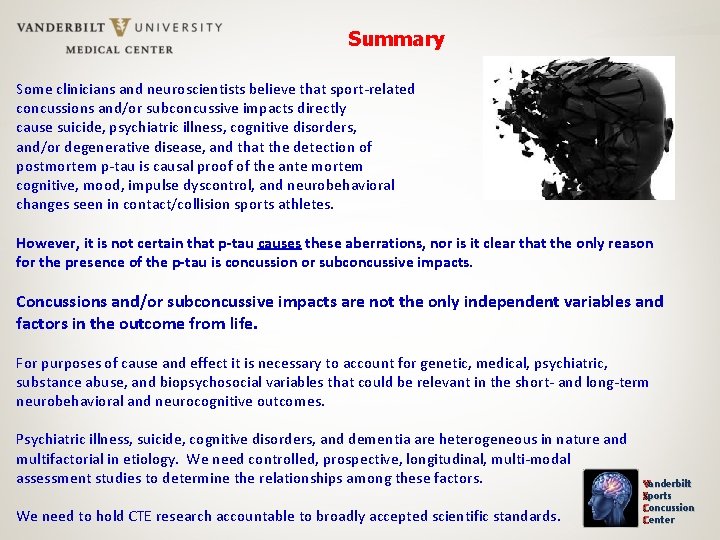
Summary Some clinicians and neuroscientists believe that sport-related concussions and/or subconcussive impacts directly cause suicide, psychiatric illness, cognitive disorders, and/or degenerative disease, and that the detection of postmortem p-tau is causal proof of the ante mortem cognitive, mood, impulse dyscontrol, and neurobehavioral changes seen in contact/collision sports athletes. However, it is not certain that p-tau causes these aberrations, nor is it clear that the only reason for the presence of the p-tau is concussion or subconcussive impacts. Concussions and/or subconcussive impacts are not the only independent variables and factors in the outcome from life. For purposes of cause and effect it is necessary to account for genetic, medical, psychiatric, substance abuse, and biopsychosocial variables that could be relevant in the short- and long-term neurobehavioral and neurocognitive outcomes. Psychiatric illness, suicide, cognitive disorders, and dementia are heterogeneous in nature and multifactorial in etiology. We need controlled, prospective, longitudinal, multi-modal assessment studies to determine the relationships among these factors. We need to hold CTE research accountable to broadly accepted scientific standards. Vanderbilt Sports Concussion Center
Thanks for your time and attention Vanderbilt Sports Concussion Center