
Chronic Adaptations to Anaerobic Training Chronic exercise provides

Chronic Adaptations to Anaerobic Training
• Chronic exercise provides stimulus for the systems of the body to change • Systems will adapt according to level, intensity, and volume
Factors that Affect Adaptations to Training • Specificity of training • Metabolic differences (aerobic vs. anaerobic) activities • Metabolic differences within an activity • Genetic endowment • Fiber type patterns • Somatotype ( Ecto, Meso, Endo) • Environmental factors
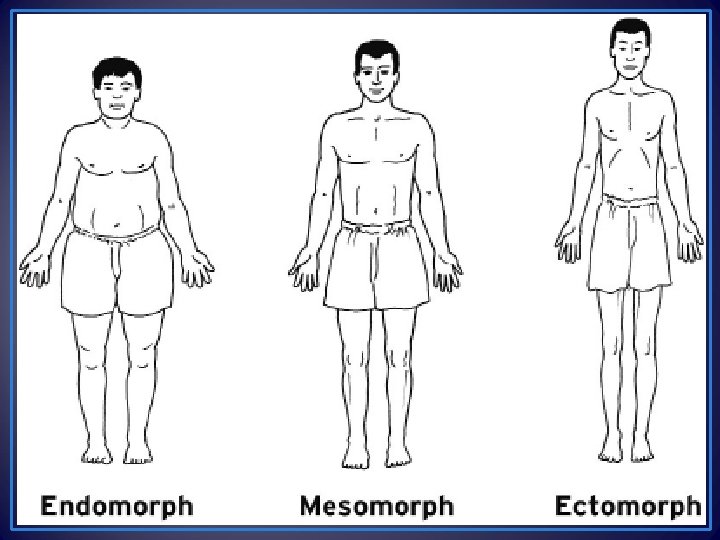
Factors cont. • Fitness training status • Time course of adaptations • Magnitude of expected changes • Mechanism of adaptations • Gender • Mechanism of adaptations • Age • Children vs. adults vs. older adults
Specificity of training In order for a training program to be beneficial, it must develop the specific physiological capabilities required to perform a given sport or activity. SAID: specific adaptation to imposed demand.
Metabolic Contributions to Exercise Training • Anaerobic metabolism • High intensity, short duration exercise = energy • PRIMARILY from stored phosphagens and ATP • Stored phosphagens (creatine phosphate, CP) are molecules w/ high energy chemical bonds that when broken down, provide energy for immediate use • Anaerobic glycolysis utilized at beginning of sustained exercise (regardless of intensity)
Intensity of Training • Training intensity relates to how hard one exercises. • Exercise intensity represents the most critical factor for successful training.
Volume of Training adaptations are best achieved when optimal amount of work in training sessions n Optimal amount of work varies individually n Training volume can be increased by either duration or frequency n Improvement depends in part on kcals per session and work/week n
• Anaerobic training effects are best developed through sprint training, shorter and faster interval training, plyometric training, circuit training, and resistance (strength and power) training. • The greatest adaptations occur at the muscle-tissue level. • They include:
Muscle hypertrophy: • Significant enlargement of muscle fibers (mainly Type 2 B fast-twitch fibers) resulting in muscular hypertrophy (an increase in the cross-sectional size of the muscle) and subsequently, greater strength • Hypertrophy occurs as a result of an increased size and number of myofibrils per muscle fiber and increased amounts of myosin and actin myofilaments • Muscular hypertrophy is more pronounced in males than females due to greater levels of testosterone.
Increased muscular stores of ATP and PC: • Muscular hypertrophy is accompanied by increased muscular stores of ATP and PC, as well as enzymes required to break down and resynthesise ATP • Increased capacity of the ATP-PC system – greater energy release and faster restoration of ATP • Benefits athletes in activities that require speed, strength and power.
Increased glycolytic capacity: • Enhanced muscular storage of glycogen and increases in the levels of glycolytic enzymes. • Capacity of the anaerobic glycolysis system to produce energy is enhanced
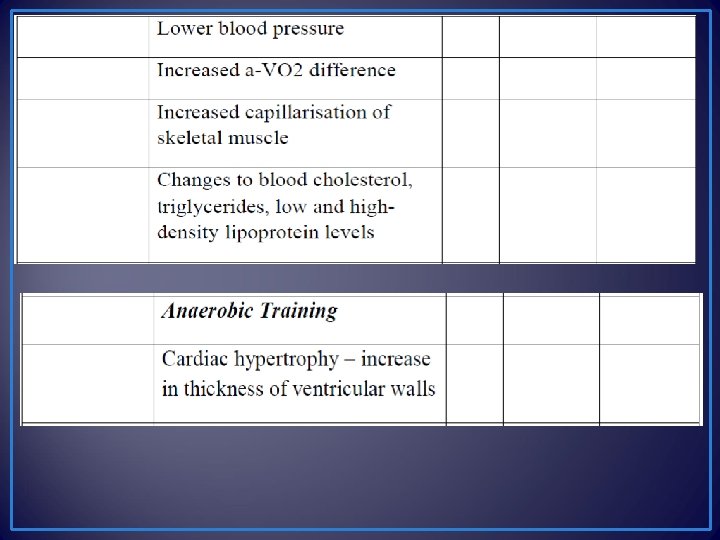
Cardiac hypertrophy: • Most significant circulatory system adaptation resulting from anaerobic training • Increase in heart muscle size • Anaerobic training produces an increase in the thickness of the ventricular walls • No change in stroke volume, however there is a more forceful contraction.
Other anaerobic training adaptations: • Increase in the strength and size of connective tissues such as tendons and ligaments • Increase in the number of motor units recruited for maximum contractions • Increase in the speed of nerve-impulse transmission to the muscle cells and increase in the speed of muscular contraction

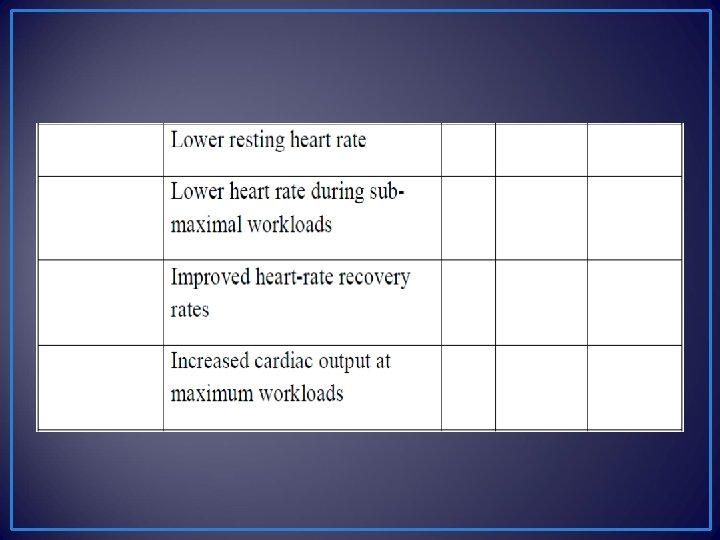
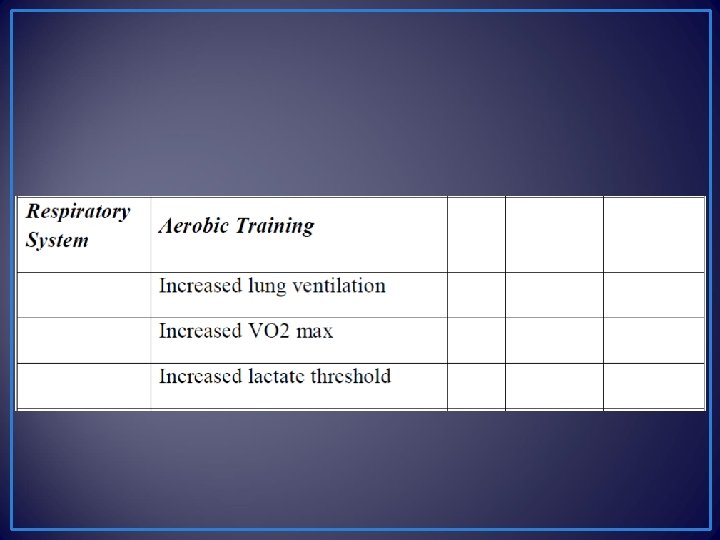
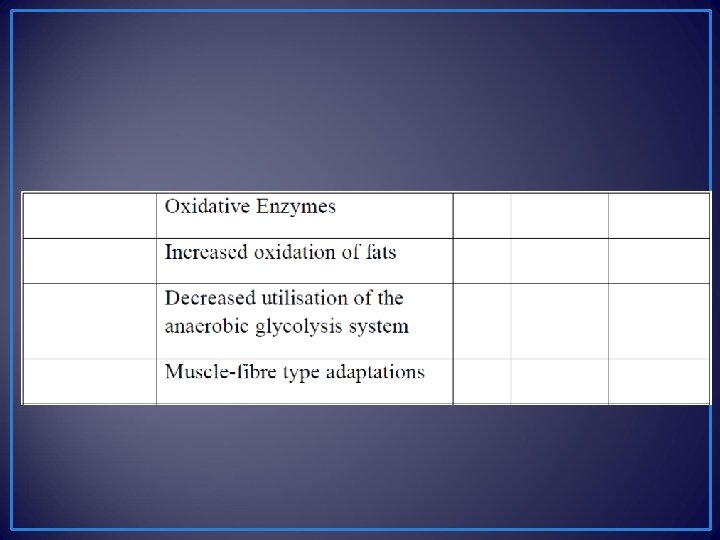
Summary of Chronic Adaptations to Training:






- Slides: 26