
Chromosomes Human Genetics Discover Biology 5 th Ed
Chromosomes & Human Genetics Discover Biology, 5 th Ed. , Anu Singh-Cundy & Michael Cain © 2012 W. W. Norton & Co. , New York Chapter 13, pp 300 -321.
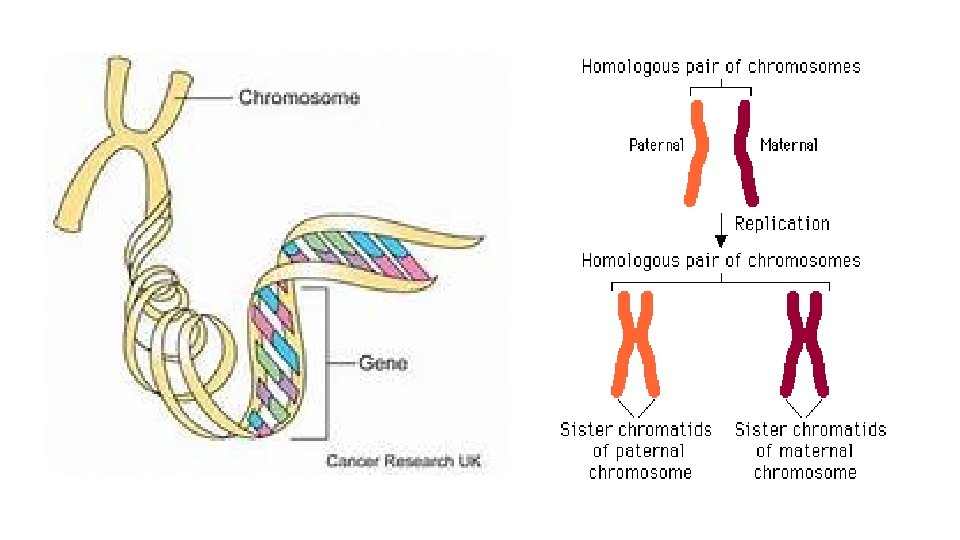
Chromosomes in Inheritance • August Weismann, 1882, proposed chromosome # was halved in gametes • Meiosis discovered in 1887 • August Weismann proposed hereditary material’s on chromosome • Idea that genes were on chromosomes “chromosome theory of inheritance” established in early 20 th Century • Homologous chromosomes pair up during meiosis (1 from each parent) • Genes are located at the same spot on homologous chromosomes = “loci” • Alleles are versions of the same gene • Same alleles = homozygous • Different alleles = heterozygous
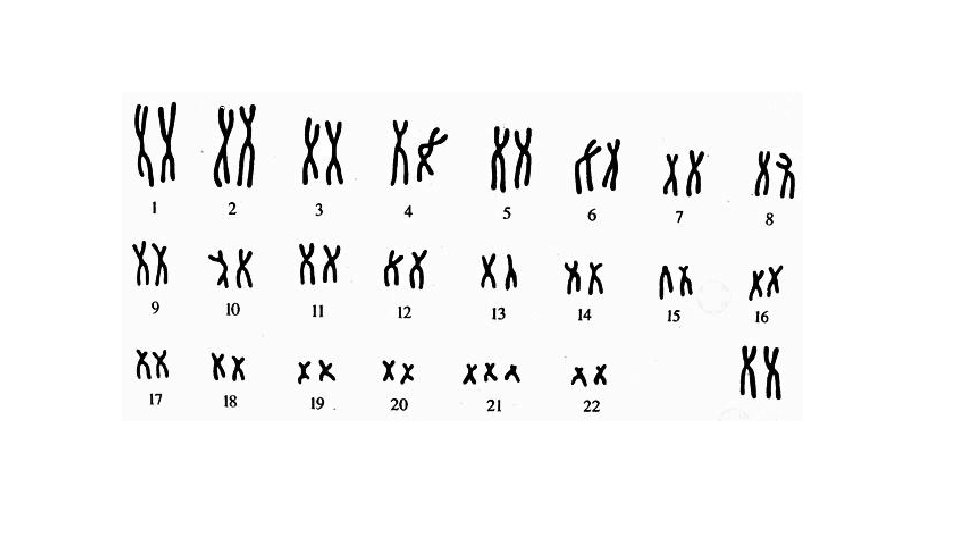
Autosomes vs. Sex Chromosomes • Autosomes • 22 pairs (1 from each parent) • Labeled # 1 - # 22 with the longest as # 1 and the shortest as #22 • Each homologous chromosome is identical in length, shape, & genetic loci • Sexual & non-sexual characteristics • Sex chromosomes: XX = female; XY = male • X chromosome • Has many genes • Y chromosome • Has very few genes • Contains SRY gene (Sex-Determining Region of Y) specific for males
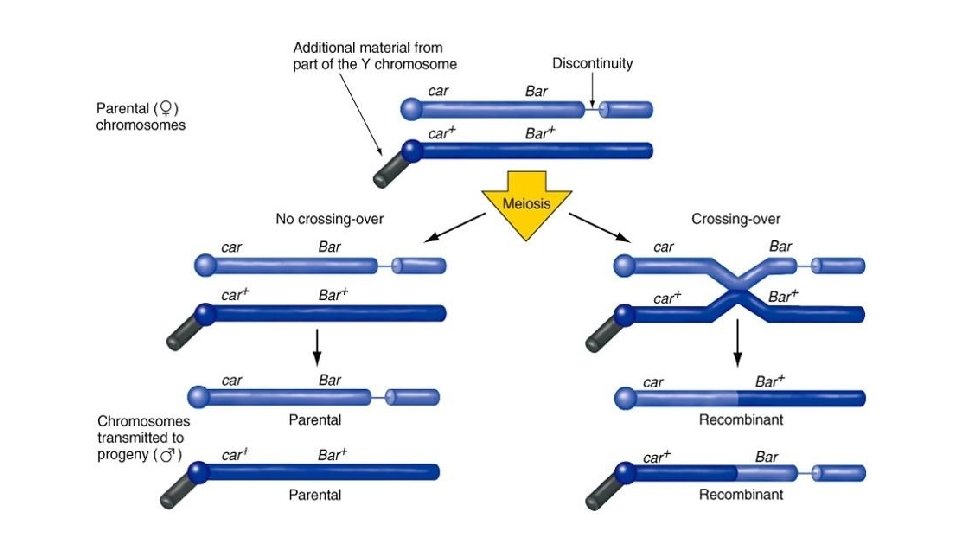
Individual Genetic Differences • Crossing-over • During prophase I of meiosis • Reciprocal exchange of segments of nonsister chromatids as tetrads • Typically near the ends of chromatids • Independent assortment of chromosomes • Maternal & paternal homologues randomly orient at metaphase plate • During anaphase II of meiosis, homologues separate to different sides • Fertilization • Diploid cells (23 chromosome pairs) = 223 combinations = 8, 388, 608 ways/ gamete
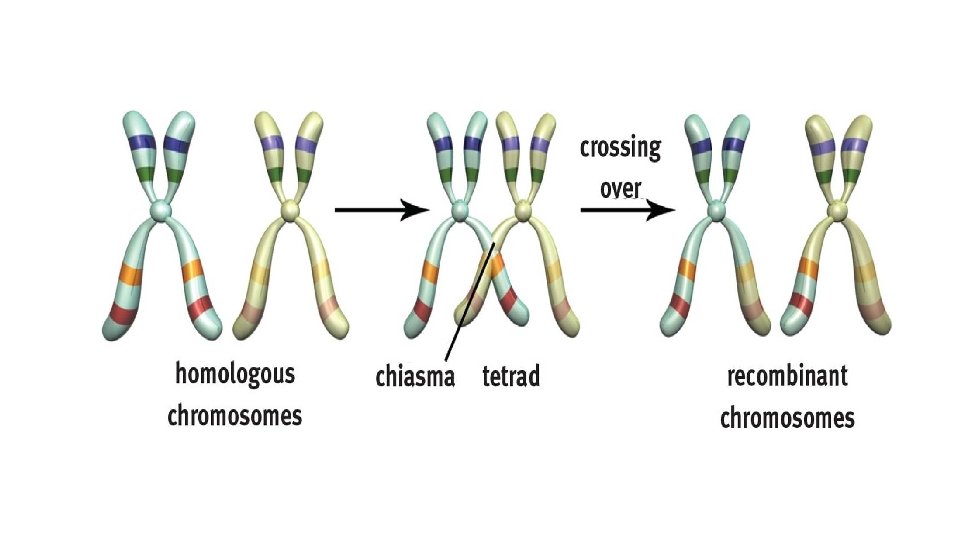
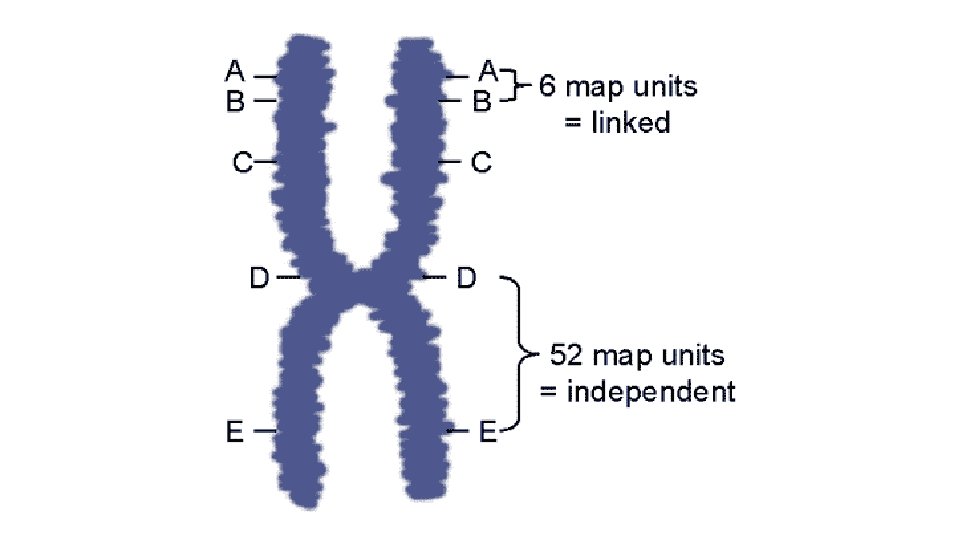
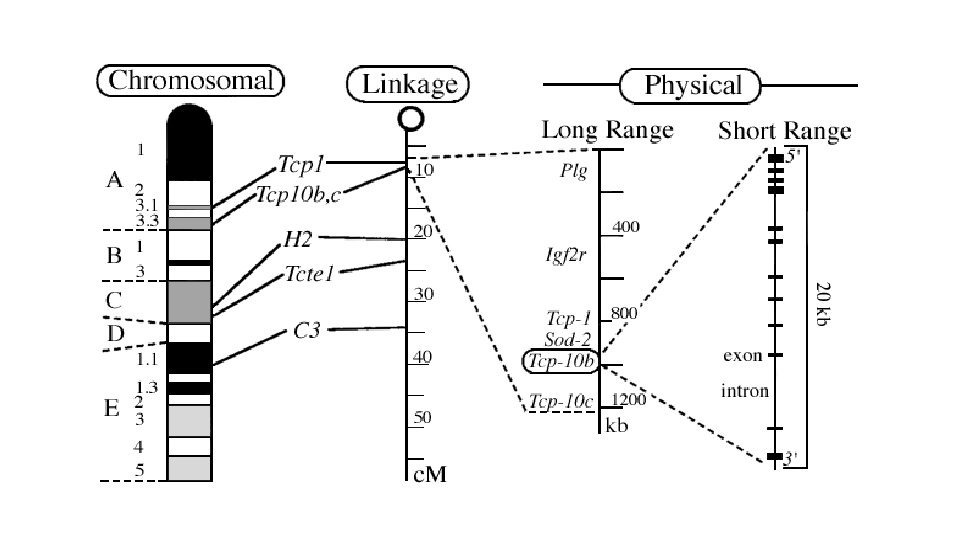
Genetic Linkage & Crossing-over • Thomas Hunt Morgan, 1909, experimented with fruit flies • Some genes were almost always inherited together • Seemed to defy Mendel’s law of independent assortment • Linked genes are located on the same chromosome • Linked genes located very near one another • Chromosome map • Shows linear order of genes on a chromosome [Alfred Sturtevant] • 1 map unit = frequency of crossing-over of 1 % • Crossing-over reduces genetic linkage • Pea plants’ flower color & seed color are separated on Chromosome 1. • Because of distance between their loci, independent assortment was seen.
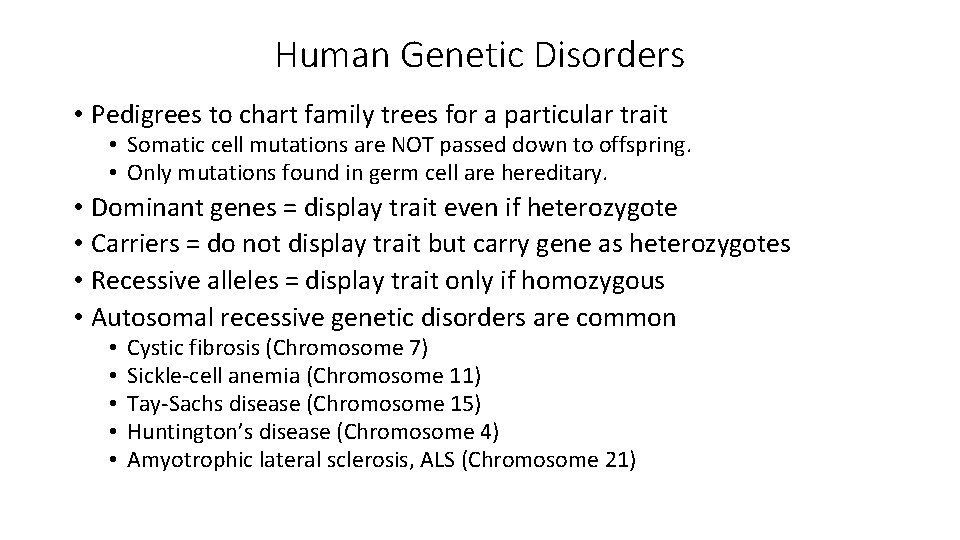
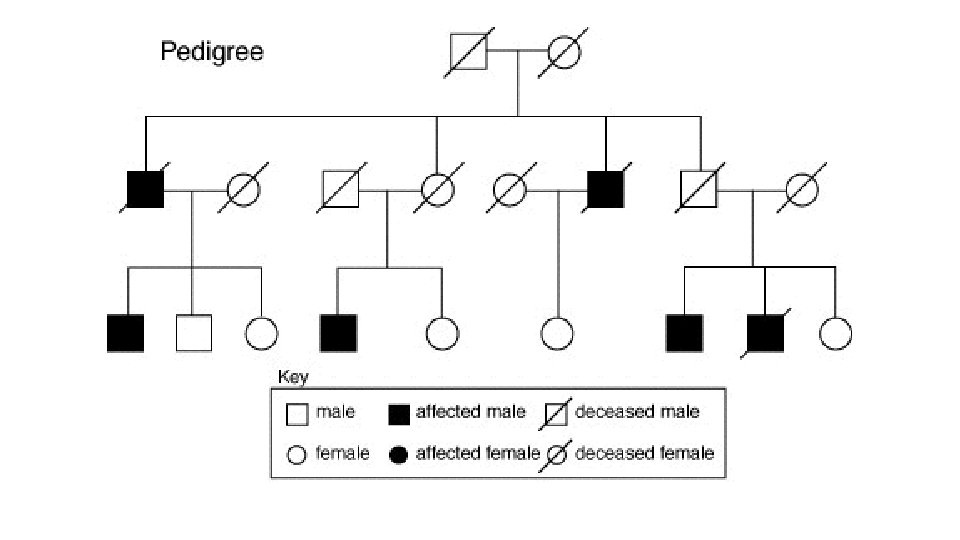
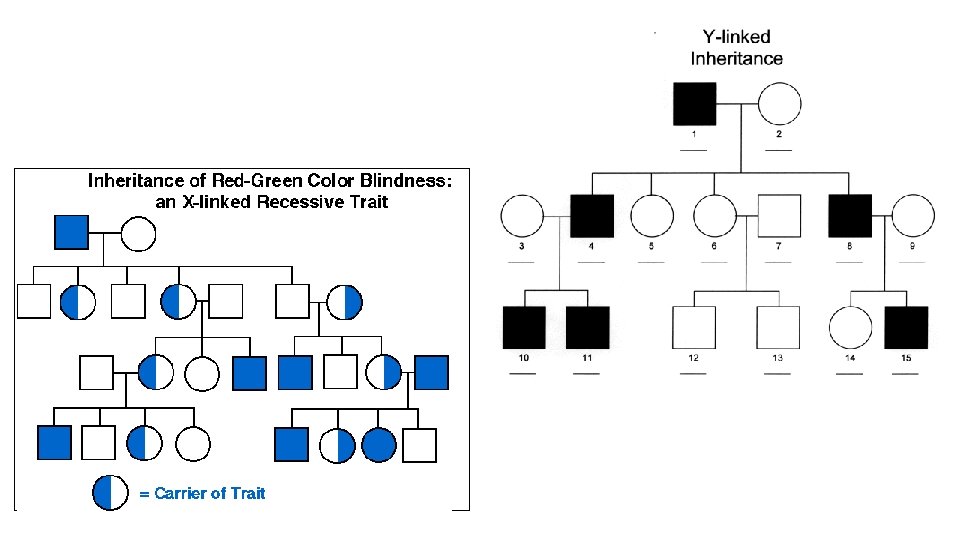
Human Genetic Disorders • Pedigrees to chart family trees for a particular trait • Somatic cell mutations are NOT passed down to offspring. • Only mutations found in germ cell are hereditary. • Dominant genes = display trait even if heterozygote • Carriers = do not display trait but carry gene as heterozygotes • Recessive alleles = display trait only if homozygous • Autosomal recessive genetic disorders are common • • • Cystic fibrosis (Chromosome 7) Sickle-cell anemia (Chromosome 11) Tay-Sachs disease (Chromosome 15) Huntington’s disease (Chromosome 4) Amyotrophic lateral sclerosis, ALS (Chromosome 21)
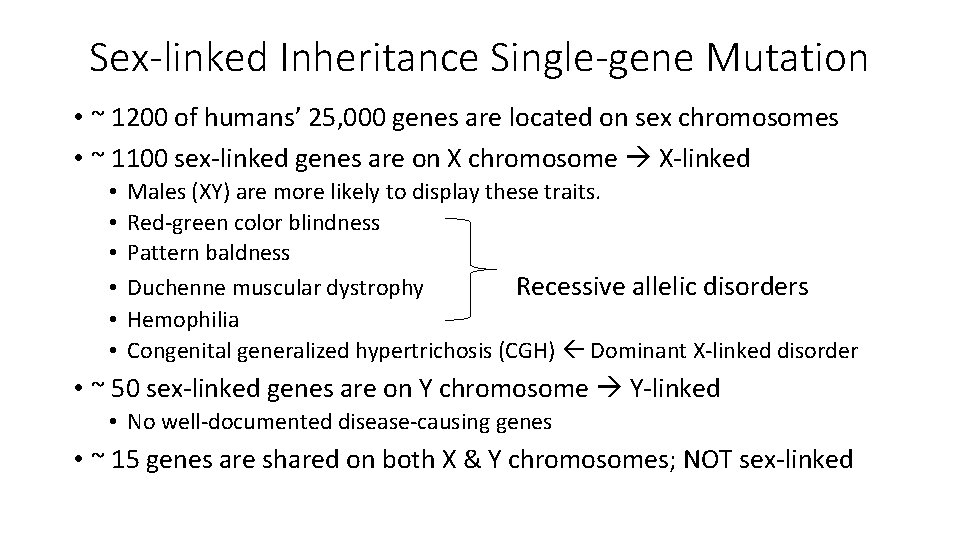
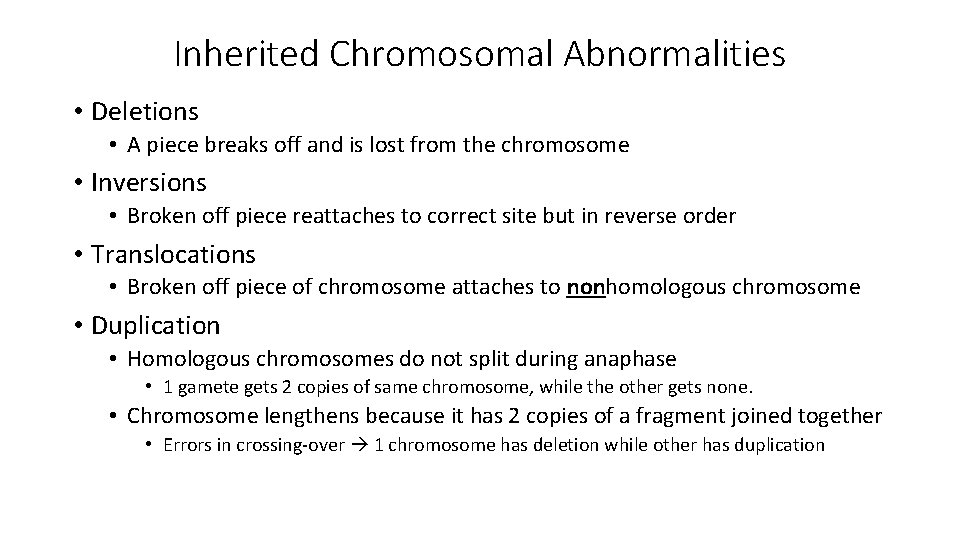
Sex-linked Inheritance Single-gene Mutation • ~ 1200 of humans’ 25, 000 genes are located on sex chromosomes • ~ 1100 sex-linked genes are on X chromosome X-linked • • • Males (XY) are more likely to display these traits. Red-green color blindness Pattern baldness Duchenne muscular dystrophy Recessive allelic disorders Hemophilia Congenital generalized hypertrichosis (CGH) Dominant X-linked disorder • ~ 50 sex-linked genes are on Y chromosome Y-linked • No well-documented disease-causing genes • ~ 15 genes are shared on both X & Y chromosomes; NOT sex-linked
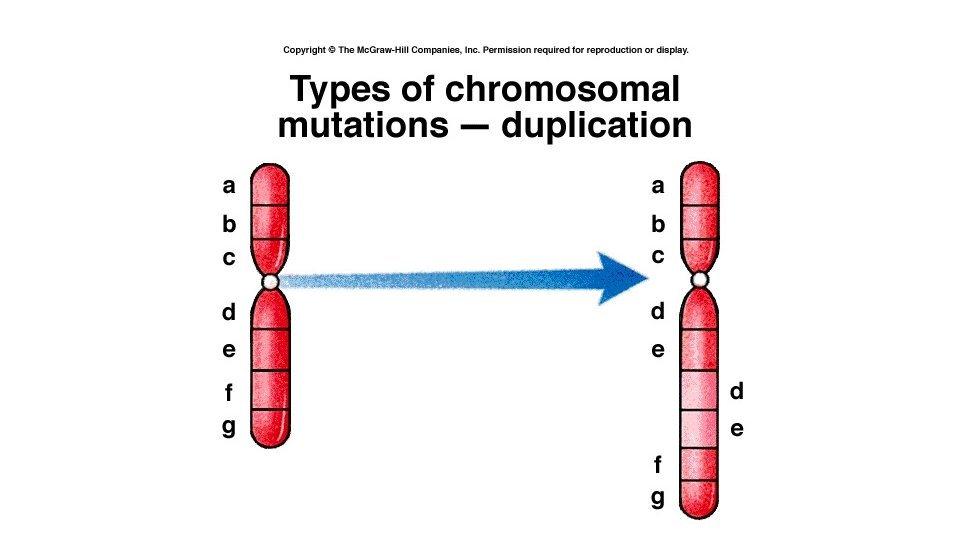
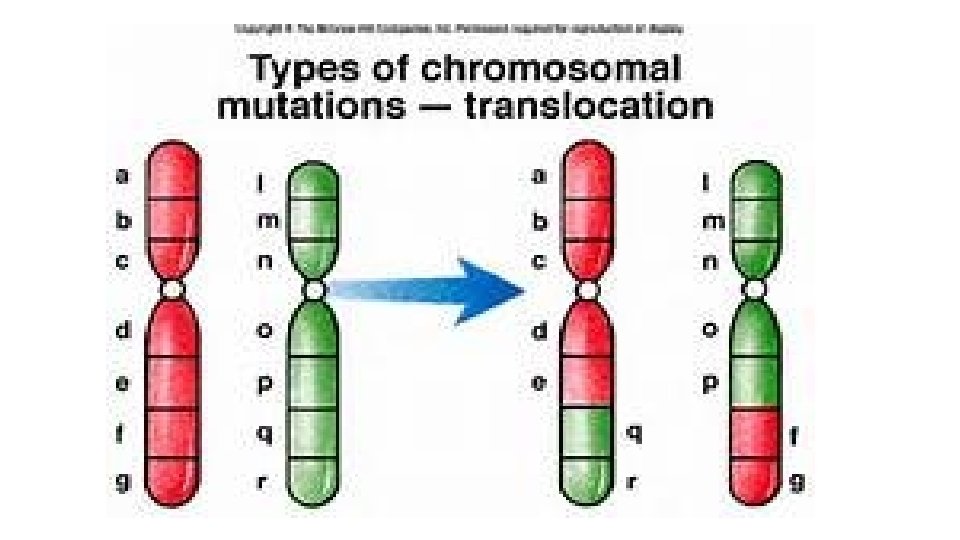
Inherited Chromosomal Abnormalities • Deletions • A piece breaks off and is lost from the chromosome • Inversions • Broken off piece reattaches to correct site but in reverse order • Translocations • Broken off piece of chromosome attaches to nonhomologous chromosome • Duplication • Homologous chromosomes do not split during anaphase • 1 gamete gets 2 copies of same chromosome, while the other gets none. • Chromosome lengthens because it has 2 copies of a fragment joined together • Errors in crossing-over 1 chromosome has deletion while other has duplication
Mutations in Chromosomes Affect Gender • Translocation of SRY gene to X chromosome • XX individual develops as a male • Deletion in SRY gene on Y chromosome • XY individual develops as a female • AIS (androgen insensitivity syndrome) individuals are XY males • Unable to respond to male hormones such as testosterone • Appear female • “Feel” female, but ovaries fail to develop normally
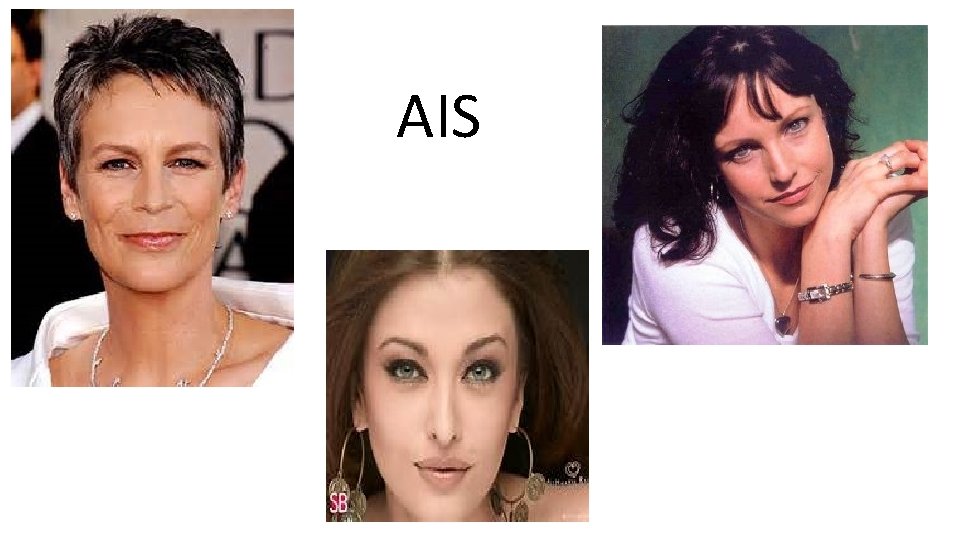
AIS
- Slides: 20