
Chromosomes Chromatin long strands of DNA wrapped around




- Slides: 38
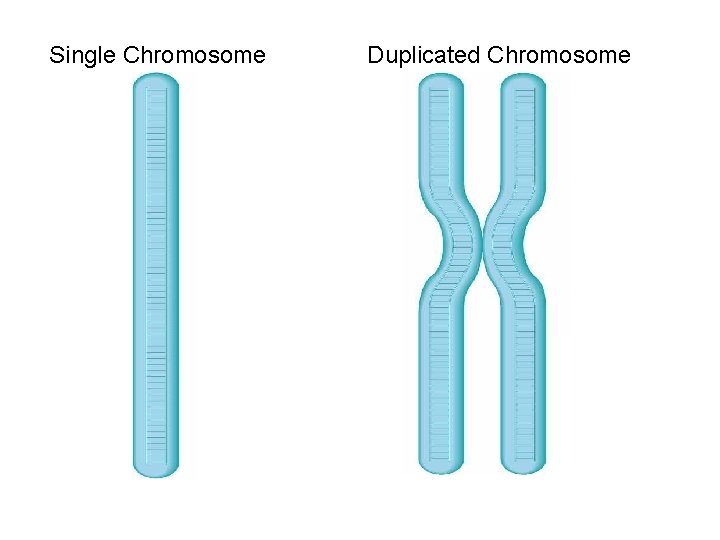
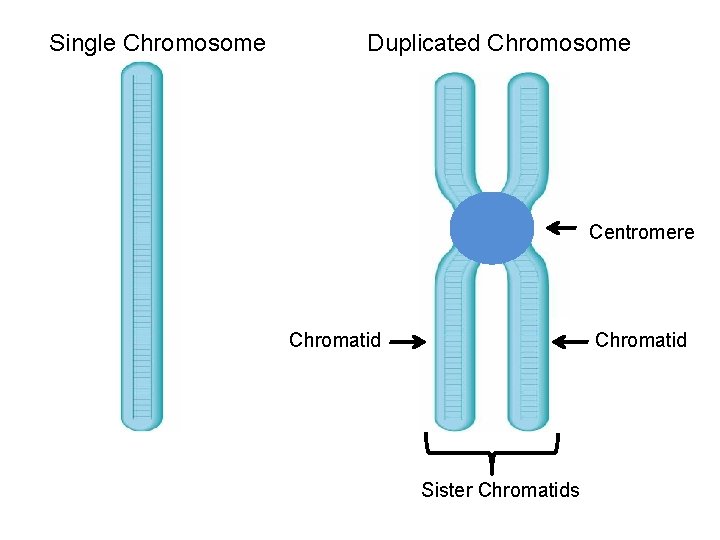
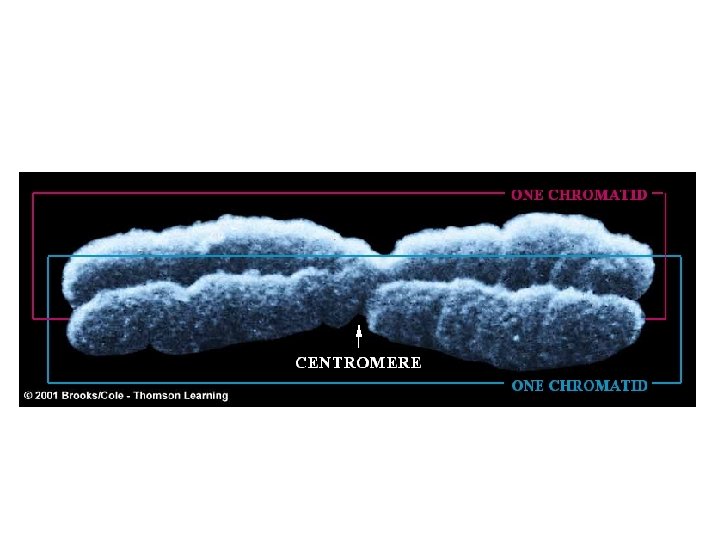
• Chromosomes • Chromatin – long strands of DNA wrapped around proteins • Chromosome – a rod-shaped structure that forms when a single DNA molecule coils tightly before cell division • Chromatid – one of two copies of each chromosome • Sister Chromatid – two identical copies of the chromosome • Centromere – a protein disk that attaches the two chromatids
Single Chromosome Duplicated Chromosome
Single Chromosome Duplicated Chromosome Centromere Chromatid Sister Chromatids
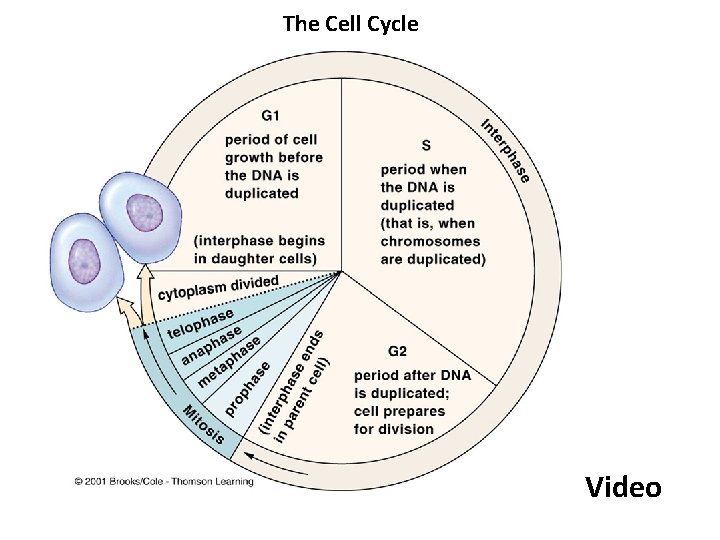
The Cell Cycle Video
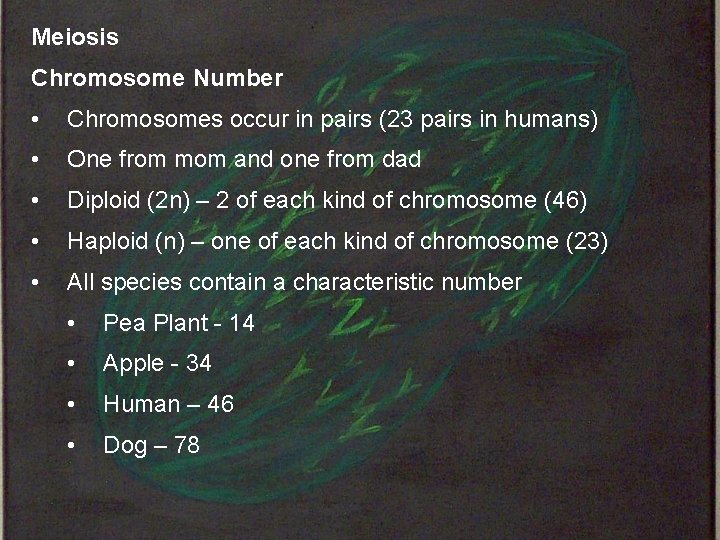
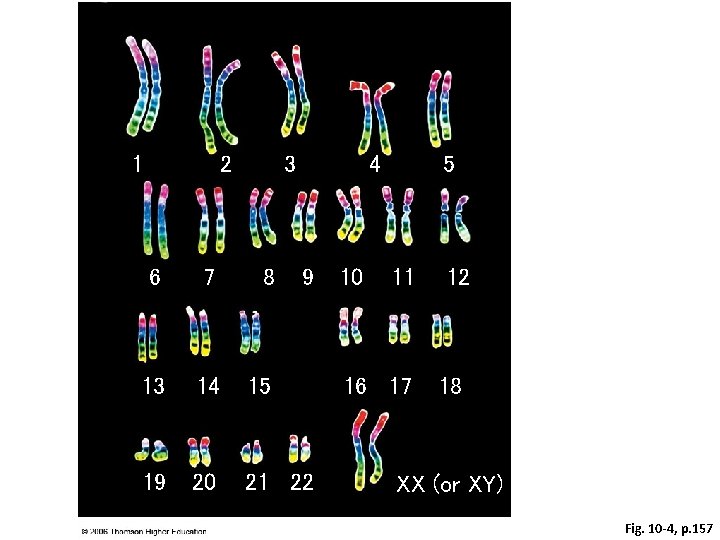
Meiosis Chromosome Number • Chromosomes occur in pairs (23 pairs in humans) • One from mom and one from dad • Diploid (2 n) – 2 of each kind of chromosome (46) • Haploid (n) – one of each kind of chromosome (23) • All species contain a characteristic number • Pea Plant - 14 • Apple - 34 • Human – 46 • Dog – 78
1 2 3 4 6 7 8 9 13 14 15 19 20 21 22 10 5 11 16 17 12 18 XX (or XY) Fig. 10 -4, p. 157
Why Meiosis? • When cells divide by mitosis the new cells have exactly the same number and kind of chromosomes as the original cells. • If fertilization occurs by mitosis then gametes would have twice the number of chromosomes 46 + 46 = 92 • Meiosis – cell division that cuts the chromosome number in half
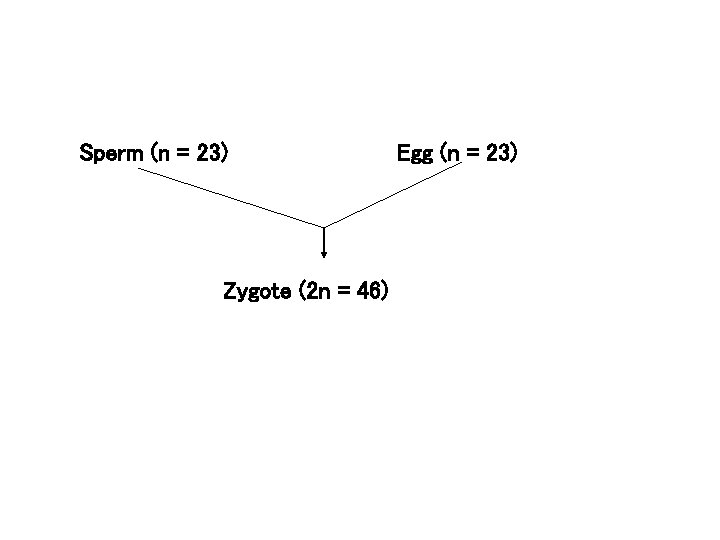
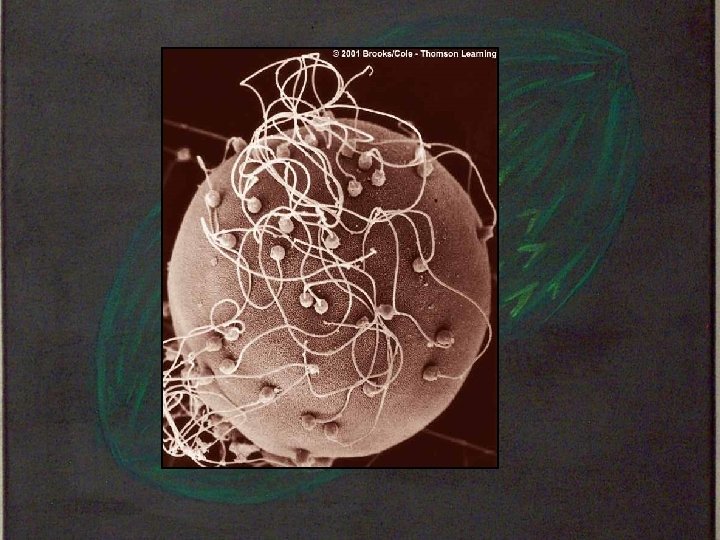
Gamete Formation • Germ Cell – a type of cell that goes through meiosis to make gametes • Gametes – sex cells (sperm and egg) • Sperm – male gametes • Egg – female gametes • Zygote – union of an egg and sperm • Fertilization – the uniting of male and female gametes (sperm and egg) • Sexual Reproduction – involves the production and fusion of haploid sex cells
Sperm (n = 23) Zygote (2 n = 46) Egg (n = 23)
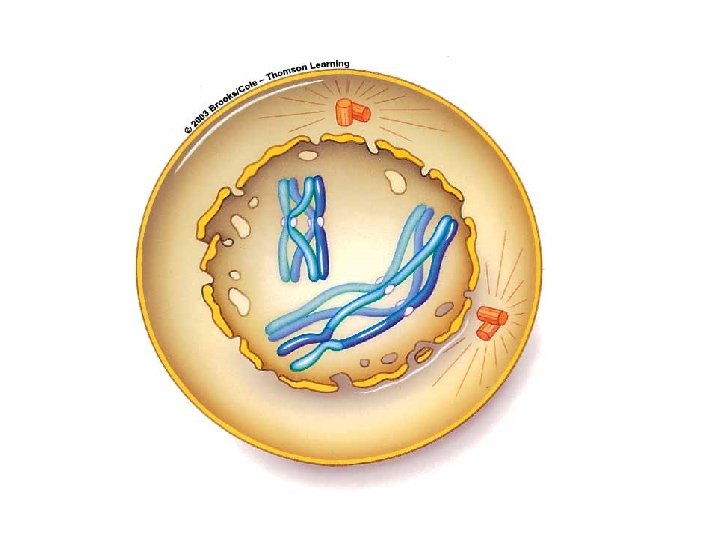
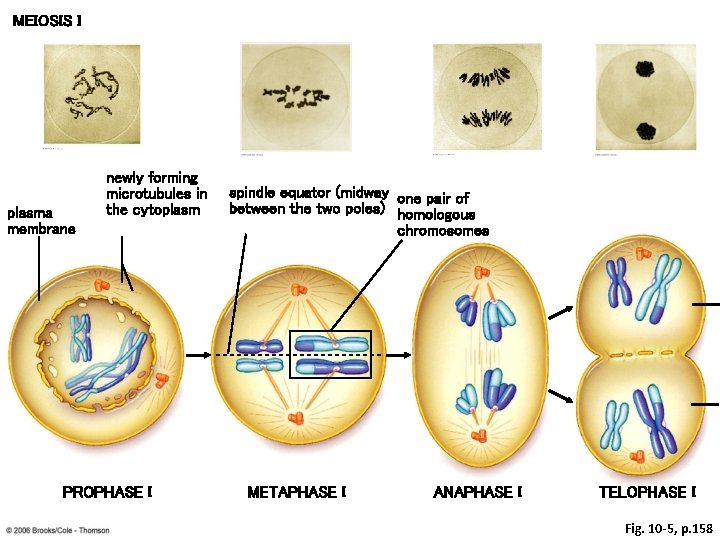
Phases of Meiosis • Meiosis I • Prophase I • Chromosomes coil up • Nuclear envelope breaks down • Centrioles form and move to opposite poles • Spindle fibers form
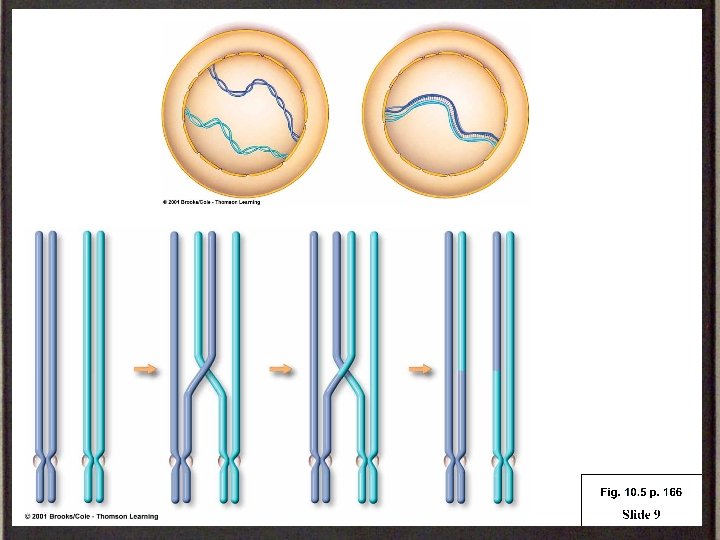
• Pairs of homologous chromosomes come together and form a tetrad • Crossing Over – homologous chromosomes exchange portions of their chromatids • There is an average of two to three crossovers for each pair of homologous chromosomes • Crossing over results in new combinations of genetic material
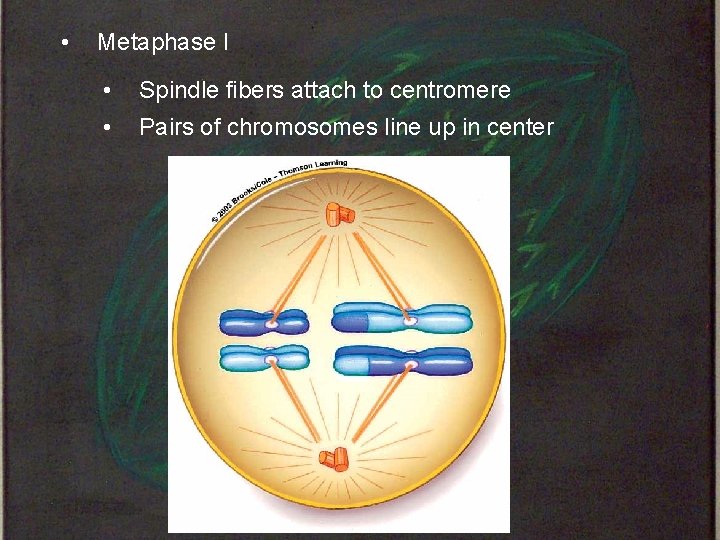
• Metaphase I • • Spindle fibers attach to centromere Pairs of chromosomes line up in center
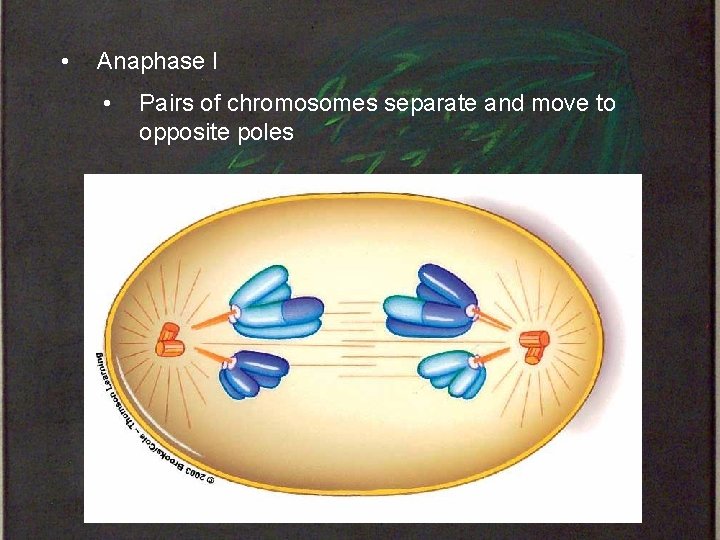
• Anaphase I • Pairs of chromosomes separate and move to opposite poles
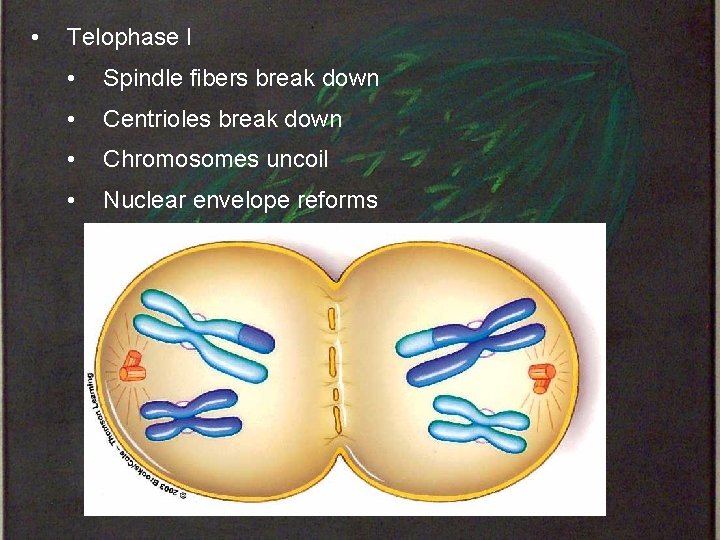
• Telophase I • Spindle fibers break down • Centrioles break down • Chromosomes uncoil • Nuclear envelope reforms
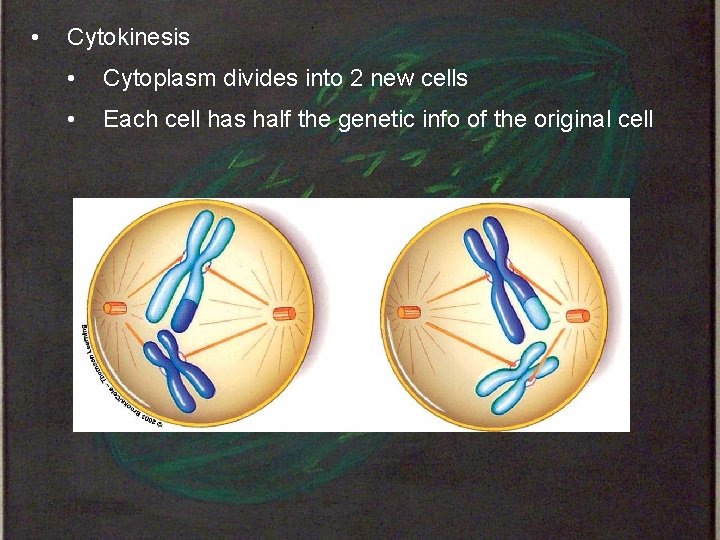
• Cytokinesis • Cytoplasm divides into 2 new cells • Each cell has half the genetic info of the original cell
• Even though we now have 23 chromosomes in each cell, the chromosomes are still in the duplicated state and it needs to divide again.
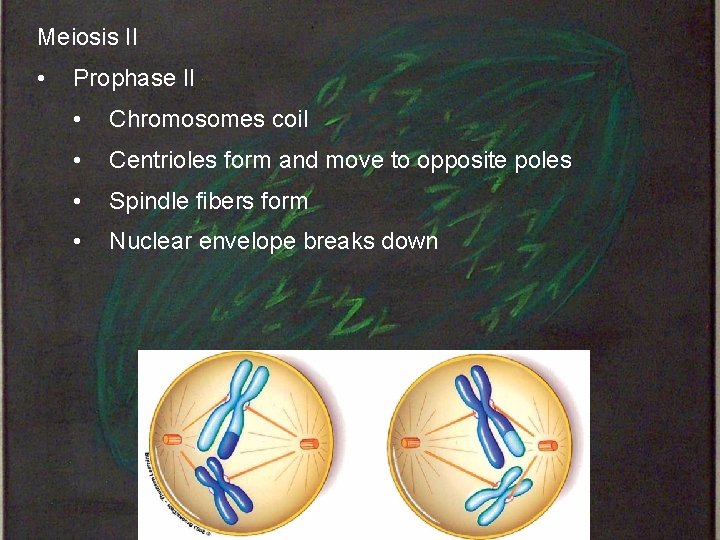
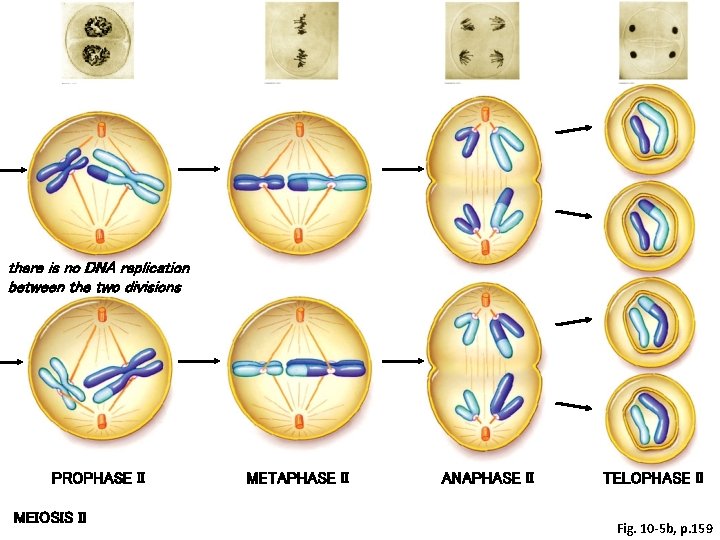
Meiosis II • Prophase II • Chromosomes coil • Centrioles form and move to opposite poles • Spindle fibers form • Nuclear envelope breaks down
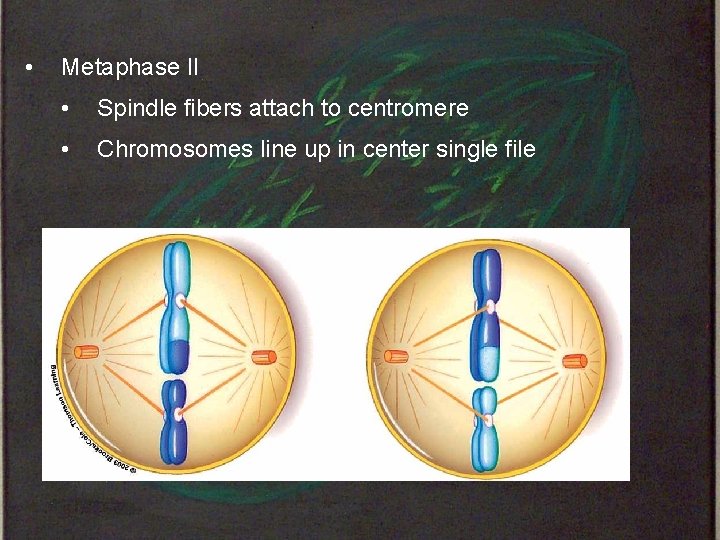
• Metaphase II • Spindle fibers attach to centromere • Chromosomes line up in center single file
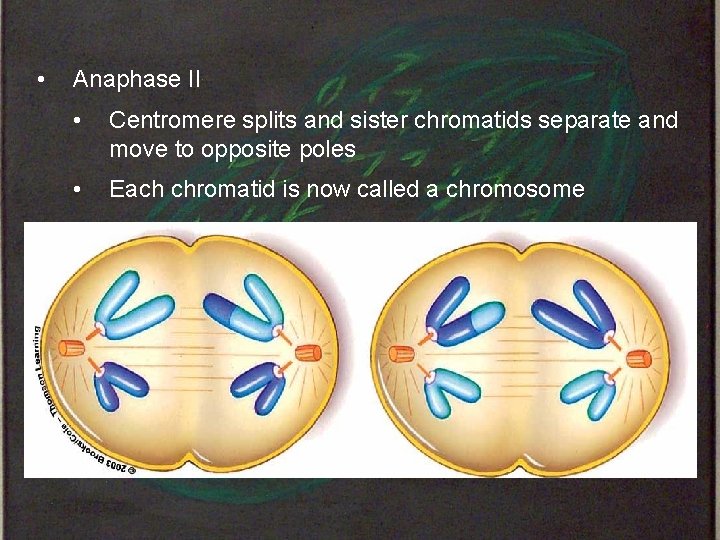
• Anaphase II • Centromere splits and sister chromatids separate and move to opposite poles • Each chromatid is now called a chromosome
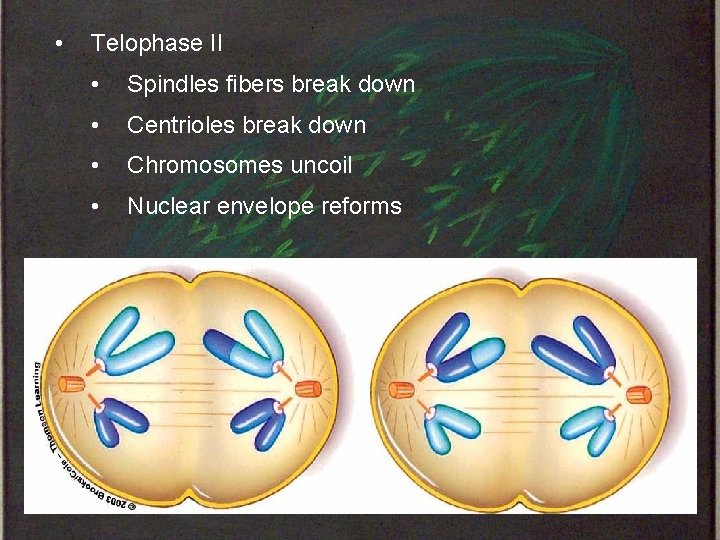
• Telophase II • Spindles fibers break down • Centrioles break down • Chromosomes uncoil • Nuclear envelope reforms
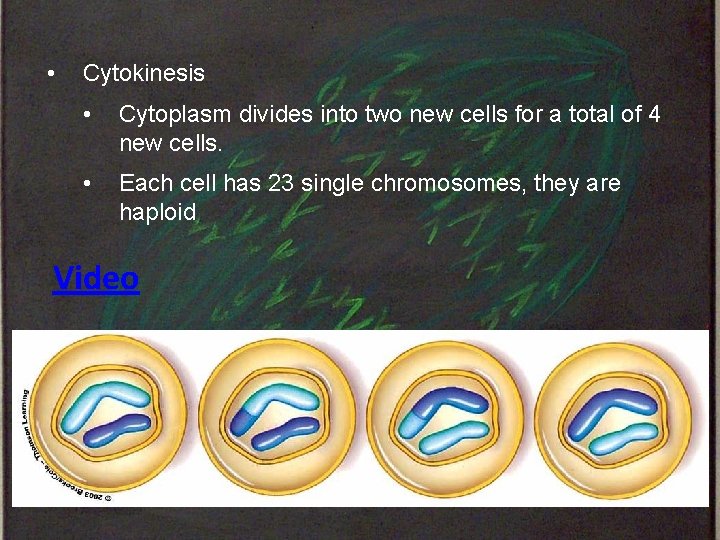
• Cytokinesis • Cytoplasm divides into two new cells for a total of 4 new cells. • Each cell has 23 single chromosomes, they are haploid Video
MEIOSIS I plasma membrane newly forming microtubules in the cytoplasm PROPHASE I spindle equator (midway one pair of between the two poles) homologous chromosomes METAPHASE I ANAPHASE I TELOPHASE I Fig. 10 -5, p. 158
there is no DNA replication between the two divisions PROPHASE II MEIOSIS II METAPHASE II ANAPHASE II TELOPHASE II Fig. 10 -5 b, p. 159
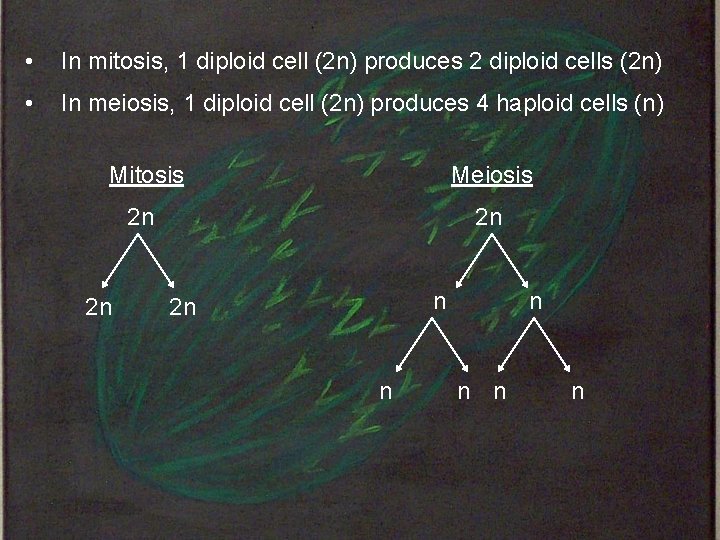
• In mitosis, 1 diploid cell (2 n) produces 2 diploid cells (2 n) • In meiosis, 1 diploid cell (2 n) produces 4 haploid cells (n) Mitosis Meiosis 2 n 2 n 2 n n n n
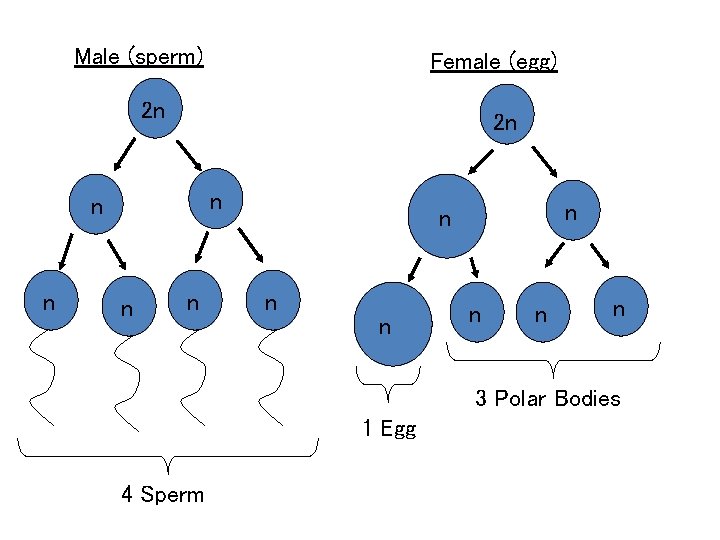
Male (sperm) Female (egg) 2 n 2 n n n n 3 Polar Bodies 1 Egg 4 Sperm
Meiosis Provides for Genetic Variation • Genetic Recombination – the reassortment of chromosomes and the genetic information they carry by crossing over
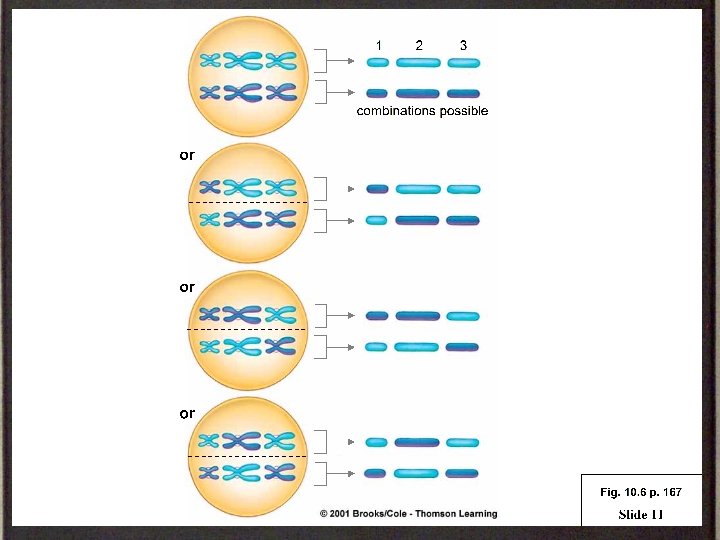
• 3 Places for Variation during Meiosis 1. There are 2 possibilities when homologous chromosomes line up in metaphase I • 223 = 8 million 2. 8 million different kinds of sperm or egg • Because any egg can be fertilized by any sperm the number of different possible offspring is 8 million x 8 million = @70 trillion 3. Crossing over leads to more variation • Crossing over can occur anywhere at random on a chromosome • 2 or 3 crossovers per chromosome occur during meiosis
Mitosis Meiosis Two new cells Four new cells New cells are genetically identical to the parent cell and each other New cells are diploid New cells are genetically different from the parent cell and each other New cells are haploid For growth and replace old somatic cells To make sperm and egg Asexual reproduction Sexual reproduction