
Chromosome Abnormalities Nondisjunction during meiosis can cause a
Chromosome Abnormalities • Non-disjunction during meiosis can cause a gamete to have an extra chromosome • Trisomy = three copies of the same chromosome. • Most are lethal before birth, but three of chromosome 21 causes Down syndrome.
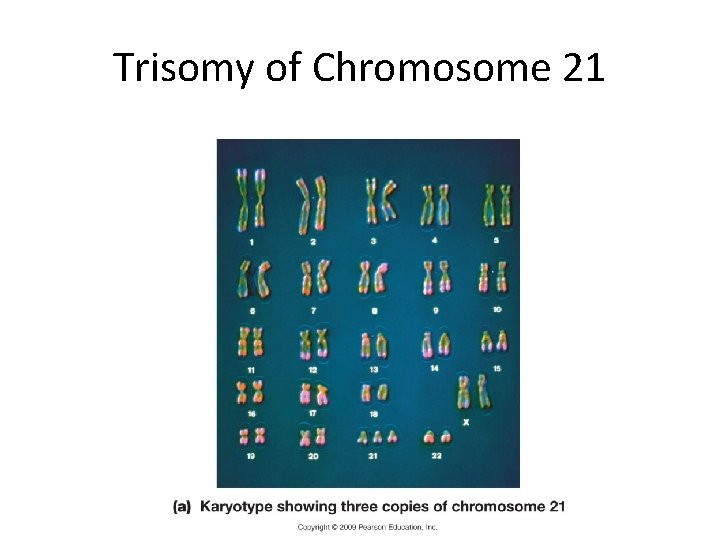
Trisomy of Chromosome 21
Chapter 10 DNA Replication and Expression
DNA (Deoxyribose Nucleic Acid) • Polymer made of subunits called nucleotides • Nucleotides have three parts – Phosphate – Sugar (deoxyribose) – Nitrogen bases
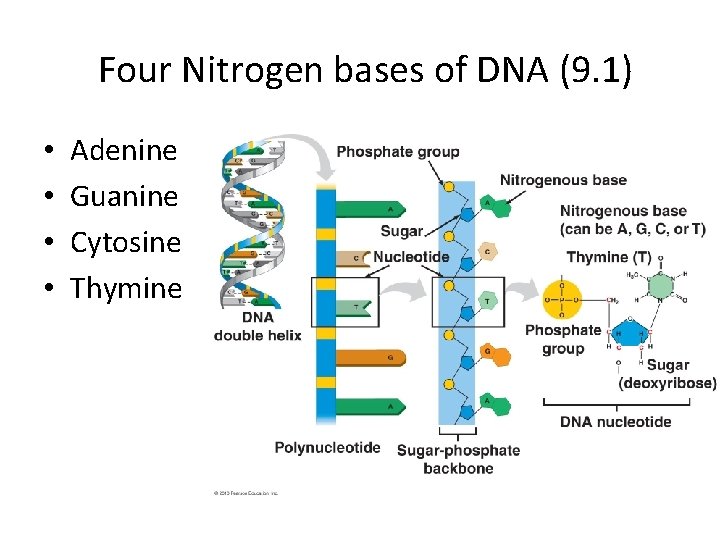
Four Nitrogen bases of DNA (9. 1) • • Adenine Guanine Cytosine Thymine
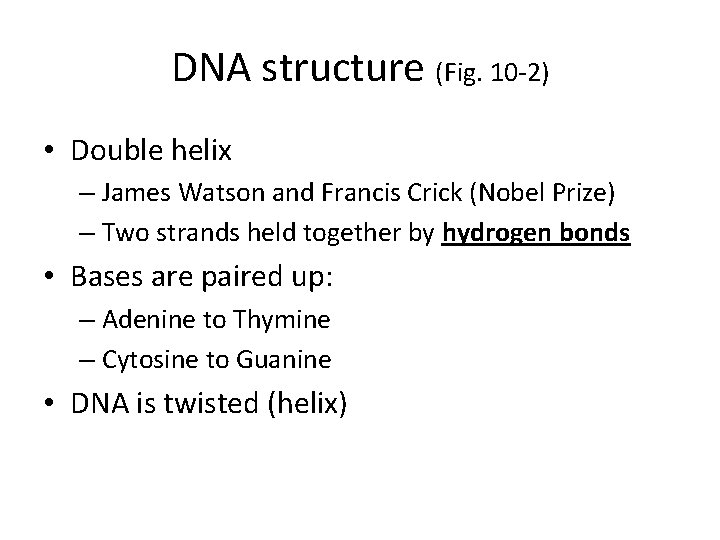
DNA structure (Fig. 10 -2) • Double helix – James Watson and Francis Crick (Nobel Prize) – Two strands held together by hydrogen bonds • Bases are paired up: – Adenine to Thymine – Cytosine to Guanine • DNA is twisted (helix)
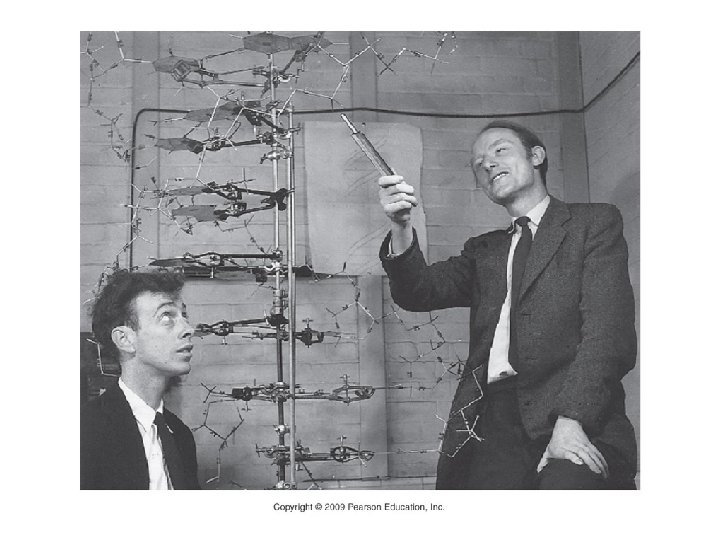
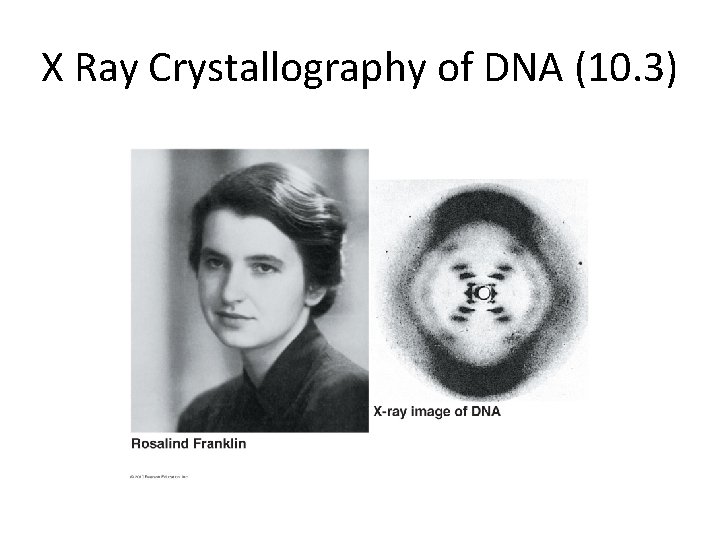
X Ray Crystallography of DNA (10. 3)
DNA inside a Eukaryote • DNA wraps around proteins (histones) to form chromatin. • Chromatin coils up into chromosomes.
DNA is Replicated • Parent DNA strands act as templates for new DNA • Strands separate and new bases are added to each side
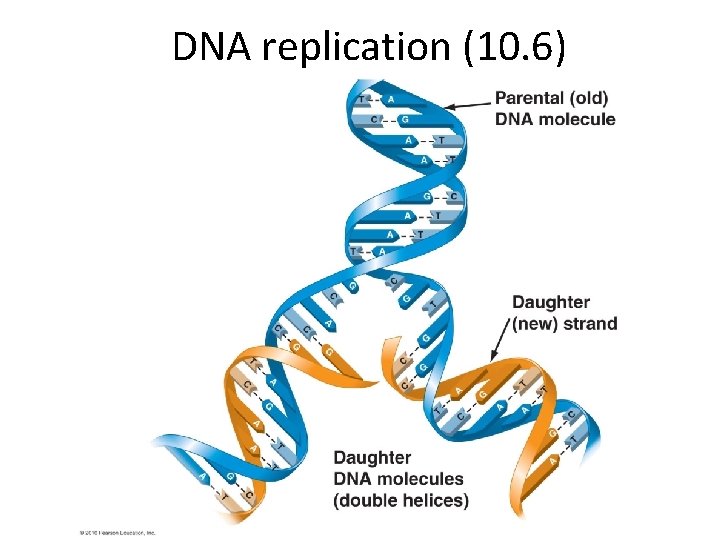
DNA replication (10. 6)
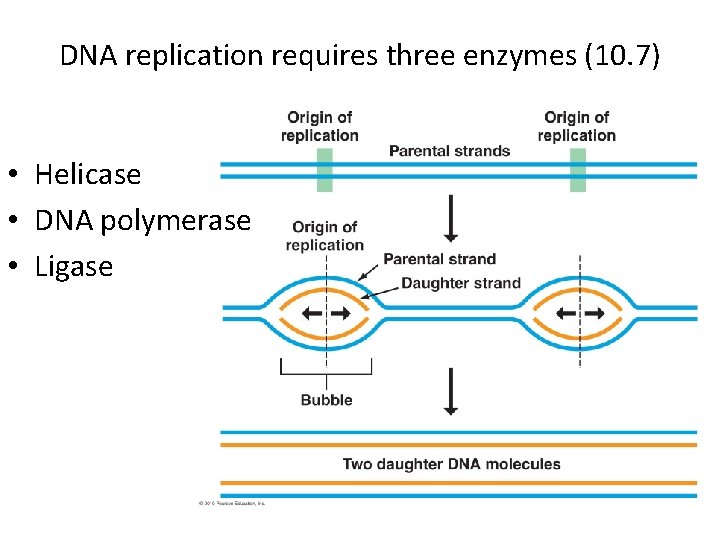
DNA replication requires three enzymes (10. 7) • Helicase • DNA polymerase • Ligase
DNA Expression
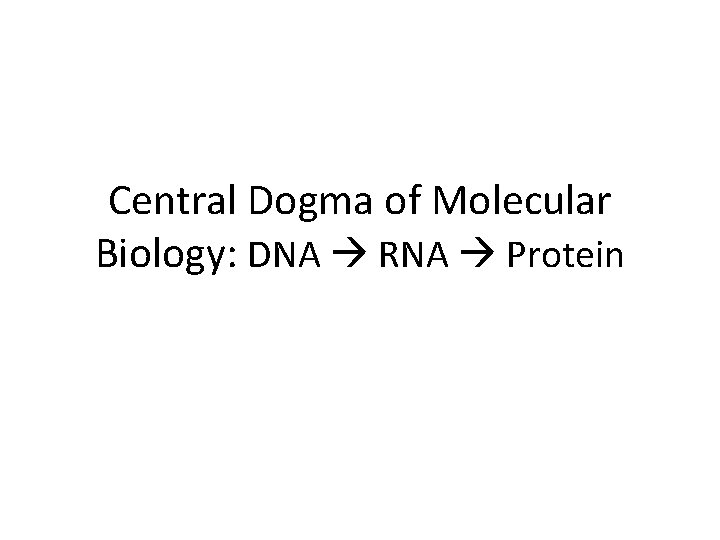
Central Dogma of Molecular Biology: DNA RNA Protein
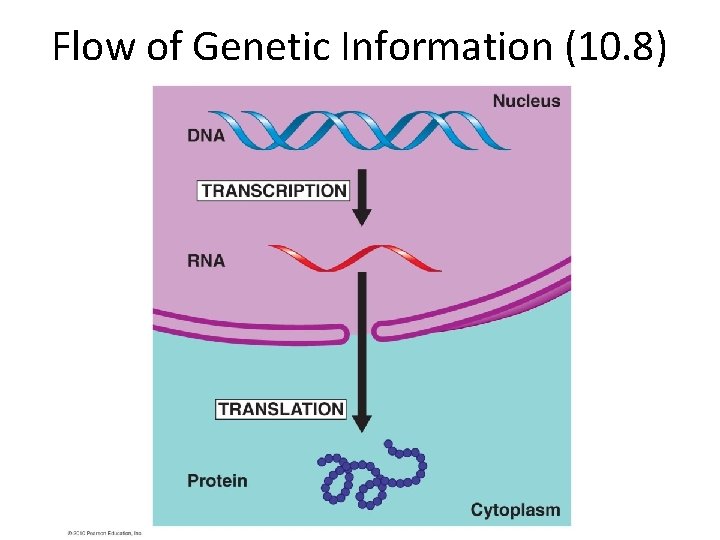
Flow of Genetic Information (10. 8)
What is RNA? • Ribose Nucleic Acid • Nucleic acid similar to DNA • Three important differences – Single strand – Sugar is Ribose – Uracil instead of Thymine
DNA contains information used to make proteins • 95% of DNA sequence is meaningless or “junk” • 5% that has information is contained in genes • Gene is a sequence of DNA that codes for a protein
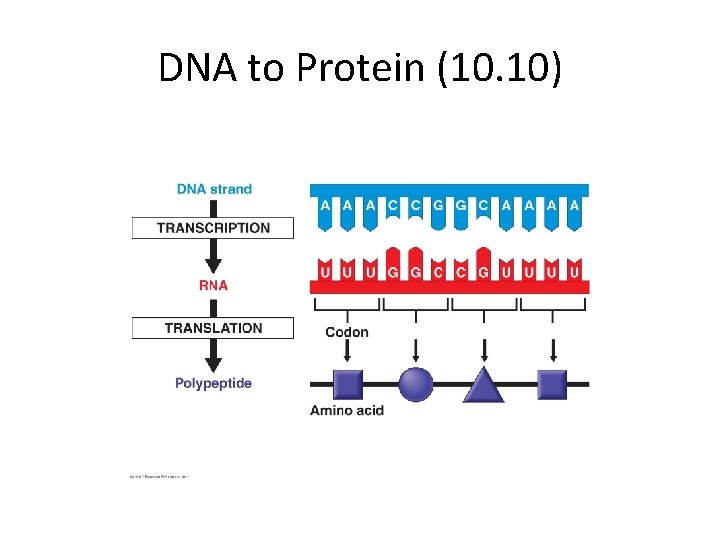
DNA to Protein (10. 10)
How a gene produces a protein • Genes are TRANSCRIBED into messenger RNA • m. RNA goes to ribosomes for protein synthesis • Transfer RNA carries Amino Acids to be assembled at the ribosomes • m. RNA is TRANSLATED into proteins.
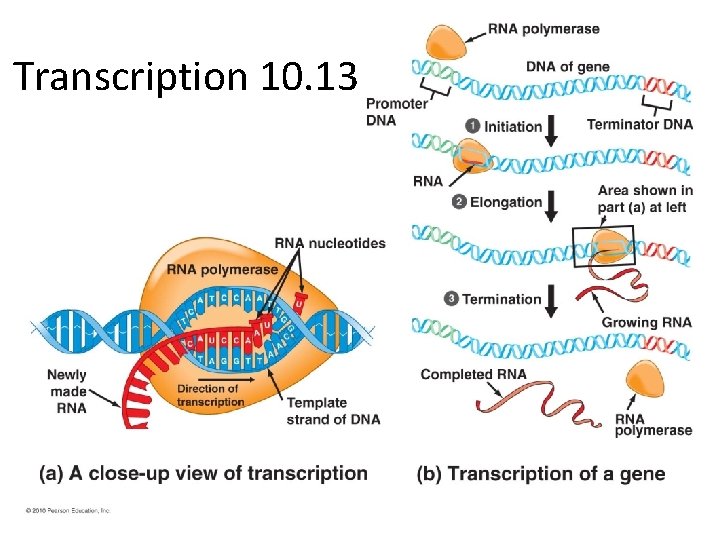
Transcription 10. 13
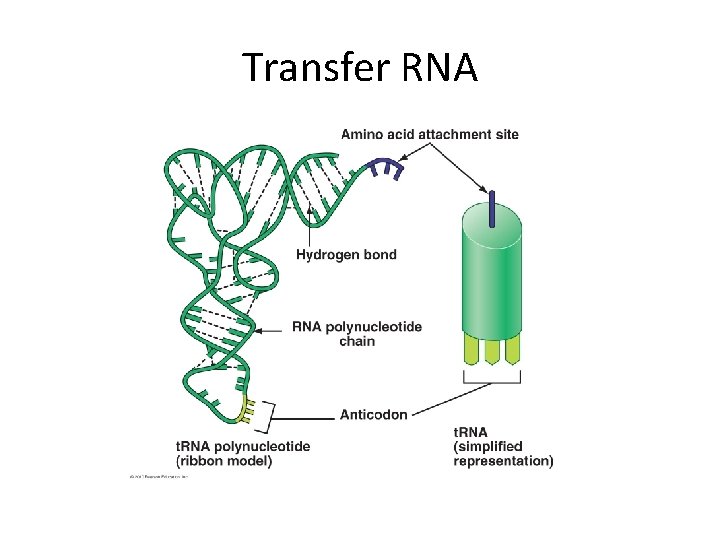
Transfer RNA
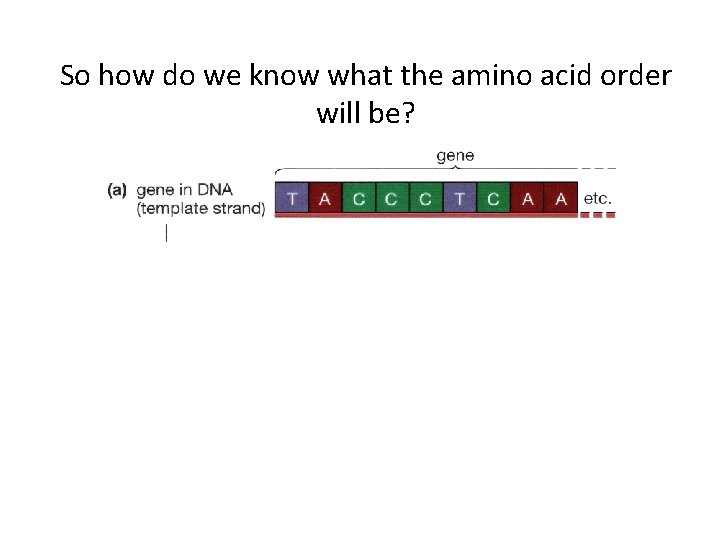
So how do we know what the amino acid order will be?
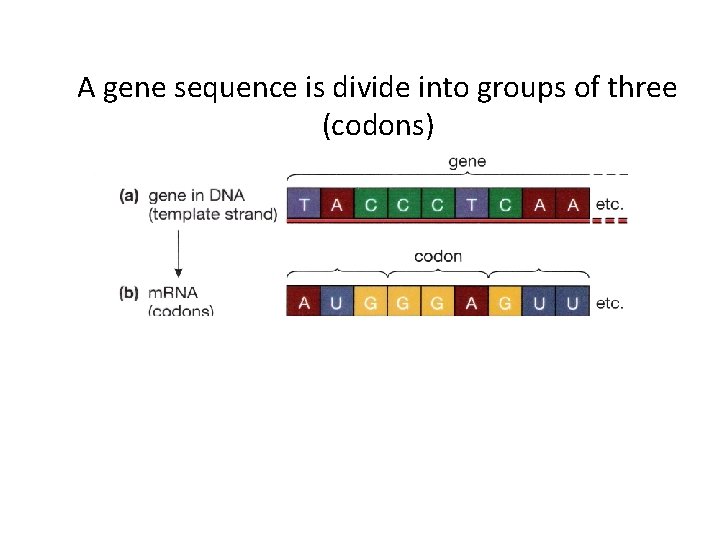
A gene sequence is divide into groups of three (codons)
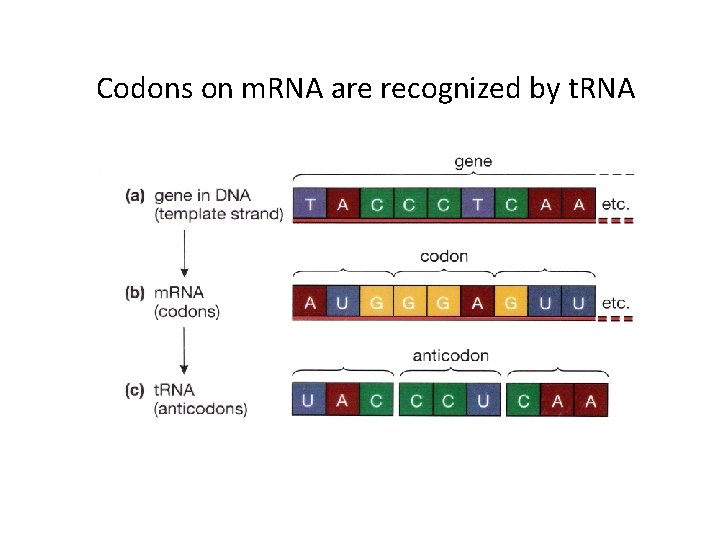
Codons on m. RNA are recognized by t. RNA
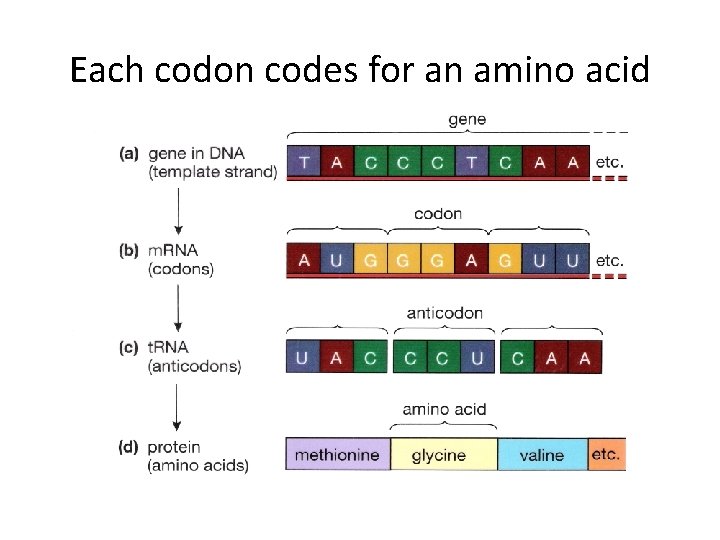
Each codon codes for an amino acid
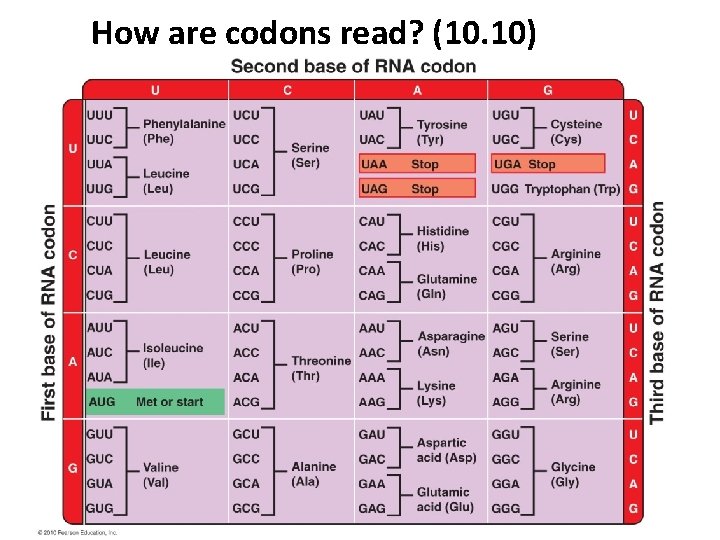
How are codons read? (10. 10)
Viral genetics
What about viruses? • Viruses are nucleic acids surrounded by a protein capsule. • Viruses invade host cells by injecting their DNA • Viral DNA incorporates into the host cell’s genome ( Lysogenic Phase) • Viruses use their DNA to force host cells to produce more viruses ( Lytic Phase) • Viruses do not fit into the cell theory.
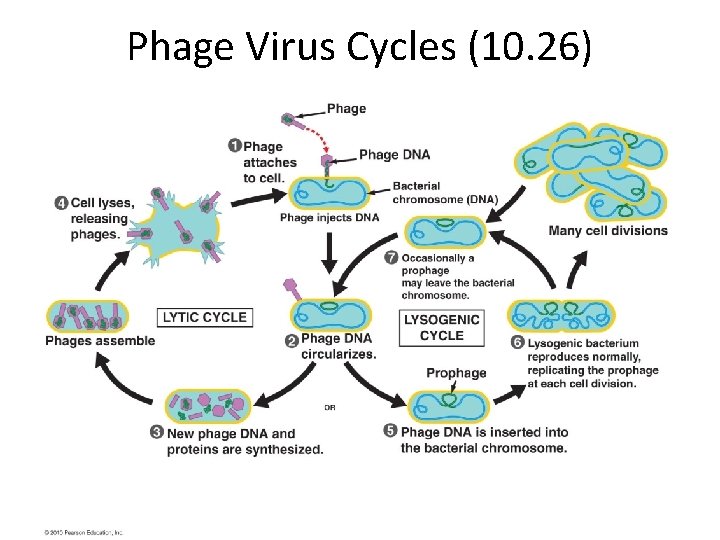
Phage Virus Cycles (10. 26)
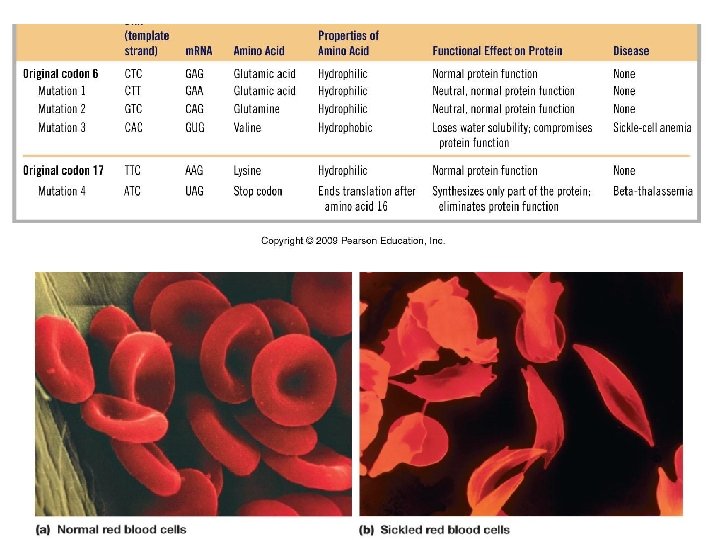
Mutations • Mistakes in copying of DNA • Three types – Insertion – Deletion – Substitution
Consequences of mutations • Most mutations are neutral – no noticeable effect on the protein • Some mutations are deleterious – Genetic disorders – Cancer • Some mutations may produce a “good” trait • In both cases a change in the bases changes sequence of amino acids
- Slides: 32