
Chp 12 Hurricanes Midlatitude Cyclone vs Hurricane Cyclone
- Slides: 33
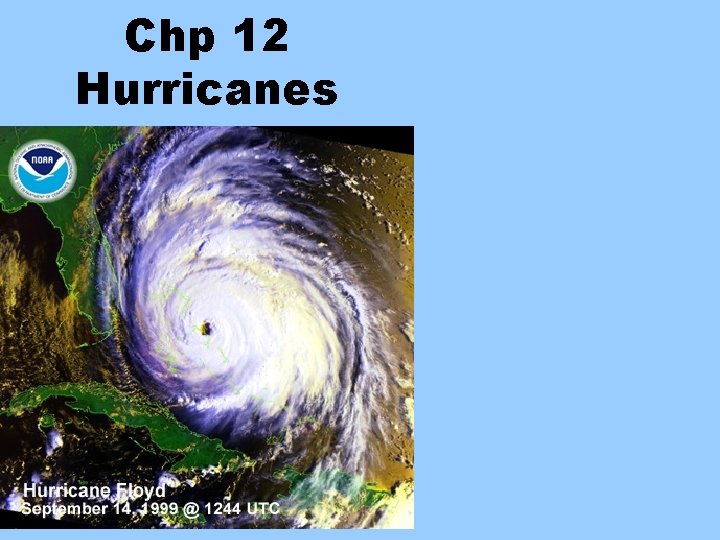
Chp 12 Hurricanes
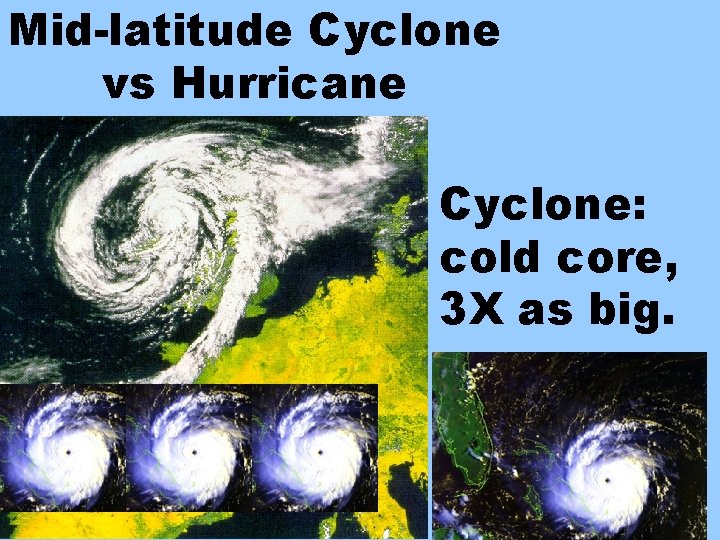
Mid-latitude Cyclone vs Hurricane Cyclone: cold core, 3 X as big.
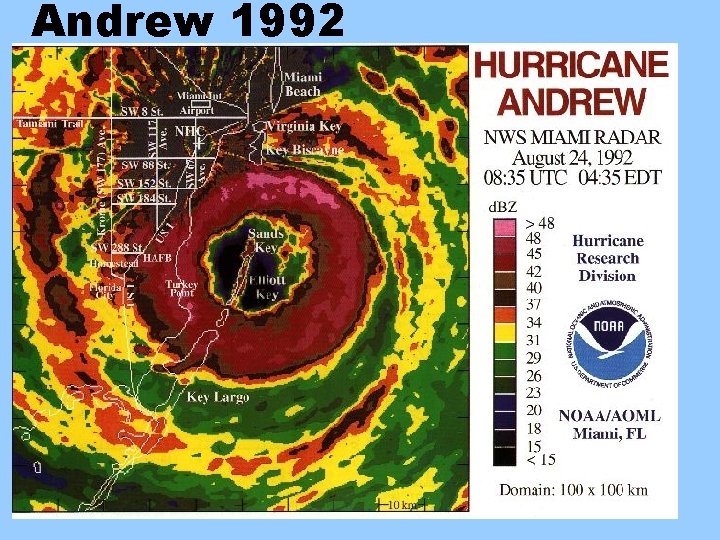
Andrew 1992
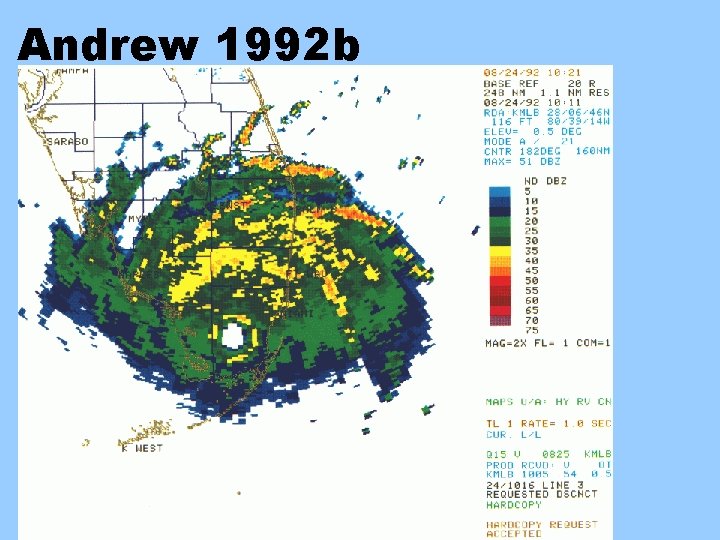
Andrew 1992 b
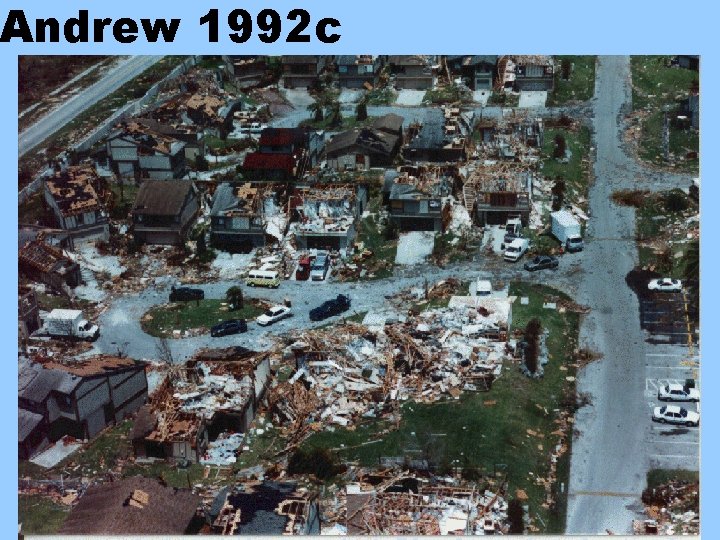
Andrew 1992 c
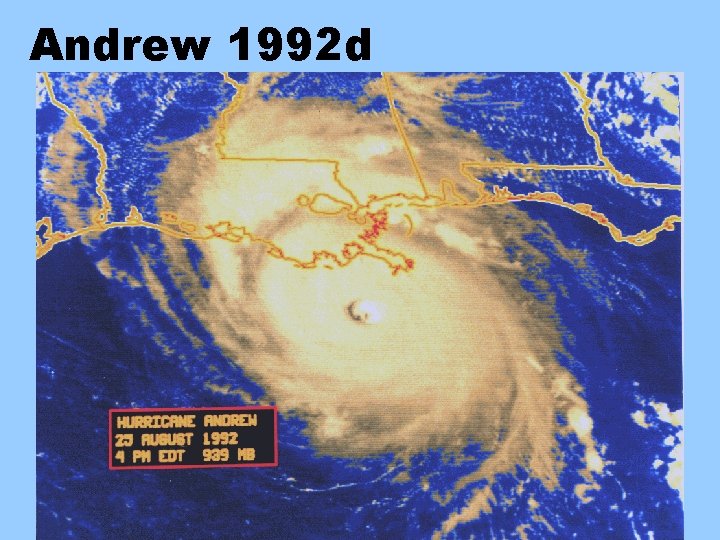
Andrew 1992 d
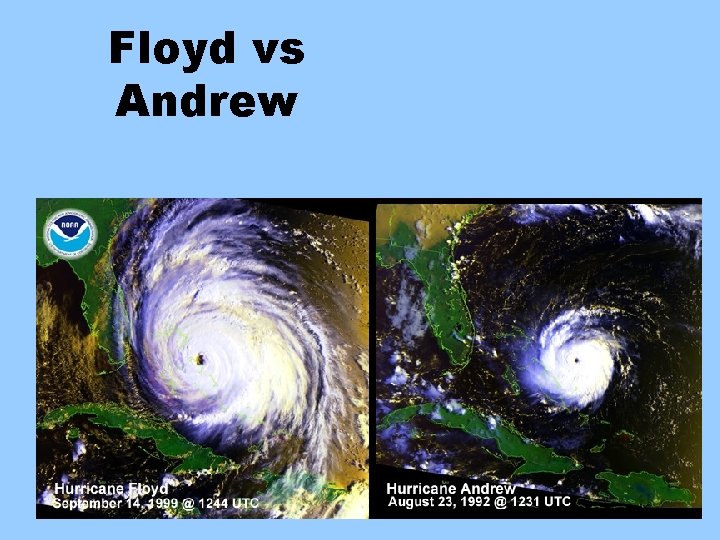
Floyd vs Andrew
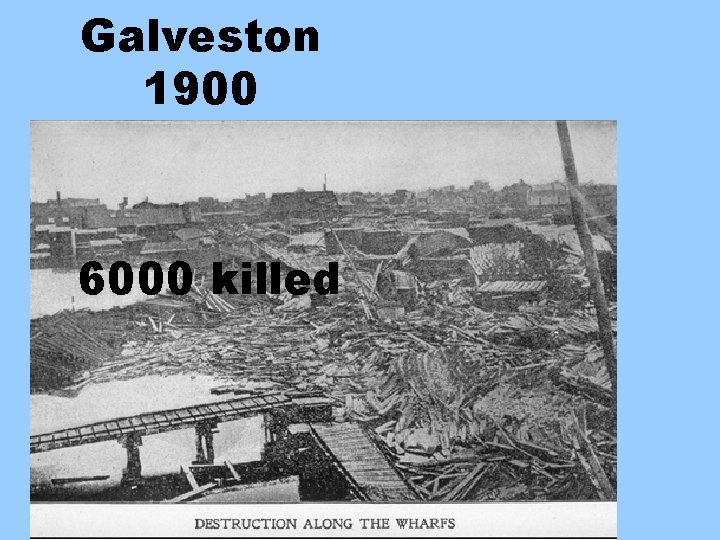
Galveston 1900 6000 killed
By Any Other Name • U. S. : Hurricane • Asia: Typhoon • India: Cyclone or “Tropical Cyclone”
Lesser Storms Tropical depression: • at least 1 closed isobar • rotation • winds up to 36 mph. Tropical storm: • wind 37 -73 mph
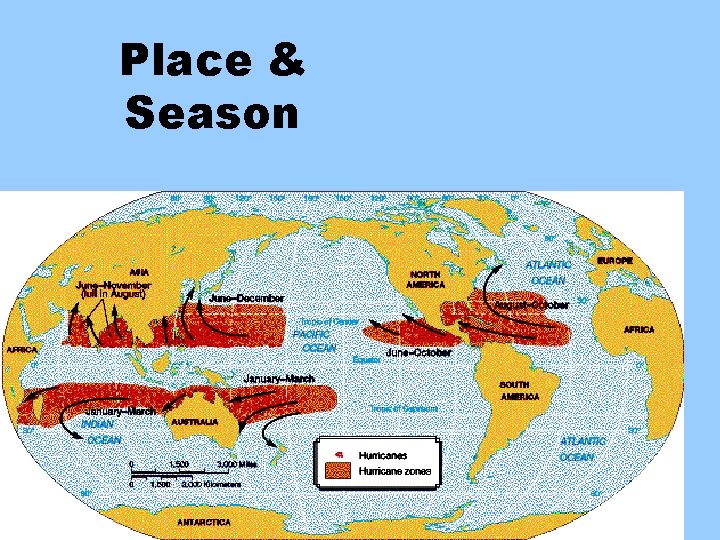
Place & Season
Hurricanes • • • Most: West Pacific Least (none): S Atlantic Australia: Jan. – Mar. Generally move westward Winds > 120 km/h (74 mph)
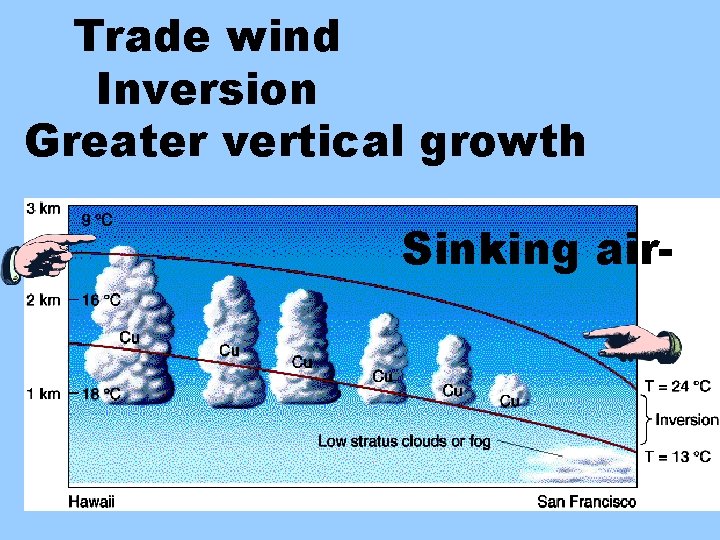
Trade wind Inversion Greater vertical growth Sinking air-
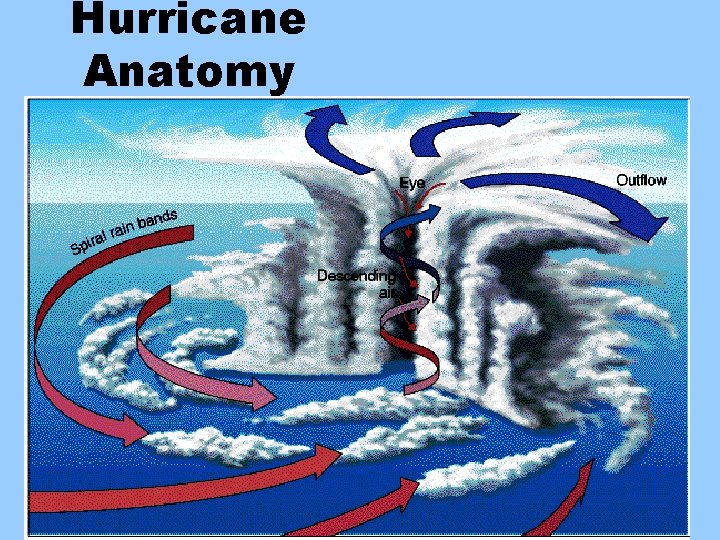
Hurricane Anatomy
Form • Obtain energy from condensation. • Numerous T-storms in pinwheel. • Cirrostratus at top (ice clouds make hurricane look smooth from space).
Eye Wall • Thick cloud cover. • Intense precipitation (up to 100 inch/day). • Saturated air. • Strongest wind.
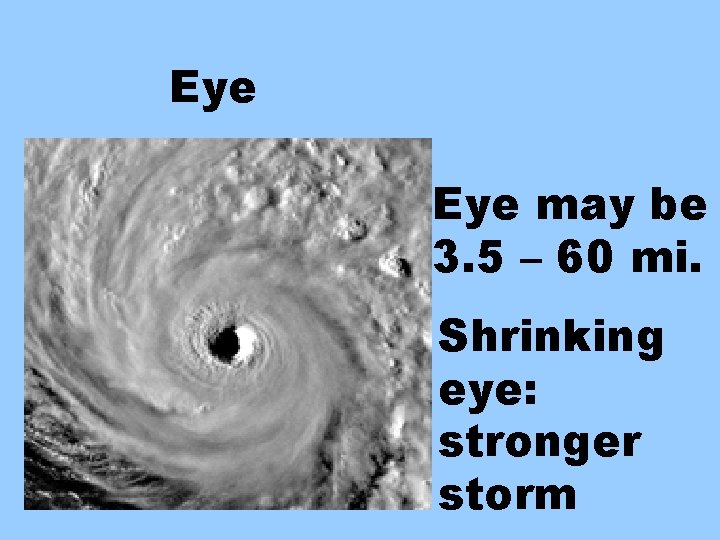
Eye may be 3. 5 – 60 mi. Shrinking eye: stronger storm
Eye • • Passage time 10 -60 min. Light winds Descending air. “clear” skies.
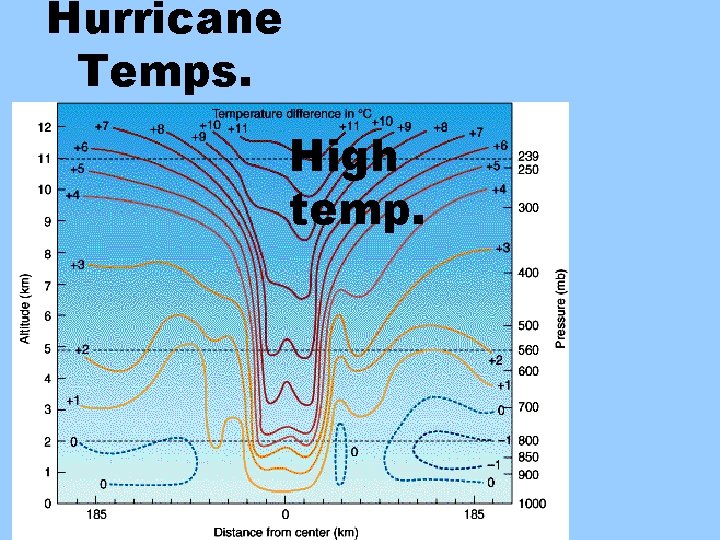
Hurricane Temps. High temp.
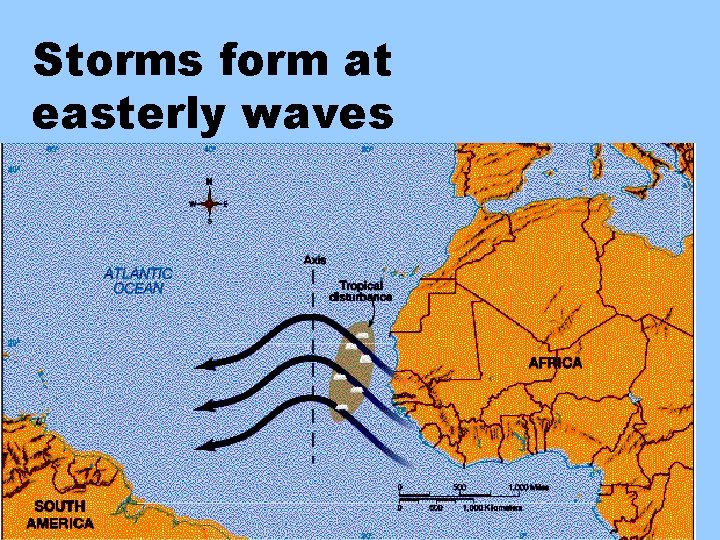
Storms form at easterly waves
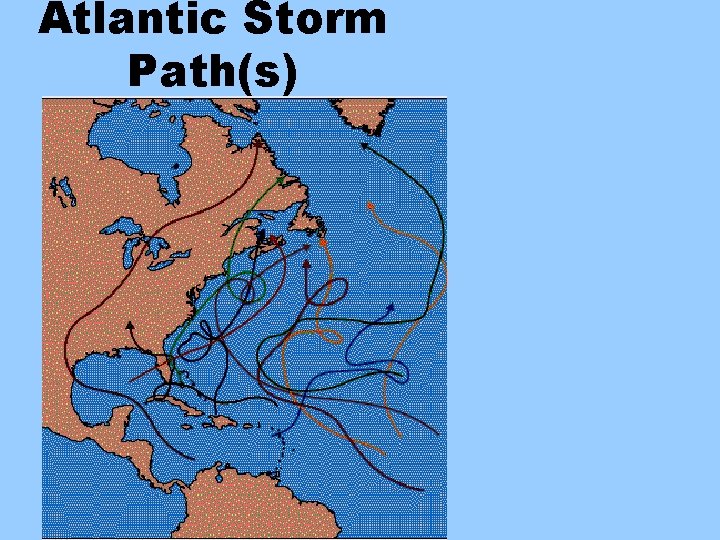
Atlantic Storm Path(s)
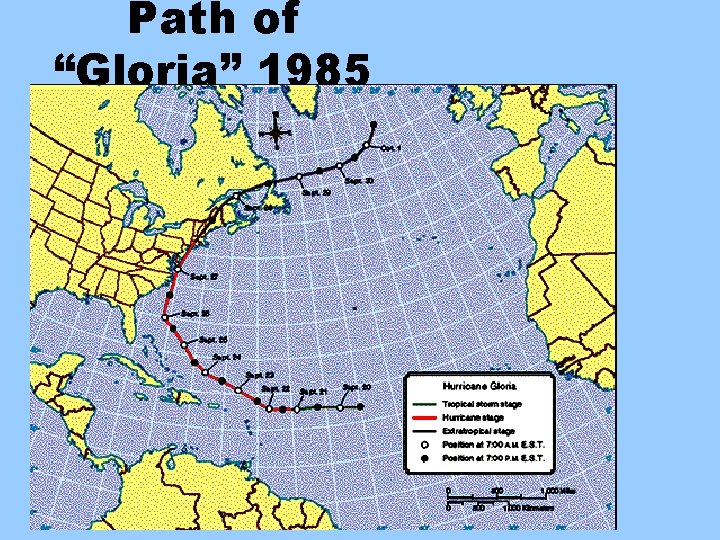
Path of “Gloria” 1985
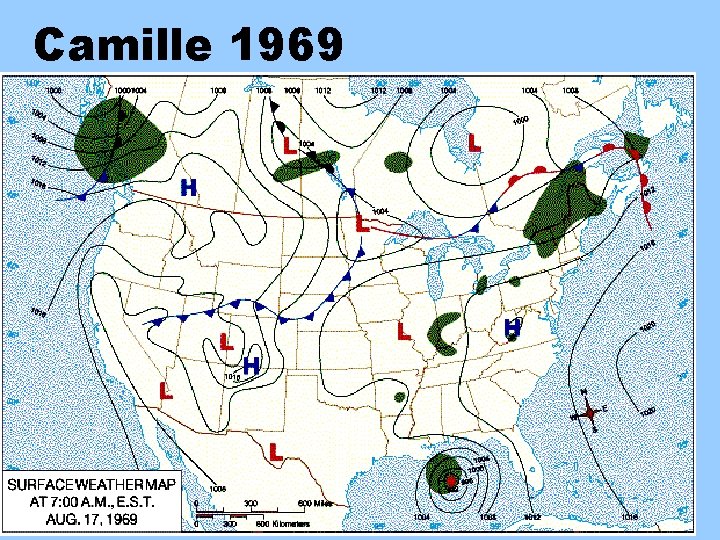
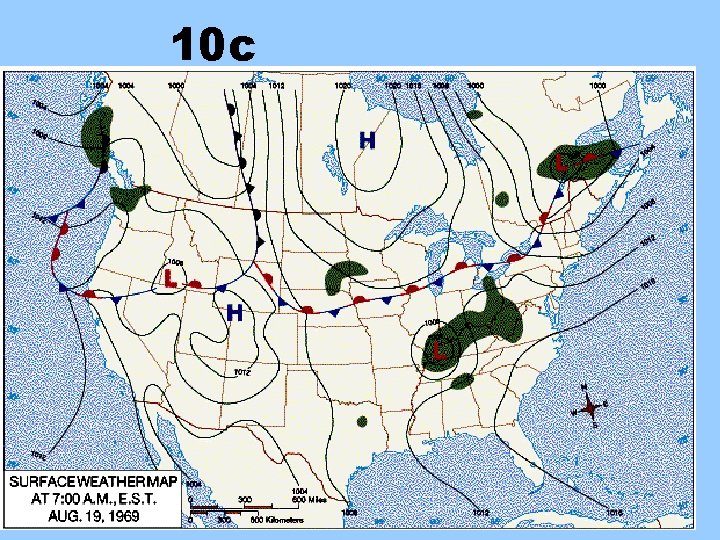
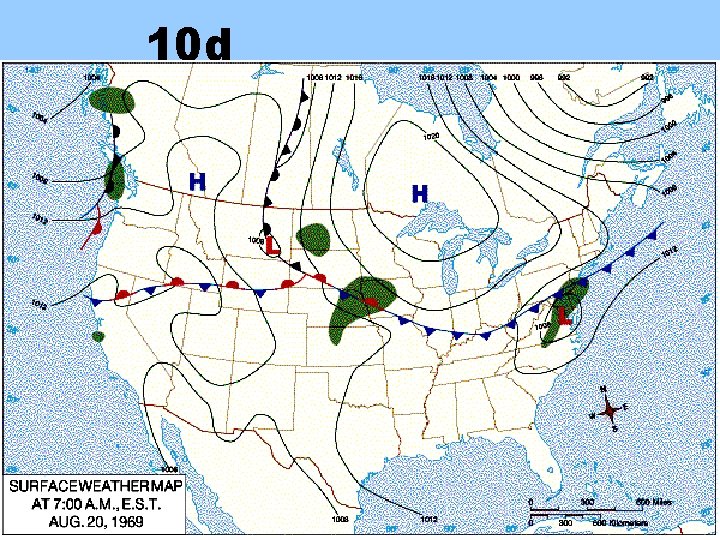
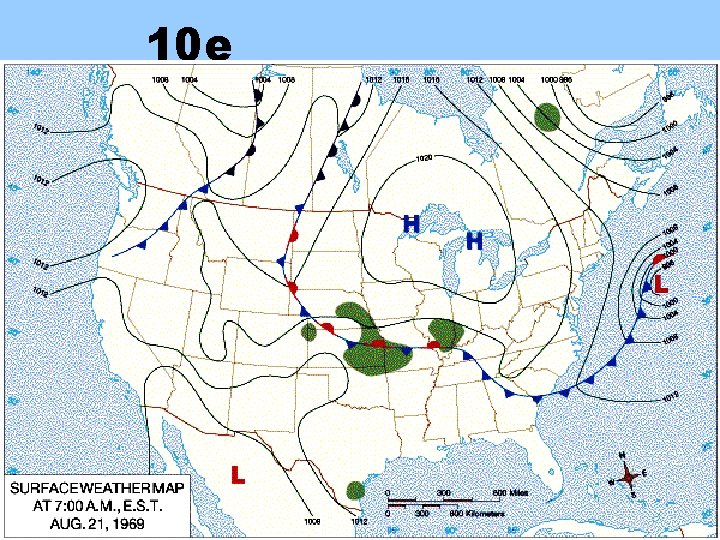
Camille 1969
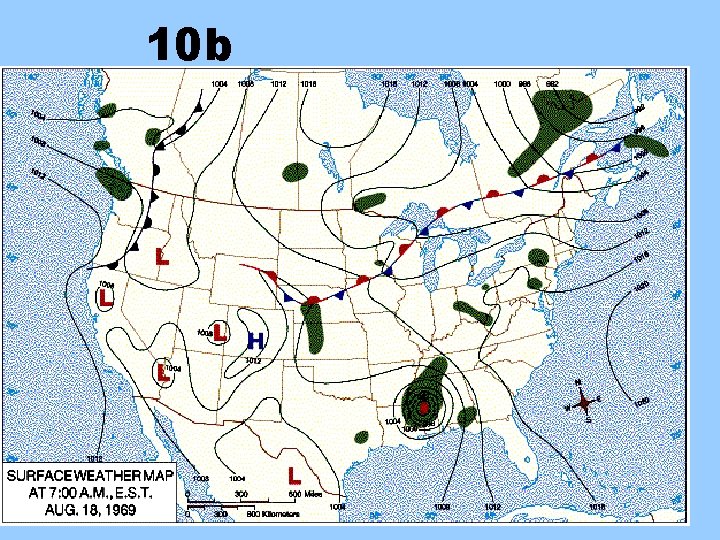
10 b
10 c
10 d
10 e
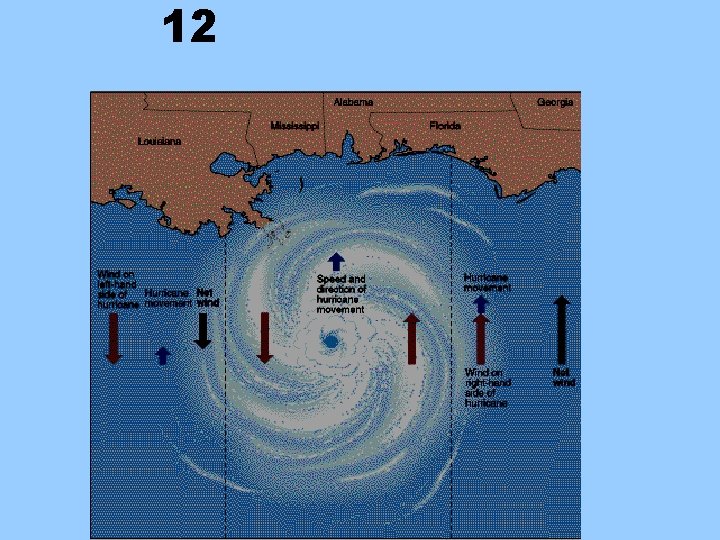
12
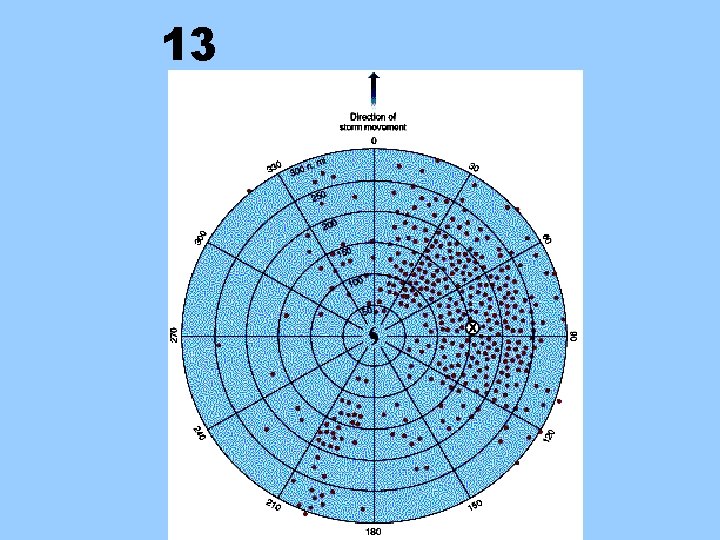
13
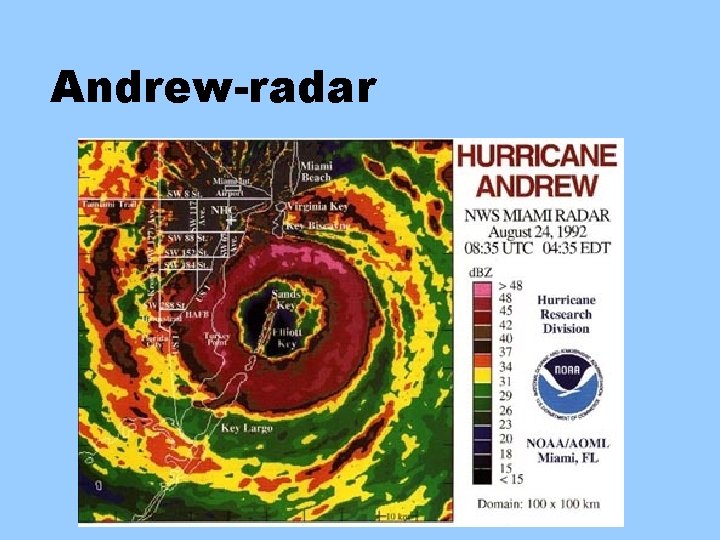
Andrew-radar
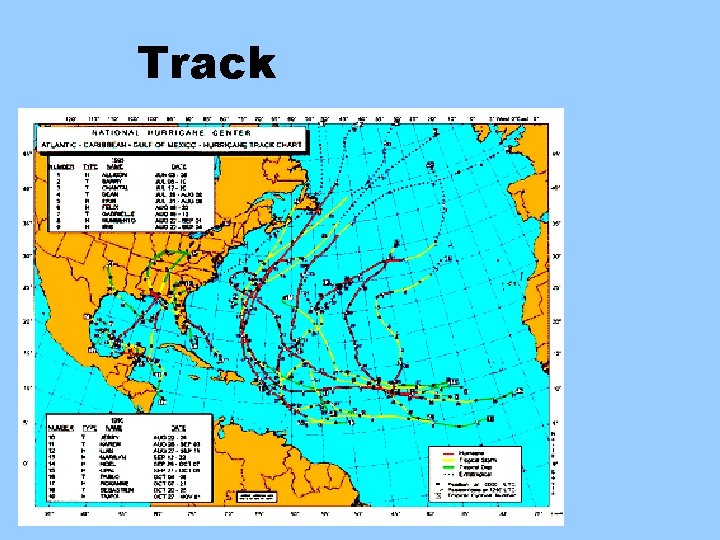
Track
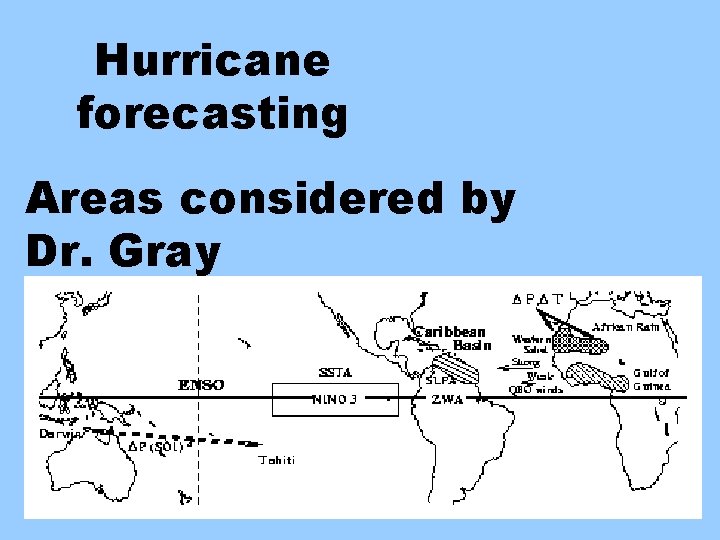
Hurricane forecasting Areas considered by Dr. Gray