
Chp 10 Cyclones Not to be confused with
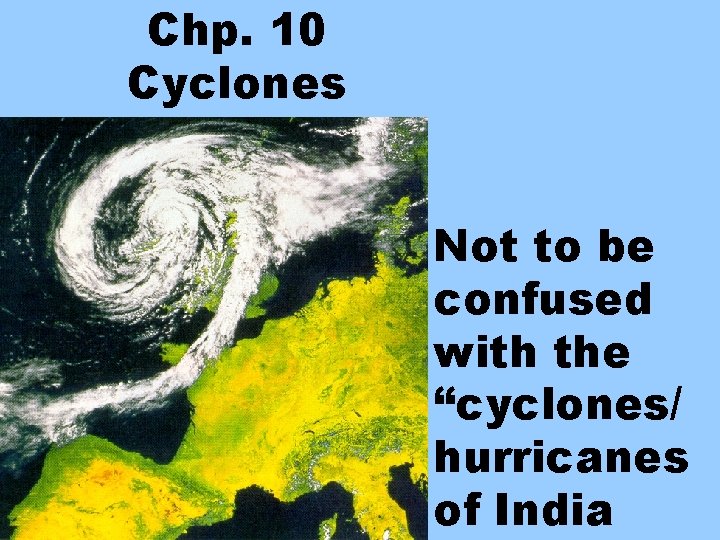
Chp. 10 Cyclones Not to be confused with the “cyclones/ hurricanes of India
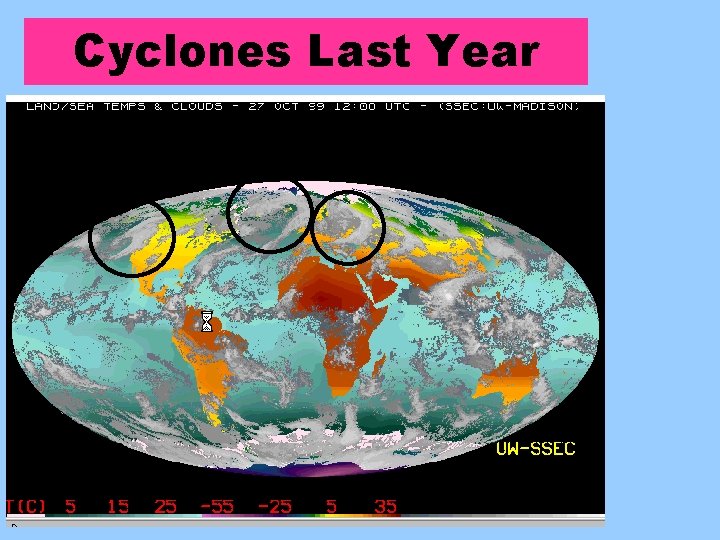
Cyclones Last Year
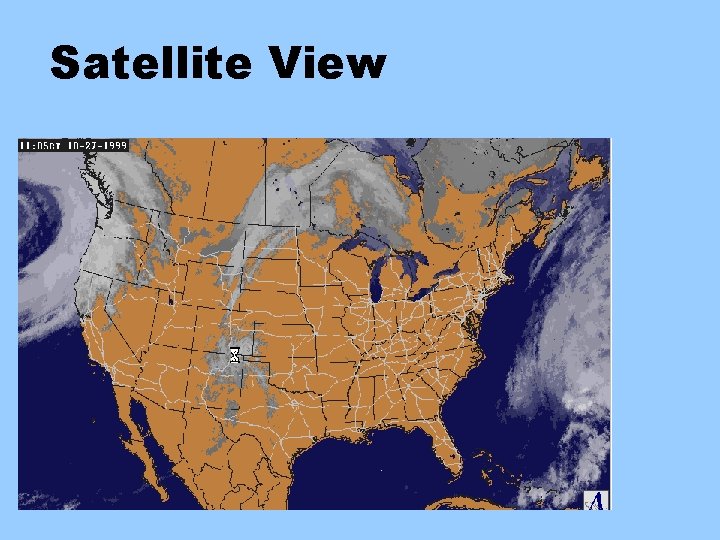
Satellite View
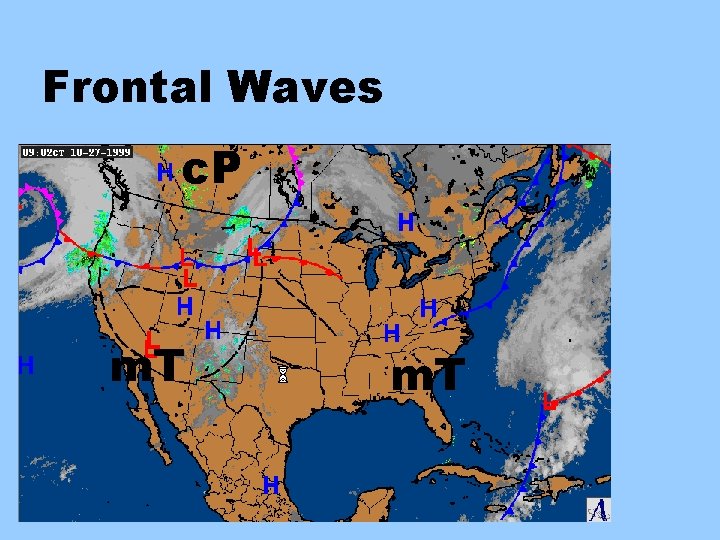
Frontal Waves c. P m. T
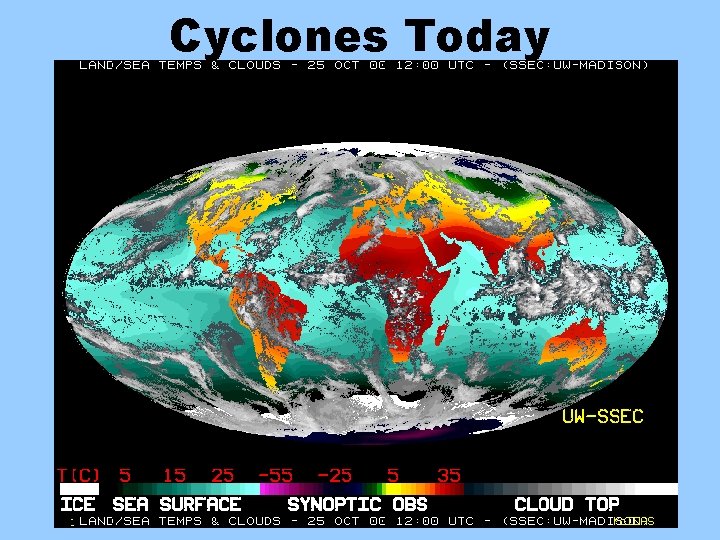
Cyclones Today
Vilhelm Bjerknes • Noted that air masses clash much as do the armies of WWI. • Founded the Norwegian Institute that theorized the forming of cyclonic weather events.
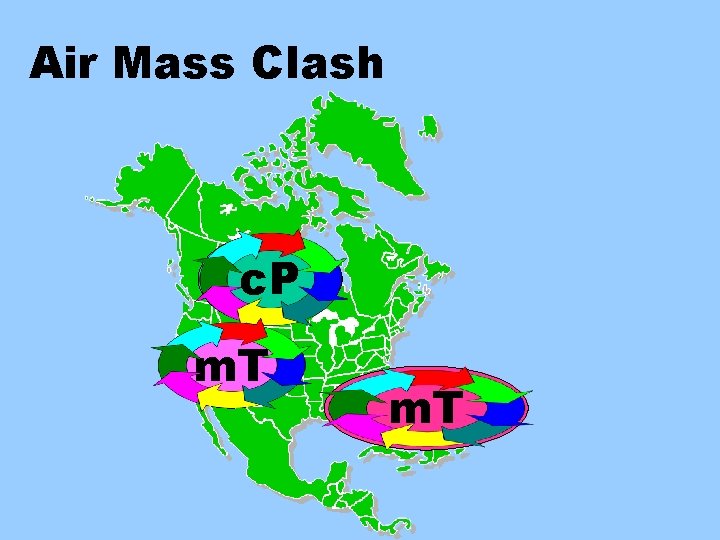
Air Mass Clash c. P m. T
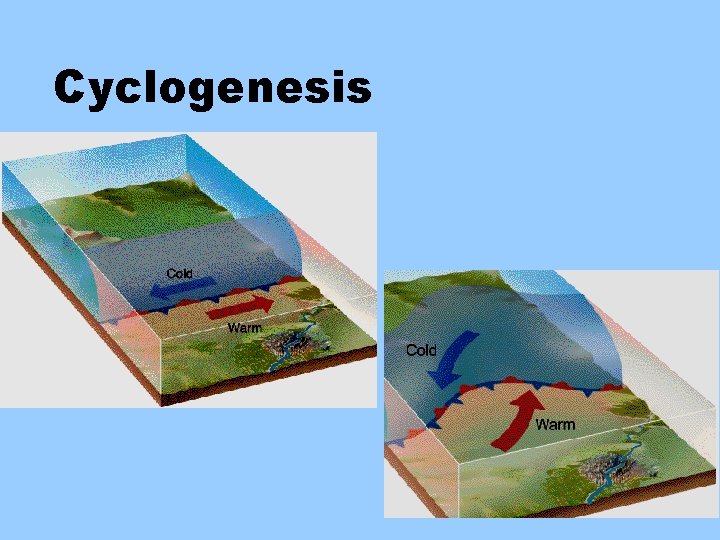
Cyclogenesis
Cyclogenesis • Polar front separates air masses. • “Kink” develops. • Cold air begins to flow S. • Low pressure system develops.
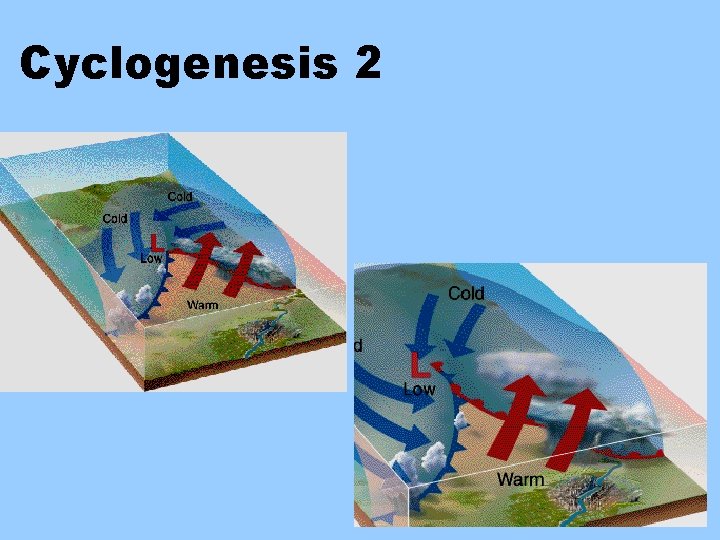
Cyclogenesis 2
Mature Cyclone • Distinct fronts form. • Convergence Clouds. • System may last several days and move 100 s of miles.
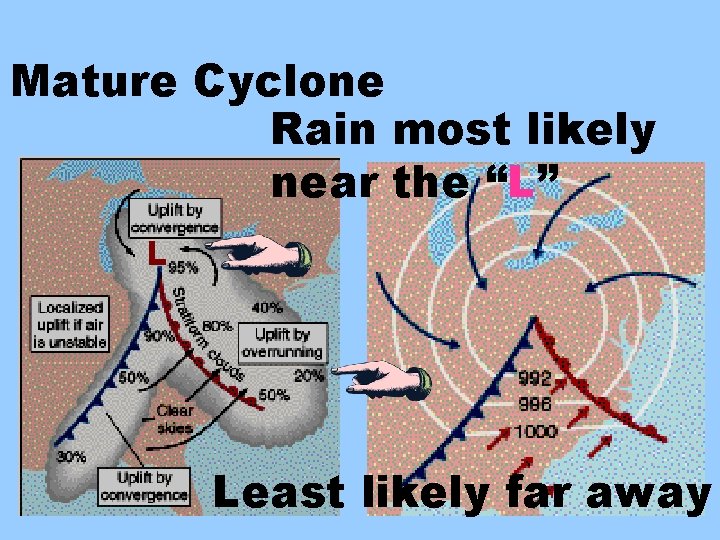
Mature Cyclone Rain most likely near the “L” Least likely far away
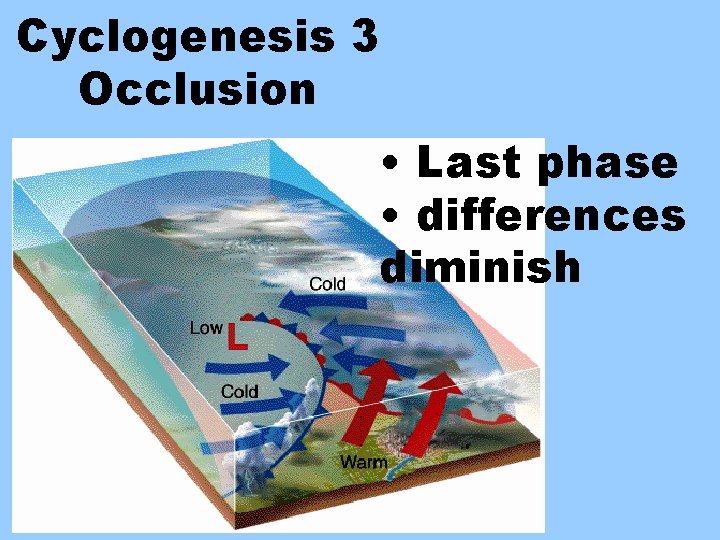
Cyclogenesis 3 Occlusion • Last phase • differences diminish
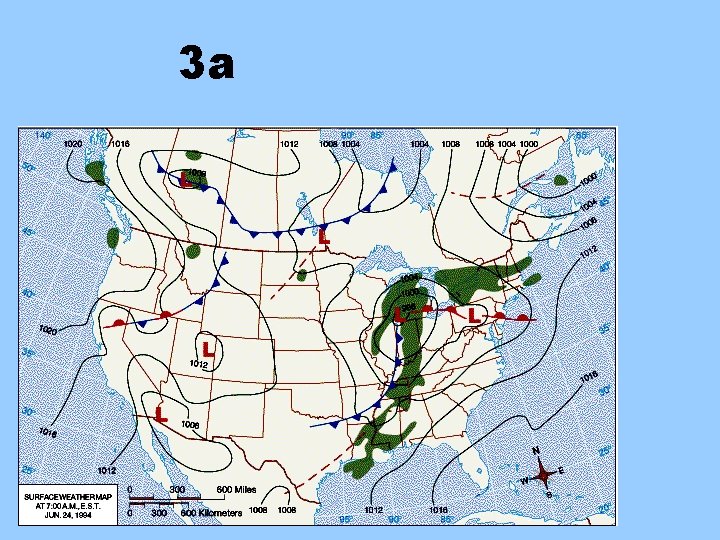
3 a
Movement Ben Franklin (1743) noted that storms do move, but it puzzled him that they did not move the direction the wind was blowing.
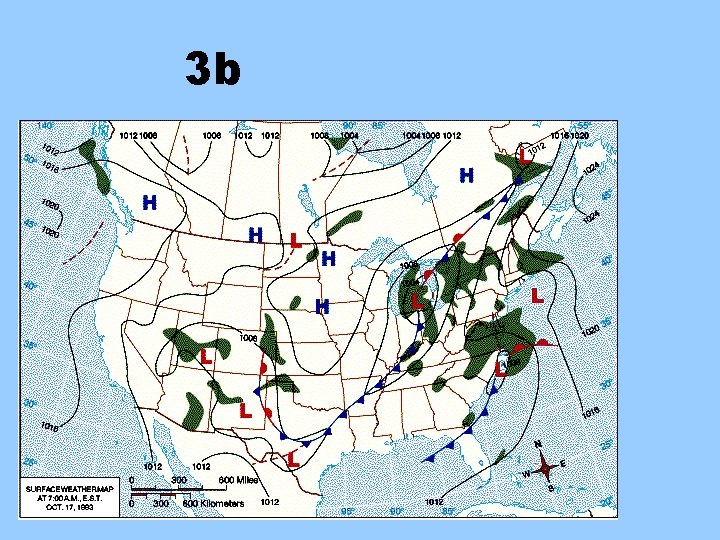
3 b
Upper Air Wind • Upper level winds contribute to cyclone development. • Japan could send balloons to the U. S. at high altitude. • U. S. pilots found high level winds of up to 250 mph during the 1940 s.
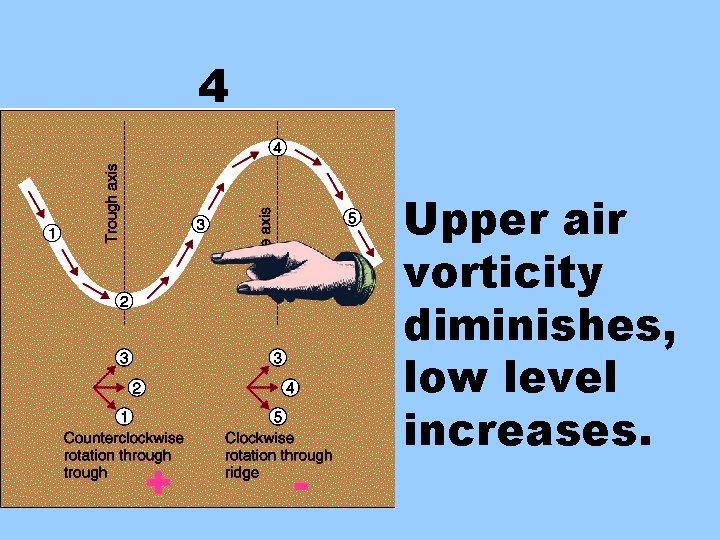
4 + - Upper air vorticity diminishes, low level increases.
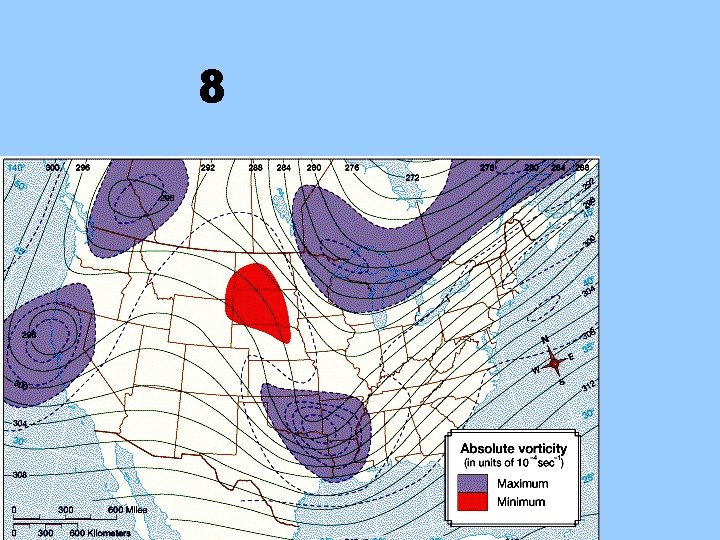
8
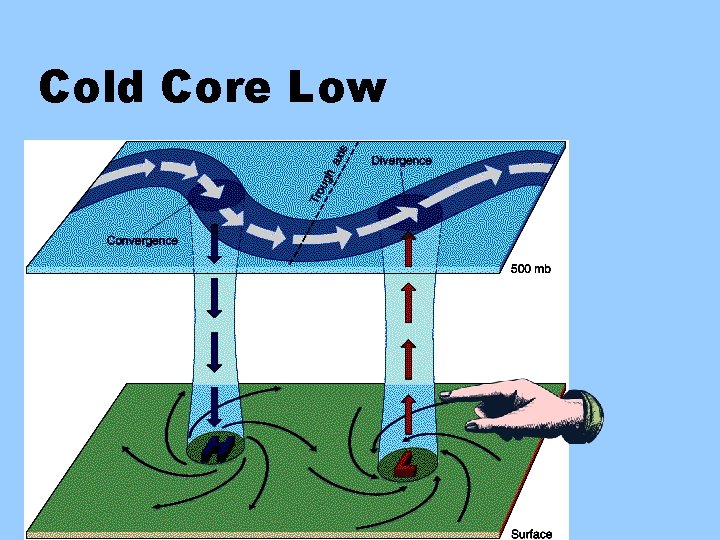
Cold Core Low
Feed-back • upper air flow can influence surface pressure. • cold and warm fronts influence upper air flow.
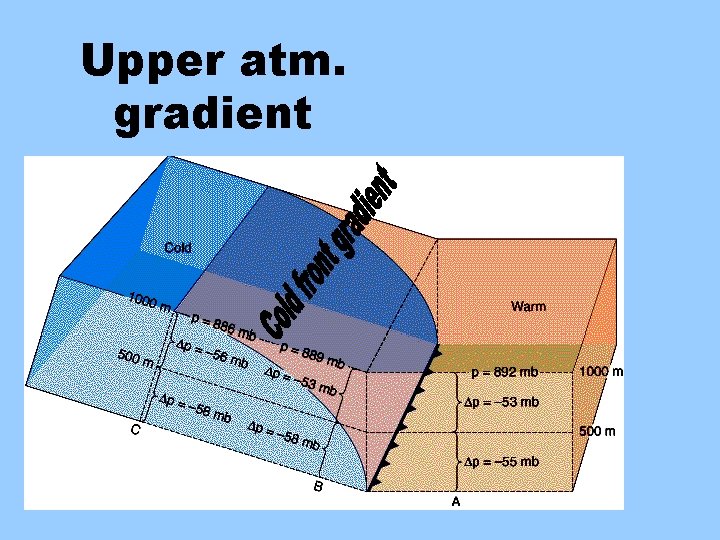
Upper atm. gradient
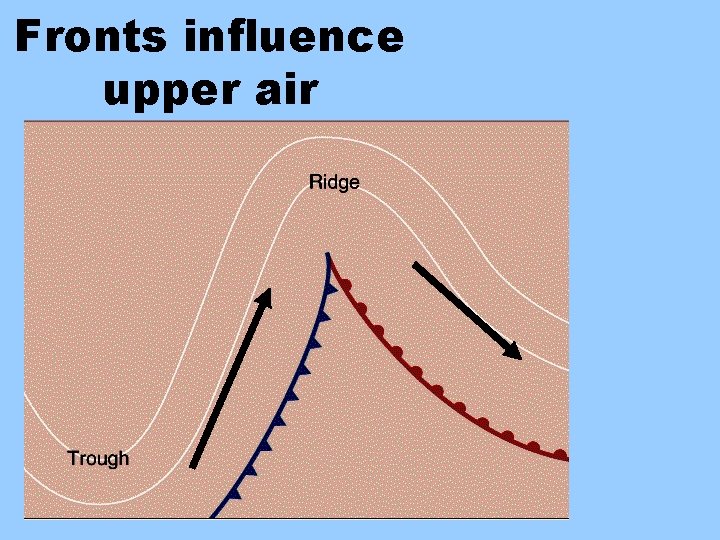
Fronts influence upper air
- Slides: 23