
CHONGQING UNIVERSITY Molecular Biology Chapter 20 Cancer Qihui
重庆大学 CHONGQING UNIVERSITY Molecular Biology Chapter 20 --Cancer Qihui Jiang (Vivi Kasim), Ph. D. College of Bioengineering, Chongqing University
Review (1) What are the characteristics of living cells? Ø Proliferation Ø Respiration Ø Metabolism Ø Migration Ø Communication Ø Adaptation Ø Differentiation, etc.
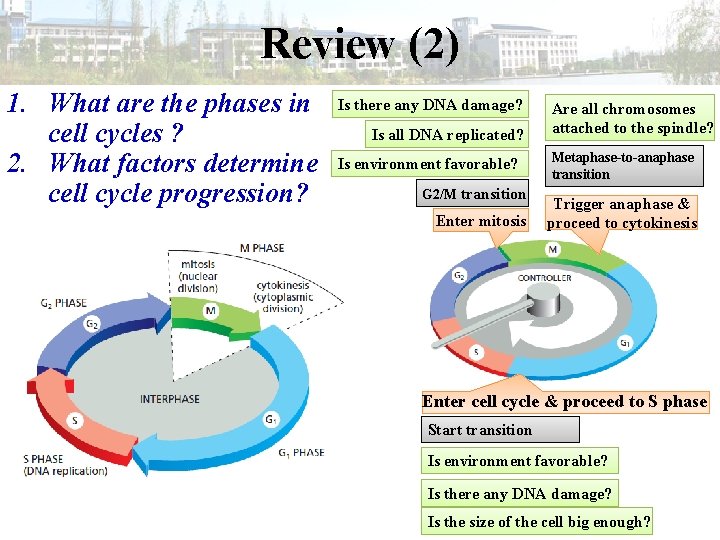
Review (2) 1. What are the phases in cell cycles ? 2. What factors determine cell cycle progression? Is there any DNA damage? Is all DNA replicated? Is environment favorable? G 2/M transition Enter mitosis Are all chromosomes attached to the spindle? Metaphase-to-anaphase transition Trigger anaphase & proceed to cytokinesis Enter cell cycle & proceed to S phase Start transition Is environment favorable? Is there any DNA damage? Is the size of the cell big enough?
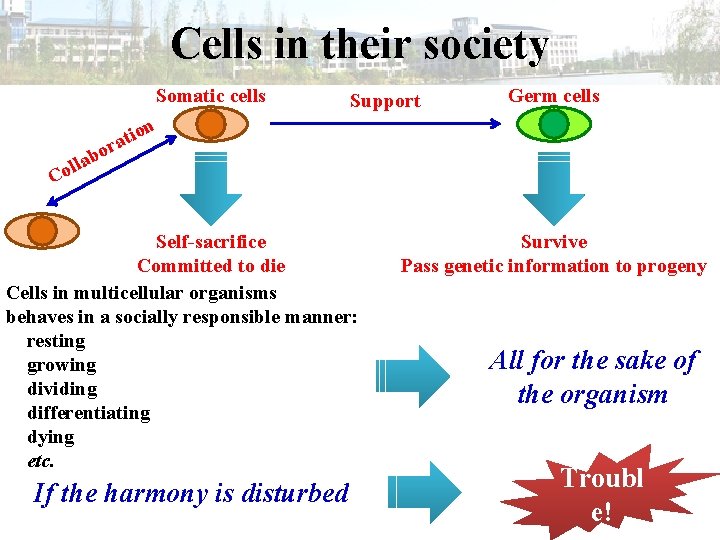
Cells in their society Somatic cells o b a l ol Support Germ cells on i t ra C Self-sacrifice Committed to die Cells in multicellular organisms behaves in a socially responsible manner: resting growing dividing differentiating dying etc. If the harmony is disturbed Survive Pass genetic information to progeny All for the sake of the organism Troubl e!
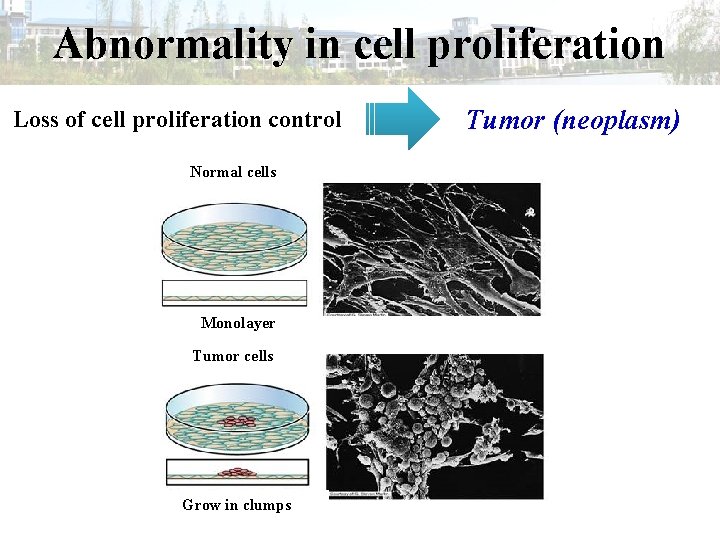
Abnormality in cell proliferation Loss of cell proliferation control Normal cells Monolayer Tumor cells Grow in clumps Tumor (neoplasm)
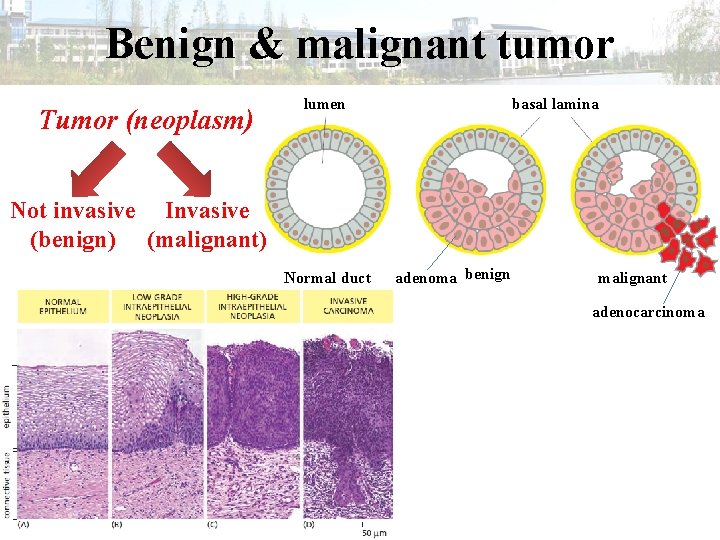
Benign & malignant tumor Tumor (neoplasm) lumen basal lamina Not invasive Invasive (benign) (malignant) Normal duct adenoma benign malignant adenocarcinoma

Example of benign tumor--syringoma

Malignant tumor Alveolar cells Lung cancer cells
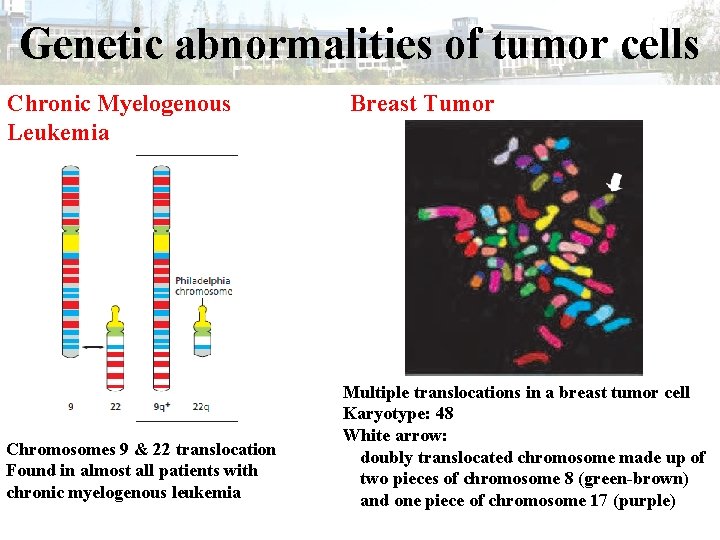
Genetic abnormalities of tumor cells Chronic Myelogenous Leukemia Chromosomes 9 & 22 translocation Found in almost all patients with chronic myelogenous leukemia Breast Tumor Multiple translocations in a breast tumor cell Karyotype: 48 White arrow: doubly translocated chromosome made up of two pieces of chromosome 8 (green-brown) and one piece of chromosome 17 (purple)
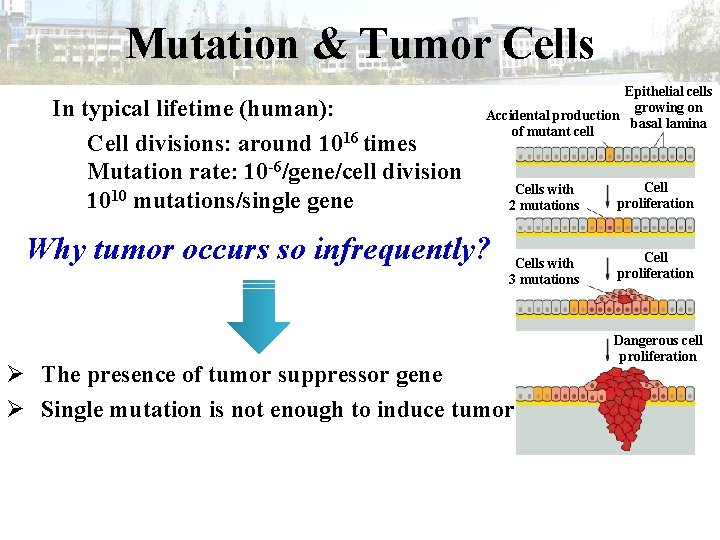
Mutation & Tumor Cells In typical lifetime (human): Cell divisions: around 1016 times Mutation rate: 10 -6/gene/cell division 1010 mutations/single gene Epithelial cells growing on Accidental production basal lamina of mutant cell Why tumor occurs so infrequently? Cells with 2 mutations Cell proliferation Cells with 3 mutations Cell proliferation Ø The presence of tumor suppressor gene Ø Single mutation is not enough to induce tumor Dangerous cell proliferation
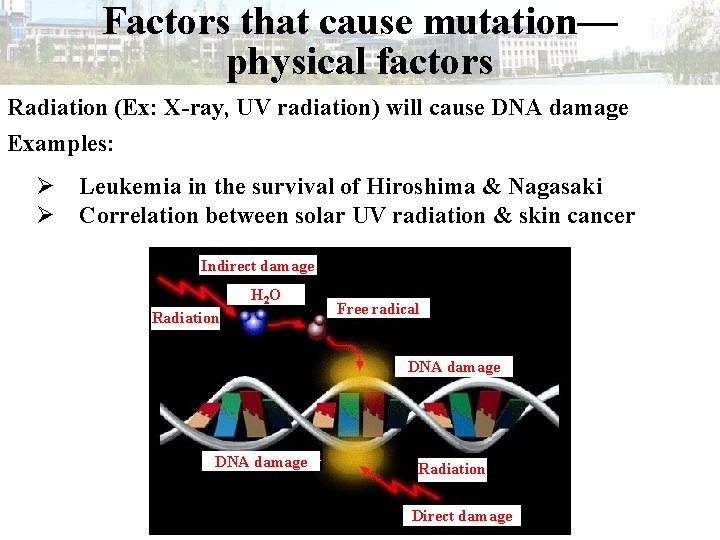
Factors that cause mutation— physical factors Radiation (Ex: X-ray, UV radiation) will cause DNA damage Examples: Ø Leukemia in the survival of Hiroshima & Nagasaki Ø Correlation between solar UV radiation & skin cancer Indirect damage H 2 O Radiation Free radical DNA damage Radiation Direct damage
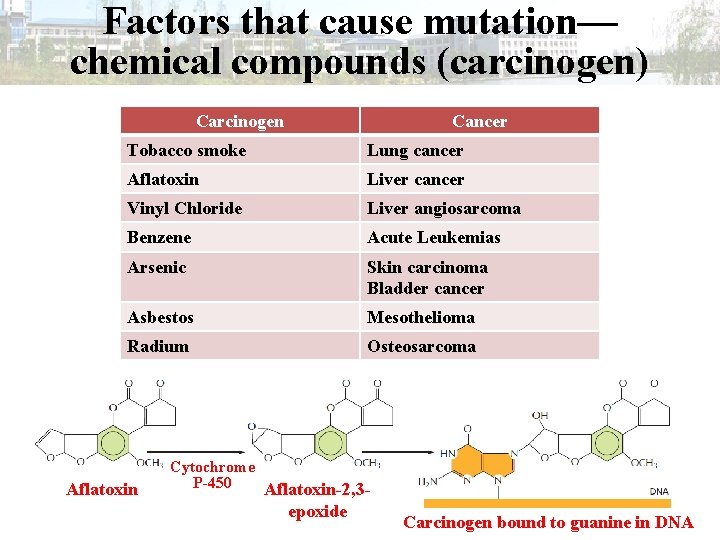
Factors that cause mutation— chemical compounds (carcinogen) Carcinogen Cancer Tobacco smoke Lung cancer Aflatoxin Liver cancer Vinyl Chloride Liver angiosarcoma Benzene Acute Leukemias Arsenic Skin carcinoma Bladder cancer Asbestos Mesothelioma Radium Osteosarcoma Aflatoxin Cytochrome P-450 Aflatoxin-2, 3 - epoxide Carcinogen bound to guanine in DNA
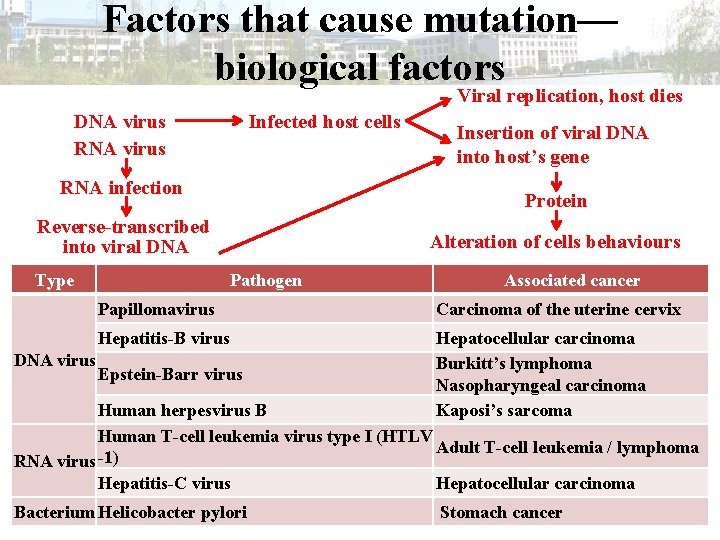
Factors that cause mutation— biological factors Viral replication, host dies DNA virus RNA virus Infected host cells RNA infection Protein Reverse-transcribed into viral DNA Type DNA virus Insertion of viral DNA into host’s gene Alteration of cells behaviours Pathogen Associated cancer Papillomavirus Carcinoma of the uterine cervix Hepatitis-B virus Hepatocellular carcinoma Burkitt’s lymphoma Nasopharyngeal carcinoma Kaposi’s sarcoma Epstein-Barr virus Human herpesvirus B Human T-cell leukemia virus type I (HTLV Adult T-cell leukemia / lymphoma RNA virus -1) Hepatitis-C virus Hepatocellular carcinoma Bacterium Helicobacter pylori Stomach cancer
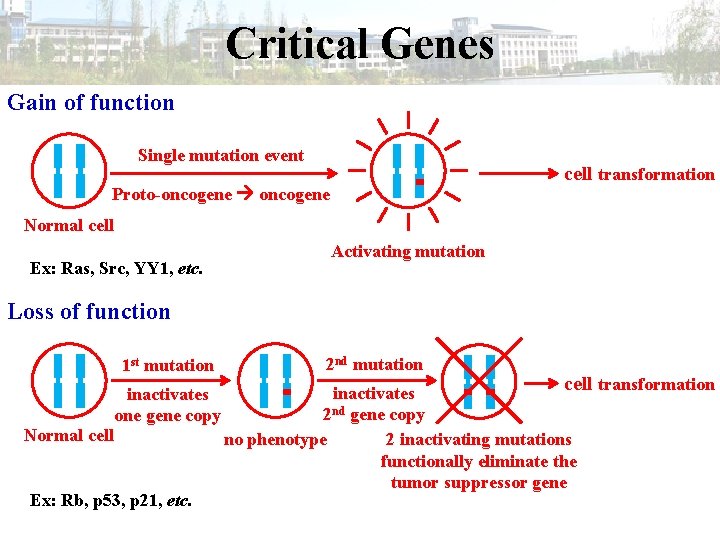
Critical Genes Gain of function Single mutation event cell transformation Proto-oncogene Normal cell Ex: Ras, Src, YY 1, etc. Activating mutation Loss of function 1 st mutation inactivates one gene copy Normal cell Ex: Rb, p 53, p 21, etc. 2 nd mutation cell transformation inactivates 2 nd gene copy no phenotype 2 inactivating mutations functionally eliminate the tumor suppressor gene
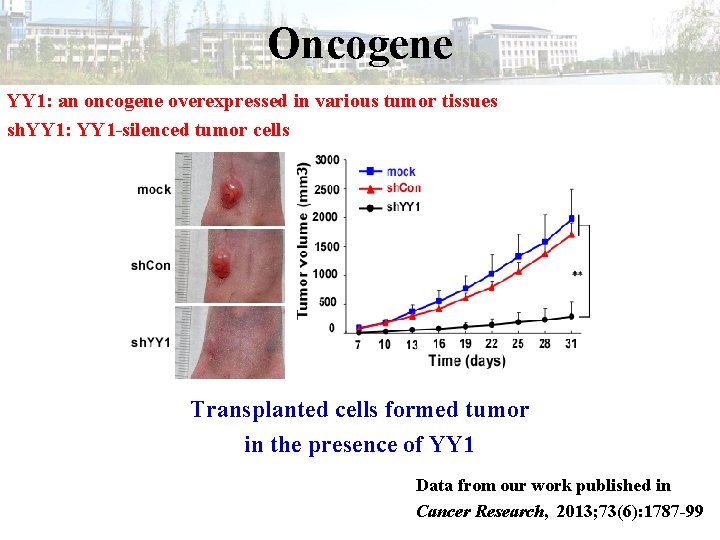
Oncogene YY 1: an oncogene overexpressed in various tumor tissues sh. YY 1: YY 1 -silenced tumor cells Transplanted cells formed tumor in the presence of YY 1 Data from our work published in Cancer Research, 2013; 73(6): 1787 -99
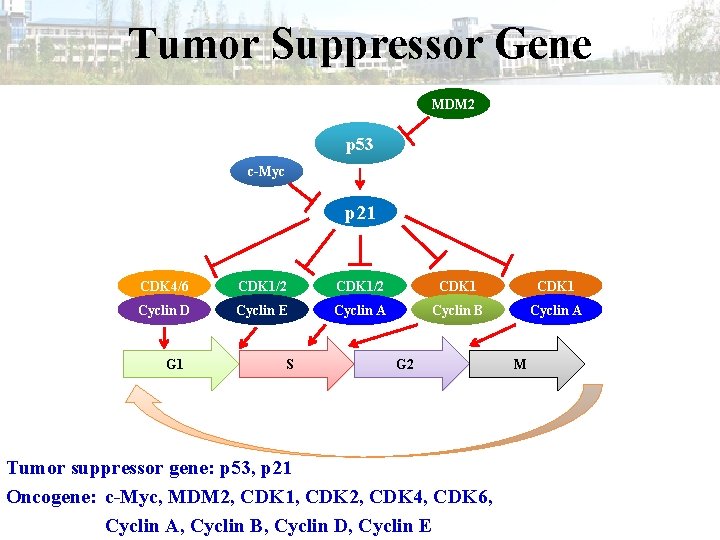
Tumor Suppressor Gene MDM 2 p 53 c-Myc p 21 CDK 4/6 CDK 1/2 CDK 1 Cyclin D Cyclin E Cyclin A Cyclin B Cyclin A G 1 S G 2 Tumor suppressor gene: p 53, p 21 Oncogene: c-Myc, MDM 2, CDK 1, CDK 2, CDK 4, CDK 6, Cyclin A, Cyclin B, Cyclin D, Cyclin E M
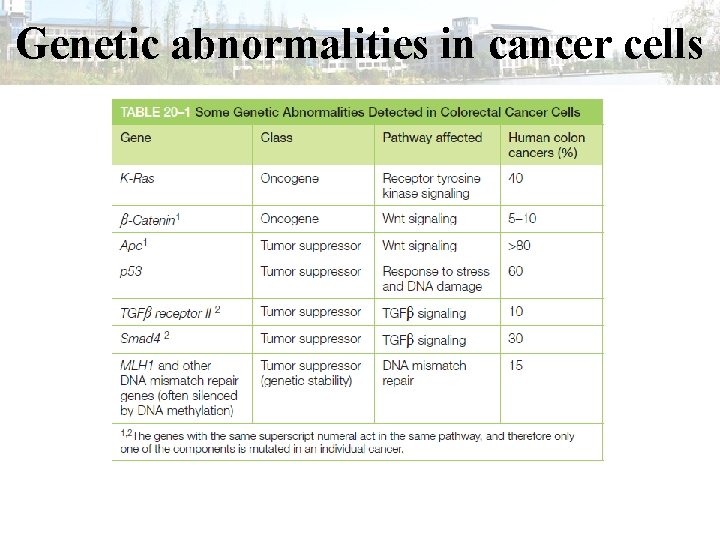
Genetic abnormalities in cancer cells
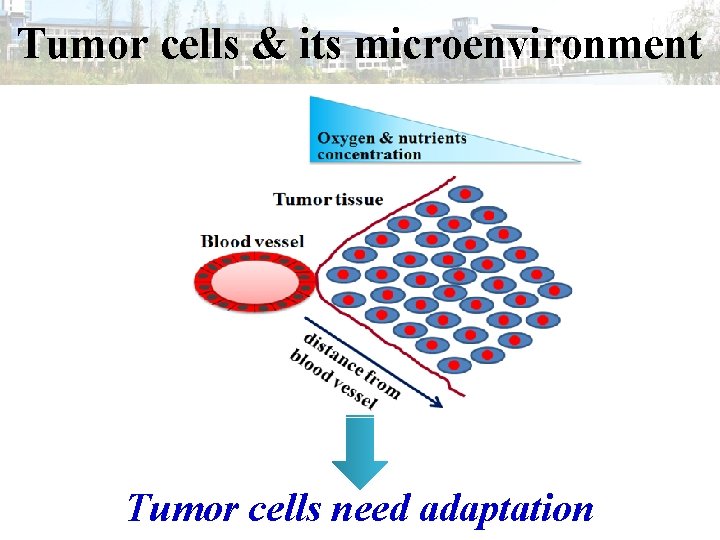
Tumor cells & its microenvironment Tumor cells need adaptation
How to Adapt? Ø Formation of new blood vessels Ø Abnormal ability to survive stress & DNA damage Ø Altering its metabolic pathway
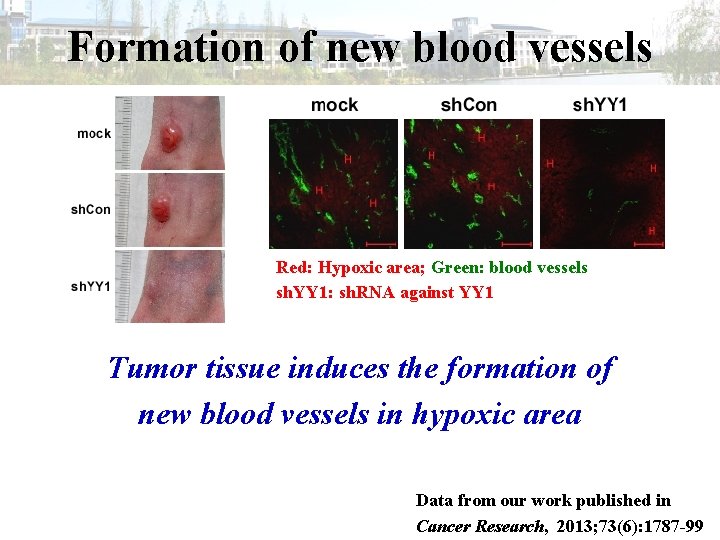
Formation of new blood vessels Red: Hypoxic area; Green: blood vessels sh. YY 1: sh. RNA against YY 1 Tumor tissue induces the formation of new blood vessels in hypoxic area Data from our work published in Cancer Research, 2013; 73(6): 1787 -99
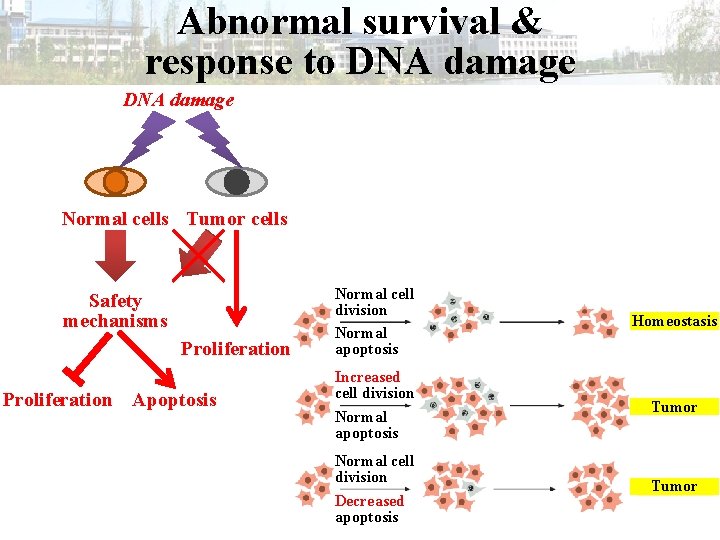
Abnormal survival & response to DNA damage Normal cells Tumor cells Safety mechanisms Proliferation Apoptosis Normal cell division Normal apoptosis Increased cell division Normal apoptosis Normal cell division Decreased apoptosis Homeostasis Tumor
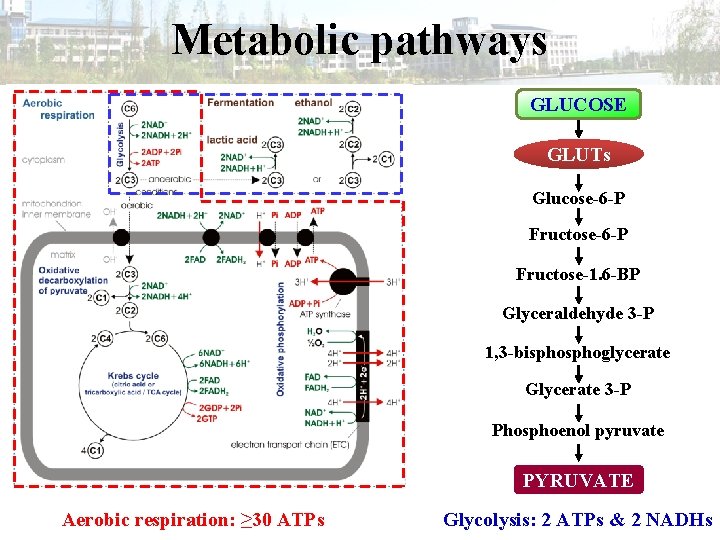
Metabolic pathways GLUCOSE GLUTs Glucose-6 -P Fructose-1. 6 -BP Glyceraldehyde 3 -P 1, 3 -bisphoglycerate Glycerate 3 -P Phosphoenol pyruvate PYRUVATE Aerobic respiration: ≥ 30 ATPs Glycolysis: 2 ATPs & 2 NADHs
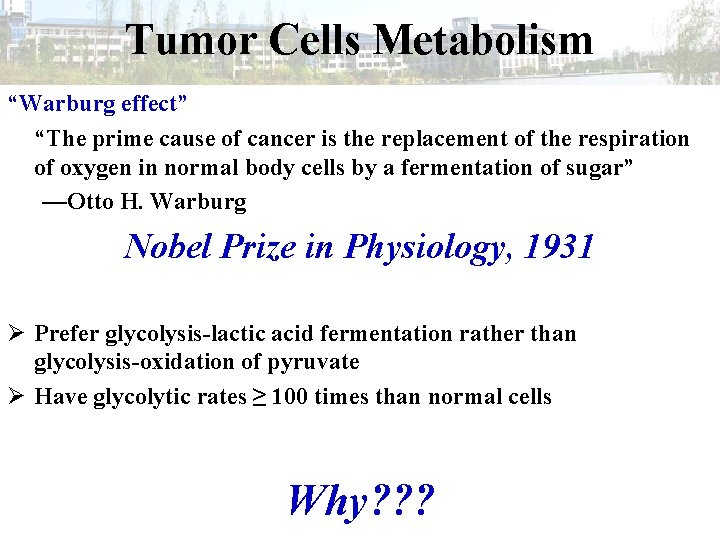
Tumor Cells Metabolism “Warburg effect” “The prime cause of cancer is the replacement of the respiration of oxygen in normal body cells by a fermentation of sugar” —Otto H. Warburg Nobel Prize in Physiology, 1931 Ø Prefer glycolysis-lactic acid fermentation rather than glycolysis-oxidation of pyruvate Ø Have glycolytic rates ≥ 100 times than normal cells Why? ? ?
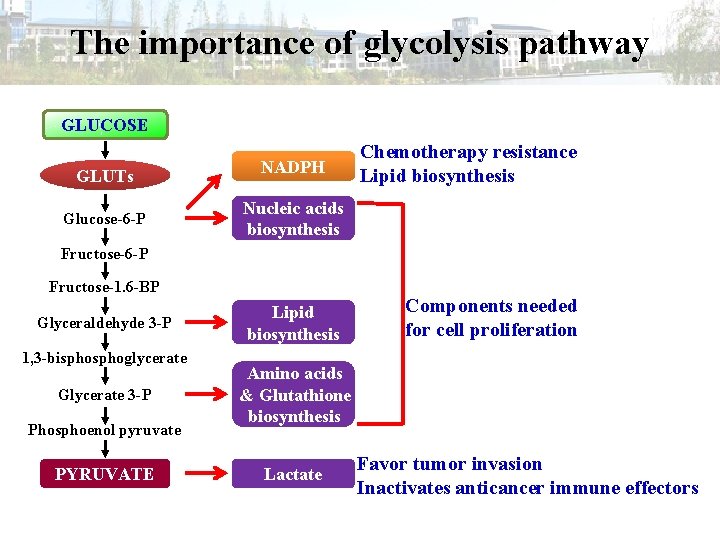
The importance of glycolysis pathway GLUCOSE GLUTs Glucose-6 -P NADPH Chemotherapy resistance Lipid biosynthesis Nucleic acids biosynthesis Fructose-6 -P Fructose-1. 6 -BP Glyceraldehyde 3 -P 1, 3 -bisphoglycerate Glycerate 3 -P Phosphoenol pyruvate PYRUVATE Lipid biosynthesis Components needed for cell proliferation Amino acids & Glutathione biosynthesis Lactate Favor tumor invasion Inactivates anticancer immune effectors
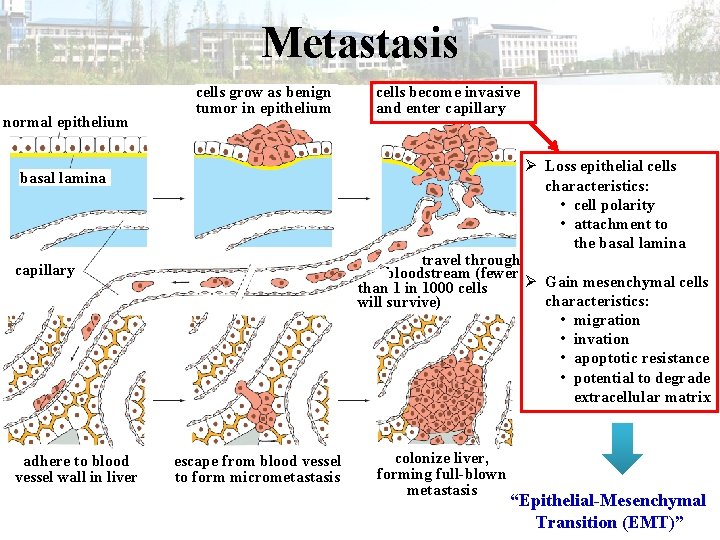
Metastasis normal epithelium cells grow as benign tumor in epithelium cells become invasive and enter capillary Ø Loss epithelial cells characteristics: • cell polarity • attachment to the basal lamina travel through bloodstream (fewer Ø Gain mesenchymal cells than 1 in 1000 cells characteristics: will survive) • migration • invation • apoptotic resistance • potential to degrade extracellular matrix capillary adhere to blood vessel wall in liver escape from blood vessel to form micrometastasis colonize liver, forming full-blown metastasis “Epithelial-Mesenchymal Transition (EMT)”
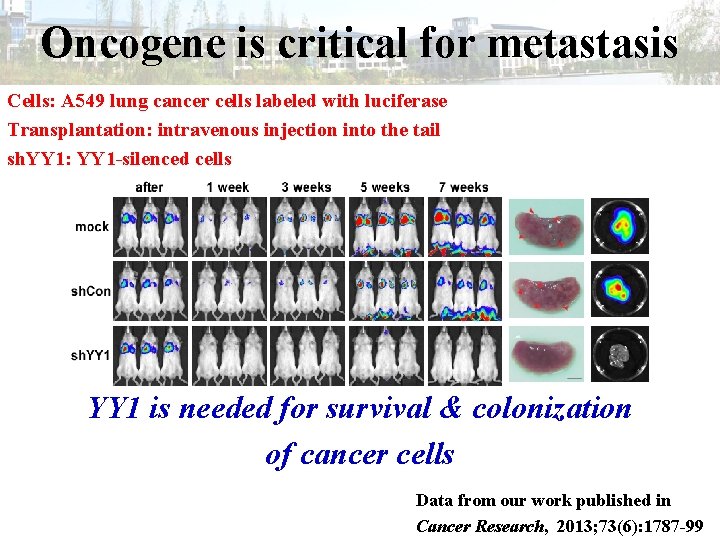
Oncogene is critical for metastasis Cells: A 549 lung cancer cells labeled with luciferase Transplantation: intravenous injection into the tail sh. YY 1: YY 1 -silenced cells YY 1 is needed for survival & colonization of cancer cells Data from our work published in Cancer Research, 2013; 73(6): 1787 -99
What is the origin of tumor cells? Ø Tumor cells are highly proliferative Ø Tumor cells are highly heterogeneous Different types of cells Different differentiation stages Similar to stem / progenitor cells!
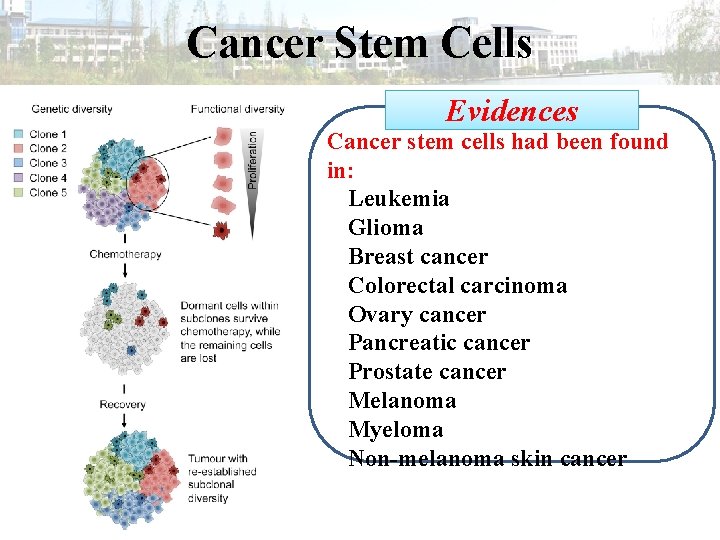
Cancer Stem Cells Evidences Cancer stem cells had been found in: Leukemia Glioma Breast cancer Colorectal carcinoma Ovary cancer Pancreatic cancer Prostate cancer Melanoma Myeloma Non-melanoma skin cancer
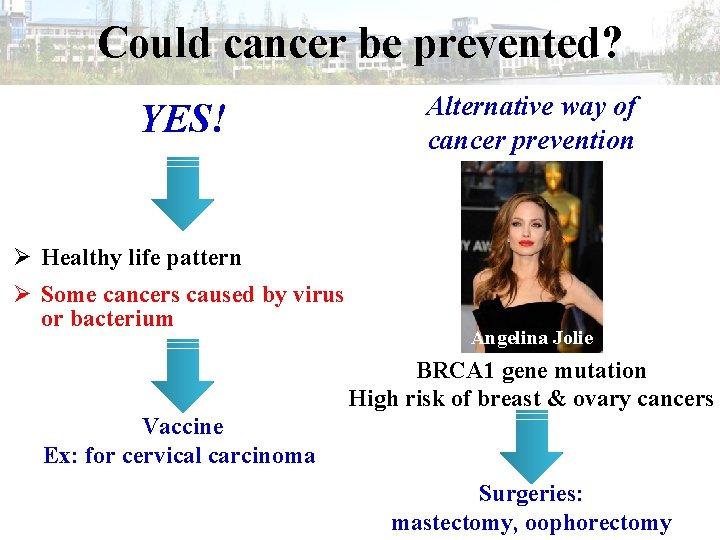
Could cancer be prevented? YES! Alternative way of cancer prevention Ø Healthy life pattern Ø Some cancers caused by virus or bacterium Angelina Jolie BRCA 1 gene mutation High risk of breast & ovary cancers Vaccine Ex: for cervical carcinoma Surgeries: mastectomy, oophorectomy

重庆大学 CHONGQING UNIVERSITY Thank you!
- Slides: 30