
cholinoceptors 1 muscarinic receptors the production of the

- Slides: 77
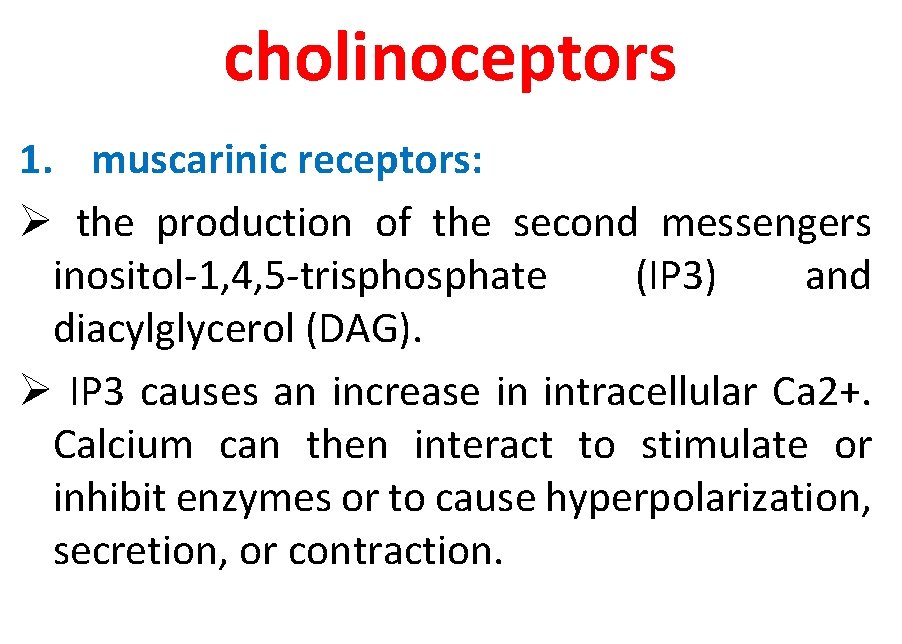
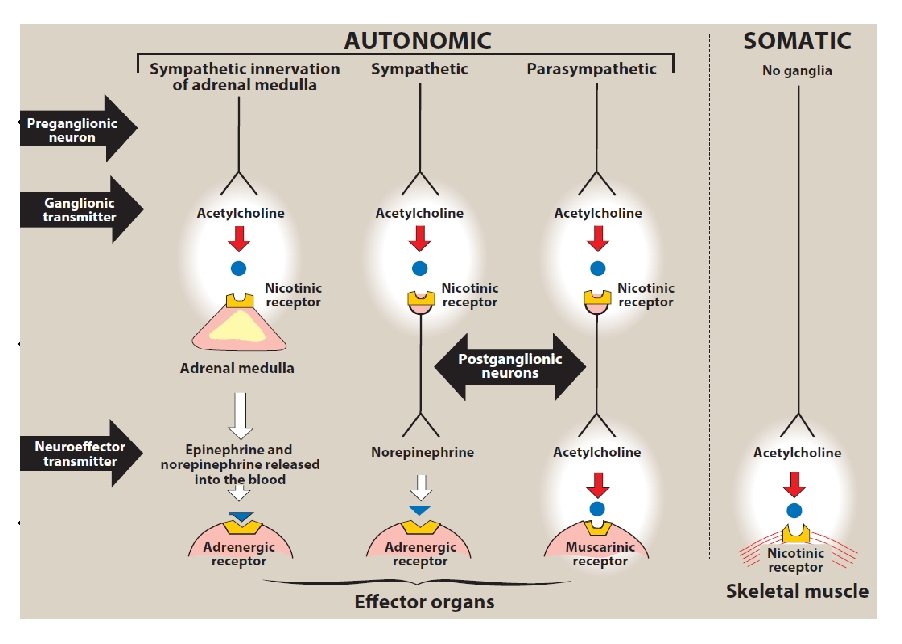
cholinoceptors 1. muscarinic receptors: Ø the production of the second messengers inositol-1, 4, 5 -trisphosphate (IP 3) and diacylglycerol (DAG). Ø IP 3 causes an increase in intracellular Ca 2+. Calcium can then interact to stimulate or inhibit enzymes or to cause hyperpolarization, secretion, or contraction.
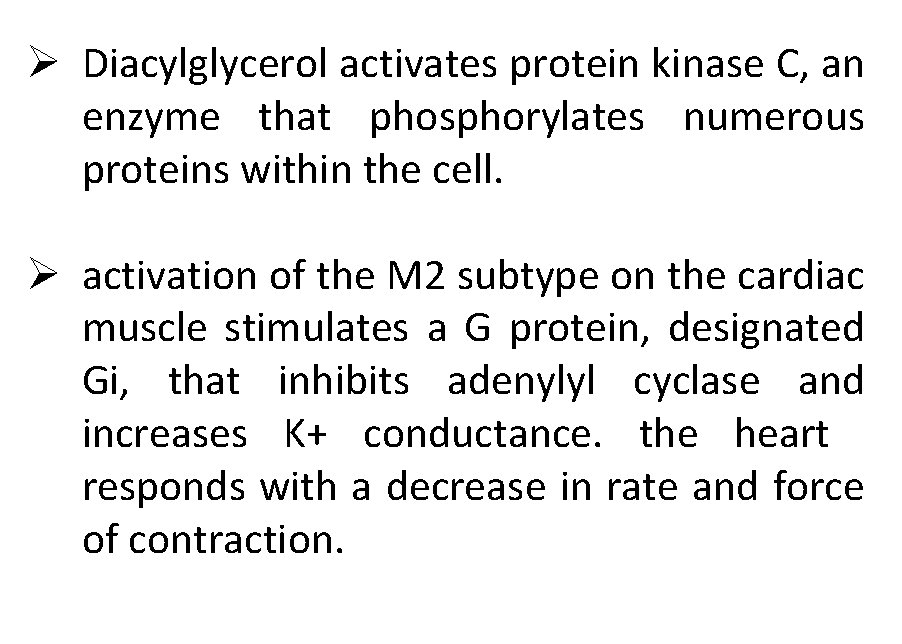
Ø Diacylglycerol activates protein kinase C, an enzyme that phosphorylates numerous proteins within the cell. Ø activation of the M 2 subtype on the cardiac muscle stimulates a G protein, designated Gi, that inhibits adenylyl cyclase and increases K+ conductance. the heart responds with a decrease in rate and force of contraction.
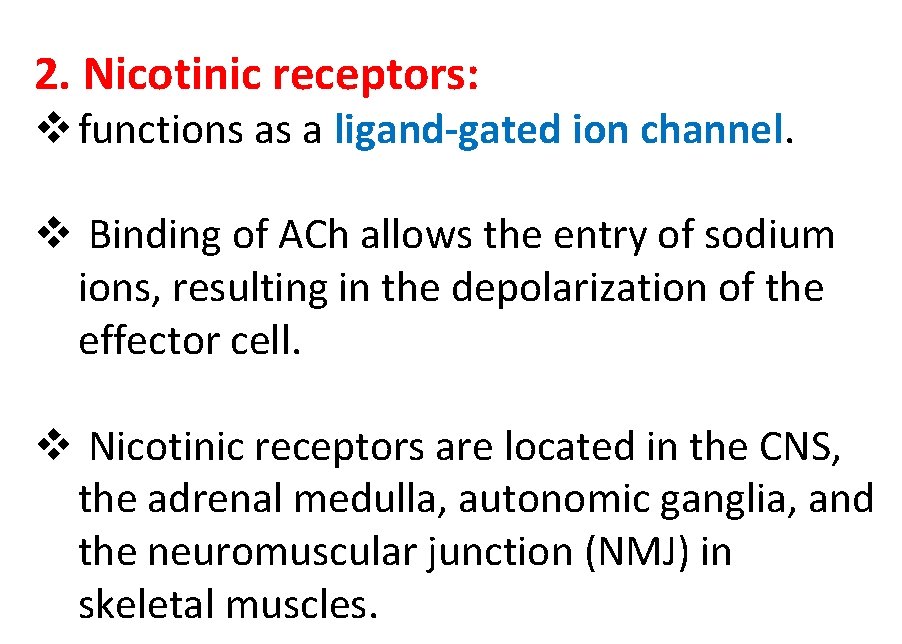
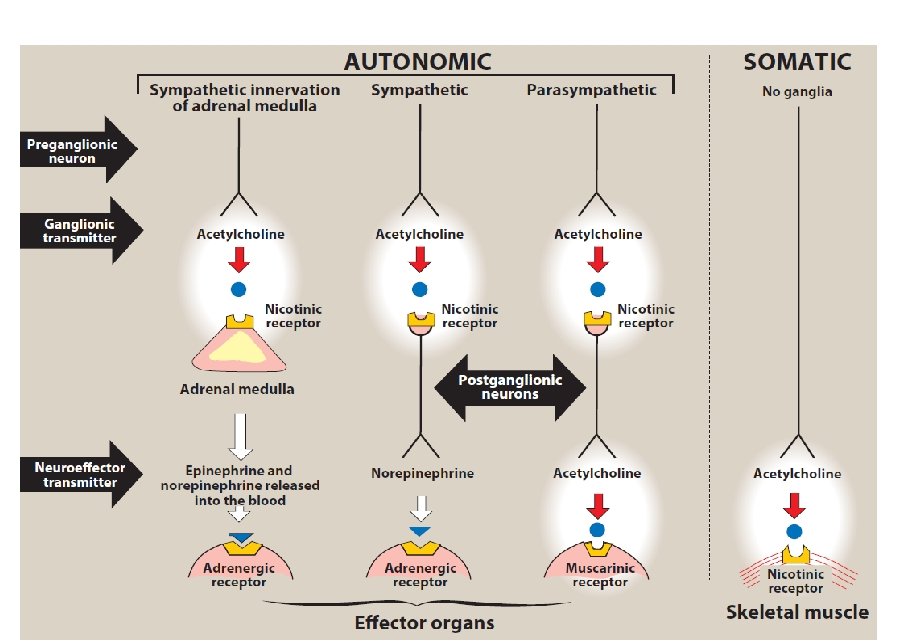
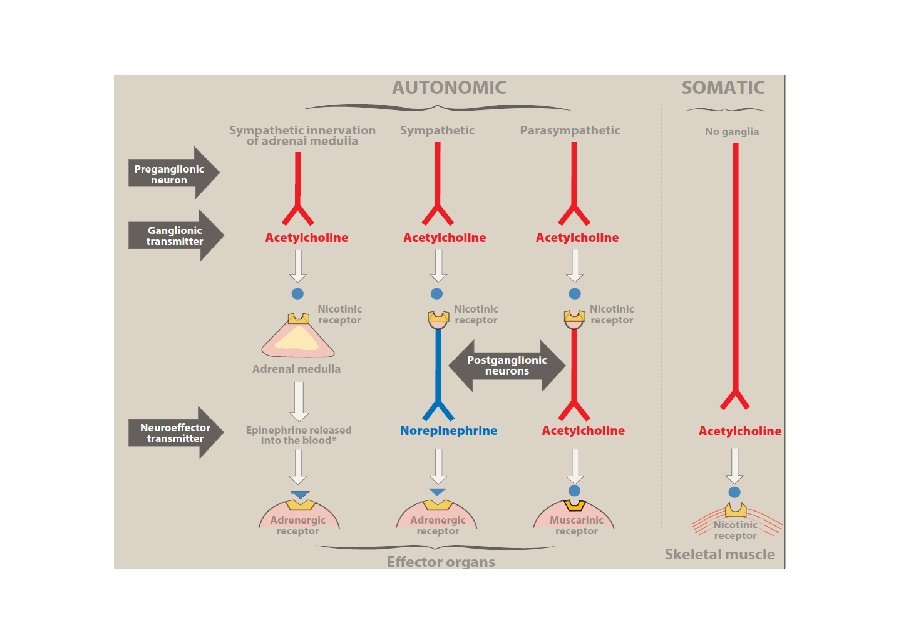
2. Nicotinic receptors: v functions as a ligand-gated ion channel. v Binding of ACh allows the entry of sodium ions, resulting in the depolarization of the effector cell. v Nicotinic receptors are located in the CNS, the adrenal medulla, autonomic ganglia, and the neuromuscular junction (NMJ) in skeletal muscles.
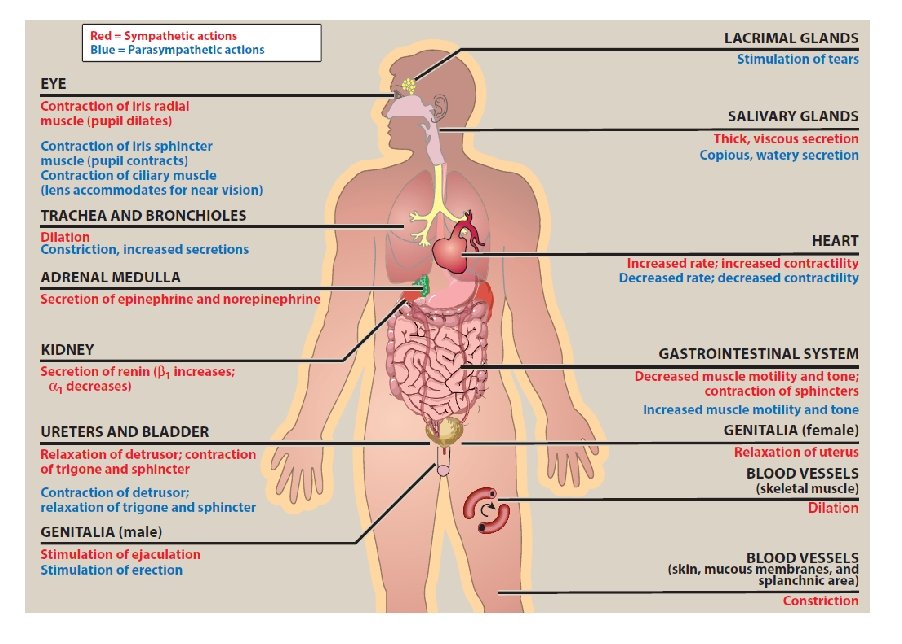
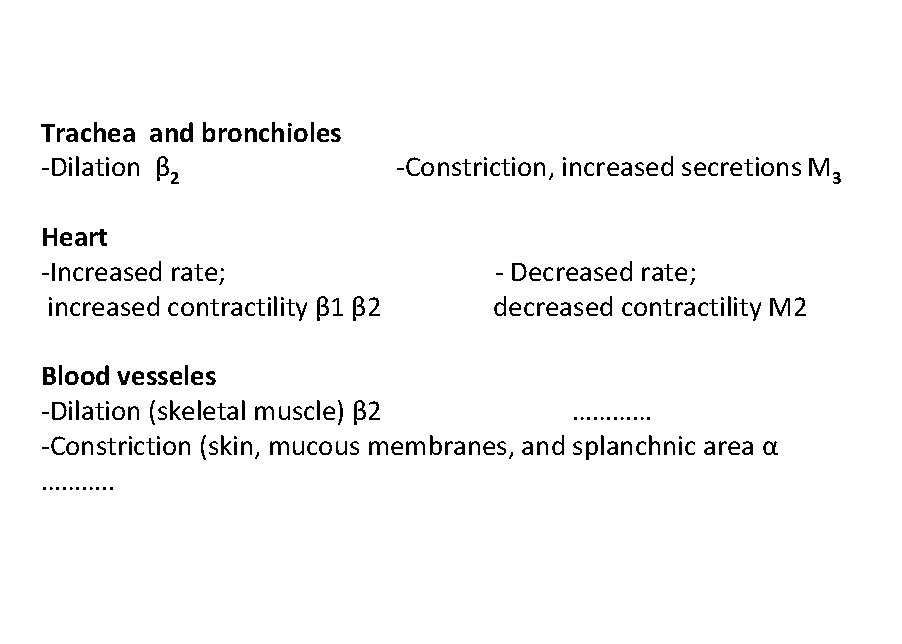
Trachea and bronchioles -Dilation β 2 Heart -Increased rate; increased contractility β 1 β 2 -Constriction, increased secretions M 3 - Decreased rate; decreased contractility M 2 Blood vesseles -Dilation (skeletal muscle) β 2 ………… -Constriction (skin, mucous membranes, and splanchnic area α ………. .
Cholinoceptor-Activating and Cholinesterase-Inhibiting drugs cholinergic agonists drugs divided into : A. Direct-acting cholinergic agonists: directly bind to and activate muscarinic or nicotinic receptors, these include: • Choline esters: carbachol and bethanechol. • Natural alkaloids: such as nicotine and pilocarpine.
B. Indirect acting agents Act by inhibiting acetylcholinesterase, which hydrolyzes acetylcholine stimulates cholinoceptors to evoke increased responses. These include: - v Reversible: Physostigmine, Neostigmine, Pyridostigmine, Edrophonium. v Irreversible (toxic): Organophosphats as Dyflos, Echothiophate.
A. Direct-acting cholinergic agonists: Pharmacokinetics • Choline esters are poorly absorbed and poorly distributed into the central nervous system because they are hydrophilic. • more resistant to hydrolysis by cholinesterase and have longer durations of action.
Actions of Direct-acting cholinergic agonists • They cause decrease in cardiac rate (negative chronotropy) and stroke volume. • increases salivary secretion and stimulates intestinal secretions and motility. • they enhances bronchiolar secretions. • Stimulate detrusor muscle, causing urination
Ø stimulation of ciliary muscle contraction for near vision and in the constriction of the pupillae sphincter muscle, causing miosis (marked constriction of the pupil).
Bethanechol • increase intestinal motility and tone. • It also stimulates the detrusor muscle of the bladder, whereas the trigone and sphincter muscles are relaxed. • These effects produce urination. • it's used to stimulate the atonic bladder in postpartum or postoperative, nonobstructive urinary retention.
Adverse effects: sweating, salivation, flushing, decreased blood pressure, nausea, abdominal pain, diarrhea, and bronchospasm.
Pilocarpine • has muscarinic activity and used topically in treatment of glaucoma by contraction of the ciliary muscle. • is the drug of choice for emergency lowering of intraocular pressure in glaucoma.
Adverse effects: • Pilocarpine can cause blurred vision, night blindness. • Poisoning with this agent is characterized by various parasympathetic effects as sweating and salivation.
Indirect-acting cholinergic agonist • these drugs can provoke a response at all cholinoceptors in the body, including both muscarinic and nicotinic. • receptors of the ANS, as well as at the NMJ and in the brain
Pharmacokinetics • Absorption of the quaternary carbamates (Edrophonium, Neostigmine) from the conjunctiva, skin, gut and lungs is poor • negligible CNS distribution. • Physostigmine, is well absorbed from all sites It is distributed into CNS • the duration of their effect is determined chiefly by the stability of the inhibitorenzyme complex.
Lipid-soluble agents (physostigmine and organophosphates) have more marked muscarinic and CNS effects; stimulate ganglia but action on skeletal muscles is less prominent. v Lipid-insoluble agents (neostigmine, pyridostigmine and other quaternary ammonium compounds) produce more marked effect on the skeletal muscles, stimulate ganglia, they do not penetrate CNS and have no central effects. •
Physostigmine • stimulates the muscarinic and nicotinic sites of the ANS. • Its duration of action is about 30 minutes to 2 hours. • Physostigmine can enter and stimulate the cholinergic sites in the CNS.
Therapeutic uses: üThe drug increases intestinal and bladder motility, so it's used in atony of either organ. üPhysostigmine is also used in the treatment of overdoses of drugs with anticholinergic actions, such as atropine.
Adverse effects: v The effects of physostigmine on the CNS may lead to convulsions when high doses are used. v Bradycardia and a fall in cardiac output may also occur.
Neostigmine • is absorbed poorly from the GI tract, and does not enter the CNS. • Its effect on skeletal muscle is greater than that of physostigmine. • Neostigmine has duration of action of 30 minutes to 2 hours.
Therapeutic uses: • It is used to stimulate the bladder and GI tract. • Neostigmine is also used to manage symptoms of myasthenia gravis.
Adverse effects: • salivation, flushing, decreased blood pressure, nausea, abdominal pain, diarrhea, and bronchospasm.
• organophosphate compounds bind covalently to ACh. E. • The result is a long-lasting increase in ACh at all sites where it is released. • toxic agents and were developed by the military as nerve agents. • compounds, such as parathion and malathion, are used as insecticides.
• Organophosphates are absorbed from all sites including intact skin and lungs. • Many of these drugs are extremely toxic and were developed by the military as nerve agents. • Related compounds, such as parathion and malathion, are used as insecticides. • The major source of intoxications is pesticide use in agriculture and in the home.
• chemical warfare agents (soman, sarin, VX) The • initial signs of intoxication are salivation, sweating, bronchial constriction, vomiting, and diarrhea. • Central nervous system involvement (cognitive disturbances, convulsions, and coma) usually follows rapidly. • overstimulation of nicotinic receptors at the neuromuscular junction cause muscle weakness, fatigue, muscle cramps, fasciculation, and paralysis.
Therapy always includes: 1. Maintenance of vital signs—respiration in particular. 2. Decontamination to prevent further absorption— this may require removal of all clothing and washing 3. Atropine parenterally in large doses, given to control signs of muscarinic excess. • Pralidoxime, an ACh. E regenerator. • Reversible enzyme inhibitors. This prophylaxis can be achieved with pyridostigmine
Cholinoceptor antagonists v Cholinergic antagonist bind to (muscarinic or nicotinic) and prevent the effects of acetylcholine (ACh) and other cholinergic agonists. v they are divided into muscarinic and nicotinic antagonists. v The most clinically useful of these agents are selective blockers of muscarinic receptors.
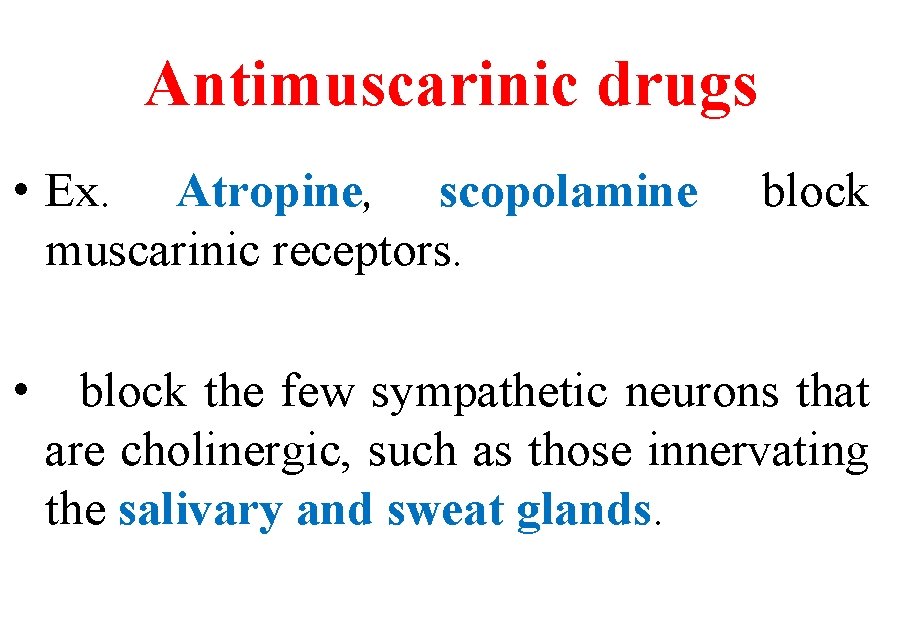
Antimuscarinic drugs • Ex. Atropine, scopolamine muscarinic receptors. block • block the few sympathetic neurons that are cholinergic, such as those innervating the salivary and sweat glands.
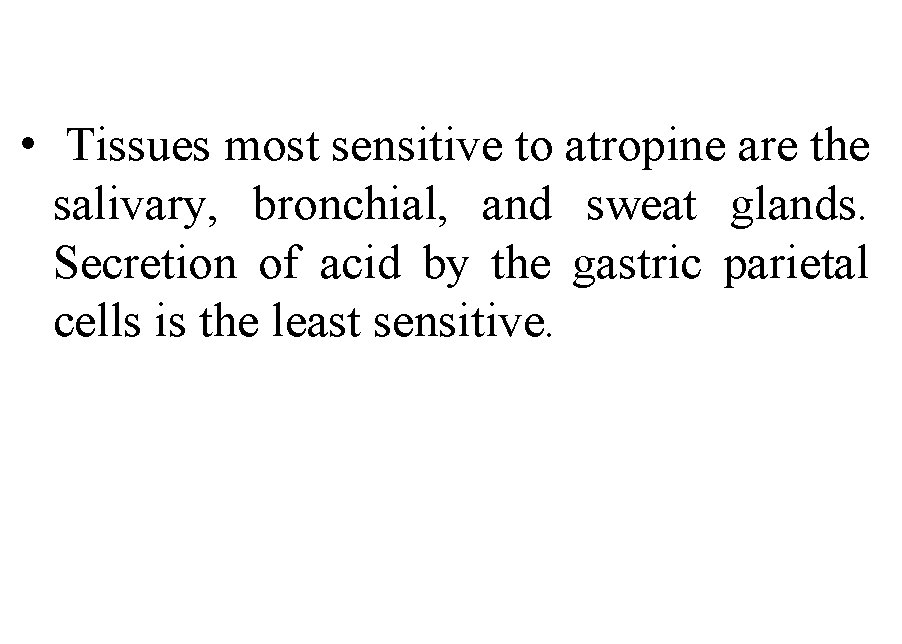
• Tissues most sensitive to atropine are the salivary, bronchial, and sweat glands. Secretion of acid by the gastric parietal cells is the least sensitive.
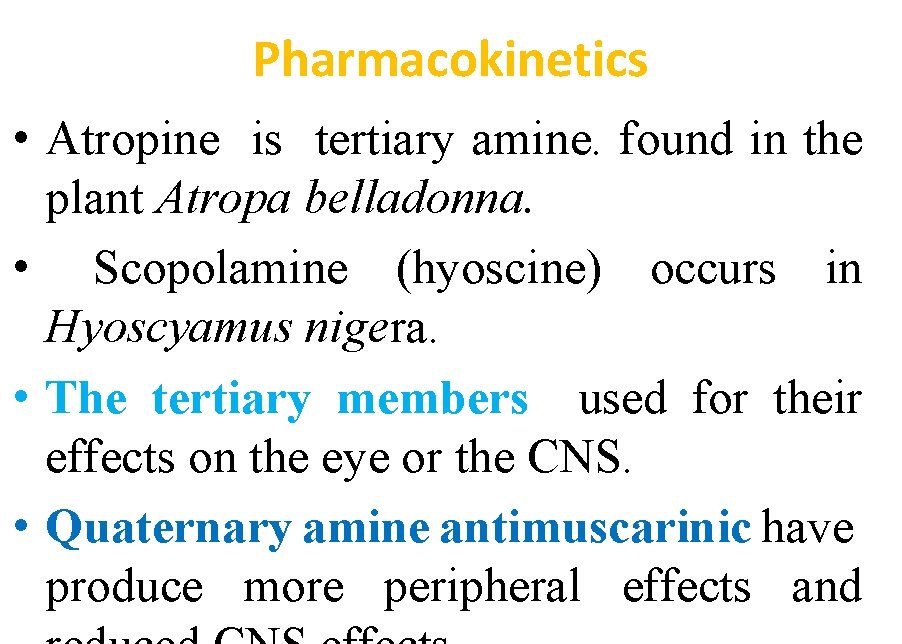
Pharmacokinetics • Atropine is tertiary amine. found in the plant Atropa belladonna. • Scopolamine (hyoscine) occurs in Hyoscyamus nigera. • The tertiary members used for their effects on the eye or the CNS. • Quaternary amine antimuscarinic have produce more peripheral effects and
Absorption • tertiary antimuscarinic drugs are well absorbed from the gut some (eg, scopolamine) are even absorbed across the skin (transdermal route). In contrast, only 10– 30% of a dose of quaternary antimuscarinic drug is absorbed after oral administration.
Distribution • Atropine and the other tertiary agents are widely distributed in the body and enter the CNS • quaternary derivatives are poorly taken up by the brain and therefore are relatively free—at low doses—of CNS effects.
Atropine acts both centrally and peripherally. actions last about 4 hours. The greatest effects are on bronchial tissue and the secretion of sweat and saliva.
Pharmacokinetics • Atropine is readily absorbed, • partially metabolized by the liver, About 50% of the dose is excreted unchanged in the urine. • Most of the rest appears in the urine as hydrolysis and conjugation products. It has a half-life of about 4 hours.
Therapeutic uses a. Antispasmodic: Atropine is used as an antispasmodic agent to relax the GI tract. b. Cardiovascular: The drug is used to treat bradycardia of varying etiologies. c. Antisecretory: Atropine is sometimes used as an antisecretory agent to block secretions in the upper and lower respiratory tracts prior to surgery.
d. Antidote for cholinergic agonists: Atropine is used for the treatment of organophosphate (insecticides, nerve gases) poisoning, of overdose of clinically used anticholinesterases such as physostigmine,
Adverse effects vdry mouth, blurred vision. tachycardia, urinary retention, and constipation. v. Effects on the CNS include restlessness, confusion, hallucinations, and delirium, which may progress to depression, collapse of the circulatory and respiratory systems, and death v. Low doses of cholinesterase inhibitors, such as physostigmine, may be used to overcome atropine toxicity
• The drug may be dangerous in children, because they are sensitive to its effects, particularly to rapid increases in body temperature.
Scopolamine another tertiary amine has a longer duration of action as compared to atropine. 1. Actions: one of the most effective anti– motion sickness drugs available. 2. Therapeutic uses: The therapeutic use of scopolamine is limited to prevention of motion sickness and postoperative nausea and vomiting.
Benztropine and trihexyphenidyl are useful as adjuncts with other antiparkinsonian agents to treat Parkinson’s disease and other types of parkinsonian syndromes, including antipsychotic induced extrapyramidal symptoms.
Darifenacin, fesoterodine, oxybutynin, solifenacin, tolterodine, and trospium chloride • These drugs are used to treat overactive bladder. • By blocking muscarinic receptors in the bladder, intravesical pressure is lowered, bladder capacity is increased, and the frequency of bladder contractions is reduced.
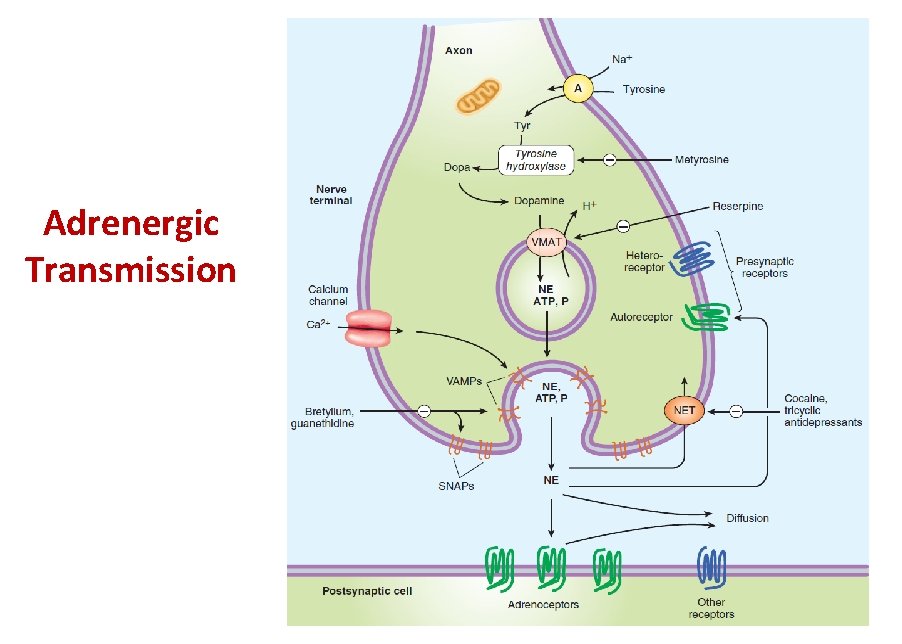
Adrenergic agonists • sympathetic stimulation are mediated by release of norepinephrine from nerve terminals, which then activates adrenoceptors on postsynaptic sites. • In stress, the adrenal medulla releases epinephrine, which is transported in the blood to target tissues.
• Drugs that mimic the actions of epinephrine or norepinephrine are termed sympathomimetic. • drugs and drugs that block the activation of adrenergic receptors are termed sympatholytics.
Adrenergic Transmission
adrenoceptors • two main families of receptors, α and β, are classified on the basis of their responses to the adrenergic agonists epinephrine, norepinephrine, and isoproterenol. • Each of these main receptor types has a number of specific receptor subtypes that have been identified.
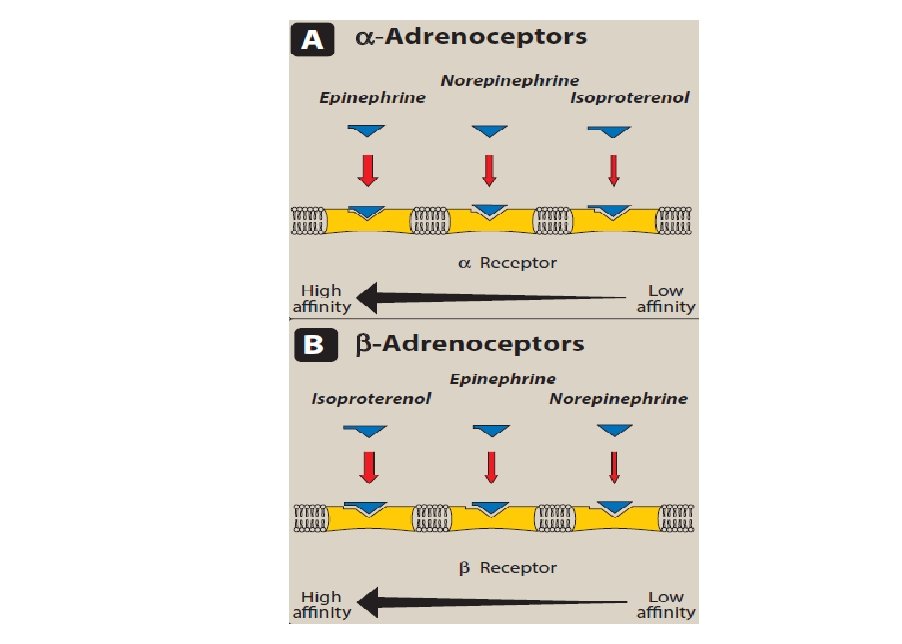
α-Adrenoceptors v For α receptors, the rank order of potency and affinity is. epinephrine ≥ norepinephrine >> isoproterenol. The α-adrenoceptors are subdivided into two subgroups, α 1 and α 2. v the α 1 receptors have a higher affinity for phenylephrine than α 2 receptors.
α 1 Receptors vmediate many of the effects as constriction of smooth muscle. v. Activation of α 1 receptors initiates a series of reactions through the G protein and the generation of second messengers (IP 3).
Major effects mediated by α 1 adrenoceptors: • Most vascular smooth muscle: cause Vasoconstriction, Increased blood pressure and peripheral resistance. • Pupillary dilator muscle (Iris radial muscle): Contraction which lead to Mydriasis. • bladder : Increased closure of internal sphincter of the bladder
α 2 Receptors • These receptors are located on sympathetic presynaptic nerve endings and acting as inhibitory autoreceptors. • α 2 receptors are also found on presynaptic parasympathetic neurons. behaving as inhibitory heteroreceptors.
Other α 2 Receptors effects • Inhibition of insulin release • Fat cells: Inhibits lipolysis.
• 2. β-Adrenoceptors: For β receptors, the order of potency is • isoproterenol > epinephrine > norepinephrine. • The β-adrenoceptors can be subdivided into β 1, β 2, and β 3, based on their affinities for adrenergic agonists and antagonists. • β 1 receptors have equal affinities for epinephrine and norepinephrine,
• β 2 receptors have a higher affinity for epinephrine than for norepinephrine. Thus, tissues with a predominance of β 2 receptors (such as the vasculature of skeletal muscle) are particularly responsive to the effects of circulating epinephrine released by the adrenal medulla.
• Binding of a neurotransmitter to β receptors results in activation of adenylyl cyclase and increased concentrations of c. AMP within the cell.
Major effects mediated β 1 adrenoceptors: • Heart: Increases force and rate of contraction ( Tachycardia and Increased myocardial Contractility). • Fat cell: Increased lipolysis. • Juxtaglomerular cells in kidney: Increased release of renin.
Major effects mediated β 2 adrenoceptors • Bronchiolar smooth muscle: Promotes smooth muscle relaxation and cause Bronchodilation. • Skeletal muscle vascular smooth muscle: relaxation and cause Vasodilation and decreased peripheral resistance. • Increased muscle and liver glycogenolysis. • Increased release of glucagon. • Uterus: Relaxed uterine smooth muscle.
The sympathomimetics can be classified by mechanism of action into: 1 - Direct agonists: as norepinephrine and epinephrine, they directly interact with and activate adrenoceptors. 2 - Indirect agonists: their actions are dependent on their ability to enhance the actions of endogenous catecholamines.
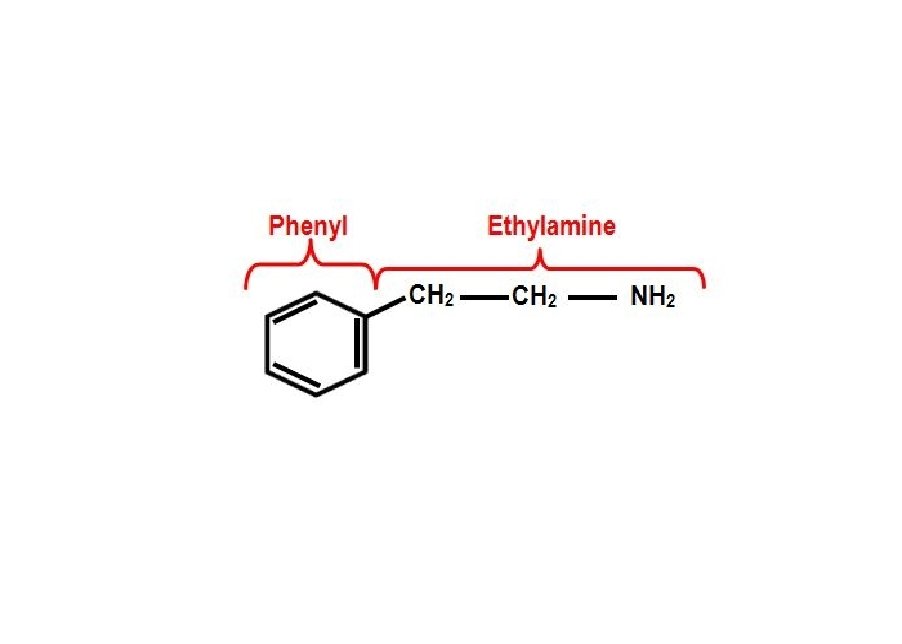
the adrenergic agonist are either catecholamines or noncatecholamines. A. Catecholamines: Sympathomimetic amines that contain the 3, 4 -dihydroxybenzene group (such as epinephrine, norepinephrine, isoproterenol, and dopamine).
Catecholamines properties 1. High potency: Catecholamines show the highest potency in directly activating α or β receptors. 2. Rapid inactivation: Catecholamines are metabolized by COMT postsynaptically and by MAO intraneuronally, Thus catecholamines have only a brief period of action when given parenterally, and they are inactivated (ineffective) when administered orally.
3. Poor penetration into the CNS: Catecholamines are polar and, therefore, do not readily penetrate into the CNS.
Direct-acting adrenergic agonists A. Epinephrine interacts with both α and β receptors. At low doses, β effects (vasodilation) on the vascular system predominate, whereas at high doses, α effects (vasoconstriction) are the strongest.
1. Actions a. Cardiovascular: (positive inotrope and chronotropic actions. b. Epinephrine cause production of angiotensin II, a potent vasoconstrictor. c. Epinephrine constricts arterioles in the skin, mucous membranes, and viscera (α effects),
• dilates vessels going to the liver and skeletal muscle (β 2 effects). increase in systolic blood pressure, coupled with a slight decrease in diastolic pressure due to β 2 receptor–mediated vasodilation in the skeletal muscle vascular bed.
• b. Respiratory: bronchodilation by acting directly on bronchial smooth muscle (β 2 action). • c. Hyperglycemia: Epinephrine has a significant hyperglycemic effect because of increased glycogenolysis in the liver (β 2 effect), increased release of glucagon (β 2 effect), and a decreased release of insulin (α 2 effect). • d. Lipolysis through agonist activity on the β receptors of adipose tissue. •
Therapeutic uses a. Bronchospasm: Epinephrine is used in the emergency treatment of acute asthma and anaphylactic shock. b. Anaphylactic shock: treatment of type I hypersensitivity reactions (including anaphylaxis) in response to allergens. c. Cardiac arrest: Epinephrine may be used to restore cardiac rhythm in patients with cardiac arrest.
d. Anesthetics: v. Epinephrine greatly increases the duration of local anesthesia and systemic toxicity of local anaesthetic is reduced. v. It is routinely included in dental anesthesia (unless contraindicated). vreduce bleeding as well.
B. Norepinephrine the α-adrenergic receptor is most affected. 1. Cardiovascular actions: a. Vasoconstriction: Norepinephrine causes a rise in peripheral resistance due to intense vasoconstriction of most vascular beds, including the kidney (α 1 effect). Both systolic and diastolic blood pressures increase.
Therapeutic uses Norepinephrine is used to treat shock, because it increases vascular resistance and, therefore, increases blood pressure.
• Albuterol and terbutaline. • are short-acting β 2 agonists used as bronchodilators and administered by a metered-dose inhaler. for the management of acute asthma symptoms.
• Salmeterol and formoterol are longacting β 2 selective agonists provides sustained bronchodilation over 12 hours, compared with less than 3 hours for albuterol.
Indirect-acting adrenergic agonists • Indirect-acting adrenergic agonists cause the release, inhibit the reuptake, or inhibit the degradation of epinephrine or norepinephrine. They potentiate the effects of epinephrine or norepinephrine produced endogenously, but do not directly affect postsynaptic receptors.
A. Amphetamine • has central stimulatory action so used by drug abusers. • the drug can also increase blood pressure significantly by α 1 agonist action on the vasculature, as well as β 1 -stimulatory effects on the heart. • Its action by increase the release of catecholamines such as dopamine and norepinephrine from nerve terminals. Thus, amphetamine is an indirect-acting adrenergic drug. Its used as CNS stimulants