
Chinese Urbanism in Global Context PLAN A 6526
Chinese Urbanism in Global Context PLAN A 6526 Columbia University Prof. Weiping Wu Bifurcated urban population & space
Presentations � Urbanization and policy ◦ Mega international events ◦ Air pollution � Built environment ◦ Regional planning and ◦ Compact city planning urbanization ◦ Green roof ◦ Western influence on urban ◦ Ghost cities China ◦ Public space ◦ Property tax ◦ TOD ◦ Impact of highway � Infrastructure and housing construction ◦ Comparative analysis of ◦ Green industry development affordable housing � Urban development and ◦ PPP for affordable housing redevelopment ◦ Urban water and sewerage ◦ Role of “Urban Villages” ◦ Cross-border transport ◦ Redevelopment of “Urban Villages” ◦ Urban slums ◦ Enclave urbanism
Reconfiguration of urban space �No longer the egalitarian, low-profile, and walking-scale socialist city �Linkage between work and residence has all but disappeared ◦ End of cellular-type of housing built around work units �Unprecedented residential mobility ◦ Rising role of real estate development ◦ Cessation of work-unit compounds ◦ Less pedestrian and bicycle oriented
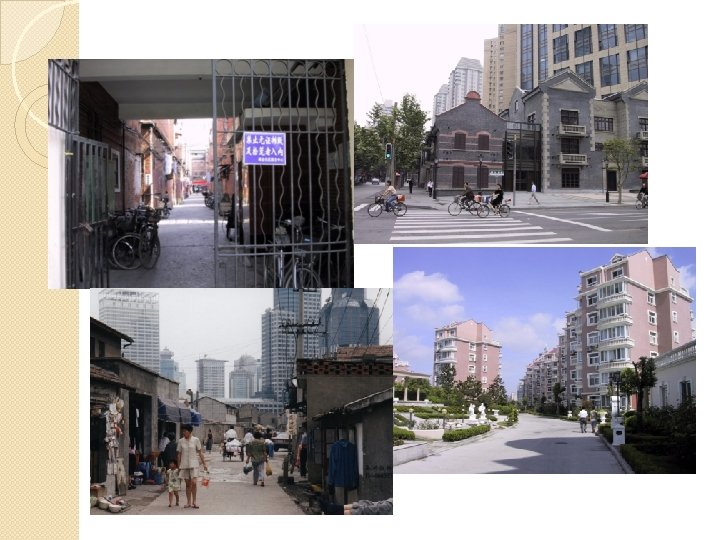
Neighborhoods – differentiation �traditional neighborhoods in old-city area developed before 1949 �enclaves of high-end residential development in redeveloped central areas �work-unit compounds built between 1949 -1978 with high level of social mixture within �mixed-use suburban areas or satellite towns, developed from the late 1970 s onward
Increasing spatial differentiation �Concentration of migrants ◦ Augmented by social networks that sustain migration flows �Return of pre-socialist divisions ◦ Migrants dominate poorer neighborhoods in less desirable locations �Satellite or “daughter” communities of migrants ◦ ‘Urban villages’
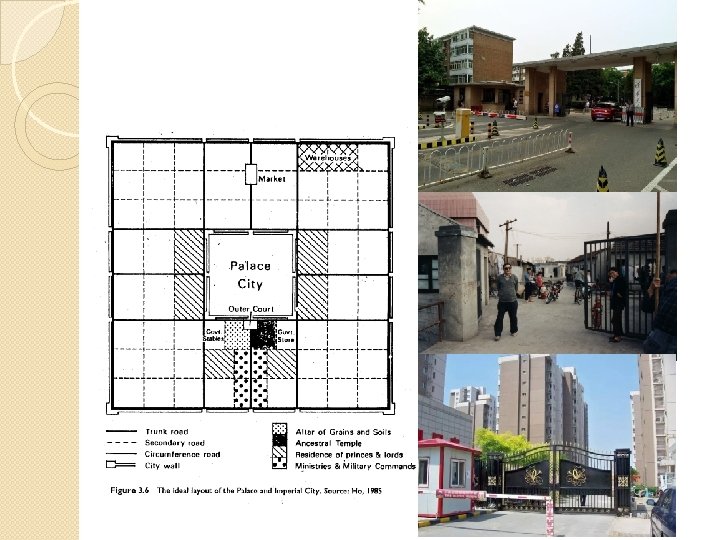
Gating exclusionary? �Historical roots ◦ Collectivism-oriented culture deeply embedded in society – neighborhood (jiefang) and courtyard houses ◦ Common work-unit affiliation: housing, work, and social/political/civil functions ◦ Enclosed neighborhood (xiaoqu) �Differ from gated communities in US
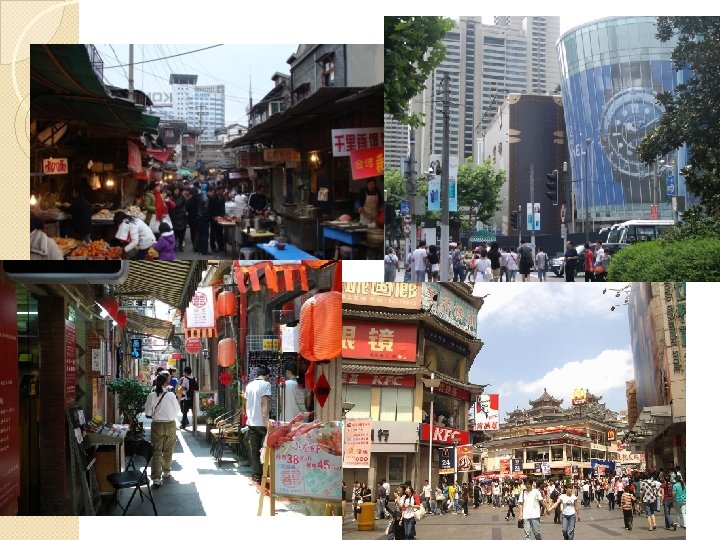
Remaking of economic space �Creation of new industrial parks in urban periphery �Building of new central business districts �Multiplying clusters of commercial and entertainment activities ◦ So-called “consumer revolution” ◦ Polycentric and highly differentiated
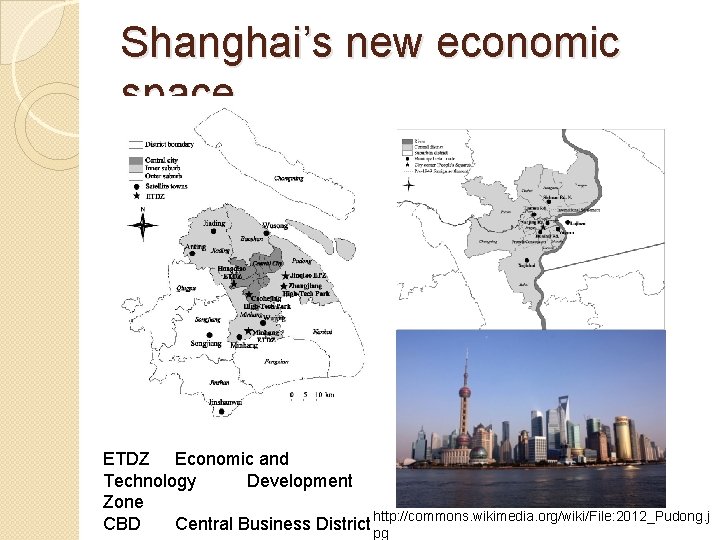
Shanghai’s new economic space ETDZ Economic and Technology Development Zone CBD Central Business District http: //commons. wikimedia. org/wiki/File: 2012_Pudong. j pg
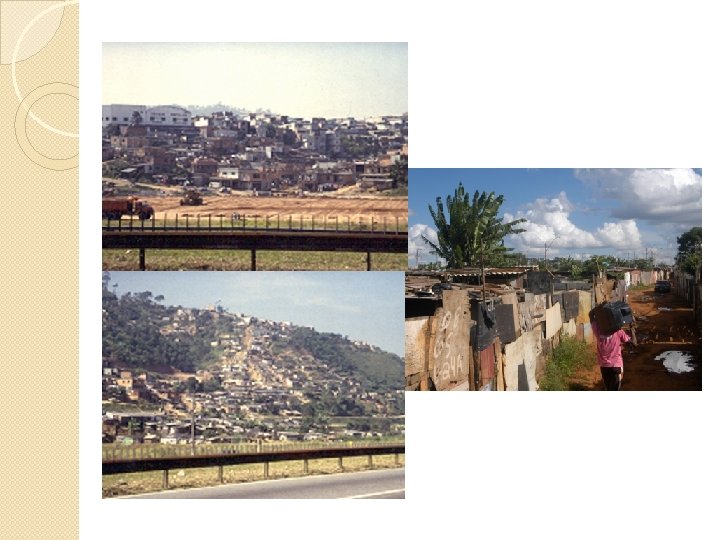
Migrant settlement �Distribution of migrant residence shifted markedly since 1980 s ◦ Initially migrants concentrated in central city ◦ Downtown redevelopment made housing in central city less affordable �Largest number of migrants concentrate in inner suburbs since 1990 s �Why not forming squatter settlements as in other developing countries?
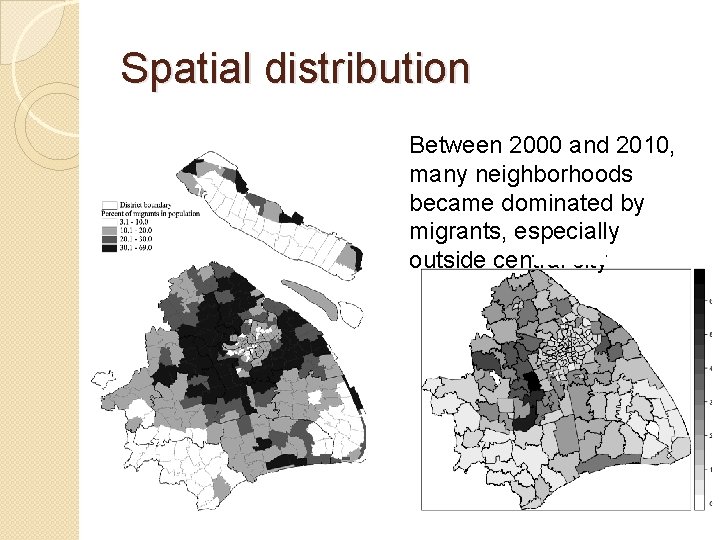
Spatial distribution Between 2000 and 2010, many neighborhoods became dominated by migrants, especially outside central city
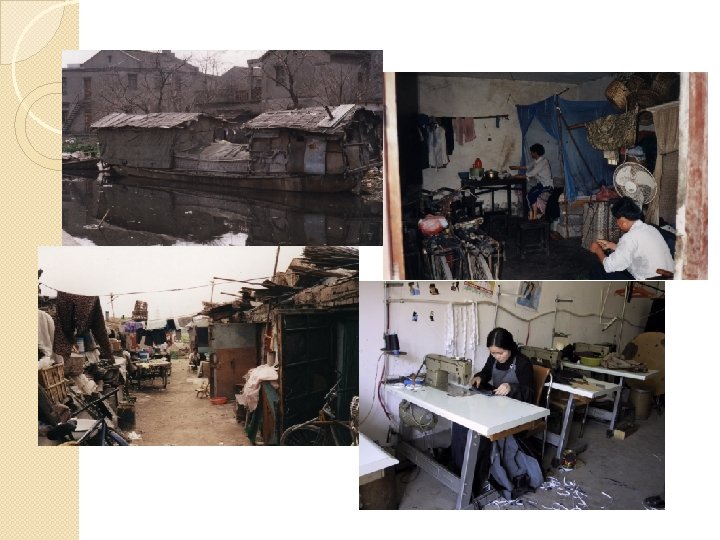
Sojourners in the city �Positioning migrants in urban society ◦ Labor is desired but presence unwanted ◦ Limited access to urban benefits �Most migrants trapped in two housing types in spite of high mobility rates ◦ Renting private housing ◦ Living in dorm or workshed. �Few rural migrants make transition from renters to owners after years in city
- Slides: 16