
Chinas OneChild Policy POPULATION POLICIES During Mao Zedongs
- Slides: 15
China’s One-Child Policy
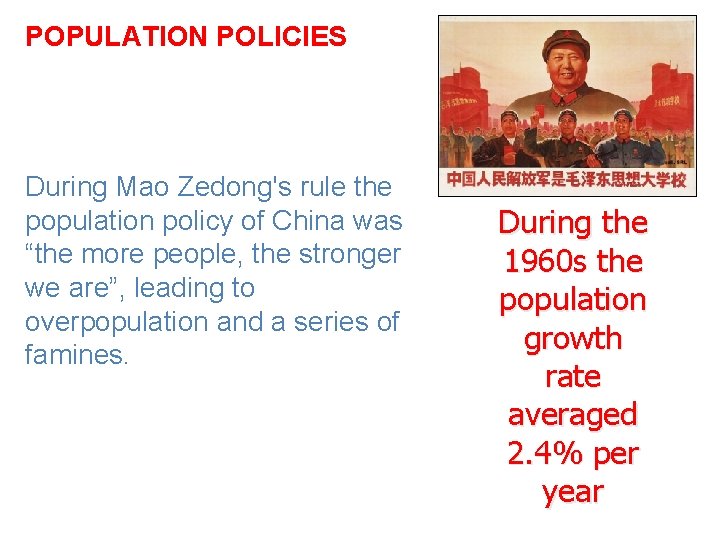
POPULATION POLICIES During Mao Zedong's rule the population policy of China was “the more people, the stronger we are”, leading to overpopulation and a series of famines. During the 1960 s the population growth rate averaged 2. 4% per year
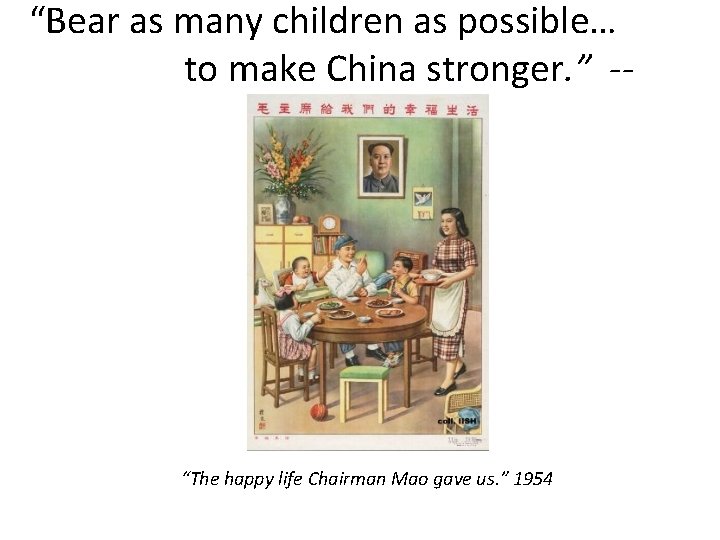
“Bear as many children as possible… to make China stronger. ” -Mao Zedong “The happy life Chairman Mao gave us. ” 1954
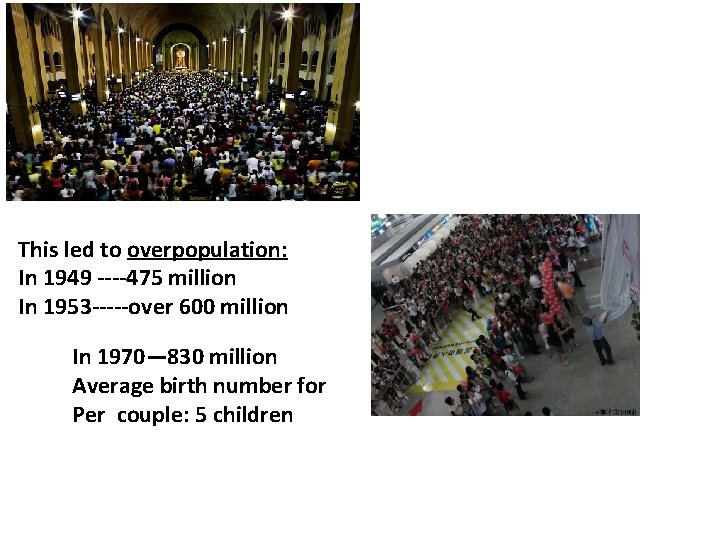
This led to overpopulation: In 1949 ----475 million In 1953 -----over 600 million In 1970— 830 million Average birth number for Per couple: 5 children
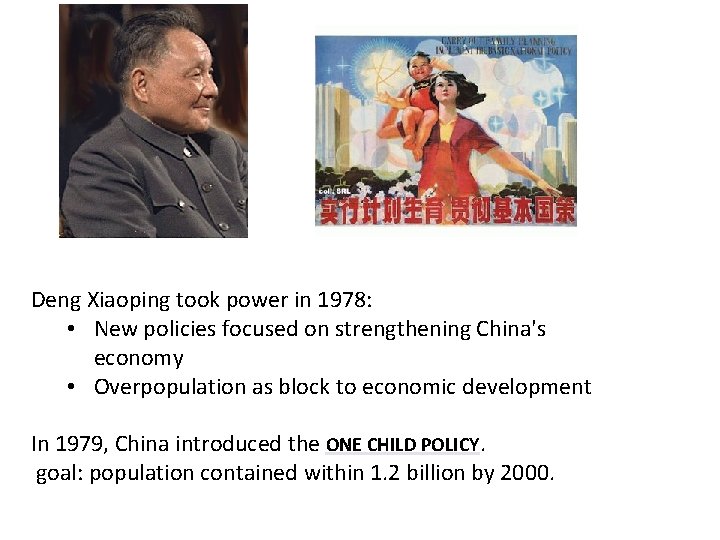
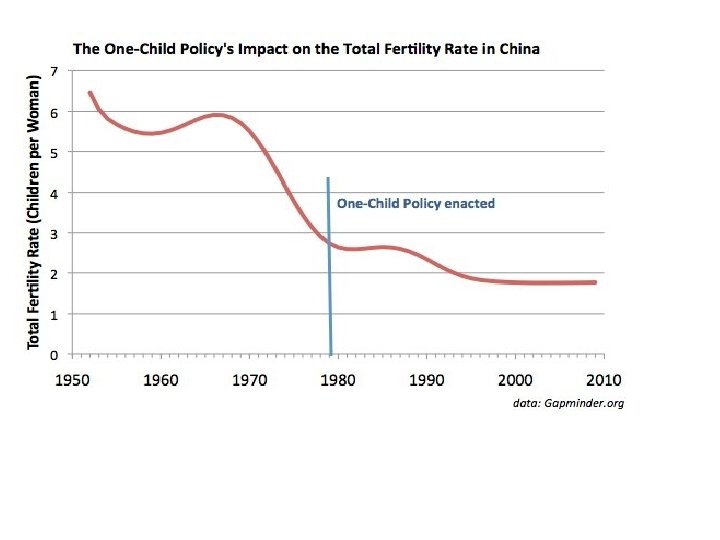
Deng Xiaoping took power in 1978: • New policies focused on strengthening China's economy • Overpopulation as block to economic development In 1979, China introduced the ONE CHILD POLICY. goal: population contained within 1. 2 billion by 2000.
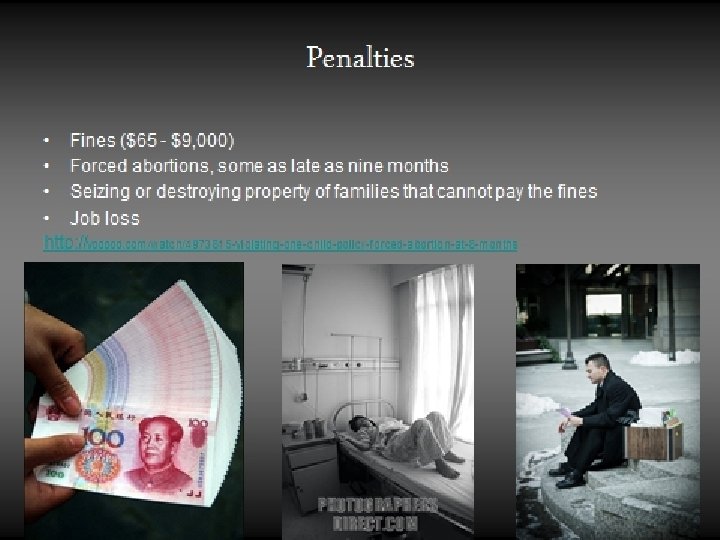
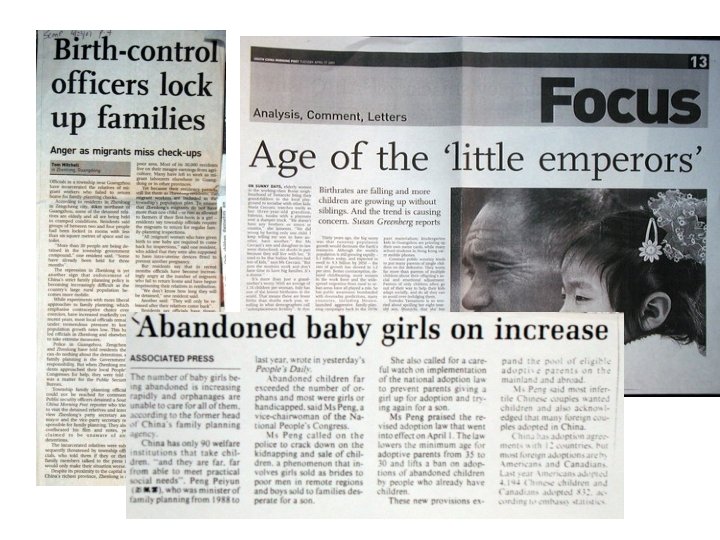
Penalties • Fines ($65 - $9, 000) • Forced abortions, some as late as nine months • Seizing or destroying property of families that cannot pay the fines • Job loss http: //vodpod. com/watch/4973815 -violating-one-child-policy-forced-abortion-at-8 -months
General exceptions • Members of ethnic minorities • First child disabled or dies • Remarried couples • In rural areas, if first child is a girl • Pregnancy after adoption
Success of the Policy The policy has led to a decrease in population by 300 million over the 30 years the policy has been in place
Benefits of the Policy • It encourages female independence and the opportunity to be equal in the workplace • Improved standards of living for families • Education is costly so the one child can be more highly educated • Less mouths to feed so less famine • Less competition for jobs – lower unemployment • The problems of overpopulation decreases
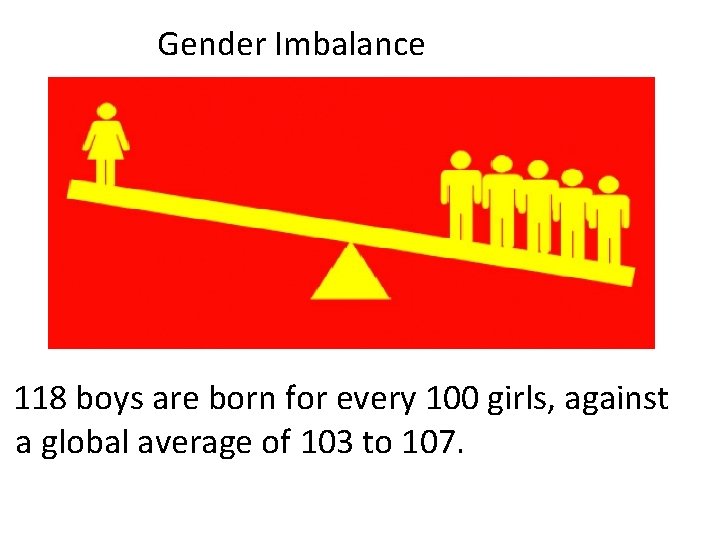
Gender Imbalance 118 boys are born for every 100 girls, against a global average of 103 to 107.
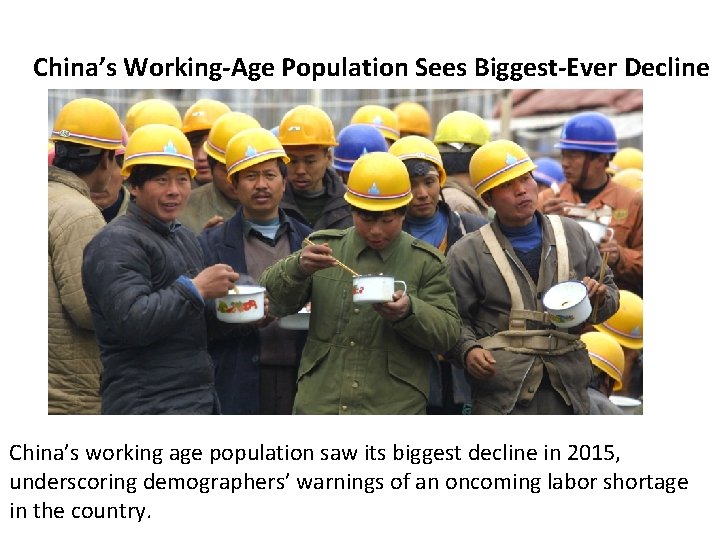
China’s Working-Age Population Sees Biggest-Ever Decline China’s working age population saw its biggest decline in 2015, underscoring demographers’ warnings of an oncoming labor shortage in the country.
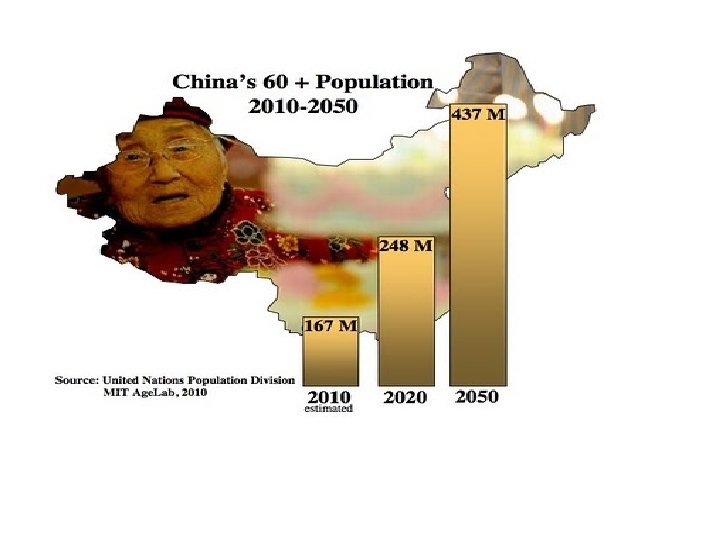
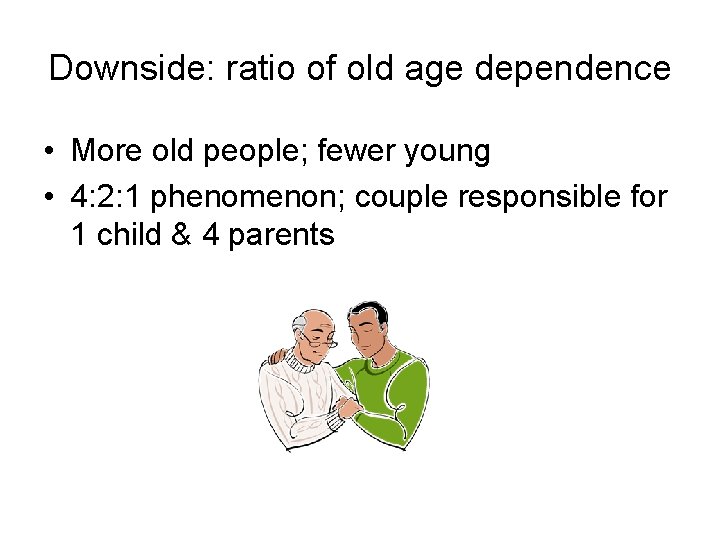
Downside: ratio of old age dependence • More old people; fewer young • 4: 2: 1 phenomenon; couple responsible for 1 child & 4 parents