
China Past to Present Geography Natural Barriers Geography
China Past to Present

Geography Natural Barriers
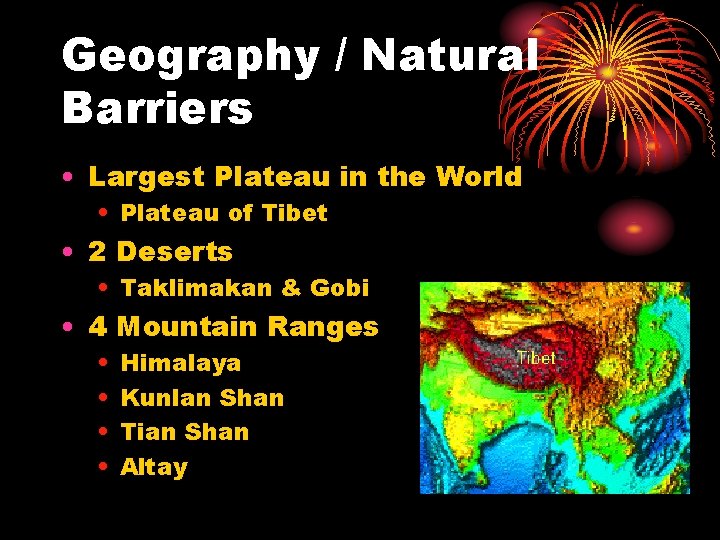
Geography / Natural Barriers • Largest Plateau in the World • Plateau of Tibet • 2 Deserts • Taklimakan & Gobi • 4 Mountain Ranges • • Himalaya Kunlan Shan Tian Shan Altay
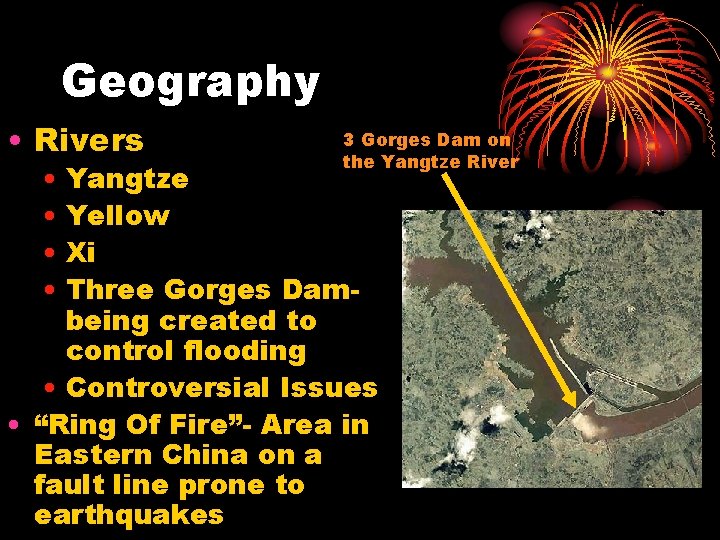
Geography • Rivers 3 Gorges Dam on the Yangtze River • Yangtze • Yellow • Xi • Three Gorges Dambeing created to control flooding • Controversial Issues • “Ring Of Fire”- Area in Eastern China on a fault line prone to earthquakes
Inference #1 • How do you think the geography effects the population density of China? Geography forces people to live on the east coast.
China’s History Ch’in / QIN Silk Road Great Wall
Ch'in and the Great Wall
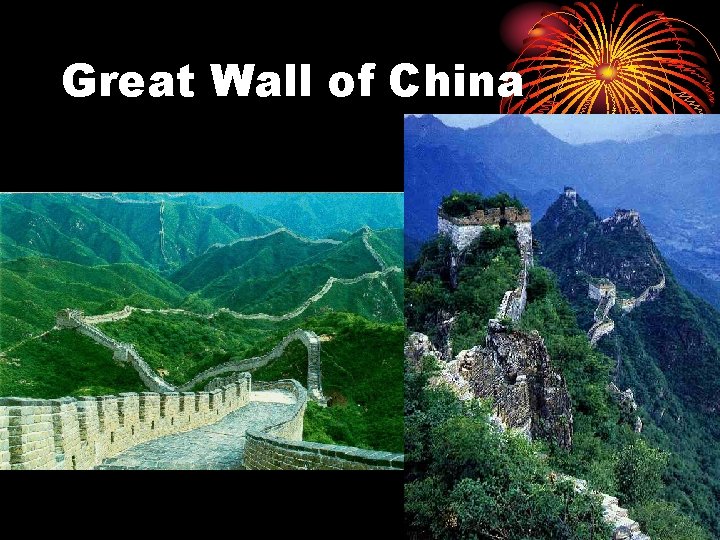
Great Wall of China
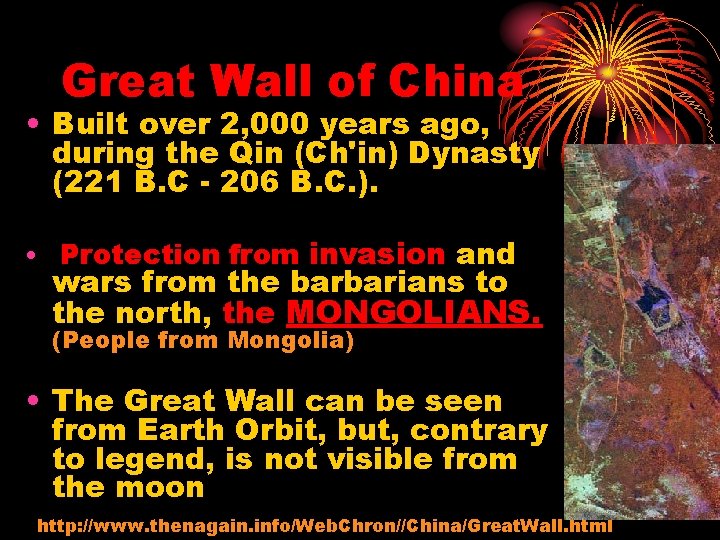
Great Wall of China • Built over 2, 000 years ago, during the Qin (Ch'in) Dynasty (221 B. C - 206 B. C. ). invasion and wars from the barbarians to the north, the MONGOLIANS. • Protection from (People from Mongolia) • The Great Wall can be seen from Earth Orbit, but, contrary to legend, is not visible from the moon http: //www. thenagain. info/Web. Chron//China/Great. Wall. html
Inference #2 • How do you think traveling to different parts of the world could or does effect inventions? Gives you ideas and new supplies to build new things.
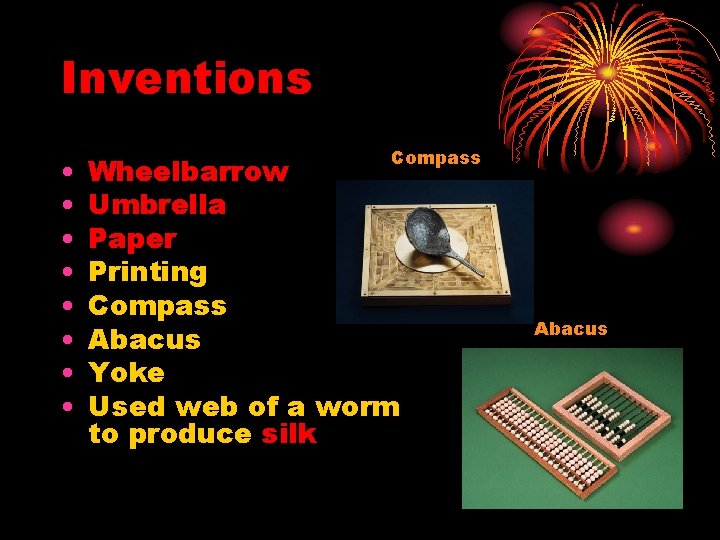
Inventions • • Compass Wheelbarrow Umbrella Paper Printing Compass Abacus Yoke Used web of a worm to produce silk Abacus
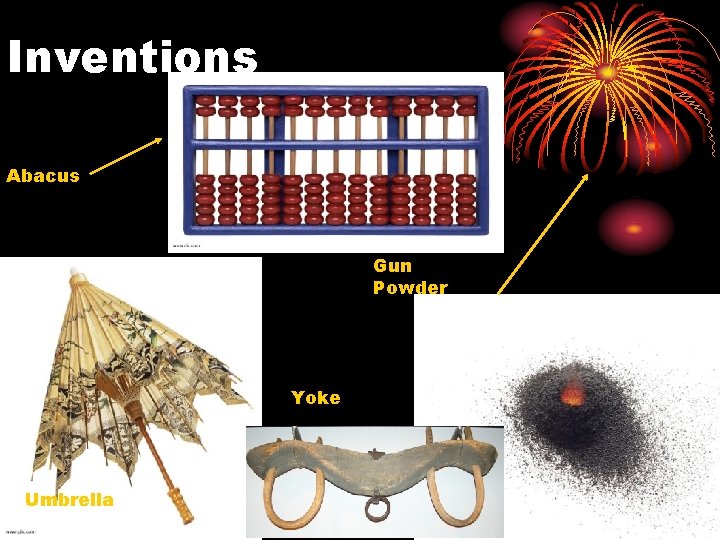
Inventions Abacus Gun Powder Yoke Umbrella
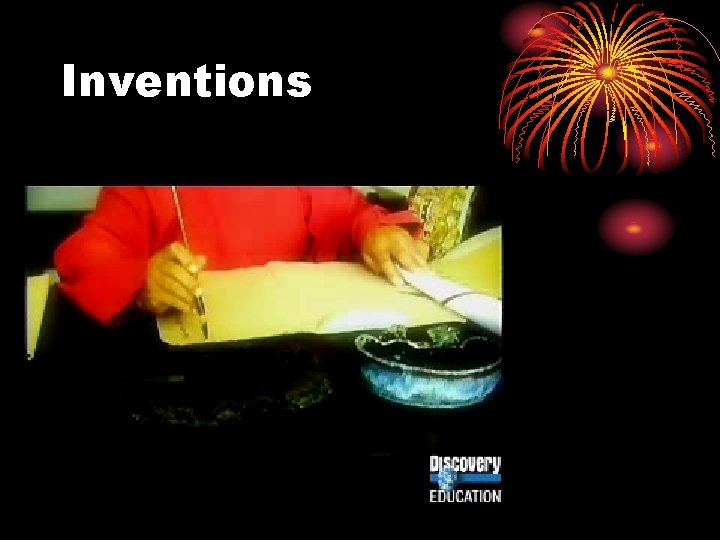
Inventions
Gunpowder
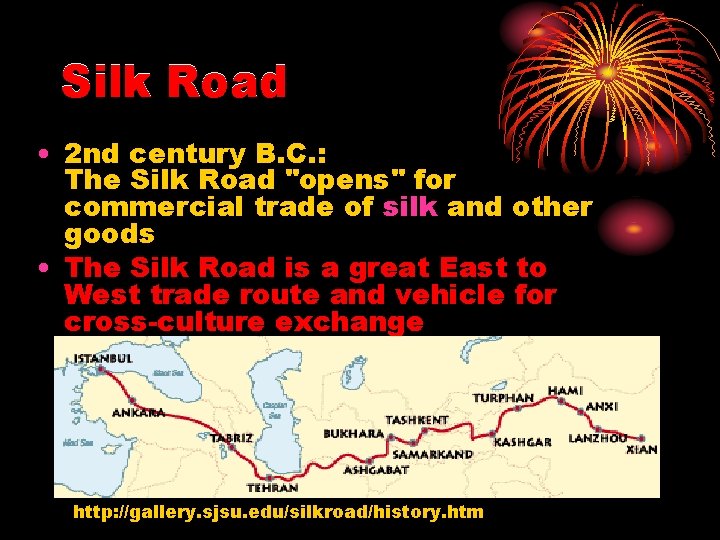
Silk Road • 2 nd century B. C. : The Silk Road "opens" for commercial trade of silk and other goods • The Silk Road is a great East to West trade route and vehicle for cross-culture exchange http: //gallery. sjsu. edu/silkroad/history. htm
Effects of the Silk Road
End of an Era
China Today • Full country name: People's Republic of China • Population: 1. 3 billion (mainland) Yikes! • Capital city: Beijing (pop 13. 8 million) • People: Han Chinese (93%), plus 55 ethnic minorities • Languages: Putonghua (Beijing Mandarin dialect), Cantonese • Religion: Confucianism, Buddhism, Taoism (no stats available); Muslim (14 million), Christian (7 million) • Government: (Communist/Totalitarian)
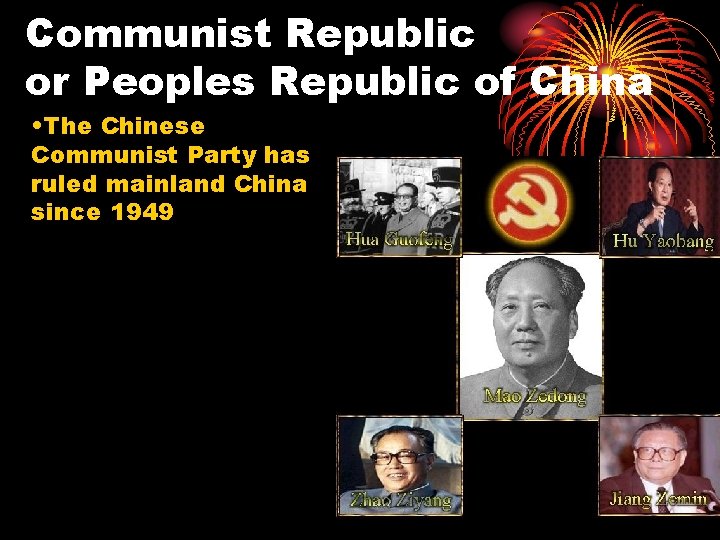
Communist Republic or Peoples Republic of China • The Chinese Communist Party has ruled mainland China since 1949
Chinese Government • It is currently the largest and most important governing Communist party, but it has essentially abandoned the principle of a collective economy directed by the state. It does continue to exercise exclusive political power, however, and it has actively suppressed real and perceived challenges to its power. Jiang Zemin, who was party leader from 1989 to 2002, essentially rejected the notion of class struggle in 2001 when he promoted the recruitment of business executives and entrepreneurs as party members. Jiang was succeeded as party leader by Hu Jintao. http: //www. bartleby. com/65/co/Communis. Chi. html
Tiananmen Square
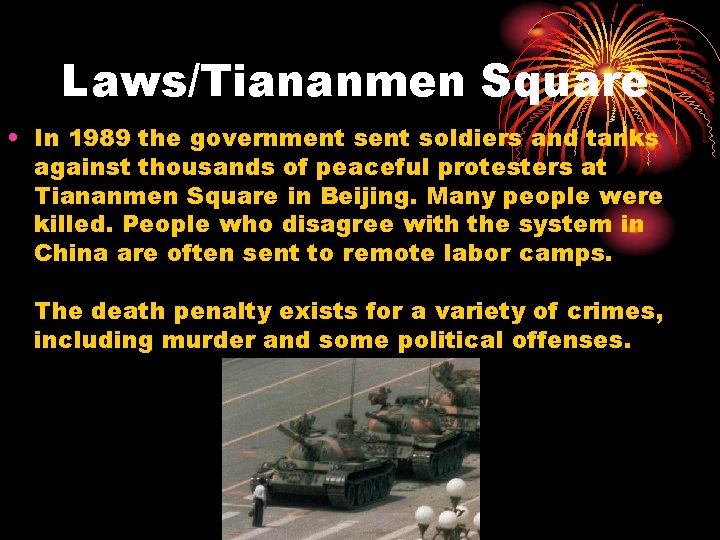
Laws/Tiananmen Square • In 1989 the government soldiers and tanks against thousands of peaceful protesters at Tiananmen Square in Beijing. Many people were killed. People who disagree with the system in China are often sent to remote labor camps. The death penalty exists for a variety of crimes, including murder and some political offenses.
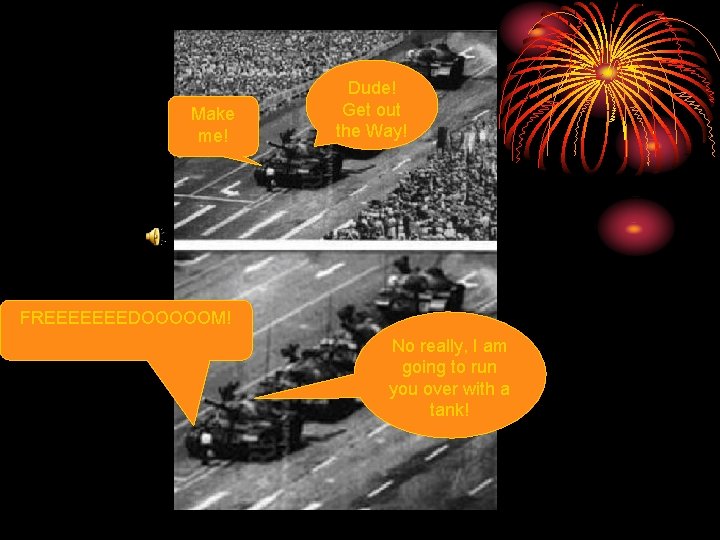
Make me! Dude! Get out the Way! FREEEEEEEDOOOOOM! No really, I am going to run you over with a tank!
Tiananmen Square
Inference #3 • Knowing China is a Communistic country, why do you think the government is giving up total control of the economy? In other words, China is allowing the people more freedom when it comes to the economy. Why? Allowed China to have more trading partners, make more money (taxes)
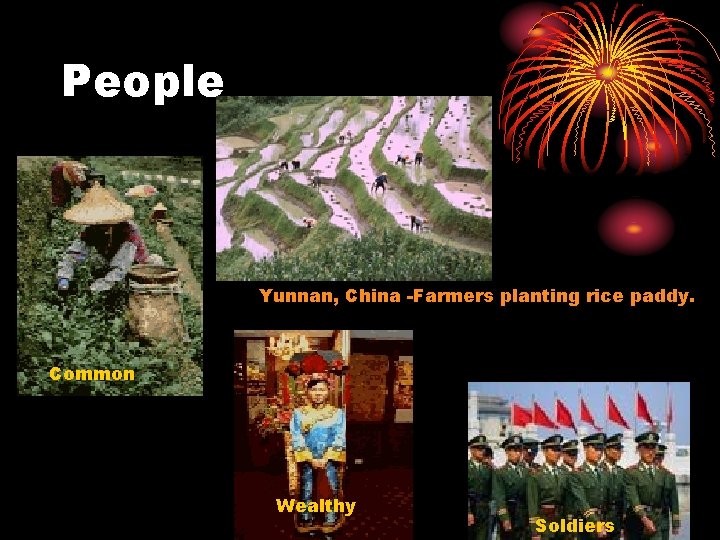
People Yunnan, China -Farmers planting rice paddy. Common Wealthy Soldiers
Religion • Taoism sought to promote the inner peace of individuals and harmony with their surroundings • Confucianism based on the teachings and writings of the philosopher Confucius, is an ethical system that sought to teach the proper way for all people to behave in society • Buddhism came to China from India as early as the 1 st century AD, was a more conventional religion • Christianity and Islam is also practiced • The Chinese government is cautious about all religious activity, especially if it happens to involve foreign people in any way http: //acc 6. its. brooklyn. cuny. edu/~phalsall/texts/chinrelg. html
Inference #4 • Do you think North/South Korea, Japan and Taiwan have similar religions? Why or why not? Each region does have similar religions, the government can stop religious activities, especially in North Korea.
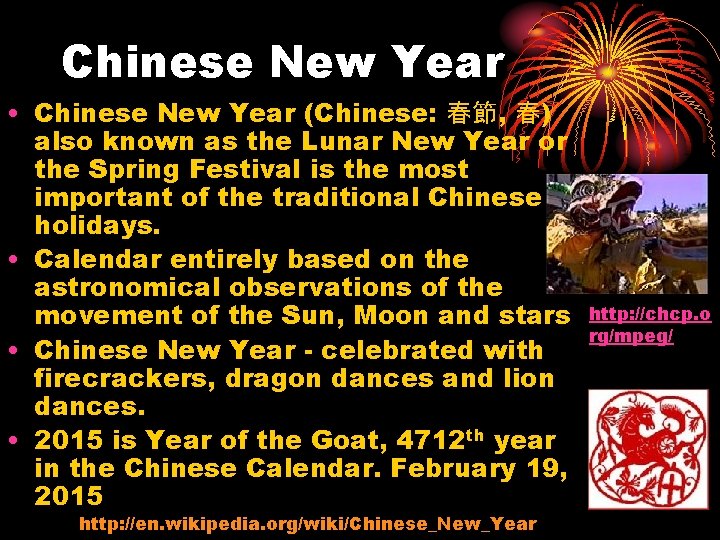
Chinese New Year • Chinese New Year (Chinese: 春節, 春) also known as the Lunar New Year or the Spring Festival is the most important of the traditional Chinese holidays. • Calendar entirely based on the astronomical observations of the movement of the Sun, Moon and stars • Chinese New Year - celebrated with firecrackers, dragon dances and lion dances. • 2015 is Year of the Goat, 4712 th year in the Chinese Calendar. February 19, 2015 http: //en. wikipedia. org/wiki/Chinese_New_Year http: //chcp. o rg/mpeg/
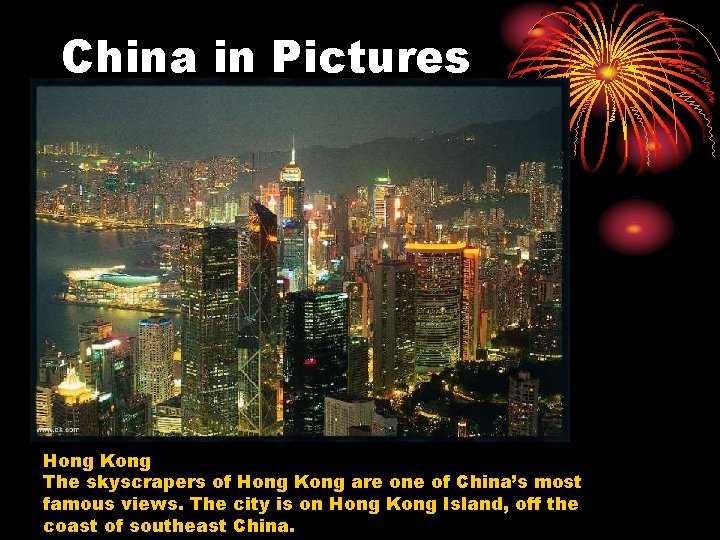
China in Pictures Hong Kong The skyscrapers of Hong Kong are one of China’s most famous views. The city is on Hong Kong Island, off the coast of southeast China.
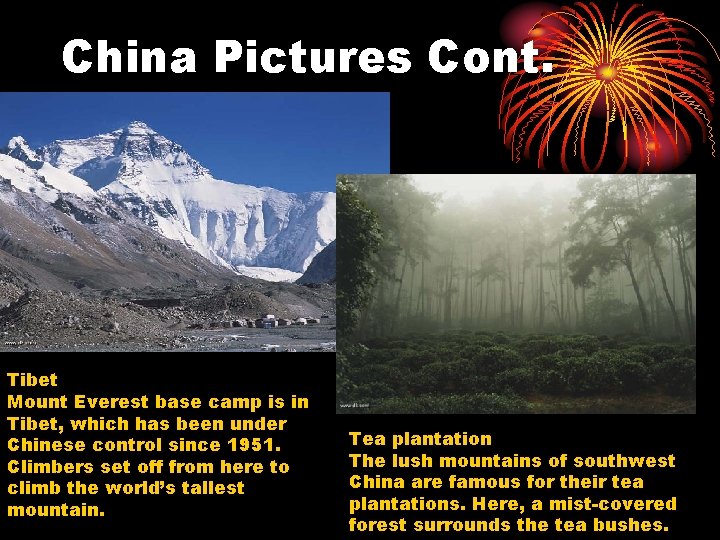
China Pictures Cont. Tibet Mount Everest base camp is in Tibet, which has been under Chinese control since 1951. Climbers set off from here to climb the world’s tallest mountain. Tea plantation The lush mountains of southwest China are famous for their tea plantations. Here, a mist-covered forest surrounds the tea bushes.
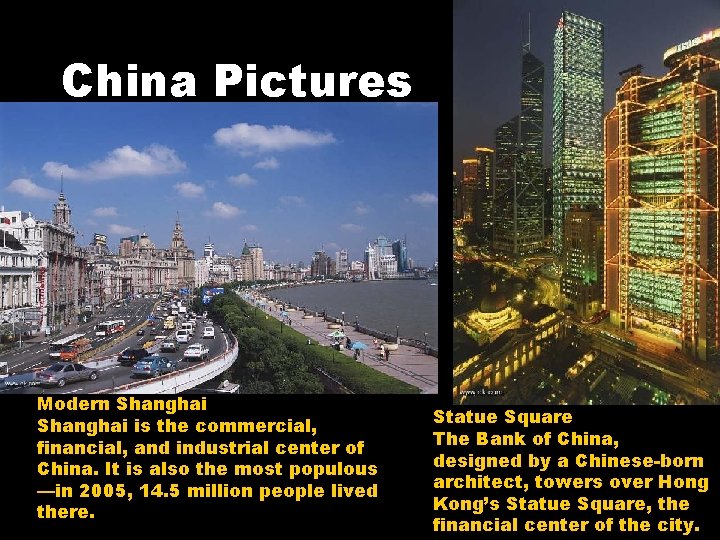
China Pictures Modern Shanghai is the commercial, financial, and industrial center of China. It is also the most populous —in 2005, 14. 5 million people lived there. Statue Square The Bank of China, designed by a Chinese-born architect, towers over Hong Kong’s Statue Square, the financial center of the city.
Inference #5 • China and Japan’s cars and homes tend to be smaller than ours. Why? They have a very large population of people and they do not have any room.
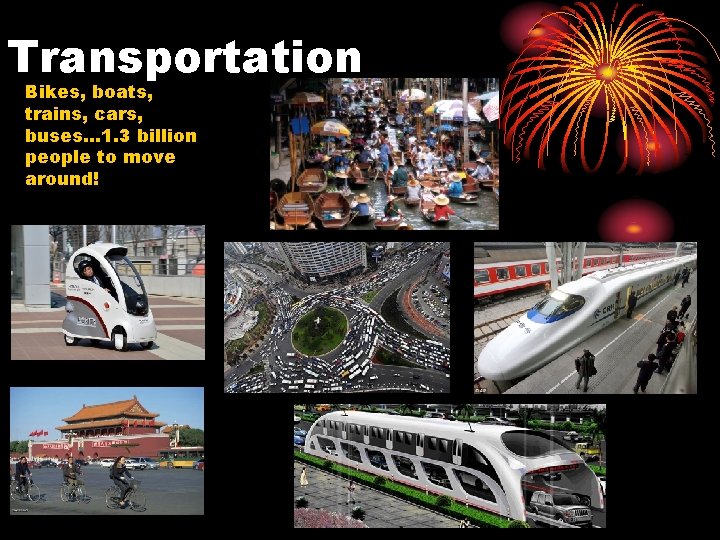
Transportation Bikes, boats, trains, cars, buses… 1. 3 billion people to move around!
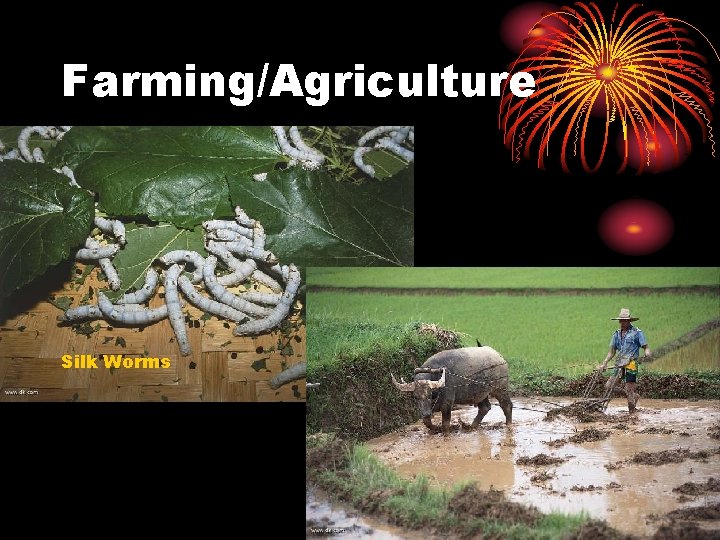
Farming/Agriculture Silk Worms
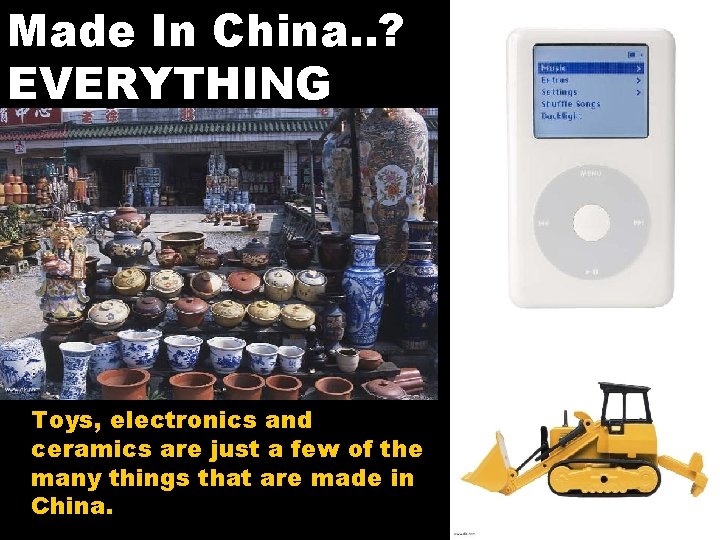
Made In China. . ? EVERYTHING Toys, electronics and ceramics are just a few of the many things that are made in China.
Inference #6 • Why is China able to produce so many goods like toys, phones, computers, etc. ? They have a lot of workers, money, resources and trading partners.
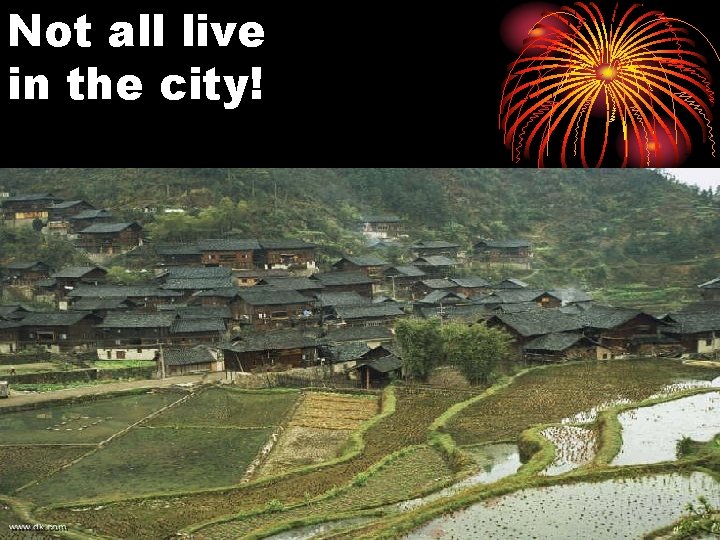
Not all live in the city!
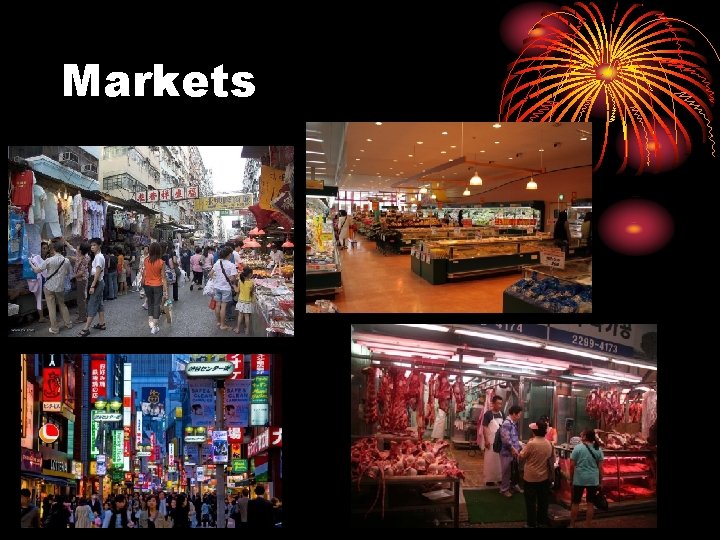
Markets
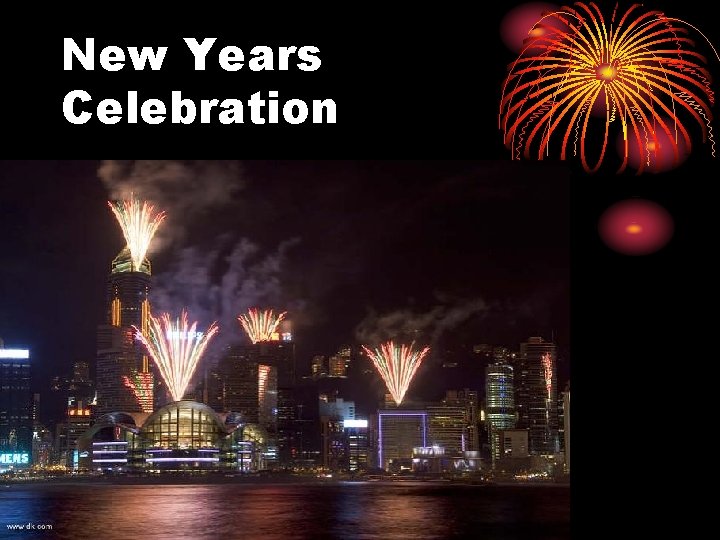
New Years Celebration
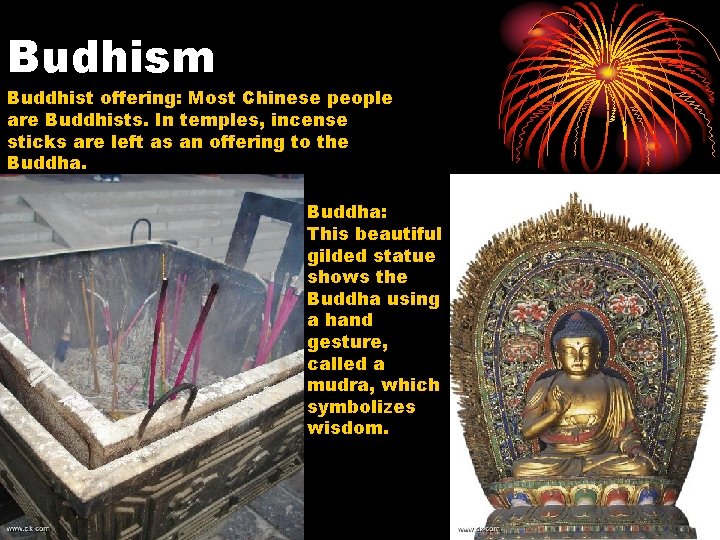
Budhism Buddhist offering: Most Chinese people are Buddhists. In temples, incense sticks are left as an offering to the Buddha: This beautiful gilded statue shows the Buddha using a hand gesture, called a mudra, which symbolizes wisdom.
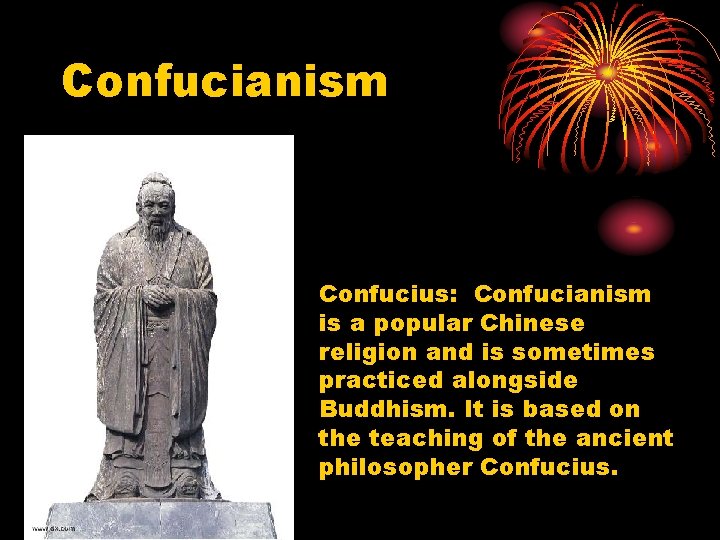
Confucianism Confucius: Confucianism is a popular Chinese religion and is sometimes practiced alongside Buddhism. It is based on the teaching of the ancient philosopher Confucius.
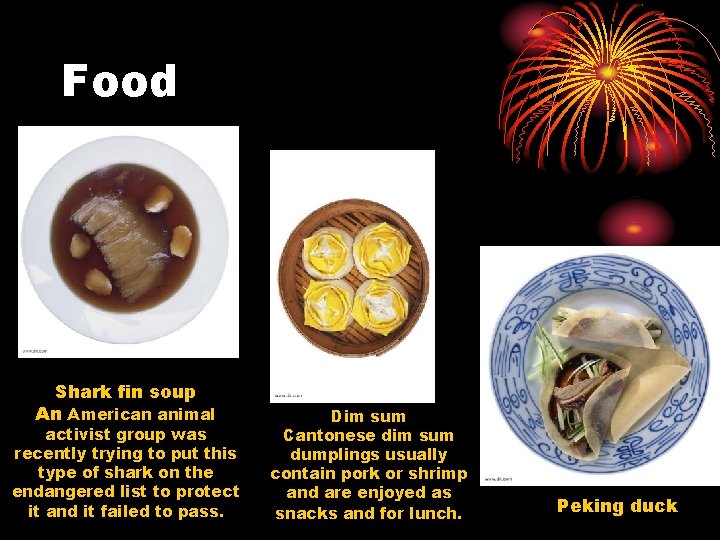
Food Shark fin soup An American animal activist group was recently trying to put this type of shark on the endangered list to protect it and it failed to pass. Dim sum Cantonese dim sum dumplings usually contain pork or shrimp and are enjoyed as snacks and for lunch. Peking duck
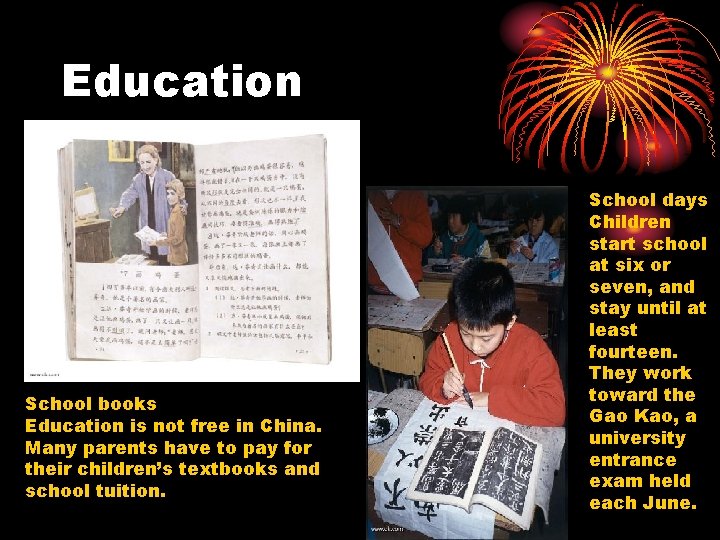
Education School books Education is not free in China. Many parents have to pay for their children’s textbooks and school tuition. School days Children start school at six or seven, and stay until at least fourteen. They work toward the Gao Kao, a university entrance exam held each June.
Resources • http: //www. foodsafety. org. cn/sp ecial/ricetour/eng/photo. htm • http: //acc 6. its. brooklyn. cuny. edu /~phalsall/texts/chinrelg. html • Eyewitness Books
- Slides: 45